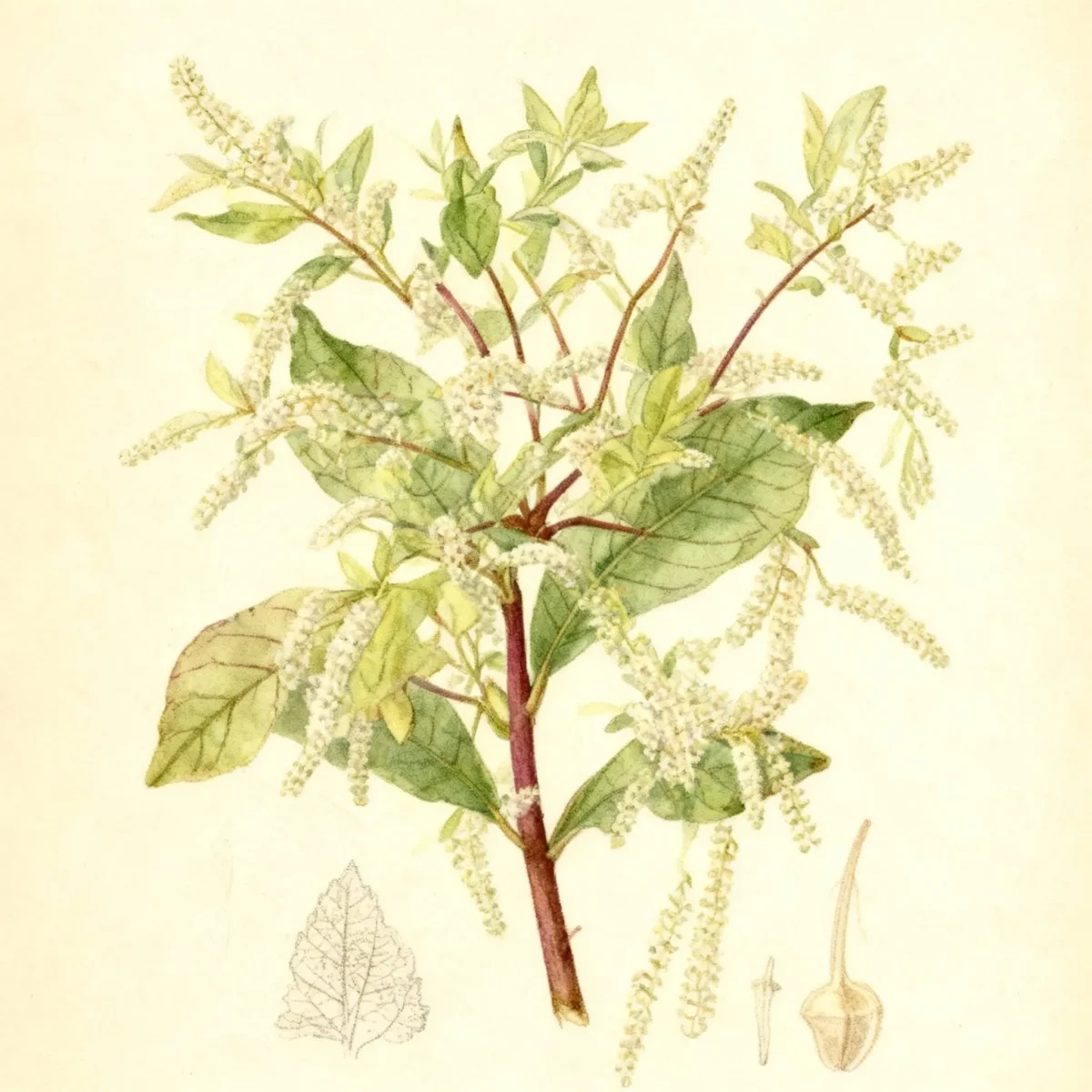
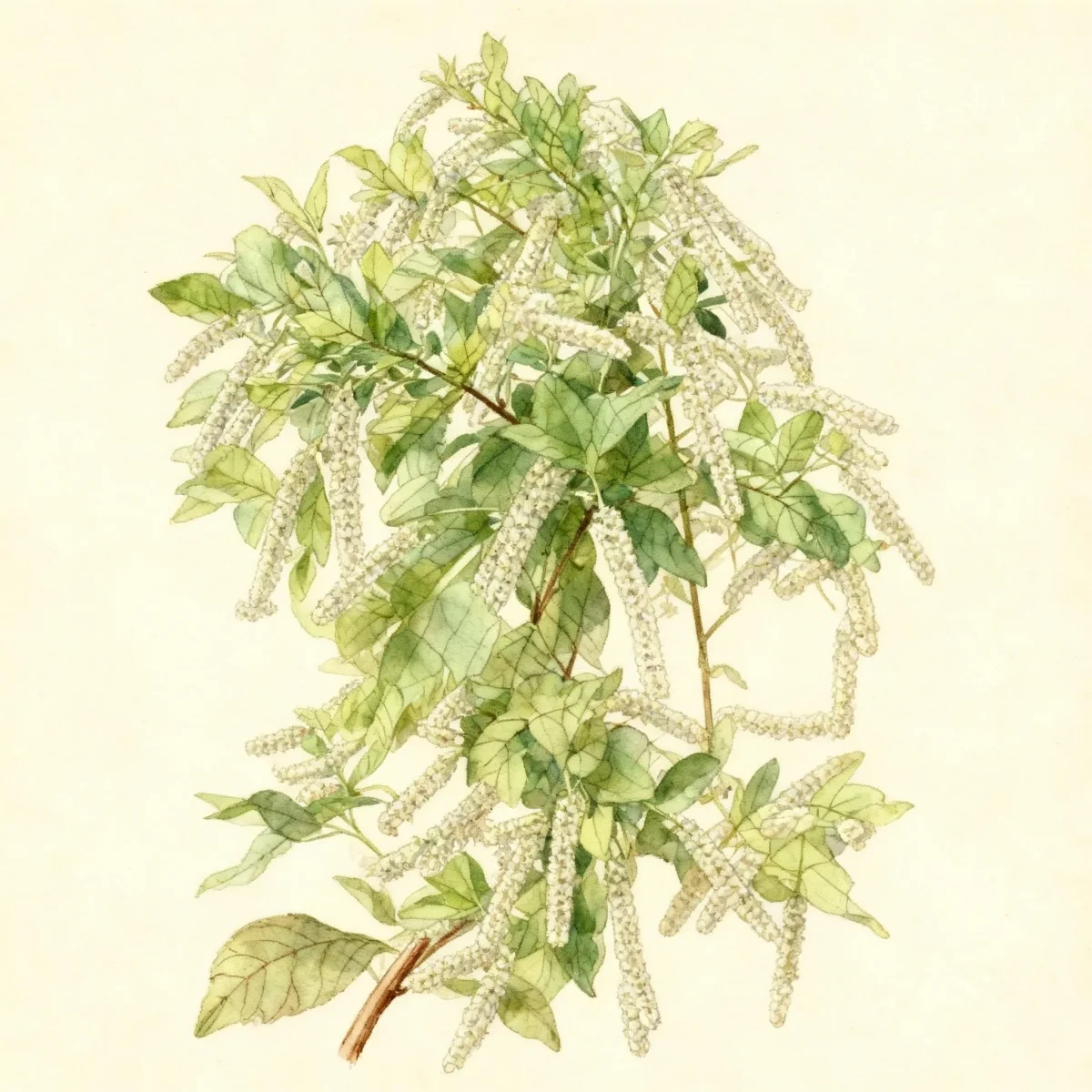
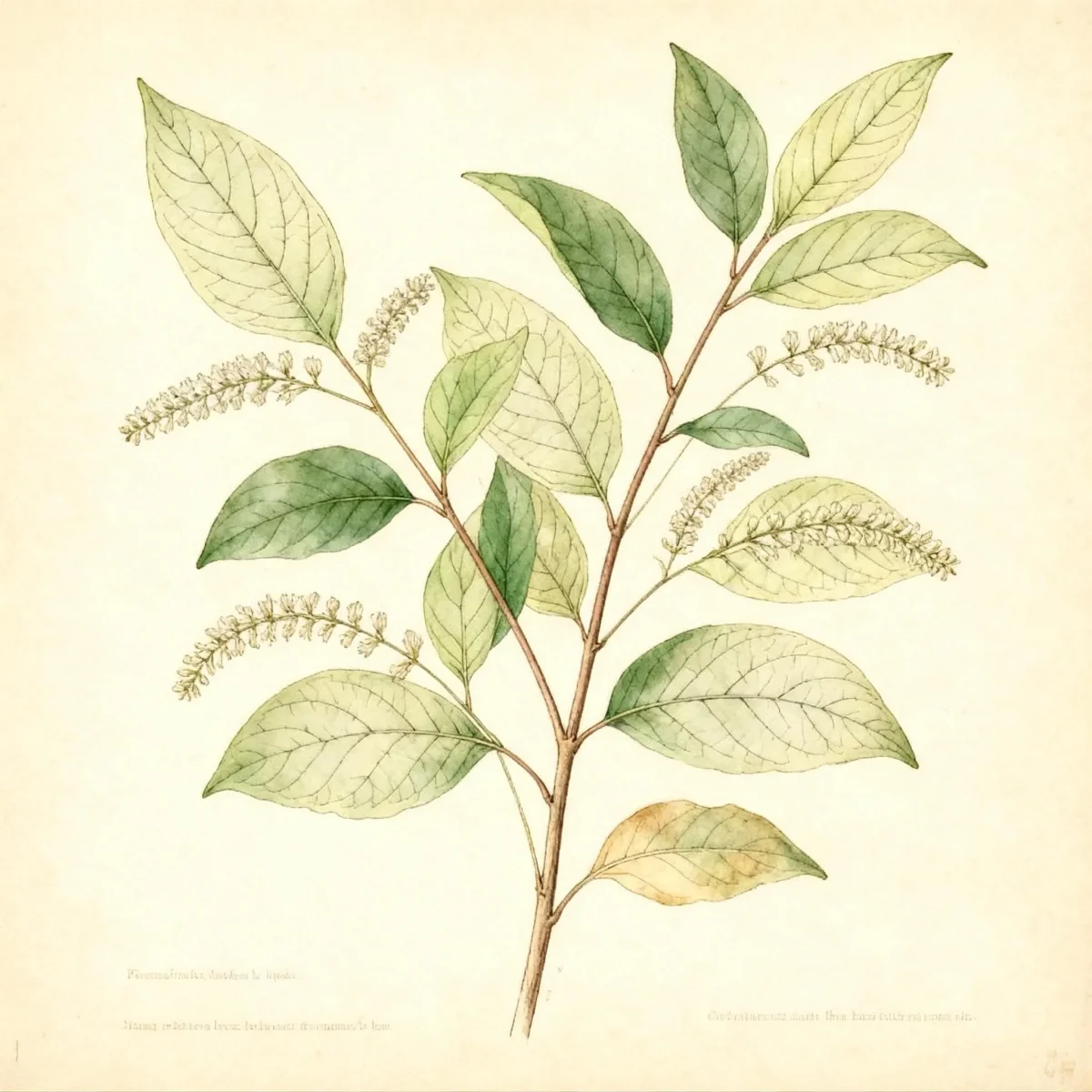
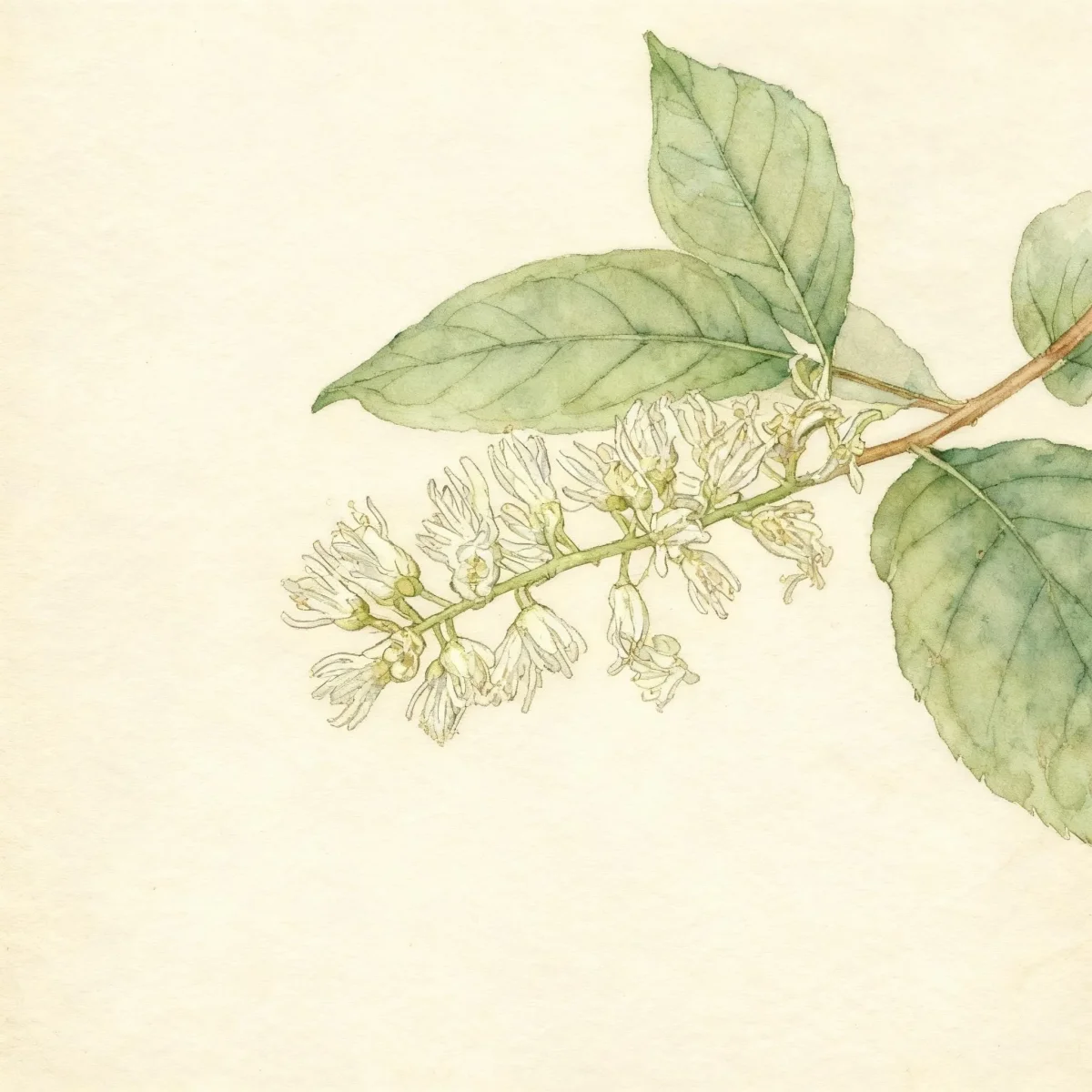
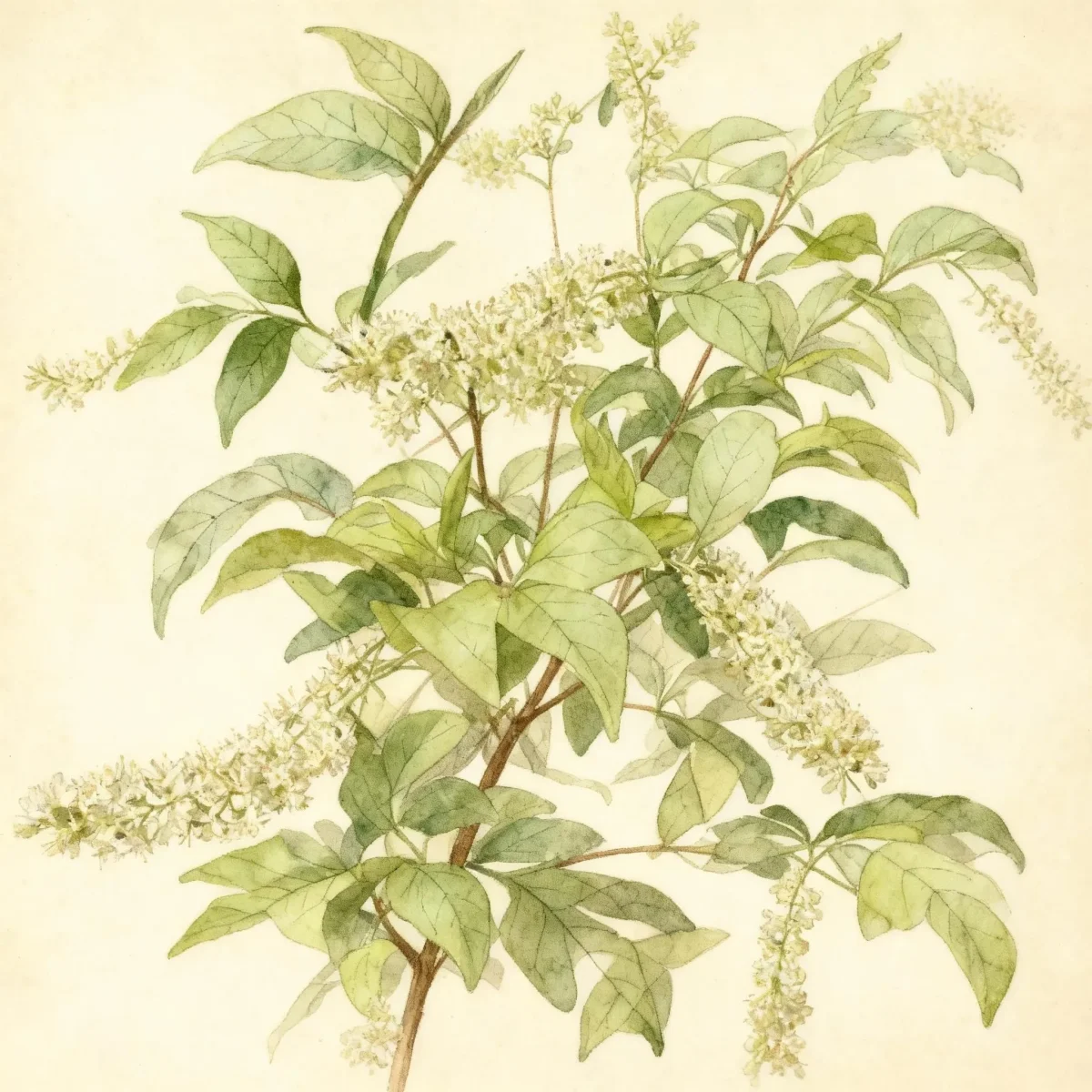
Virginia sweetspire (Itea virginica 'Sarah Eve')
Itea virginica 'Sarah Eve' is a low-maintenance deciduous shrub prized for fragrant white flowers and brilliant fall color. Ideal for wet sites.
Scroll down to discover growing tips, care requirements, companion plants, and more
Complete Plant Information
Overview
Itea virginica ‘Sarah Eve’, commonly known as Virginia sweetspire, is a highly adaptable and attractive deciduous shrub celebrated for its robust performance and seasonal interest. This cultivar brings architectural form with its rounded, broad-spreading habit supported by arching branches, creating a fine display from spring through late autumn. Gardeners value the Virginia sweetspire for its clusters of gently fragrant white flowers that appear in mid-summer, providing color when many other shrubs have finished blooming.
This selection offers exceptional reliability, flourishing across diverse soil conditions, particularly thriving where moisture levels are higher. The dark green foliage of Itea virginica ‘Sarah Eve’ transitions into spectacular shades of red, orange, and gold in the fall, often holding these brilliant hues well into early winter, extending the landscape color season significantly. Its resilience makes the Virginia sweetspire a dependable choice for challenging spots in the garden.
From a functional standpoint, Itea virginica ‘Sarah Eve’ is low maintenance once established, requiring minimal intervention. It is an excellent native selection that naturally spreads by root suckers, making it an effective solution for stabilizing slopes or creating dense, informal groupings. Its ability to handle a wide range of light conditions, from full sun to significant shade, adds to its versatility in modern landscape planning.
Fast Facts
- Plant Family: Iteaceae
- Plant Type: Deciduous shrub
- Hardiness Zones: USDA Zones 5-9
- Size at Maturity:
- Height: 4-6 ft
- Spread: 4-6 ft
- Bloom Time: June to July
- Bloom Description: White with pink pedicels
- Sun Exposure: Full sun to part shade
- Water Needs: Medium to wet
- Maintenance Level: Low
How to Grow
The best time to establish the Virginia sweetspire is generally in the spring or fall when temperatures are moderate. Plant Itea virginica ‘Sarah Eve’ in locations receiving full sun for the absolute best fall color, although it adapts well to part shade. While easily grown in average, well-drained soil, this shrub shows remarkable flexibility, tolerating heavy clay and wet conditions better than many alternatives. It prefers consistently moist, humusy, and slightly acidic soils for optimal performance.
Watering should be consistent, particularly during the first year after planting to ensure deep root establishment. Once mature, the Virginia sweetspire is quite tolerant of moist to wet soil conditions, making it a perfect candidate for rain gardens or low spots in the landscape. Fertilization is rarely necessary unless the soil is extremely poor; focus instead on maintaining soil moisture consistency.
Pruning is minimal for Itea virginica ‘Sarah Eve’. If reshaping is required or if you need to control aggressive spreading, prune lightly immediately after flowering concludes. Be aware that if left unchecked, this shrub can form dense colonies, so manage its spread if you desire tighter control, or embrace its natural habit for a mass planting effect.
Landscape Uses
The versatility of Virginia sweetspire makes it a cornerstone plant for diverse landscape designs. Its tolerance for wet soil and heavy shade combined with its erosion control capabilities makes it an ideal selection for rain gardens, pond margins, or stabilizing slopes where drainage is poor. Consider using Itea virginica ‘Sarah Eve’ in mass plantings to create a dense, shrubby ground cover effect in informal woodland settings.
Beyond moisture-heavy areas, this shrub excels as a specimen plant, group planting for visual impact, or as a foundation planting, provided adequate moisture can be maintained. The upright structure and four-season interest—fragrant summer blooms, vibrant fall foliage, and attractive winter stems—allow it to anchor borders or act as a natural screen. It integrates beautifully into naturalized areas where its tendency to sucker is an advantage rather than a drawback.
Standout Features
Flower Qualities
- Showy
- Fragrant
Noteworthy Characteristics
Itea virginica, commonly called Virginia sweetspire, is an erect, rounded, broad-spreading, deciduous shrub with arching branches. Features fragrant, tiny white flowers borne in cylindrical, drooping racemes (3-6” long) which cover the shrub with bloom in late spring to early summer. Oval, dark green leaves (1-4” long) turn varying shades of red, orange and gold in autumn, often persisting on the plants until early winter. ‘Sarah Eve’ specifically offers white petals with distinct pink pedicels and deepens to a purplish cast in its dark green foliage, growing reliably between 4 and 6 feet tall and wide.
Tolerances
- Heavy Shade
- Erosion
- Clay Soil
- Wet Soil
Potential Problems
Itea virginica ‘Sarah Eve’ is generally regarded as a tough plant with no serious insect or disease problems to worry about, which contributes to its low maintenance profile. Deer tend to avoid browsing this shrub, making it suitable for properties where deer pressure is high. The most frequent cultural issue arises when the shrub is planted in highly alkaline soils, as this can lead to foliage chlorosis, causing the leaves to yellow while the veins remain green. Ensure your soil pH is neutral to acidic for the richest foliage color and health.
Frequently Asked Questions
What hardiness zones is Virginia sweetspire suitable for?
Itea virginica ‘Sarah Eve’ is reliably hardy in USDA Hardiness Zones 5 through 9.
When does Virginia sweetspire bloom?
This shrub produces its bloom display from June into July, featuring notably fragrant, tiny white flowers accented by pink pedicels.
How large does Itea virginica ‘Sarah Eve’ grow?
At maturity, you can expect this cultivar to reach a height and spread between 4 and 6 feet, maintaining a rounded, substantial presence.
What sun exposure does Virginia sweetspire need?
It performs well in full sun to part shade conditions, though maximizing its stunning fall color requires brighter light exposures.
Conclusion
The Itea virginica ‘Sarah Eve’ is an exceptional choice for gardeners seeking reliable, low-maintenance structure and outstanding late-season performance. With its fragrant summer blooms, tough constitution, and spectacular autumn color show, the Virginia sweetspire brings continuous value to the landscape. Before planting, confirm that your site conditions match the medium to wet water needs and hardiness zone compatibility for decades of enjoyment.
Companion Planting
When planning plantings around Itea virginica ‘Sarah Eve’, consider other moisture-loving natives that provide complementary texture or bloom times. Plants that share a preference for acidic, moist soils, such as various types of ferns (like Osmunda species) or moisture-tolerant perennials like Rodgersia or Ligularia, create lush, woodland-edge vignettes. Since this shrub handles shade well, pairing it with spring blooming bulbs that die back before the shrub fully leafs out allows for sequential seasonal interest in partially shaded borders.
Design Ideas for Wet Sites
Due to the exceptional tolerance of Itea virginica ‘Sarah Eve’ for wet soil and heavy clay, it is perfect for bio-retention areas and along the edges of natural ponds or ditches where standing water can occur briefly. Use mass plantings of this shrub to soften hard edges around drainage swales, capitalizing on its ability to stabilize soil through its root system while simultaneously absorbing excess surface water. For a striking contrast, juxtapose the dark green summer foliage and bright fall tapestry of the Virginia sweetspire against lighter green evergreens or fine-textured grasses adapted to similar wet environments.