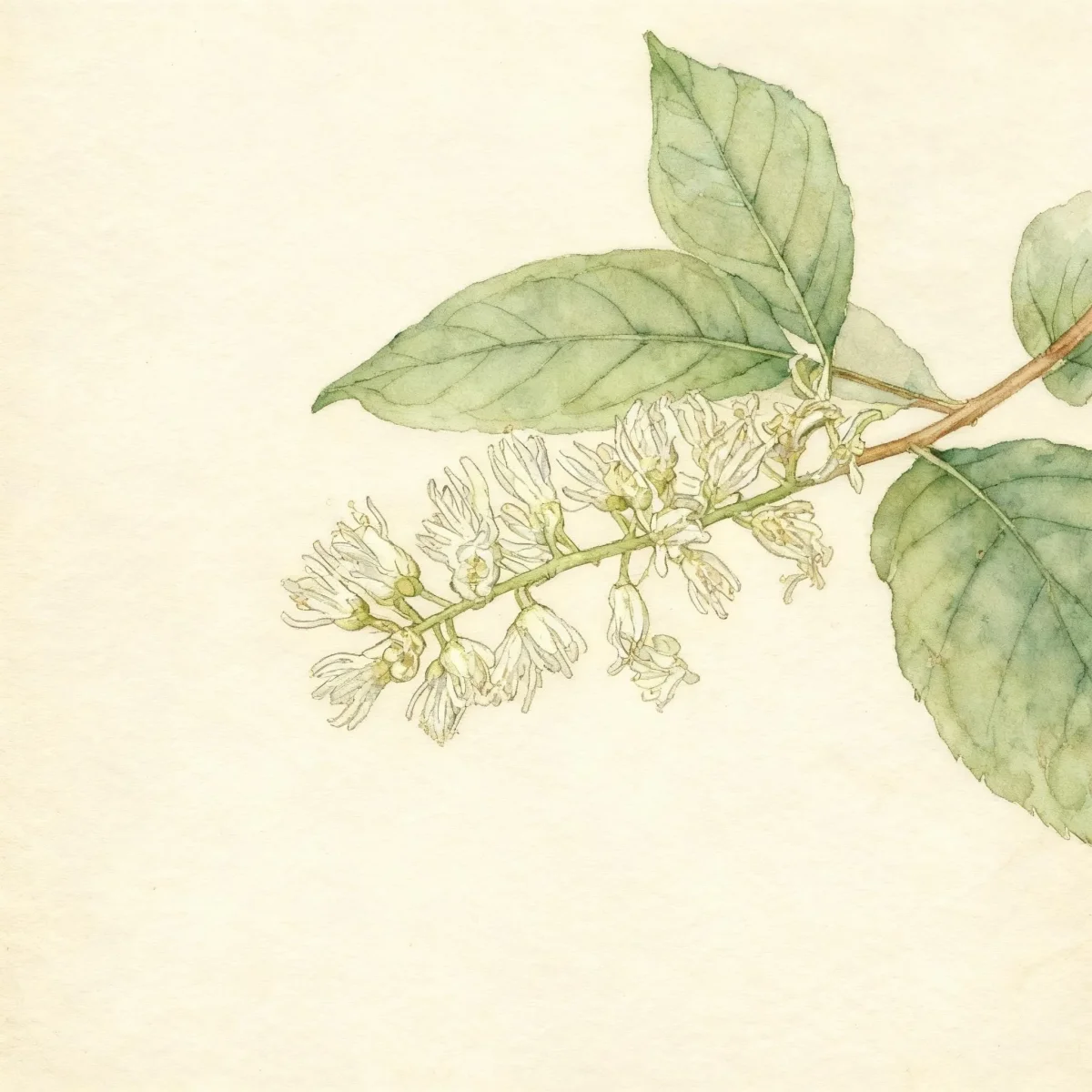
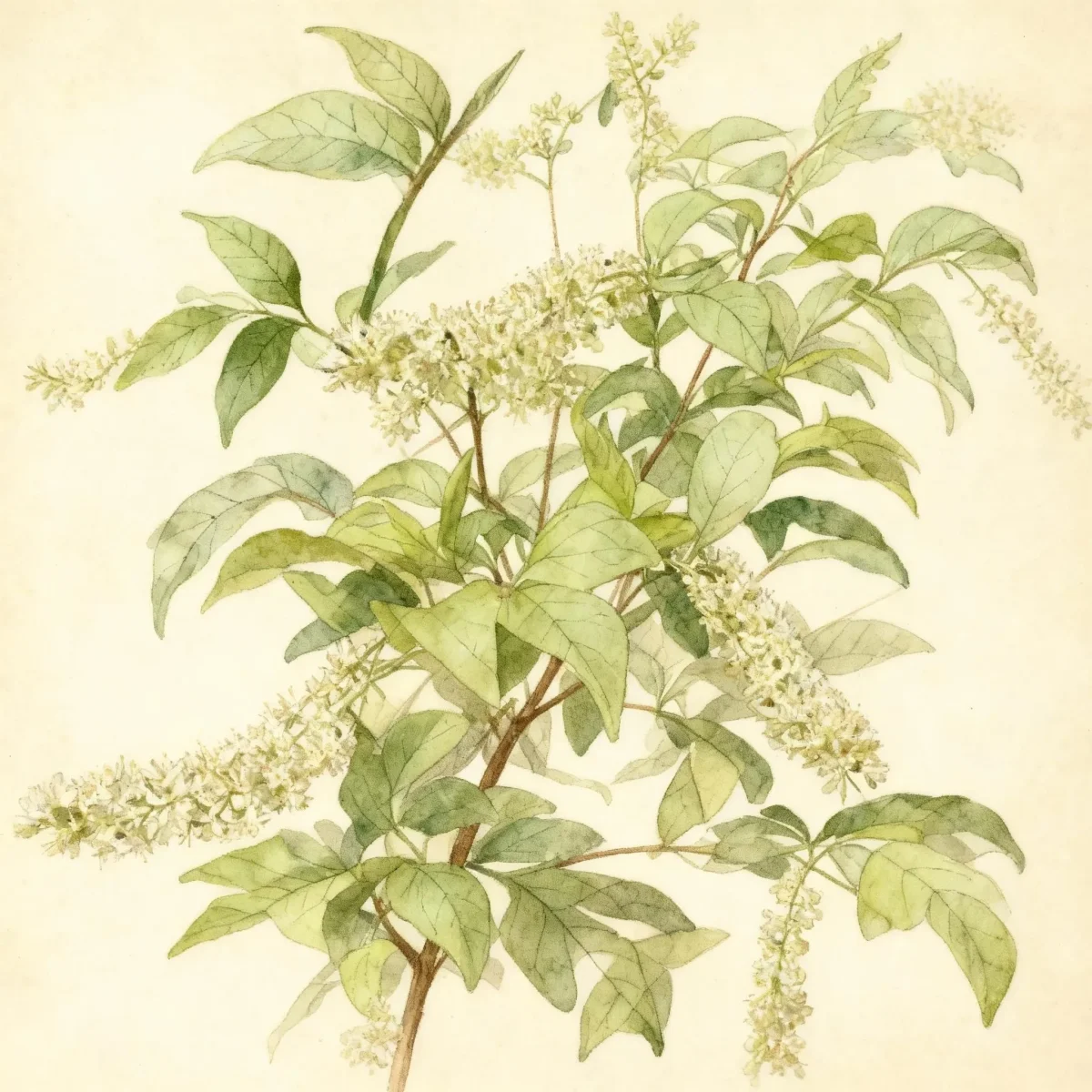
Virginia sweetspire (Itea virginica 'Saturnalia')
Itea virginica 'Saturnalia' is a low-maintenance deciduous shrub offering fragrant white flowers and brilliant fall color.
Scroll down to discover growing tips, care requirements, companion plants, and more

Complete Plant Information
Overview
The Itea virginica ‘Saturnalia’, widely known as Virginia sweetspire, is a standout native shrub prized for its adaptability and spectacular seasonal interest. Gardeners value this cultivar for its long bloom period featuring showy and notably fragrant white flowers, as well as its tolerance for difficult soil conditions. This deciduous shrub typically maintains a manageable, rounded habit, making it exceptionally versatile in various landscape settings.
Beyond the summer blooms, Itea virginica ‘Saturnalia’ delivers exceptional late-season performance. Its mid-sized, oval leaves transition through vibrant hues of red, orange, and gold in the autumn, often holding this color well into early winter. As a tough, low-maintenance native, it provides structure and reliable seasonal transitions in functional areas like rain gardens or formal hedges.
A key characteristic of this plant is its ability to thrive in moisture-rich ground where other shrubs might struggle. Its adaptability, falling within USDA Zones 5 through 9, ensures that Virginia sweetspire can be incorporated into many regional garden designs requiring a dependable moisture-loving accent.
Fast Facts
- Plant Family: Iteaceae
- Plant Type: Deciduous shrub
- Hardiness Zones: USDA Zones 5-9
- Size at Maturity:
- Height: 3-4 ft
- Spread: 4-5 ft
- Bloom Time: June
- Bloom Description: White
- Sun Exposure: Full sun to part shade
- Water Needs: Medium to wet
- Maintenance Level: Low
How to Grow
Plant Itea virginica ‘Saturnalia’ during the spring or fall to allow it time to establish roots before temperature extremes. This shrub performs best in average, well-drained soils but demonstrates remarkable flexibility. While slightly acidic, humusy soils are preferred, it readily adapts to various soil structures, including challenging clay. Ensure the selected location receives at least partial sun if you wish to maximize the brilliant autumn color display; heavy shade will still permit growth but dull the seasonal show.
Watering requirements are medium to wet, proving excellent for low-lying areas in the landscape. Once established, Virginia sweetspire requires little supplementary care, fitting the low-maintenance criteria well. Be aware that if left completely unchecked, this shrub can colonize areas by producing root suckers.
Pruning should be minimal and is generally conducted only after the flowering period has concluded in summer. Any shaping required to maintain hedge lines or desired size should be performed then. Deer typically show little interest in this plant, further reducing the need for intensive protective measures.
Landscape Uses
The versatility of Itea virginica ‘Saturnalia’ makes it an excellent choice for both formal and informal designs. It shines as a structured element when used for hedging or planted closely in groups along shrub borders where its summer fragrance can be appreciated. For mass plantings, it serves effectively as a dense, shrubby ground cover, naturalizing beautifully in informal woodland or wild garden settings.
Due to its tolerance for wet soil, this cultivar is a superior addition to rain gardens or plantings near pond or stream margins, helping anchor moist soil and manage runoff. Furthermore, its relatively contained 3 to 4-foot stature renders it appropriate near foundations or as a specimen plant where a manageable, compact shrub is needed. Consider pairing Virginia sweetspire with later-season bloomers or plants that offer contrasting foliage texture.
Standout Features
Flower Qualities
- Showy
- Fragrant
Noteworthy Characteristics
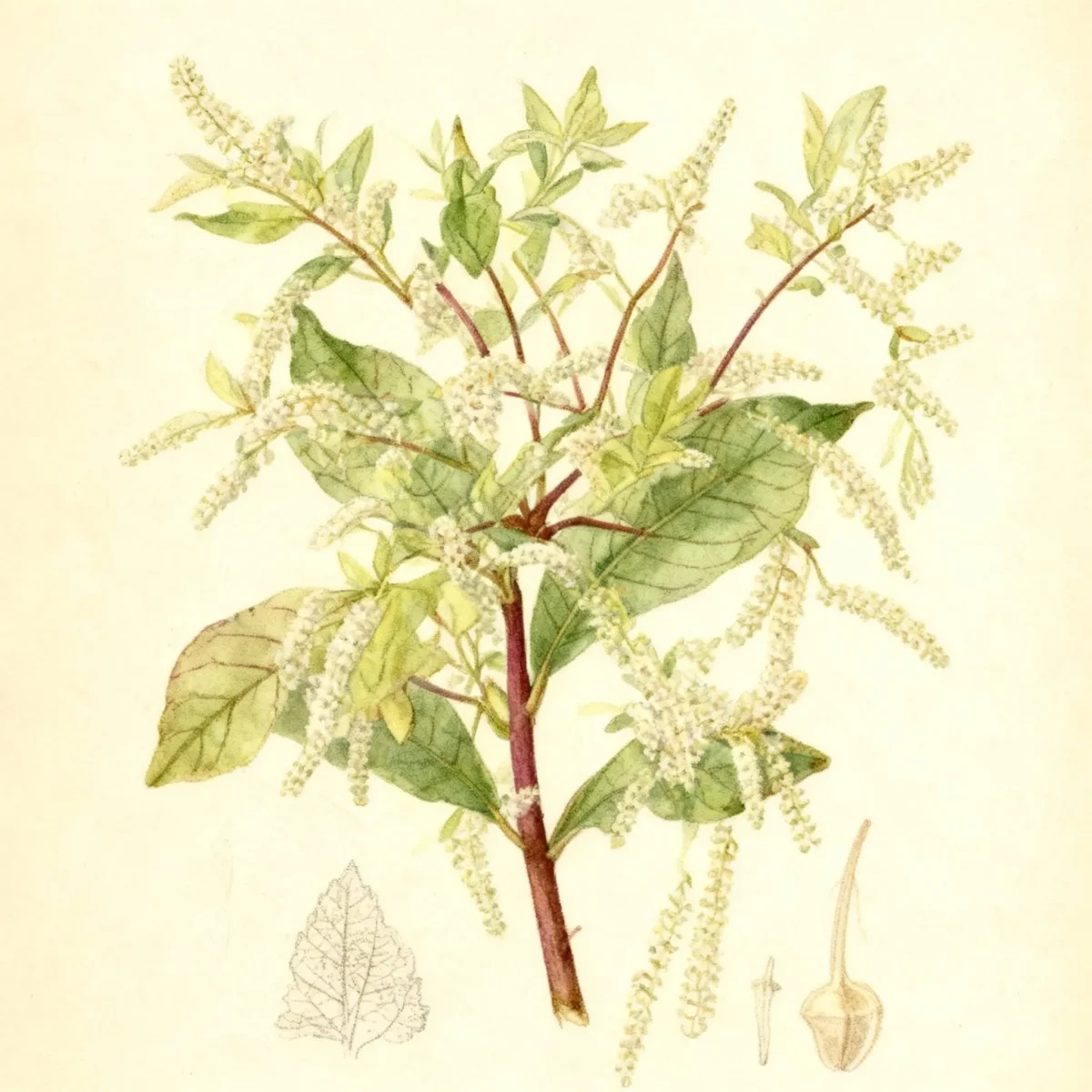
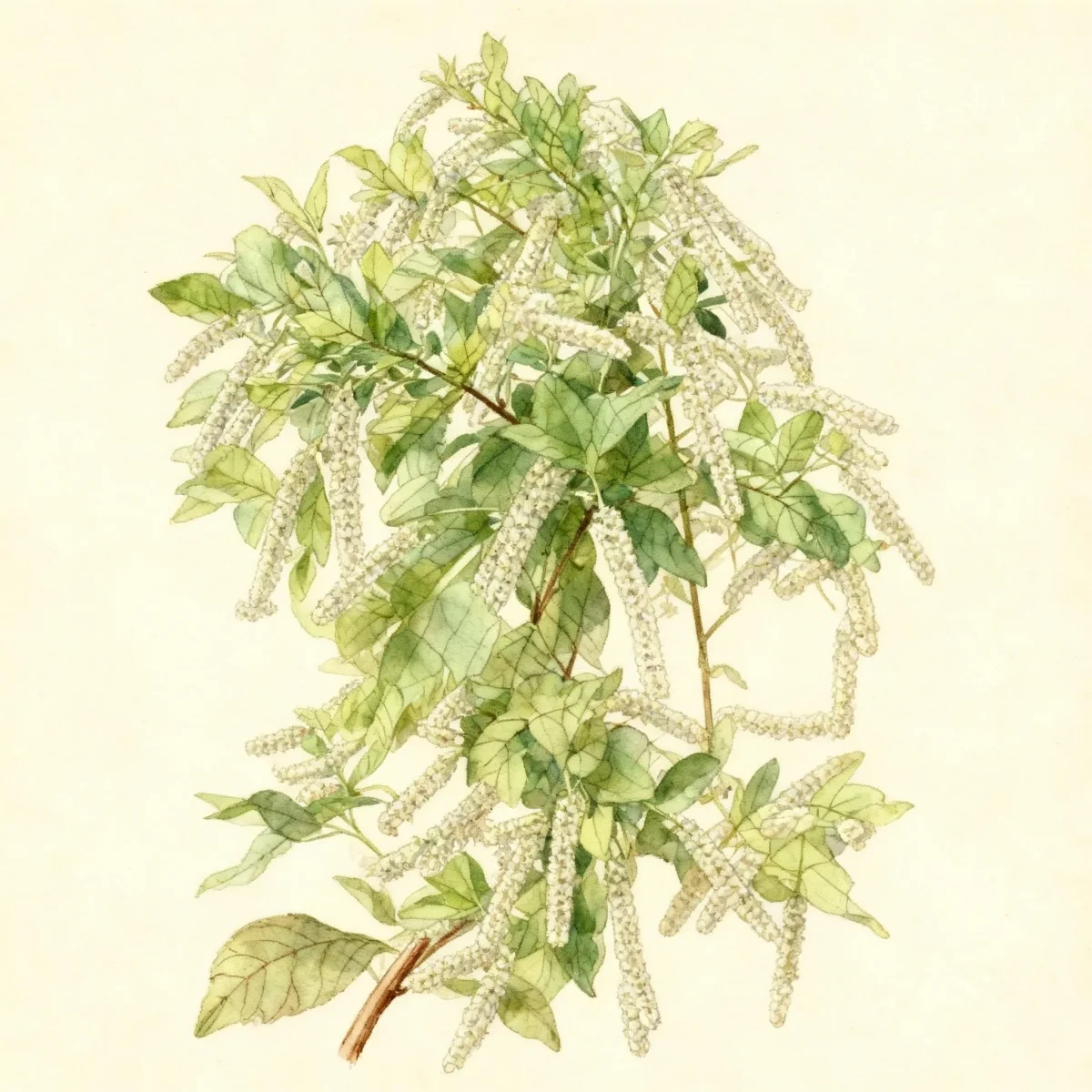
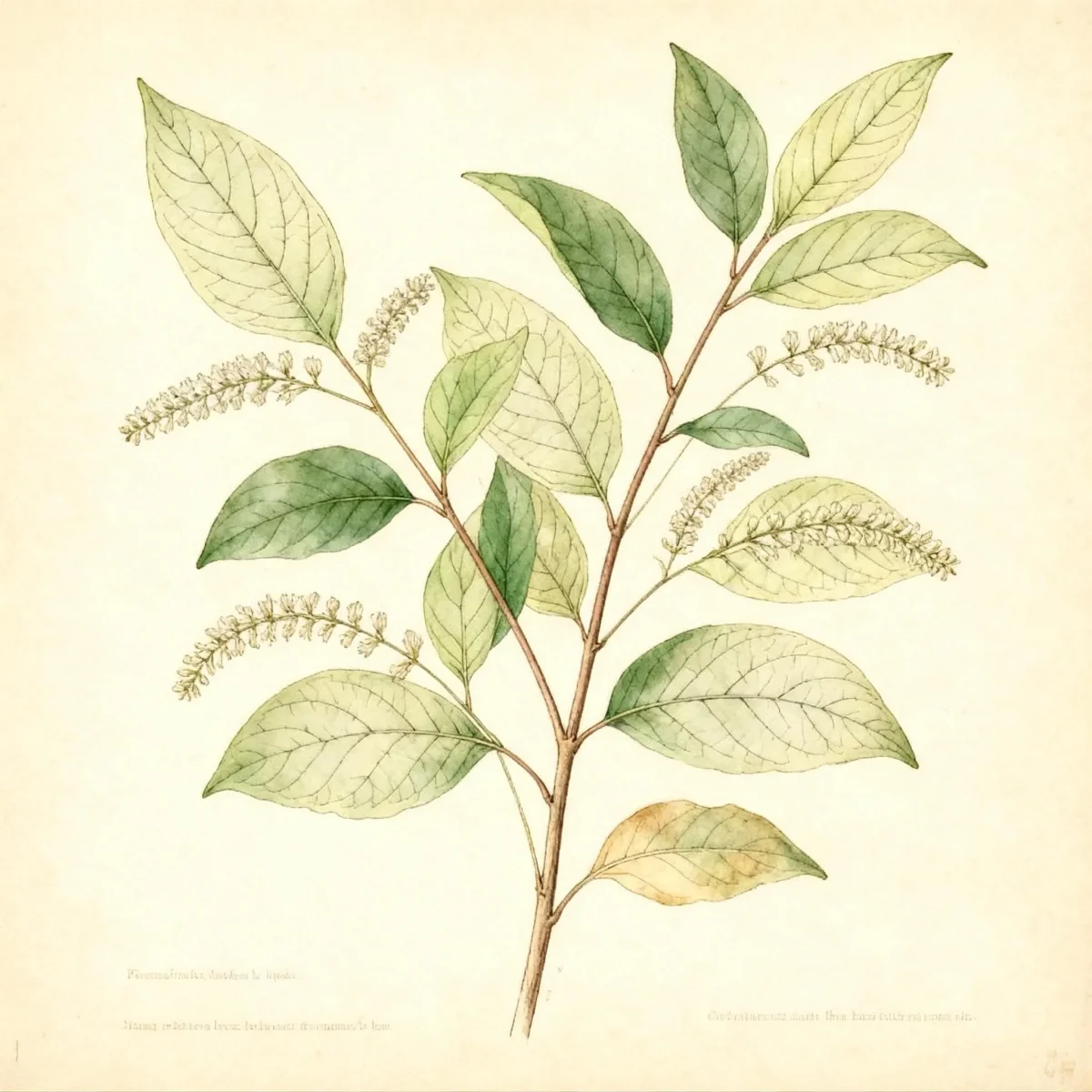
Itea virginica, commonly called Virginia sweetspire, is an erect, rounded, broad-spreading, deciduous shrub with arching branches, typically growing 3-4’ tall. It features fragrant, tiny white flowers borne in cylindrical, drooping racemes that cover the shrub in late spring to early summer. Oval, dark green leaves turn varying shades of red, orange, and gold in autumn, offering a long period of fall display that often persists until early winter.
Tolerances
- Heavy Shade
- Erosion
- Clay Soil
- Wet Soil
Potential Problems
Itea virginica ‘Saturnalia’ is generally robust and rarely suffers from major insect infestations or systemic diseases, contributing to its low maintenance rating. The primary cultural challenge is soil pH; if grown in highly alkaline conditions, the leaves may develop chlorosis, appearing pale or yellowed. Prevent this susceptibility by ensuring the soil remains slightly acidic, which naturally favors this native species. Deer tend to safely ignore this shrub, eliminating the need for deer repellents in most areas.
Frequently Asked Questions
What hardiness zones is Virginia sweetspire suitable for?
Itea virginica ‘Saturnalia’ is reliably hardy across USDA Zones 5 through 9.
How large does Virginia sweetspire grow?
This cultivar typically achieves a height between 3 and 4 feet, with a corresponding spread of 4 to 5 feet, maintaining a generally rounded shape.
What sun exposure does Itea virginica ‘Saturnalia’ need?
While it tolerates full sun, it is happiest in locations receiving full sun to part shade, with more sun promoting better fall coloration.
When does Virginia sweetspire bloom?
You can expect Itea virginica ‘Saturnalia’ to produce its showy, fragrant white flowers during the month of June.
Conclusion
The Itea virginica ‘Saturnalia’ is an outstanding choice for gardeners seeking a highly adaptable, four-season performer that demands little intervention. Its fragrant summer blooms and incredible autumn foliage solidify its place as a premier native shrub. Verify that your site conditions align with USDA Zones 5-9 and ensure adequate moisture before planting this beautiful Virginia sweetspire.
Companion Planting
Selecting companions for Itea virginica ‘Saturnalia’ should focus on plants that share its preference for medium to wet soil and partial shade conditions, which will allow the shrub to flourish without excessive cultural demands. Consider pairing it with other moisture-tolerant natives like various ferns (e.g., Osmunda species) or moisture-loving perennials such as Cardinal Flower (Lobelia cardinalis), which blooms later in the season, providing continued color interest near the base of the shrub.
Because this sweetspire cultivar can form colonies via suckering, using it as a transitional plant between more formal garden beds and naturalized areas works well. Groupings of hostas or astilbes also make excellent companions, as they appreciate similar moisture levels and offer contrasting leaf textures against the finer foliage of the Itea virginica ‘Saturnalia’.
Wildlife Benefits
While the primary appeal of Itea virginica ‘Saturnalia’ centers on its aesthetic qualities, native shrubs inherently provide valuable ecological support. The prolific white flower clusters produced in June are known to attract various beneficial insects and early summer pollinators drawn to the nectar-rich blooms. While deer avoid the foliage, the plant offers dense structure that can provide beneficial cover for small birds during nesting season.
The persistent nature of the autumn foliage also contributes to winter landscape interest and can offer residual shelter for small fauna when deciduous trees have dropped their leaves. Utilizing Virginia sweetspire in naturalized borders helps create a connected habitat corridor, linking different parts of the garden ecosystem through reliable native structure.