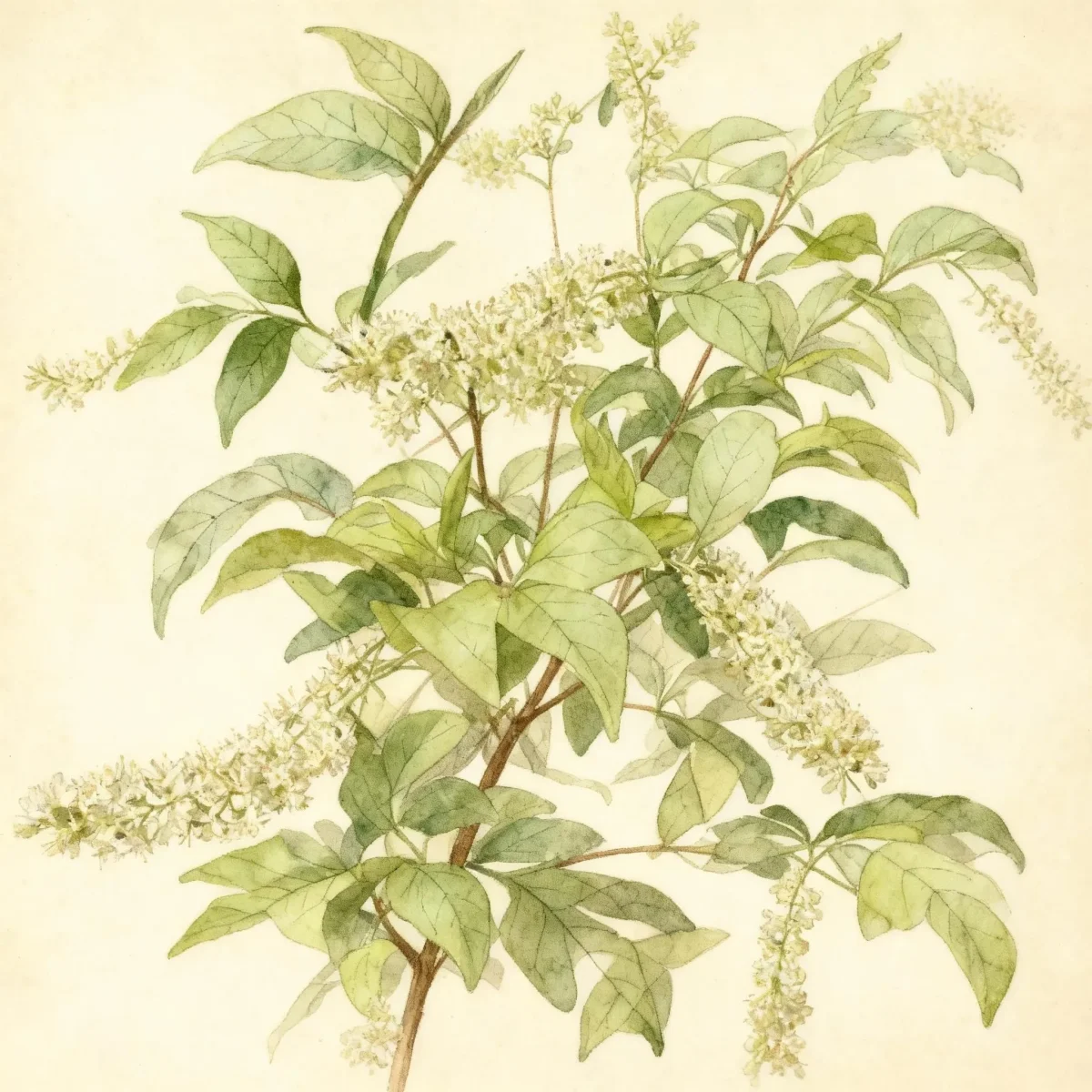
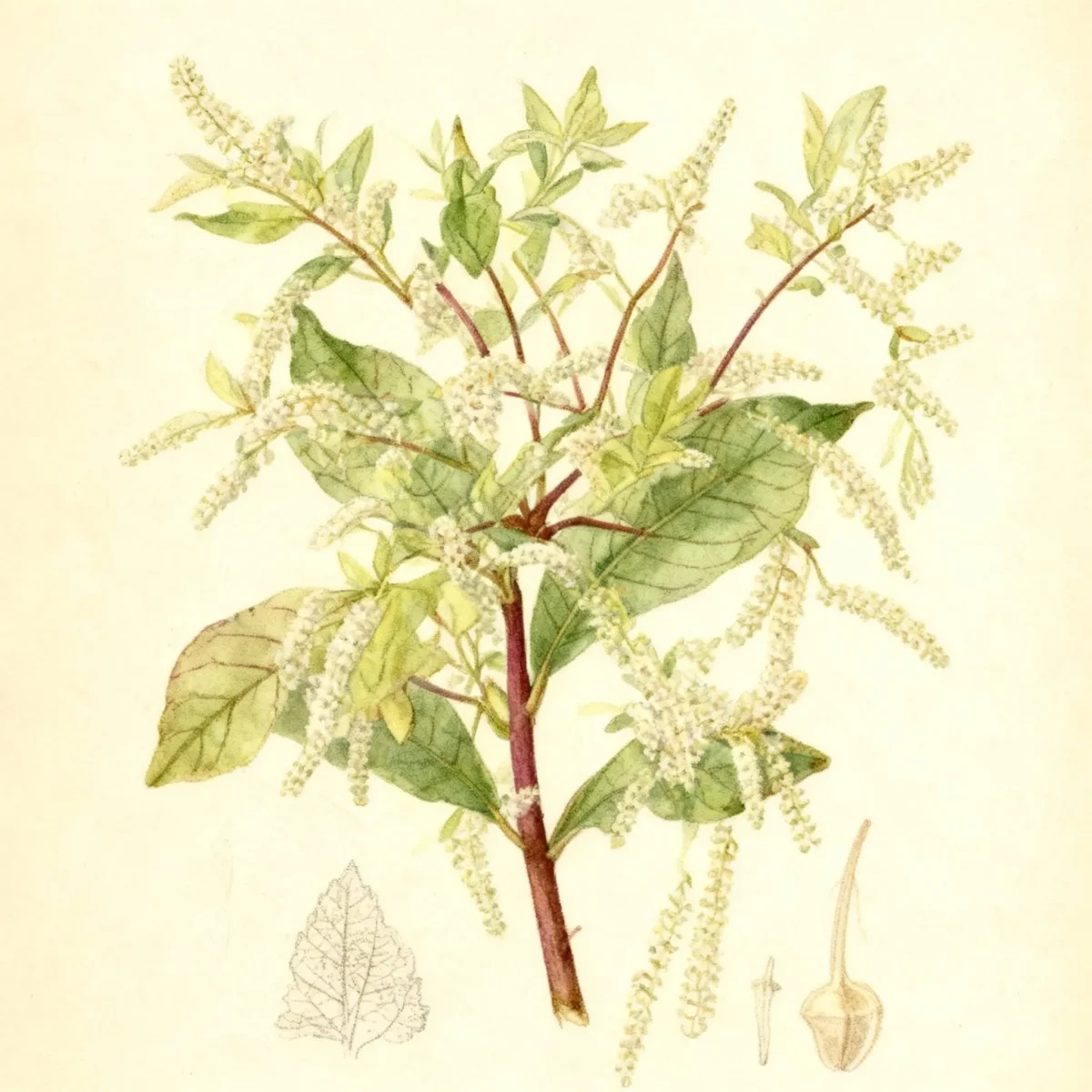
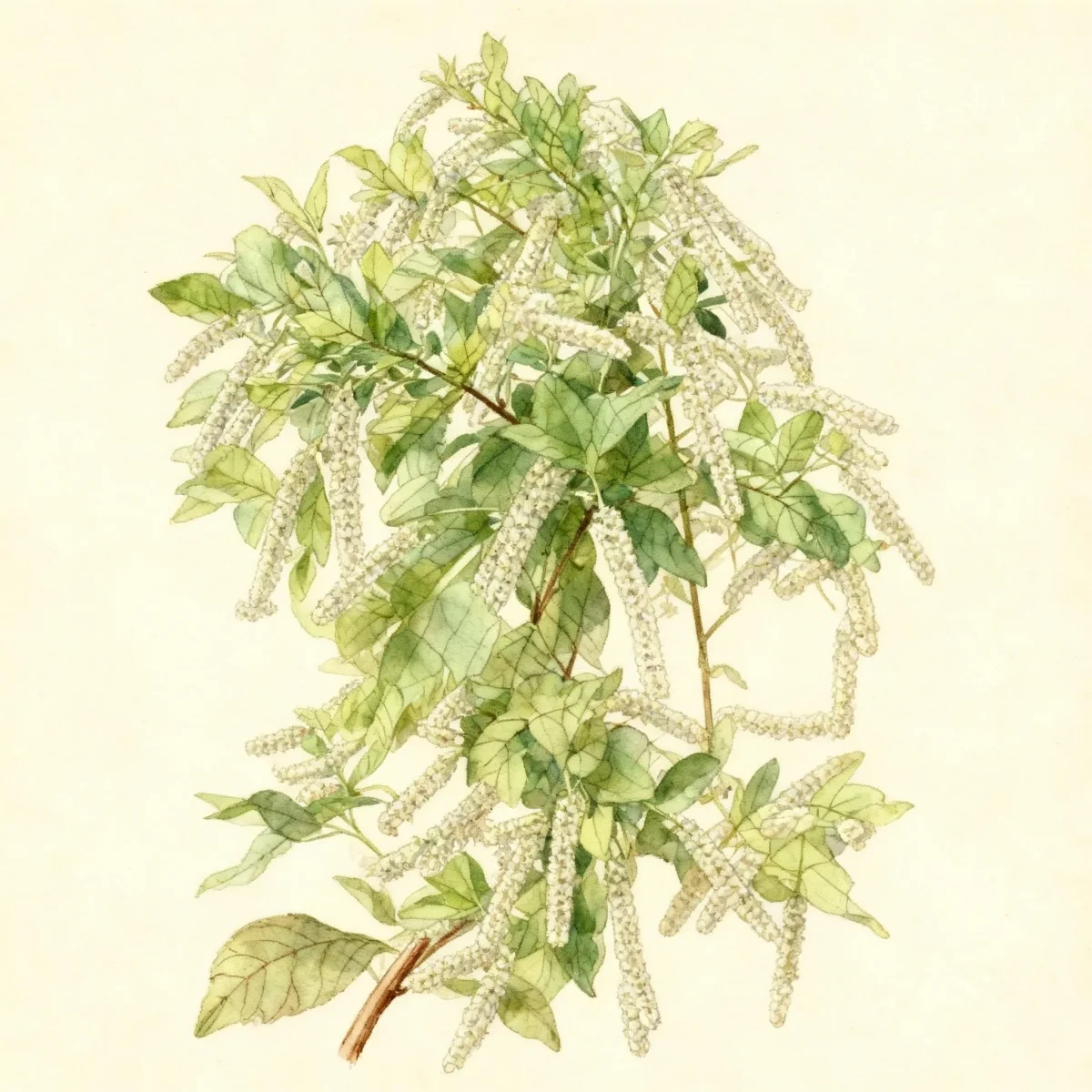
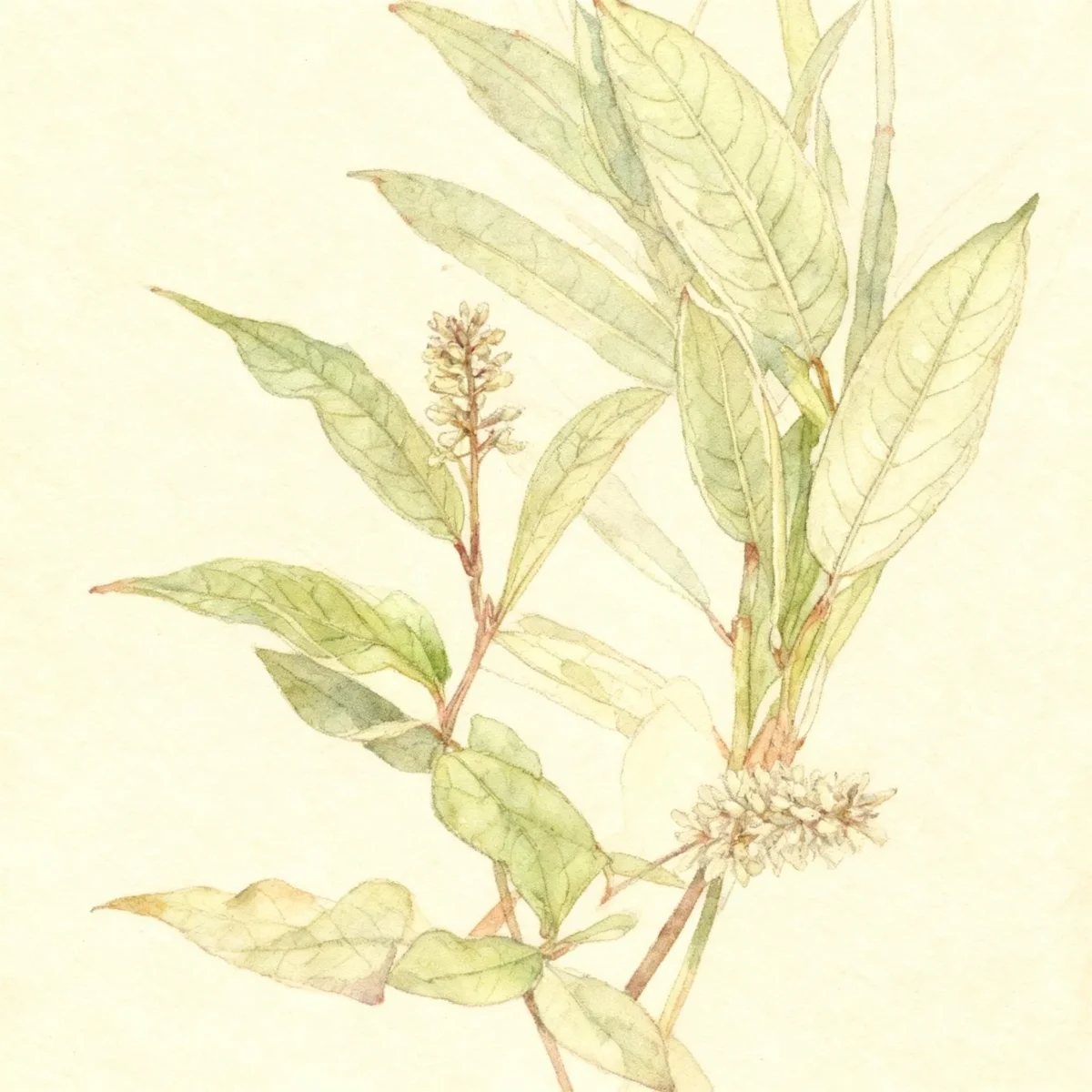
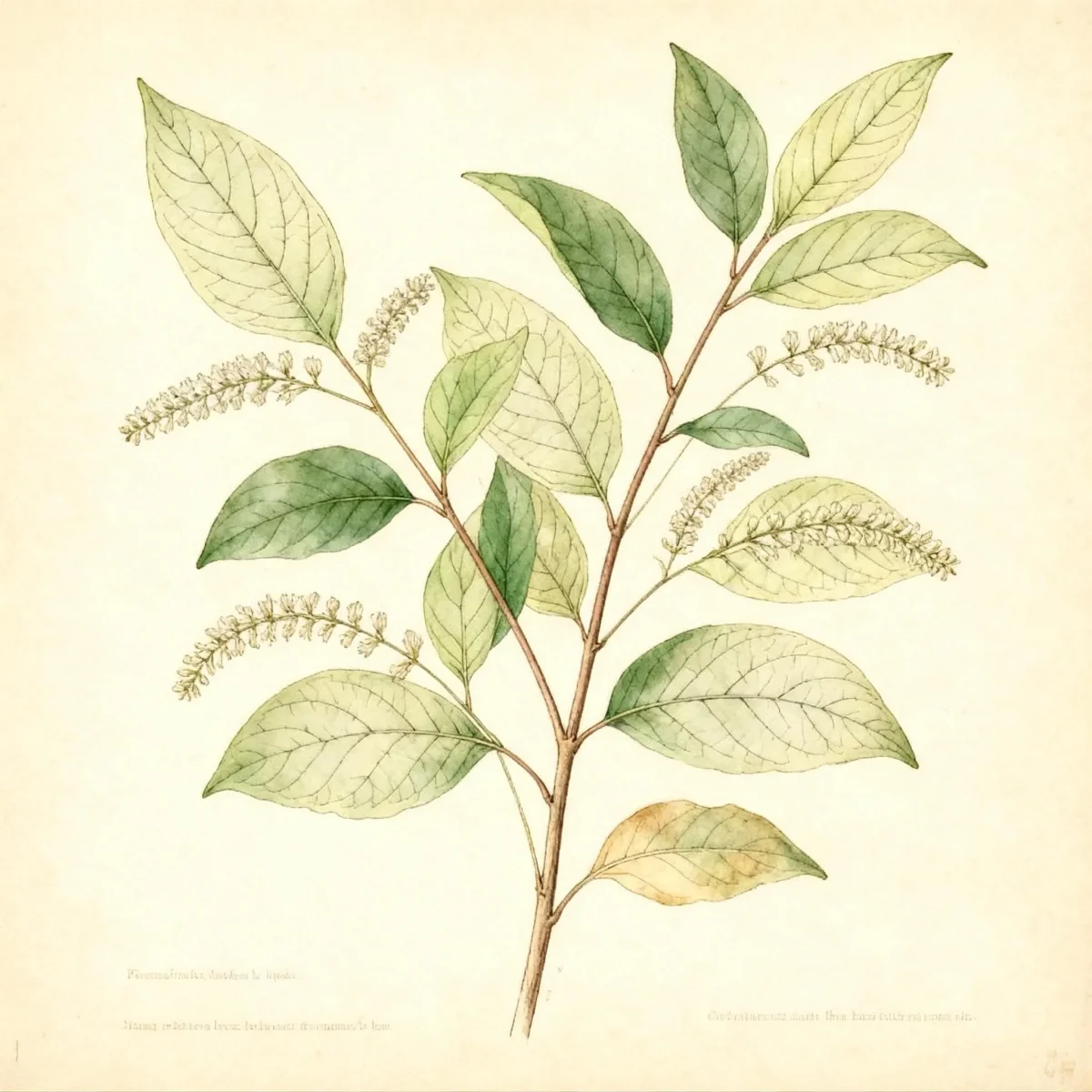
Japanese sweetspire (Itea japonica 'Beppu')
Low-maintenance Japanese sweetspire, Itea japonica 'Beppu', offers fragrant white flowers and excellent reddish-purple fall color in Zones 6-9.
Scroll down to discover growing tips, care requirements, companion plants, and more
Complete Plant Information
Overview
Itea japonica ‘Beppu’, commonly known as Japanese sweetspire, is a highly valuable deciduous shrub prized for its mid-summer presentation and robust adaptability. This cultivar is particularly noted for developing attractive reddish-purple fall color, offering visual interest well beyond the flowering season. Though sometimes confused taxonomically, this shrub provides reliable performance in challenging moist conditions across USDA Zones 6 through 9.
This rapid-growing shrub forms colonies through spreading root suckers, making it an excellent choice for covering banks or establishing naturalized areas within the landscape. Its small, white, fragrant flowers appear in upright clusters, adding subtle but lovely texture when they bloom in June and July. Gardeners appreciate the low maintenance required by Itea japonica ‘Beppu’ while benefiting from its ability to thrive where other plants struggle.
Whether used for stabilizing slopes or brightening moist borders, the Japanese sweetspire offers significant aesthetic and functional value. Its tolerance for various adverse conditions, including heavy shade and clay soil, significantly broadens its appeal for mass plantings and restoration projects where consistent moisture is present.
Fast Facts
- Plant Family: Iteaceae
- Plant Type: Deciduous shrub
- Hardiness Zones: USDA Zones 6-9
- Size at Maturity:
- Height: 2-3 ft
- Spread: 3-5 ft
- Bloom Time: June to July
- Bloom Description: White
- Sun Exposure: Full sun to part shade
- Water Needs: Medium to wet
- Maintenance Level: Low
How to Grow
Planting Itea japonica ‘Beppu’ is best accomplished in spring or fall to help establish the root system before extreme temperatures arrive. This shrub thrives best in average, medium to wet, well-drained soils, preferring humusy conditions, though its true strength lies in its tolerance for various soil types, including clay. Ensure it receives at least partial sun for best performance, although it handles heavy shade successfully.
Watering requirements are straightforward; because Japanese sweetspire prefers moist sites, regular deep watering is necessary, especially during establishment or dry spells, especially when used in hotter regions. Fertilization is rarely necessary; this is a low-maintenance plant that invests its energy into spreading via root suckers if left undisturbed. Pruning should be minimal, mainly trimming away any winter-damaged wood in early spring.
A key cultural consideration is its growth habit. This rapid-growing shrub naturalizes heartily by root suckers, quickly forming large colonies if allowed. In colder climates (like St. Louis mentioned in its origin notes), the shrub may become deciduous or die back to the ground in hard winter freezes, but strong roots survive to send up new growth vigorously come spring. In warmer zones (8-10), the foliage may remain semi-evergreen or evergreen.
Landscape Uses
The strong structural and moisture-loving nature of Itea japonica ‘Beppu’ makes it invaluable for specific landscape roles. It is perfectly suited for naturalizing, creating soft, sweeping drifts where you want hands-off coverage and erosion control. Utilize this Japanese sweetspire along stream banks, drainage ditches, or in rain gardens where consistent moisture is guaranteed.
For erosion control, plant densely on banks or slopes. The dense, suckering root system effectively binds the soil, preventing runoff and stabilizing the landscape over time. Because it handles heavy shade, it can serve as an effective, low-growing understory plant beneath taller plantings where lawn grasses struggle to establish.
This shrub also functions well in naturalized areas away from formal borders. While it spreads aggressively, its modest mature height (2-3 ft) keeps it from overwhelming nearby perennials, provided you allow it room to colonize its intended space.
Standout Features
Flower Qualities
- Showy
- Fragrant
Noteworthy Characteristics
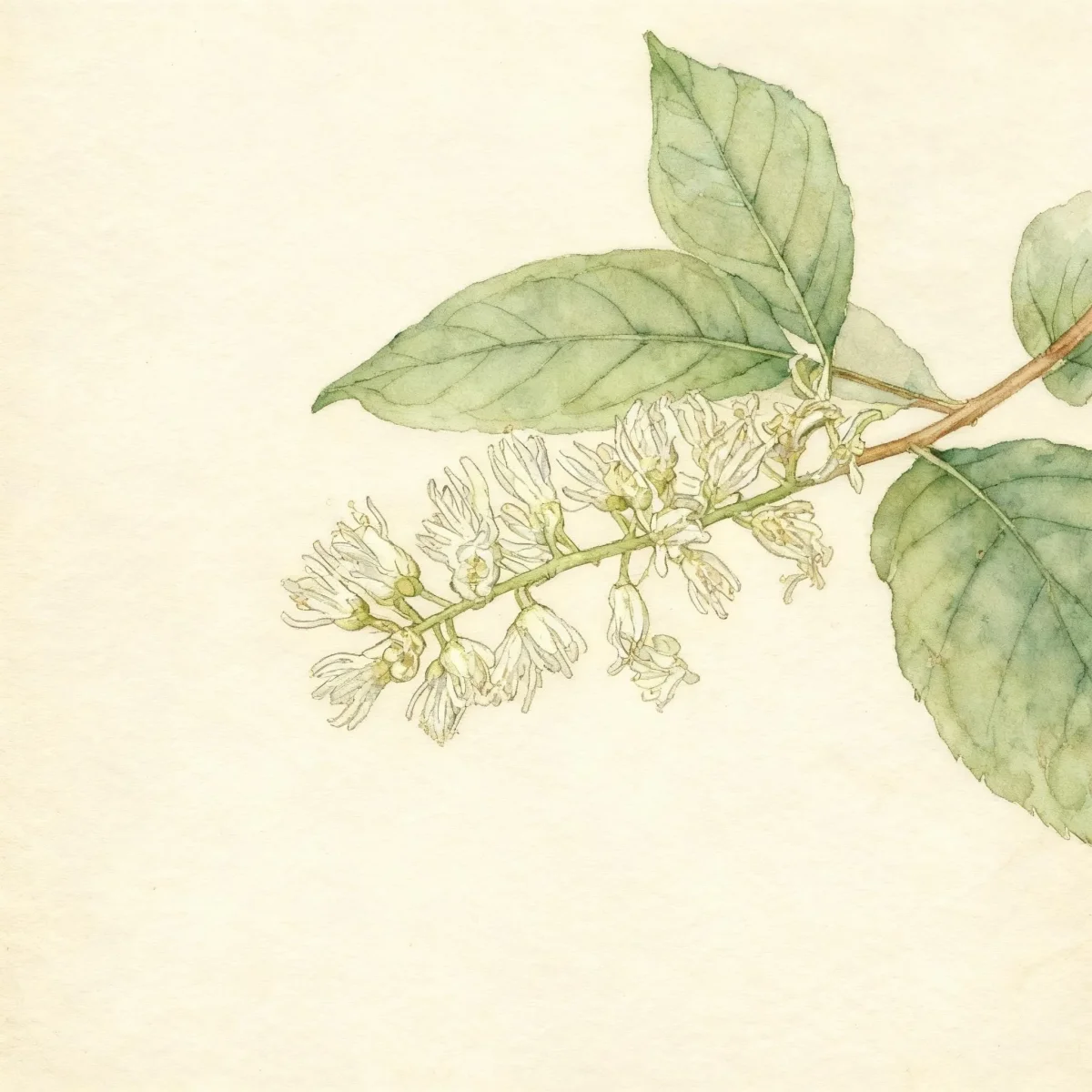
Itea japonica, sometimes commonly called Japanese sweetspire, is a semi-evergreen, suckering shrub that is native to woodland areas in Japan. ‘Beppu’ is particularly noted for its excellent reddish-purple fall color, often appearing after the mid-summer bloom of tiny white flowers housed in drooping racemes up to 8 inches long. Although originally categorized as a cultivar of Itea japonica, recent study indicates ‘Beppu’ might actually be a clone of the U.S. native Itea virginica.
Tolerances
- Heavy Shade
- Erosion
- Clay Soil
- Wet Soil
Potential Problems
The Japanese sweetspire cultivar ‘Beppu’ is overwhelmingly known for its robust nature, exhibiting no serious recurring insect or disease problems under appropriate growing conditions. Its inherent toughness means gardeners rarely need to resort to chemical treatments for pest or pathogen management, contributing significantly to its low maintenance rating. Ensure drainage is adequate if planted outside of designated wet areas, as standing water in non-adapted soils can still cause root issues.
Frequently Asked Questions
What hardiness zones is Japanese sweetspire suitable for?
This plant is generally hardy across USDA Zones 6 through 9, offering reliable perennial performance in those ranges.
How large does Itea japonica ‘Beppu’ grow?
This cultivar typically reaches a modest height between 2 and 3 feet, spreading outward 3 to 5 feet through suckering.
When does Japanese sweetspire bloom?
Itea japonica ‘Beppu’ produces its fragrant, showy white flowers during the peak of summer, usually spanning from June into July.
What sun exposure does Itea japonica ‘Beppu’ need?
While it prefers full sun to partial shade, this Japanese sweetspire is highly adaptable and tolerates heavy shade quite well.
Conclusion
The Itea japonica ‘Beppu’ offers a rare combination of moisture tolerance, low maintenance, and attractive seasonal features, highlighted by fragrant summer flowers and vibrant fall color. This versatile Japanese sweetspire is an indispensable tool for tricky, wet locations across Zones 6-9. Before installation, confirm your site has medium to wet soil conditions to allow this excellent shrub to establish quickly and effectively.
Companion Planting
Selecting companions for Itea japonica ‘Beppu’ should focus on plants that share its preference for medium to wet soil and its tolerance for partial shade. Consider grouping it with moisture-loving natives such as native astilbes or swamp milkweed (Asclepias incarnata) which appreciate similar root conditions. When used in a sunny rain garden setting, it pairs nicely with Iris species or Cardinal Flower (Lobelia cardinalis), whose vibrant colors contrast well against the consistent green foliage of the sweetspire.
Seasonal Care Calendar
Spring is the ideal time for structural assessment; prune any dead or severely damaged wood that succumbed during winter, especially if foliage died back to the ground in your specific cold zone. Summer is the time to monitor moisture levels; while established plants handle wet soil, new plantings need consistent water to help their root systems expand. Focus on weed control near young plants to reduce competition until the Itea japonica ‘Beppu’ begins to spread and shade out potential invaders beneath its canopy.