Rush (Juncus decipiens 'Curly-wurly')
Discover Juncus decipiens 'Curly-wurly' Rush, a unique, low-maintenance aquatic plant featuring tightly curled, spiraled green foliage.
Scroll down to discover growing tips, care requirements, companion plants, and more
Complete Plant Information
Overview
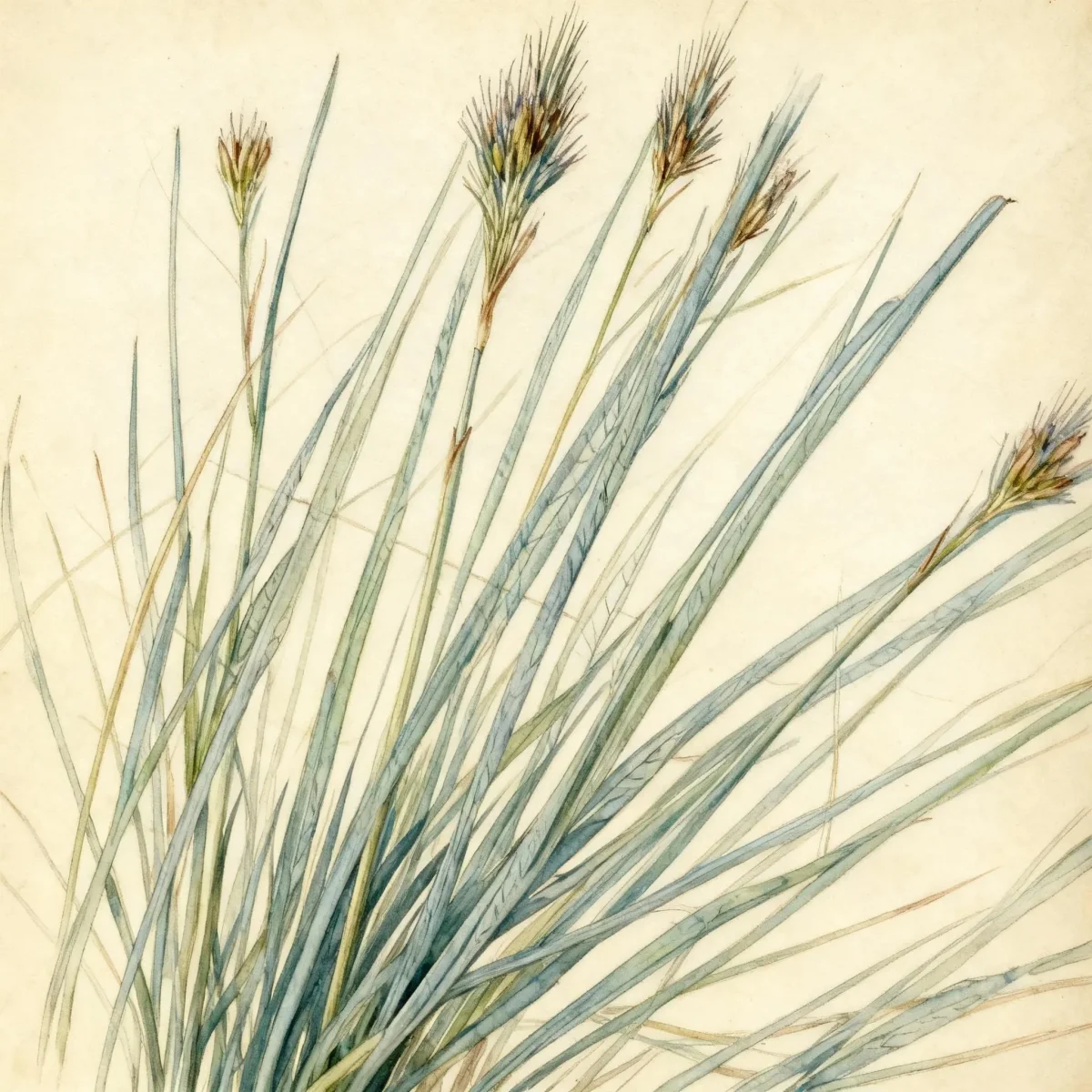
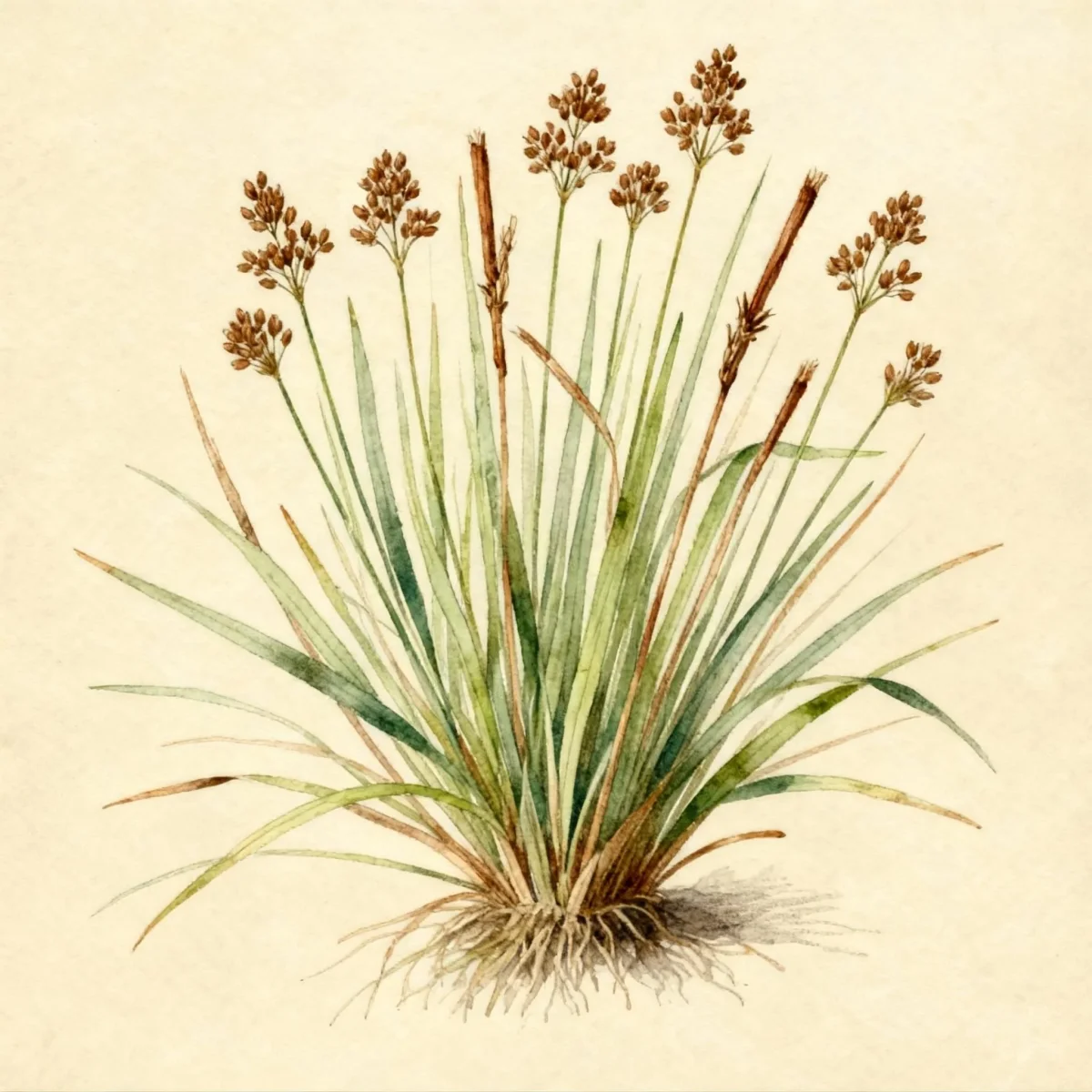
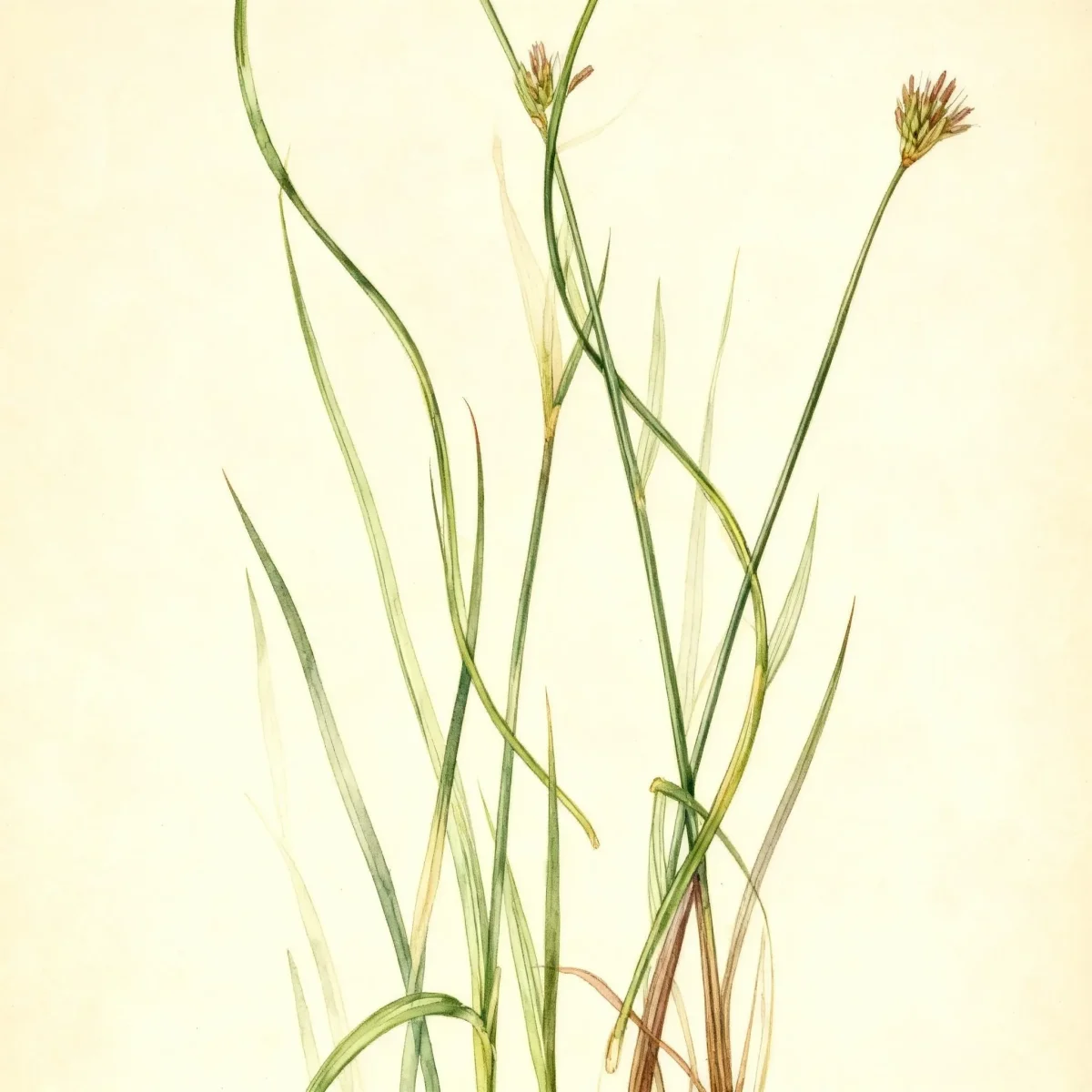
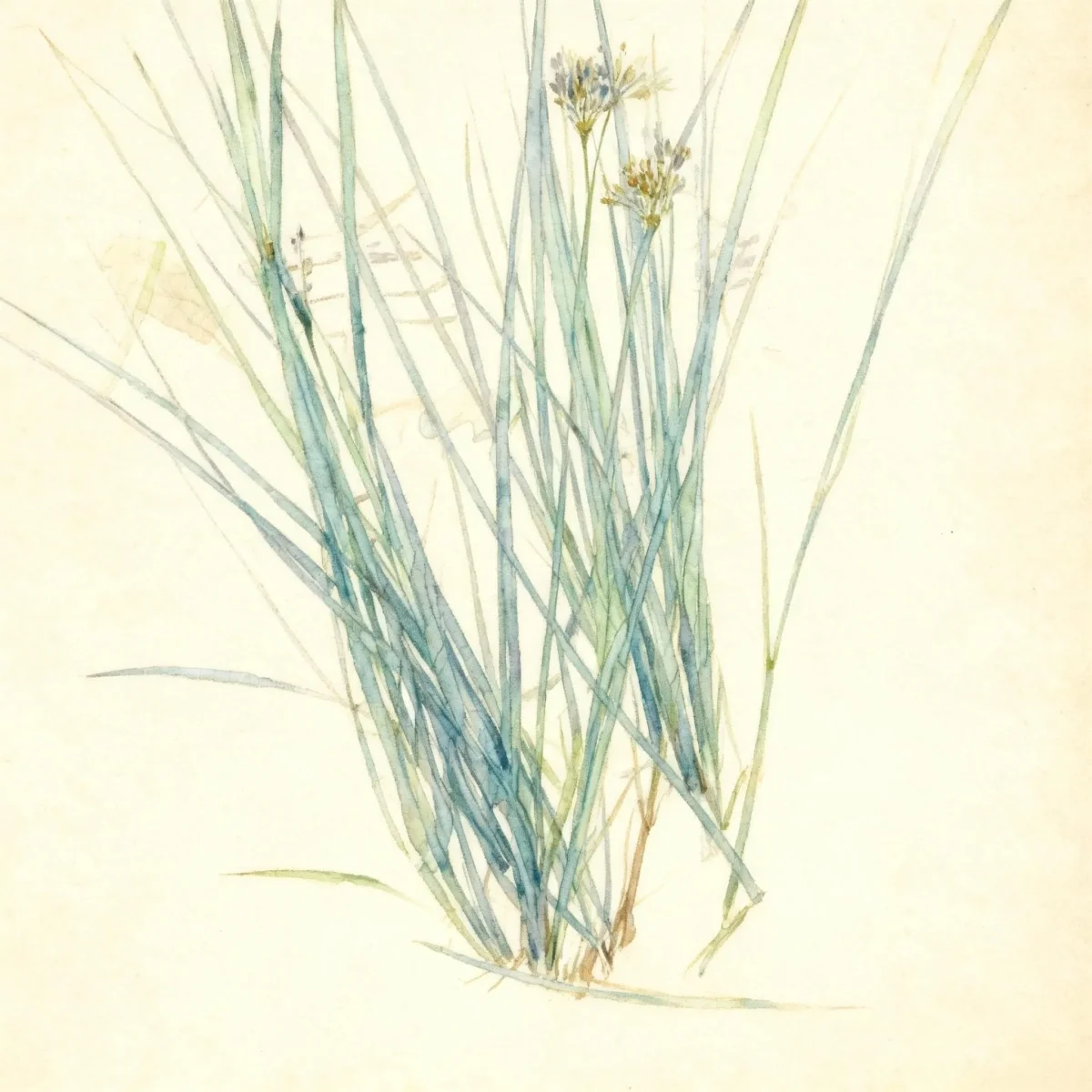
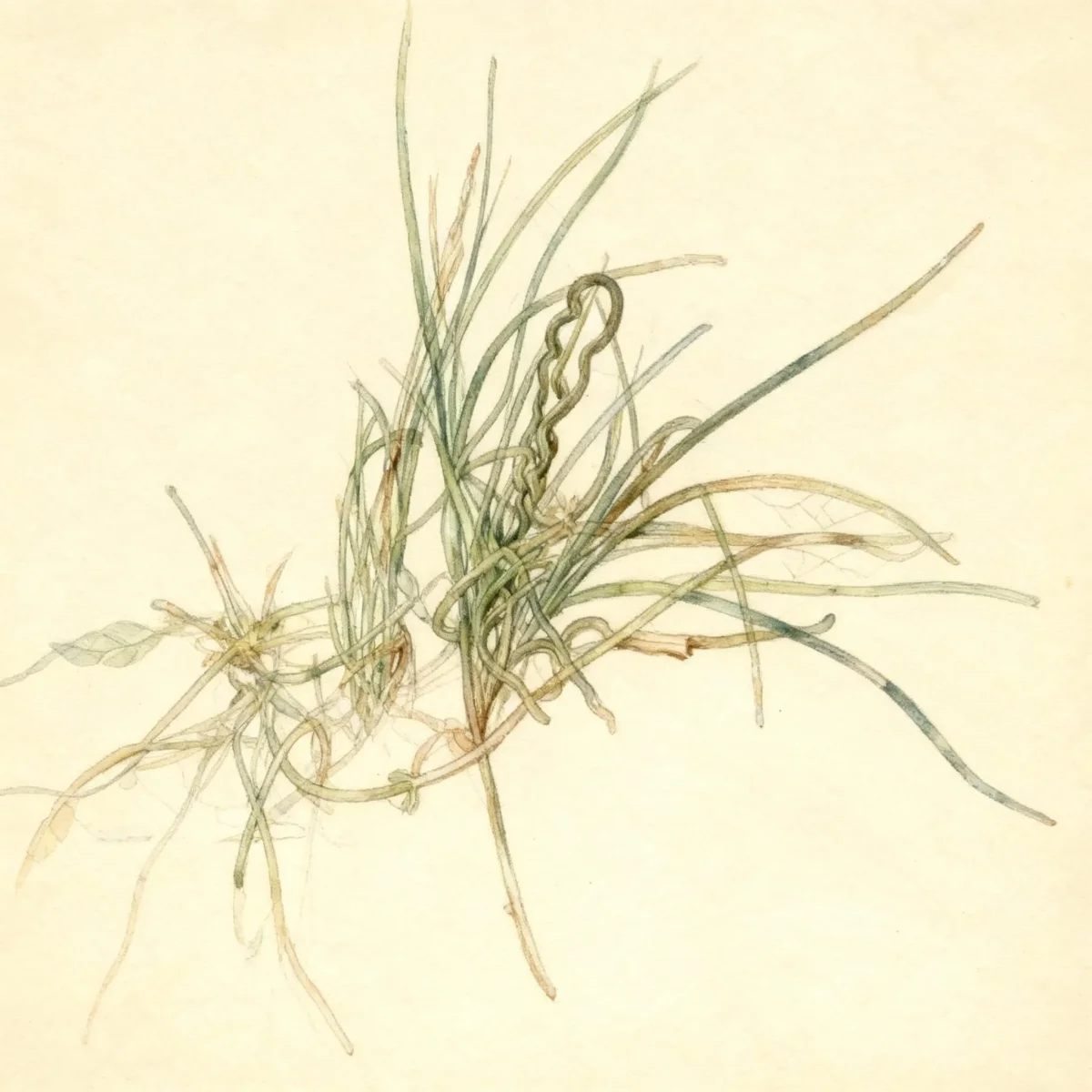
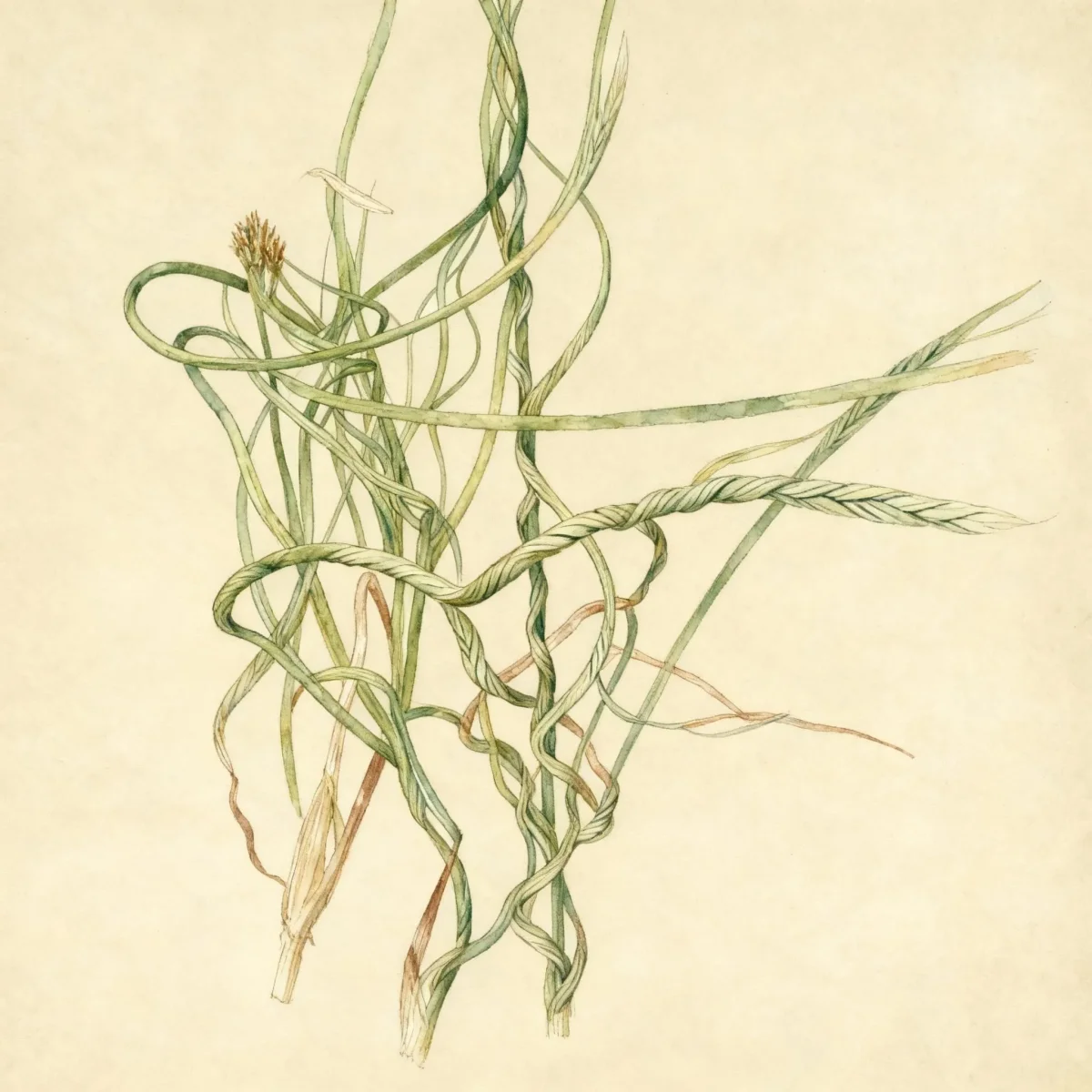
Juncus decipiens ‘Curly-wurly’ stands out in the landscape due to its highly distinctive foliage, making it a focal point in water settings. This unique Rush cultivar is prized for its tightly curled, spiraled, stem-like green leaves that give it an architectural, corkscrew appearance. It remains a miniature, grass-like plant, rarely exceeding half a foot in height, making it an excellent choice for edging or shallow container water features where space is limited.
This Rush thrives under consistent moisture conditions, requiring full sun for the best growth habit, although it can tolerate some light shade. Its extremely low maintenance level appeals to gardeners seeking reliability in wet areas. Functionally, Juncus decipiens ‘Curly-wurly’ is valuable for stabilizing banks and is perfectly adapted for rain gardens or the margins of ponds.
While its flowers are largely insignificant, the year-round visual interest provided by the springy, coiled stems of the Juncus decipiens ‘Curly-wurly’ compensates entirely. Established clumps slowly expand via creeping roots, offering robust, authentic texture to transitional waterside areas.
Fast Facts
- Plant Family: Juncaceae
- Plant Type: Rush or Sedge
- Hardiness Zones: USDA Zones 5-9
- Size at Maturity:
- Height: 0.25-0.5 ft
- Spread: 0.5-0.75 ft
- Bloom Time: June to August
- Bloom Description: Greenish-yellow to brown
- Sun Exposure: Full sun
- Water Needs: Wet
- Maintenance Level: Low
How to Grow
The best time to establish Juncus decipiens ‘Curly-wurly’ is spring, ensuring the plant has the entire growing season to establish its root system. Plant this Rush in consistently wet soils or even place pots in shallow standing water, up to one inch deep, ensuring excellent drainage in the container if using one. It performs best in full sun, which promotes the tightest curling of the stems, though partial shade is tolerated if moisture is maintained.
Watering is straightforward: this plant demands ample moisture and should never be allowed to dry out. Fertilizing is rarely required if the Rush is situated in permanent moist soil or a naturally wet area like a rain garden. Since this is a low-maintenance plant, general pruning is limited to removing any dead or damaged foliage in late winter or early spring before new growth begins.
Established plants will slowly spread via underground creeping roots, which is beneficial for colonizing stream banks. Gardeners in the colder reaches of USDA Zone 5 should exercise caution, as winter hardiness may be unreliable; applying a thick layer of mulch around the crown before the ground freezes may offer needed protection.
Landscape Uses
Juncus decipiens ‘Curly-wurly’ excels as a focal point or textural accent in aquatic and bog gardens. Its compact size makes it ideal for planting in clumps right at the edge of a pond or water feature where the soil remains saturated year-round. It also shines in engineered rain gardens, where its high water tolerance helps manage runoff while providing unique texture.
For design appeal, consider using this Rush as a grounding element beneath taller water iris or cattails, contrasting their vertical lines with the corkscrew habit of the Juncus. It is an excellent choice for softening the hard edges of stone borders along streams or ponds, helping the transition from hardscape to water feel more natural. Furthermore, its ability to root into moist banks makes it effective for stabilizing soil erosion in saturated areas.
Standout Features
Flower Qualities
- Insignificant
Noteworthy Characteristics
This rush cultivar is a miniature, grass-like plant which is one of the true rushes. It grows in a small clump to 6” tall and features cylindrical, tightly curled (spiraled), stem-like, green leaves. Spiral-type rushes are unique and interesting foliage plants because of their corkscrew-like foliage.
Tolerances
- Erosion
- Wet Soil
Potential Problems
Juncus decipiens ‘Curly-wurly’ is generally celebrated for its robust constitution, exhibiting no serious insect or disease problems under normal conditions. The primary challenge gardeners face is environmental—ensuring the plant’s high water needs are consistently met. Avoid planting this Rush in drier garden beds, as drought stress will quickly lead to browning and collapse. Proper placement in a bog ecosystem, rain garden basin, or the shallow littoral zone of a pond mitigates virtually all potential growing issues.
Frequently Asked Questions
What hardiness zones is Rush suitable for?
This unique Rush is suitable for USDA Zones 5 through 9. Gardeners in Zone 5 should monitor winter conditions closely.
How large does Juncus decipiens ‘Curly-wurly’ grow?
This is a compact variety, typically reaching only 0.25 to 0.5 feet in height, with a spread of 0.5 to 0.75 feet.
What sun exposure does Juncus decipiens ‘Curly-wurly’ need?
For the best and tightest curling of its foliage, this plant requires full sun exposure, though it can tolerate light shade if the soil remains thoroughly saturated.
When does Rush bloom?
The Rush blooms from June through August, producing insignificant clusters of greenish-yellow to brown flowers near the tips of the coiled stems.
Conclusion
The Juncus decipiens ‘Curly-wurly’ Rush provides irreplaceable, whimsical texture to any wet landscape setting, defined by its signature spiral foliage. Its low maintenance profile and suitability for full sun and standing water make it an easy addition to riparian zones or rain gardens. Before planting, confirm your location falls within USDA Zones 5-9 and prepare a consistently soggy environment to allow this fascinating Rush to truly flourish.
Companion Planting
When designing borders for Juncus decipiens ‘Curly-wurly’, pair it with plants that share its love for wet feet but offer contrasting textures. Cattails (Typha species) or larger ornamental grasses can provide a strong vertical backdrop, contrasting beautifully with the tight coils of the Rush. Consider using plants like Caltha palustris (Marsh Marigold) or various ferns known to thrive in saturated soil; these companions enhance the lush, bog-like aesthetic that suits this plant perfectly.
Design Ideas
For small water features, the Curly-wurly Rush makes an exceptional linear border element. Plant several specimens in a staggered line along the gravel or submerged edge of a formal pond to create a soft, living transition zone. In modern landscape design, containers are an excellent application; sink several small pots of this unique Rush into a larger decorative planter filled with gravel to mimic a bog environment, making it highly portable and simplifying winter care for Zone 5 gardeners.