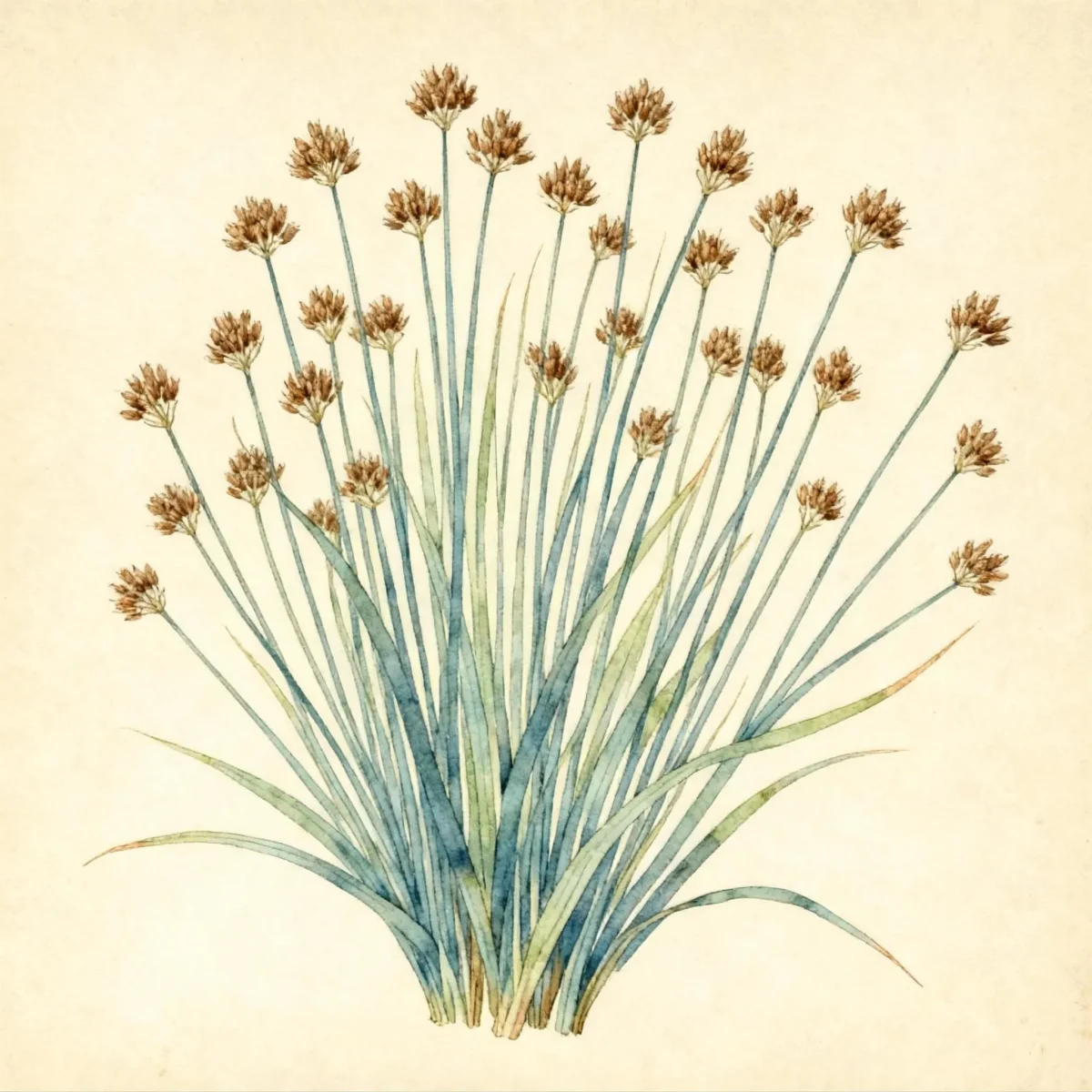
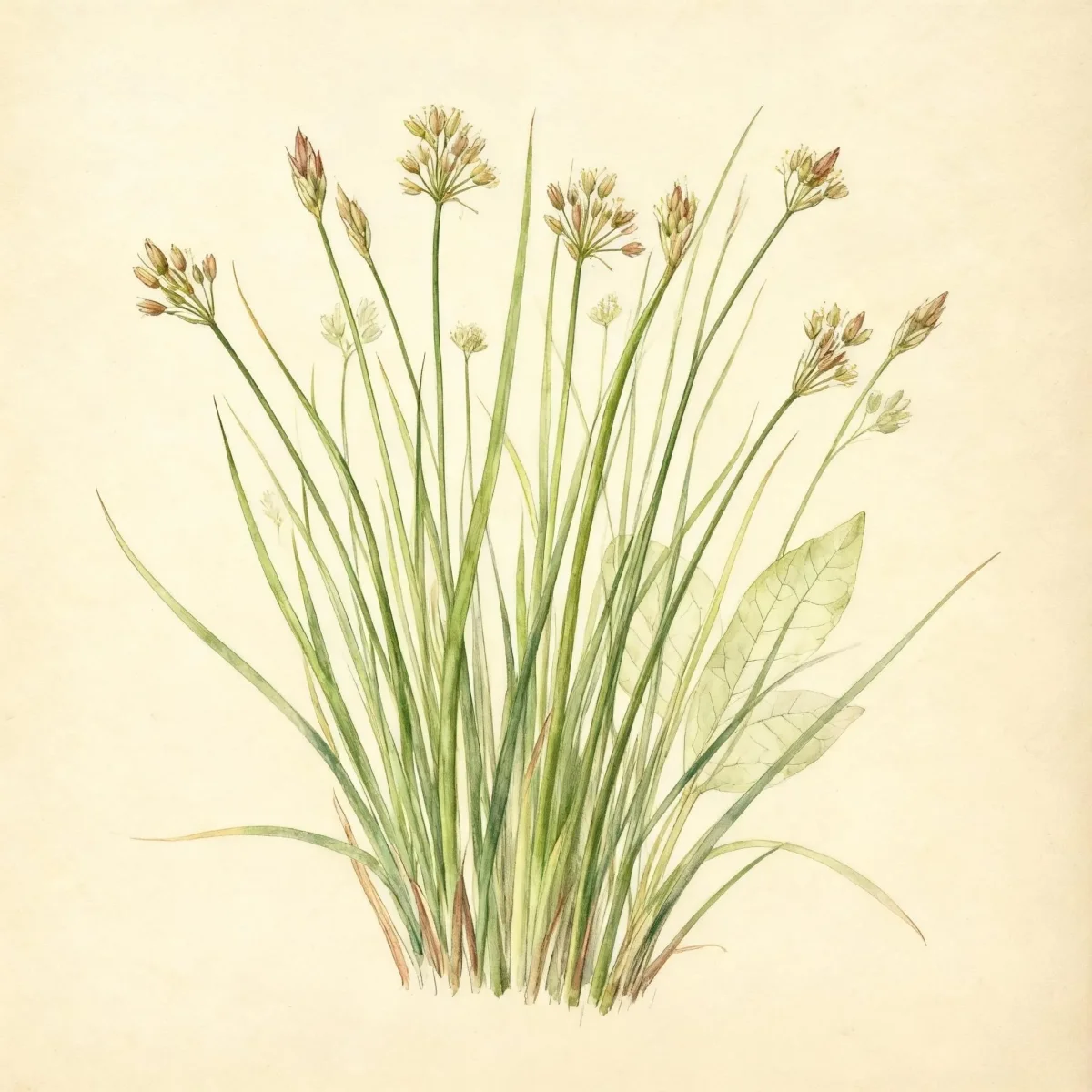
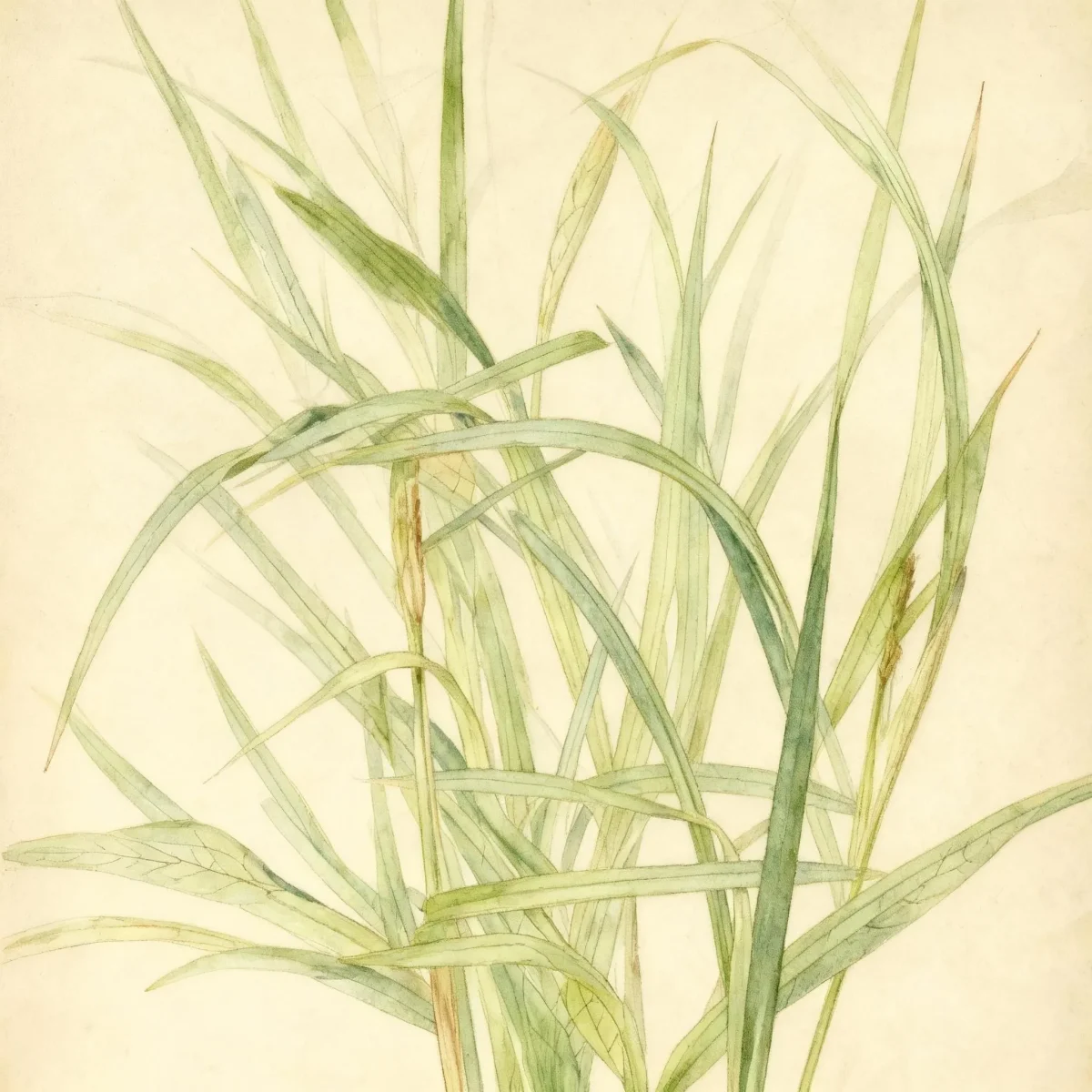
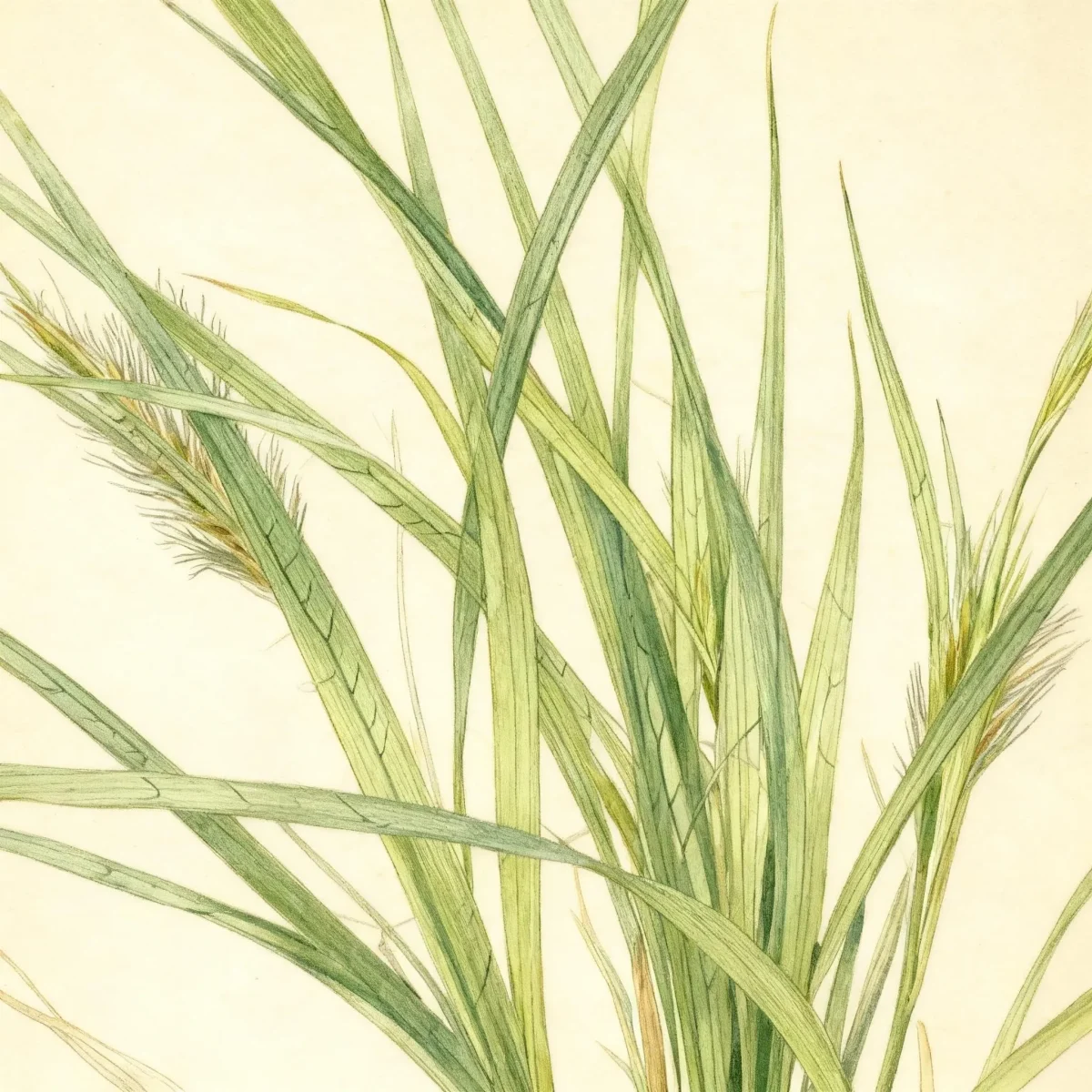
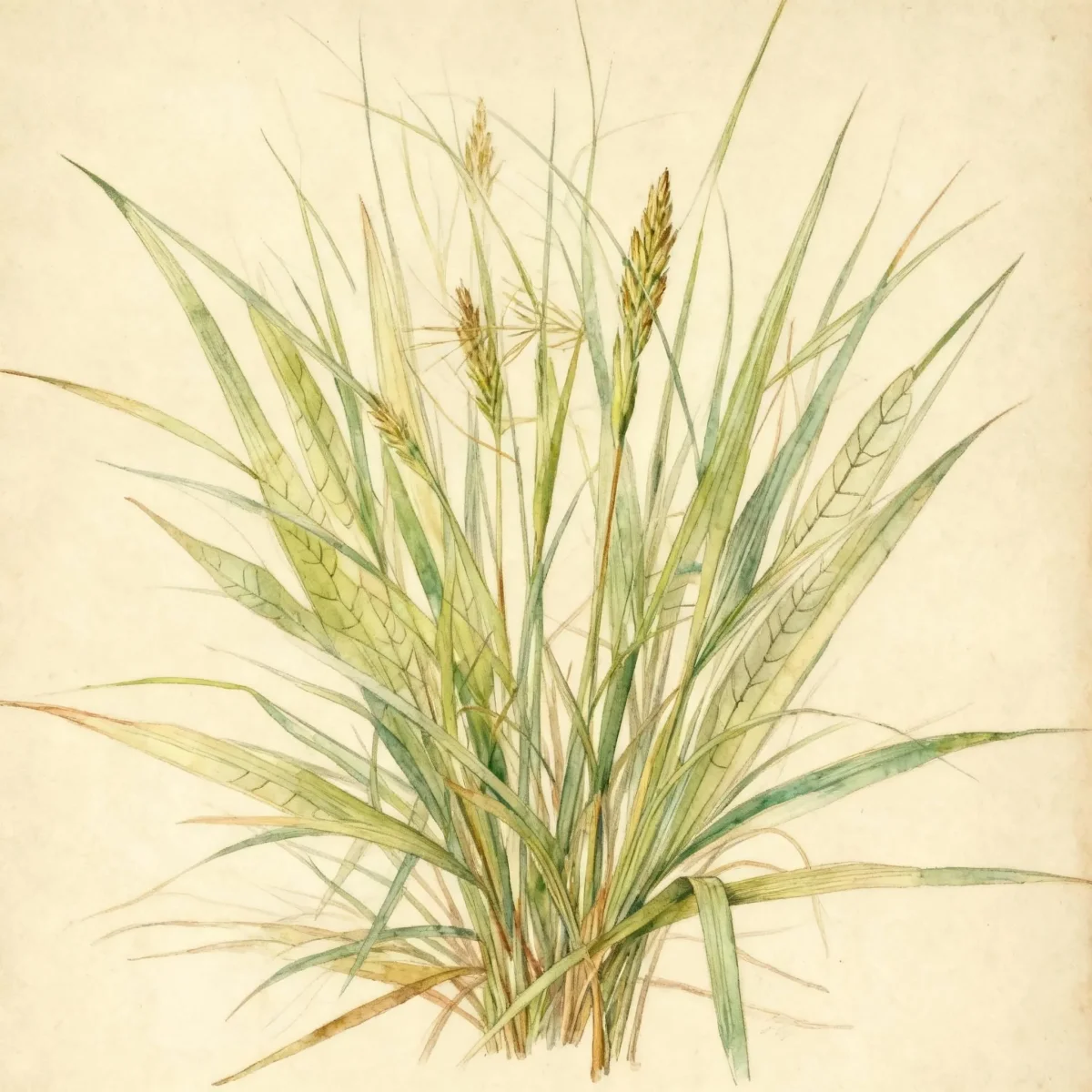
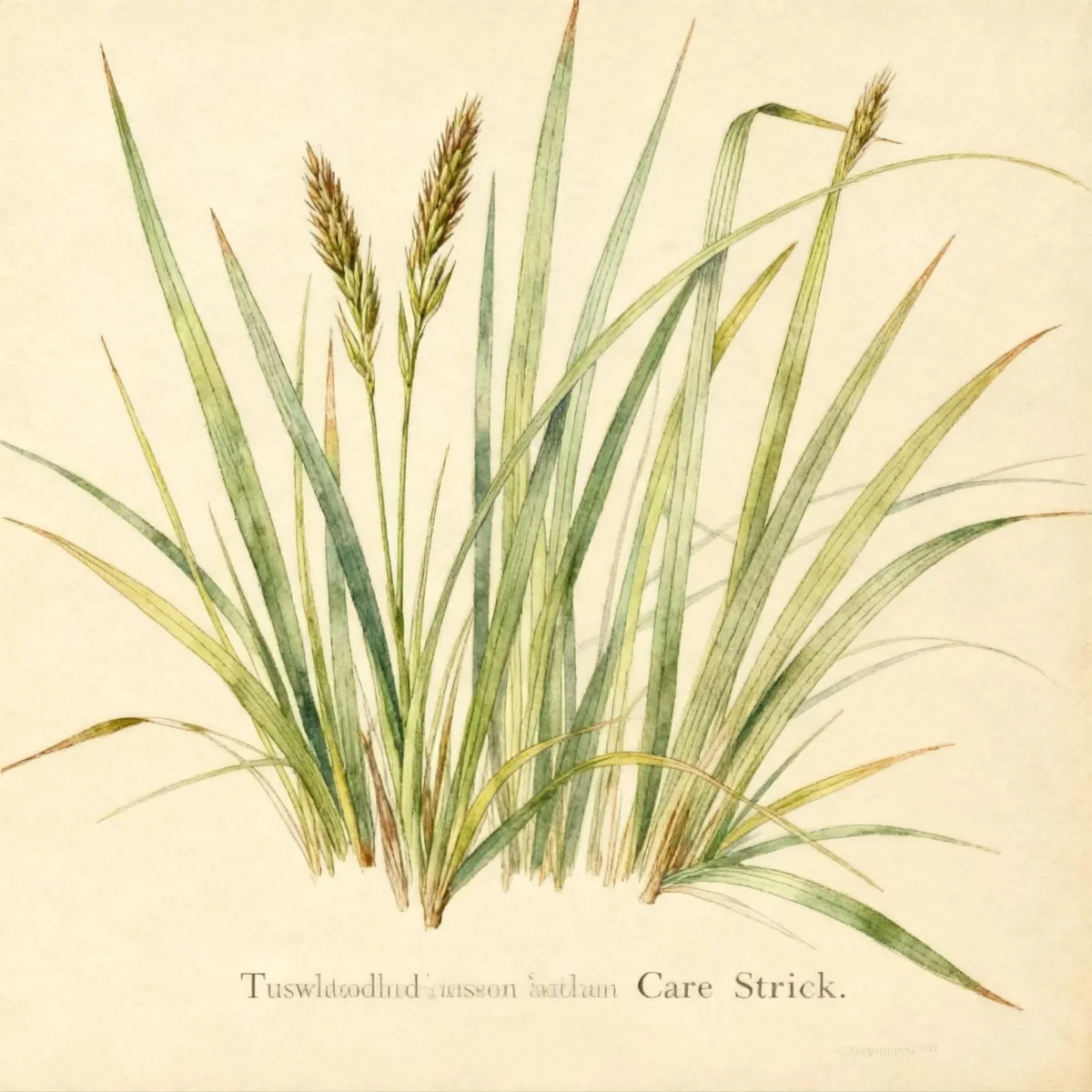
Rush (Juncus tenuis)
The slender Rush, Juncus tenuis, offers low-maintenance texture for wet gardens, thriving in zones 2-9.
Scroll down to discover growing tips, care requirements, companion plants, and more
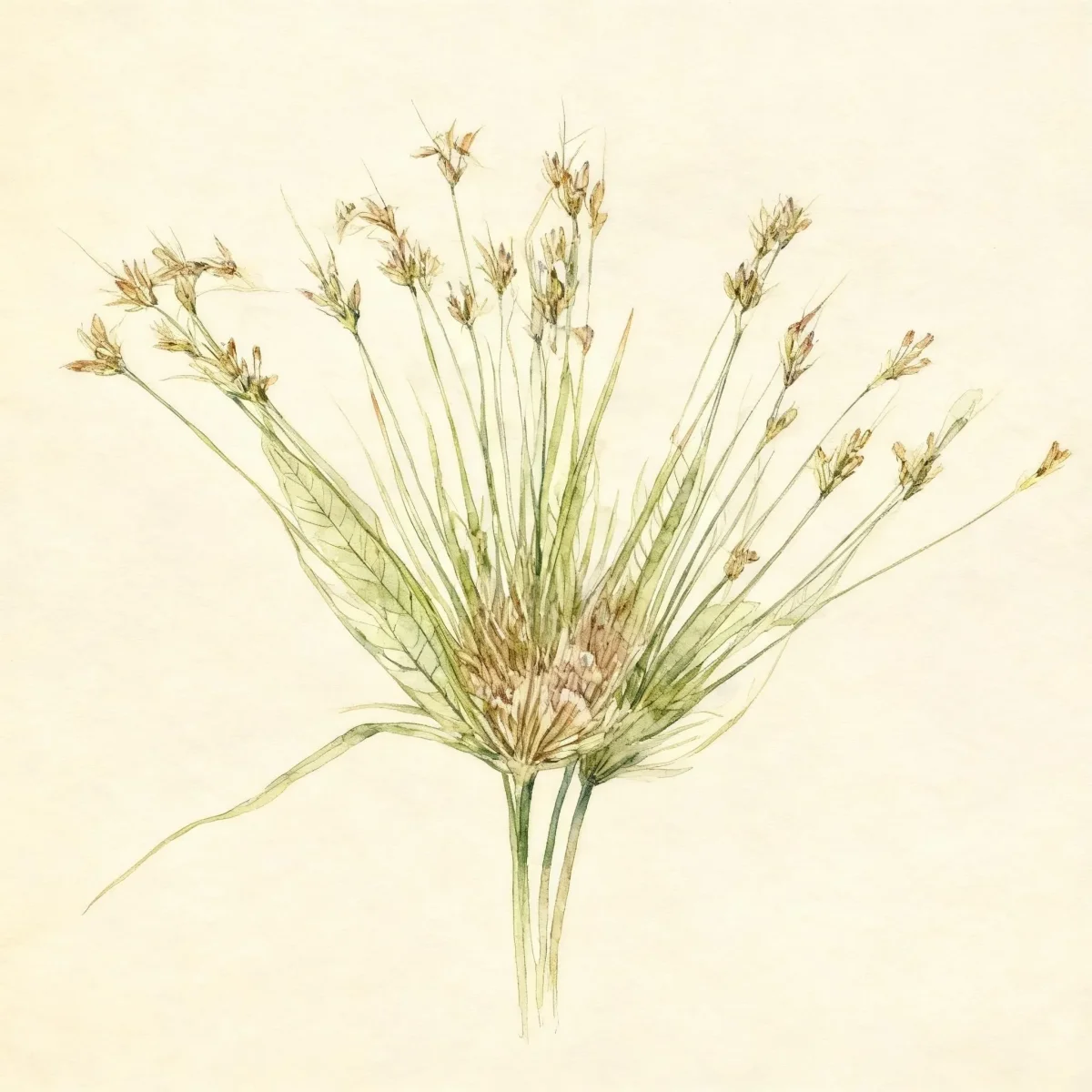
Complete Plant Information
Overview
The Slender rush, scientifically known as Juncus tenuis, is a highly adaptable perennial grass-like plant valued for its ability to thrive in moist conditions where many other ornamental plants struggle. Often called path rush or wire grass due to its tough, wiry stems, this native North American species forms neat clumps that provide excellent vertical texture throughout the growing season. It is an invaluable utility plant for stabilizing damp soil areas.
This Rush species requires minimal attention once established, making it a favorite for low-maintenance landscapes or naturalized settings. It handles a wide range of light, from full sun to partial shade, provided its need for consistently medium to wet soil is met. While its flowers are insignificant, its utilitarian greenery offers year-round structure in milder climates.
Functionally, Juncus tenuis excels in ecological roles, particularly in rain gardens or along water margins. Its root system helps curtail soil loss, and its tough nature allows it to colonize less-than-ideal, weedy sites, demonstrating its resilience. Growing this Rush means adding reliable, functional structure to challenging wet spots in your garden design.
Fast Facts
- Plant Family: Juncaceae
- Plant Type: Rush or Sedge
- Native Range: North America
- Hardiness Zones: USDA Zones 2-9
- Size at Maturity:
- Height: 0.5-2 ft
- Spread: 0.5-2 ft
- Bloom Time: May to September
- Bloom Description: Green
- Sun Exposure: Full sun to part shade
- Water Needs: Medium to wet
- Maintenance Level: Low
How to Grow
Juncus tenuis is remarkably easy to establish. The best time for planting is generally spring or early fall, allowing the plant to settle its aggressive root system before extreme temperatures arrive. This grass-like plant prefers average soils but absolutely demands consistent moisture; site it where water tends to pool or where soil remains permanently damp. It thrives under full sun, but light afternoon shade is acceptable, especially in hot climates.
Maintenance for this Rush is famously low. It rarely requires fertilization unless planted in extremely poor, sandy soils. Water deeply and regularly, especially during dry spells, to maintain its preferred medium to wet conditions; drought stress is its primary weakness. Pruning is generally unnecessary, though old, brown clumps from the previous season can be cut back in early spring before new growth begins.
One noteworthy cultural aspect is its tolerance for being walked on lightly—hence the name “path rush.” However, for long-term health, avoid heavy, consistent traffic across established clumps. Because Juncus tenuis has no significant pest or disease issues, garden care focuses solely on ensuring adequate water supply throughout the growing year, particularly from May to September when it is actively flowering.
Landscape Uses
The versatility of Juncus tenuis shines when used to manage damp areas of the landscape. As a ground cover, it effectively blankets moist slopes or spreads naturally in fields, helping to stabilize soil and suppress weeds in areas unsuitable for turfgrass. The slender rush performs excellently when naturalized near the edges of ponds, streams, or rain gardens where its moisture needs are perfectly accommodated.
Consider using this tough Rush in rain garden designs, as it actively manages runoff while providing upright architectural interest. It looks particularly effective when planted among other moisture-loving companions like Iris or ferns, or utilized nearer hardscaping, nestled among stones or pebbles at the edge of a water feature where its texture contrasts sharply with inorganic materials. This robust plant excels where a natural, slightly wild look is desired alongside practical erosion control.
Standout Features
Flower Qualities
- Insignificant
Noteworthy Characteristics
Juncus tenuis, commonly called path rush, is found in the wild throughout North America and grows up to two feet tall. Path rush is found in a wide variety of weedy locations such as in parking lots, fields, thickets, woods, swamps, pastures and along roadsides and paths. Due to its tough stems, it is also called wire grass even though it is technically a rush, and its medium green leaves turn brown with frost.
Tolerances
- Erosion
- Wet Soil
Potential Problems
Juncus tenuis is remarkably resistant to pests and diseases, presenting no significant problems for the gardener beyond its tendency to spread aggressively in ideal conditions. The main cultural consideration is ensuring it receives ample water; drying out will cause the foliage to decline rapidly. Many gardeners might view it as a weed if it self-seeds outside of intended wet areas, so monitor its spread if you prefer a contained look. For management, physical division of larger clumps is the simplest way to control size or move specimens to a more appropriate location.
Frequently Asked Questions
What hardiness zones is Rush suitable for?
Juncus tenuis is a hardy perennial suitable for very wide temperature variations, thriving in USDA Zones 2 through 9.
How large does Rush grow?
The mature size for this specific Rush is typically between 0.5 to 2 feet both in height and spread, forming compact clumps.
When does Rush bloom?
This plant produces its insignificant, small green flowers primarily throughout the warmer months, usually blooming from May through September.
Conclusion
The resilience and adaptability of Juncus tenuis make it an indispensable component for managing wet areas in the garden. This tough Rush provides foundational texture and excellent erosion control with minimal required care. Before planting, confirm your site offers the necessary medium to wet soil conditions, and enjoy the low-maintenance structure this native plant brings.
Companion Planting
When designing around Juncus tenuis, select plants that share its desire for high moisture levels or can tolerate periodic wet feet. Excellent companions include various types of Iris, particularly water-loving varieties like Siberian Iris or Yellow Flag (Iris pseudacorus). Marsh Marigold (Caltha palustris) complements the Rush nicely in spring with bright color, while ferns such as Ostrich Fern (Matteuccia struthiopteris) offer contrasting, soft foliage texture in partial shade settings.
Design Ideas
Utilize the upright, linear form of Juncus tenuis to create visual lines within a landscape border. Groupings of this grass-like plant work well to soften the hard edges of stonework, particularly around bog gardens or natural retention ponds, where its ability to handle splash and saturation is key. For modern designs, contain single clumps of this tough Rush in simple, dark containers placed at the edge of a patio that often collects runoff, allowing the foliage to spill slightly over the rim for a controlled but natural look.