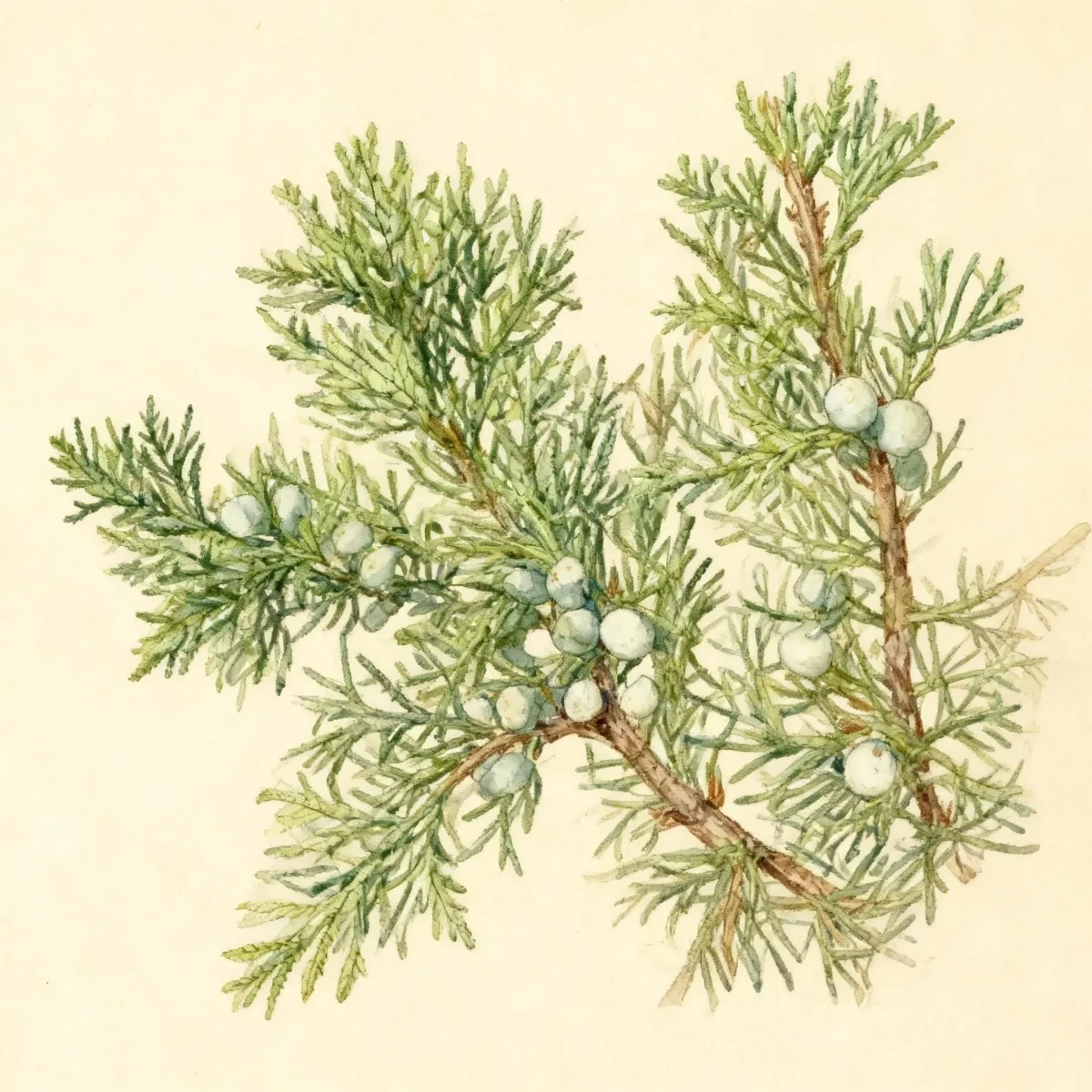
Common juniper (Juniperus communis 'Compressa')
Juniperus communis 'Compressa' is a compact, columnar needled evergreen offering year-round structure. This tough Common juniper thrives in full sun and tolerates drought.
Scroll down to discover growing tips, care requirements, companion plants, and more
Complete Plant Information
Overview
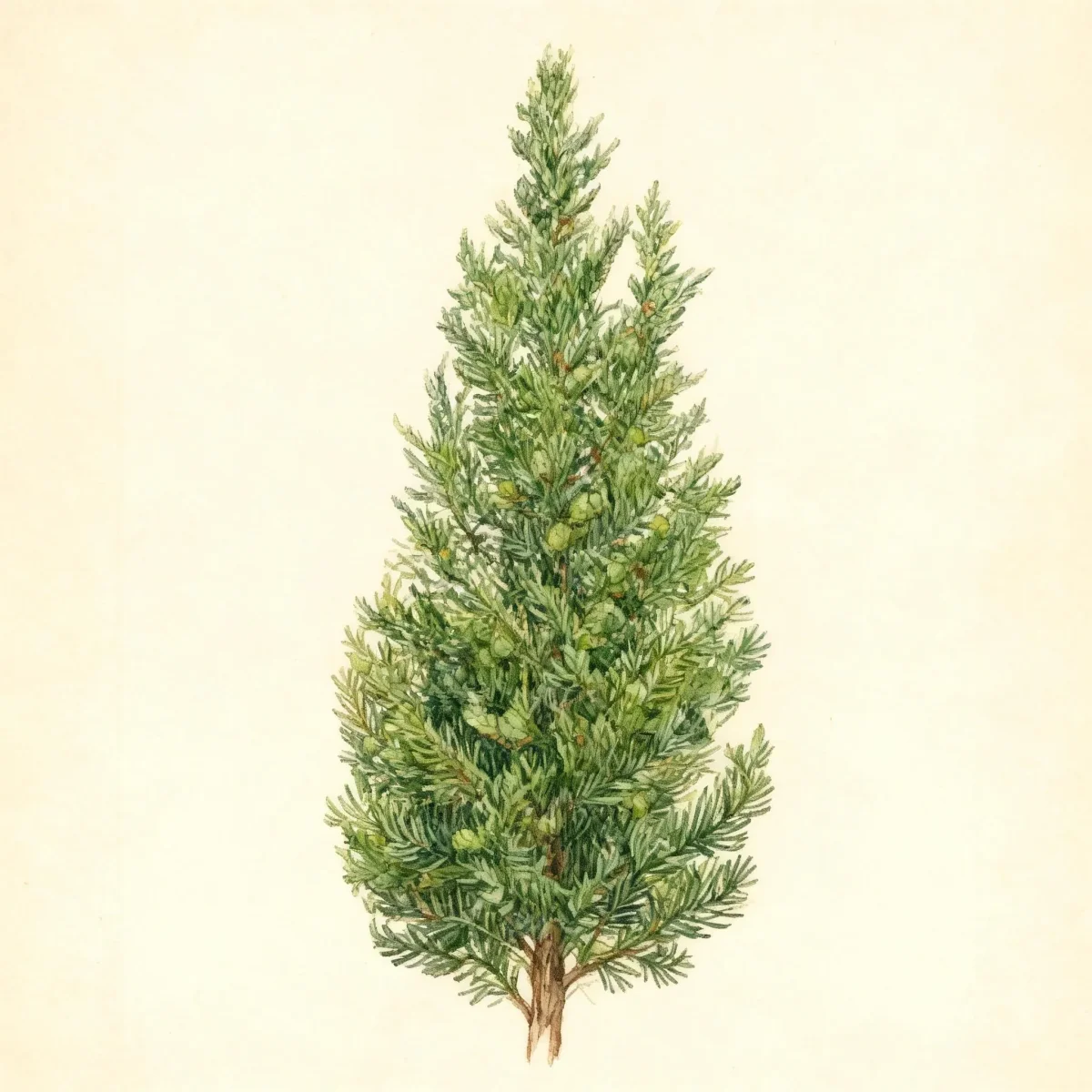
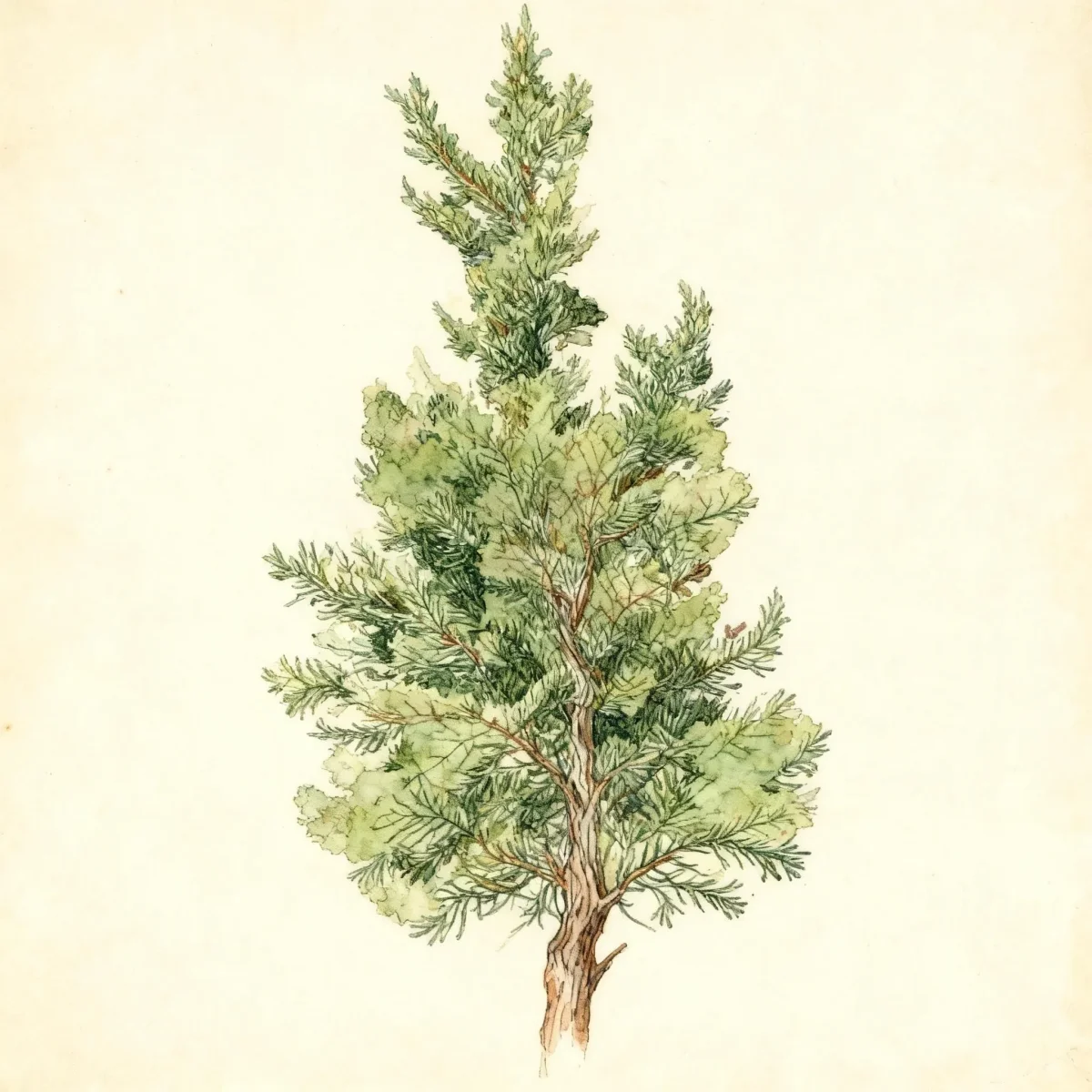
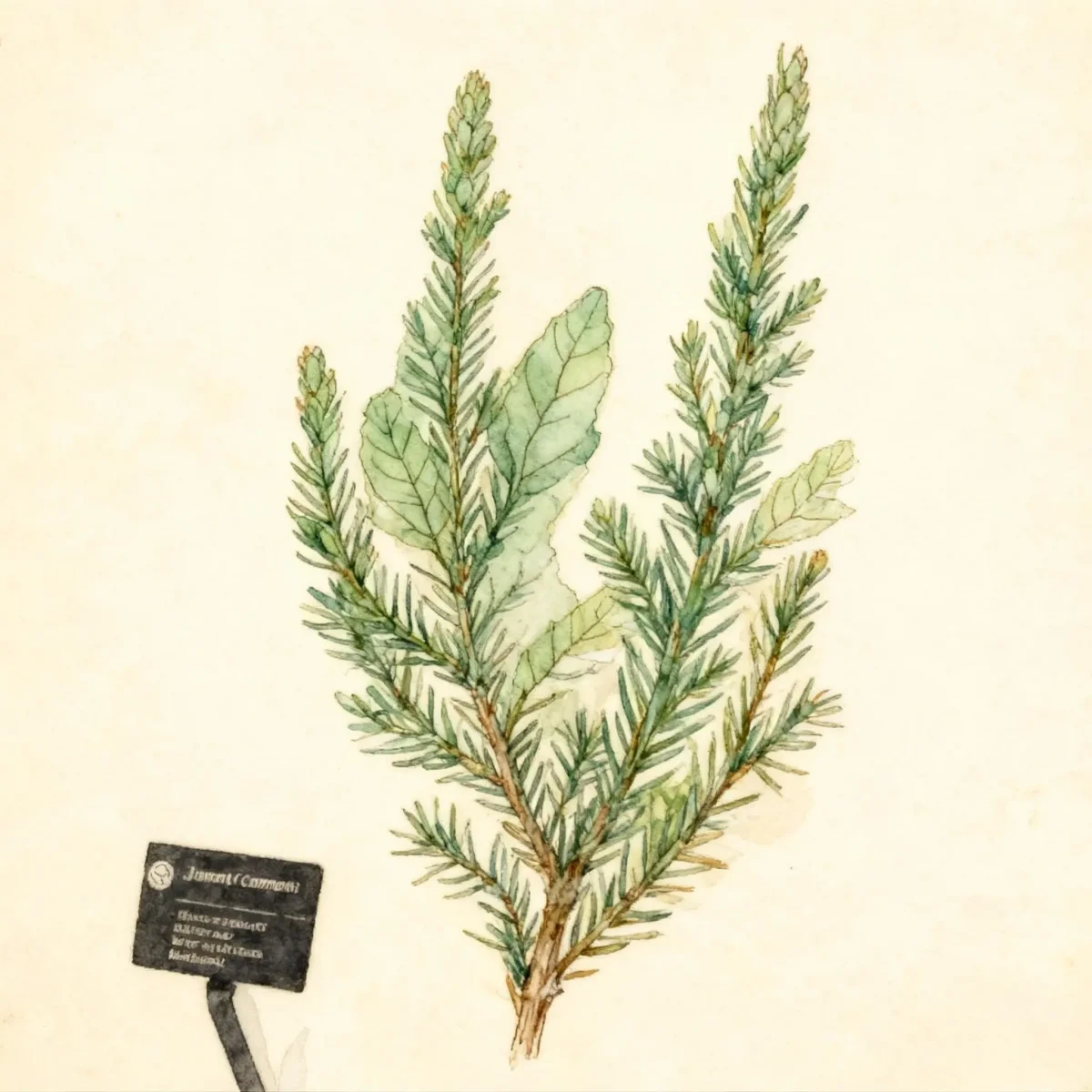
The Juniperus communis ‘Compressa’ is a distinguished cultivar prized for its strikingly narrow, upright, and densely columnar form, often likened to a pencil point. This needled evergreen offers exceptional vertical accent in the landscape where space is limited, providing consistent structure throughout all four seasons. As a form of the widespread Common juniper, this cultivar shares the species’ famed hardiness, making it a reliable choice for cold climates.
This dense evergreen requires minimal input once established, fitting perfectly into low-maintenance garden designs. Its mature height of 2 to 6 feet with a spread rarely exceeding 1.5 feet makes Juniperus communis ‘Compressa’ an excellent choice for formal plantings or tight foundation borders. Gardeners appreciate this variety for its resilience and its clean, architectural silhouette.
It is important to note that while the species provides essential habitat and its berries are used commercially, the primary value of the ‘Compressa’ cultivar lies in its unique, clipped-like aesthetic without the need for constant shearing. Planning placement around its full sun requirement will ensure the best blue-green to coppery fall needle color.
Fast Facts
- Plant Family: Cupressaceae
- Plant Type: Needled evergreen
- Hardiness Zones: USDA Zones 3-6
- Size at Maturity:
- Height: 2-6 ft
- Spread: 1-1.5 ft
- Bloom Time: Non-flowering
- Bloom Description: Non-flowering
- Sun Exposure: Full sun
- Water Needs: Medium
- Maintenance Level: Low
How to Grow
Plant Juniperus communis ‘Compressa’ in the spring or fall, ensuring there is adequate space for its eventual narrow spread. Choose a site that receives full sun; this juniper will not perform well in significant shade. It is highly adaptable regarding soil types and thrives even in poor, shallower, or rocky conditions, provided the drainage is excellent.
Water needs are medium, especially for newly planted specimens to establish a robust root system. Once established, this Common juniper exhibits good drought tolerance, reflecting its resilience inherited from its parent species. Avoid overly rich or consistently wet soils, as this increases the risk of fungal issues.
This cultivar requires very low maintenance. Pruning is usually unnecessary, as the ‘Compressa’ naturally maintains its tight, columnar shape. In late fall before the ground freezes, provide a thorough watering; this is crucial preparation to help prevent winter burn and desiccation that can affect the needles during cold, windy winters.
Landscape Uses
The unique, tight columnar habit of Juniperus communis ‘Compressa’ makes it invaluable for creating strong vertical elements in smaller gardens or rockeries. Since the species plants are rarely sold, this cultivar provides a highly controlled form perfect for lining narrow pathways or flanking entryways where formal symmetry is desired. It serves effectively as a year-round evergreen accent against lower-growing perennials or deciduous shrubs.
Consider using the upright structure of this Common juniper to break up horizontal lines in mixed borders. Because of its excellent tolerance profile, it pairs well with other hardy, sun-loving conifers or tough, slow-growing shrubs that share similar moisture requirements. Its dark green foliage provides a stark, cool contrast to plants with brighter colored leaves or flowers.
Standout Features
Fruit Qualities
- Edible
Noteworthy Characteristics
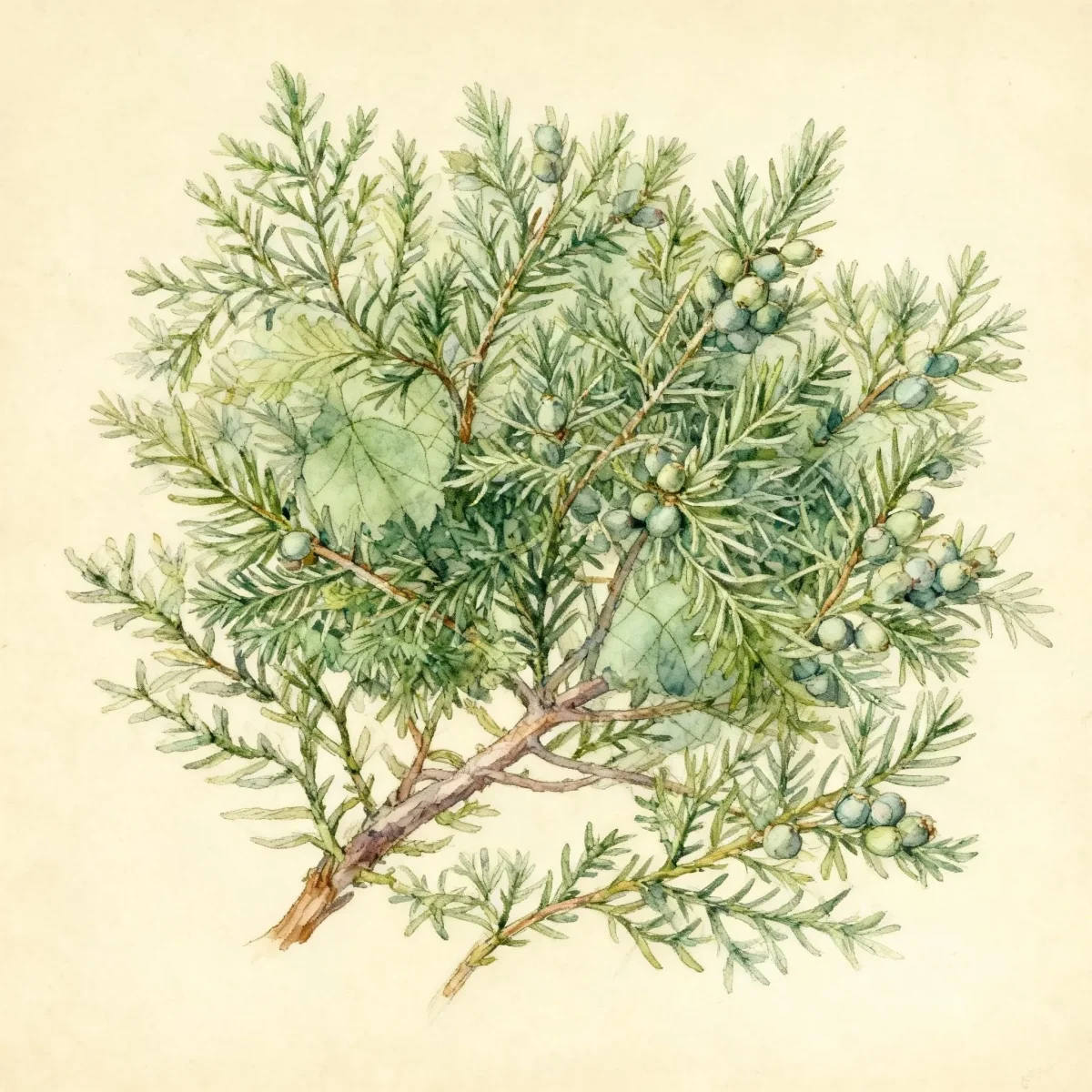
Juniperus communis, commonly called common juniper, is a dioecious, needled, evergreen conifer that grows in a variety of different shapes and forms in cool to cold areas of the Northern Hemisphere plus in one isolated population growing in the Atlas Mountains of Africa. The ‘Compressa’ cultivar is particularly notable, displaying a dense, upright, narrow, cone-shaped habit that tapers gently toward the top. Female plants produce slightly glaucous, spherical, 0.5” wide, fleshy, fruit-like seed cones, often called juniper berries, which ripen to a waxy dark blue or black.
Tolerances
- Deer
- Drought
- Erosion
- Dry Soil
- Shallow-Rocky Soil
- Air Pollution
Potential Problems
Juniper blight is a noted concern for Junipers generally, though less severe on J. Communis compared to other species. Monitor for cedar apple rust and wilt periodically. Insect pests such as scale, mites, borers, midges, and bagworms can sometimes be an issue.
The primary management concern specific to Juniperus communis ‘Compressa’ is susceptibility to winter burn. To mitigate this, ensure plants are deeply watered in late fall before the soil freezes. Furthermore, planting locations exposed to harsh, cold northern winds should be avoided or mitigated with a temporary burlap screen during intense winters.
Seasonal Care Calendar
For optimal performance of your Juniperus communis ‘Compressa’, adhering to a seasonal care schedule is beneficial. In early spring, after the danger of hard frost, conduct a thorough inspection for any winter damage. Light cleanup of any winter debris around the base can improve air circulation.
Throughout the summer, focus primarily on monitoring moisture levels, especially during intense heat waves, even though this plant is drought tolerant established. Avoid high humidity environments as species plants show intolerance. Summer is a good time to check for scale insects on the stems.
Prepare for winter by ensuring the plant is well-hydrated in the autumn, as mentioned previously, to combat desiccation risks. Deep watering just before the ground becomes permanently frozen helps the narrow needles retain moisture when transpiration occurs on sunny, windy winter days.
Companion Planting
When selecting neighbors for Juniperus communis ‘Compressa’, prioritize plants that share its preference for full sun and excellent drainage while accommodating its low-nutrient tolerance. Good pairings include other tough, cold-hardy evergreens like Scots Pine (Pinus sylvestris) cultivars or low-growing sedums in rock gardens.
Avoid planting this juniper near plants that require heavy, regular watering, such as hostas or many ornamental grasses, as overly moist soil conditions can compromise the root health of the juniper. For color contrast in mixed borders, use plants with golden or silver foliage that enjoy similar sharp drainage.
Conclusion
The Juniperus communis ‘Compressa’ remains a premier choice for gardeners needing tight, formal vertical interest in constrained spaces. Its low maintenance profile, combined with the exceptional cold hardiness of the Common juniper species, ensures long-term landscape success. Assess your site conditions to confirm full sun exposure and gauge your hardiness zone compatibility before planting this resilient, columnar evergreen.