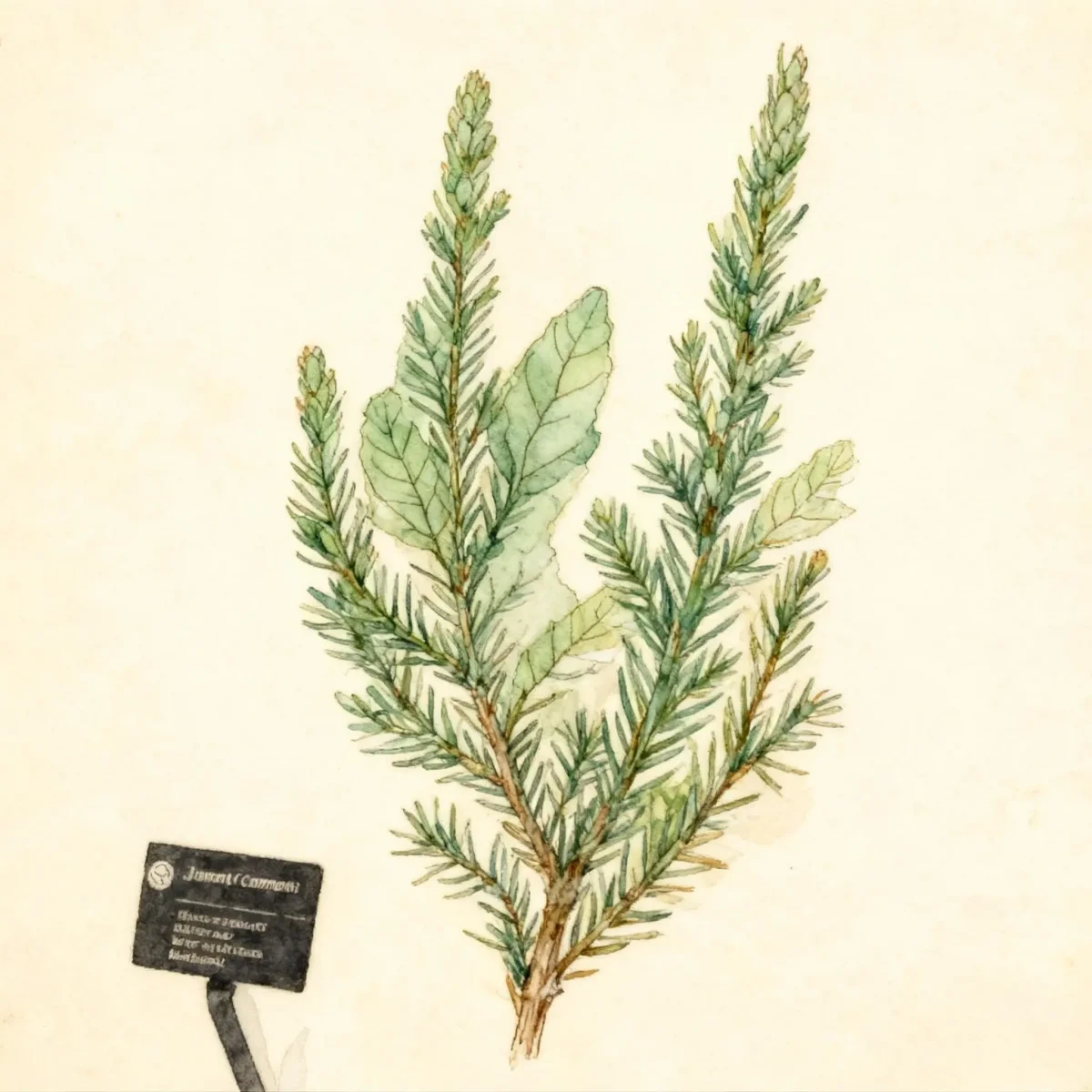
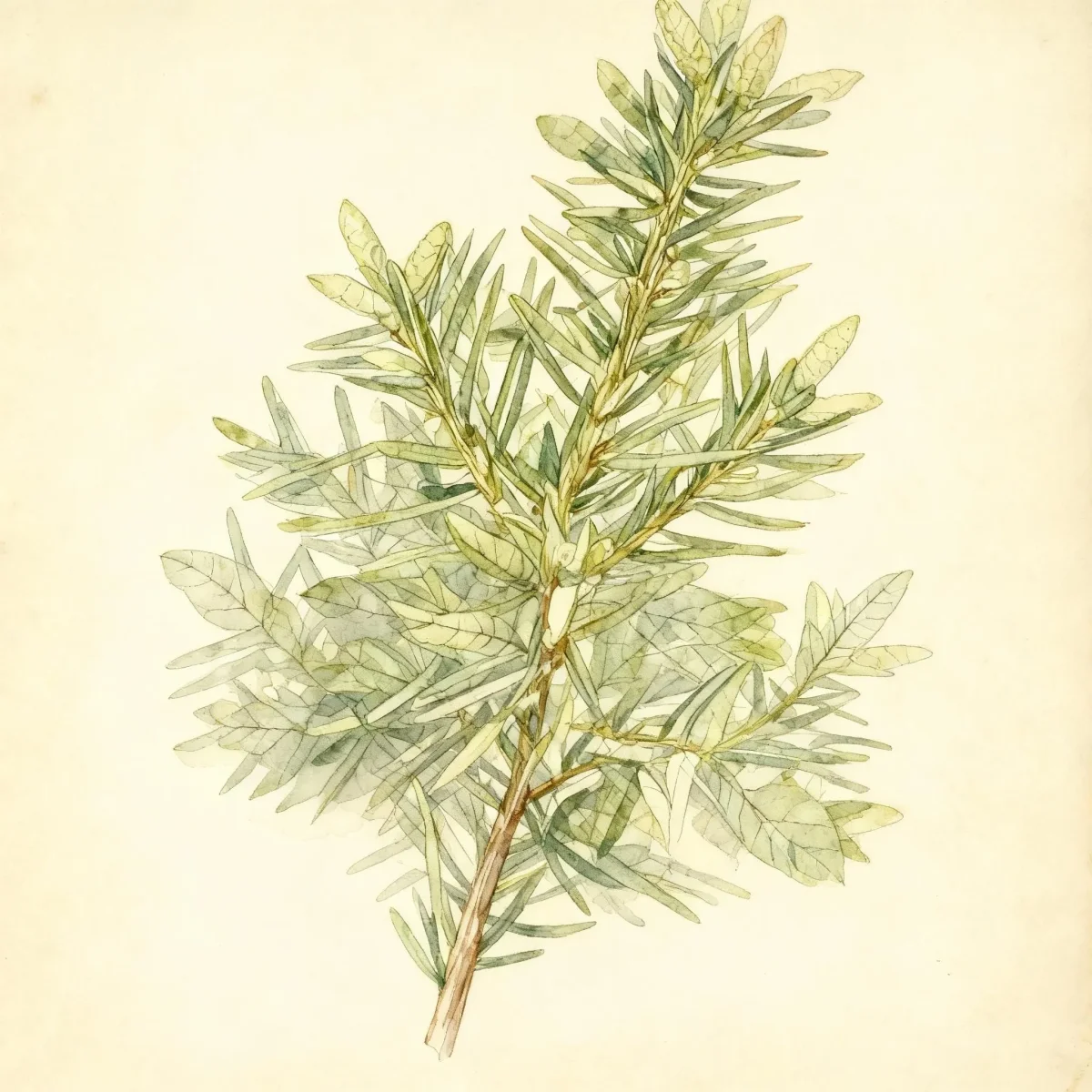
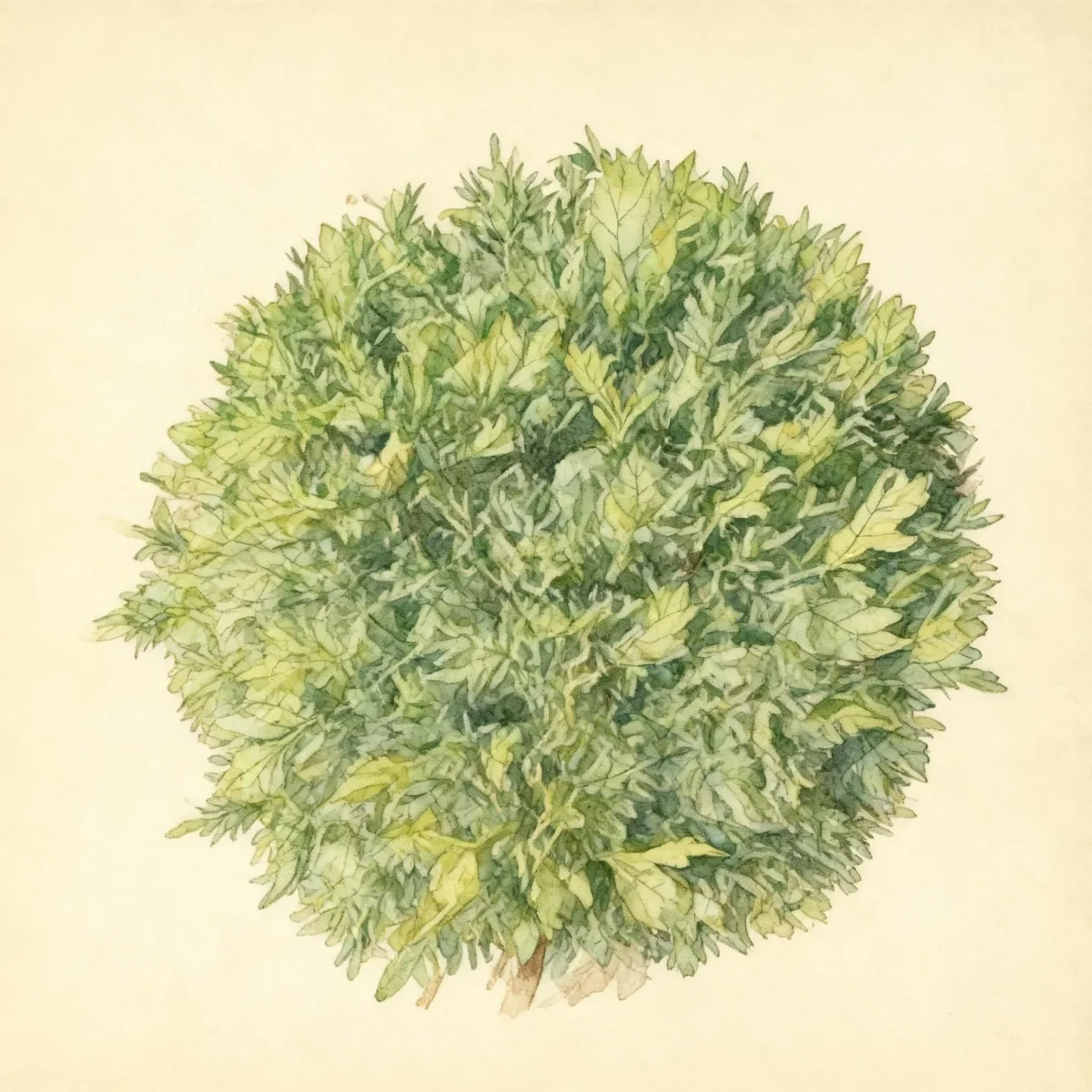
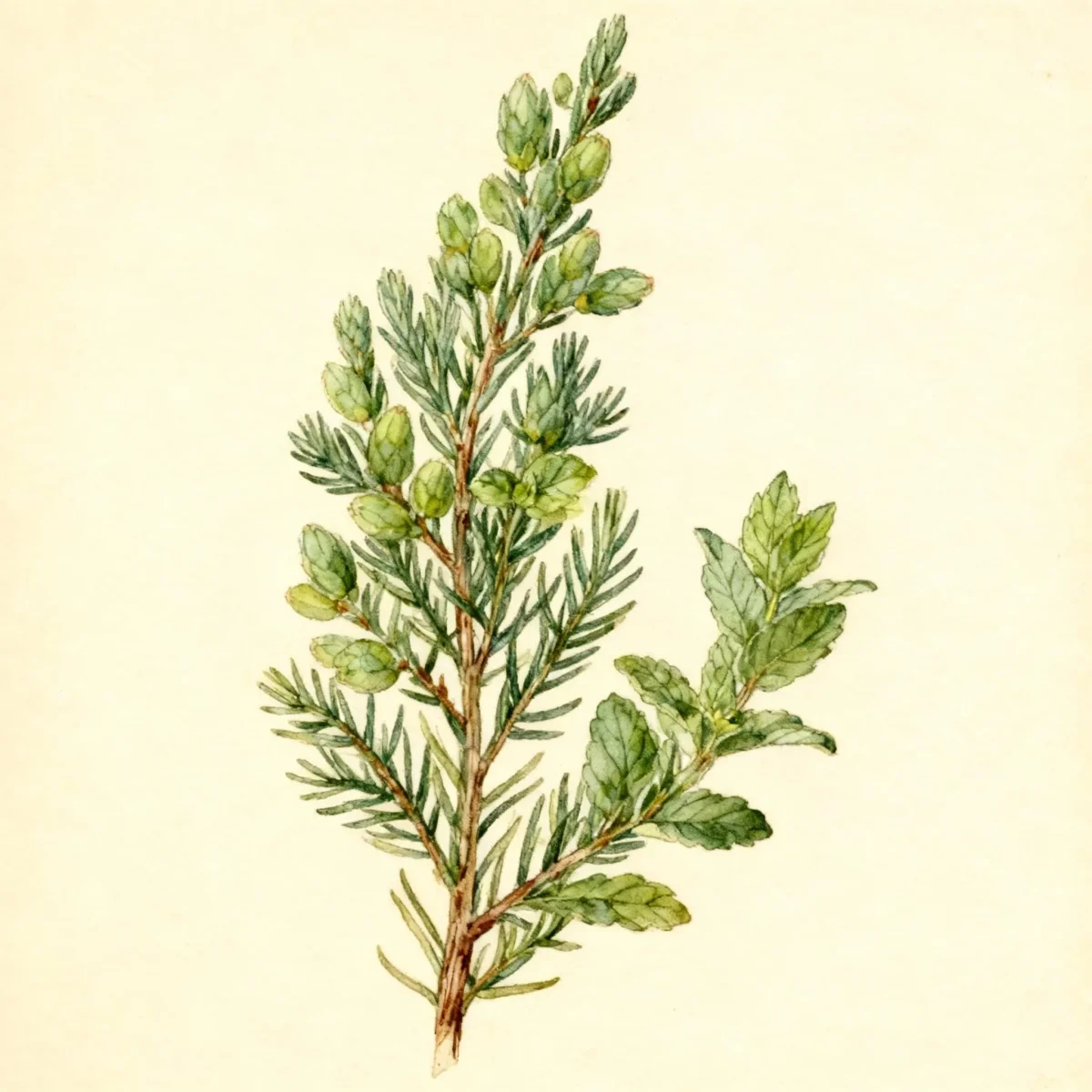
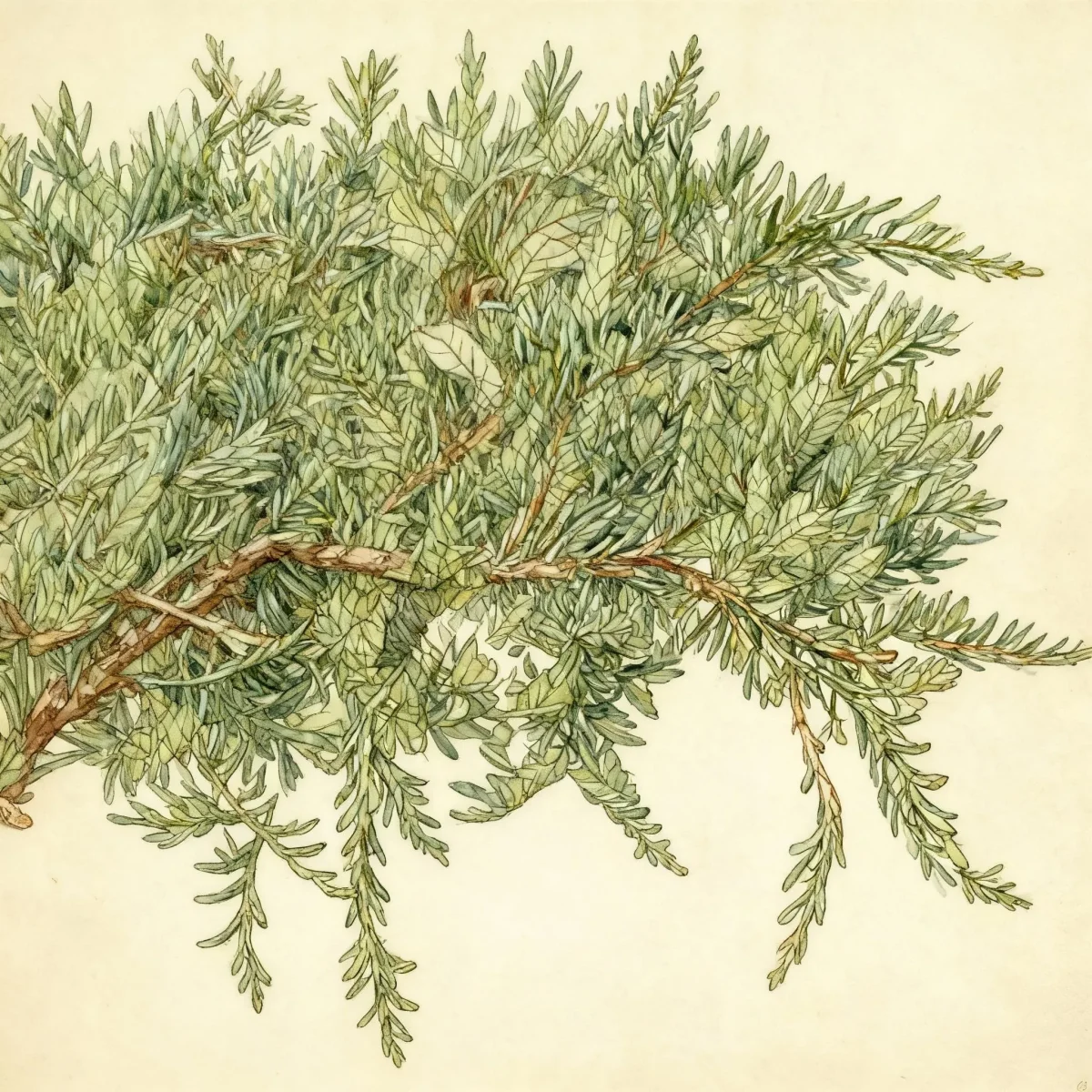
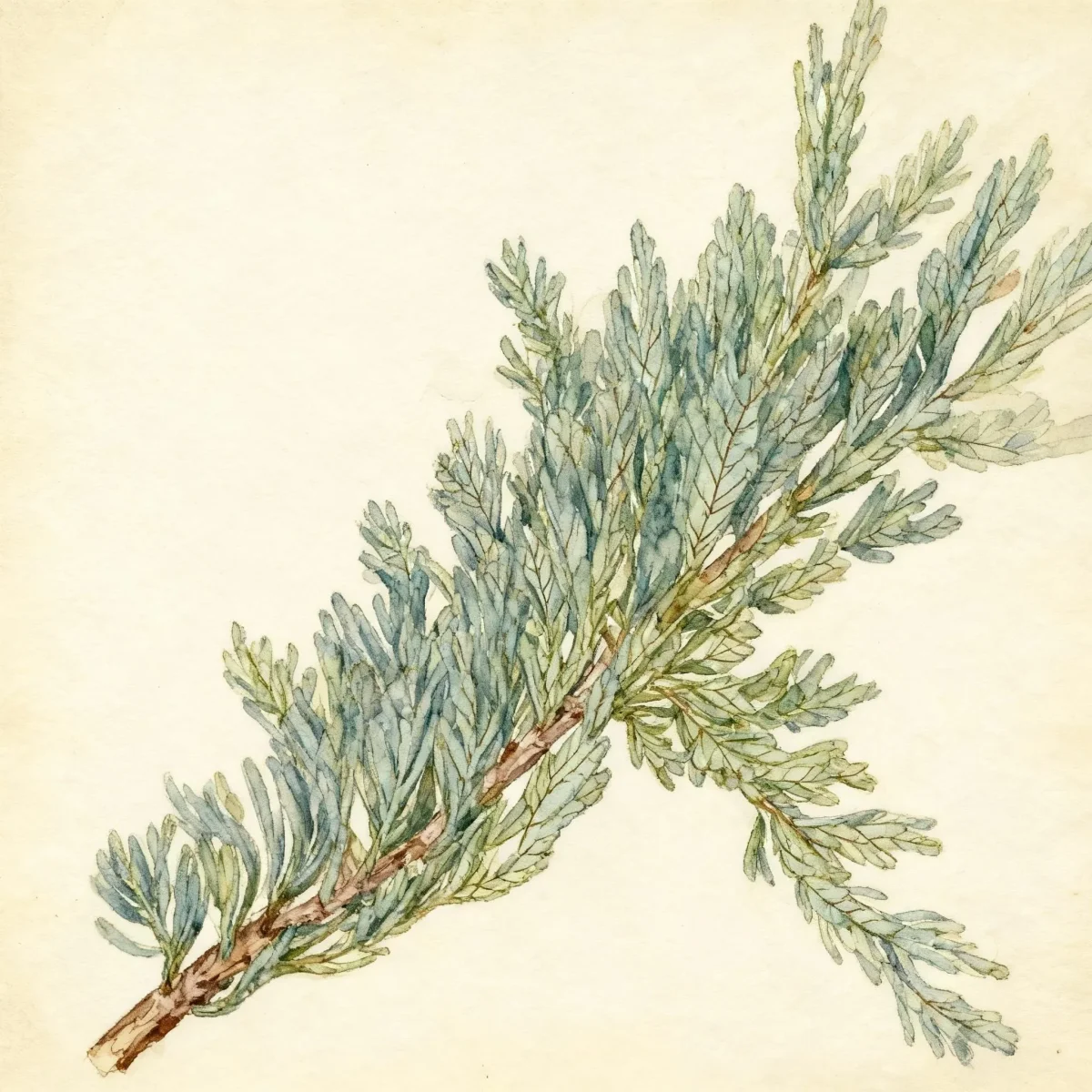
Common juniper (Juniperus communis 'Effusa')
Juniperus communis 'Effusa' is a tough, low-spreading needled evergreen, ideal for ground cover in full sun. This Common juniper variety boasts low maintenance.
Scroll down to discover growing tips, care requirements, companion plants, and more
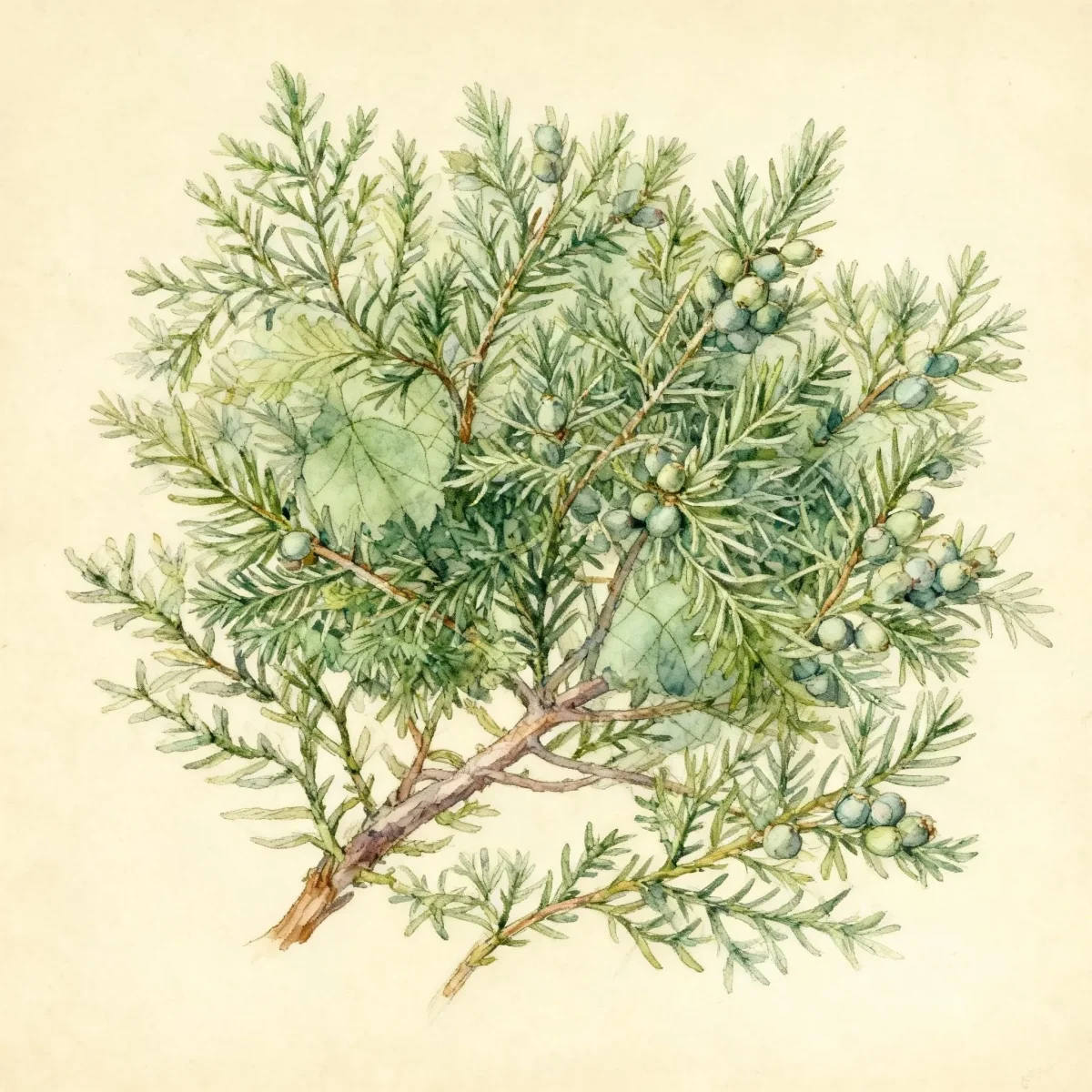
Complete Plant Information
Overview
Juniperus communis ‘Effusa’, the Common juniper cultivar, provides excellent coverage with a tough, ground-hugging habit ideal for challenging landscapes. This needled evergreen is highly valued for its exceptional cold tolerance, allowing it to thrive where many other shrubs falter. Its low, spreading form creates a dense mat, stabilizing soil and suppressing weeds effectively.
This specific selection features dense, dull green foliage that contrasts beautifully with silvery-white undersides, adding year-round texture to the garden. As a low-maintenance evergreen ground cover, Juniperus communis ‘Effusa’ combines durability with evergreen structure. Gardeners appreciate this plant for its ability to flourish in full sun and poor soil conditions.
The structure of Juniperus communis ‘Effusa’ remains low and wide, typically reaching only 9 to 12 inches tall but spreading across four to six feet. This makes the Common juniper an indispensable element for mass plantings, slopes, and large-scale design where minimal upkeep is desired.
Fast Facts
- Plant Family: Cupressaceae
- Plant Type: Needled evergreen
- Hardiness Zones: USDA Zones 2-7
- Size at Maturity:
- Height: 0.75-1.5 ft
- Spread: 4-6 ft
- Bloom Time: Non-flowering
- Bloom Description: Non-flowering
- Sun Exposure: Full sun
- Water Needs: Medium
- Maintenance Level: Low
How to Grow
Plant Juniperus communis ‘Effusa’ during the spring or fall when temperatures are mild, ensuring the roots have time to establish before extreme heat or cold arrives. This variety excels in full sun exposure, a necessity for maintaining its dense, colorful foliage. While it prefers medium moisture, it tolerates, and often thrives in, very poor, well-drained, sometimes rocky soils.
Established plants exhibit significant drought tolerance, meaning deep initial watering followed by infrequent checks is usually sufficient, especially once established. Conversely, the species notes superior intolerance for excessive heat and high humidity, so choose locations with good air circulation, especially if planting south of Zone 6. Fertilization is rarely necessary; focus efforts on ensuring weed control around new plantings rather than amending poor soil.
Pruning is generally not required for this low-spreading selection, as its mature form is inherently desirable for ground cover. Remove any dead or damaged wood incidentally, but avoid heavy shearing, as this can disrupt the natural, attractive habit of the Common juniper. Winter preparation is minimal due to its extreme hardiness through Zone 2.
Landscape Uses
The primary function of Juniperus communis ‘Effusa’ in the landscape is as a utilitarian and attractive evergreen ground cover. Its low, spreading habit makes it perfect for cascading over retaining walls or softening the edges of walkways where sharp definition is not required. Use this variety extensively for mass plantings across large areas or up slopes to control erosion effectively.
Due to its tolerance for drier, poorer soils, it serves as an excellent, reliable specimen when planting near driveways or highly exposed sites where other ornamentals struggle. Consider pairing the low profile of the Common juniper with taller, more upright evergreens or deciduous shrubs to create essential vertical contrast in the composition. As very few varieties are sold compared to the species, utilizing this specific selection ensures a consistent, low-growing aesthetic.
Standout Features
Fruit Qualities
- Showy
Noteworthy Characteristics
Juniperus communis, commonly called common juniper, is a dioecious, needled, evergreen conifer that grows in a variety of different shapes and forms in cool to cold areas of the Northern Hemisphere plus in one isolated population growing in the Atlas Mountains of Africa. It is the most widespread conifer growing in the world today. The ‘Effusa’ selection is particularly notable as a low-spreading, horizontal variety, reaching only 9-12 inches tall while spreading widely, featuring striking foliage that appears dull green above and silvery-white underneath. Its reddish-brown stems often peek through the somewhat sparse cover.
Tolerances
- Deer
- Drought
- Erosion
- Dry Soil
- Shallow-Rocky Soil
- Air Pollution
Potential Problems
While Juniper blight is noted as a relatively infrequent issue on J. communis compared to other junipers, gardeners should remain vigilant. Cedar apple rust and wilt are lesser fungal concerns that can emerge, particularly in humid conditions. To mitigate these issues, ensure robust air circulation, especially when planting in areas leaning toward the warmer end of its hardiness range.
Insect pests such as mites, borers, scale, midges, and bagworms can pose problems. Regular inspection of the foliage, especially during warm periods, allows for early detection. Minor infestations can often be managed with horticultural oils or insecticidal soaps if caught promptly before they become severe.
Frequently Asked Questions
What hardiness zones is Common juniper suitable for?
Juniperus communis ‘Effusa’ is highly cold-tolerant, suitable for planting across USDA Hardiness Zones 2 through 7.
How large does Common juniper grow?
This low-spreading cultivar typically achieves a height between 0.75 and 1.5 feet, while spreading significantly wider, between 4 and 6 feet across.
What sun exposure does Juniperus communis ‘Effusa’ need?
For optimal health and density, this needled evergreen requires consistent full sun exposure throughout the growing season.
When does Common juniper bloom?
This plant is non-flowering; cones appear in spring, but it does not produce ornamental flowers.
Conclusion
Juniperus communis ‘Effusa’ stands out as an exceedingly tough, resilient ground cover perfectly adapted to cold climates and poor soil conditions. Its low growth habit and year-round evergreen appeal make this Common juniper a reliable choice for erosion control and large-scale landscape texture. Always verify that your planting site offers full sun exposure before installing this exceptionally durable Juniperus communis ‘Effusa’.
Companion Planting
Selecting appropriate neighbors is key to maximizing the aesthetic and functional benefits of the Common juniper. Since J. communis ‘Effusa’ thrives in lean, dry, full-sun sites, pair it with other robust, sun-loving perennials and low shrubs that share similar low-water requirements. Consider drought-tolerant plants like Sedum groundcovers, Russian Sage (Perovskia atriplicifolia), or ornamental grasses that tolerate reflected heat.
Avoid pairing this juniper with plants that require rich, constantly moist soil, as the Common juniper will suffer if its roots are persistently wet. The low profile of ‘Effusa’ also means complementary plants should either be equally low or intentionally taller to provide a backdrop, avoiding a visually flat presentation across the landscape bed.
Design Ideas
The spreading nature of Juniperus communis ‘Effusa’ makes it a foundational plant for mid-range erosion control on slopes or banks. When used on flat expanses, set plants about 3 to 5 feet apart, allowing them to merge into a continuous carpet of evergreen color over a few seasons. This provides excellent textural contrast against paved features or gravel mulch beds.
For rock gardens or xeriscaping designs, utilize the scale of this low juniper to bridge the gap between ground-level stones and taller accent shrubs. Its status as the most widespread conifer in the world means it integrates well into naturalistic plantings aiming for a circumpolar or alpine feel, provided the site mimics its full-sun, well-drained preferences.