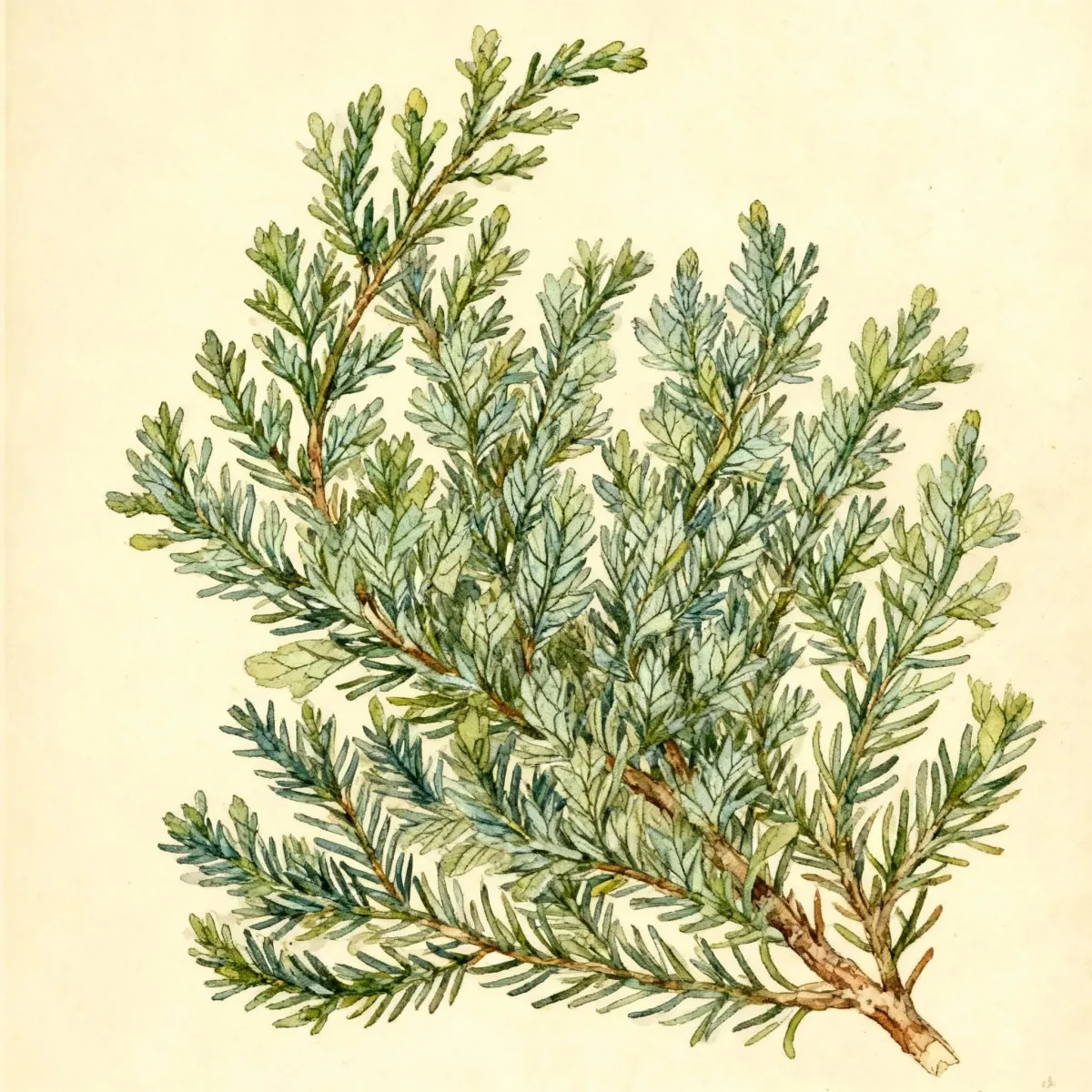
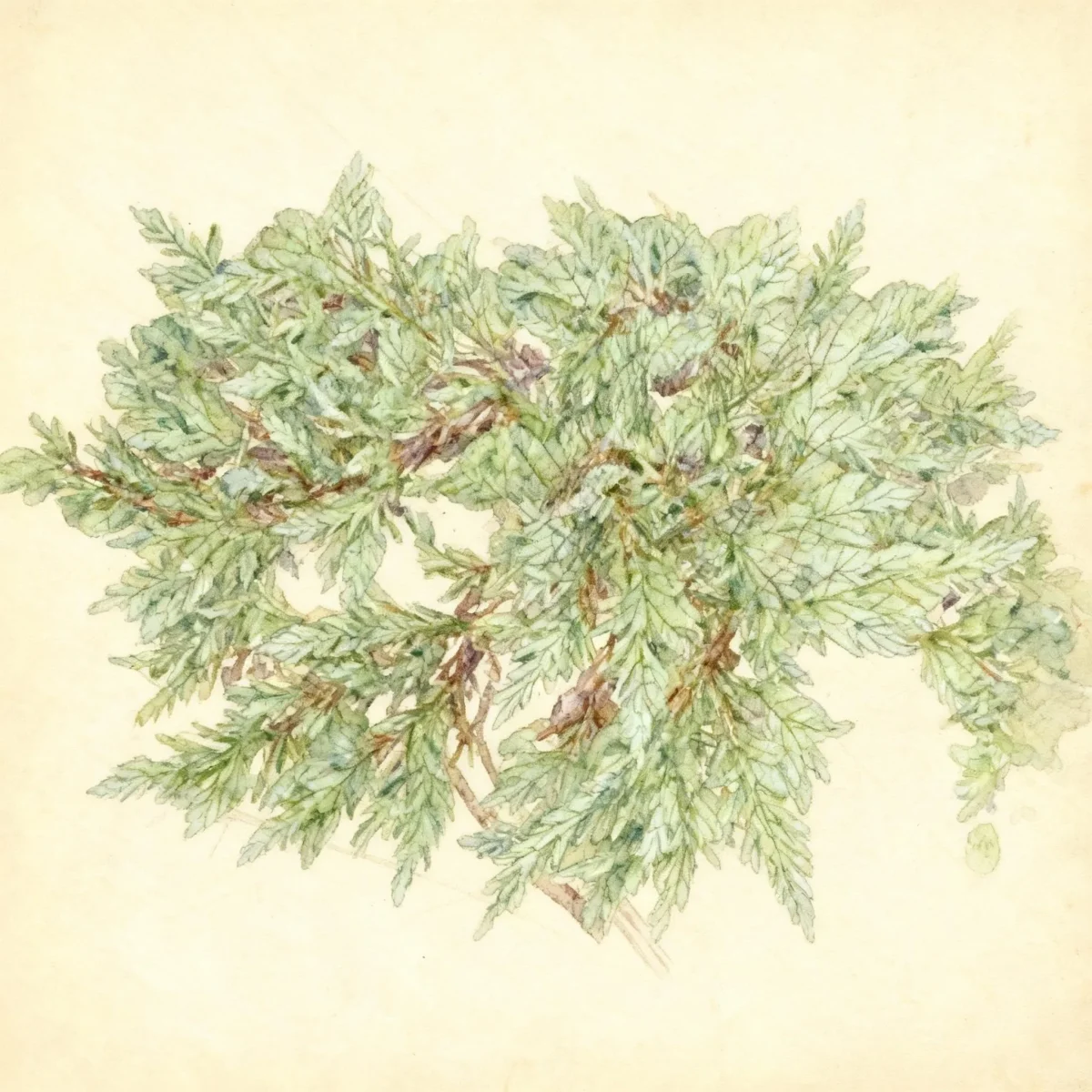
Creeping juniper (Juniperus horizontalis 'Bar Harbor')
Juniperus horizontalis 'Bar Harbor' is a tough, low-spreading evergreen, perfect as a medium-maintenance groundcover for sunny, dry spots.
Scroll down to discover growing tips, care requirements, companion plants, and more
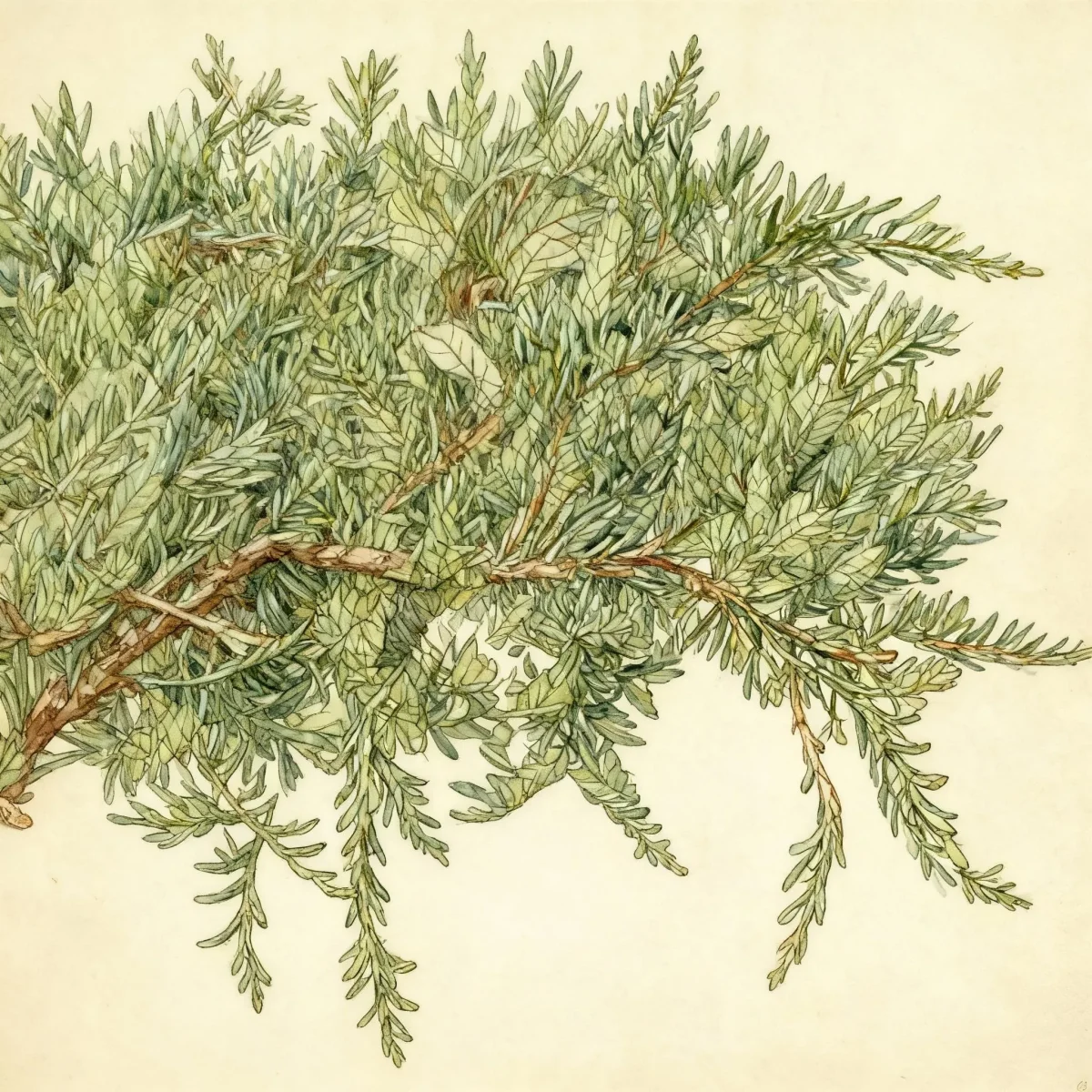
Complete Plant Information
Overview
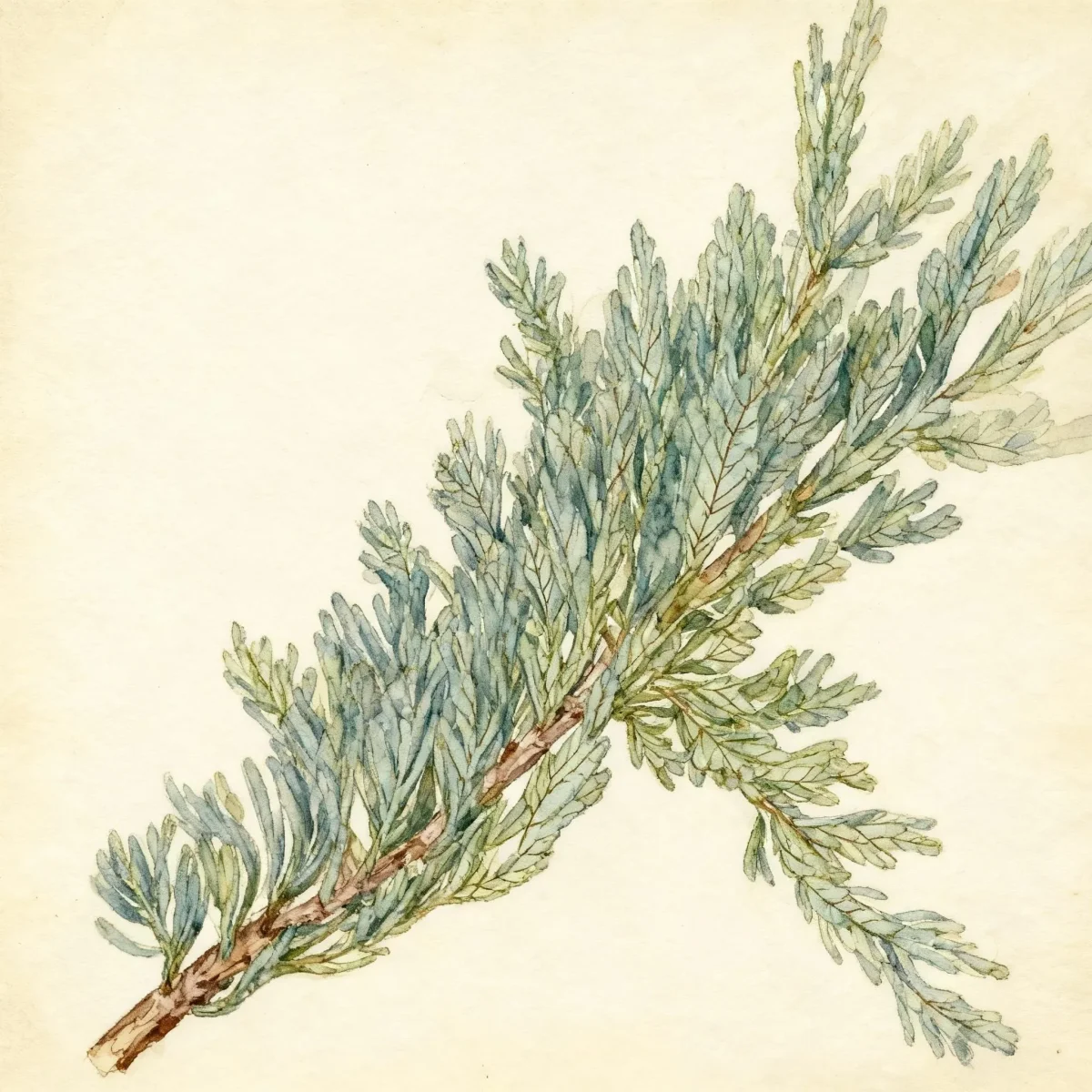
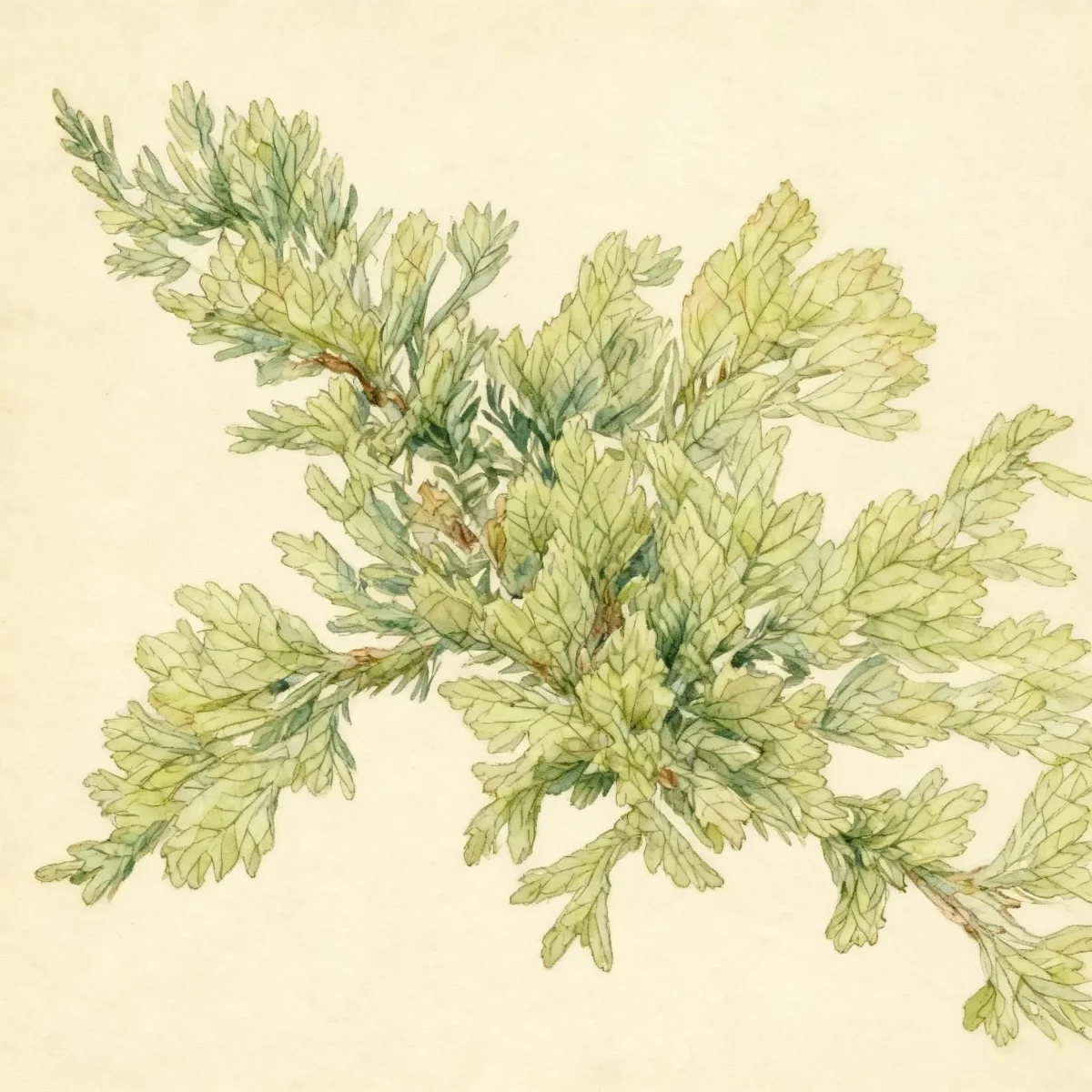
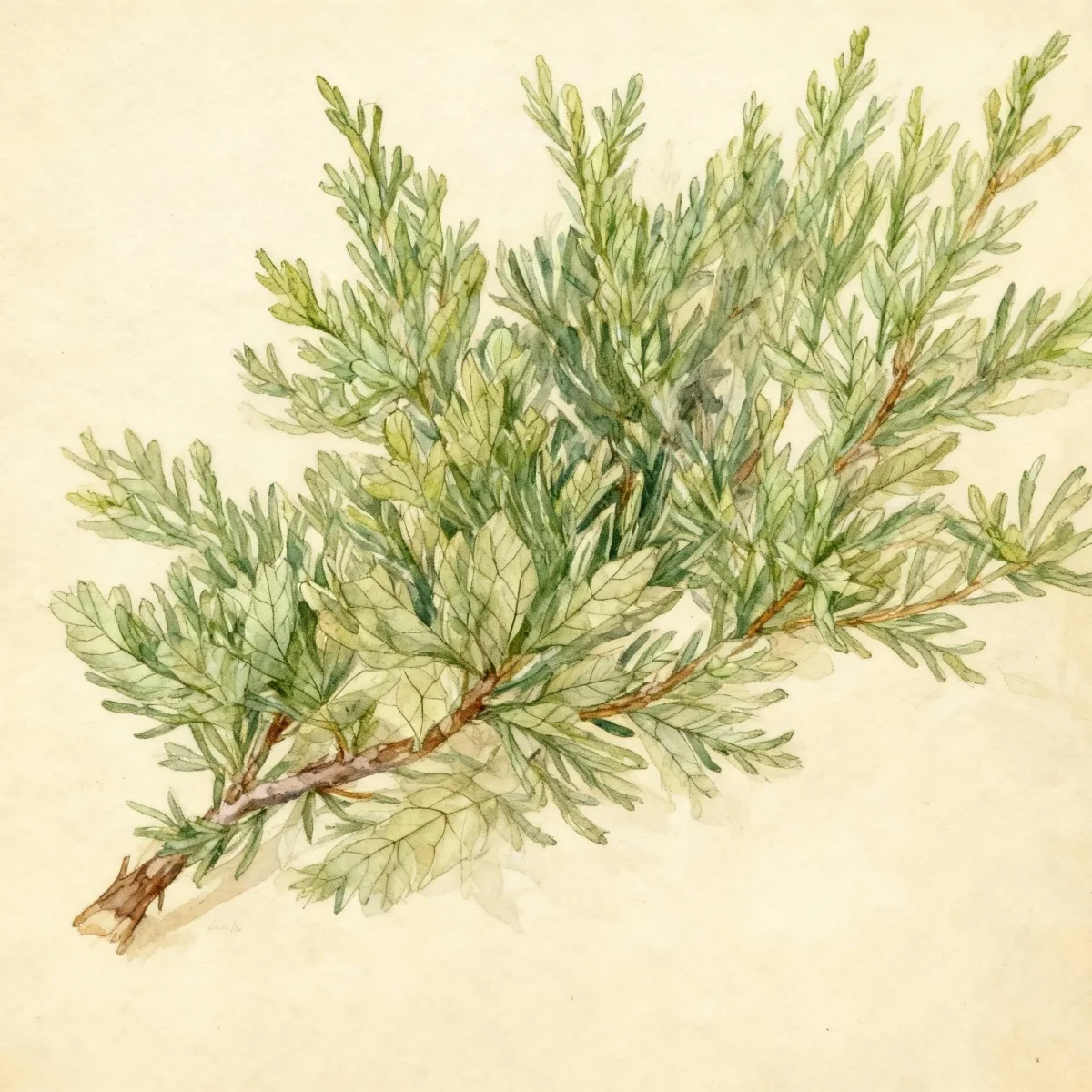
Juniperus horizontalis ‘Bar Harbor’, commonly known as creeping juniper, is an exceptionally durable, low-growing evergreen prized for its dense, spreading habit. This cultivar forms a beautiful, dense mat ideal for covering large, sunny areas where turf struggles to thrive. As an adaptable needled evergreen, it provides vital year-round texture and color, particularly noted for its blue-gray summer foliage that transitions to attractive purplish tones in the winter months.
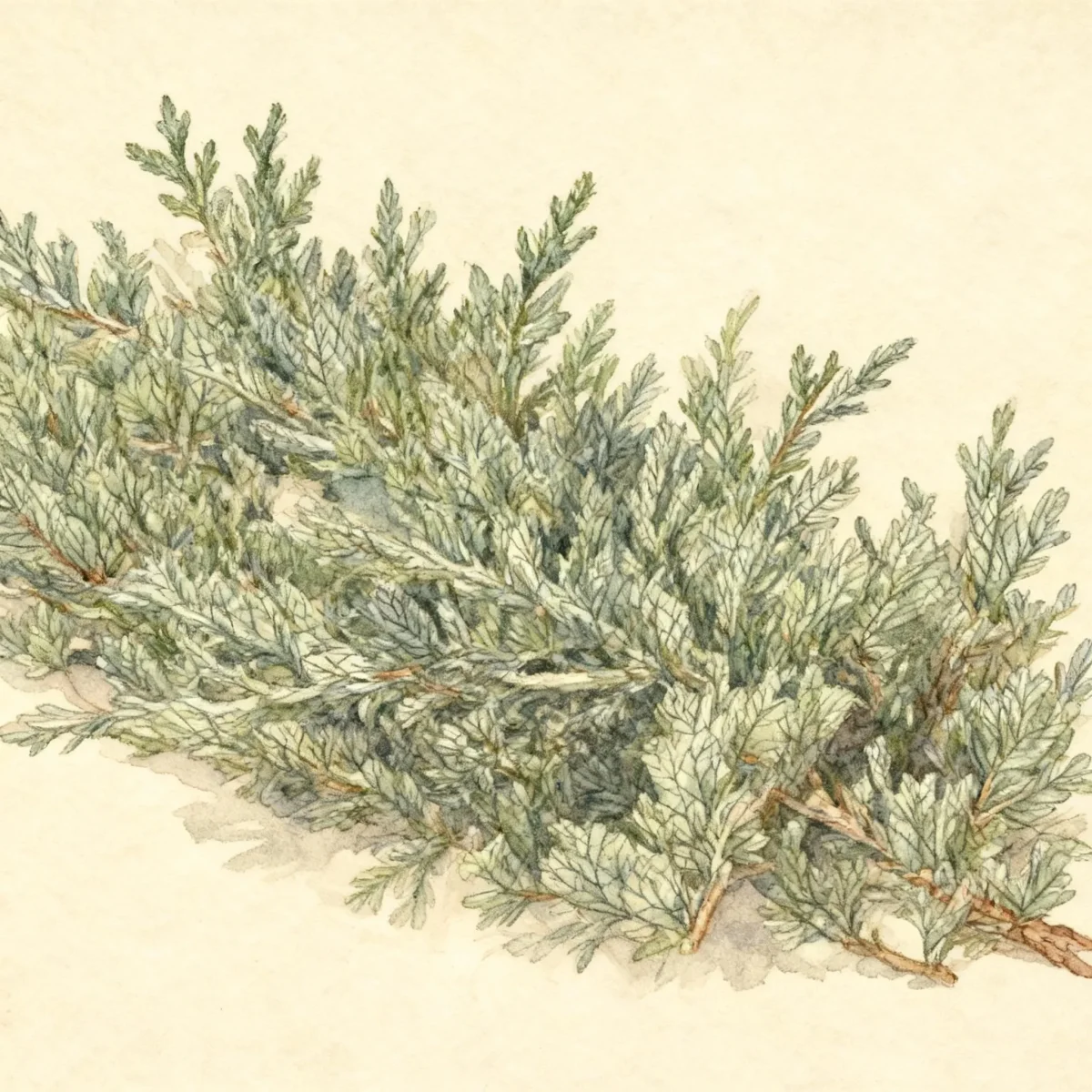
This procumbent shrub spreads significantly wider than it grows tall, establishing itself quickly via trailing branches to create a robust groundcover. Gardeners value the creeping juniper for its low maintenance requirements and its remarkable ability to tolerate challenging environmental conditions such as drought and poor soils once established. It is an excellent choice for difficult slopes or sunny foundation plantings.
The longevity and hardiness of Juniperus horizontalis ‘Bar Harbor’ make it a staple in low-water and xeriscape landscapes across USDA Zones 3 through 9. Utilizing this plant ensures structure throughout the year, offering structure where deciduous plants might leave bare areas.
Fast Facts
- Plant Family: Cupressaceae
- Plant Type: Needled evergreen
- Hardiness Zones: USDA Zones 3-9
- Size at Maturity:
- Height: 0.75-1 ft
- Spread: 5-6 ft
- Bloom Time: Non-flowering
- Sun Exposure: Full sun
- Water Needs: Medium
- Maintenance Level: Low
How to Grow
Planting your creeping juniper is best done in spring or fall when cool temperatures reduce transplant shock. Ensure the location receives full sun, as adequate light is crucial for maintaining its dense habit and vibrant winter coloration. Juniperus horizontalis ‘Bar Harbor’ strongly prefers well-drained soils, which can range from sandy to rocky. Heavy, wet clay locations must be amended heavily or avoided, as this juniper is intolerant of overly moist conditions.
Once established, this juniper requires medium water, though it exhibits excellent drought tolerance thereafter. Deep watering infrequently encourages deep root growth, improving its overall resilience. Fertilization is rarely necessary; over-fertilizing can lead to weak, overly lush growth susceptible to disease. Pruning is generally minimal, primarily involving removing any dead or damaged branches as needed.
Seasonal care focuses on managing moisture, especially during the first year. During hot, dry summers, ensure supplemental irrigation until the root system is mature. In winter, watch for potential desiccation, particularly on exposed sites; applying mulch around the base helps regulate soil temperature and moisture retention during extreme weather swings.
Landscape Uses
The creeping juniper excels as a versatile, sprawling ground cover, making it an invaluable tool for large-scale landscape projects. Its dense habit makes it perfect for mass plantings to stabilize slopes and control erosion, utilizing the very characteristics that allow it to thrive in rocky sites. Consider using Juniperus horizontalis ‘Bar Harbor’ along retaining wall edges, allowing its branches to cascade gently over the stone.
Beyond large areas, this cultivar serves well in rock gardens where its low profile complements upright stone features without obscuring them. It is also effective utilized against foundations, provided there is sufficient space for its ample spread. Because the foliage is highly tolerant of poor soils and air pollution, it is a reliable choice for commercial properties or roadside plantings needing year-round coverage.
Pair this needled evergreen with plants featuring contrasting textures or colors that demand similar sunny, dry conditions. Consider planting near upright dwarf conifers or deciduous shrubs that provide seasonal interest, giving the ground plane provided by the creeping juniper a backdrop.
Standout Features
Noteworthy Characteristics
Juniperus horizontalis, commonly called creeping juniper, is a procumbent evergreen shrub that is native to Alaska, Canada and the northern U.S. From New England to New York to the Great Lakes, Wyoming and Montana. It is typically found growing in rocky or sandy soils including rock outcroppings, stony slopes, coastal cliffs, prairies, sand dunes and stream banks. It forms a low groundcover that generally rises to 6-18” tall but spreads by long trailing branches with abundant short branchlets to form an often-dense, 4-10’ wide mat. The cultivar ‘Bar Harbor’ features distinctive blue-gray foliage that becomes beautifully purplish in winter, typically reaching up to 12” tall while spreading 6’ wide or more.
Tolerances
- Deer
- Drought
- Erosion
- Dry Soil
- Shallow-Rocky Soil
- Air Pollution
Potential Problems
Generally, Juniperus horizontalis ‘Bar Harbor’ remains free from serious insect or disease issues, contributing to its low maintenance status. However, junipers are susceptible to blights, which manifest as dieback on stem tips, especially following unusually wet or rainy spring seasons. Ensure good air circulation is maintained through proper spacing, as crowded plants retain moisture longer.
Cedar-apple rust is another concern, as junipers host one stage of this fungal disease cycle. If rust is present in your area, preventative fungicides applied in early spring may be necessary. Furthermore, root rot is a risk if the site has poorly drained soil, emphasizing the importance of soil amendment before planting.
Occasional minor pest issues might include aphids, scale, bagworms, or webworms. Observation is key; a gentle spray of water can often dislodge minor infestations, while watching for spider mites is important during hot, dry periods. While uncommon, some central foliage dieback on mature plants should be expected as the plant naturally sheds interior growth.
Frequently Asked Questions
What hardiness zones is Creeping juniper suitable for?
This plant thrives across a wide range, being suitable for USDA Zones 3 through 9.
How large does Juniperus horizontalis ‘Bar Harbor’ grow?
This groundcover typically reaches a height between 0.75 and 1 foot tall, but it spreads outward significantly, often covering an area 5 to 6 feet wide.
What sun exposure does Creeping juniper need?
Juniperus horizontalis ‘Bar Harbor’ requires dedicated full sun exposure for optimal health, growth habit, and winter coloration.
When does Creeping juniper bloom?
This needled evergreen is non-flowering; it does not produce ornamental flowers, relying instead on its year-round foliage for visual appeal.
Conclusion
The Juniperus horizontalis ‘Bar Harbor’ is an extraordinarily tough and visually appealing choice for gardeners needing reliable, low-maintenance coverage. Its unmatched tolerance for drought, poor soil, and full sun makes it an indispensable element in challenging landscape locations, offering excellent erosion control and year-round blue-gray texture. Take advantage of this resilient creeping juniper by planning its installation during the cooler months to ensure robust establishment for many seasons to come.
Companion Planting
Choosing appropriate neighbors for Juniperus horizontalis ‘Bar Harbor’ ensures the entire planting scheme thrives under similar cultural demands. Since this juniper loves full sun and well-drained, even dry soil, look for other drought-tolerant perennials and shrubs. Good companions often include Sedum (stonecrop) varieties, various ornamental grasses known for dry tolerance like Blue Fescue, or low-growing Yuccas that share its sun exposure needs.
Avoid placing the creeping juniper next to moisture-loving plants or species that require heavy, consistently rich soils. The competition for water in a mixed bed could stress the heavier feeders, while constantly damp soil could lead to root rot in your juniper. The visual contrast between the scale-like foliage of the juniper and the broad leaves or fine texture of prairie companions works very well.
When designing slopes, mass planting groups of this tough groundcover together creates a seamless carpet effect that is highly effective. Ensure these companion plantings allow the low-growing habit of the juniper to shine, utilizing taller, contrasting textures (like Russian Sage or upright Artemisia) behind it.
Seasonal Care Calendar
Spring cleanup involves gently raking out any winter debris caught in the dense needles of your Juniperus horizontalis ‘Bar Harbor’. This is the ideal time to apply a light, slow-release fertilizer if soil tests indicate a definite nutrient deficiency, though this is rarely necessary. Inspect stems closely for signs of early blight infection resulting from wet spring weather following dormancy.
Summer care centers almost exclusively on irrigation during establishment. Water deeply but infrequently, allowing the topsoil to dry out between watering sessions to promote drought resilience. Monitor closely for spider mites during periods of intense heat and low humidity, applying insecticidal soap at the first sign of webbing or stippling.
Fall is an excellent time to enjoy the seasonal color change as the blue-gray foliage shifts toward purple tones. Prepare the plant for winter by ensuring it is adequately watered before the ground freezes solid; dryness during winter winds is a major cause of early spring dieback. No heavy pruning should occur this late in the season.