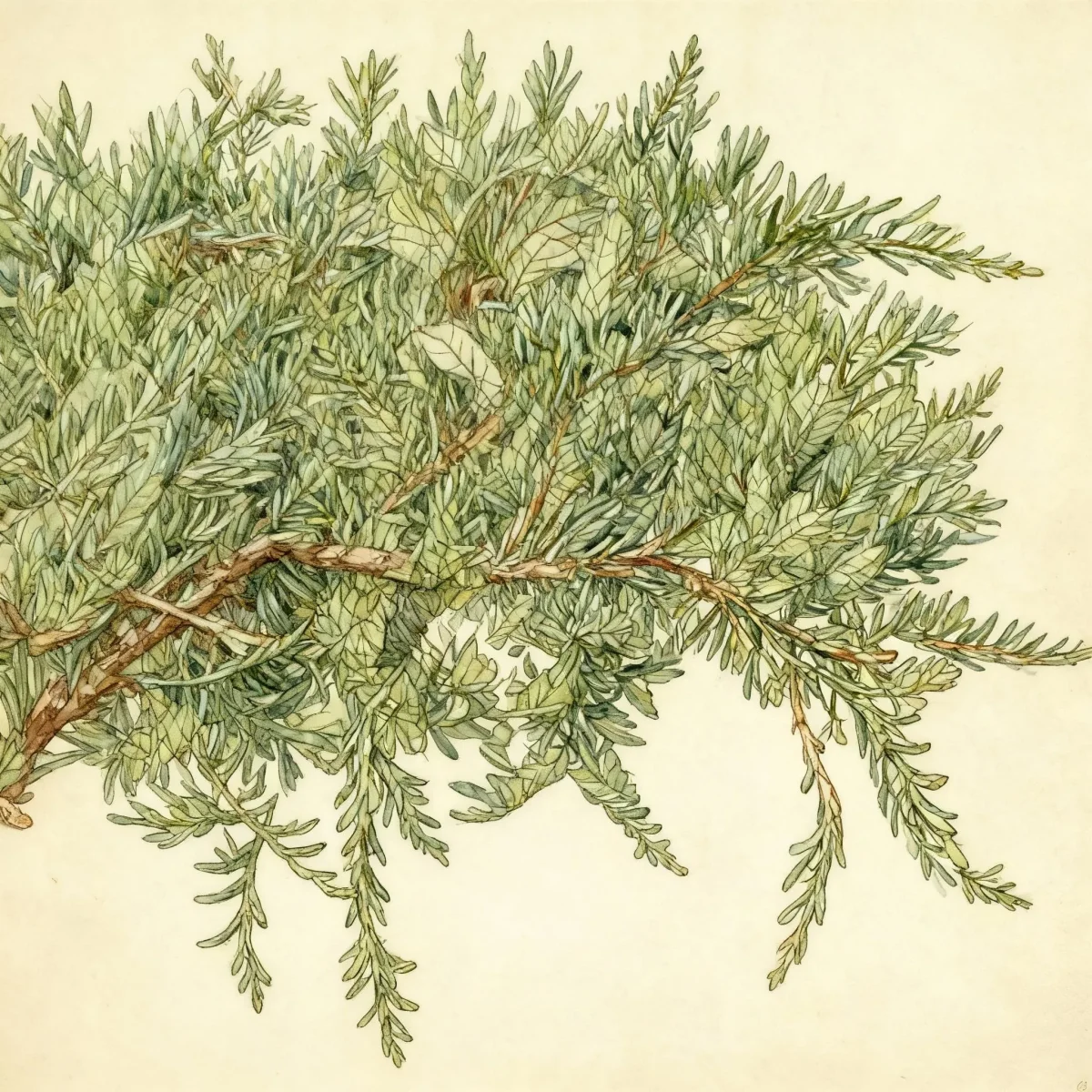
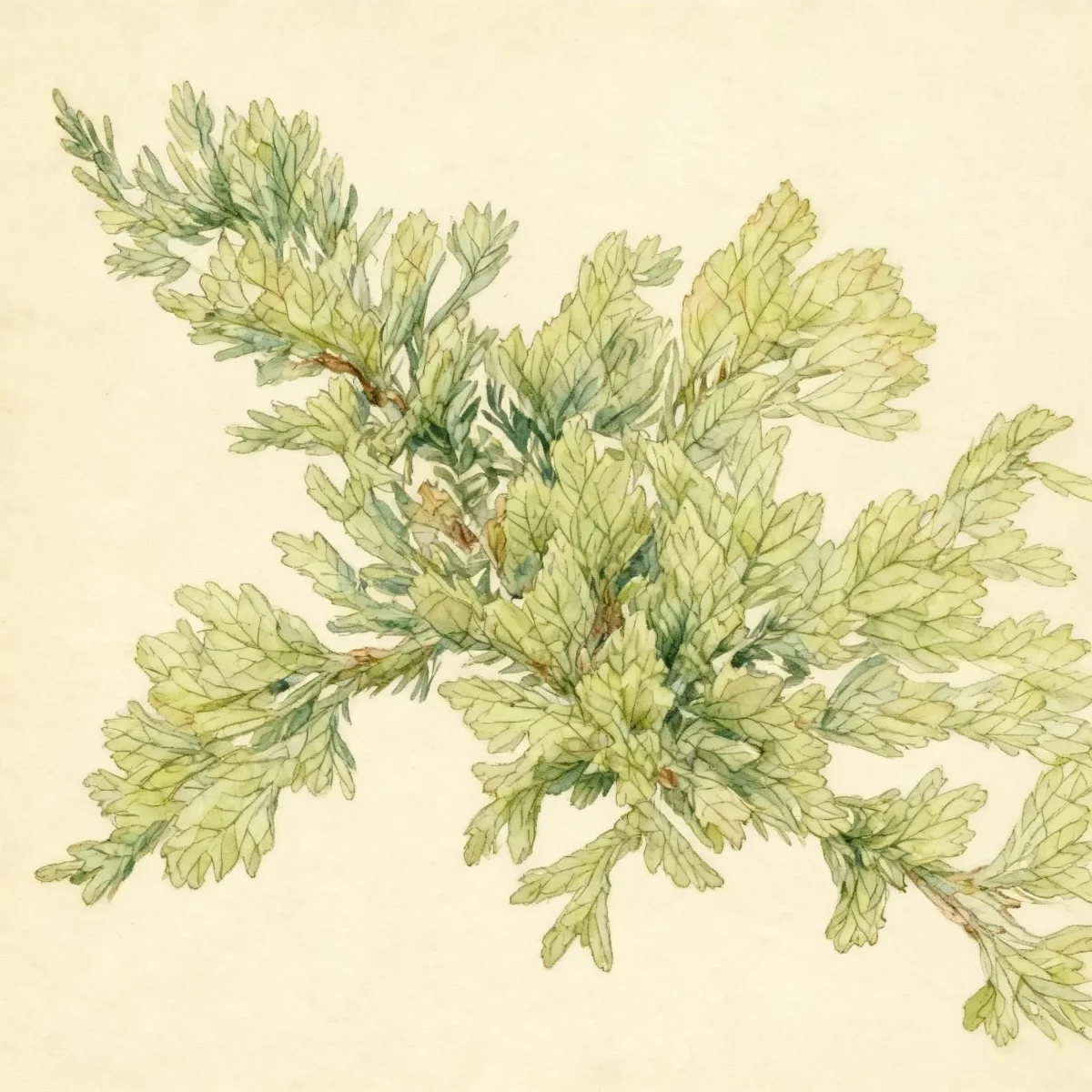
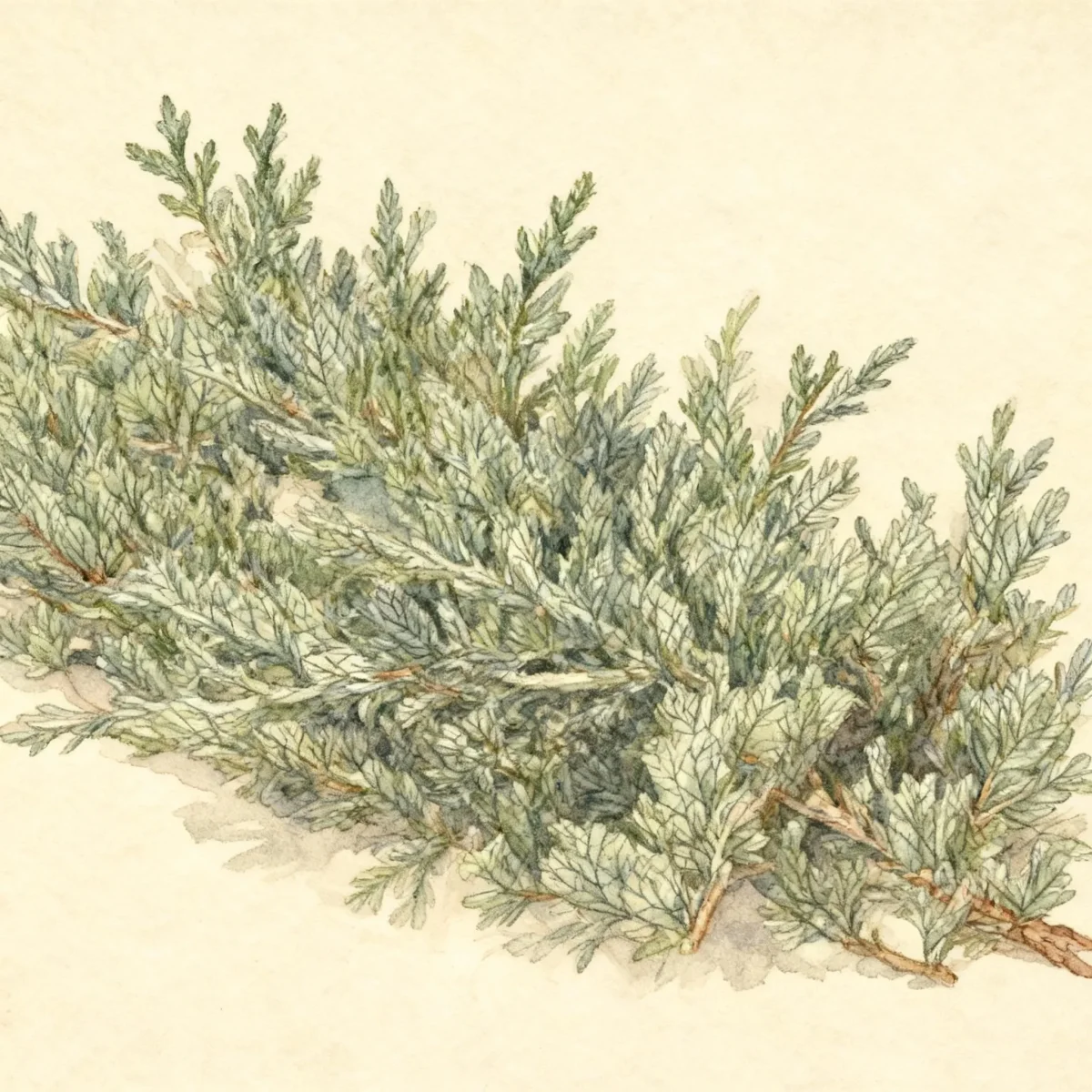
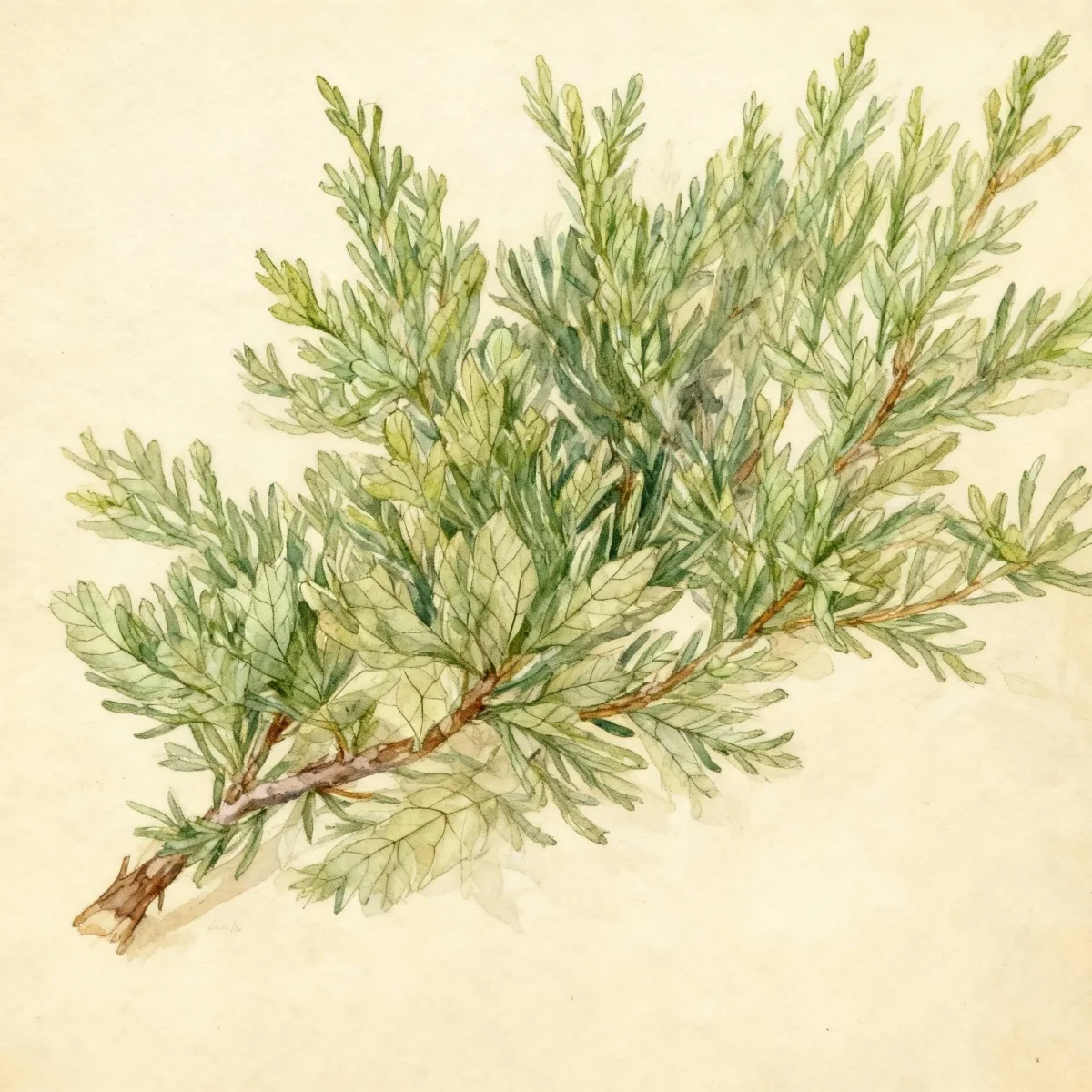
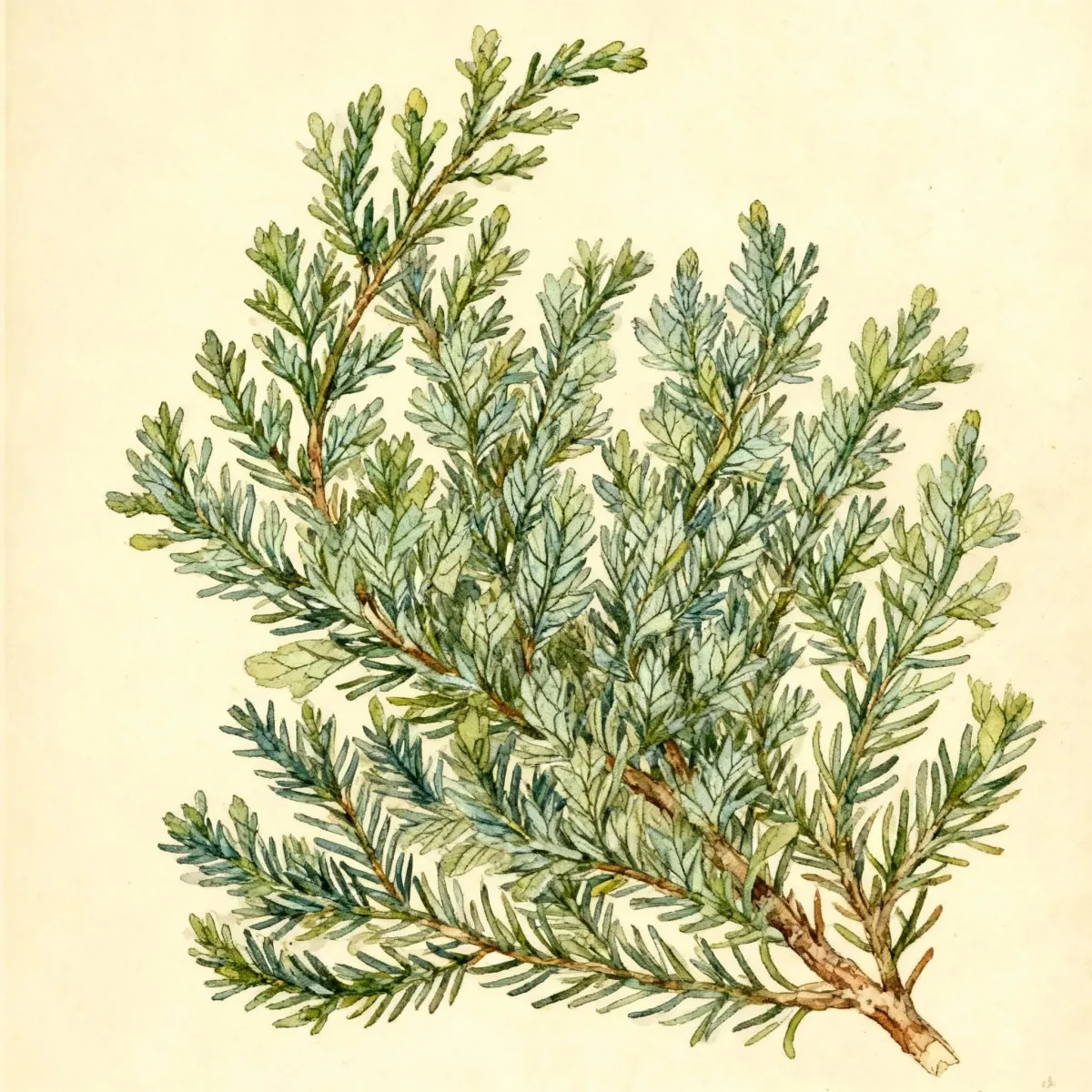
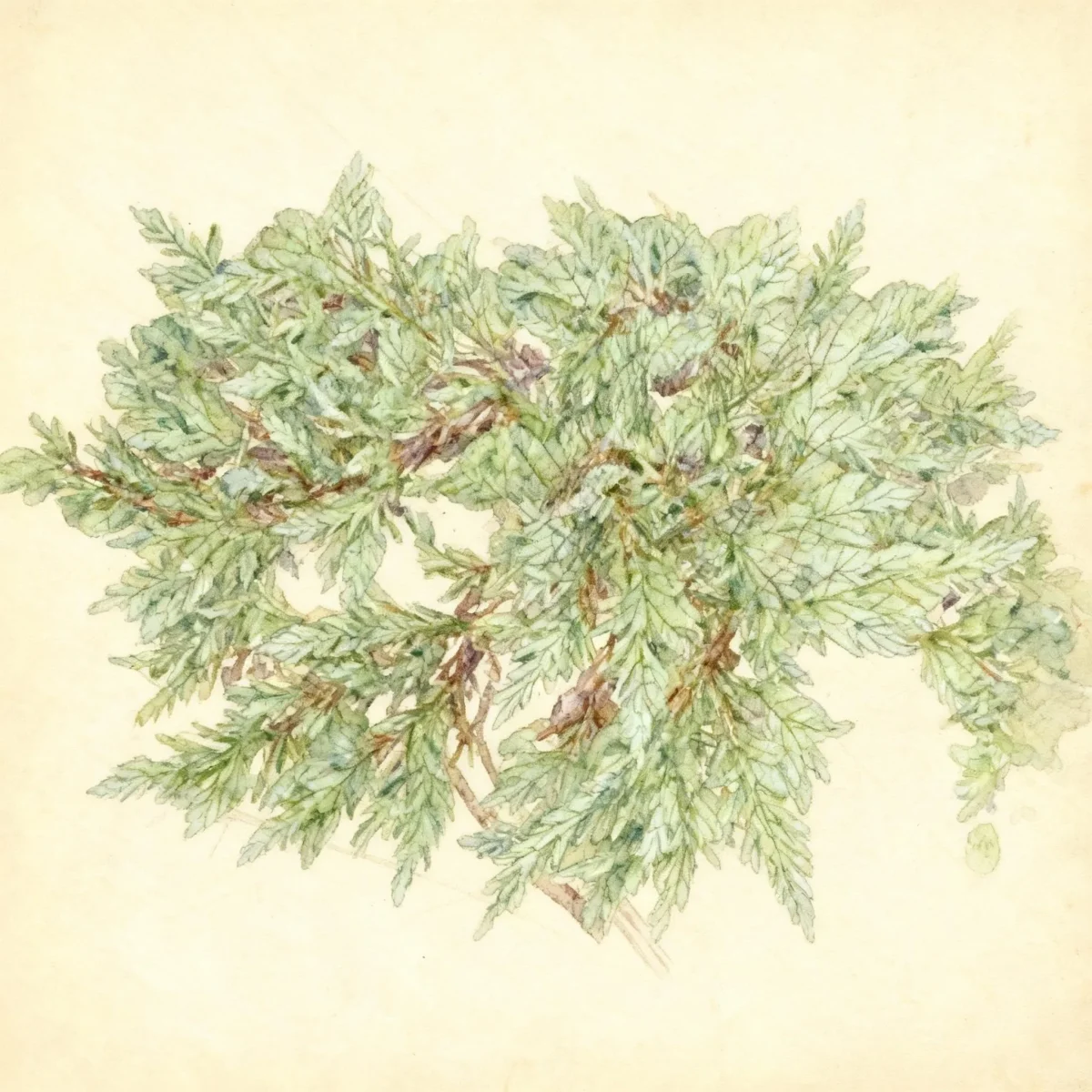
Creeping juniper (Juniperus horizontalis 'Blue Chip')
Juniperus horizontalis 'Blue Chip', or Creeping juniper, offers year-round steel-blue evergreen color as a low-maintenance groundcover.
Scroll down to discover growing tips, care requirements, companion plants, and more
Complete Plant Information
Overview
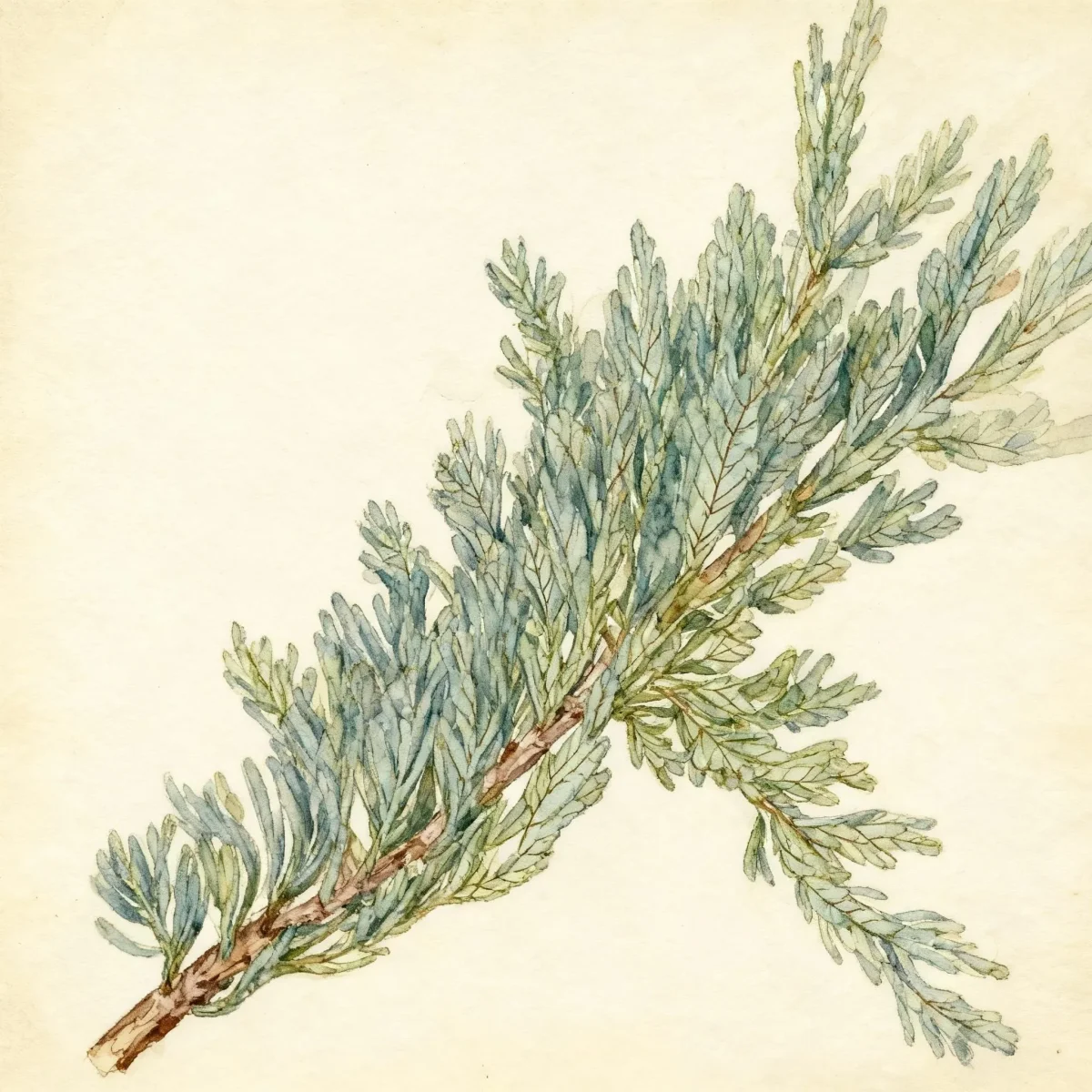
Juniperus horizontalis ‘Blue Chip’, commonly known in nurseries as Creeping juniper, is a stellar choice for gardeners seeking robust, low-growing evergreen structure. This cultivar is highly valued for its dense, mat-forming habit, which spreads wide while remaining extremely short, effectively suppressing weeds and anchoring soil. Its distinctive steel-blue foliage maintains excellent color year-round, often taking on attractive purplish accents during cold winter months.
As a procumbent evergreen shrub, Juniperus horizontalis ‘Blue Chip’ provides exceptional texture and color contrast in the landscape. It is remarkably adaptable, thriving in challenging locations where many other plants fail, making it a versatile workhorse for large-scale groundcovers or difficult slopes. The minimal maintenance required further boosts its popularity among homeowners and landscape designers.
Native to northern regions, this hardy specimen is naturally adapted to survive harsh conditions, including significant temperature fluctuations and dry spells once established. Utilizing this Creeping juniper ensures reliable green (or blue) coverage, minimizing the need for summer watering or constant upkeep.
Fast Facts
- Plant Family: Cupressaceae
- Plant Type: Needled evergreen
- Hardiness Zones: USDA Zones 3-9
- Size at Maturity:
- Height: 0.5-0.75 ft
- Spread: 8-10 ft
- Bloom Time: Non-flowering
- Sun Exposure: Full sun
- Water Needs: Medium
- Maintenance Level: Low
How to Grow
The best time to plant Juniperus horizontalis ‘Blue Chip’ is typically in the spring or early fall, allowing the root system time to establish before extreme heat or deep freezes. While this Creeping juniper adapts well to many soil types, it thrives best when planted in average, well-drained soils. Ensure the site receives full sun exposure, as insufficient light will cause the dense mat to thin out and reduce its vibrant blue coloration.
Watering should be consistent but moderate immediately following planting. Once established, the drought tolerance of Juniperus horizontalis ‘Blue Chip’ becomes apparent, requiring only medium supplemental watering during prolonged dry periods. Critically, this juniper is intolerant of wet soils; ensure excellent drainage, as perpetually saturated ground is the primary cause of root rot in this species. Fertilization is rarely necessary, given that it naturally accepts somewhat poor soils.
Pruning is minimal, usually only required to control stray branches that wander outside their intended area. Avoid heavy shearing, which can damage the underlying structure. Mature plants may occasionally show dieback in the center; simply prune out these dead sections promptly to maintain airflow and aesthetics.
Landscape Uses
As a versatile, sprawling ground cover, Juniperus horizontalis ‘Blue Chip’ excels at filling large, open areas where turfgrass is impractical or undesirable. Its low profile makes it perfect for softening the hard edges of foundations or lining the tops of retaining walls, preventing soil shift and erosion. Mass planting this Creeping juniper on slopes is highly effective, utilizing its durable root system to stabilize challenging topography.
This species is an excellent anchor for rock gardens, thriving in the lean, drier soils often found there. Because it handles hot and dry exposures so well, pair it with other Mediterranean or tough, sun-loving perennials like Sedum, certain ornamental grasses, or hardy Phlox to create textural contrasts in drought-tolerant plantings. Its low growth ensures that taller companion plants remain visible.
When used near walkways, ensure adequate space, as the spread of Juniperus horizontalis ‘Blue Chip’ can easily reach 10 feet wide. This allows the blue foliage to cascade slightly over borders, providing a soft, continuous visual flow throughout the year, regardless of the season.
Standout Features
Noteworthy Characteristics
Juniperus horizontalis, commonly called creeping juniper, is a procumbent evergreen shrub that is native to Alaska, Canada and the northern U.S. From New England to New York to the Great Lakes, Wyoming and Montana. Distribution in the northern U.S. Is somewhat spotty. It is typically found growing in rocky or sandy soils including rock outcroppings, stony slopes, coastal cliffs, prairies, sand dunes and stream banks. It forms a low groundcover that generally rises to 6-18” tall but spreads by long trailing branches with abundant short branchlets to form an often-dense, 4-10’ wide mat. Foliage is primarily scale-like (adult) with some awl/needle-like (juvenile) needles appearing usually in opposite pairs. Foliage is typically green to blue-green during the growing season, but often acquires purple tones in winter. Fleshy seed cones (dark blue berries) generally mature in two years, but are often absent on cultivated plants. Genus name comes from the Latin name for the juniper. Specific epithet is in obvious reference to the horizontal branches. ‘Blue Chip’ is a prostrate cultivar that features steel-blue foliage throughout the year with purplish tips in winter. It typically grows up to 8-10” tall but spreads to 10’ wide.
Tolerances
- Deer
- Drought
- Erosion
- Dry Soil
- Shallow-Rocky Soil
- Air Pollution
Potential Problems
Creeping juniper generally resists severe pest and disease issues, reflecting its overall low maintenance level. The most common concern is fungal blight, which causes dieback on stem tips, especially following wet or unusually rainy spring seasons. Proper air circulation, achieved by not overcrowding plants, helps mitigate this risk.
Cedar-apple rust is another potential foe, as junipers host one stage of this disease cycle. If you have susceptible apple or hawthorn trees nearby, monitor your juniper closely, though removal is rarely necessary unless the infection is severe. Avoid planting in locations where water pools, as root rot is a high risk in poorly drained or heavy clay soils.
Occasional insect pests include scale insects, bagworms, and spider mites. Treatment usually involves horticultural oils or insecticidal soap applied when pests are first noticed. Remember that some interior foliage death on older, dense mats of Juniperus horizontalis ‘Blue Chip’ is normal aging and not always a sign of disease.
Frequently Asked Questions
What hardiness zones is Creeping juniper suitable for?
Juniperus horizontalis ‘Blue Chip’ is highly cold-tolerant, suitable for USDA hardiness zones 3 through 9.
How large does Juniperus horizontalis ‘Blue Chip’ grow?
This cultivar typically reaches a maximum height of about 0.75 feet, but spreads extensively, growing 8 to 10 feet wide, forming a dense, horizontal mat.
What sun exposure does Creeping juniper need?
For the best density and most pronounced blue coloration, Juniperus horizontalis ‘Blue Chip’ requires full sun exposure in the landscape.
When does Creeping juniper bloom?
This plant is noted as non-flowering, meaning it does not produce ornamental flowers, though it does develop small, dark blue fleshy cones in some years.
Conclusion
Juniperus horizontalis ‘Blue Chip’ provides exceptional evergreen groundcover with minimal effort, making it indispensable for stabilizing slopes and filling sun-drenched, difficult areas. The reliability of its steel-blue color ensures that your landscape remains vibrant season after season. Before installation, confirm that your chosen location offers full sun and excellent drainage to ensure the long-term success of your Creeping juniper.
Companion Planting
When selecting neighbors for Juniperus horizontalis ‘Blue Chip’, focus on plants that share its love for sun and low-to-medium moisture. Avoid moisture-loving plants that would encourage wet soil conditions detrimental to the juniper. Good choices include drought-tolerant perennials like various ornamental Sedums, Russian Sage (Perovskia atriplicifolia), or low-growing Yucca varieties, which all thrive in the dry, sunny conditions this juniper prefers.
For textural contrast, consider pairing the fine, scale-like needles of this Creeping juniper with broad-leaf groundcovers like hardy Vinca or small, textured ornamental grasses. This combination breaks up the visual uniformity of a large planted area while ensuring all plants can tolerate the lean soil that the juniper prefers.
Design Ideas
The strong horizontal habit of Juniperus horizontalis ‘Blue Chip’ is ideal for leading the eye through a garden design. Use it to create clear, low borders along formal walkways, acting as a living mulch in sunny perennial beds. Its color also makes it an excellent backdrop for bright annuals or brightly colored perennials that need darker foliage nearby to make their colors pop during the summer months.
Consider utilizing the 8 to 10-foot spread radius for visual emphasis in contemporary or xeriscape gardening. Plantings that spill over retaining walls benefit immensely from the texture and coverage provided by this cultivar. The winter interest provided by the subtle purple tips ensures that even in the dormant season, the planting bed retains significant structural appeal.