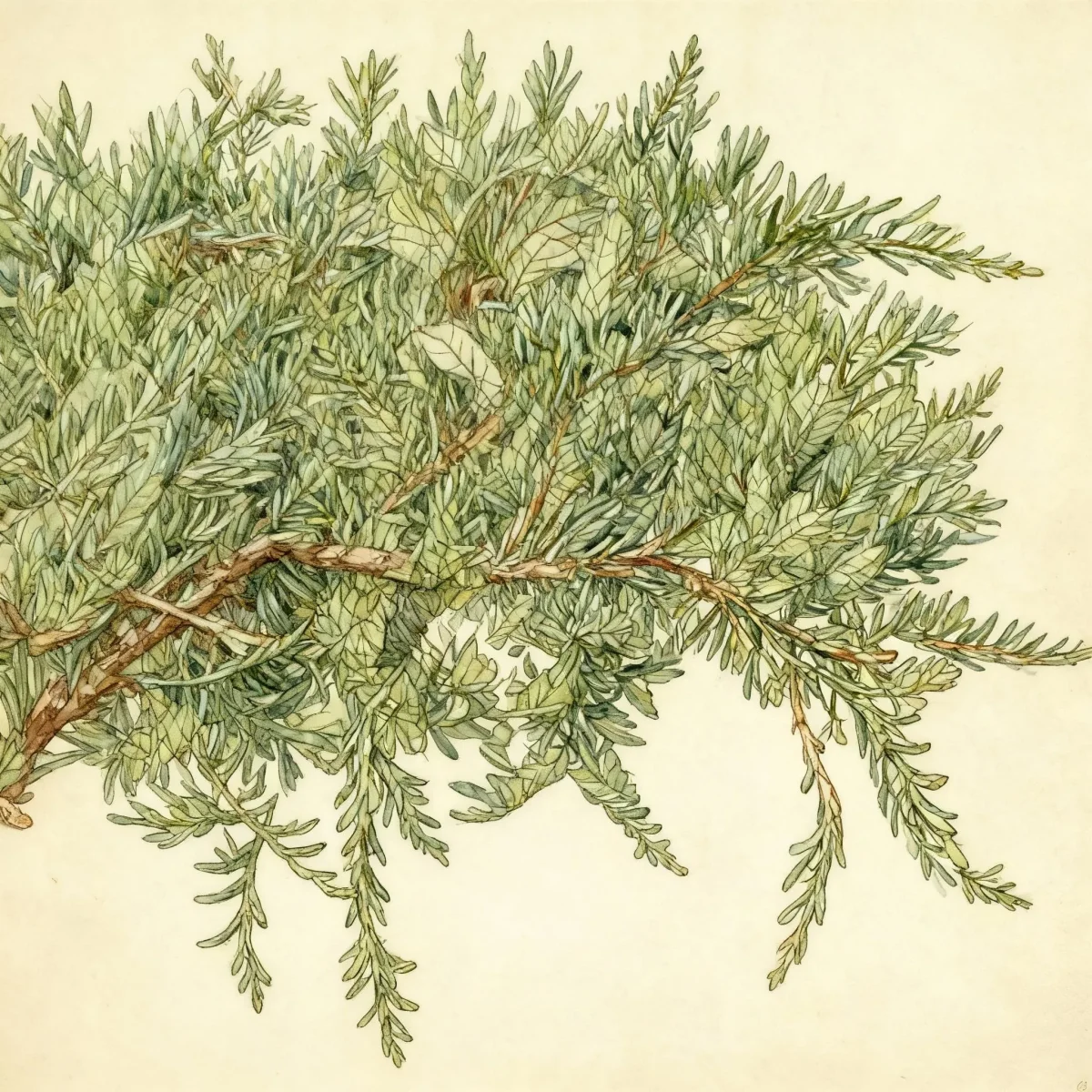
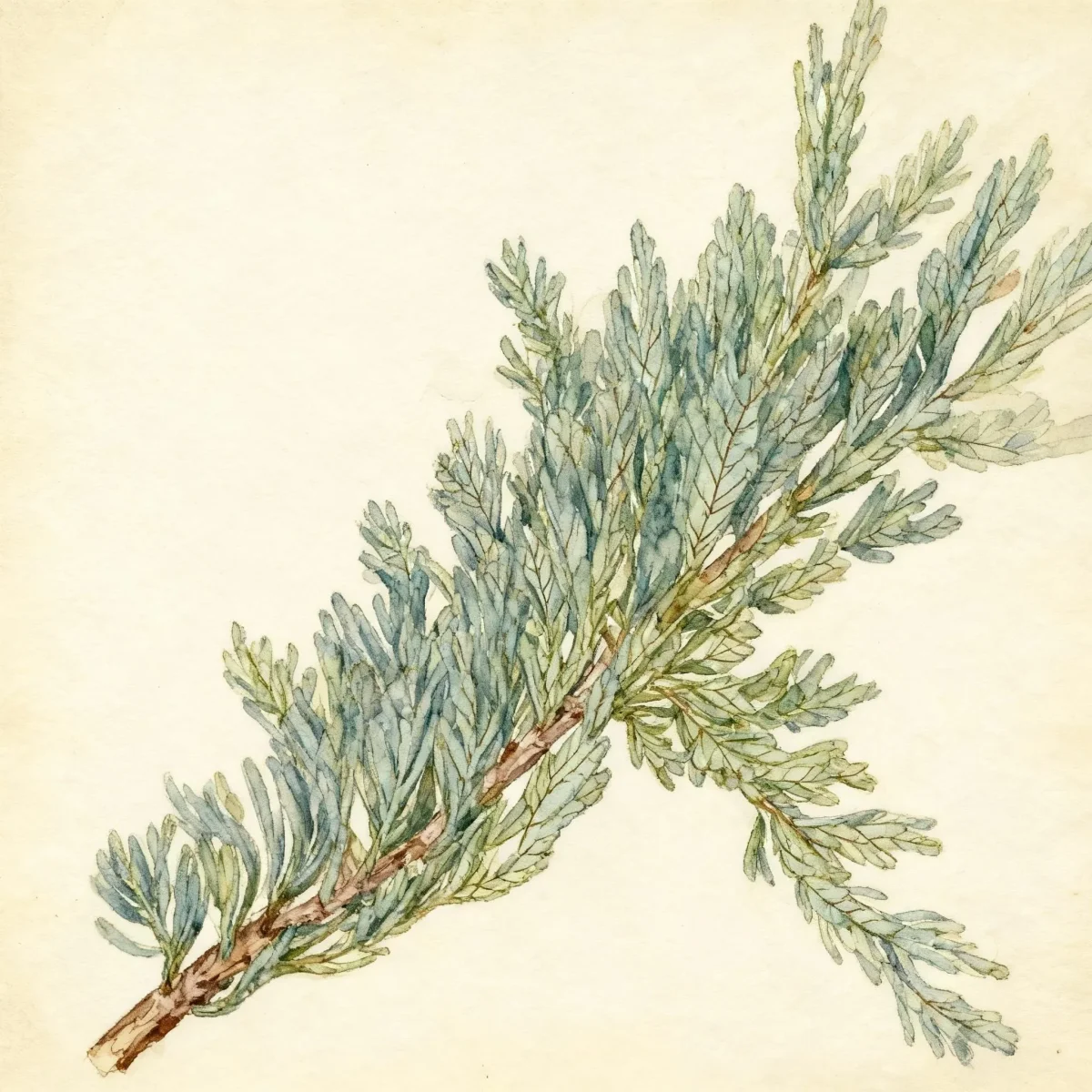
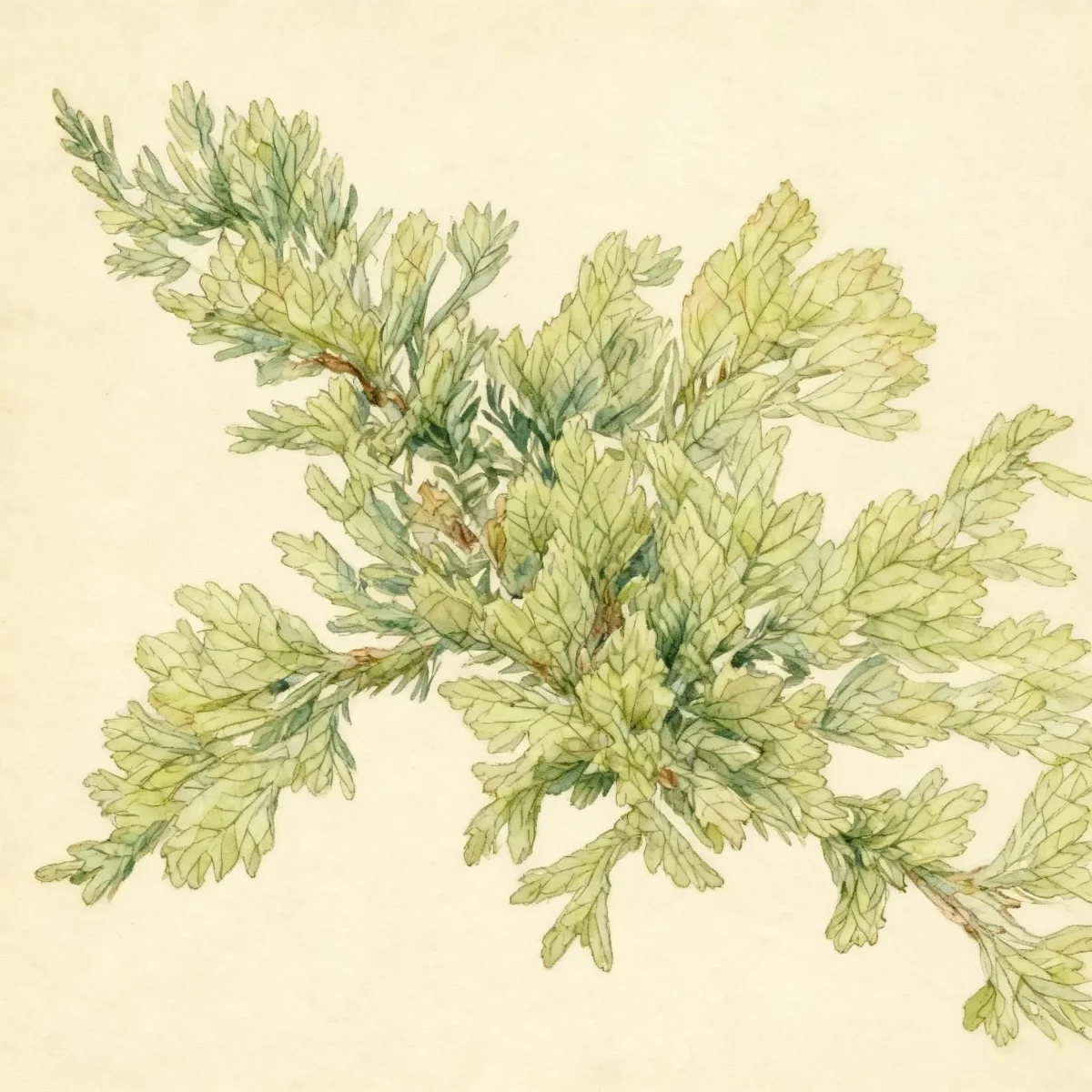
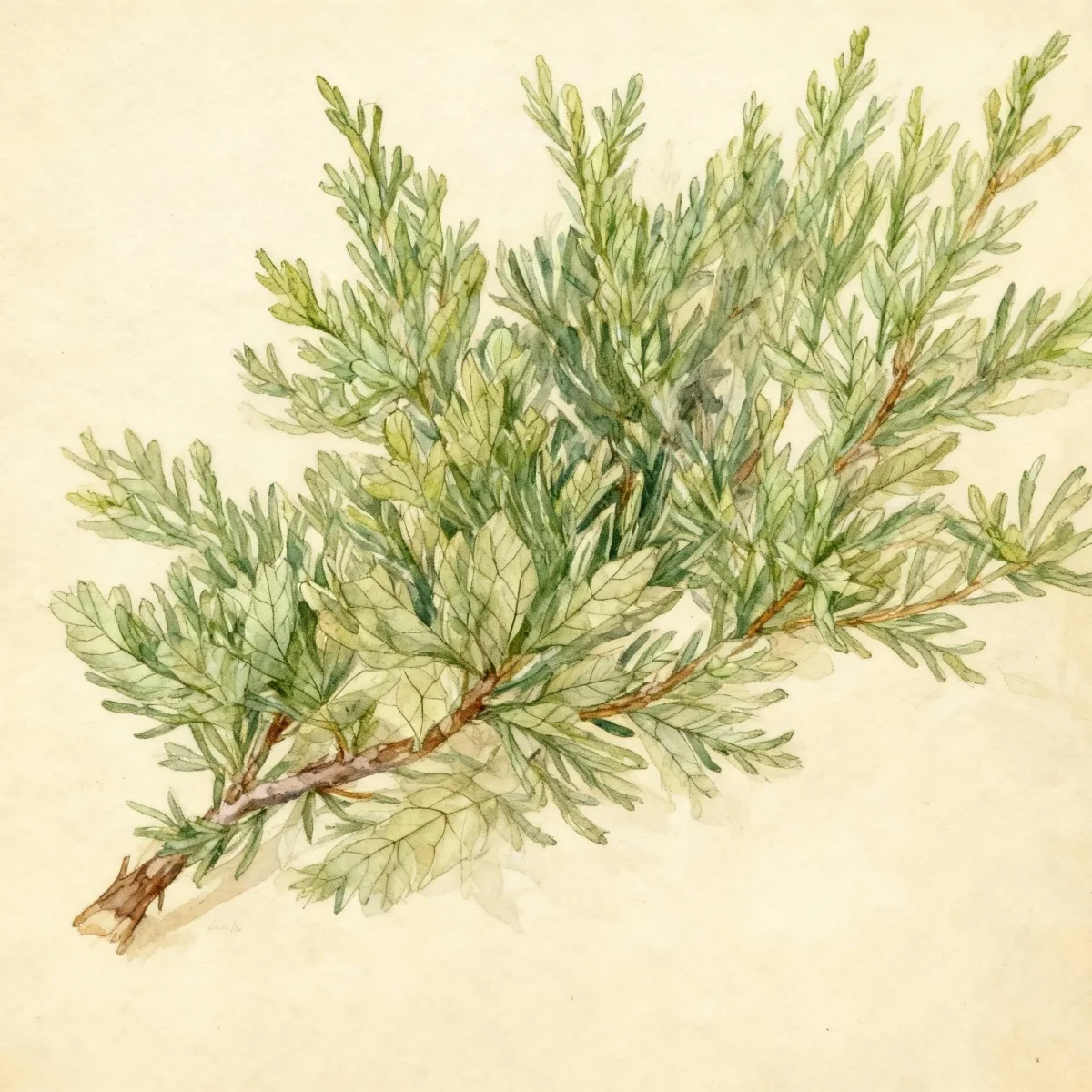
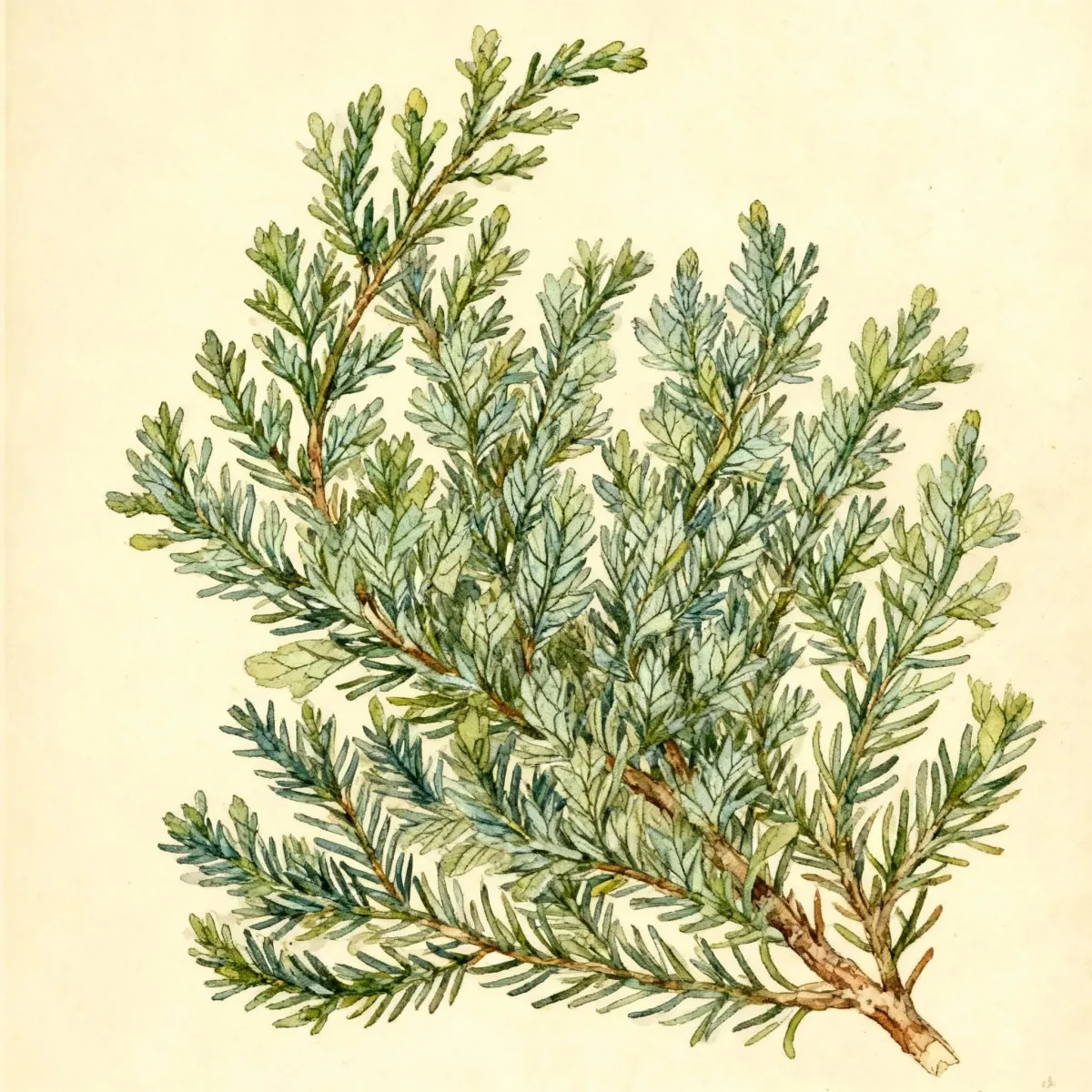
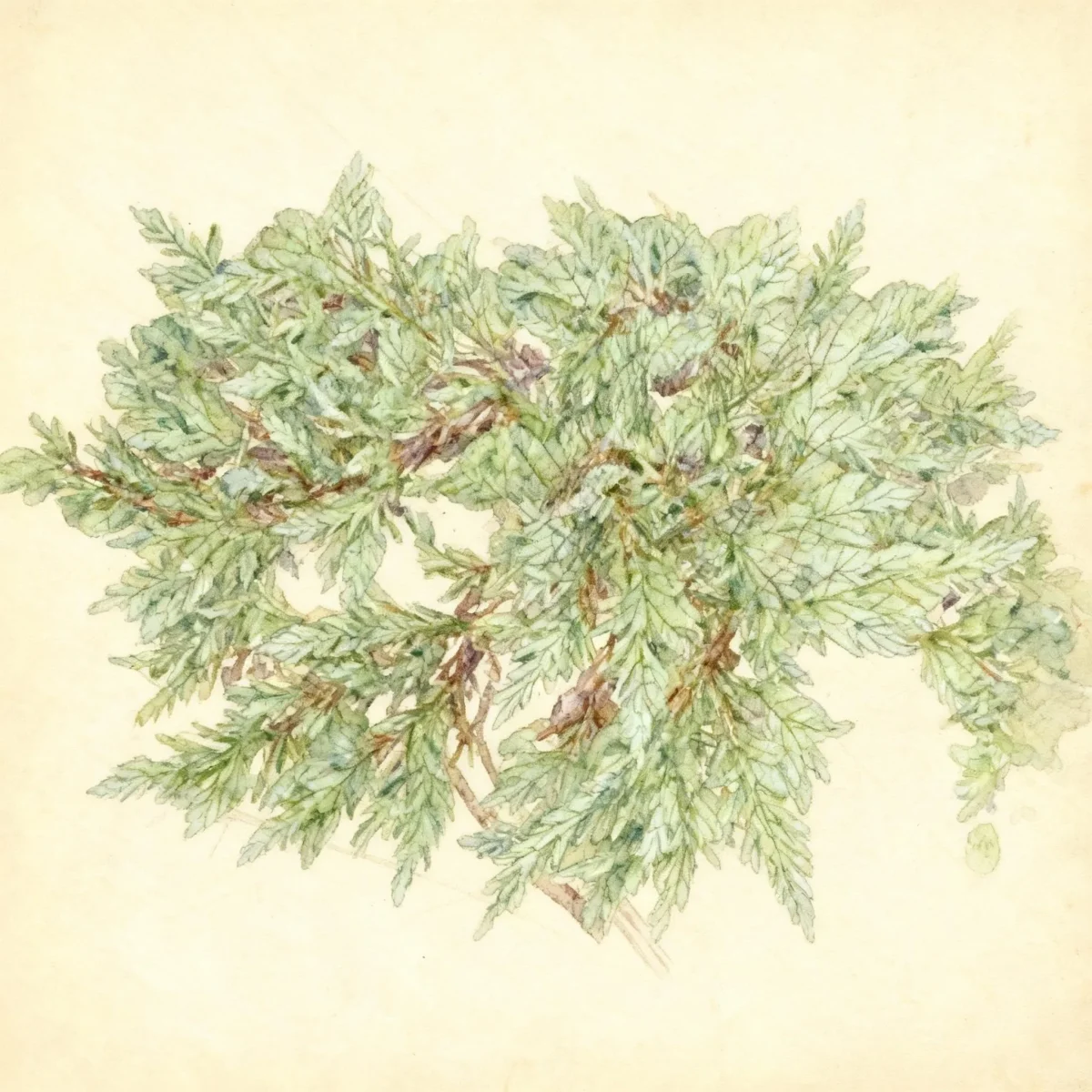
Creeping juniper (Juniperus horizontalis 'Emerald Spreader')
Juniperus horizontalis 'Emerald Spreader' is a dense, low-growing needled evergreen perfect for ground cover in full sun locations.
Scroll down to discover growing tips, care requirements, companion plants, and more
Complete Plant Information
Overview
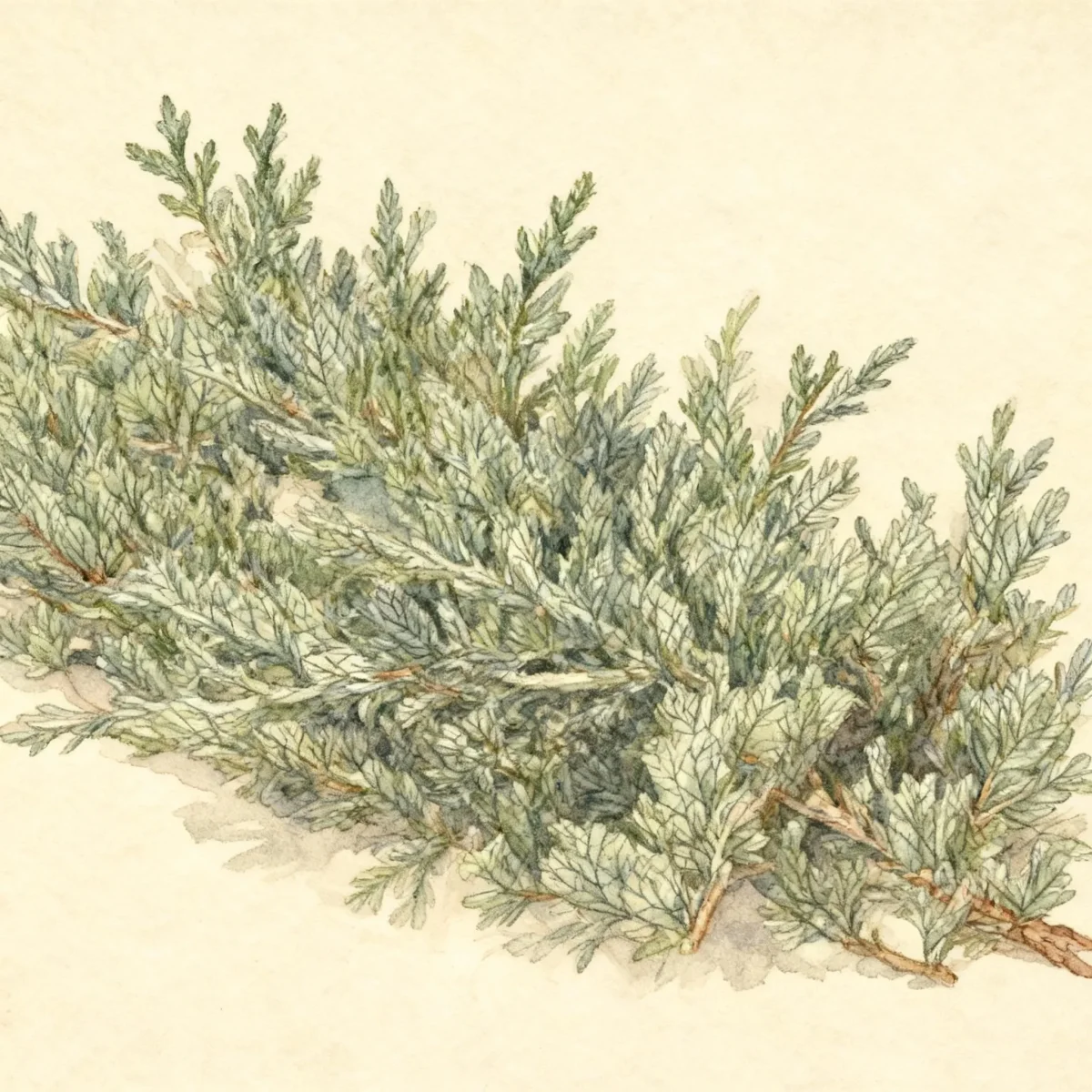
Juniperus horizontalis ‘Emerald Spreader’ is a highly valued, low-maintenance needled evergreen known for its dense, spreading habit, making it an exceptional ground cover solution. This cultivar of the creeping juniper offers striking, bright emerald green foliage that remains attractive throughout the year, often providing excellent winter interest as the color deepens. Gardeners appreciate Juniperus horizontalis ‘Emerald Spreader’ for its ability to effectively suppress weeds and stabilize slopes with minimal encroachment vertically.
As a procumbent evergreen shrub, it thrives by sending out long, trailing branches that weave together to form a dense, wide mat. This characteristic ensures excellent coverage, which is vital when using it for erosion control or softening large landscape areas. The resilience of the creeping juniper means it adapts well to challenging, dry, and hot conditions once established.
The utility of Juniperus horizontalis ‘Emerald Spreader’ extends beyond simple coverage; its tough nature handles poor soils, drought, and urban pollution well. Utilizing this variety ensures a robust, year-round green carpet that requires very little attention, truly embodying the definition of a low-effort, high-impact landscape plant.
Fast Facts
- Plant Family: Cupressaceae
- Plant Type: Needled evergreen
- Hardiness Zones: USDA Zones 3-9
- Size at Maturity:
- Height: 0.5-0.75 ft
- Spread: 5-6 ft
- Bloom Time: Non-flowering
- Sun Exposure: Full sun
- Water Needs: Medium
- Maintenance Level: Low
How to Grow
For optimal establishment, plant Juniperus horizontalis ‘Emerald Spreader’ during the spring or fall when temperatures are moderate. Select a site that provides full, unobstructed sunlight, as insufficient sun will cause sparse growth and reduced density. This creeping juniper adapts remarkably well to various soil conditions but performs best in average, well-drained soils that tend toward the dry side; avoid planting in areas where water pools or drainage is consistently poor, as this plant is intolerant of wet soils.
Once planted, water regularly to help establish deep roots, especially during the first year. After establishment, the medium water needs of the creeping juniper can be met with infrequent, deep soakings, particularly during extended hot, dry periods. Fertilization is generally unnecessary due to its preference for somewhat poorer soils.
Pruning is rarely required with Juniperus horizontalis ‘Emerald Spreader’ given its naturally flat, spreading habit. Focus cleanup efforts only on removing any dead or damaged tips. Be vigilant for signs of blights, especially following wet springs, and ensure good air circulation around the plant to minimize fungal issues.
Landscape Uses
The versatility of this creeping juniper makes it a top choice for wide-area ground cover applications. Its dense, sprawling habit (spreading 5 to 6 feet wide) allows it to effectively blanket large, sunny slopes, providing excellent erosion control where lawn grasses struggle. It is fantastic for softening the harsh lines of retaining walls or spreading over rocky ground where traditional shrubs cannot thrive.
Use Juniperus horizontalis ‘Emerald Spreader’ in mass plantings for dramatic effect or to create natural, low borders along walkways. It pairs excellently with drier, sun-loving companions like ornamental grasses, sedums, or drought-tolerant perennials. For foundation plantings, its minimal height ensures that views and architectural features remain unobstructed.
In rock gardens, the relatively slow vertical growth of this plant allows it to cascade gracefully over stones, highlighting texture and form in the hardscape. Considering its tolerance for dry, hot sites, it is a reliable workhorse for difficult, exposed conditions.
Standout Features
Noteworthy Characteristics
Juniperus horizontalis, commonly called creeping juniper, is a procumbent evergreen shrub that is native to Alaska, Canada and the northern U.S. From New England to New York to the Great Lakes, Wyoming and Montana. It is typically found growing in rocky or sandy soils including rock outcroppings, stony slopes, coastal cliffs, prairies, sand dunes and stream banks. It forms a low groundcover that generally rises to 6-18” tall but spreads by long trailing branches with abundant short branchlets to form an often-dense, 4-10’ wide mat. Foliage is primarily scale-like (adult) with some awl/needle-like (juvenile) needles appearing usually in opposite pairs. ‘Emerald Spreader’ is a flat, spreading cultivar that features bright emerald green foliage throughout the year.
Tolerances
- Deer
- Drought
- Erosion
- Dry Soil
- Shallow-Rocky Soil
- Air Pollution
Potential Problems
This variety of creeping juniper generally exhibits few serious insect or disease issues when sited correctly. The main concern involves fungal diseases, especially blights which cause dieback of stem tips, often exacerbated by unusually wet or rainy springs. To mitigate this risk, ensure excellent soil drainage and avoid overhead watering late in the day.
Cedar-apple rust, a disease that requires an alternate host (like apple or hawthorn), spends part of its life cycle on junipers and should be monitored for. Root rot is a distinct possibility if susceptible plants are placed in poorly drained locations. Occasional minor pest issues can include scale, aphids, bagworms, or spider mites, which can usually be managed with horticultural oils or insecticidal soap if infestations become heavy.
Frequently Asked Questions
What hardiness zones is Creeping juniper suitable for?
Juniperus horizontalis ‘Emerald Spreader’ is well-suited for planting across USDA Hardiness Zones 3 through 9.
How large does Juniperus horizontalis ‘Emerald Spreader’ grow?
This cultivar maintains a very low profile, typically reaching only 0.5 to 0.75 feet in height while aggressively spreading outward to cover between 5 and 6 feet wide.
What sun exposure does Creeping juniper need?
This evergreen requires full sun exposure to maintain its dense form and vibrant emerald green color.
When does Creeping juniper bloom?
This plant is classified as non-flowering; it does not produce noticeable ornamental flowers, though it does bear small, inconspicuous cones.
Conclusion
The Juniperus horizontalis ‘Emerald Spreader’ stands out as an indispensable, low-maintenance evergreen anchor for sunny, dry landscapes due to its durable nature and excellent ground-covering performance. Choosing this Creeping juniper ensures year-round color and dependable erosion control with minimal effort. Before installing, confirm that your chosen site offers full sun and excellent drainage to ensure this tough plant thrives for years.
Companion Planting
Choosing compatible neighbors is key when utilizing Juniperus horizontalis ‘Emerald Spreader’ in the landscape, as it thrives in heat and drought once mature. Pair it with other tough, drought-tolerant perennials that enjoy full sun, such as various Sedums (stonecrop), which offer contrasting textures and mats of color beneath the juniper. Consider taller evergreen shrubs like upright junipers or Scots pine for vertical contrast against the flat habit of the creeping juniper.
For a textural, low-water Xeriscape garden, intersperse the bright green foliage of Juniperus horizontalis ‘Emerald Spreader’ with native ornamental grasses. Grasses like Blue Fescue (Festuca glauca) or Buffalo Grass (Bouteloua dactyloides) will sway gently above the evergreen mat, adding movement without competing for the same shallow, well-drained root space.
Seasonal Care Calendar
Spring is the ideal time to inspect Juniperus horizontalis ‘Emerald Spreader’ for any winter dieback or signs of rust fungus, especially following a wet winter. Maintain clean beds around the perimeter to improve air circulation, which helps prevent moisture retention that encourages fungal issues.
Summer care focuses primarily on monitoring established plants for signs of severe drought stress, though this plant is highly tolerant. If conditions are exceptionally dry, provide a deep, slow watering to encourage root health. Avoid heavy fertilizing, as it encourages overly soft, rapid growth that can make the plant more susceptible to pests.
In the fall, mulch lightly around the base using coarse gravel or stone mulch rather than heavy organic material, which can hold too much moisture near the base of the plant. This practice helps protect the shallow roots as the ground begins to freeze, preparing the creeping juniper for winter dormancy.