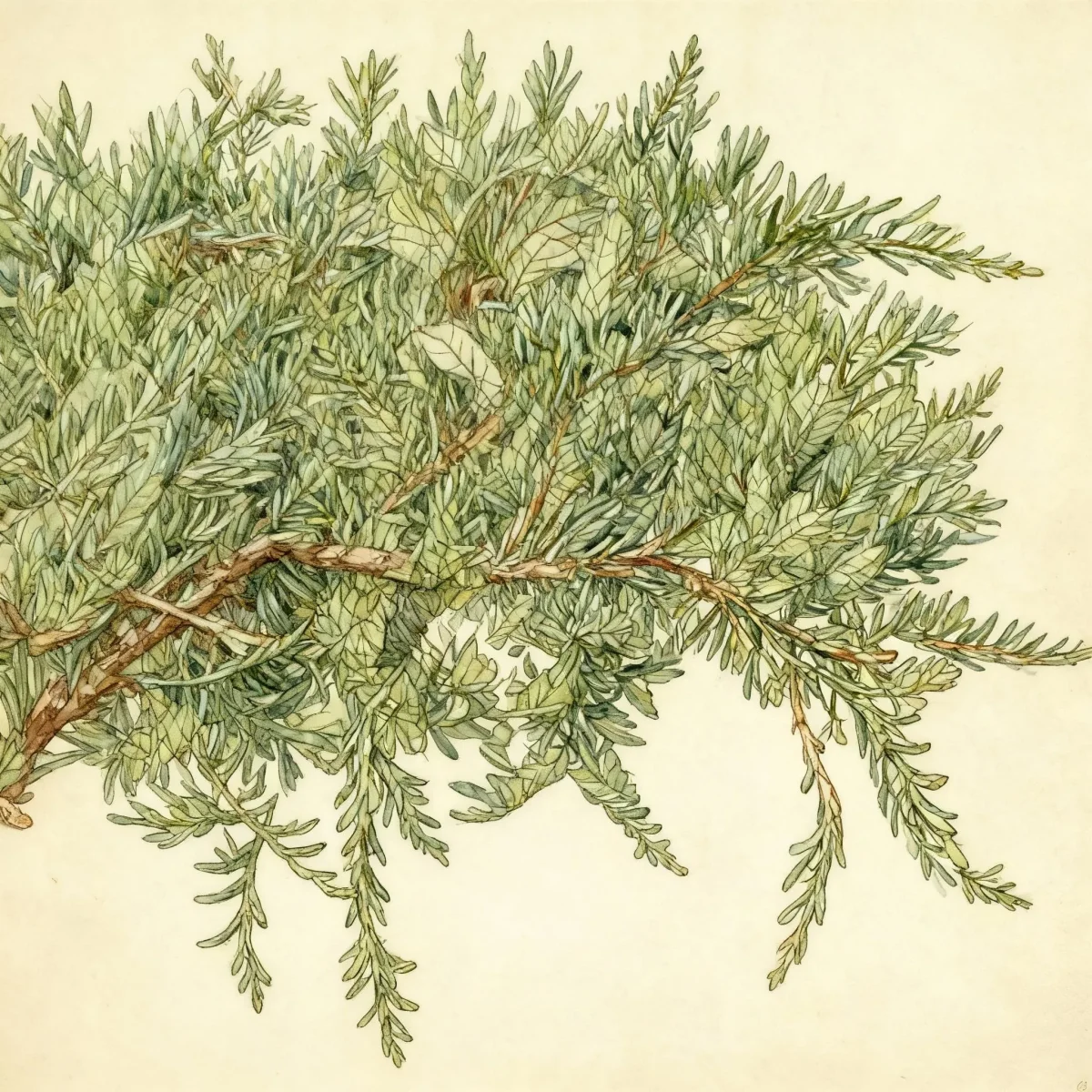
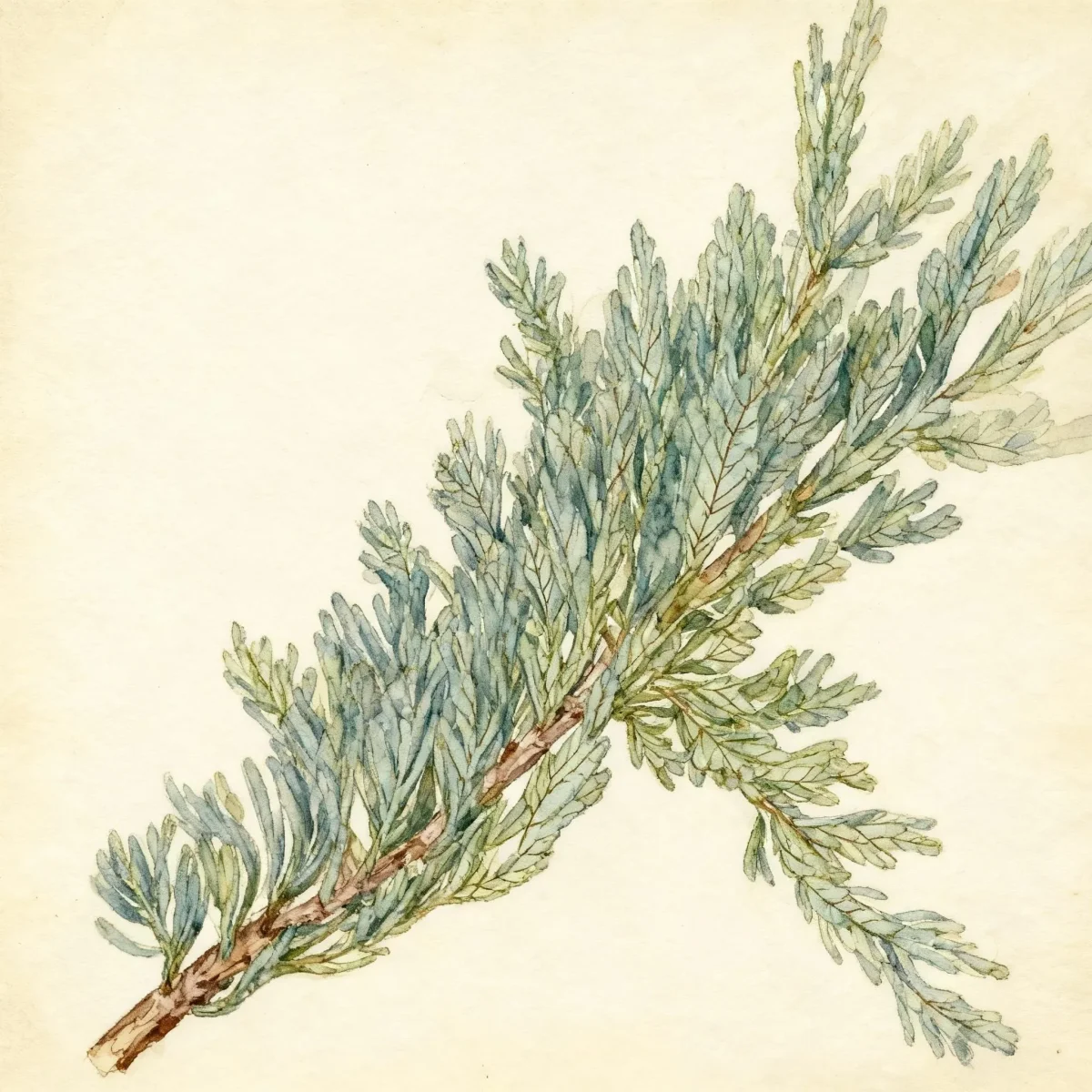
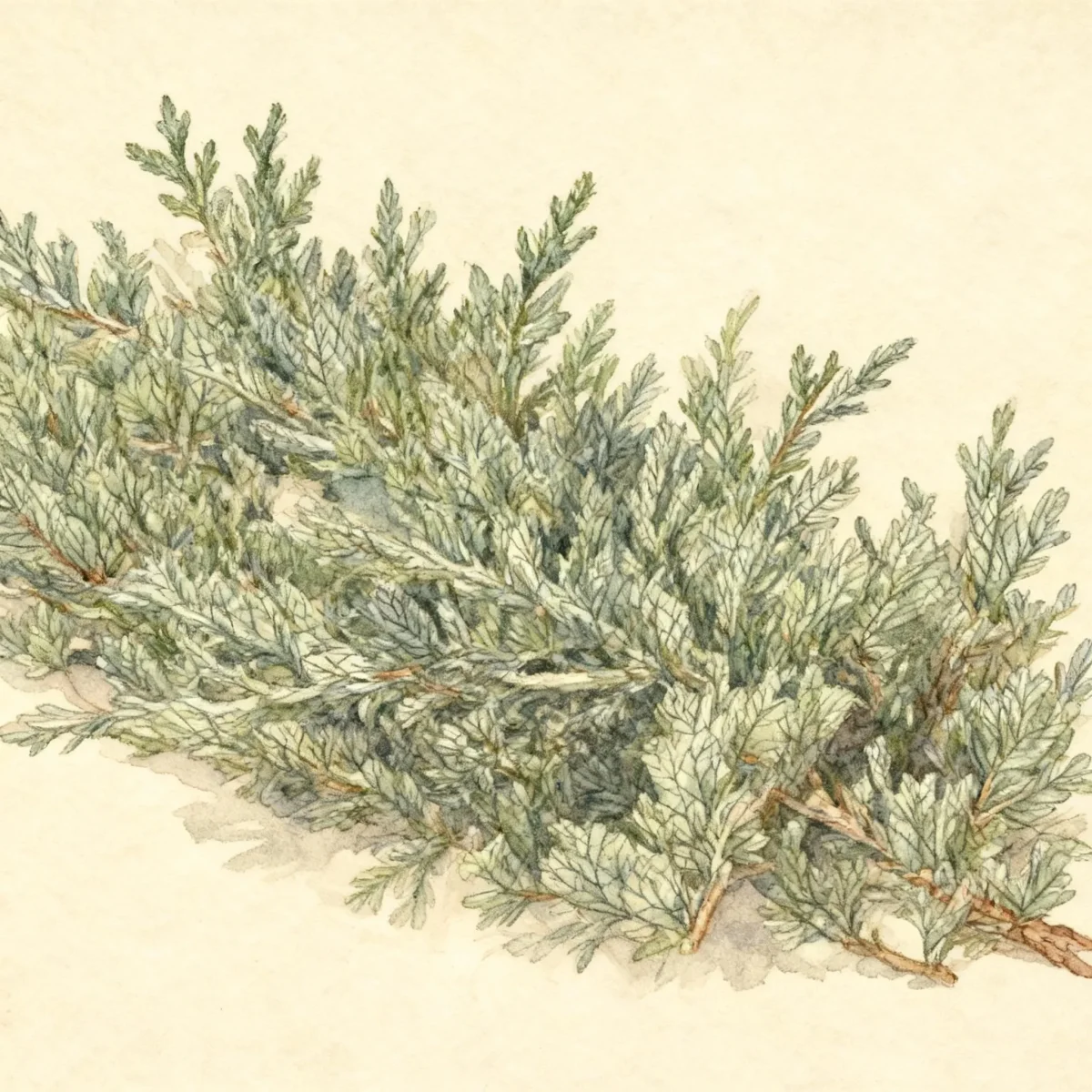
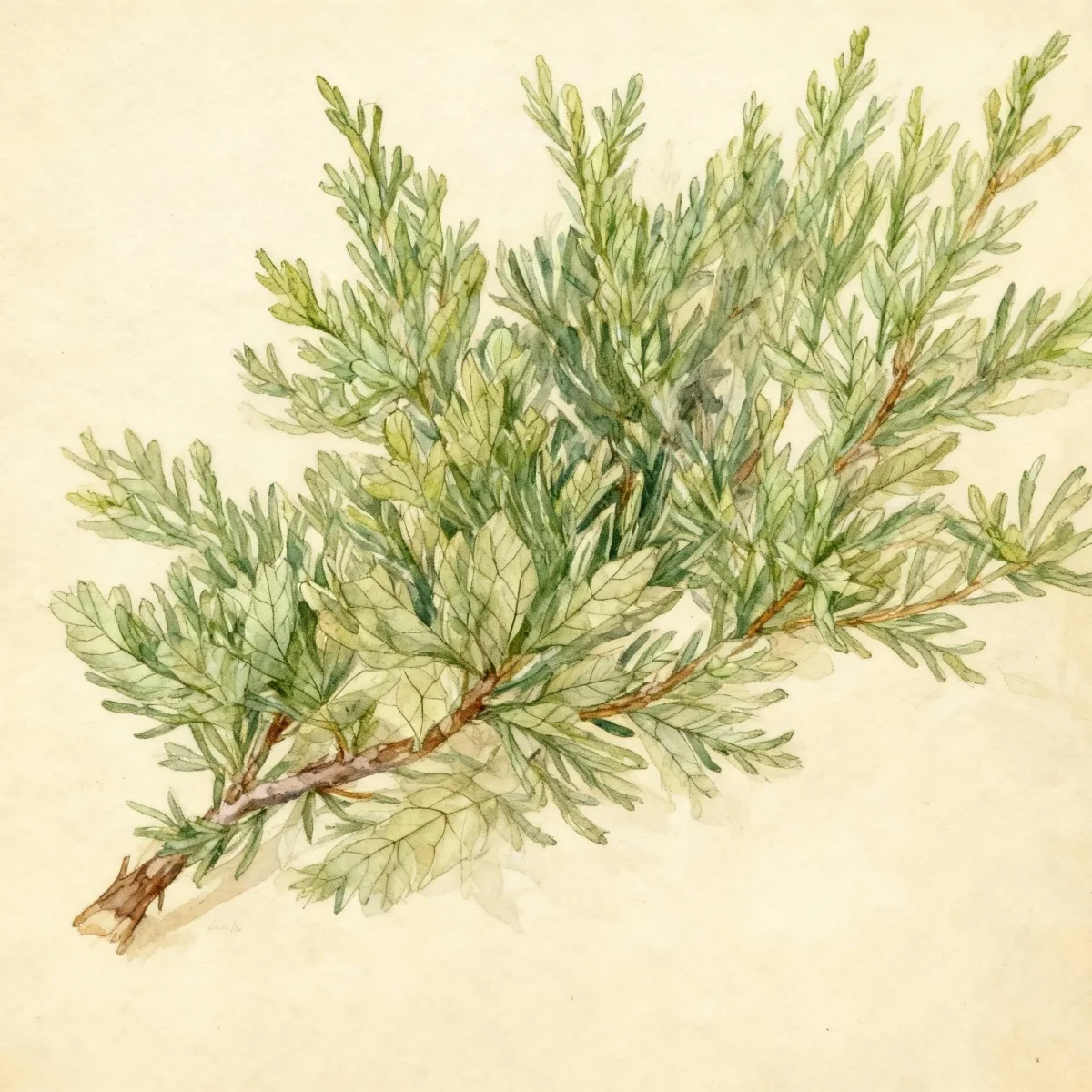
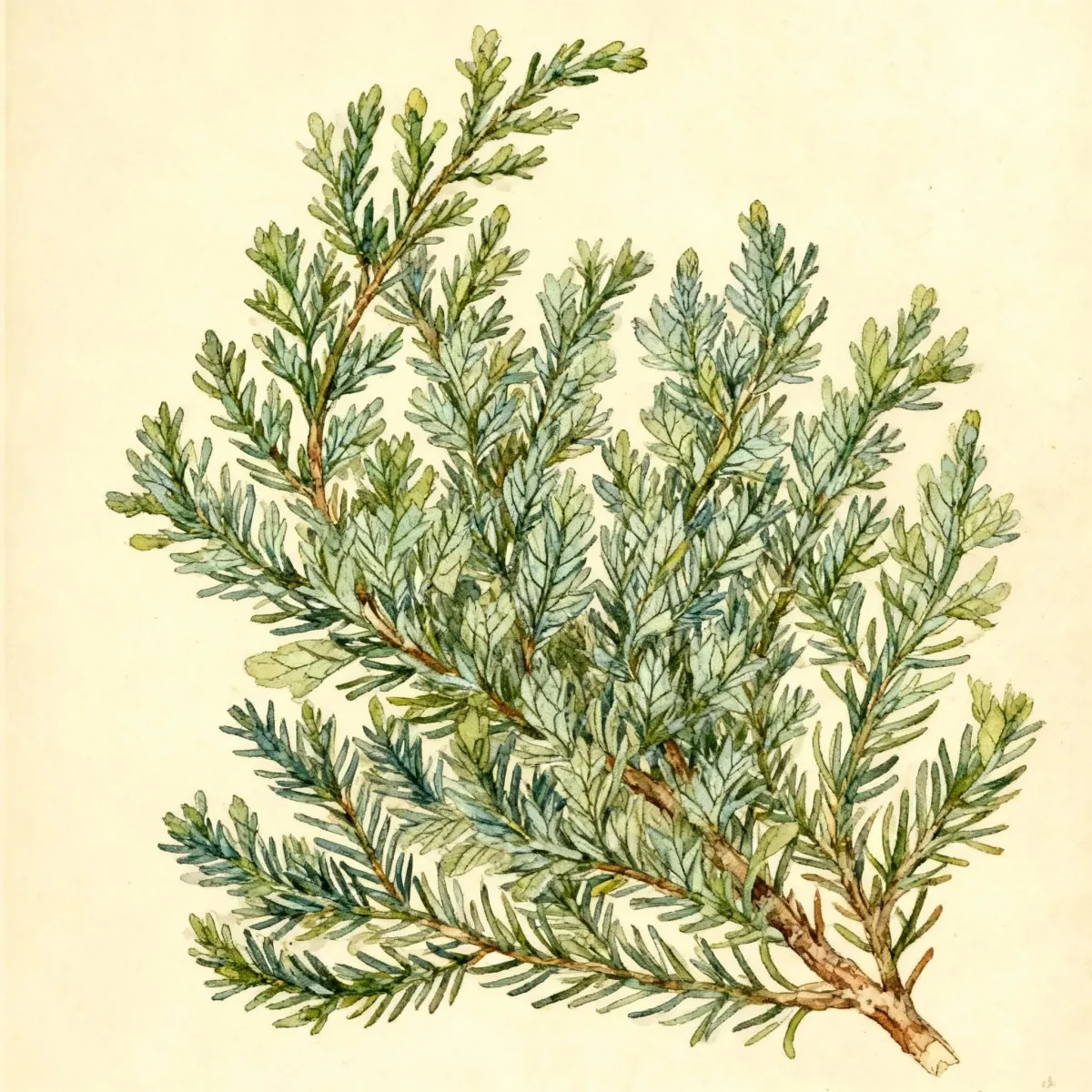
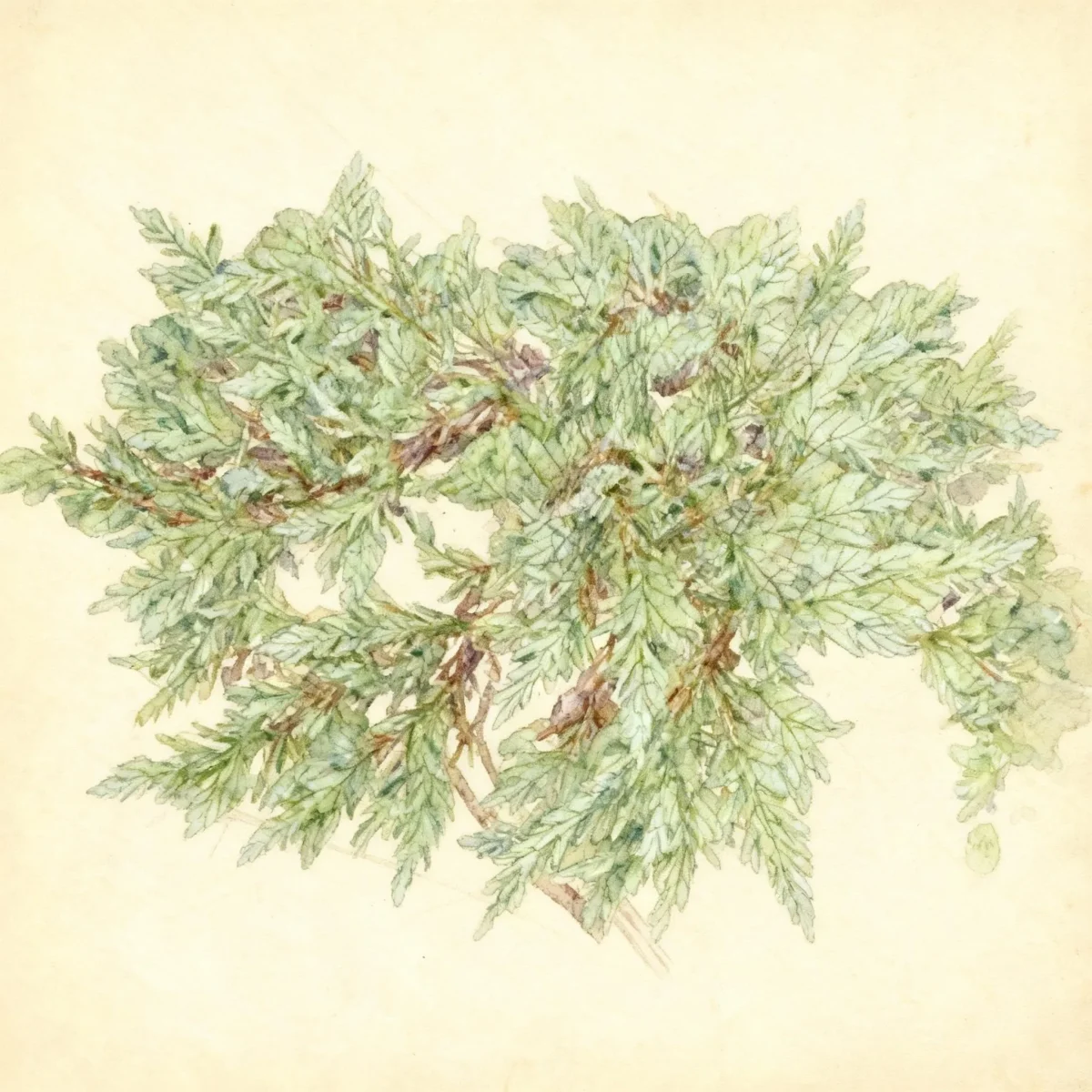
Creeping juniper (Juniperus horizontalis 'Mother Lode')
Juniperus horizontalis 'Mother Lode' is a vibrant, low-growing Creeping juniper, prized for its brilliant gold foliage and excellent drought tolerance.
Scroll down to discover growing tips, care requirements, companion plants, and more
Complete Plant Information
Overview
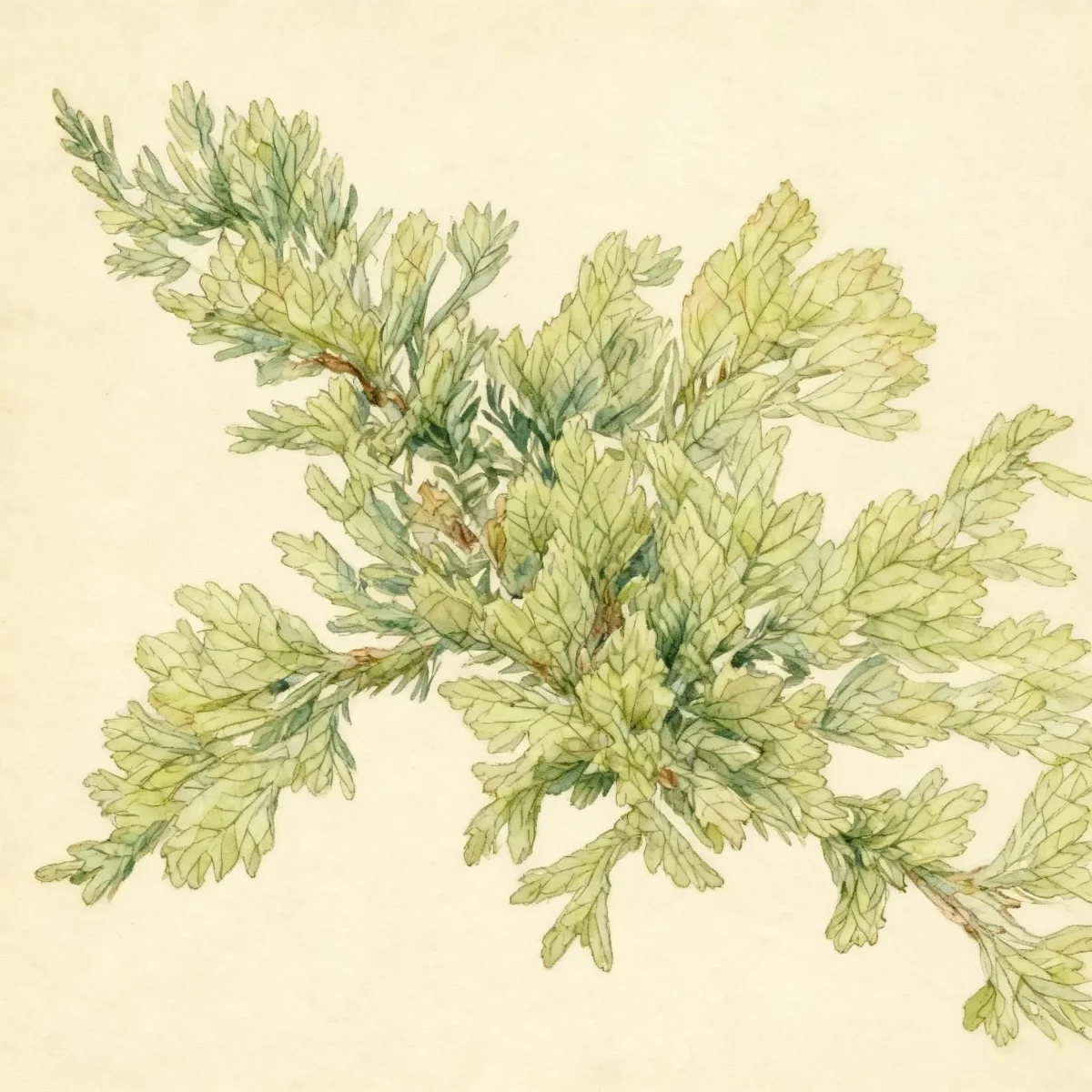
Juniperus horizontalis ‘Mother Lode’ is a highly sought-after cultivar of the Creeping juniper, celebrated for its brilliant, eye-catching golden foliage that offers exceptional seasonal contrast in the landscape. This procumbent evergreen shrub creates a dense, mat-forming groundcover, spreading widely while remaining exceptionally low to the ground. Its robust nature makes it an excellent, low-maintenance solution for tough sites where other plants struggle.
As a spreading groundcover, this variety of Creeping juniper spreads by rooting along its trailing branches, ensuring excellent establishment and stability. The foliage, scale-like and soft, transitions from summer green to a rich golden bronze in cooler winter months, maintaining color interest year-round. Gardeners value Juniperus horizontalis ‘Mother Lode’ for its adaptability, thriving even in hot, dry conditions once established.
This cultivar fulfills the traditional role of Creeping juniper as a superior choice for covering large areas with minimal effort. Its vibrant color prevents it from blending anonymously into the landscape, providing a dynamic, low-profile accent perfect for slopes, retaining walls, or expansive groundcover installations needing rugged yet colorful coverage.
Fast Facts
- Plant Family: Cupressaceae
- Plant Type: Needled evergreen
- Hardiness Zones: USDA Zones 3-9
- Size at Maturity:
- Height: 0.25-0.5 ft
- Spread: 8-10 ft
- Bloom Time: Non-flowering
- Bloom Description: Non-flowering
- Sun Exposure: Full sun
- Water Needs: Medium
- Maintenance Level: Low
How to Grow
For optimal health and color saturation, plant Juniperus horizontalis ‘Mother Lode’ in full sun. While it adapts to various soil conditions, it performs best in average, medium-moisture, well-drained soils, often showing a preference for drier, sandy conditions. It is crucial to avoid areas where water pools, as this variety is highly intolerant of wet soils, which can predispose it to root rot. Planting is best done during the cooler seasons—spring or fall—to allow the extensive root system to establish before summer heat or deep winter freezes arrive.
Once established, this Creeping juniper demonstrates significant drought tolerance, requiring only medium supplemental watering during prolonged dry spells. Fertilizing is rarely necessary for plants situated in the ground, as they tolerate somewhat poor soils. If growth is sluggish, a balanced, slow-release fertilizer applied sparingly in early spring can benefit the plant, but over-fertilizing can encourage lush, weak growth.
Pruning is minimal for Juniperus horizontalis ‘Mother Lode’ as its natural habit is its main appeal; it rarely needs shaping. Monitor for dieback, often occurring in the centers of older, dense mats, which might signal poor air circulation or overly saturated conditions. In colder climates, ensure the plant is fully hardened off before the first hard freeze, though its hardiness range (down to Zone 3) indicates high winter resilience.
Landscape Uses
Juniperus horizontalis ‘Mother Lode’ shines as a versatile, sprawling ground cover, ideal for softening hardscaping and stabilizing challenging terrain. Its capacity to spread 8 to 10 feet while staying under half a foot tall makes it perfect for mass plantings on slopes, effectively controlling erosion even in poor, rocky ground. The brilliant gold color ensures it stands out beautifully against evergreen selections or dark mulch beds.
Consider using this Creeping juniper along the edges of retaining walls or as a living border where its trailing branches can cascade attractively. It serves excellently in rock gardens, complementing the texture of stones and gravel, while its tolerance for pollution makes it suitable for foundation plantings near streets or urban environments. Due to its intense color, treat Juniperus horizontalis ‘Mother Lode’ as an interesting small accent or specimen when you need a low, bright mass that contrasts with surrounding green textures.
Standout Features
Flower Qualities
- Insignificant
Noteworthy Characteristics
Juniperus horizontalis, commonly called creeping juniper, is a procumbent evergreen shrub that forms a low groundcover, spreading by long trailing branches with abundant short branchlets to form an often-dense, wide mat. This specific cultivar, ‘Mother Lode’, is particularly noteworthy for its brilliant gold foliage which deepens to a golden bronze shade in winter, offering significant color interest. The creeping branches naturally root as they grow along the ground, assisting in soil stabilization, though fleshy seed cones are infrequently produced.
Tolerances
- Deer
- Drought
- Erosion
- Dry Soil
- Shallow-Rocky Soil
- Air Pollution
Potential Problems
In general, Junipers are quite tough, and this Creeping juniper exhibits no serious insect or disease problems when sited correctly. The main cultural risk comes from its intolerance of wet conditions; root rot is a significant danger in poorly drained or waterlogged soils typical of low spots. Even in ideal conditions, junipers are susceptible to blights, causing dieback at the stem tips, especially following unusually wet springs. Monitor for common pests such as aphids, scale, and spider mites, treating minor infestations promptly to keep the foliage of Juniperus horizontalis ‘Mother Lode’ looking its best.
Frequently Asked Questions
What hardiness zones is Creeping juniper suitable for?
Juniperus horizontalis ‘Mother Lode’ is highly versatile, thriving across USDA Zones 3 through 9.
How large does Juniperus horizontalis ‘Mother Lode’ grow?
This groundcover is very low-growing, reaching only 0.25 to 0.5 feet in height, but it spreads impressively wide, spanning 8 to 10 feet at maturity.
What sun exposure does Creeping juniper need?
This plant requires full sun exposure to maintain its vibrant golden foliage color and develop the necessary resilience against drought.
When does Creeping juniper bloom?
This plant is non-flowering; it produces minimal visual interest through its foliage and growth habit rather than through flowers or fruit.
Conclusion
For reliable coverage, stunning year-round color, and extreme resilience, Juniperus horizontalis ‘Mother Lode’ stands out as a premier low-growing evergreen. Its tolerance for drought and poor soil makes this Creeping juniper a low-maintenance champion for challenging areas. Before planting, confirm your site receives full sun and possesses adequate drainage to fully unlock the golden potential of this superb specimen.
Companion Planting
Selecting companions that share the love for full sun and sharp drainage will ensure a harmonious planting scheme around your Juniperus horizontalis ‘Mother Lode’. Consider pairing this gold groundcover with plants that offer textural contrast, such as finely textured ornamental grasses that tolerate dry conditions, like Fescue varieties. Alternatively, plants with deep green or silvery foliage, such as Russian Sage (Perovskia) or various Sedums, will make the bright gold of the Juniperus horizontalis truly pop. Avoid moisture-loving perennials, as the essential dryness needed by this juniper will stress water-dependent partners.
Design Ideas for Slopes and Rocks
The spreading habit of the Creeping juniper makes it an architectural feature on sloped landscapes where erosion control is paramount. Plant masses of Juniperus horizontalis ‘Mother Lode’ in sweeping drifts across sunny inclines, allowing the creeping branches to knit the soil together. In rock gardens, place individual specimens near larger boulders, letting the branches cascade artistically over the rock faces. The vibrant hue ensures this plant reads well from a distance, turning dull utility slopes into areas of dynamic, low-maintenance color throughout the seasons.