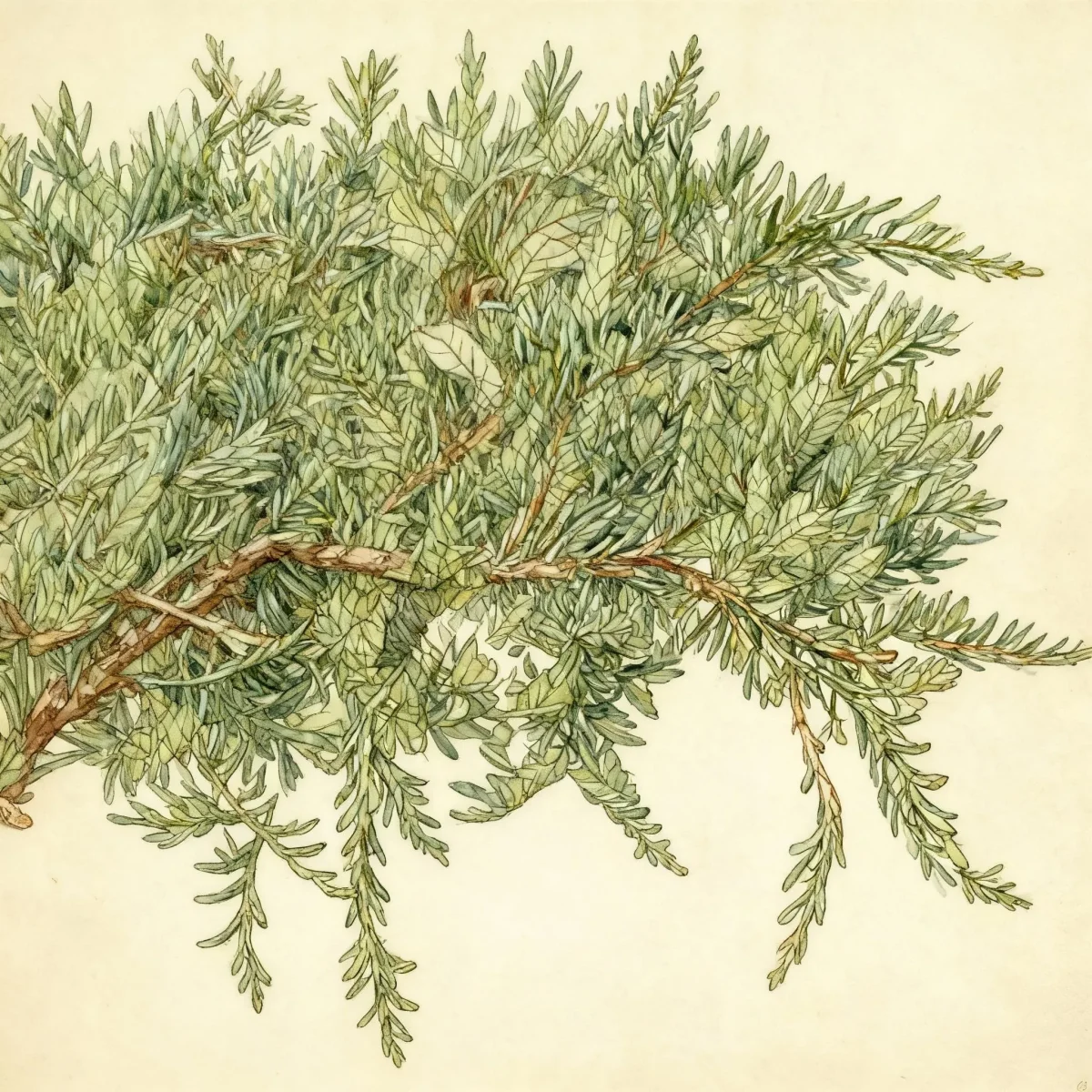
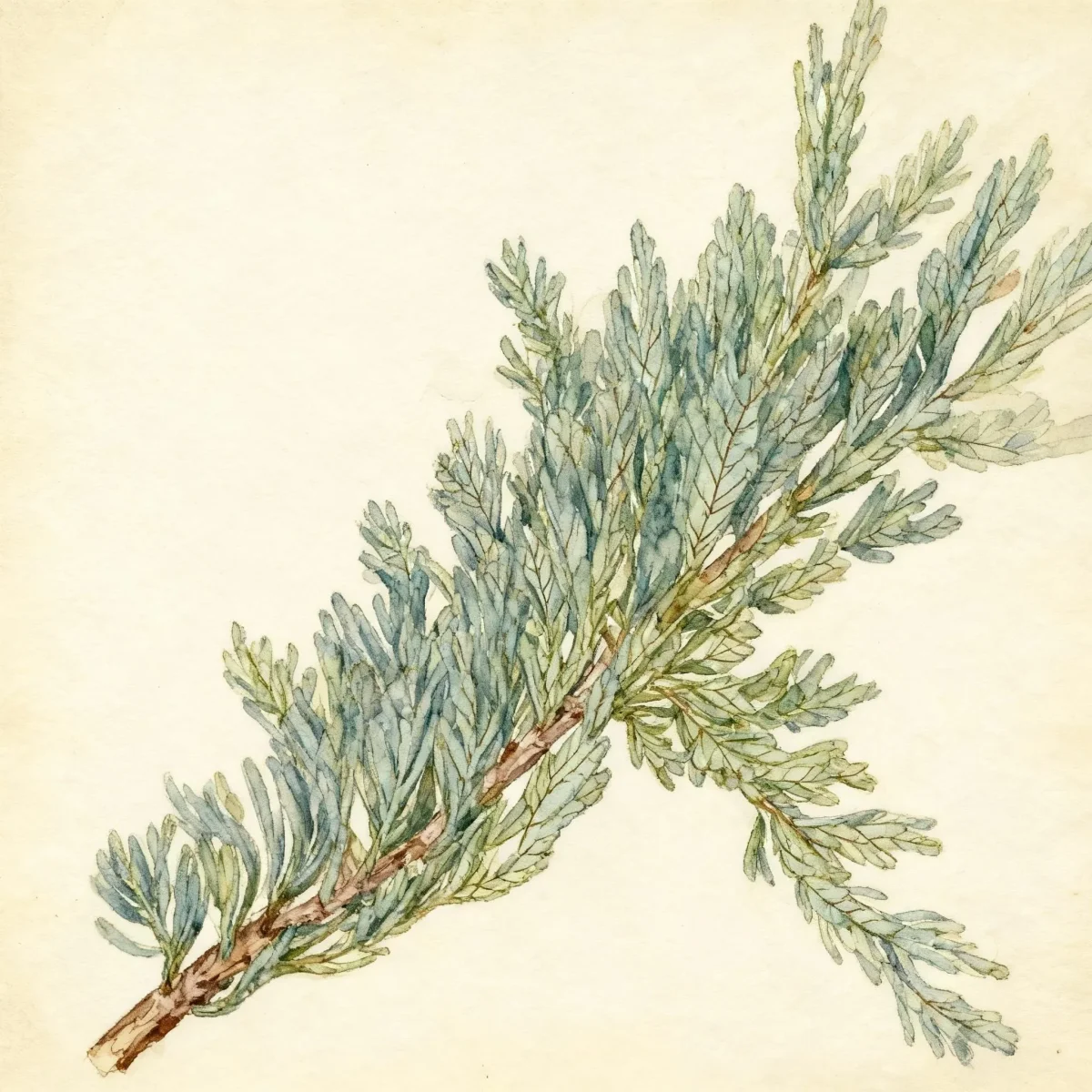
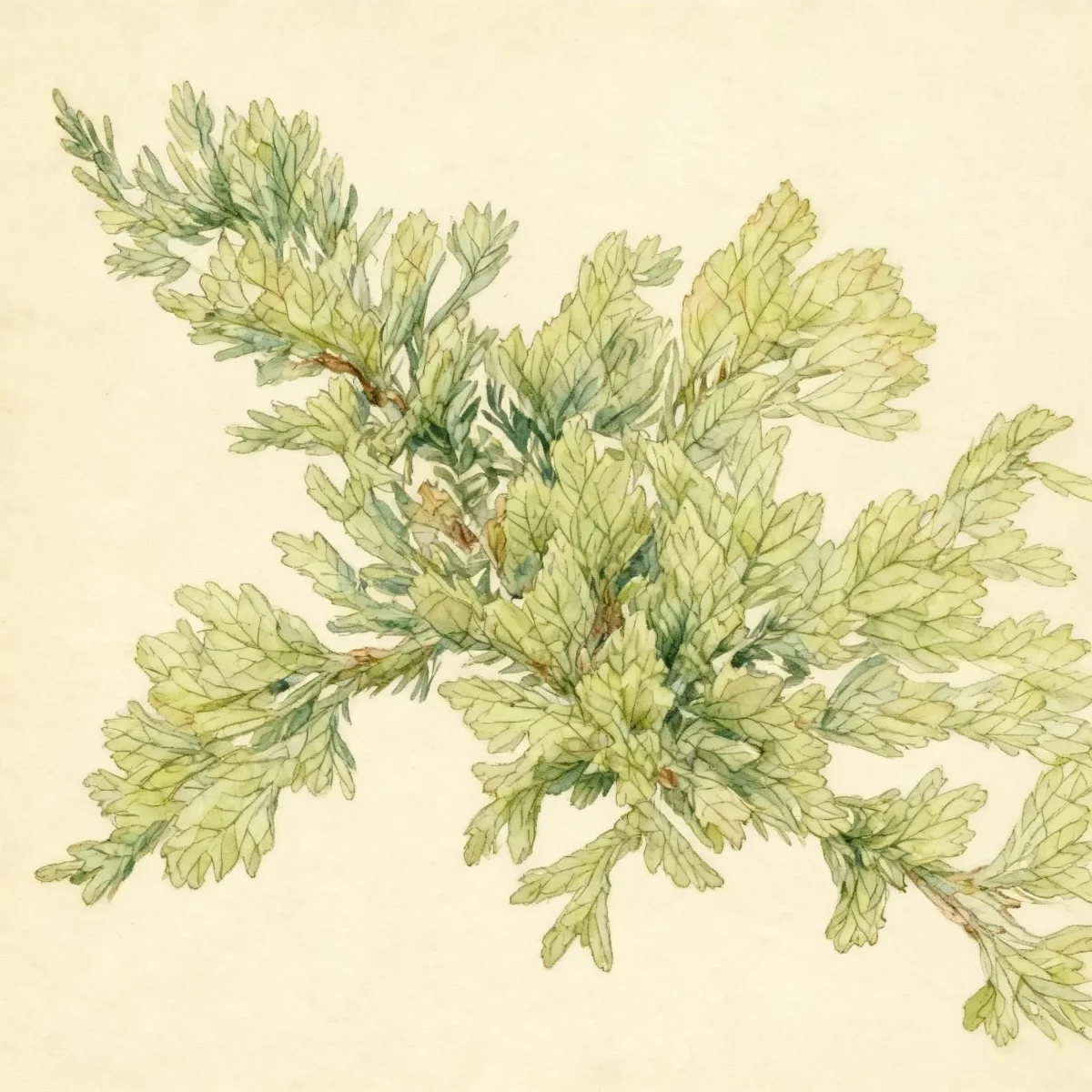
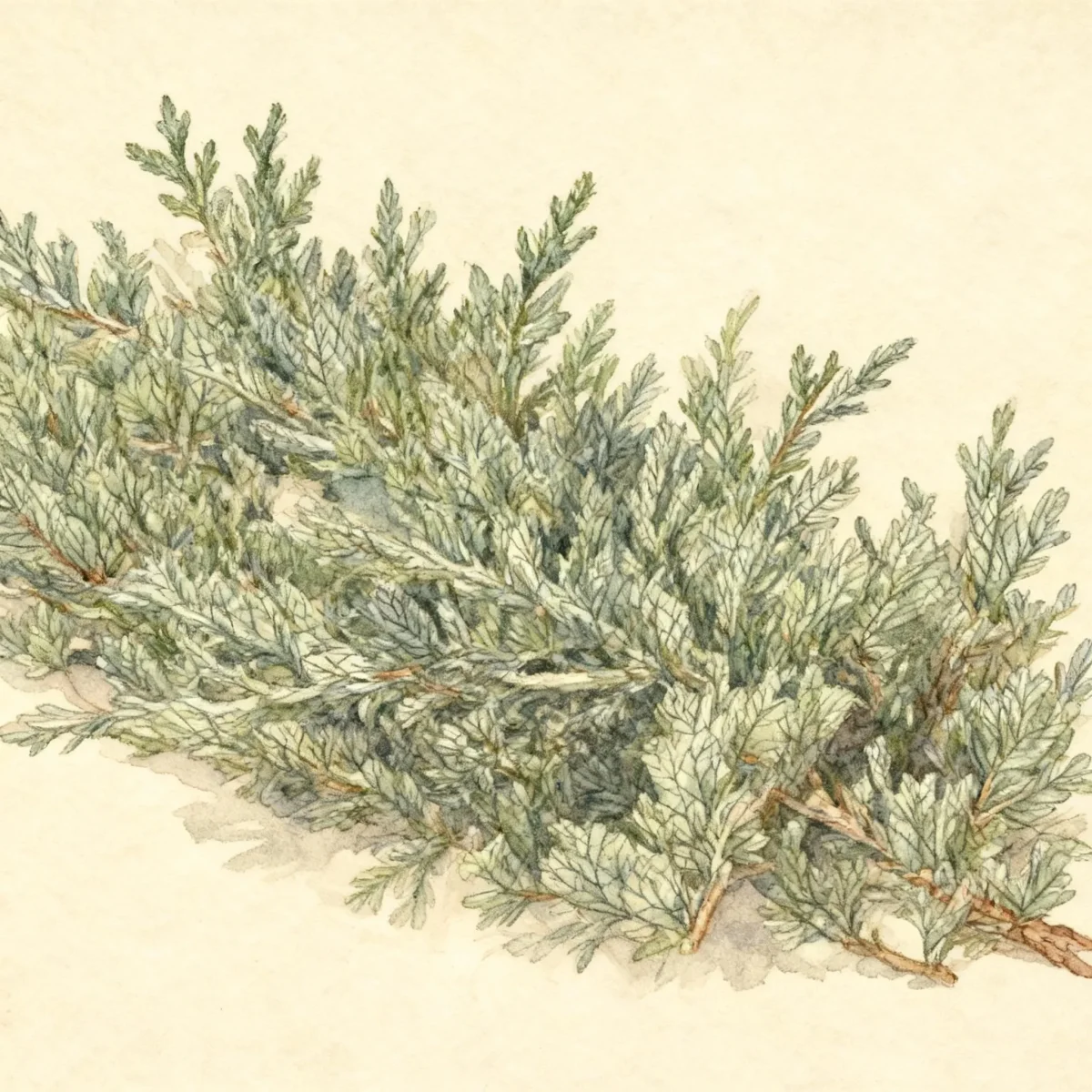
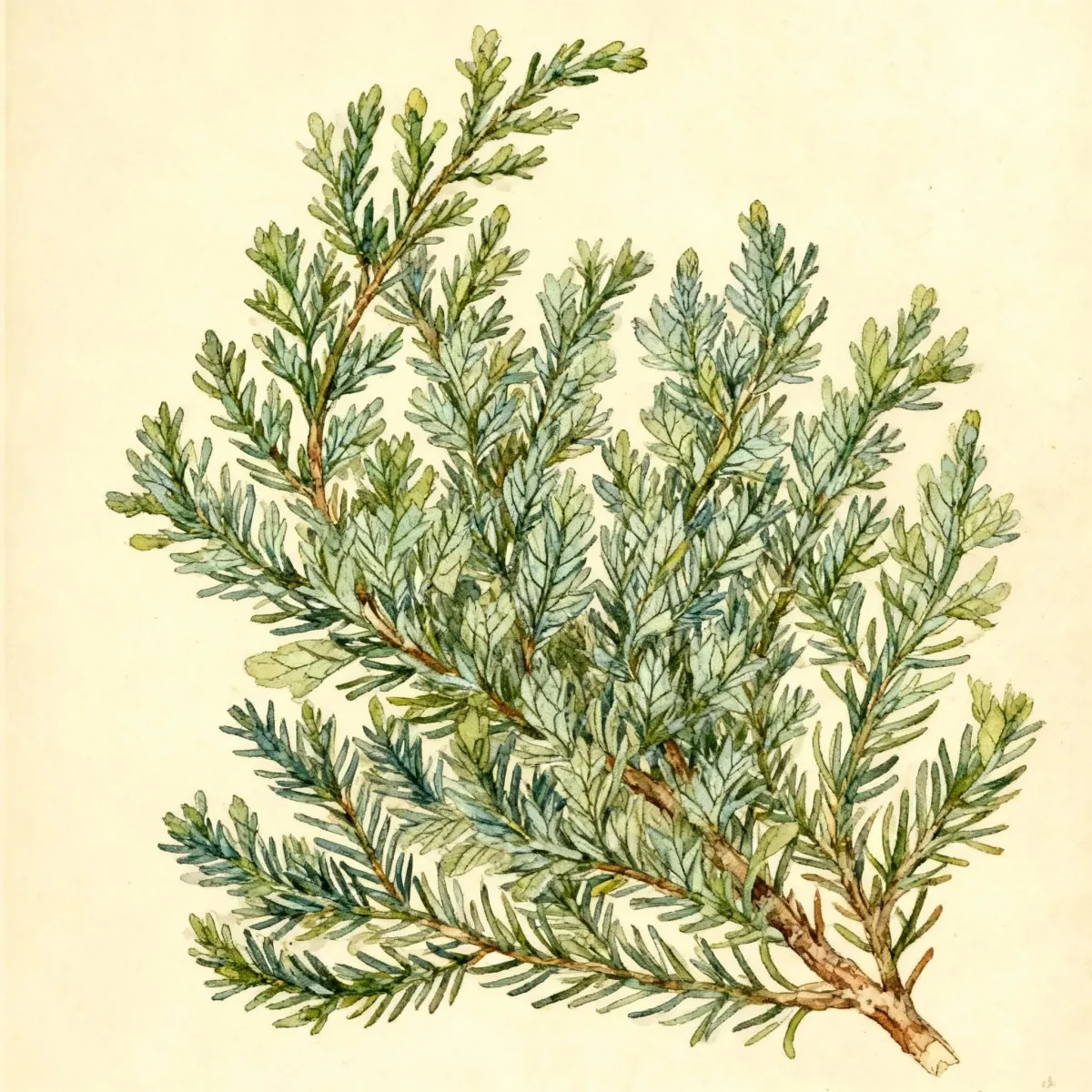
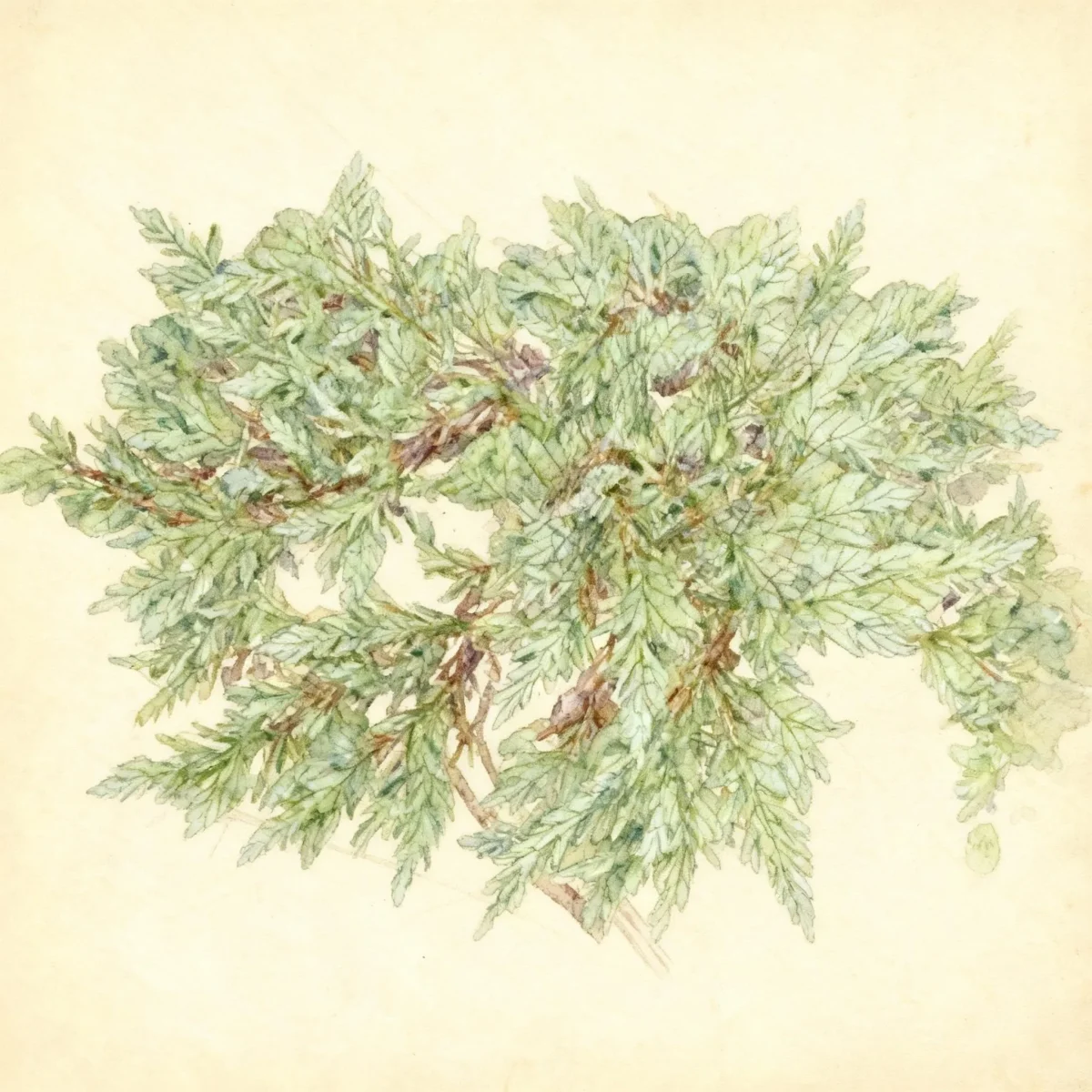
Creeping juniper (Juniperus horizontalis 'Prince of Wales')
Juniperus horizontalis 'Prince of Wales' is a tough, low-growing needled evergreen, perfect for erosion control and ground cover.
Scroll down to discover growing tips, care requirements, companion plants, and more
Complete Plant Information
Overview
Juniperus horizontalis ‘Prince of Wales’ offers exceptional utility as a spreading, low-maintenance ground cover perfect for difficult locations. This cultivar of creeping juniper is highly valued for its tenacious habit, rapidly forming a dense, evergreen mat that suppresses weeds and tackles slopes where other plants might fail. Its medium green foliage, often displaying attractive blue overtones, transitions to a richer burgundy hue during colder months, providing year-round visual interest.
As a tough, procumbent evergreen shrub, the creeping juniper thrives in full sun and tolerates a wide spectrum of soil conditions, including dry, shallow, and rocky sites. The low stature of Juniperus horizontalis ‘Prince of Wales’—rarely rising above half a foot—makes it an excellent textural element beneath taller specimens or along retaining walls. Gardeners appreciate its low maintenance requirements, allowing it to naturalize effectively across broad, sunny expanses.
This specific variety, ‘Prince of Wales,’ is known for its robust spreading nature, covering several feet wide while staying exceptionally low to the ground. It provides excellent erosion control and drought tolerance once established, making the Juniperus horizontalis ‘Prince of Wales’ a practical choice for sustainable landscaping solutions in USDA Zones 3 through 9.
Fast Facts
- Plant Family: Cupressaceae
- Plant Type: Needled evergreen
- Hardiness Zones: USDA Zones 3-9
- Size at Maturity:
- Height: 0.25-0.5 ft
- Spread: 3-6 ft
- Bloom Time: Non-flowering
- Bloom Description: Non-flowering
- Sun Exposure: Full sun
- Water Needs: Medium
- Maintenance Level: Low
How to Grow
Plant Juniperus horizontalis ‘Prince of Wales’ during the spring or fall for the best establishment rates. While it prefers average, well-drained soil, this creeping juniper is highly adaptable, thriving particularly well in dryer conditions and sandy or poor soils. Ensure the planting location receives full sun; insufficient light leads to legginess and reduced density.
Water moderately well immediately following planting to encourage root development. Once established, the ‘Prince of Wales’ juniper requires only medium water, reflecting its excellent drought tolerance. It performs best when drainage is excellent; this plant is decidedly intolerant of wet or poorly drained soils, which can lead to root rot issues.
Maintenance is minimal owing to its naturally compact and uniform growth habit. Fertilization is generally unnecessary, especially if the soil is lean. Pruning is seldom required; if shaping is desired, shear very lightly in early spring before new growth begins. This durable, low-growing ground cover handles urban pollution well, making it a resilient choice for many challenging environments.
Landscape Uses
The primary function of Juniperus horizontalis ‘Prince of Wales’ is as a versatile, sprawling ground cover. Its dense matting habit makes it superb for stabilizing slopes, effectively combating erosion across broad banks where mowing is impractical. Use it en masse to naturalize large, sunny areas quickly, creating a carpet of evergreen texture.
Consider using this creeping juniper along the edges of retaining walls or rock gardens where its trailing branches can soften hard lines beautifully. Due to its durability and tolerance for dry soil, it is excellently suited for hot, dry foundation plantings where intense reflected heat might stress less tolerant shrubs. It pairs well with intermediate-height sun-loving perennials or upright junipers that offer vertical contrast.
Standout Features
Noteworthy Characteristics
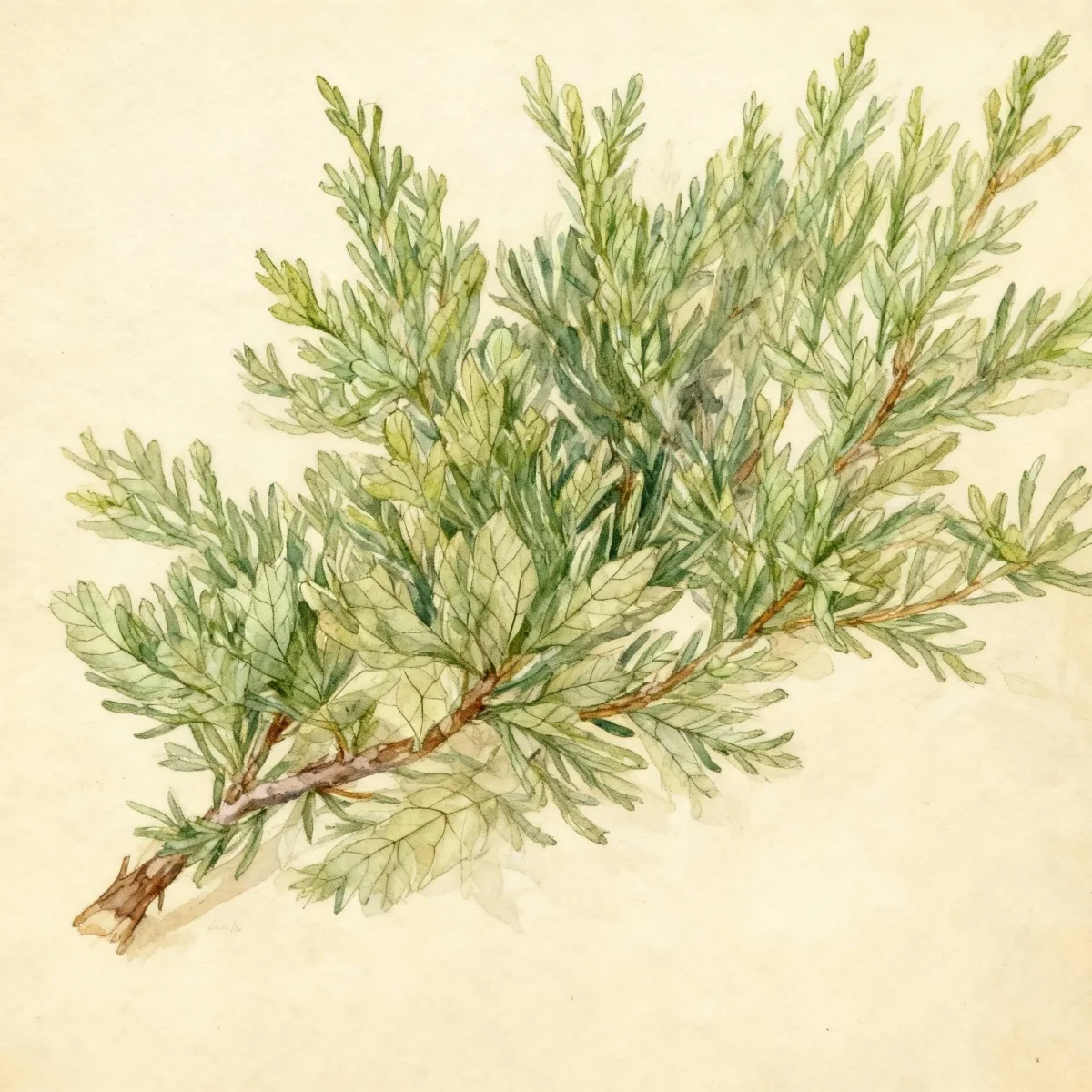
Juniperus horizontalis, commonly called creeping juniper, is a procumbent evergreen shrub that is native to Alaska, Canada and the northern U.S. It typically forms a low groundcover that spreads by long trailing branches to form an often-dense mat. Foliage is primarily scale-like, typically green to blue-green during the growing season, but acquires purple tones in winter. The ‘Prince of Wales’ cultivar typically stays very low, rising only to 4-6” tall, but spreads widely, featuring foliage tinged with burgundy in winter.
Tolerances
- Deer
- Drought
- Erosion
- Dry Soil
- Shallow-Rocky Soil
- Air Pollution
Potential Problems
While robust, identifying potential issues early can ensure the long life of your Juniperus horizontalis ‘Prince of Wales’. The main concern revolves around excessive moisture; root rot is a significant threat if the soil remains perpetually wet or poorly drained. Always site this juniper where drainage is impeccable.
Fungal diseases like blights can cause dieback on stem tips, especially following prolonged rainy or humid spring weather. Good air circulation, achieved by planting in full sun and avoiding overly dense massings, helps mitigate fungal pressure. Watch for cedar-apple rust, a common juniper ailment, although this cultivar is generally quite resilient.
If pests like scale, aphids, or spider mites appear, treat localized infestations with horticultural oil or insecticidal soap. In mature plantings, sporadic dieback in the center of the mat can sometimes occur; this is often remedied by gently thinning the debris to allow better airflow to the interior foliage.
Frequently Asked Questions
What hardiness zones is Creeping juniper suitable for?
Juniperus horizontalis ‘Prince of Wales’ is highly cold-tolerant, suitable for USDA Zones 3 through 9.
How large does Juniperus horizontalis ‘Prince of Wales’ grow?
This low-growing evergreen typically reaches a height of only 0.25 to 0.5 feet but spreads vigorously, achieving a width between 3 and 6 feet wide.
What sun exposure does Creeping juniper need?
This plant absolutely requires full sun exposure to maintain its dense, colorful foliage and robust, ground-hugging habit.
When does Juniperus horizontalis ‘Prince of Wales’ bloom?
This needled evergreen is non-flowering; it does not produce ornamental blooms.
Conclusion
The Juniperus horizontalis ‘Prince of Wales’ stands out as an essential, low-impact landscaping component due to its unmatched durability on slopes and in dry, sunny conditions. Its dense, spreading habit ensures excellent coverage and erosion control across the landscape. When planning your planting scheme, confirm that your site offers the full sun and well-drained conditions necessary for this robust creeping juniper to truly flourish.
Companion Planting Ideas
Selecting companions that share the love for full sun and dry conditions will maximize the health and aesthetic appeal of your Juniperus horizontalis ‘Prince of Wales’ planting. Consider pairing it with drought-tolerant perennials like Sedum or certain varieties of ornamental grasses that can handle lean soil. Stonecrops (Sedum) offer textural contrast without competing aggressively for surface space.
Another excellent association is with other tough, low-growing evergreens, such as blue fescue (Festuca glauca) for a sharp color contrast against the deep green of the juniper. When using this mass planting on slopes, integrate occasional small boulders or rocks; the plant naturally grows well among them, reinforcing the low-maintenance, xeriscape theme.
Seasonal Care Calendar
For early spring preparation, inspect the matting foliage of your Juniperus horizontalis ‘Prince of Wales’ for any winter damage or debris accumulation. Lightly rake out any trapped leaves to ensure good airflow as temperatures rise, which helps prevent fungal issues. This is the ideal time for any minimal shaping.
Summer care centers almost entirely around monitoring moisture, though established plants rarely need supplemental water unless experiencing extreme, prolonged drought. Avoid heavy fertilization during the heat of the summer; this plant prefers leaner soil conditions over rich garden beds.
In the fall, the foliage of the ‘Prince of Wales’ cultivar will naturally transition to pleasing burgundy tints. No specific preparation is needed for winter other than ensuring the ground is not overly saturated going into freezing temperatures. Its Zone 3 hardiness means it requires no special protection in most regions.