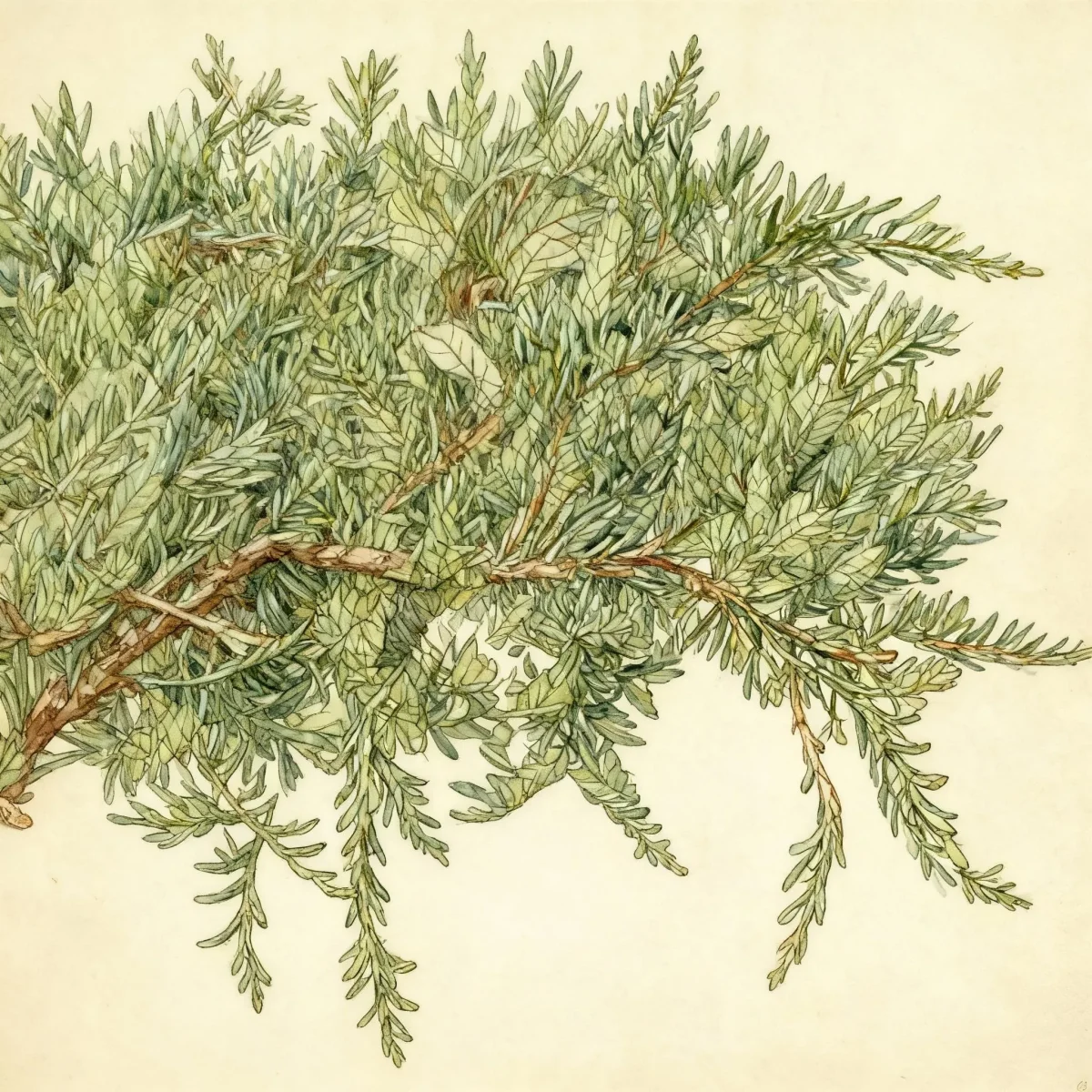
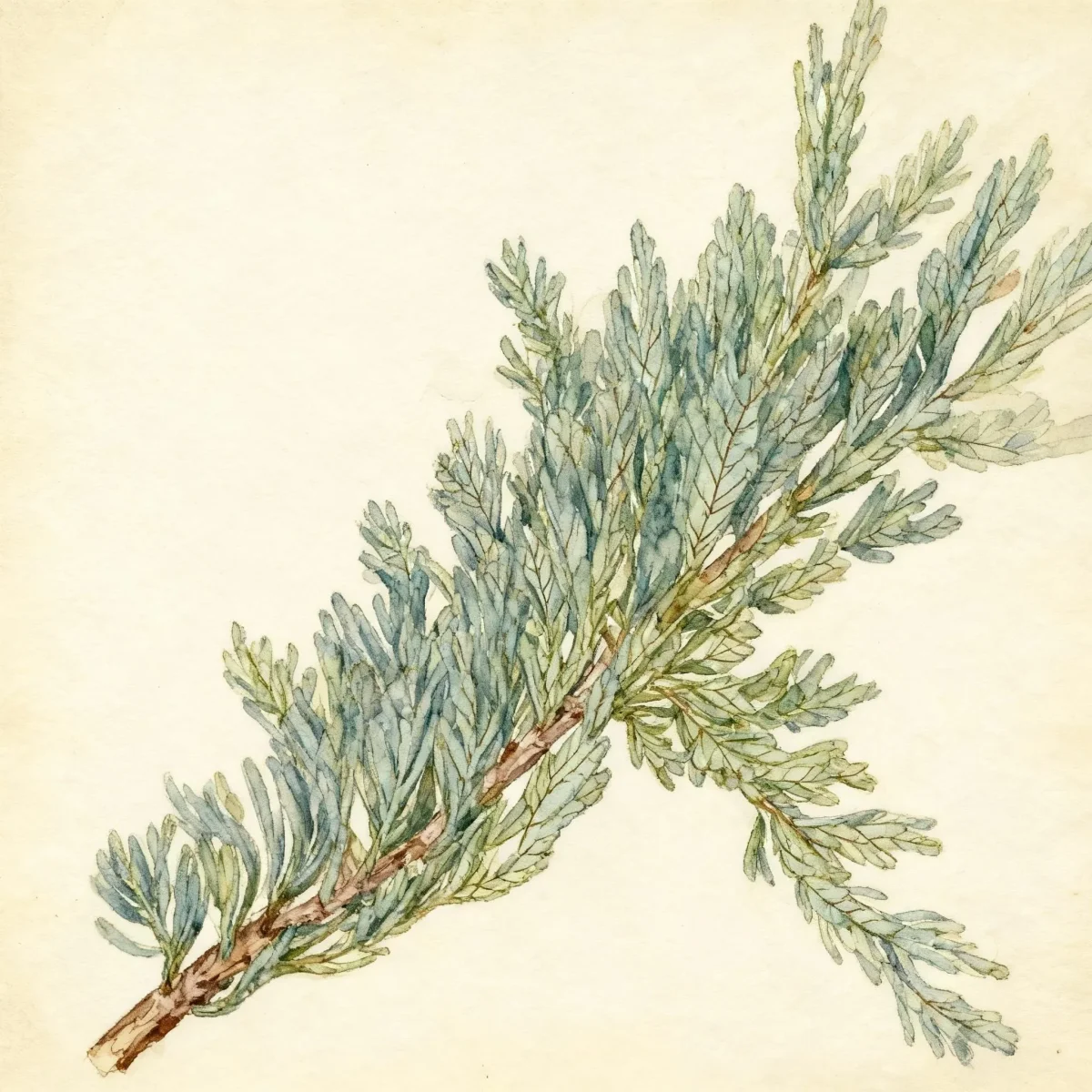
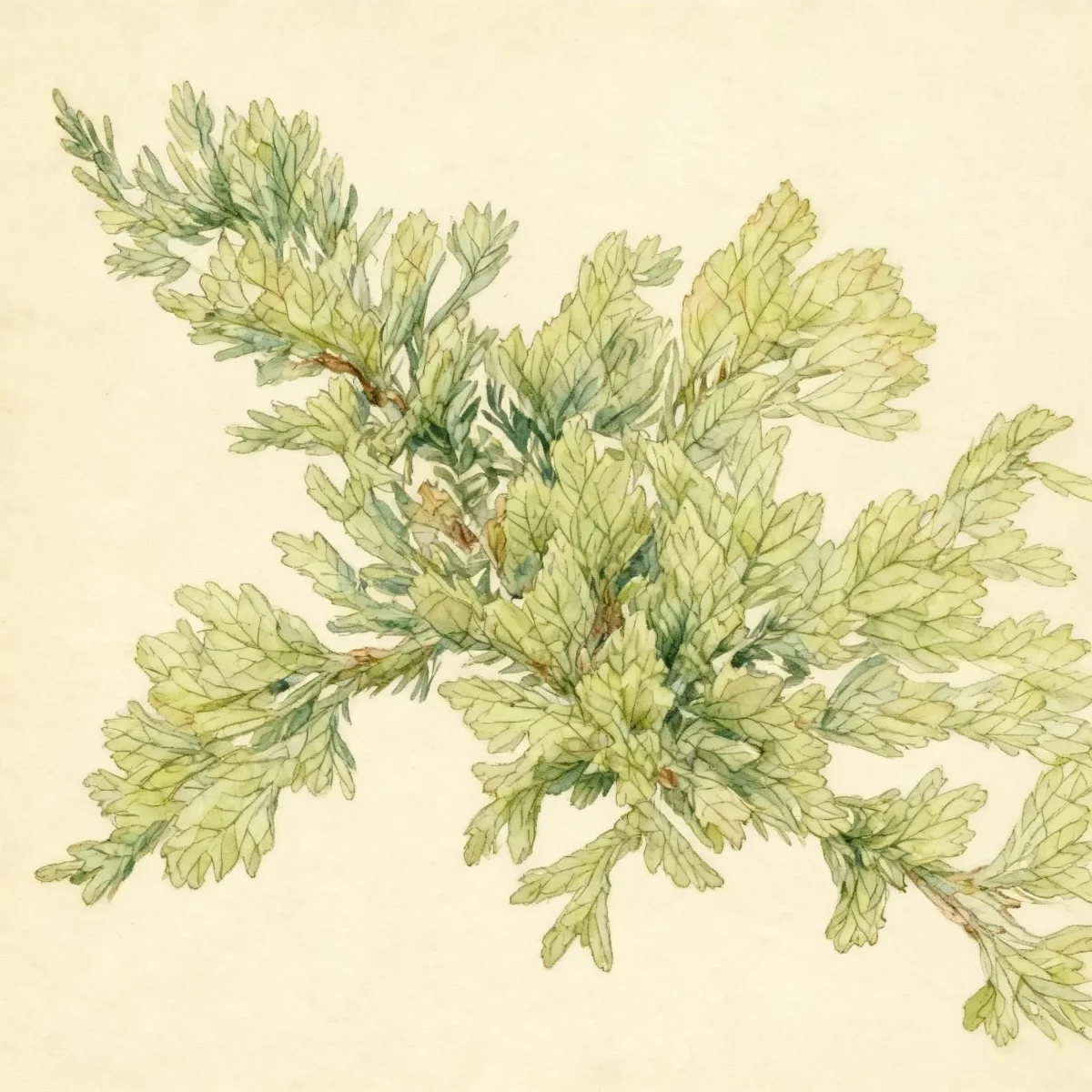
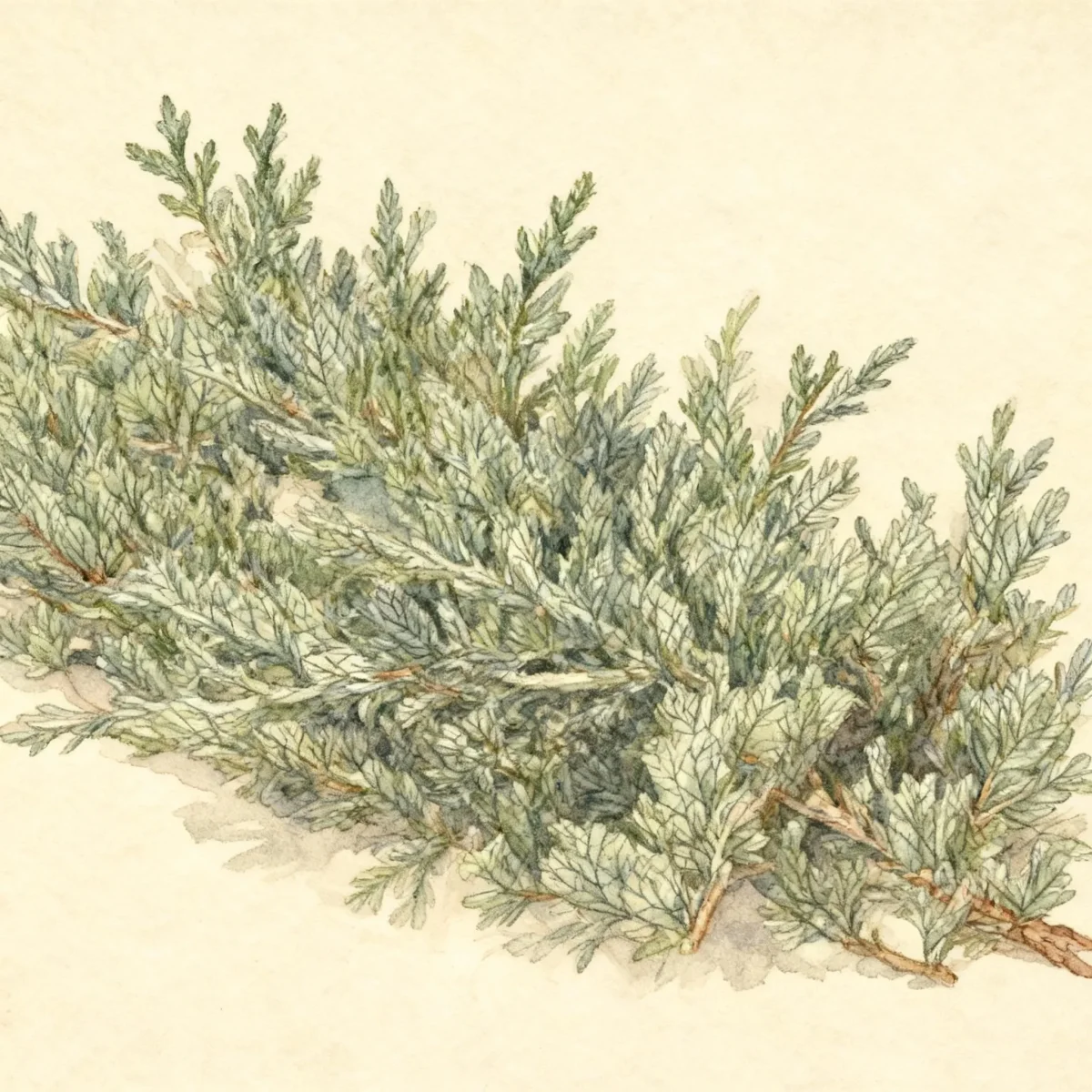
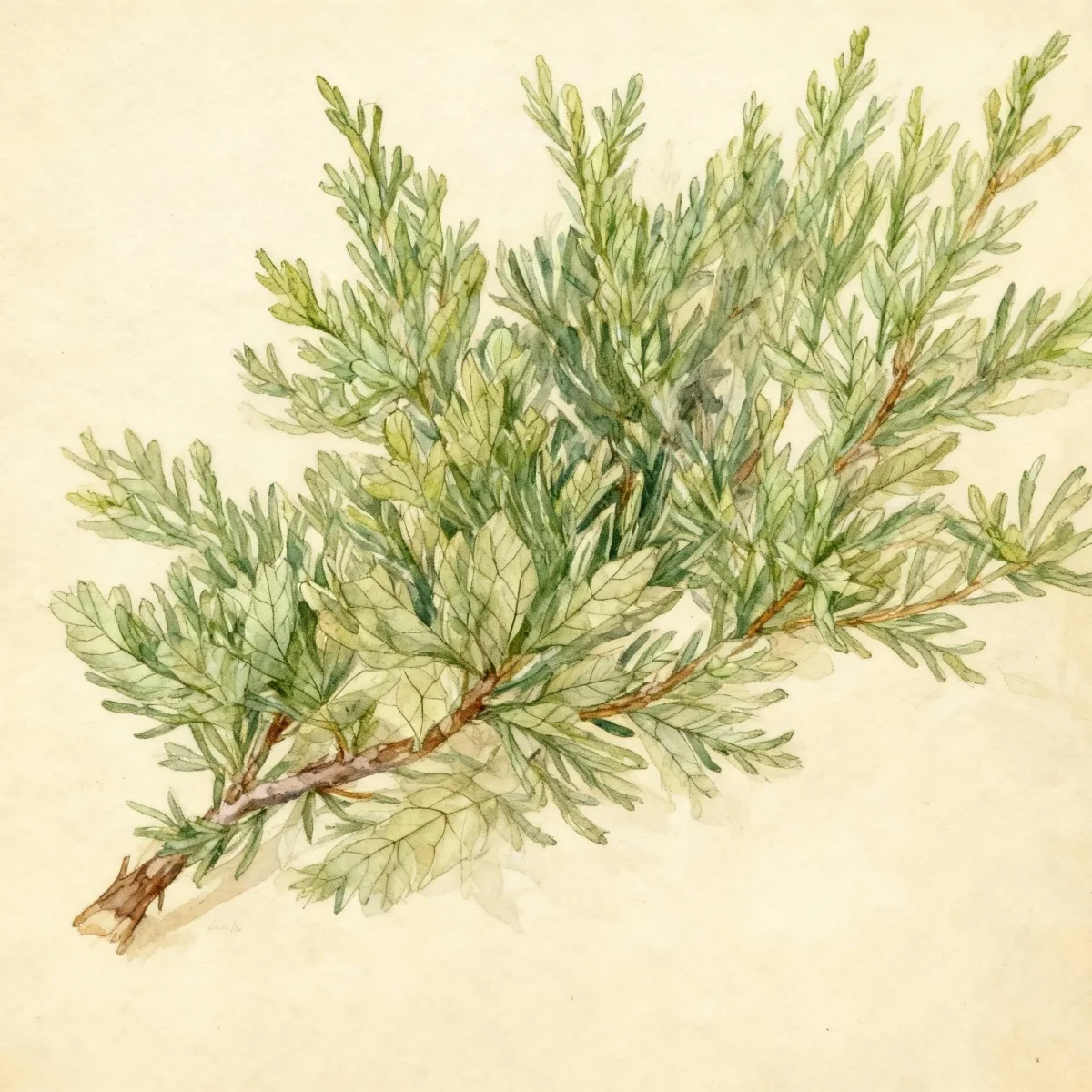
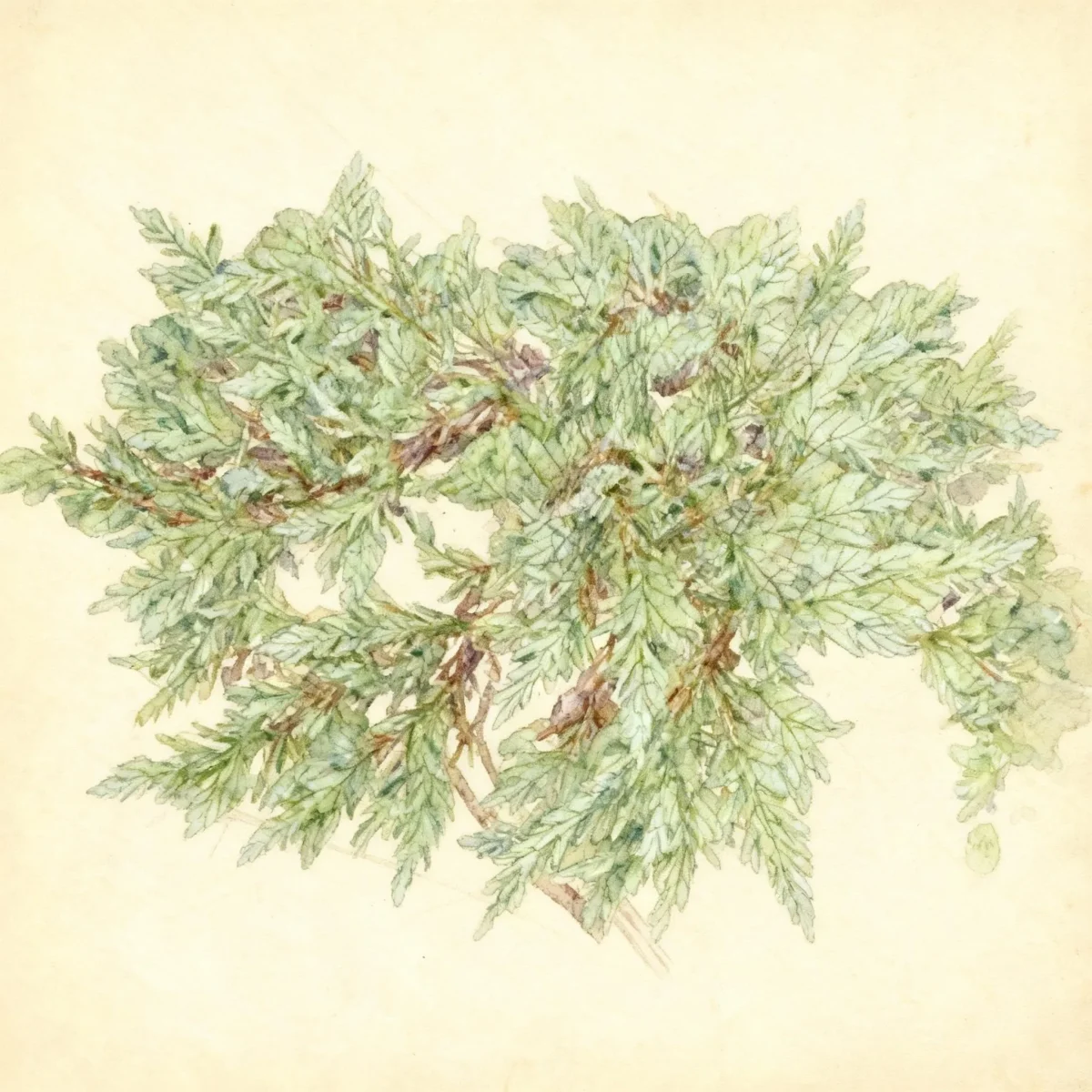
Creeping juniper (Juniperus horizontalis 'Wiltonii')
Juniperus horizontalis 'Wiltonii' is a low-growing, evergreen groundcover known for dense, silver-blue foliage and excellent drought tolerance.
Scroll down to discover growing tips, care requirements, companion plants, and more
Complete Plant Information
Overview
Juniperus horizontalis ‘Wiltonii’, commonly known as Creeping juniper, provides superb year-round texture and color to the landscape. This procumbent evergreen shrub forms a dense, wide-spreading mat, making it an indispensable choice for low-maintenance ground coverage. Its distinctive silver-blue foliage brightens garden scenes and develops appealing purple tones as winter approaches.
Valued for its tough constitution, this cultivar of Juniperus horizontalis thrives where many other plants struggle. It is highly adaptable once established, tolerating heat, dry conditions, and poor soils. Gardeners rely on Creeping juniper for stabilizing slopes and softening hard lines in foundational plantings across diverse climates.
The ‘Wiltonii’ selection is particularly prized for its dense, prostrate habit, rarely exceeding half a foot in height while spreading robustly up to eight feet wide. This characteristic makes the Creeping juniper a superior successor to turf in challenging, sunny locations where formal maintenance is impractical.
Fast Facts
- Plant Family: Cupressaceae
- Plant Type: Needled evergreen
- Hardiness Zones: USDA Zones 3-9
- Size at Maturity:
- Height: 0.25-0.5 ft
- Spread: 6-8 ft
- Bloom Time: Non-flowering
- Sun Exposure: Full sun
- Water Needs: Medium
- Maintenance Level: Low
How to Grow
The optimal time for planting Juniperus horizontalis ‘Wiltonii’ is typically in the spring or fall, allowing roots to establish before experiencing extreme summer heat or deep winter cold. While this plant adapts to diverse conditions, it performs best in average to dry, sandy soils that drain exceptionally well. Full sun exposure is crucial; insufficient light leads to sparse growth and thinning foliage in this otherwise dense groundcover.
Watering should be consistent during the first year to help establish a strong root system, classifying its needs as medium. Once established, Creeping juniper exhibits significant drought tolerance and prefers drier conditions, actively disliking wet or soggy soil, which can lead to root rot. Fertilization is rarely necessary; this juniper thrives in relatively poor soils.
Pruning is generally minimal due to its naturally shallow growth habit. Occasionally, dead or damaged interior foliage may need removal or thinning to improve air circulation, especially on mature specimens. In winter, ensure heavy snow loads do not break the low-lying branches, although its flexibility generally helps it shed snow effectively.
Landscape Uses
Juniperus horizontalis ‘Wiltonii’ excels as a versatile, sprawling ground cover, providing excellent coverage in large sunny expanses. Use it en masse on slopes to combat immediate erosion concerns, as its dense mat of trailing branches anchors soil effectively. Because it tolerates shallow, rocky ground, it is ideal for naturalizing difficult terrains, such as rocky outcrops or along dry retaining walls where maintenance access is limited.
This evergreen provides superb contrast when planted near upright shrubs or foundation plantings, offering a low, horizontal line that accentuates taller elements. Consider using Creeping juniper in rock gardens, allowing it to cascade gracefully over stone edges. Its silver-blue color remains vibrant through the seasons, making it a wonderful textural element year-round.
For hot, dry areas of the landscape that receive relentless afternoon sun, this species is a reliable workhorse. It pairs well with other Mediterranean or drought-tolerant perennials and small, heat-loving shrubs that share its requirement for excellent drainage.
Standout Features
Noteworthy Characteristics
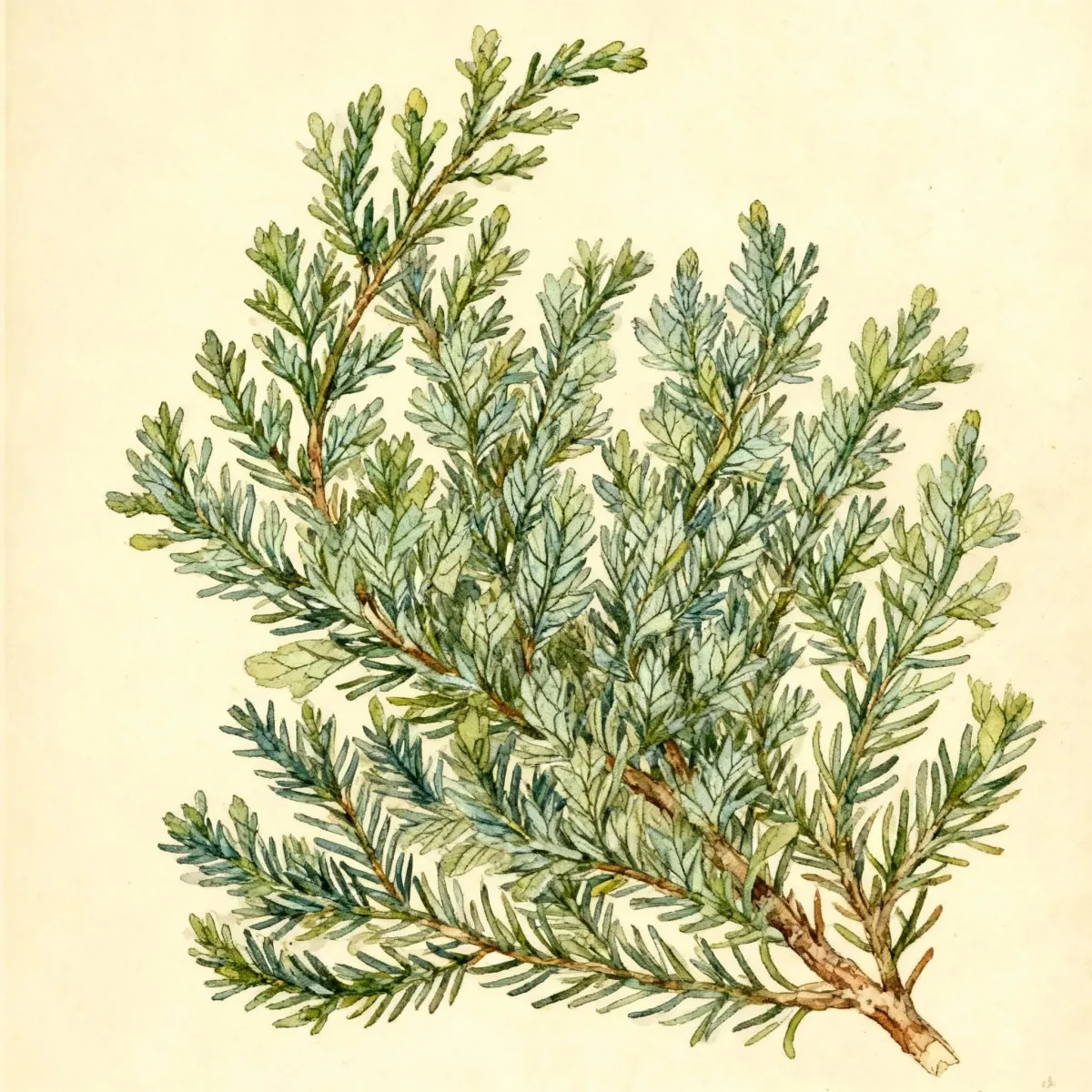
Juniperus horizontalis, commonly called creeping juniper, is a procumbent evergreen shrub that is native to Alaska, Canada and the northern U.S. From New England to New York to the Great Lakes, Wyoming and Montana. Distribution in the northern U.S. Is somewhat spotty. It is typically found growing in rocky or sandy soils including rock outcroppings, stony slopes, coastal cliffs, prairies, sand dunes and stream banks. It forms a low groundcover that generally rises to 6-18” tall but spreads by long trailing branches with abundant short branchlets to form an often-dense, 4-10’ wide mat. Foliage is primarily scale-like (adult) with some awl/needle-like (juvenile) needles appearing usually in opposite pairs. Foliage is typically green to blue-green during the growing season, but often acquires purple tones in winter. Fleshy seed cones (dark blue berries) generally mature in two years, but are often absent on cultivated plants.Genus name comes from the Latin name for the juniper.Specific epithet is in obvious reference to the horizontal branches.‘Wiltonii’ is a female cultivar noted for its excellent, dense, prostrate form, typically growing to 4-6” tall and spreading to 6-8’ wide. It features silver blue foliage that acquires purple tones in winter. This cultivar is synonymous with J. Horizontalis ‘Blue Rug’ and sometimes commonly called blue rug juniper.
Tolerances
- Deer
- Drought
- Erosion
- Dry Soil
- Shallow-Rocky Soil
- Air Pollution
Potential Problems
While generally robust, Juniperus horizontalis ‘Wiltonii’ faces sporadic challenges, most notably fungal issues if grown in poor air circulation or overly wet conditions. Junipers are notoriously susceptible to blights, which manifest as dieback on stem tips, particularly following unusually rainy or humid springs. To mitigate this, ensure superior soil drainage and prune the interior slightly to encourage airflow.
Cedar-apple rust is another common concern, as junipers host one stage of this disease cycle; look for orange, gelatinous spore masses appearing after rains, generally in spring. Monitor regularly for common pests like scale, aphids, or spider mites, managing light infestations with insecticidal soap rather than broad-spectrum chemicals, preserving beneficial insects. Overwatering is the surest way to invite root rot; always err on the side of dryness, especially in heavy clay soils.
Frequently Asked Questions
What hardiness zones is Creeping juniper suitable for?
Juniperus horizontalis ‘Wiltonii’ is remarkably adaptable, thriving across USDA Zones 3 through 9.
How large does Juniperus horizontalis ‘Wiltonii’ grow?
This Creeping juniper cultivar maintains a very low profile, reaching only 0.25 to 0.5 feet tall, but it spreads significantly, achieving a width of 6 to 8 feet.
What sun exposure does Creeping juniper need?
For the best dense color and habit, Juniperus horizontalis ‘Wiltonii’ requires full sun exposure throughout the entire day.
When does Juniperus horizontalis ‘Wiltonii’ bloom?
This plant is classified as non-flowering, meaning it does not produce conspicuous flowers. It develops small, fleshy seed cones (berries) that usually mature over two years, though they are often absent on cultivated specimens.
Conclusion
Juniperus horizontalis ‘Wiltonii’ is a premier choice for gardeners seeking a tough, low-maintenance evergreen groundcover that resists deer and drought remarkably well. The dense mat of silver-blue foliage provided by this Creeping juniper offers year-round structure and color, especially in hot, dry locations. Verify your site has full sun and excellent drainage before planting to ensure decades of reliable performance.
Companion Planting
When selecting companions for Creeping juniper, focus on plants that share its affinity for sun and dry, well-drained soil. Succulents, sedums, and various drought-tolerant ornamental grasses create beautiful textural contrasts beneath its low canopy or alongside it on a sunny bank. Low-growing thymes or low-spreading varieties of creeping Phlox can mingle effectively with the spreading habit of Juniperus horizontalis ‘Wiltonii’ without competing aggressively for root space.
Design Ideas for Slopes
Utilizing this sprawling groundcover on sloped areas offers both aesthetic appeal and critical erosion control. Plant Creeping juniper in mass blocks rather than single specimen plants; this encourages quicker coverage and creates a solid, interwoven root network that holds soil firmly against water runoff. For a dramatic effect, intersperse larger drifts of a contrasting, upright conifer or a specimen shrub near the top of the slope, framing the wide, low sweep of the blue-green mat below.