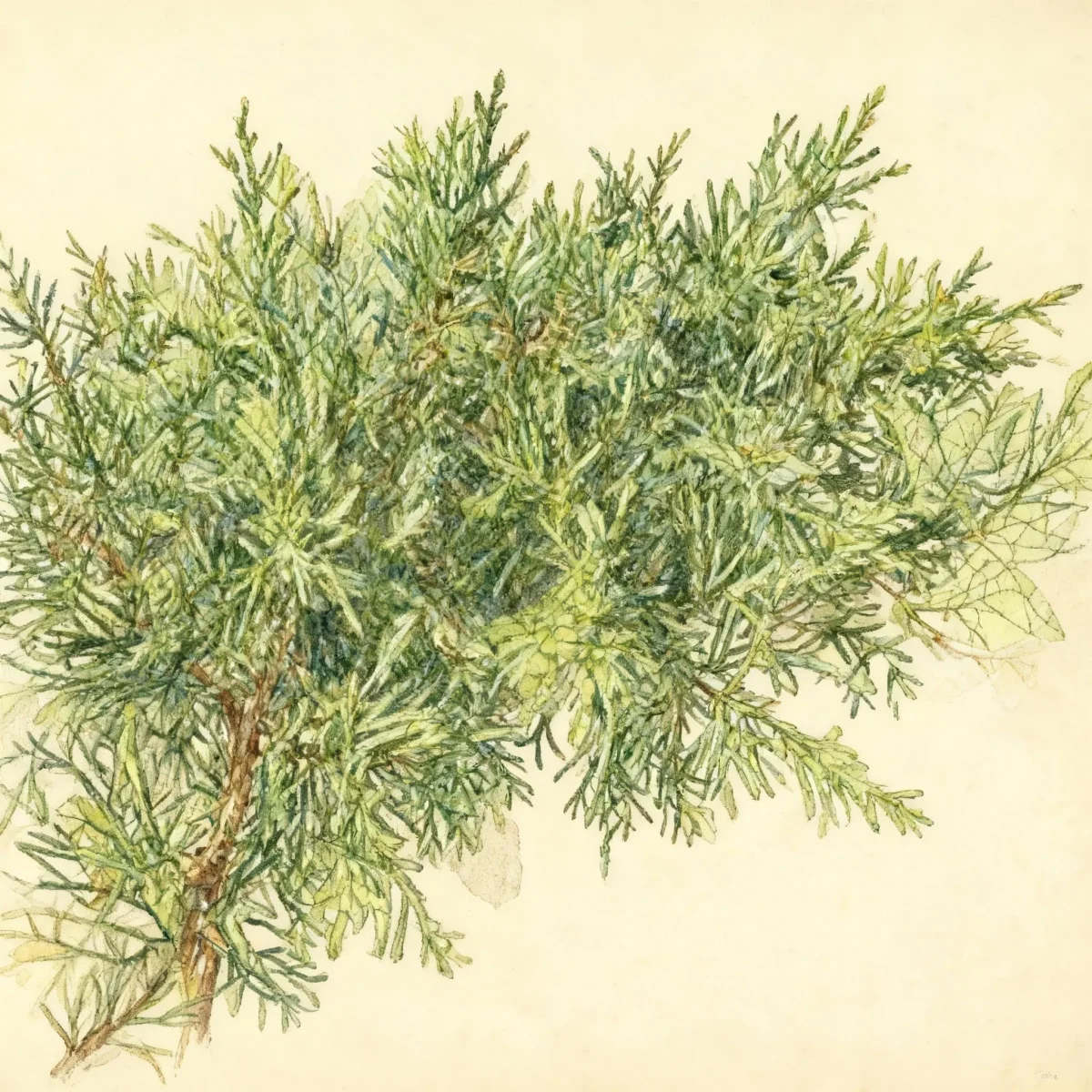
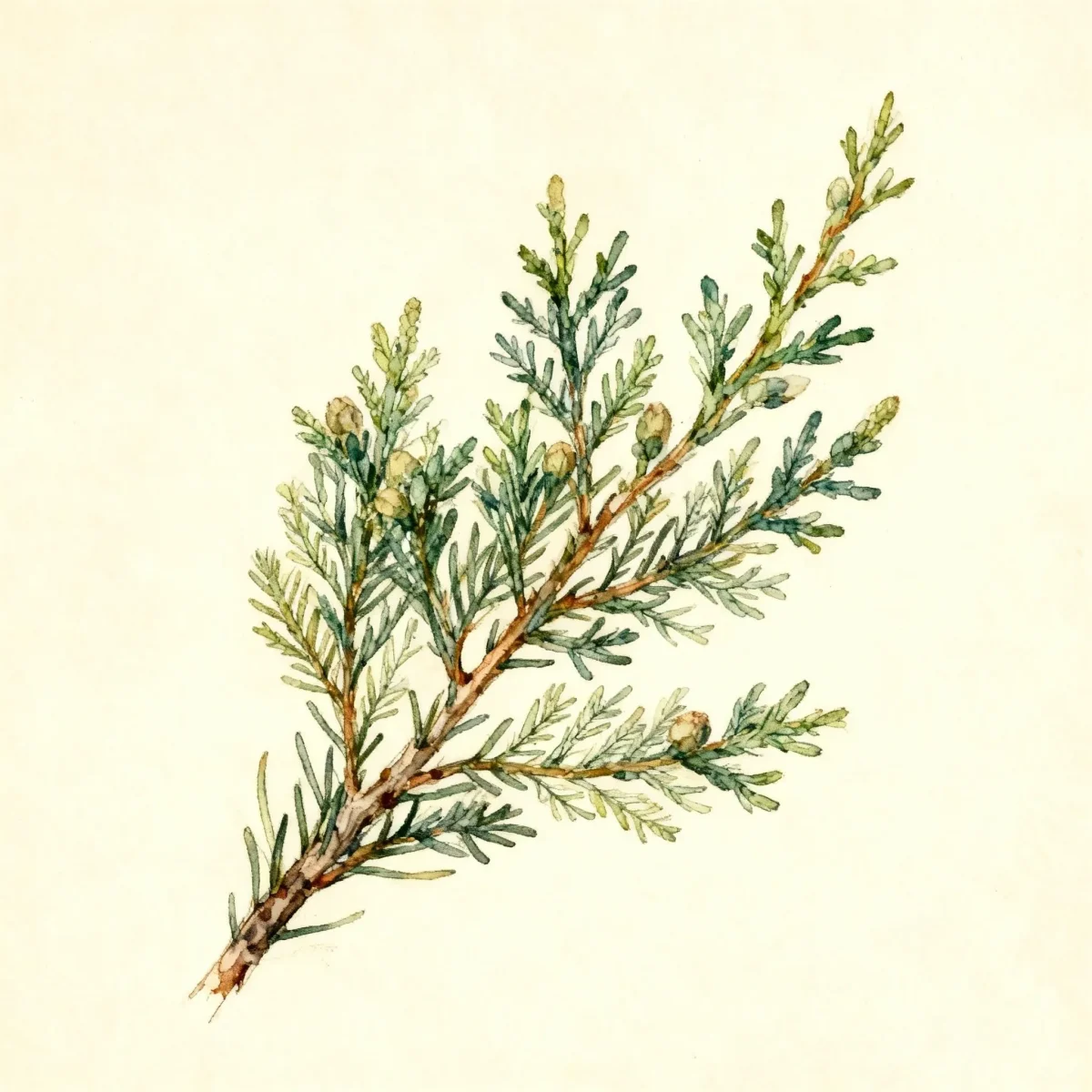
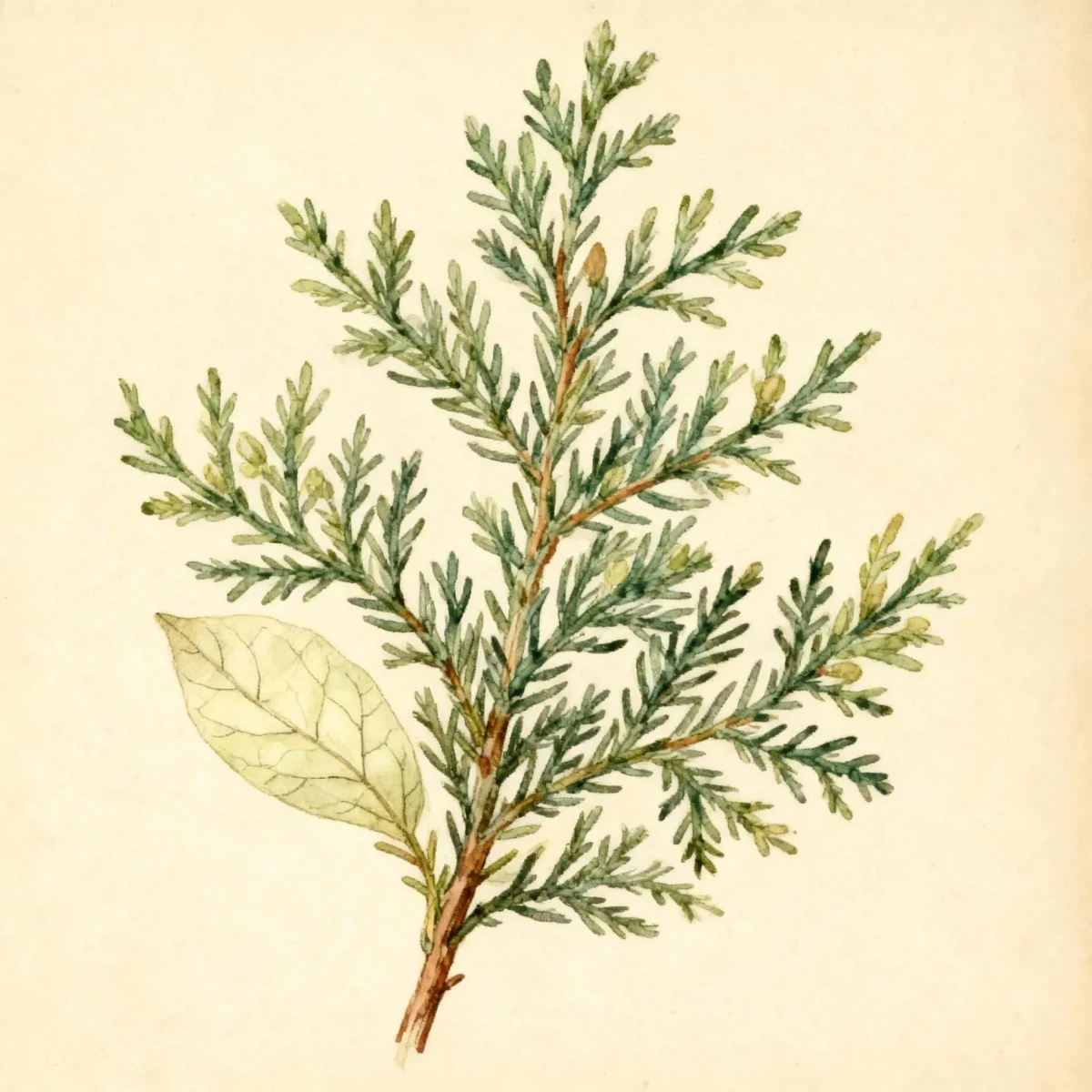
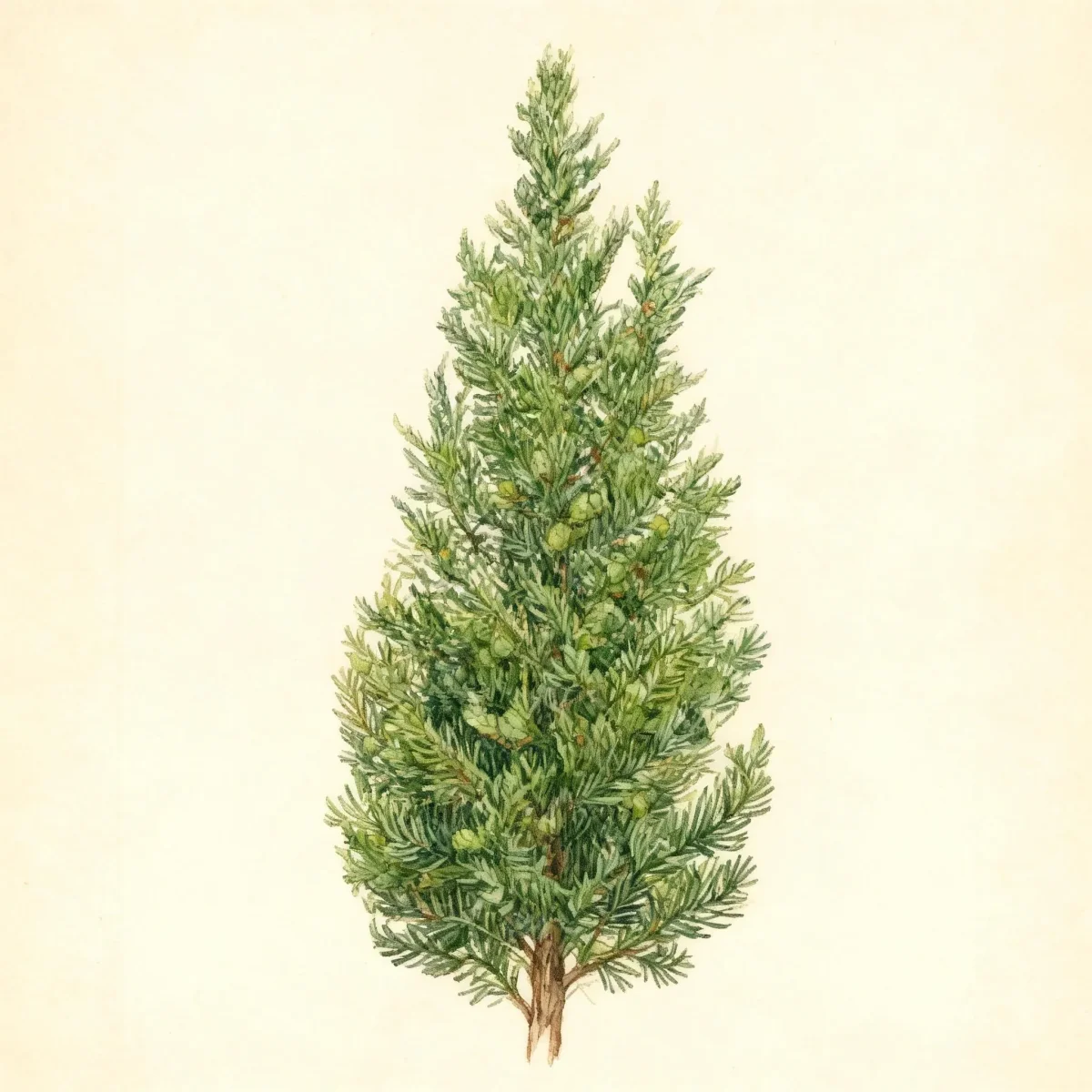
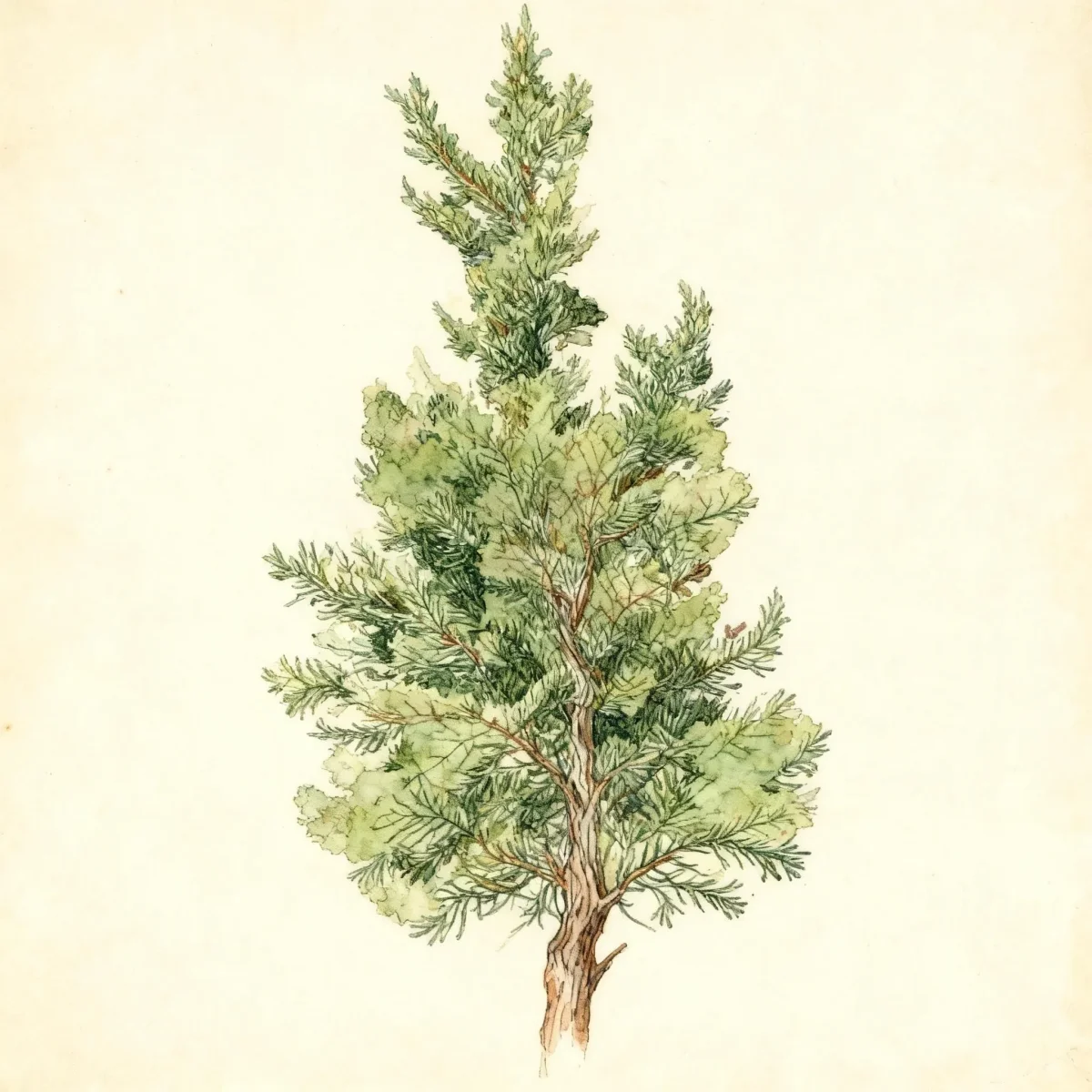
Savin juniper (Juniperus sabina 'Monard' MOOR-DENSE)
Juniperus sabina 'Monard' MOOR-DENSE is a low-spreading Savin juniper, prized for its dense, green, low-maintenance ground cover habit.
Scroll down to discover growing tips, care requirements, companion plants, and more
Complete Plant Information
Overview
Juniperus sabina ‘Monard’ MOOR-DENSE, commonly known across landscapes as Savin juniper, is an exceptional choice for gardeners seeking dense, evergreen coverage without significant vegetative height. This cultivar is specifically bred to hug the ground, offering a uniform, carpet-like texture that remains attractive year-round. Its key value lies in its extremely low-growing habit, making it a superior alternative to taller juniper selections in tight spots.
This needled evergreen thrives in uncompromising conditions, demanding low effort once established. It is known for its resilience against various soil types and environmental stresses, making the Juniperus sabina ‘Monard’ MOOR-DENSE a workhorse groundcover for difficult locations. The dense, softer foliage offers excellent seasonal interest.
Though the species plant is less frequently used ornamentally, this cultivar, ‘Monard’, presents a tidy, symmetrical form perfect for mass plantings, slopes, and areas requiring excellent erosion control. Its reliable green color and minimal care requirements secure its place as a low-maintenance staple in many sunny landscapes.
Fast Facts
- Plant Family: Cupressaceae
- Plant Type: Needled evergreen
- Hardiness Zones: USDA Zones 3-7
- Size at Maturity:
- Height: 0.5-1 ft
- Spread: 5-6 ft
- Bloom Time: Non-flowering
- Bloom Description: Non-flowering
- Sun Exposure: Full sun
- Water Needs: Medium
- Maintenance Level: Low
How to Grow
The best time to plant Juniperus sabina ‘Monard’ MOOR-DENSE is in spring or early fall when temperatures are moderate. Full sun exposure is essential for maintaining the dense, tight habit that defines this Savin juniper cultivar. It excels in average, well-drained soils but displays remarkable adaptability, tolerating clay and even limestone soils without issue. However, avoid overly wet spots, as this plant is intolerant of saturated conditions, which can lead to root rot.
Care requirements are simple, fitting its low maintenance rating. Water medium amounts during the first year to help the root system anchor effectively. Once established, this variety demonstrates good drought tolerance, requiring supplemental water only during extended dry periods. Fertilizing is rarely necessary; too much nitrogen can compromise its naturally compact structure.
Pruning should be minimal. Only trim back errant branches to maintain shape or address damage, as heavy shearing can disrupt the plant’s natural, flowing texture. This juniper variety also shows good tolerance for air pollutants, making it suitable for urban or roadside plantings where toughness is prioritized over formal aesthetics. Inspect foliage occasionally for signs of blight or pest activity common to junipers.
Landscape Uses
Juniperus sabina ‘Monard’ MOOR-DENSE is primarily utilized as an expert ground cover, rapidly spreading to cover wide areas with its dense, attractive foliage. Its low profile makes it ideal for stabilizing dry slopes and banks where other plants struggle to hold soil, directly addressing erosion control needs. Furthermore, the Savin juniper is well-suited for mass planting near foundations where a sprawling yet tidy evergreen blanket is desired.
Consider using this variety in rock gardens, allowing it to flow over stones, enhancing the naturalistic feel. In Japanese gardens, its consistent green color and spreading form provide excellent low-layer contrast to upright elements. Because it remains low, shrubs planted behind the Juniperus sabina ‘Monard’ MOOR-DENSE receive excellent visibility.
This tough juniper is rarely bothered by deer, adding another functional benefit for suburban gardens. Ensure adequate space is provided at planting, as the final five to six-foot spread of this low-hugging conifer needs room to colonize its intended area unimpeded.
Standout Features
Noteworthy Characteristics
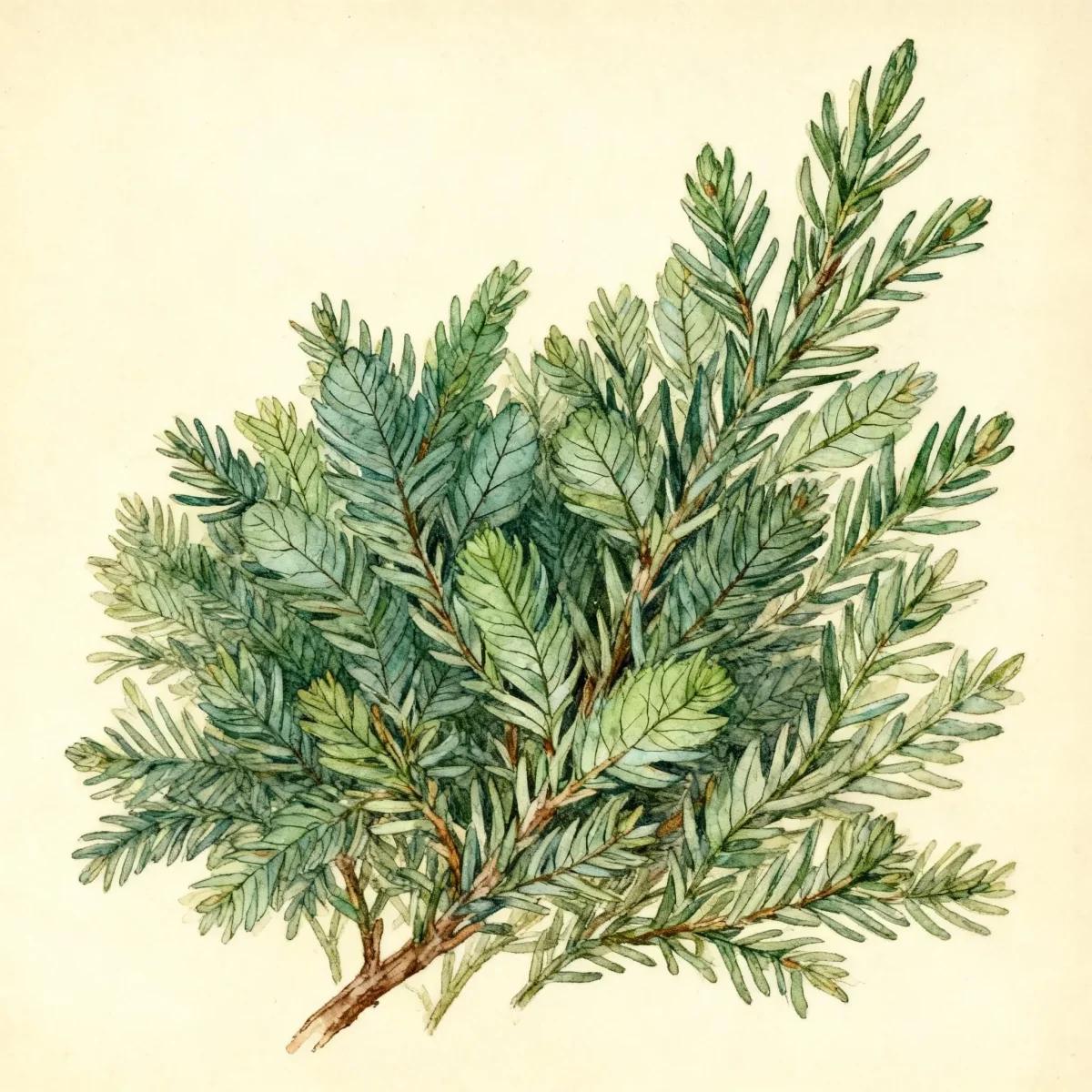
Juniperus sabina, commonly known as savin juniper, is a shrubby evergreen conifer native to mountain areas of central and southern Europe to the Caucusus, typically growing as a spreading shrub in the wild. Characterized by dark green foliage that lacks winter purplish coloration, the crushed leaves release an unpleasant aroma. The dwarf, low-spreading cultivar ‘Monard’ MOOR-DENSE typically grows only 8-12 inches tall but spreads 5-6 feet wide, exhibiting denser, softer foliage and a more prostrate habit compared to its relatives. Foliage remains attractive throughout the entire year, providing reliable evergreen structure.
Tolerances
- Deer
- Drought
- Erosion
- Dry Soil
- Shallow-Rocky Soil
- Air Pollution
Potential Problems
Savin junipers generally face susceptibility to tip and needle blights, and cedar-apple rust can be an issue as junipers host one stage of its life cycle. Root rot remains a critical concern if the plant is situated in poorly drained or consistently wet soils, directly contradicting its preference for well-drained sites. Canker may appear, attacking bark or main stems, requiring immediate pruning of affected parts.
Common insect pests to monitor include scale, aphids, borers, bagworms, and webworms, in addition to potential spider mite infestations. Despite general juniper vulnerabilities, the Juniperus sabina ‘Monard’ MOOR-DENSE cultivar is specifically noted for having good resistance to juniper blight, which simplifies maintenance considerably. Promptly remove any diseased or infested material to prevent further spread.
Frequently Asked Questions
What hardiness zones is Savin juniper suitable for?
Juniperus sabina ‘Monard’ MOOR-DENSE is hardy and adaptable across USDA Zones 3 through 7.
How large does Juniperus sabina ‘Monard’ MOOR-DENSE grow?
This low-spreading cultivator typically reaches a mature height between 0.5 and 1 foot, while spreading widely between 5 and 6 feet wide.
What sun exposure does Savin juniper need?
This evergreen requires full sun exposure to maintain its dense, ground-hugging appearance.
When does Juniperus sabina ‘Monard’ MOOR-DENSE bloom?
This plant is non-flowering; it produces no ornamental flowers, focusing its energy on evergreen foliage.
Conclusion
The Juniperus sabina ‘Monard’ MOOR-DENSE is an invaluable, low-maintenance needled evergreen, highly regarded for its dense, ground-hugging habit and exceptional tolerance for dry, poor soils. Whether stabilizing slopes or providing year-round texture as a robust Savin juniper ground cover, this cultivar delivers reliable performance. Ensure you place this plant in a sunny spot with good drainage, and confirm that USDA Zones 3-7 align with your region before seasonal planting.
Companion Planting
Choosing companions for Juniperus sabina ‘Monard’ MOOR-DENSE involves selecting plants that share its preference for full, hot sun and well-drained soil. Pair it with other low-maintenance, drought-tolerant plants like Sedum groundcovers or low-growing ornamental grasses. These combinations work well in rock gardens or xeriscaped areas, as they won’t object to the drier conditions once the Savin juniper matures.
For visual contrast against the flat, spreading habit of the Juniperus sabina ‘Monard’ MOOR-DENSE, consider upright, structural elements. Plants like Russian Sage or certain upright lavender varieties offer contrasting vertical accents and complementary textures, creating depth in the landscape border.
Seasonal Care Calendar
Spring care focuses on inspection; check for winter damage and prune out any dead wood from the previous season before new growth hardens off. Early season feeding, though often unnecessary, should only be applied lightly if nutrients are demonstrably absent from the soil.
Summer maintenance revolves around monitoring water needs, especially during establishment. While drought tolerant, a deep watering during prolonged heat waves benefits the evergreen, though it hates consistently wet feet. Avoid heavy pruning in summer, as this can expose interior foliage to sunburn.
Fall is the best time to plant Juniperus sabina ‘Monard’ MOOR-DENSE, allowing roots to settle before winter dormancy. In colder reaches of Zones 3 and 4, provide a deep watering just before the ground freezes to ensure the evergreen foliage enters winter fully hydrated, minimizing desiccation risk.