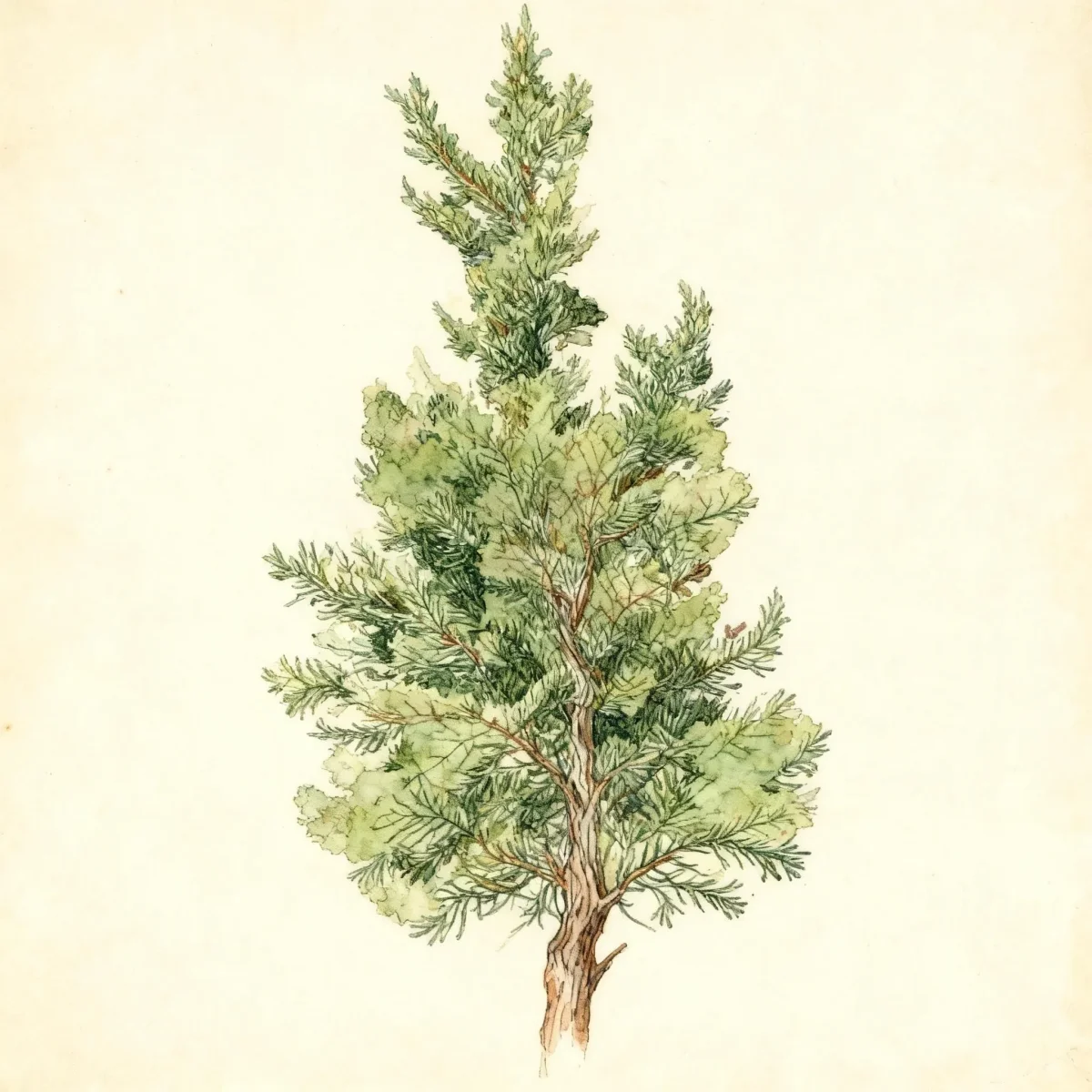
Savin juniper (Juniperus sabina 'Skandia')
Juniperus sabina 'Skandia' is a tough, low-spreading Savin juniper ideal for ground cover in full sun. Extremely adaptable and low maintenance.
Scroll down to discover growing tips, care requirements, companion plants, and more
Complete Plant Information
Overview
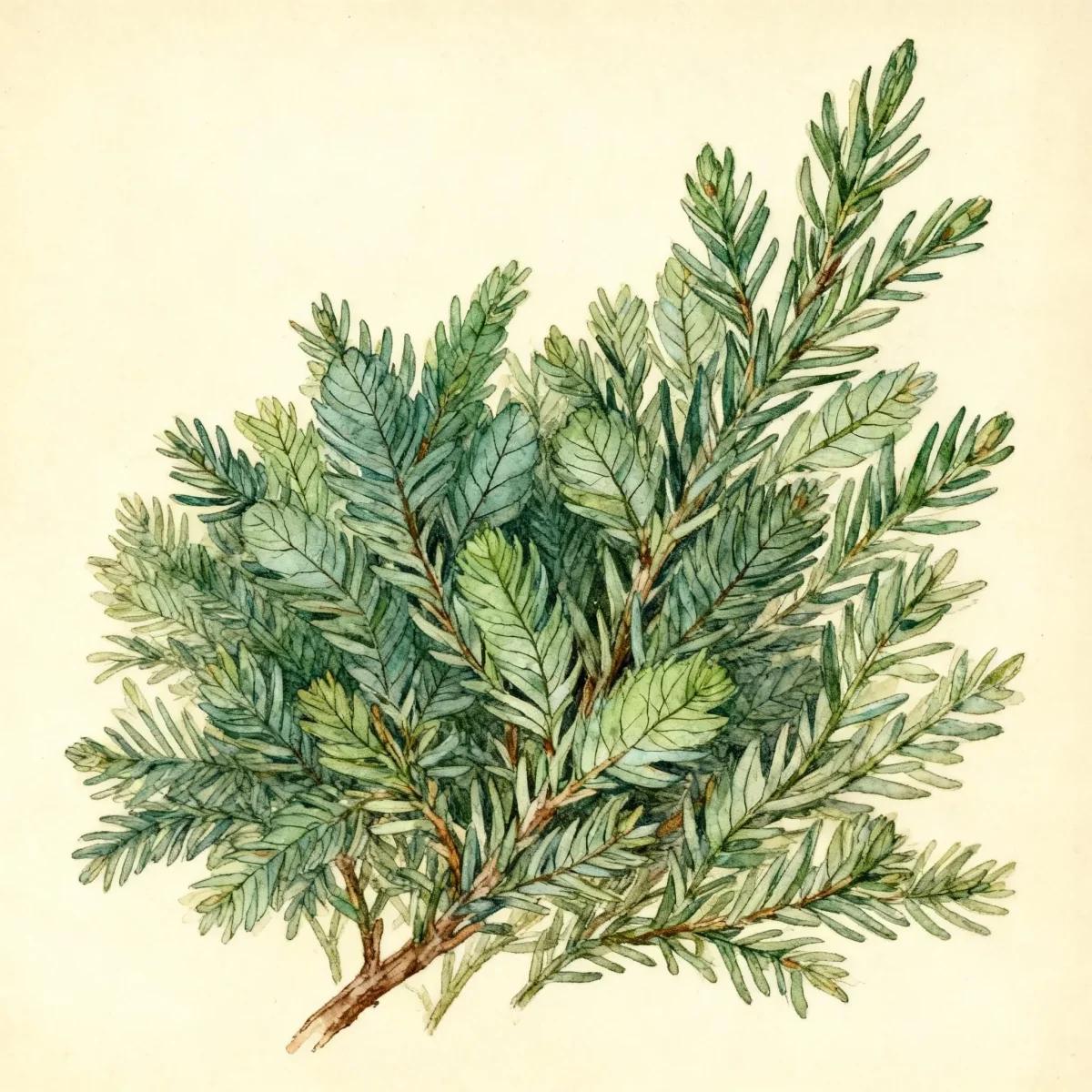
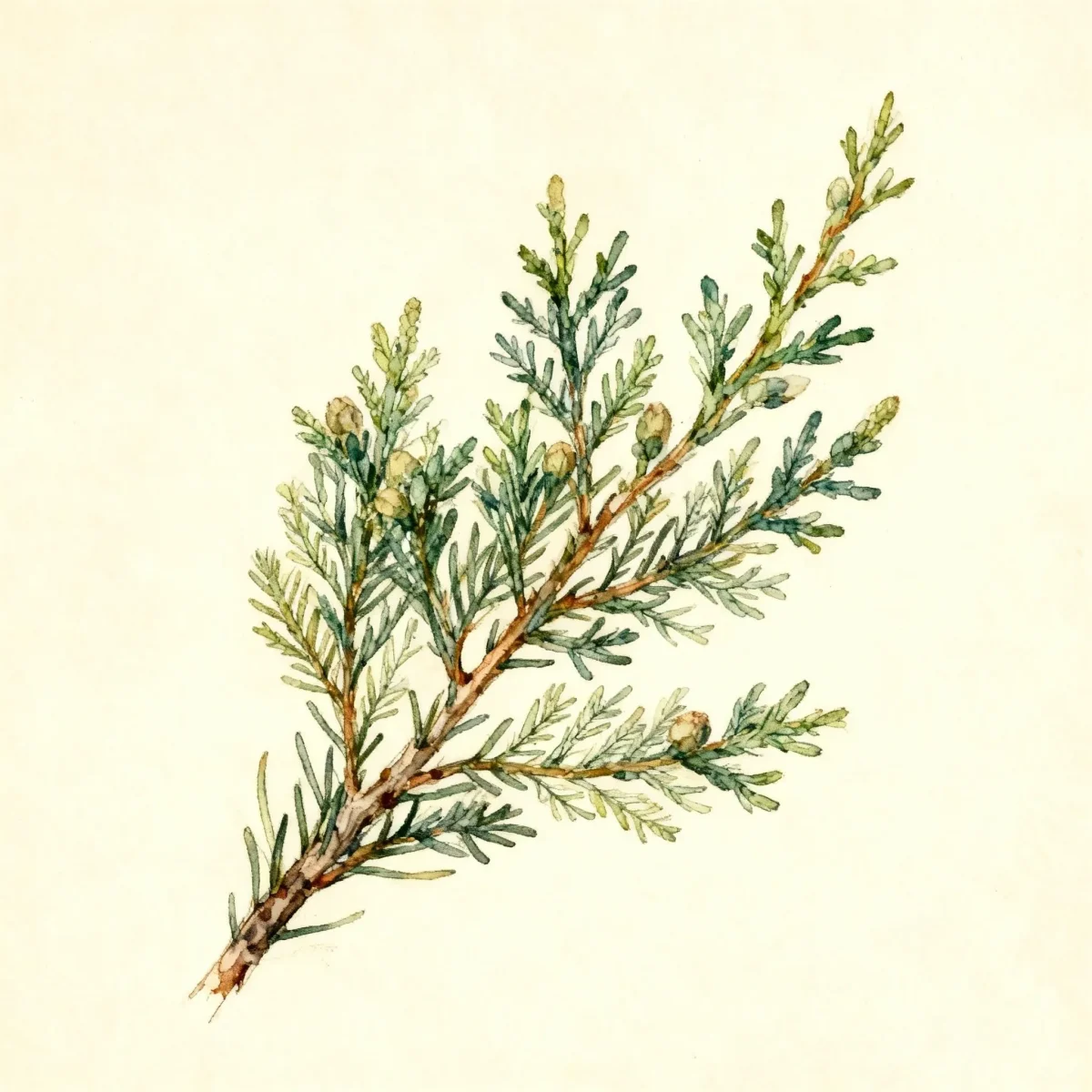
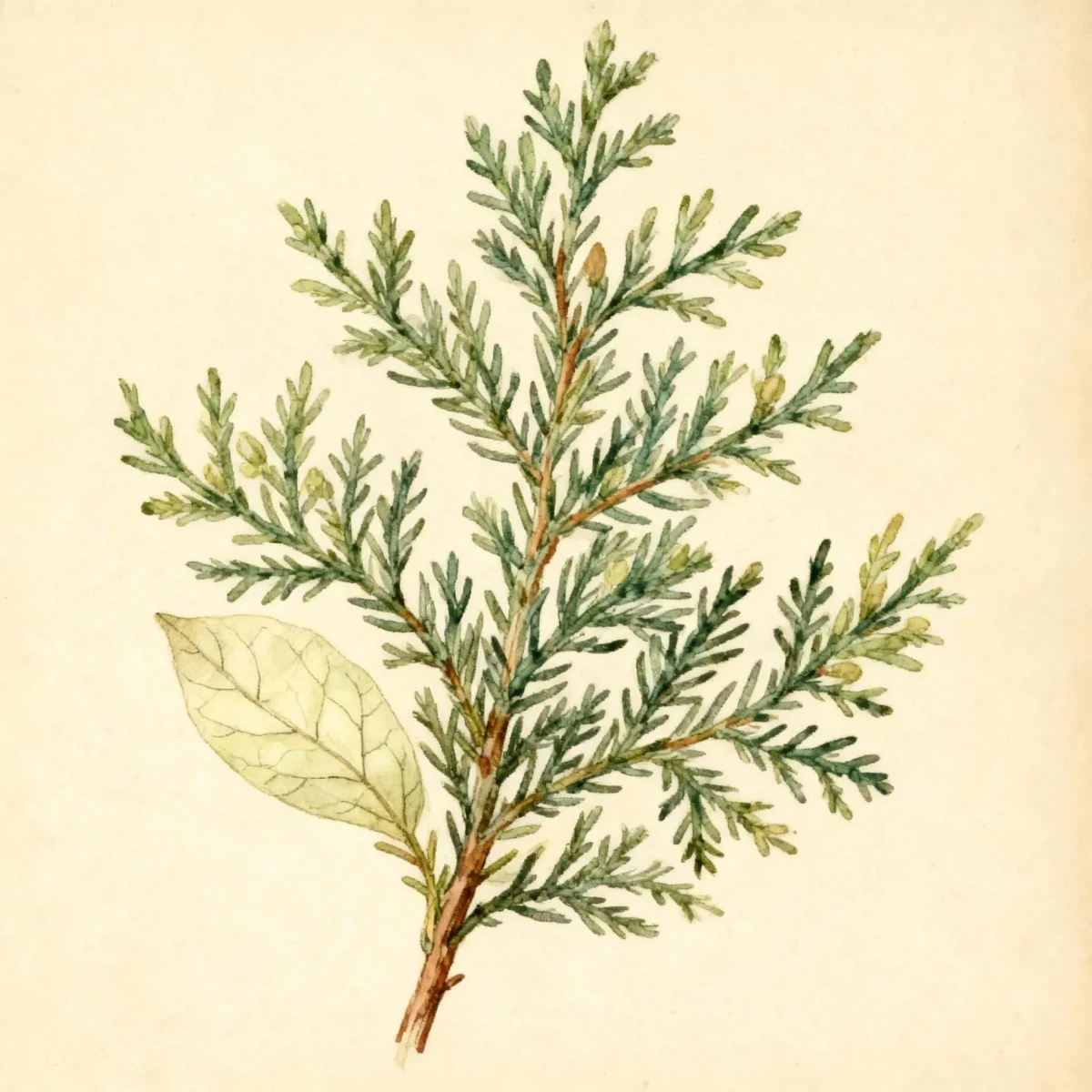
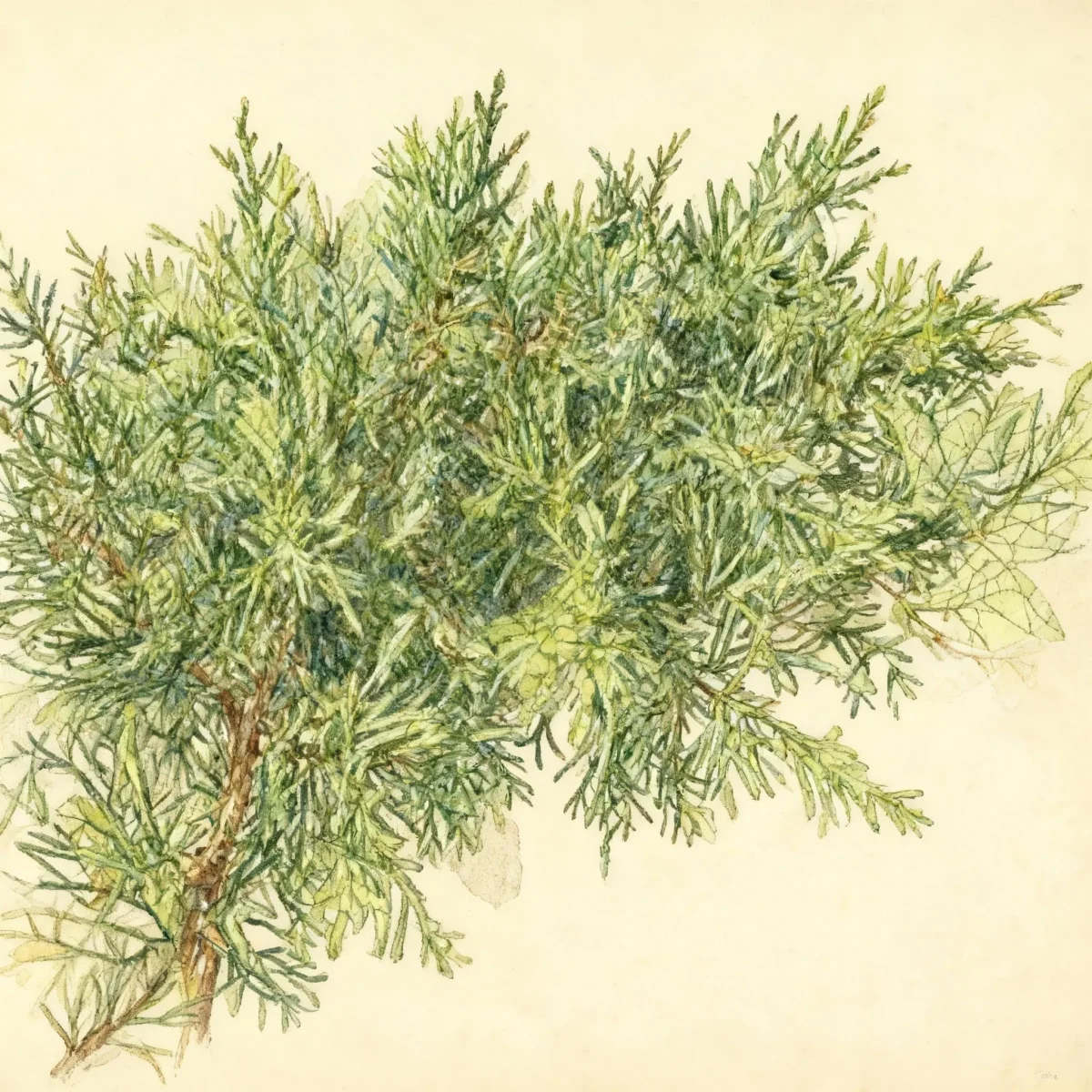
The Juniperus sabina ‘Skandia’, commonly known as Savin juniper, is a highly valued, exceptionally hardy, dwarf evergreen conifer. This variety is prized in the landscape for its dense, spreading habit, making it an excellent choice for low-maintenance ground cover solutions where other plants struggle. Its soft, pale gray-green needles maintain good color throughout the winter months.
As a prostrate evergreen, the Savin juniper offers exceptional functional benefits, particularly on slopes where its widespread root system helps stabilize soil and prevent erosion. It thrives in challenging conditions, demanding little water once established and tolerating a wide range of soil types, provided drainage is adequate.
Gardeners rely on Juniperus sabina ‘Skandia’ for its structural backbone and adaptability. While the crushed foliage of the species can be aromatic, this cultivar provides year-round texture and structure with very low input. Incorporating this tough evergreen ensures reliable landscape coverage for years to come.
Fast Facts
- Plant Family: Cupressaceae
- Plant Type: Needled evergreen
- Hardiness Zones: USDA Zones 3-7
- Size at Maturity:
- Height: 1-1.5 ft
- Spread: 8-10 ft
- Bloom Time: Non-flowering
- Bloom Description: Non-flowering
- Sun Exposure: Full sun
- Water Needs: Medium
- Maintenance Level: Low
How to Grow
For optimal establishment, plant Juniperus sabina ‘Skandia’ in the spring or fall, allowing it time to establish its root system before extreme weather. This variety demands full sun for the best density and color; insufficient light will result in sparse growth. It is incredibly adaptable, succeeding easily in average soils, including clay and limestone varieties.
Care for the Savin juniper is minimal following the first growing season. Water mediumly to establish the plant, ensuring the soil drains well, as this juniper is intolerant of standing water and wet soils. Once established, it tolerates significant drought, reducing the need for supplemental irrigation. Fertilization is rarely necessary unless the soil is extremely poor.
Pruning requirements are low for Juniperus sabina ‘Skandia’ due to its naturally compact, spreading form, which rarely exceeds 1.5 feet in height. Pruning should primarily focus on removing any dead or damaged wood in early spring. Be aware that this plant is tough enough to handle pollution, making it a reliable choice for harsh urban or industrial settings.
Landscape Uses
The primary role of the Juniperus sabina ‘Skandia’ in landscaping is as premier ground cover, effectively suppressing weeds and stabilizing banks. Its wide spread and low profile allow it to cascade nicely over retaining walls or along foundation plantings where taller shrubs might obscure architecture. Grouping several Savin junipers creates a sweeping, uniform blanket of evergreen texture.
Beyond simple coverage, the low, spreading form lends itself well to Japanese-style gardens or large rock gardens, providing essential evergreen structure throughout the winter months. It also performs admirably as a low, informal hedge where a formal sheared hedge is undesirable. Its tolerance for dry, shallow, and rocky soils means it can be incorporated into difficult terrain where other woody ornamentals fail.
Standout Features
Noteworthy Characteristics
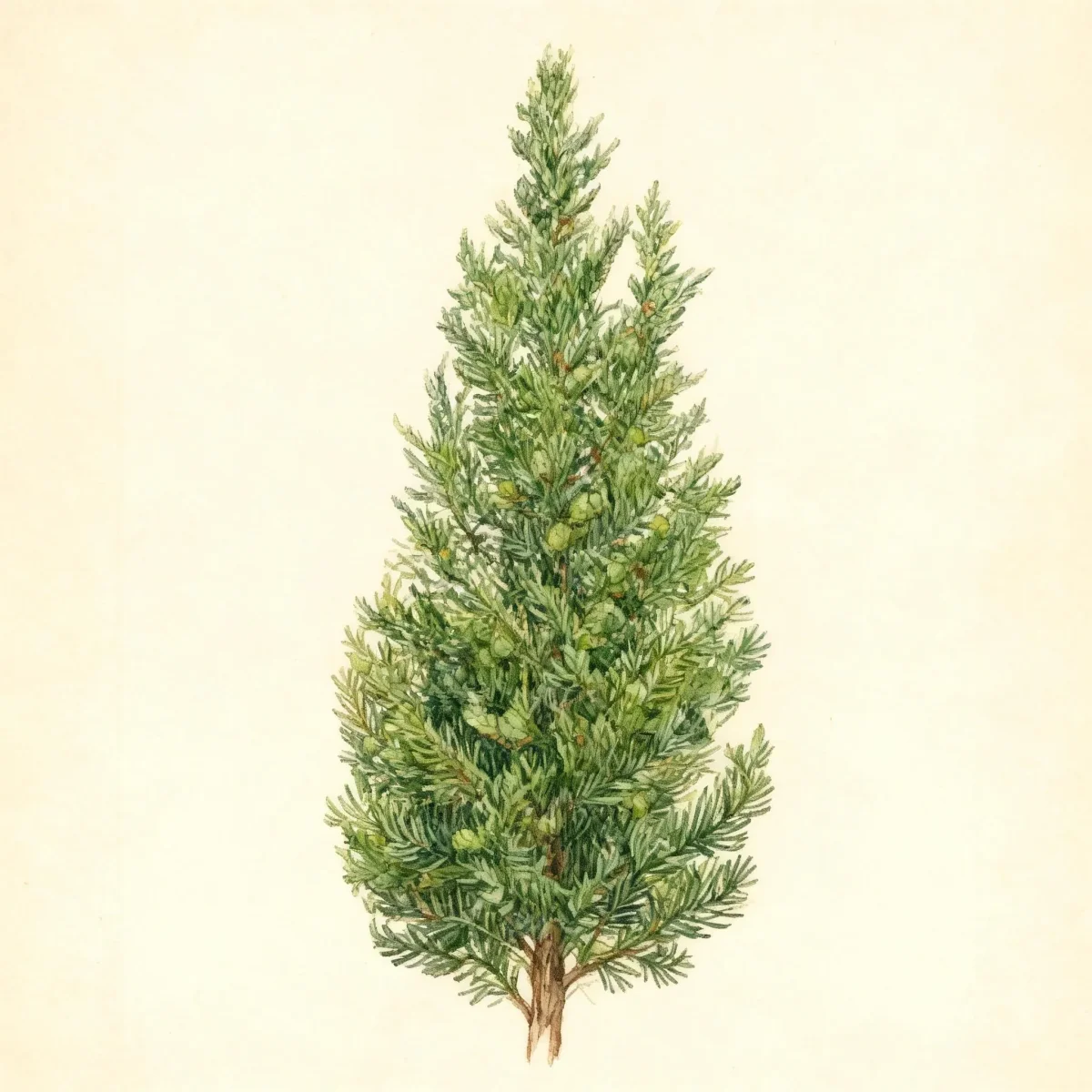
Juniperus sabina, commonly known as savin juniper, is a shrubby evergreen conifer that is native to mountain areas of central and southern Europe to the Caucusus. ‘Skandia’ is specifically a dwarf, prostrate, low-spreading cultivar that typically reaches only 12-18 inches tall but spreads robustly across 8 to 10 feet. It features soft, pale gray-green foliage, which is mostly needle-like, and crucially, retains good color even during the winter season.
Tolerances
- Deer
- Drought
- Erosion
- Dry Soil
- Shallow-Rocky Soil
- Air Pollution
Potential Problems
Savin junipers, including Juniperus sabina ‘Skandia’, can be susceptible to various fungal issues, most notably tip and needle blights, which cause browning dieback. Cedar-apple rust is another potential concern, as junipers act as an alternate host for part of the rust fungus life cycle. To mitigate fungal disease, ensure excellent air circulation and avoid overhead watering, especially late in the day.
Root rot remains a significant threat, stemming directly from the plant’s intolerance for wet, poorly drained soils. Canker, a bark disease, may also appear, sometimes targeting areas damaged by freezing or improper pruning. While general juniper pests like scale, aphids, and spider mites can occur, the ‘Skandia’ cultivar is noted for having better resistance to juniper blight than some other varieties.
Frequently Asked Questions
What hardiness zones is Savin juniper suitable for?
Juniperus sabina ‘Skandia’ is highly cold-tolerant, thriving in USDA Hardiness Zones 3 through 7. Ensure your location falls within this range for reliable year-round performance.
How large does Juniperus sabina ‘Skandia’ grow?
This low-spreading cultivar typically maxes out at 1 to 1.5 feet tall, but it spreads significantly wider, reaching 8 to 10 feet in width, making it a fantastic horizontal accent.
What sun exposure does Savin juniper need?
This evergreen requires full sun to maintain its dense habit and color quality, although it can tolerate very light afternoon shade if necessary.
When does Juniperus sabina ‘Skandia’ bloom?
This plant is categorized as non-flowering; as a conifer, it produces cones rather than true flowers, offering functional year-round visual interest instead of seasonal blooms.
Conclusion
The Juniperus sabina ‘Skandia’ stands out as an immensely adaptable and visually reliable evergreen ground cover, offering excellent erosion control and winter color with minimal effort. Its tolerance for tough soils and drought makes the Savin juniper a cornerstone plant for large-scale, low-maintenance landscapes. Before planting, confirm your site receives full sun and has well-draining conditions to maximize the beauty of your Juniperus sabina ‘Skandia’.
Companion Planting
When selecting companions for Juniperus sabina ‘Skandia’, focus on plants that thrive in similar full-sun conditions and prefer sharp drainage. Consider pairing it with lower-growing, drought-tolerant sedums or creeping thyme for textural contrast along paths or rockeries. Taller ornamental grasses planted behind masses of this juniper will provide movement that contrasts nicely with its static, dense form.
In foundation plantings, avoid moisture-loving perennials near the Savin juniper, as overwatering its neighbors could inadvertently cause root rot in the juniper. Plants that enjoy lean soil, such as certain varieties of coneflowers or ornamental alliums, make excellent partners, as they share the low fertility and sun requirements of this hardy juniper.
Seasonal Care Calendar
Spring is the best time to inspect your Juniperus sabina ‘Skandia’ for any winter damage, trimming out small areas of blight or damaged stems right before new growth begins. This is also the ideal time for a light application of balanced, slow-release fertilizer if soil tests indicate a need, though it is often unnecessary.
Summer care centers entirely around monitoring established plants for drought stress, although this juniper is quite resistant. For new plantings, maintain a consistent, medium moisture level. Summer heat can exacerbate fungal development, so ensure good air circulation around all foliage surfaces.
Prepare for winter by ensuring the plant is adequately watered before the ground freezes; this is crucial for any evergreen’s survival during cold, dry winters. Avoid heavy pruning in late fall, as this can encourage tender new growth that may be damaged by winter cold or wind burn.