Japanese garden juniper (Juniperus procumbens 'Green Mound')
Juniperus procumbens 'Green Mound', the Japanese garden juniper, is a low-maintenance, sprawling needled evergreen perfect for ground cover in full sun.
Scroll down to discover growing tips, care requirements, companion plants, and more
Complete Plant Information
Overview
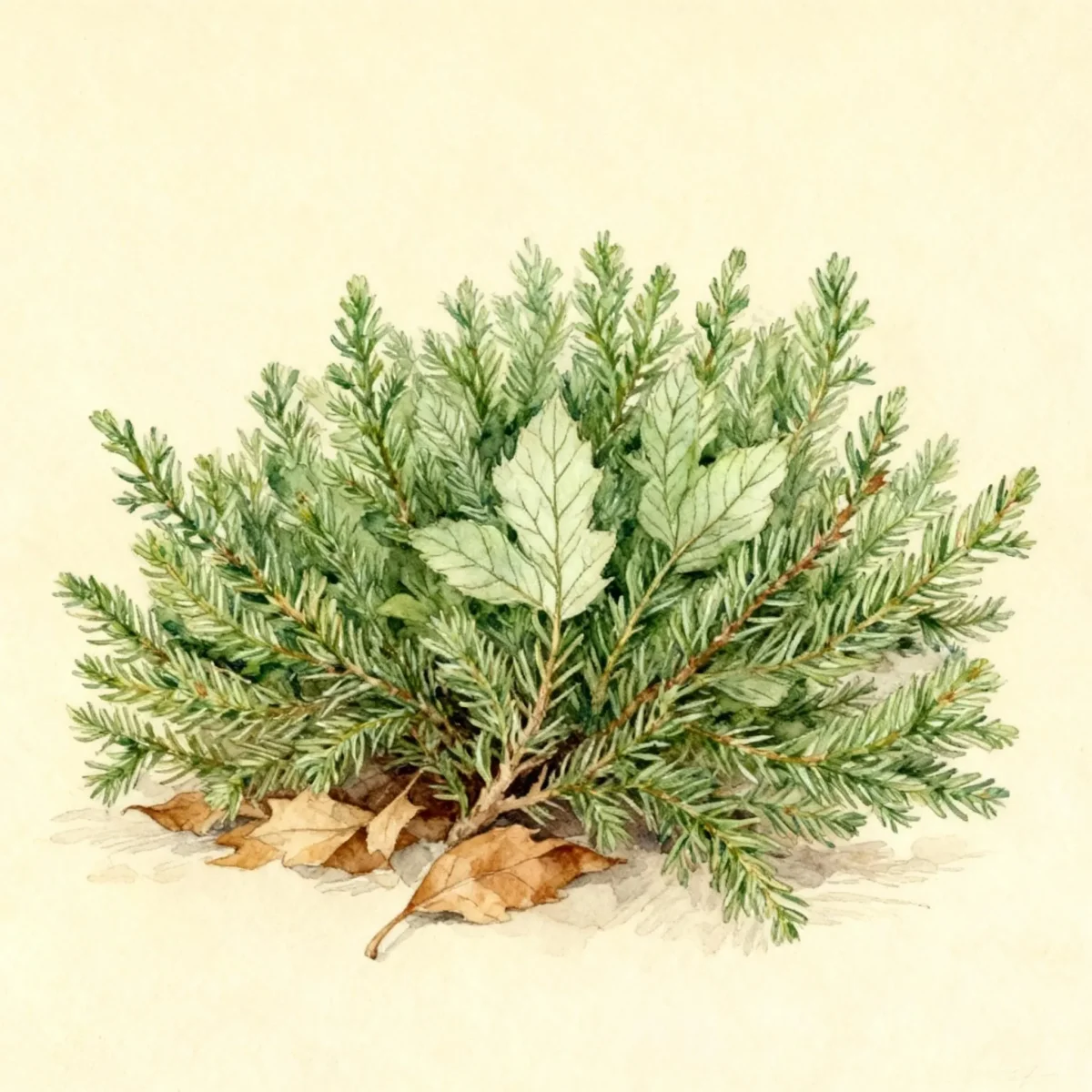
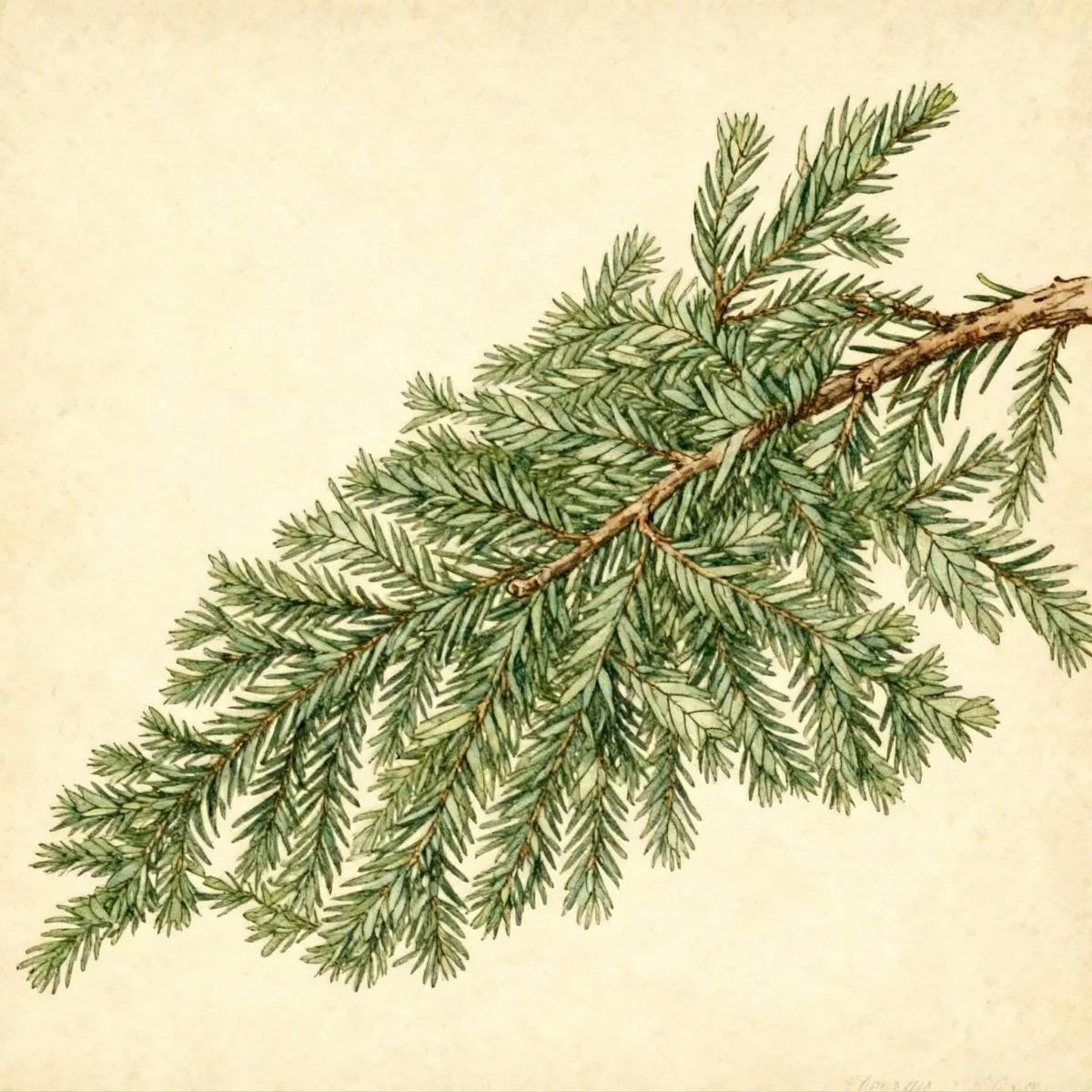
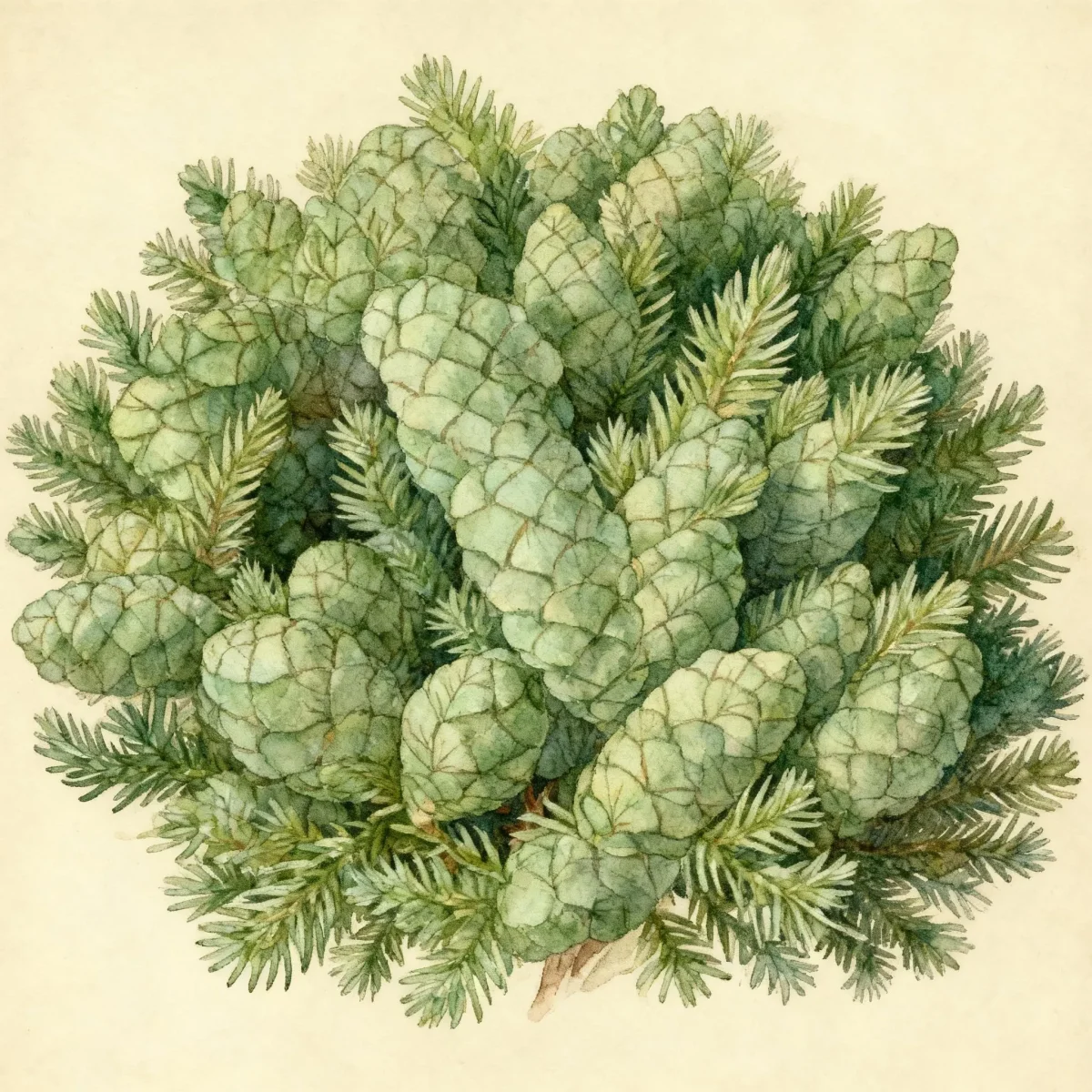
The Juniperus procumbens ‘Green Mound’, widely known as the Japanese garden juniper, is a highly valued, low-growing, procumbent shrub celebrated for its dense, carpet-like evergreen foliage. This variety distinguishes itself by maintaining a flat, rug-like habit without developing a central hump, making it an excellent choice for extensive ground coverage in sunny landscapes. It provides year-round texture and color, thanks to its appealing blue-green to gray-green needles.
This needled evergreen is exceptionally tough once established, thriving in challenging conditions where many other ornamentals struggle. Its adaptability to poor soils and high heat makes the Juniperus procumbens ‘Green Mound’ a reliable workhorse for difficult sites that receive full daytime sun. For gardeners seeking a sprawling texture that requires minimal ongoing care, this cultivar offers substantial aesthetic rewards with low maintenance input.
This Japanese garden juniper spreads slowly via long trailing branches, forming a very dense mat over time, which effectively suppresses weeds while stabilizing slopes. Its resilience to drought and pollution further cements its status as a premier foundational or mass planting evergreen for contemporary or traditional garden designs.
Fast Facts
- Plant Family: Cupressaceae
- Plant Type: Needled evergreen
- Hardiness Zones: USDA Zones 4-9
- Size at Maturity:
- Height: 0.5-0.75 ft
- Spread: 4-6 ft
- Bloom Time: Non-flowering
- Bloom Description: Non-flowering
- Sun Exposure: Full sun
- Water Needs: Medium
- Maintenance Level: Low
How to Grow
The ideal time to plant Juniperus procumbens ‘Green Mound’ is typically in the spring or fall when temperatures are moderate, allowing the roots to establish before extreme weather hits. Locate this plant where it will receive full sun exposure throughout the day, which is crucial for maintaining its dense, tight growth habit. While it adapts to various soils, this particular juniper thrives best in average, medium-moisture, well-drained soils, ideally preferring something on the drier, sandy side rather than heavy clay.
Water moderately during the initial establishment period, ensuring the soil dries slightly between waterings. Once established, the Japanese garden juniper displays significant drought tolerance due to its preference for drier conditions. Fertilization is rarely necessary; however, if growth appears stunted in very poor soils, a balanced, slow-release fertilizer applied in early spring can provide a slight boost within its low-maintenance requirements.
Pruning is usually minimal for Juniperus procumbens ‘Green Mound’ since its natural form is the desired low carpet. Focus efforts mainly on removing any dead or damaged stem tips to maintain air circulation, especially after wet spring periods that might encourage blights. Avoid letting the plant sit in persistently wet or waterlogged soil, as this quickly leads to root rot issues.
Landscape Uses
Juniperus procumbens ‘Green Mound’ excels as a functional and aesthetic ground cover, especially in tough situations. Its low stature and sprawling habit make it perfect for cascading over retaining walls, softening the edges of hardscapes, or covering large, sunny slopes where mowing is impractical. Use it liberally in mass plantings to create a sweeping river or blanket of deep green texture.
This versatile plant serves equally well near structural elements. Its ability to tolerate poor soils makes it an excellent choice near foundations where drainage might be imperfect or where runoff collects. For rock gardens, the dense, spreading nature of the Japanese garden juniper weaves beautifully between stones, providing year-round color contrast against hard, neutral surfaces.
Because it handles heat and dryness so well, pair this juniper with other drought-tolerant companions like ornamental grasses, Sedum varieties, or certain drought-tolerant perennials that enjoy full sun. Its sprawling nature means it functions best in the foreground, allowing taller shrubs or perennials to provide vertical interest behind it.
Standout Features
Noteworthy Characteristics
Juniperus procumbens, commonly called Japanese garden juniper, is a dwarf, procumbent, shrubby ground cover that grows 8-18” (sometimes to 24”) tall and spreads over time by long trailing branches to form a dense mat 10-15’ wide. It is native to Japan. Growth is somewhat slow, typically taking 10 years to spread 10 feet. The cultivar ‘Green Mound’ is valued because it forms a soft, rug-like carpet of evergreen foliage which does not hump up in the middle like some other cultivars.
Tolerances
- Deer
- Drought
- Erosion
- Dry Soil
- Shallow-Rocky Soil
- Air Pollution
Potential Problems
While generally robust, root rot is a significant concern if Juniperus procumbens ‘Green Mound’ is planted in heavy, poorly drained, wet soils. Prevention involves ensuring excellent soil drainage before installation. Junipers are also susceptible to various blights, such as Phomopsis twig blight, which manifests as dieback on stem tips, especially following overly wet springs. Regularly inspect the foliage and prune out any blighted tips immediately to prevent spread.
Cedar-apple rust diseases can sometimes utilize junipers as one of their alternate hosts, leading to noticeable orange, gelatinous spore masses in the spring rain. While manageable, vigilance against occasional pests like spider mites, scale, or aphids is recommended, particularly on mature plants where interior foliage dieback can occur. Keeping the plant vigorous and avoiding site stress will minimize pest and disease outbreaks.
Frequently Asked Questions
What hardiness zones is Japanese garden juniper suitable for?
The Juniperus procumbens ‘Green Mound’ is hardy and adaptable, suitable for growing across USDA Zones 4 through 9.
How large does Juniperus procumbens ‘Green Mound’ grow?
This ground cover typically reaches a height between 0.5 and 0.75 feet, but it can spread quite wide, spanning 4 to 6 feet across at maturity.
What sun exposure does Japanese garden juniper need?
Juniperus procumbens ‘Green Mound’ requires full sun to maintain its dense, desirable form throughout the growing season.
When does Japanese garden juniper bloom?
The Japanese garden juniper is a non-flowering needled evergreen and does not produce noticeable ornamental flowers or fruit on most cultivated specimens.
Conclusion
The Juniperus procumbens ‘Green Mound’ remains an outstanding selection for gardeners needing low, spreading evergreen cover that thrives on adversity, particularly heat and dryness. Its beautiful, flat habit truly defines the Japanese garden juniper aesthetic where structure and resilience are paramount. Before planting, ensure your chosen location provides full sun and well-drained soil to guarantee the long-term success of this dependable cultivar.
Companion Planting
When selecting companions for Juniperus procumbens ‘Green Mound’, focus on plants that share its love for full sun and excellent drainage. Mixing textures is rewarding; pair the fine, needle-like foliage of the juniper with coarser, broadleaf perennials that tolerate dry spells. Good choices include ornamental grasses like Miscanthus varieties that are slow-growing, or shorter, mat-forming ground covers like certain creeping Phlox species that bloom in spring, giving you sequential color interest.
Avoid moisture-loving plants immediately adjacent to this juniper, as they can inadvertently create the damp microclimate that the juniper actively dislikes. Since the Japanese garden juniper has a slow growth rate, ensure companions chosen for height won’t quickly overwhelm it before it establishes its full spread. Low-growing Sedums and hardy Coreopsis are excellent partners that complement its structure without competing aggressively for space near the ground.
Design Ideas for Slopes and Rockeries
Utilizing Juniperus procumbens ‘Green Mound’ on slopes capitalizes on its exceptional erosion control capabilities. Planted in a grid pattern, its spreading nature will quickly knit the soil together, preventing surface runoff and soil loss while creating a seamless green tapestry. Allow the branches near the edge of the slope to cascade naturally over retaining walls for a soft, flowing architectural element contrasting with hard stone.
In rock gardens, deploy the ‘Green Mound’ cultivar to soften sharp angles and fill the spaces between boulders. Its year-round green color acts as a stabilizing backdrop for seasonal perennials and bulbs. Because it remains so low to the ground, it never obscures important rock features or desirable view lines, letting the underlying hardscape shine through its evergreen needles.