Japanese garden juniper (Juniperus procumbens 'Nana')
Juniperus procumbens 'Nana', the Japanese garden juniper, is a valuable dwarf evergreen ground cover thriving in full sun and dry soils.
Scroll down to discover growing tips, care requirements, companion plants, and more
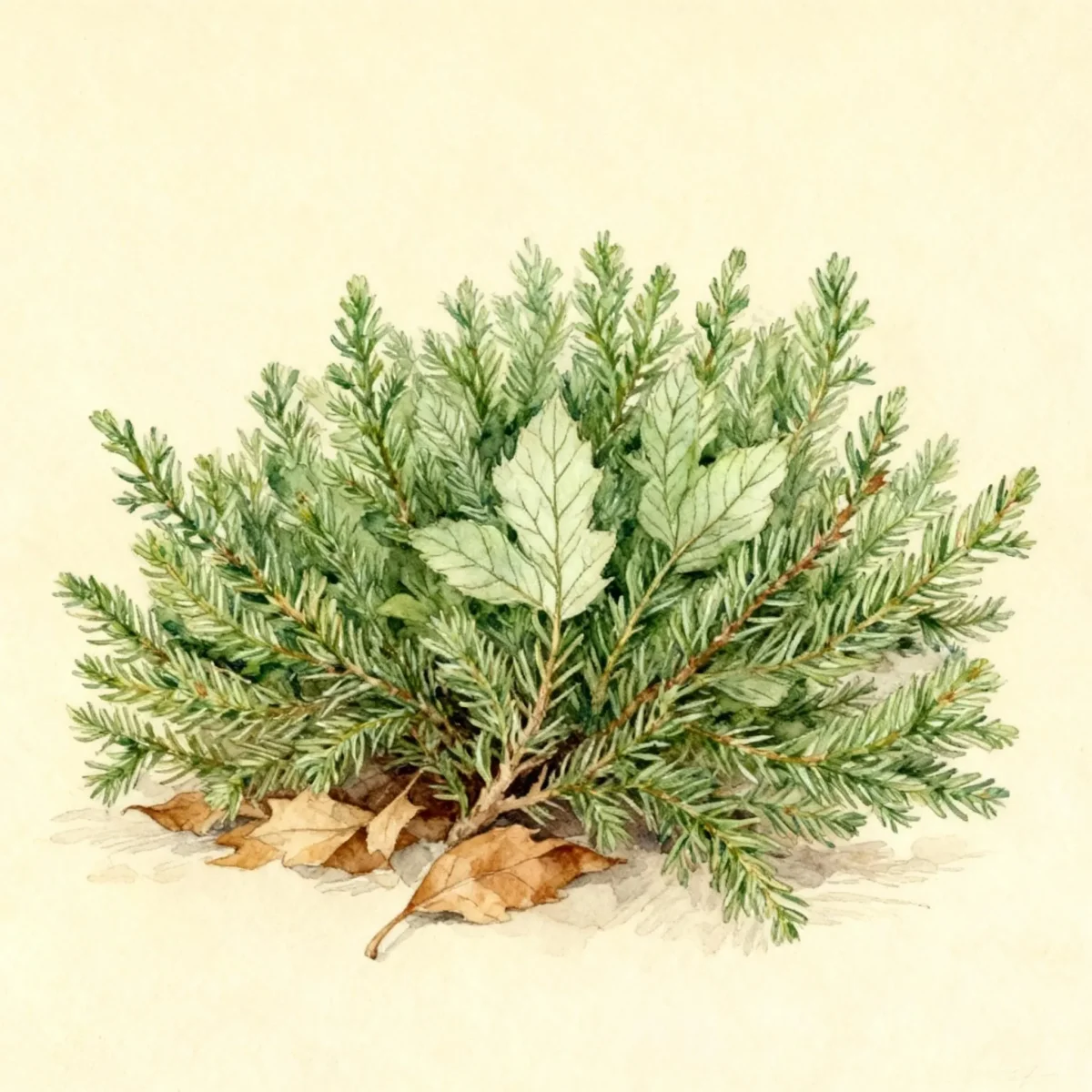
Complete Plant Information
Overview
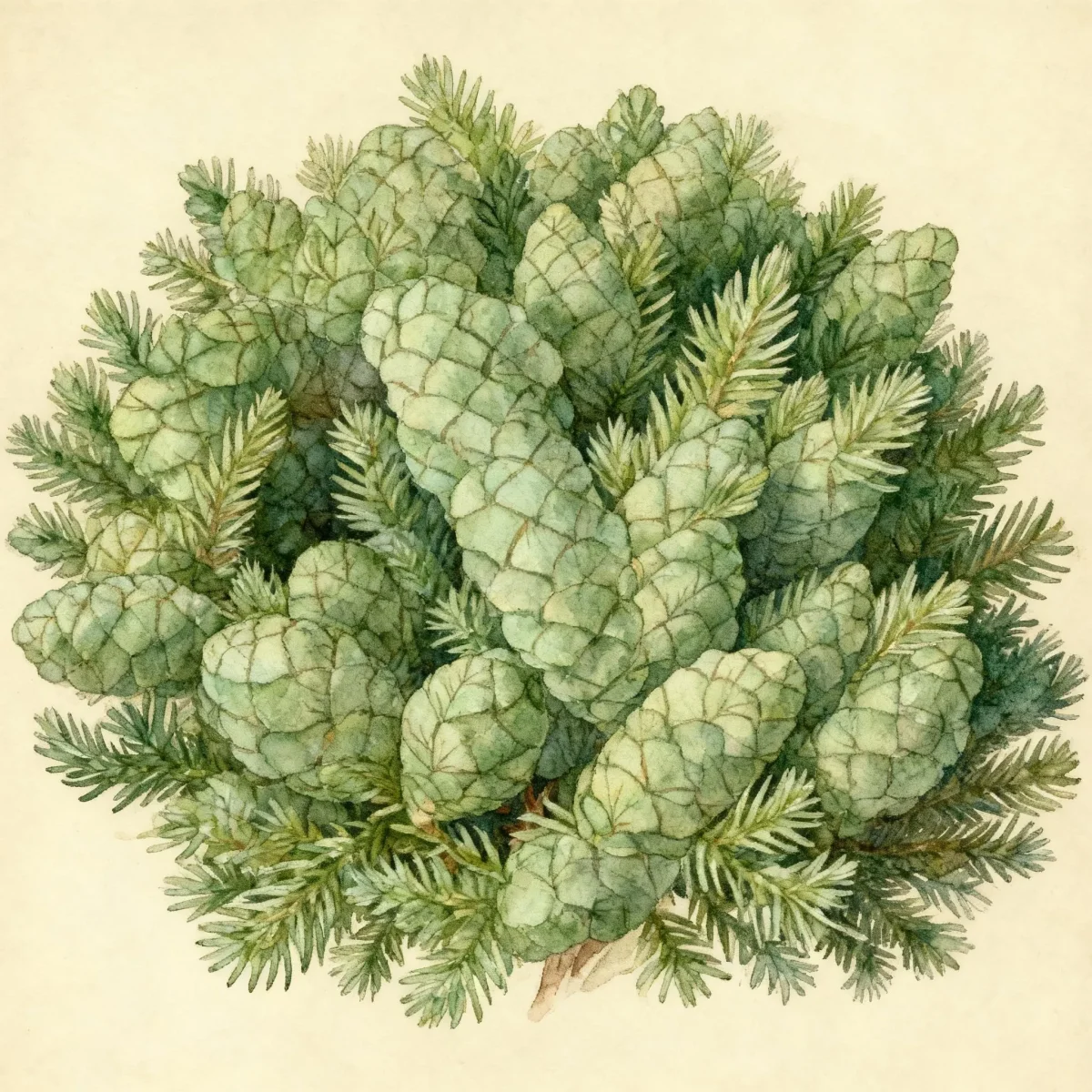
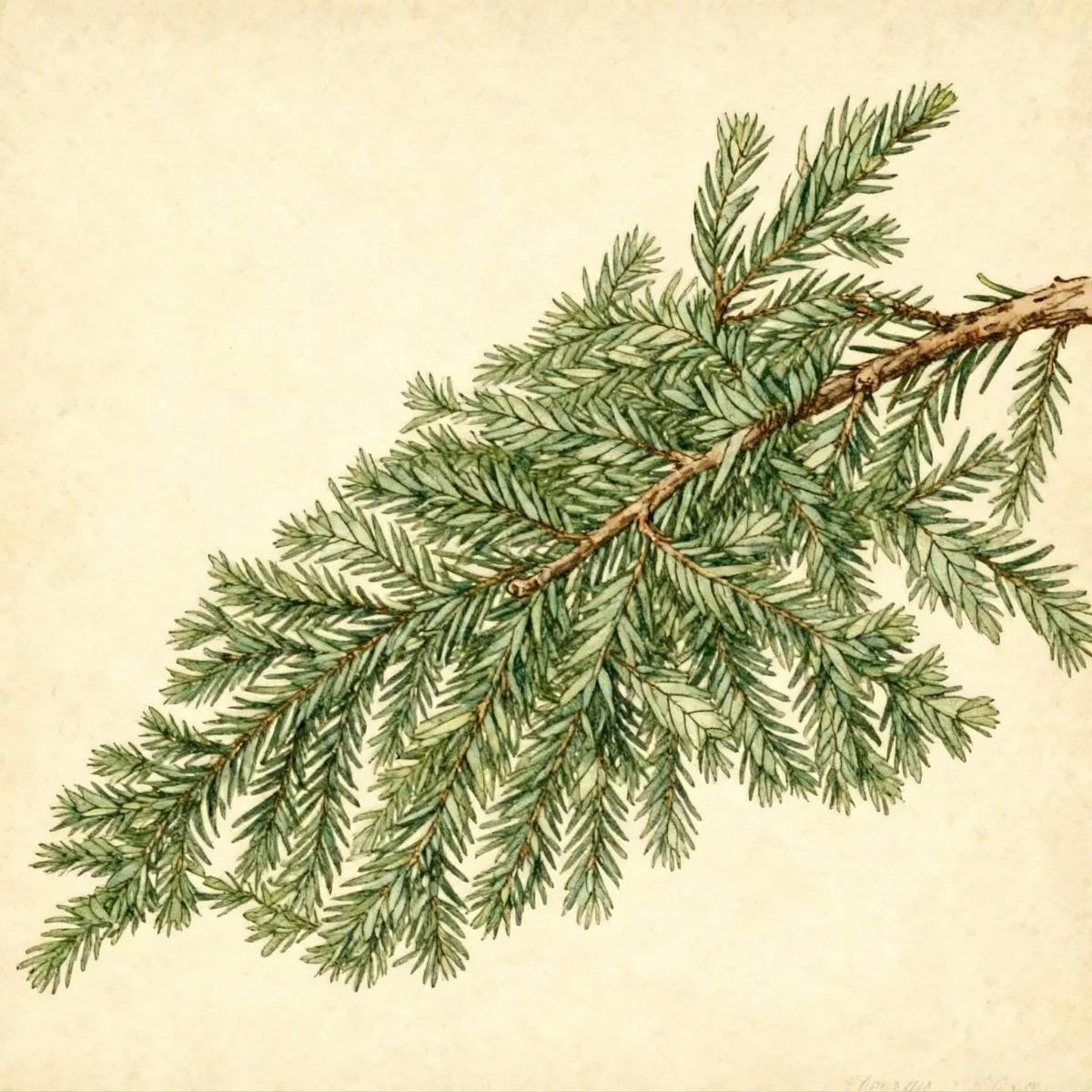
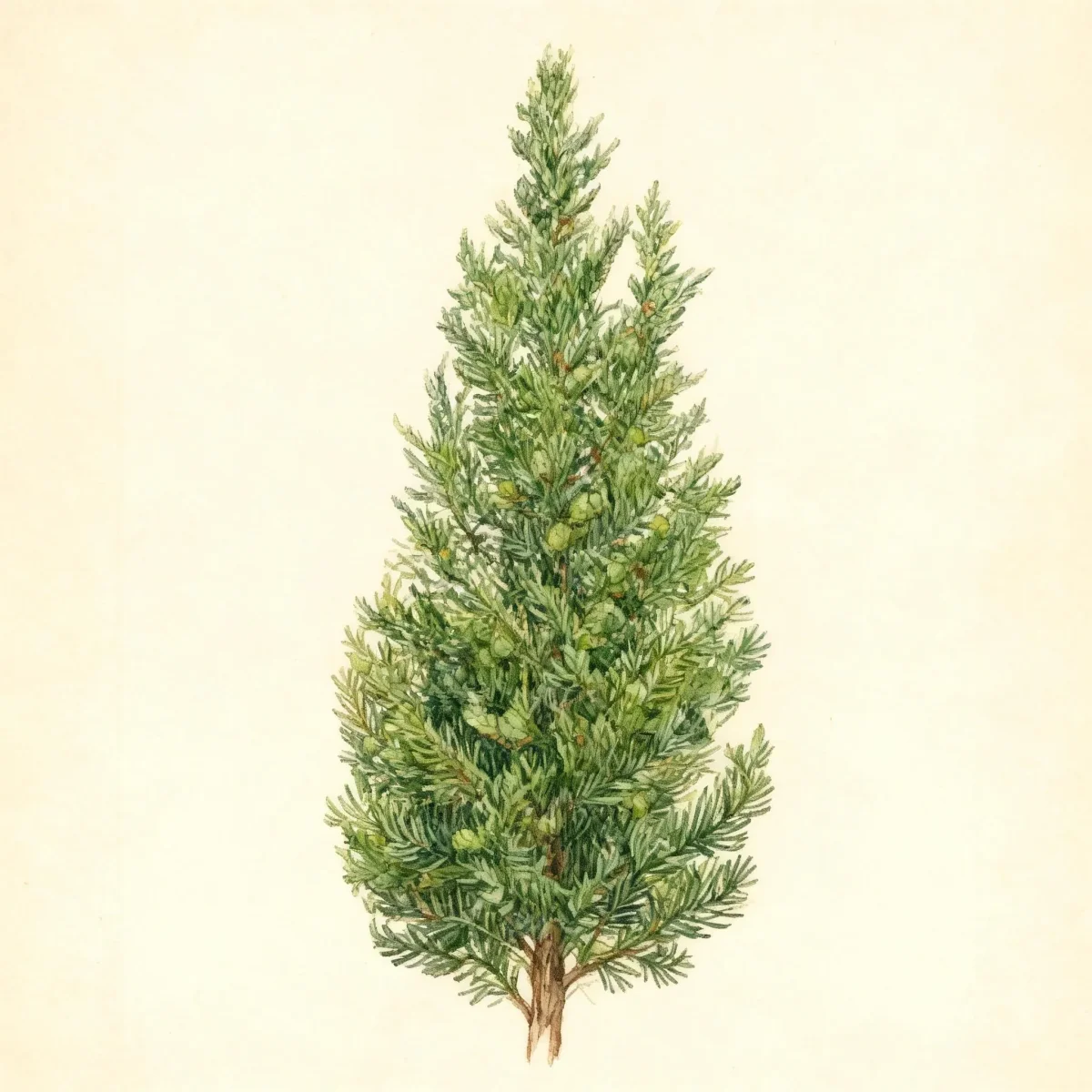
The Juniperus procumbens ‘Nana’, widely known as the Japanese garden juniper, is highly valued for its dense, spreading habit, making it an excellent choice for challenging ground cover situations. This slow-growing, procumbent shrub forms a dense, attractive mat with spiny-pointed blue-green to gray-green needles that offer year-round texture. Its resilience against harsh conditions makes Juniperus procumbens ‘Nana’ a low-maintenance staple in sun-drenched landscapes.
This needled evergreen is native to Japan and excels in locations where other plants struggle due to heat or poor soil quality. When mature, this dwarf cultivar creates wide, low-profile coverage, effectively stabilizing slopes and softening hardscape edges. Gardeners appreciate the minimal care required for this tough, sprawling specimen.
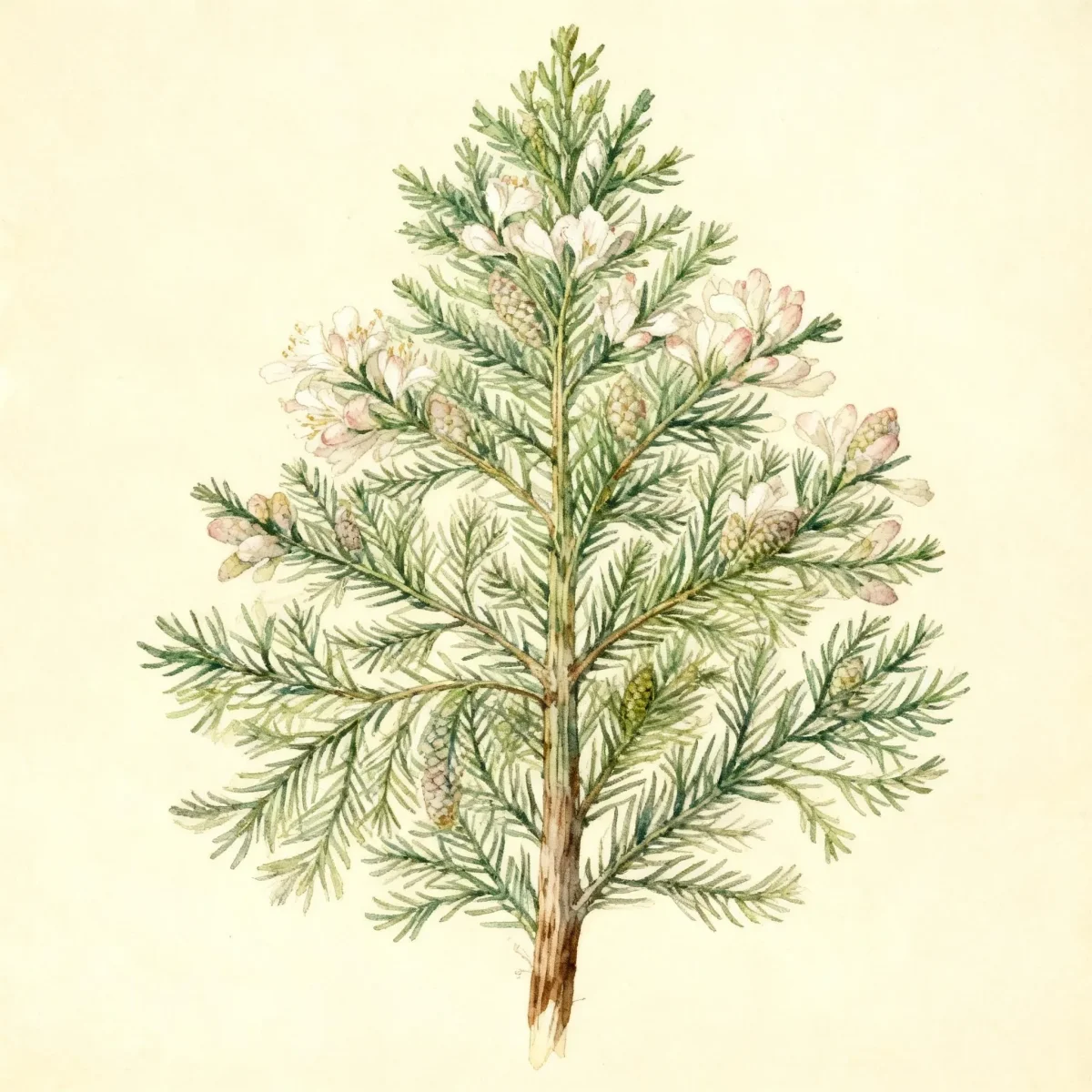
Functionally, the Japanese garden juniper anchors difficult spots and offers excellent textural contrast against broader-leafed plants. Although it is non-flowering, the attractive foliage and inherent hardiness ensure that Juniperus procumbens ‘Nana’ remains a visually interesting component throughout all four seasons, often developing a slight purplish tint in winter.
Fast Facts
- Plant Family: Cupressaceae
- Plant Type: Needled evergreen
- Hardiness Zones: USDA Zones 4-9
- Size at Maturity:
- Height: 0.5-1 ft
- Spread: 5-6 ft
- Bloom Time: Non-flowering
- Bloom Description: Non-flowering
- Sun Exposure: Full sun
- Water Needs: Medium
- Maintenance Level: Low
How to Grow
Planting the Japanese garden juniper is best done in the spring or fall, allowing the roots time to establish before extreme summer heat or winter cold sets in. Choose a location providing full sun exposure, as reduced light can lead to sparse growth. This evergreen adapts well to a wide range of soils but performs optimally in well-drained, sandy, or somewhat poor soils. It is critically intolerant of wet or poorly drained conditions, which are a major cause of root rot.
Once established, watering requirements should remain medium. While it tolerates significant drought once established, consistent moisture during the first year helps develop a strong root system. Fertilization is generally unnecessary due to its tolerance for poor soil conditions. Pruning is rarely required; the main maintenance involves selectively removing any dead branch tips or canes that may die off in the center of older plants.
Be mindful of its growth habit; while initially slow, the Juniperus procumbens ‘Nana’ spreads slowly by trailing branches, taking about a decade to fully realize its 5 to 6-foot spread. Due to the threat of Phomopsis twig blight, ensure good air circulation around the plants, especially after unusually wet springs, by avoiding overly dense mass plantings.
Landscape Uses
The primary role recognized for Juniperus procumbens ‘Nana’ is as a versatile, sprawling ground cover. Its low profile makes it ideal for providing continuous coverage over wide areas, particularly where mowing is impractical, such as on slopes or embankments prone to erosion. The toughness of the Japanese garden juniper allows it to flourish in hot, dry locations once established.
Consider mass planting this cultivar for dramatic effect along large retaining walls, allowing the branches to cascade slightly over the edge, softening the transition between levels. It serves excellently as an informal border plant or utilized in rock gardens where its preference for well-drained, drier soil is naturally met. While suited for foundation plantings where a very low profile is needed, ensure sufficient space is provided for its substantial lateral spread.
Standout Features
Noteworthy Characteristics
Juniperus procumbens, commonly called Japanese garden juniper, is a notable dwarf, procumbent, shrubby ground cover that matures around 8-12” tall but spreads outward significantly. Its dense mat is covered in spiny-pointed blue-green needles, which occasionally exhibit purplish tones during the winter months. Growth is slow, creating a stable form over time, and it is generally known as a superior, less vigorous alternative to its parent species.
Tolerances
- Deer
- Drought
- Erosion
- Dry Soil
- Shallow-Rocky Soil
- Air Pollution
Potential Problems
While generally considered resistant to serious pests and diseases, gardeners should monitor for specific issues common to junipers. Blights, particularly Phomopsis twig blight, can cause dieback on stem tips, often exacerbated by excessively wet spring weather, leading to dead patches, especially in the center of older plants. Proper air circulation management during planting is key to prevention.
Root rot is a significant concern if the soil drainage is inadequate, as this juniper absolutely cannot tolerate persistently wet roots. For pest control, occasionally inspect for common intruders like scale insects, spider mites, and bagworms, treating localized infestations promptly with horticultural oils or targeted insecticides as needed.
Frequently Asked Questions
What hardiness zones is Japanese garden juniper suitable for?
The Juniperus procumbens ‘Nana’ is hardy and performs reliably across USDA Zones 4 through 9.
How large does Juniperus procumbens ‘Nana’ grow?
This dwarf cultivar typically reaches only 0.5 to 1 foot in height but spreads significantly wider, usually between 5 and 6 feet across at maturity.
What sun exposure does Japanese garden juniper need?
Juniperus procumbens ‘Nana’ requires full sun exposure to maintain its dense habit and rich color.
When does Japanese garden juniper bloom?
This plant is a needled evergreen and is non-flowering.
Conclusion
The Juniperus procumbens ‘Nana’ is an outstanding choice for gardeners seeking a durable, evergreen ground cover that demands attention for its structure, not its maintenance schedule. Its exceptional tolerance for drought and poor, dry soils secures its importance in xeriscaping efforts. Verify that your growing area aligns with USDA Zone 4-9 requirements and that you have ample full sun before integrating this tough Japanese garden juniper into your landscape design.
Companion Planting
Selecting companions that share the sun and drainage requirements of Juniperus procumbens ‘Nana’ is crucial for design success. Pair this low-growing juniper with contrasting textures, such as taller, upright ornamental grasses or small, drought-tolerant flowering shrubs like certain varieties of Russian Sage (Perovskia atriplicifolia). For rock gardens, consider low-mounding sedums or creeping thyme, which appreciate similar dry, gritty soil profiles.
Avoid densely planting moisture-loving perennials directly around the base of the Japanese garden juniper. When planting on slopes, group it with other erosion-controlling evergreens or sturdy, low-water ground covers that won’t compete aggressively for surface nutrients while the juniper establishes its wide-spreading roots.
Designing with Ground Covers
Utilizing the spreading habit of Juniperus procumbens ‘Nana’ is one of its greatest assets. In modern landscape design, it functions perfectly as a “spiller” element near hardscape features or rock outcroppings, creating a naturalized, flowing edge. Because of its slow growth rate, plan for its mature spread of up to 6 feet when placing it near walkways to avoid constant encroachment.
This shrub is an excellent choice for mixed evergreen beds where year-round structure is needed. Its tight, needled foliage contrasts well against deciduous texture or plants with broad leaves, such as low-growing Itea species or Dwarf Mugo Pines grown nearby for height variation. The uniformity of the Japanese garden juniper ensures that large masses read as a cohesive carpet of color.