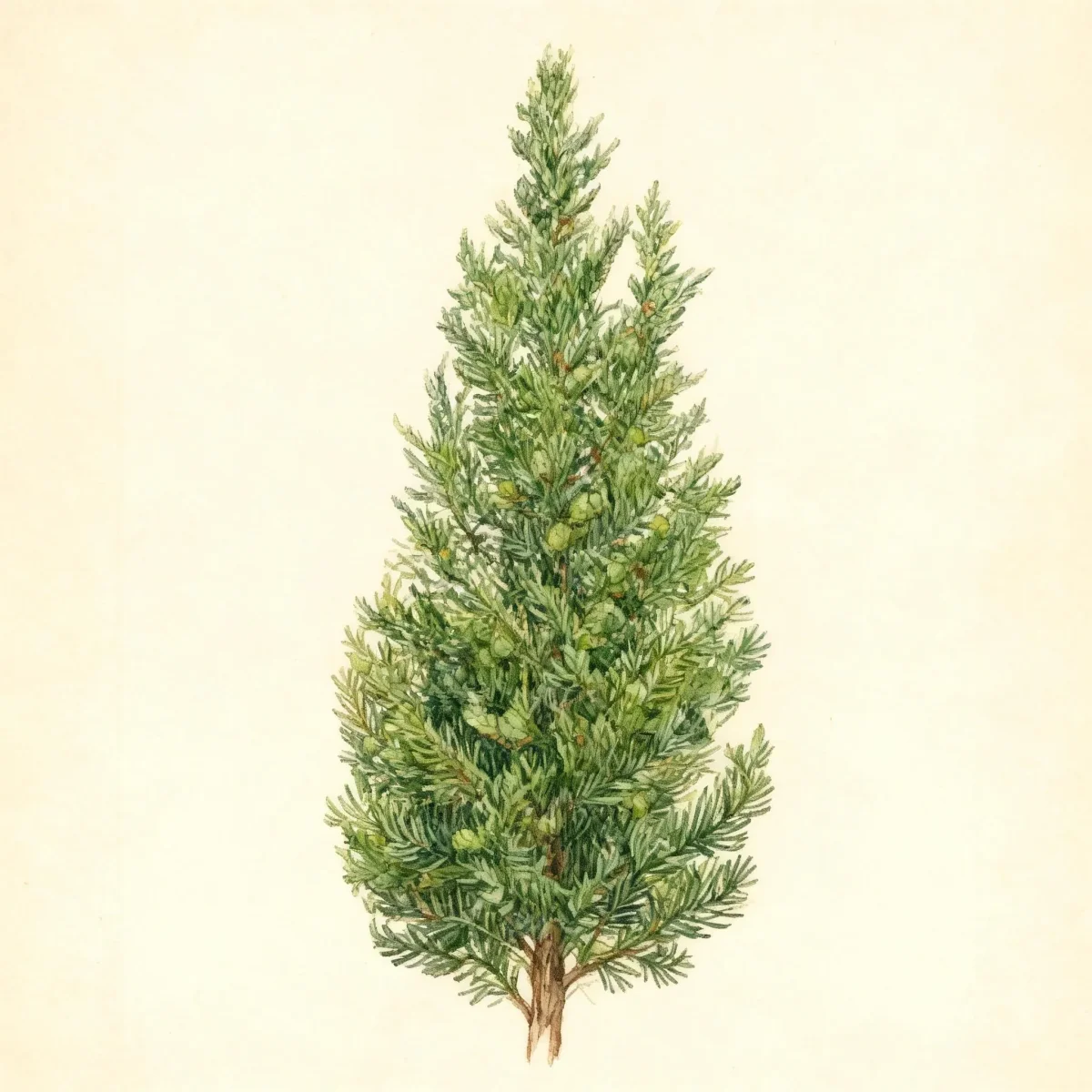
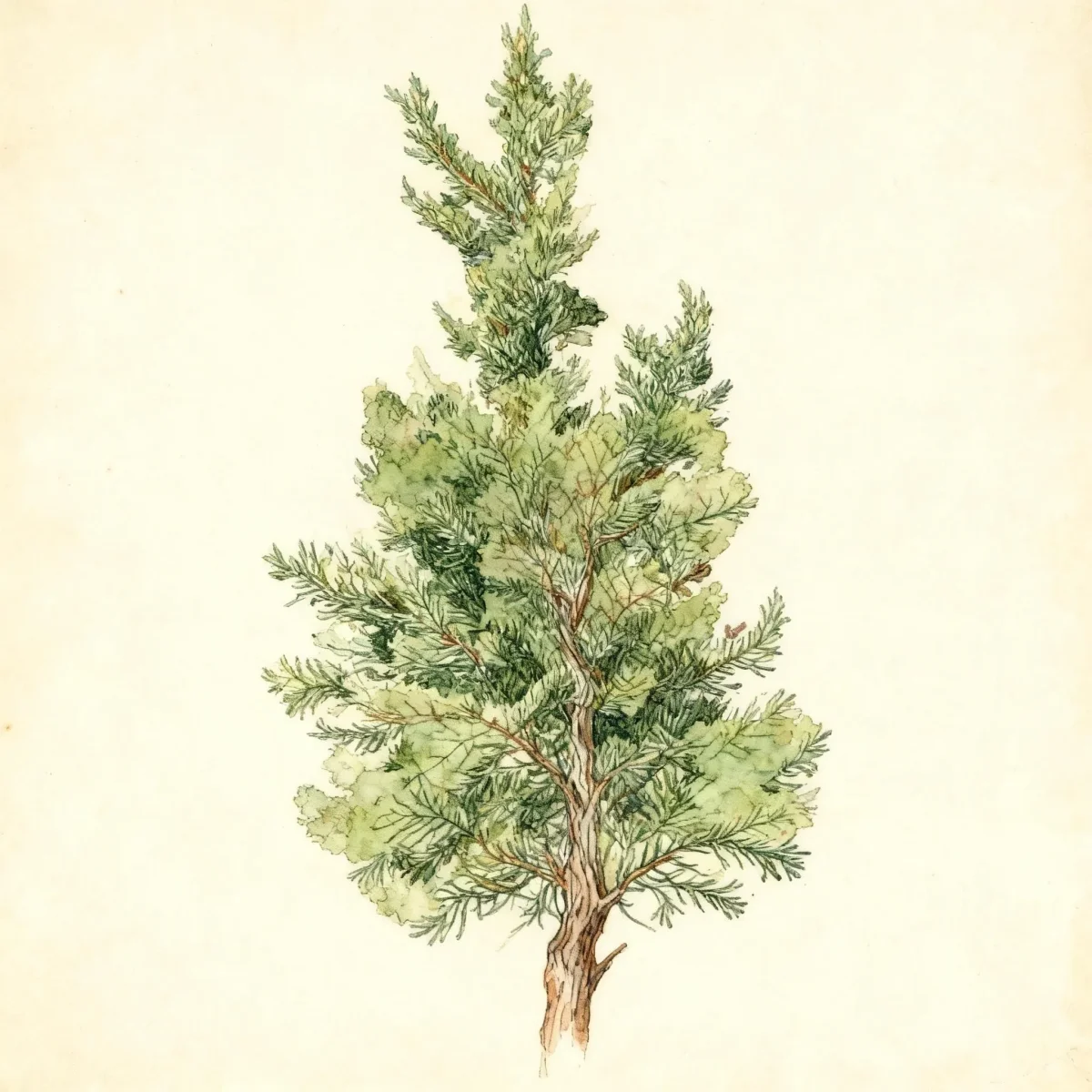
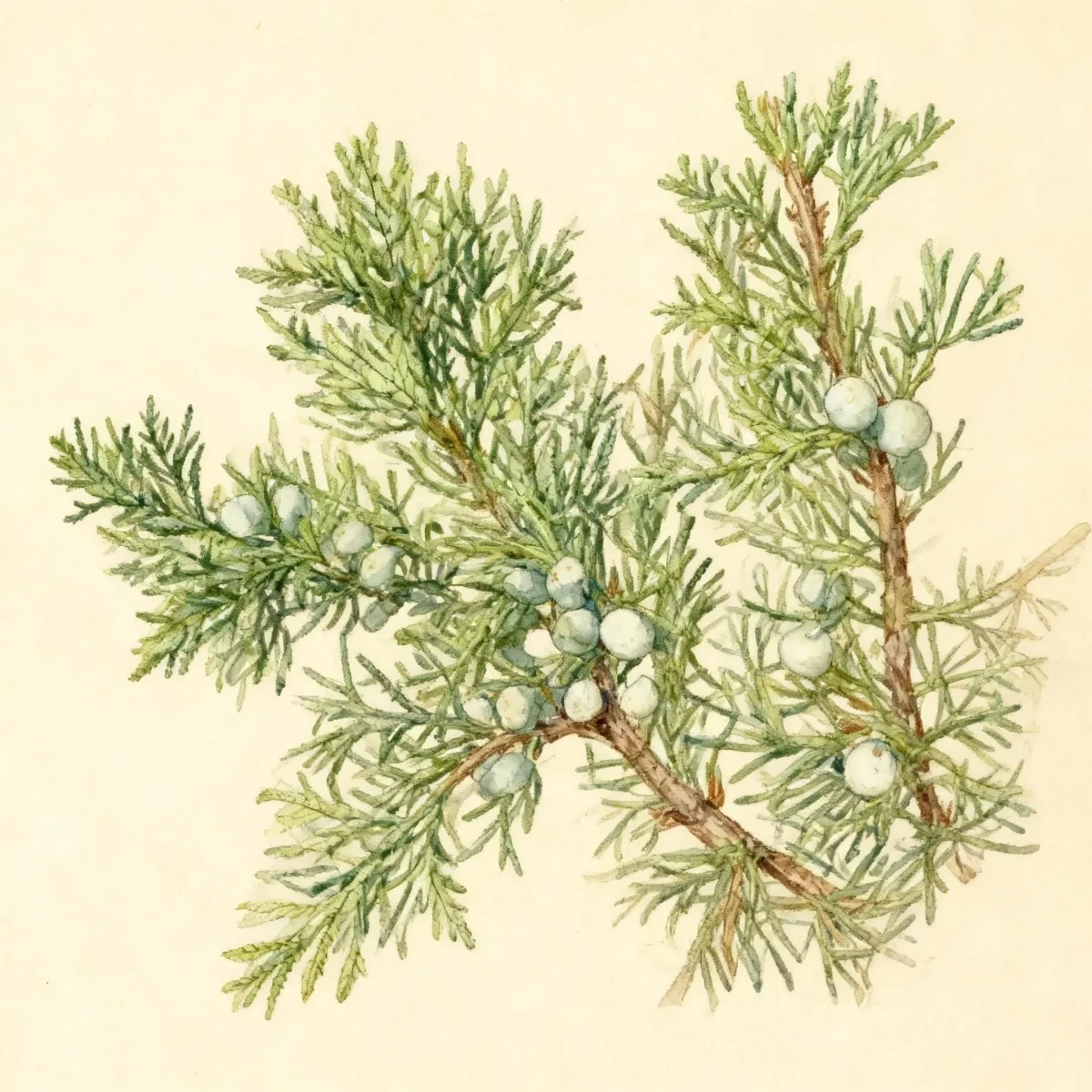
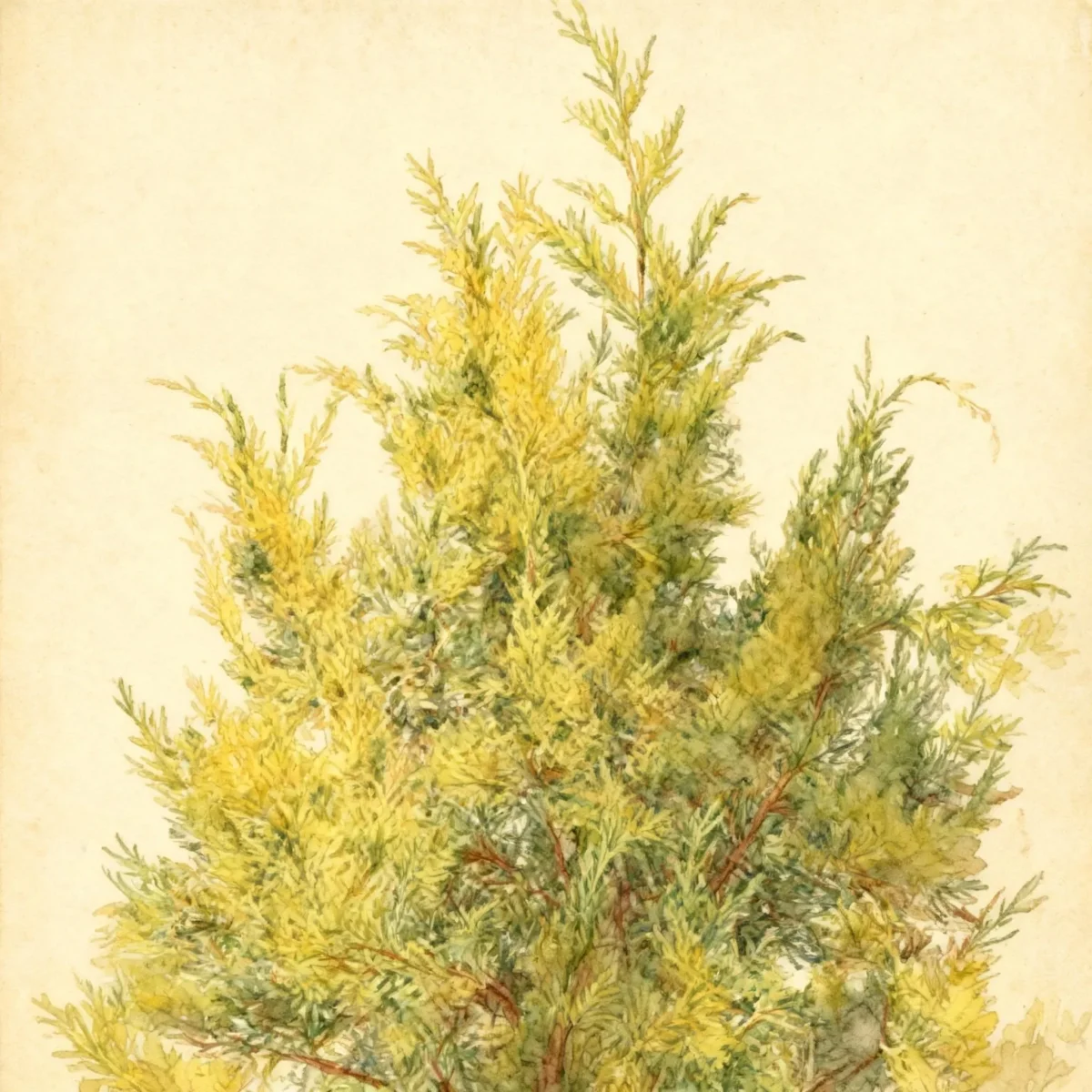
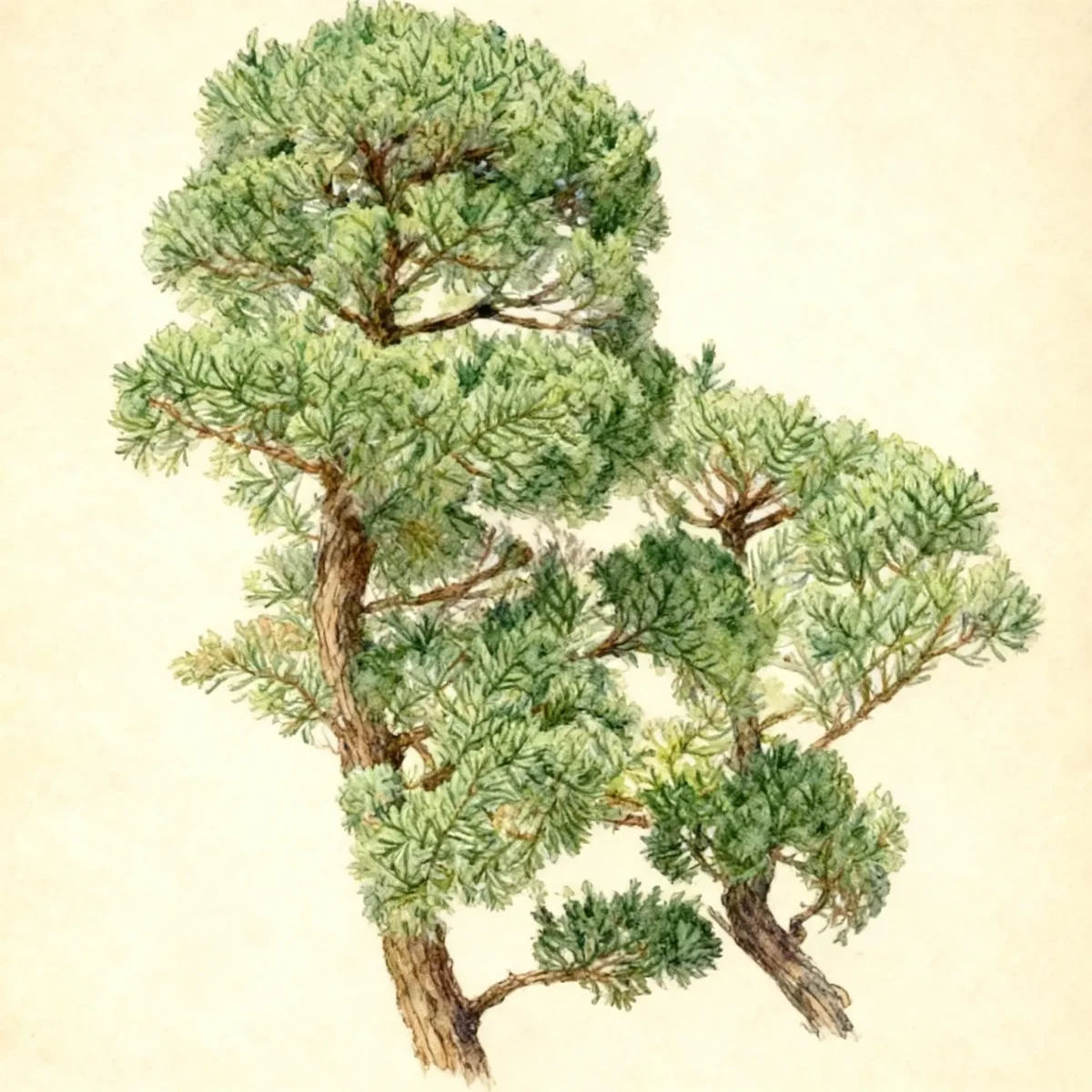
Rocky Mountain juniper (Juniperus scopulorum 'Wichita Blue')
Juniperus scopulorum 'Wichita Blue' offers striking blue-gray evergreen foliage on a compact, conical form. This Rocky Mountain juniper is low maintenance and drought tolerant.
Scroll down to discover growing tips, care requirements, companion plants, and more
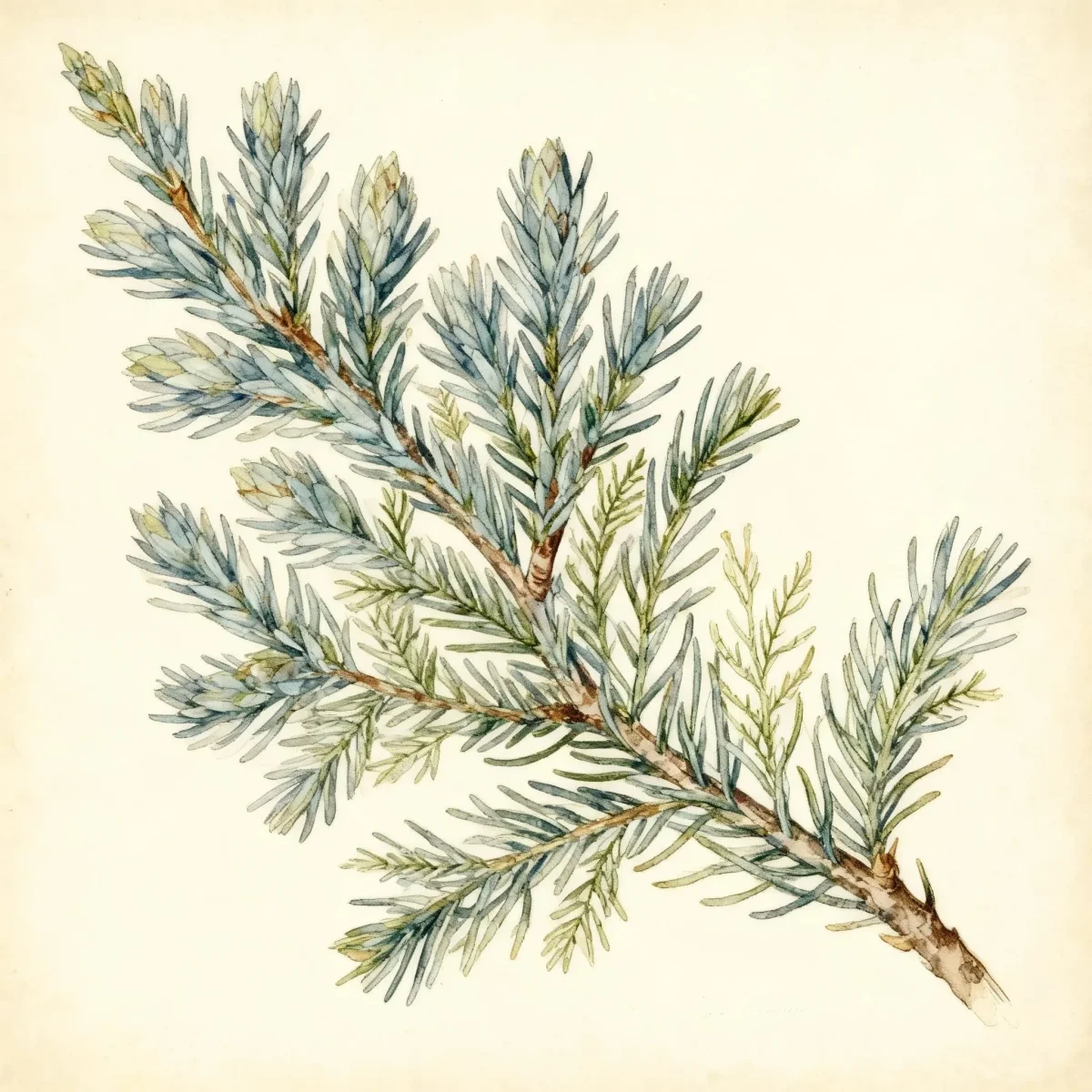
Complete Plant Information
Overview
The Rocky Mountain juniper, specifically the cultivar Juniperus scopulorum ‘Wichita Blue’, is a highly valued needled evergreen celebrated for its intense, year-round blue-gray foliage. This cultivar presents an excellent vertical accent, maintaining a tight, conical shape suitable for smaller landscapes compared to its towering native relatives. Its tough nature derives from its Rocky Mountain origins, making it an extremely resilient choice for gardeners facing challenging, dry conditions.
As a slow-growing specimen, Juniperus scopulorum ‘Wichita Blue’ offers consistent color and structure without requiring constant pruning. It serves as a fantastic architectural element, providing essential winter interest when deciduous plants lose their structure. Gardeners looking for low-maintenance screening or specimen planting in arid or exposed areas will find this juniper a superlative option.
Fast Facts
- Plant Family: Cupressaceae
- Plant Type: Needled evergreen
- Hardiness Zones: USDA Zones 3-7
- Size at Maturity:
- Height: 10-15 ft
- Spread: 4-6 ft
- Bloom Time: Non-flowering
- Bloom Description: Non-flowering
- Sun Exposure: Full sun
- Water Needs: Medium
- Maintenance Level: Low
How to Grow
Optimal planting for your Rocky Mountain juniper should occur in the spring or fall, allowing the root system time to establish before extreme summer heat or winter cold sets in. Locate Juniperus scopulorum ‘Wichita Blue’ where it receives full sun exposure; insufficient light diminishes the characteristic blue coloration. While it adapts to a wide range of soil types, superior performance is noted in average, well-drained soils, especially those that are dryish or sandy.
Watering needs are medium; once established, this drought-tolerant juniper handles dry spells well. Water deeply but infrequently. Avoid creating overly wet soil conditions, as this species is intolerant of wet soils and poor drainage can lead to root rot, a significant cultural concern. Minimal fertilization is usually required; focus energy instead on proper placement to ensure drainage.
Pruning should be light, primarily to remove broken or dead tips. This cultivar naturally maintains its compact, conical form. Because this tree originates from mountainous western North America, be aware that it generally performs poorly in the hot, humid conditions prevalent in the deep South. Protecting it from excessive humidity is key to long-term success.
Landscape Uses
The compact, conical habit of Juniperus scopulorum ‘Wichita Blue’ makes it an excellent choice for utilizing vertical space without overwhelming a small garden. Use it as a specimen plant to draw the eye, or line them up to create an easily maintained, formal screen or background element. Its year-round blue hue contrasts beautifully against lighter stone hardscaping or deep green deciduous shrubs.
This Rocky Mountain juniper functions perfectly as a structural anchor in mixed evergreen borders or rock gardens, especially since it tolerates shallow, rocky soils. Consider pairing the bold blue of the cultivar with contrasting textures, such as fine-textured ornamental grasses or broadleaf evergreens that prefer similar dry, sunny conditions. Its hardiness also makes it suitable for high-visibility areas where persistent color is necessary.
Standout Features
Noteworthy Characteristics
Juniperus scopulorum, commonly called Rocky Mountain juniper or Colorado red cedar, is native to the Rocky Mountains from Alberta to Texas and in other mountainous areas from British Columbia south to Arizona. In the Rockies, it is typically found in dry, rocky, foothills above 5000 feet in elevation. The cultivar ‘Wichita Blue’ is specifically valued as a compact, conical, male form noted for its striking blue or blue-gray foliage that retains good color throughout the entire year, growing slowly at 6-12 inches annually.
Tolerances
- Deer
- Drought
- Erosion
- Dry Soil
- Shallow-Rocky Soil
- Air Pollution
Potential Problems
While generally robust, gardeners should monitor Rocky Mountain juniper for specific fungal issues, particularly in wet springs. The primary concern is Phomopsis twig blight, which manifests as dieback at the tips of the branches; ensure good air circulation and avoid overhead watering to mitigate spread. Cedar-apple rust is another disease that requires part of its life cycle on junipers, so avoid planting near susceptible apple trees if cultural controls cannot be maintained.
In terms of pests, root rot remains a major threat if the soil is poorly drained or overly saturated, underscoring the need for loose, dryish soil. Occasionally look for minor insect pests like scale, aphids, or bagworms, treating only when infestations become significant. For any signs of dieback, prune infected twigs back to healthy wood immediately.
Frequently Asked Questions
What hardiness zones is Rocky Mountain juniper suitable for?
Juniperus scopulorum ‘Wichita Blue’ is suitable for USDA Zones 3 through 7, providing excellent cold tolerance for many regions.
How large does Juniperus scopulorum ‘Wichita Blue’ grow?
This specific cultivar typically reaches a height between 10 to 15 feet and spreads 4 to 6 feet wide at maturity.
What sun exposure does Juniperus scopulorum ‘Wichita Blue’ need?
This juniper requires full sun exposure to maintain its dense habit and vibrant blue-gray foliage color.
When does Rocky Mountain juniper bloom?
This plant is non-flowering; it is a conifer valued solely for its evergreen structure and foliage.
Conclusion
The Juniperus scopulorum ‘Wichita Blue’ is an exceptional, low-maintenance evergreen celebrated for its dependable blue color and highly adaptable nature, especially concerning drought and poor soils. For gardeners seeking reliable year-round structure, this specific Rocky Mountain juniper cultivar delivers performance with minimal fuss. Always verify your local hardiness zone and ensure excellent drainage before planting to maximize the beauty of this striking juniper.
Companion Planting
When planning a garden utilizing the resilience of Rocky Mountain juniper, select companions that appreciate similar sunny, well-drained locations and medium moisture levels. Plants that thrive in lean, native soil conditions—often found in xeriscaping or dry perennial borders—are ideal partners. Consider planting slower-growing ornamental grasses, such as Blue Fescue (Festuca glauca), whose fine texture and cool color echo the juniper’s needles.
Another excellent pairing involves contrasting textures using plants like Sedum groundcovers or low, mounding ornamental sages (Salvia species) that also tolerate drought once established. Because Juniperus scopulorum ‘Wichita Blue’ offers density, use brighter, warm-colored flowering perennials nearby, such as Blanket Flowers (Gaillardia) or Yarrow (Achillea), to make the juniper’s cool blue tones pop.
Seasonal Care Calendar
Spring: Monitor for early signs of fungal diseases, especially after wet periods. Ensure the soil has settled around the base; apply a light, balanced fertilizer only if growth appears lackluster, though it is rarely necessary. Perform any minor shaping or cleanup pruning during new growth initiation.
Summer: Resist the urge to overwater. While classified as medium, established Rocky Mountain junipers thrive on deep, infrequent watering, especially in extreme heat. Check periodically for spider mites, a common summer nuisance on junipers.
Fall: This is an ideal time for planting or transplanting if adjustments are needed, allowing roots to settle before winter dormancy. Ensure adequate watering before the ground freezes hard to prevent winter desiccation.
Winter: The blue foliage of Juniperus scopulorum ‘Wichita Blue’ performs admirably in winter. Protect it from road salts if planted near driveways or walkways, as salt exposure can mimic drought stress.