Singleseed juniper (Juniperus squamata 'Blue Carpet')
Juniperus squamata 'Blue Carpet' offers a striking, ground-hugging carpet of silver-blue needles. This low-maintenance Singleseed juniper thrives in full sun.
Scroll down to discover growing tips, care requirements, companion plants, and more
Complete Plant Information
Overview
Juniperus squamata ‘Blue Carpet’ is a standout cultivar prized for its dense, exceptionally wide-spreading, ground-hugging habit. This prostrate form of the Singleseed juniper quickly develops a dense mat, making it an outstanding choice for covering large areas with minimal upkeep. Its foliage features attractive silver-blue needles that maintain good color throughout the year, ensuring consistent visual interest in the landscape.
This low-growing conifer is remarkably adaptable once established, preferring full sun exposure to maintain its compact shape and intense coloration. As a slow-spreading ground cover, Juniperus squamata ‘Blue Carpet’ offers excellent coverage for banks or slopes, presenting a durable, evergreen alternative to traditional lawn areas. Gardeners value the easy care regime associated with this particular Singleseed juniper.
Fast Facts
- Plant Family: Cupressaceae
- Plant Type: Needled evergreen
- Hardiness Zones: USDA Zones 4-7
- Size at Maturity:
- Height: 0.5-1 ft
- Spread: 4-5 ft
- Bloom Time: Non-flowering
- Bloom Description: Non-flowering
- Sun Exposure: Full sun
- Water Needs: Medium
- Maintenance Level: Low
How to Grow
Plant Juniperus squamata ‘Blue Carpet’ during the spring or fall to allow roots to establish before temperature extremes. Locate this juniper in a spot receiving full sun; adequate sunlight is crucial for developing its dense, carpet-like habit and vibrant silver-blue hue. It adapts well to a wide range of soils but absolutely requires locations with good drainage.
Water regularly when newly planted to encourage deep root growth. Once established, the Singleseed juniper prefers average moisture but performs very well even in dryish, sandy soils, provided drainage is excellent. This cultivar is intolerant of wet or poorly drained soils where root rot is a high risk.
Maintenance is generally minimal; Juniperus squamata ‘Blue Carpet’ typically requires no shaping or pruning. If height control is ever necessary over many years, light pruning of the tips is possible, but generally, allow this specimen to spread naturally across the ground. Be mindful that it may struggle slightly in the hot, humid conditions common in the deep South.
Landscape Uses
The primary role of Juniperus squamata ‘Blue Carpet’ is effective ground cover. Its creeping habit allows it to rapidly blanket large spaces, stabilizing soil on banks and slopes where other plantings might fail. This evergreen mat provides year-round texture and color contrast against deciduous plantings.
Use this low-spreading juniper effectively in foundation plantings, letting it drape softly over edges, or integrate it into mixed evergreen borders where its low profile won’t obstruct taller shrubs. Its resilience makes it a superb choice for low-maintenance modern landscapes seeking durable, low-growing texture.
Standout Features
Noteworthy Characteristics
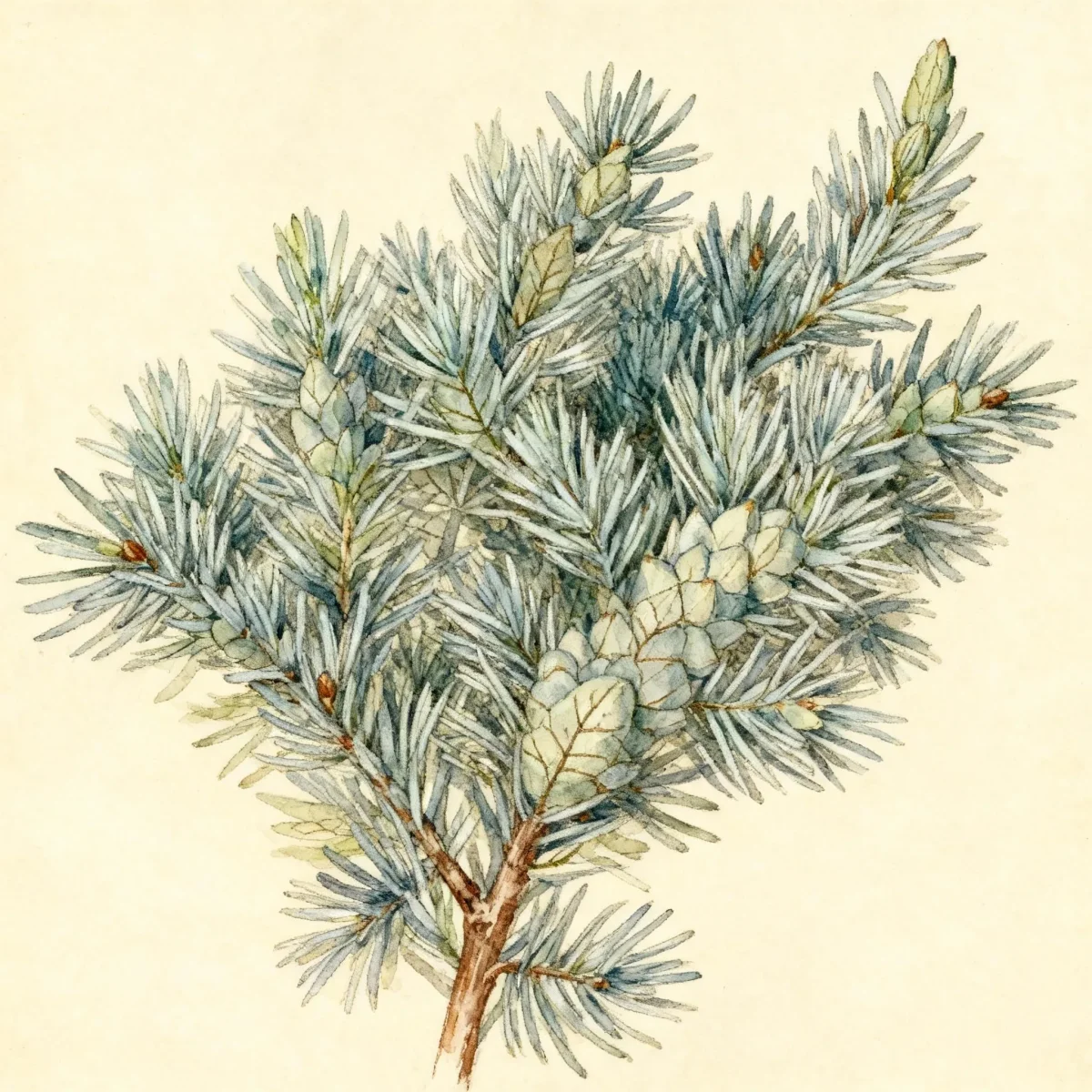
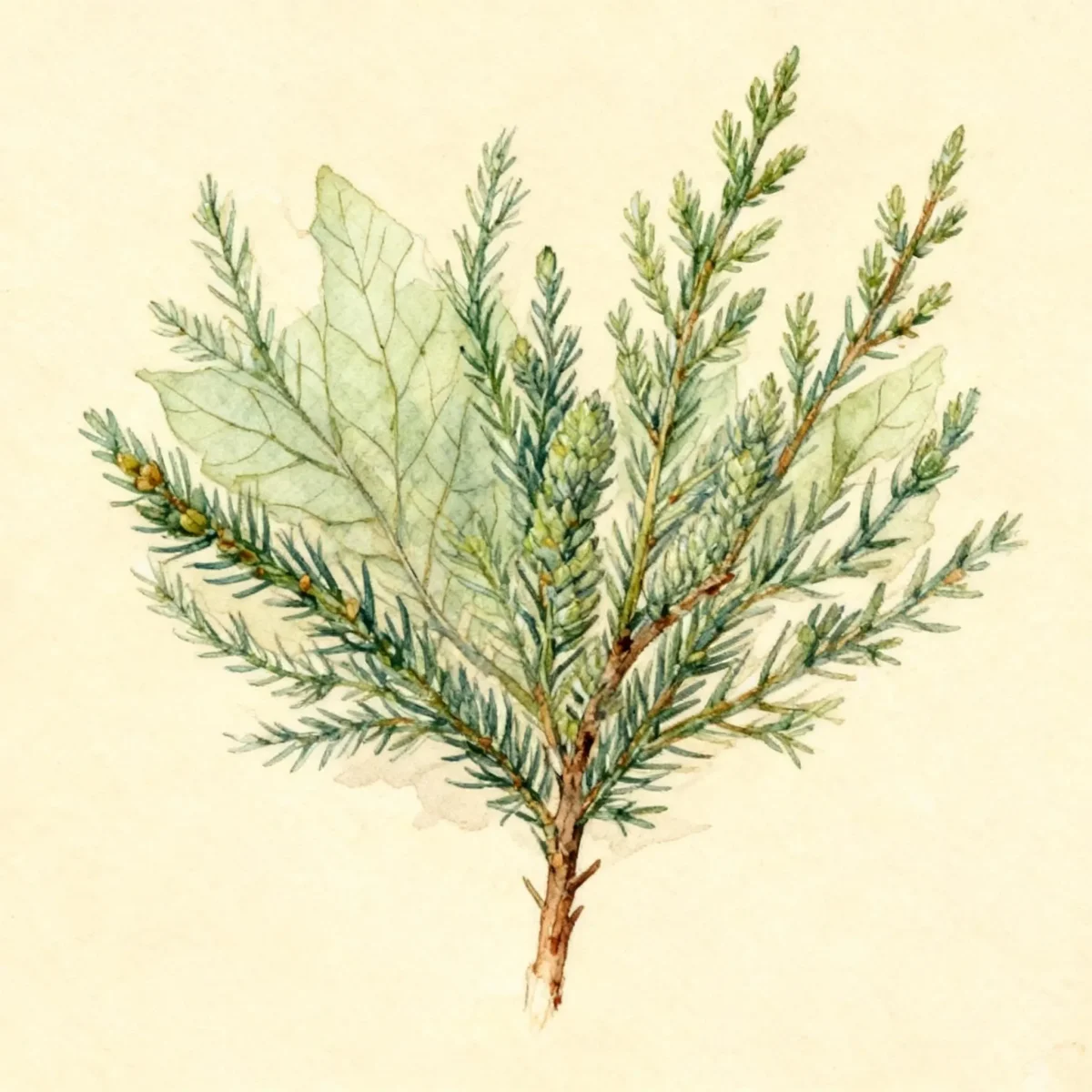
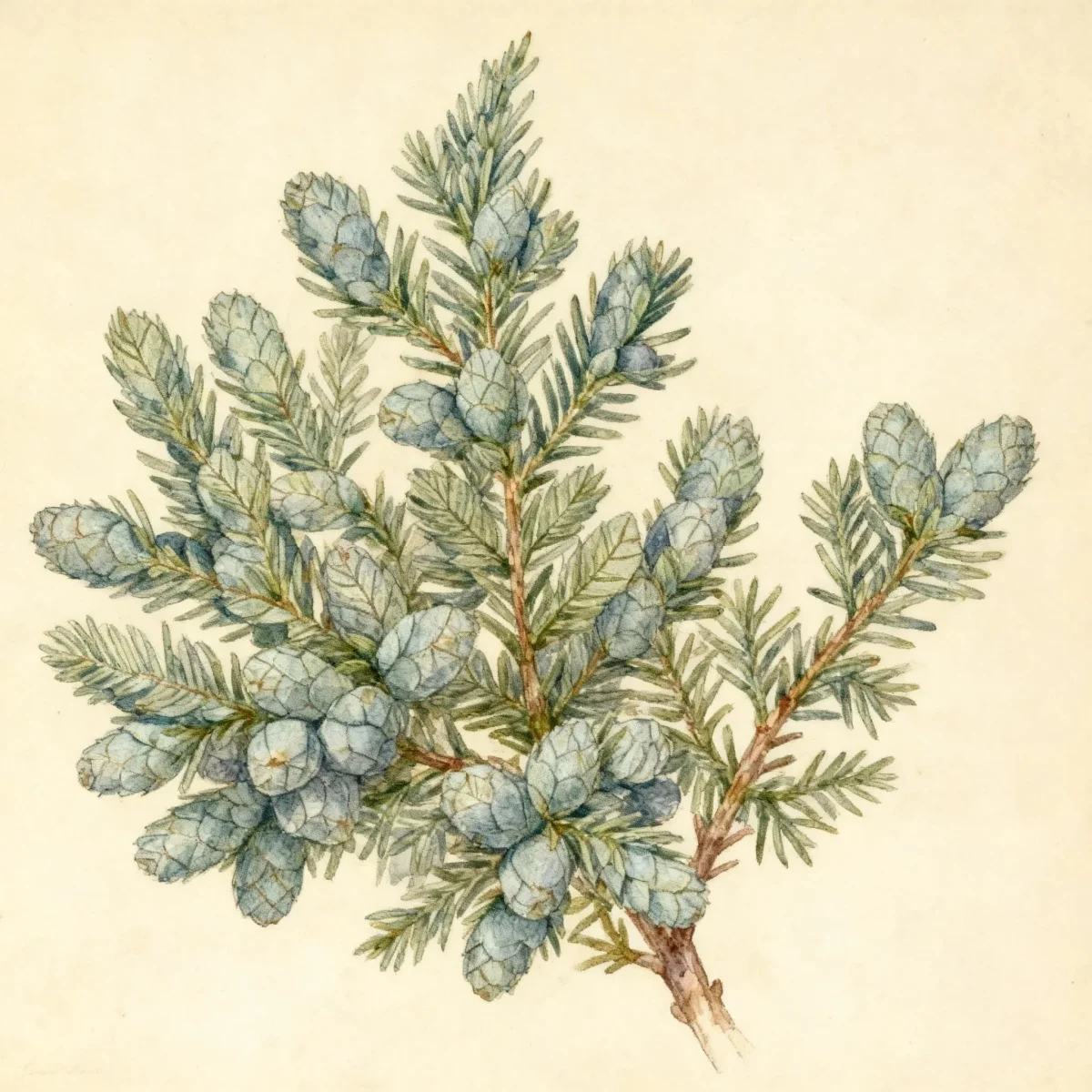
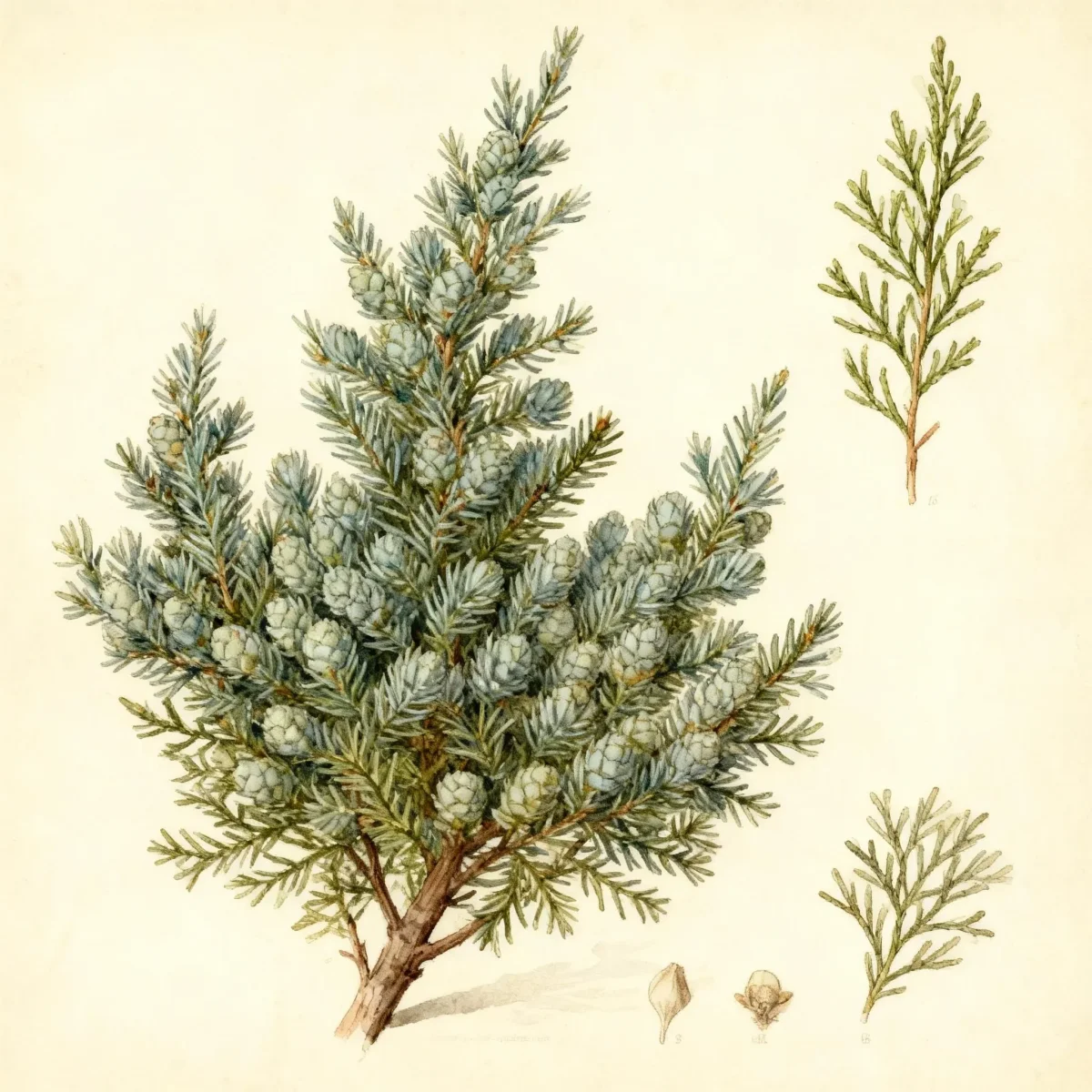
Juniperus squamata is commonly called singleseed juniper because each fleshy, elliptic, blackish, berry-like seed cone it produces contains only one seed. It is native to mountainous areas from Afghanistan to China and Taiwan. It grows somewhat variably in the wild, from prostrate ground cover to spreading shrub to upright shrub/small tree. Awl-shaped, sharply-pointed, gray-green to blue-green needles (to 5/16” long) appear in whorls of three. Juniperus squamata ‘Blue Carpet’ is noted for its attractive silver-blue foliage, carpet-like habit, and scaly brown bark, growing significantly wider than it is tall.
Tolerances
- Deer
- Drought
- Erosion
- Dry Soil
- Shallow-Rocky Soil
- Air Pollution
Potential Problems
Juniperus squamata ‘Blue Carpet’ is generally robust, exhibiting no serious insect or disease issues when grown correctly. The primary concern revolves around fungal diseases favored by poor air circulation or excess moisture, especially during wet springs. Phomopsis twig blight often manifests as dieback on the stem tips, requiring pruning of infected wood.
Root rot is a significant threat if the soil fails to drain adequately; always ensure planting beds are well-drained before installing your Singleseed juniper. Occasional minor pests like scale, aphids, or spider mites may appear, usually manageable with horticultural oil or insecticidal soap if infestations become heavy. Foliage discoloration can sometimes occur during harsh winter conditions.
Frequently Asked Questions
What hardiness zones is Singleseed juniper suitable for?
Juniperus squamata ‘Blue Carpet’ is reliably hardy in USDA Zones 4 through 7.
How large does Juniperus squamata ‘Blue Carpet’ grow?
This cultivar typically reaches a height of only 0.5 to 1 foot, while spreading impressively wide, usually between 4 and 5 feet across.
What sun exposure does Singleseed juniper need?
This spreading juniper requires full sun exposure to maintain its dense form and vibrant blue coloring.
When does Singleseed juniper bloom?
This plant is noted as non-flowering, as is typical for junipers, meaning it produces no noticeable flowers.
Conclusion
The Juniperus squamata ‘Blue Carpet’ excels as a tough, low-maintenance, evergreen ground cover, offering year-round visual appeal with its bright silver-blue foliage. Its extreme spreading habit makes it perfect for stabilizing slopes or filling broad landscape spaces beautifully. Check your USDA zone compatibility before planting your new Singleseed juniper this fall or spring for best success.
Companion Planting
When selecting companions for Juniperus squamata ‘Blue Carpet’, prioritize drought-tolerant perennials and shrubs that provide textural contrast without competing aggressively for root space near the surface. Plants that enjoy sharp drainage, similar to the needs of this juniper, are ideal partners. Consider pairing it with low-growing sedums or drought-tolerant ornamental grasses like Blue Fescue (Festuca glauca) to enhance the silvery blue color palette.
For areas utilizing Juniperus squamata ‘Blue Carpet’ as an edging plant, try contrasting it with plants featuring darker, richer greens or warm, upright textures. Hostas or fine-textured evergreens that tolerate filtered light (if the area receives morning sun) can provide excellent backdrop interest, though ensure the primary growing season remains sunny for optimal juniper health.
Seasonal Care Calendar
Early Spring: Inspect the Singleseed juniper for any signs of winter burn or twig dieback (Phomopsis blight). Prune out any dead or damaged tissue cleanly, cutting back into healthy growth when cool weather returns. Avoid fertilizing unless soil tests indicate severe nutrient deficiency; junipers rarely require supplemental feeding.
Summer: Monitor moisture levels during extended dry spells, especially for young plantings. While drought-tolerant, consistent, deep watering during the first two summers improves long-term establishment. Ensure surrounding mulch beds are kept clear right up to the base of the plant to prevent soil from becoming waterlogged near the crown.
Fall/Winter: Water thoroughly before the ground freezes to prepare the evergreen needles for winter desiccation. The low-growing nature of this juniper generally protects it well, but new plantings should be protected from heavy snow or ice loads that could damage the spreading branches.