Singleseed juniper (Juniperus squamata 'Blue Star')
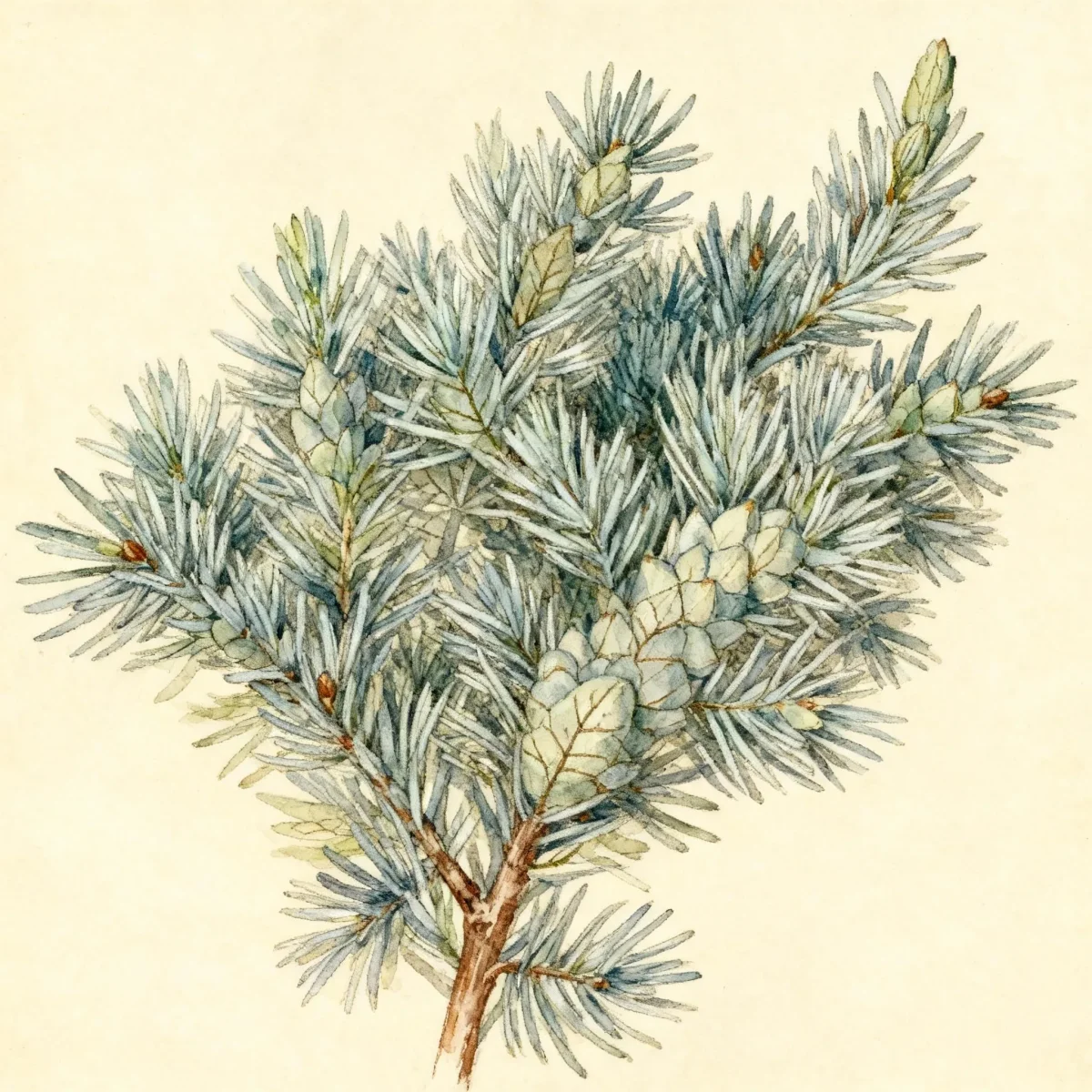
Juniperus squamata 'Blue Star' is a slow-mounded, silver-blue evergreen offering year-round interest. This low-maintenance Singleseed juniper thrives in full sun.
Scroll down to discover growing tips, care requirements, companion plants, and more
Complete Plant Information
Overview
Juniperus squamata ‘Blue Star’ is prized in contemporary and traditional landscapes for its intensely silver-blue, awl-shaped foliage held in a dense, low-mounded shape. This cultivar of the Singleseed juniper provides consistent, striking color throughout all four seasons, making it an essential foundation or accent planting. Its slow growth rate ensures it remains manageable in smaller spaces for decades.
As a hardy needled evergreen, the Singleseed juniper adapts well to challenging garden spots where many other plants struggle. It is celebrated for its low maintenance requirements once established, appealing to gardeners seeking durable, year-round structure without constant intervention. The Juniperus squamata ‘Blue Star’ fits beautifully into rock gardens or used as a persistent groundcover accent.
This specific cultivar forms a tight, hemispherical shape, eventually reaching heights between one and three feet. Its resilience, coupled with its brilliant blue hue, ensures that Juniperus squamata ‘Blue Star’ remains a top choice for adding texture and contrast to foundation plantings and borders.
Fast Facts
- Plant Family: Cupressaceae
- Plant Type: Needled evergreen
- Hardiness Zones: USDA Zones 4-8
- Size at Maturity:
- Height: 1-3 ft
- Spread: 1-4 ft
- Bloom Time: Non-flowering
- Bloom Description: Non-flowering
- Sun Exposure: Full sun
- Water Needs: Medium
- Maintenance Level: Low
How to Grow
For optimal performance, plant Juniperus squamata ‘Blue Star’ during the spring or fall when temperatures are mild. Select a location that provides full sun exposure, which is critical for maintaining the cultivar’s best blue coloring. This Singleseed juniper adapts exceptionally well to a vast range of soils, thriving in average, medium-moisture conditions, but it performs particularly well in dryish, sandy soils, provided drainage is excellent.
Water newly planted specimens regularly until the root system is established. Established plants require medium water input, tolerating drought quite well due to their hardiness profile. Avoid overwatering at all costs; this shrub is notably intolerant of wet or poorly drained soils, which can quickly lead to root rot problems.
Fertilizing is rarely necessary for Juniperus squamata ‘Blue Star’ as it is a relatively slow grower that thrives on lean conditions. Pruning is generally not required; the plant maintains its desirable low-mounded habit naturally. If height modification is absolutely necessary, light pruning can be done to control the eventual landscape size. Be aware that this species is somewhat intolerant of the hot and humid conditions found in the deep South.
Landscape Uses
Juniperus squamata ‘Blue Star’ excels as a specimen shrub, drawing attention with its dense, colorful form anywhere it is placed. Because of its compact, mounding nature, it functions perfectly as a sturdy foundation plant where year-round structure is needed near buildings. Younger plants lend themselves perfectly to established rock gardens, providing vital evergreen contrast against stone textures.
Massing several Juniperus squamata ‘Blue Star’ plants together can create a low, dense, and highly textured ground cover effect that requires minimal cleanup or shearing over time. It excels in mixed foundation borders where you might pair it with contrasting deciduous shrubs or colorful perennials that prefer full sun and well-drained soil. Its tolerance for dry soil and air pollution makes it a reliable choice for difficult urban or roadside plantings.
Standout Features
Fruit Qualities
- Showy
Noteworthy Characteristics
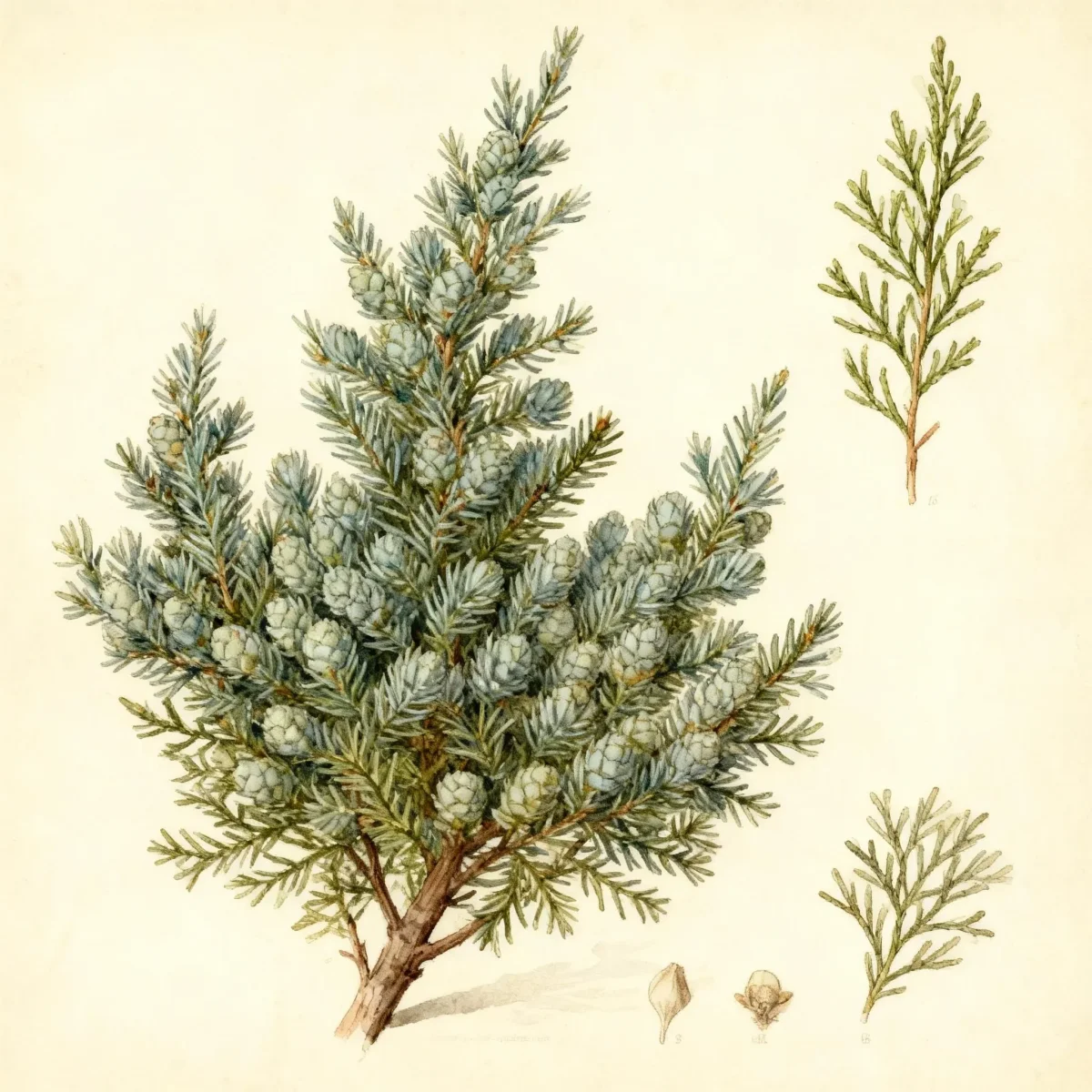
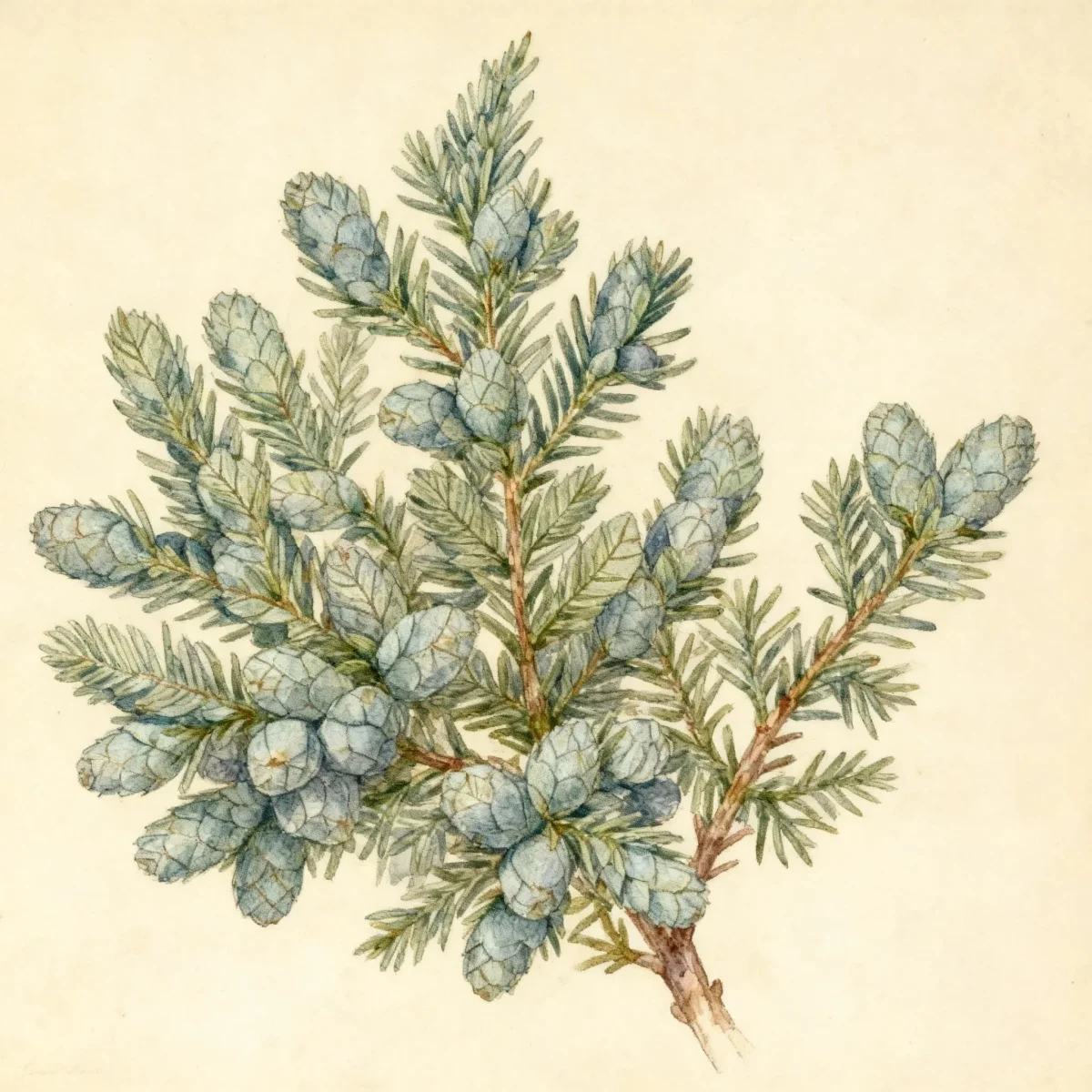
Juniperus squamata is commonly called singleseed juniper because each fleshy, elliptic, blackish, berry-like seed cone it produces contains only one seed. ‘Blue Star’ is distinguished by its low-mounded, hemispherical habit, developing silver-blue awl-shaped needles that remain attractive year-round. This slow-growing cultivar originated as a sport of Juniperus squamata ‘Meyeri’ and is incredibly reliable for cool-toned winter interest.
Tolerances
- Deer
- Drought
- Erosion
- Dry Soil
- Shallow-Rocky Soil
- Air Pollution
Potential Problems
This plant generally avoids serious insect or disease issues when sited correctly; however, watch for potential problems associated with wet conditions or high humidity. Junipers are susceptible to blights, especially Phomopsis twig blight, which manifests as dieback on stem tips, often during wet springs. To mitigate disease risk, ensure excellent soil drainage and avoid overhead watering in humid weather.
Cedar-apple rust diseases utilize junipers during part of their life cycle, so monitor for orange, jelly-like masses following wet periods. Insect pests like scale, bagworms, or spider mites can occasionally appear, usually on stressed or overcrowded plants. Routine inspection of the needles, especially during hot, dry summer spells, can help catch mite infestations early.
Frequently Asked Questions
What hardiness zones is Singleseed juniper suitable for?
The Singleseed juniper, Juniperus squamata ‘Blue Star’, is reliably hardy within USDA Zones 4 through 8.
How large does Juniperus squamata ‘Blue Star’ grow?
This cultivar is slow-growing, typically maturing to a height between 1 and 3 feet, with a spread ranging from 1 to 4 feet wide.
What sun exposure does Juniperus squamata ‘Blue Star’ need?
To achieve the best density and coloration, Juniperus squamata ‘Blue Star’ requires full sun exposure.
When does Singleseed juniper bloom?
This plant is classified as non-flowering, meaning it does not produce conspicuous blossoms; it is valued instead for its evergreen foliage and decorative, single-seeded blue cones.
Conclusion
The slow-growing, striking silver-blue texture offered by Juniperus squamata ‘Blue Star’ makes it an invaluable low-maintenance evergreen anchor in any landscape. Its exceptional drought and poor soil tolerance ensure longevity in demanding sites. Before planting, confirm that your landscape provides adequate sun and, critically, excellent drainage to best establish your Singleseed juniper.
Companion Planting
When designing borders or rock gardens around Juniperus squamata ‘Blue Star’, select companions that naturally prefer full sun and well-drained media. Low-growing, sun-loving sedums or hardy ornamental grasses provide excellent textural contrast to the dense needles of the juniper. For perennial color that won’t compete aggressively, consider planting varieties of perennial Salvia or Lavender, as both share a preference for dry summer conditions.
Design Ideas
The strong, mounding structure of Juniperus squamata ‘Blue Star’ lends itself perfectly to modern, structured plantings where repetition and color consistency are key. Use it as a repeated dot pattern along a walkway edge, providing a consistent blue punctuation mark. Alternatively, utilize its compact size near entryways as permanent, colorful foundation plantings that skirt evergreen height restrictions while providing year-round curb appeal.