Singleseed juniper (Juniperus squamata 'Holger')
Juniperus squamata 'Holger' is a low-maintenance, compact Singleseed juniper evergreen perfect for year-round texture in USDA Zones 4-7.
Scroll down to discover growing tips, care requirements, companion plants, and more
Complete Plant Information
Overview
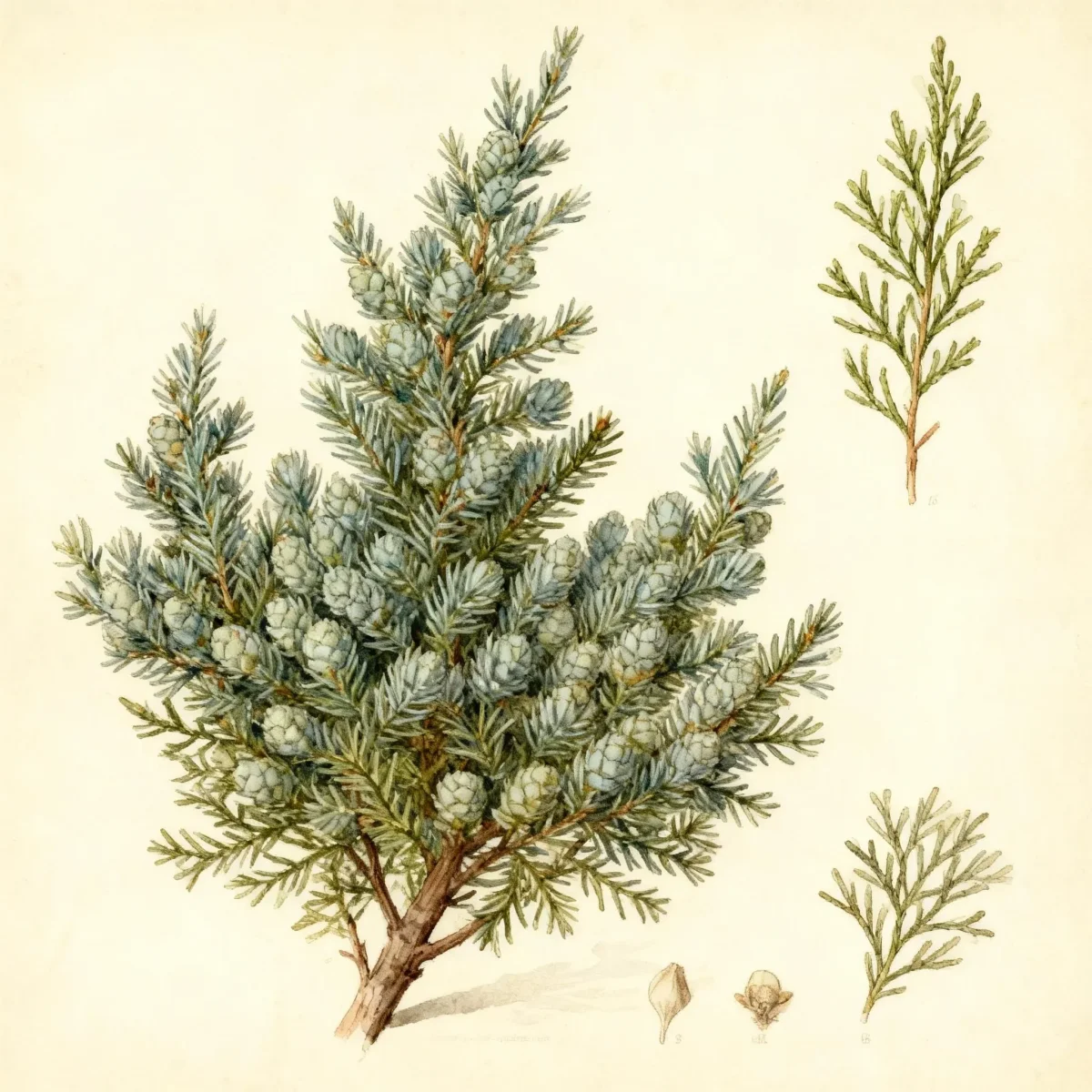
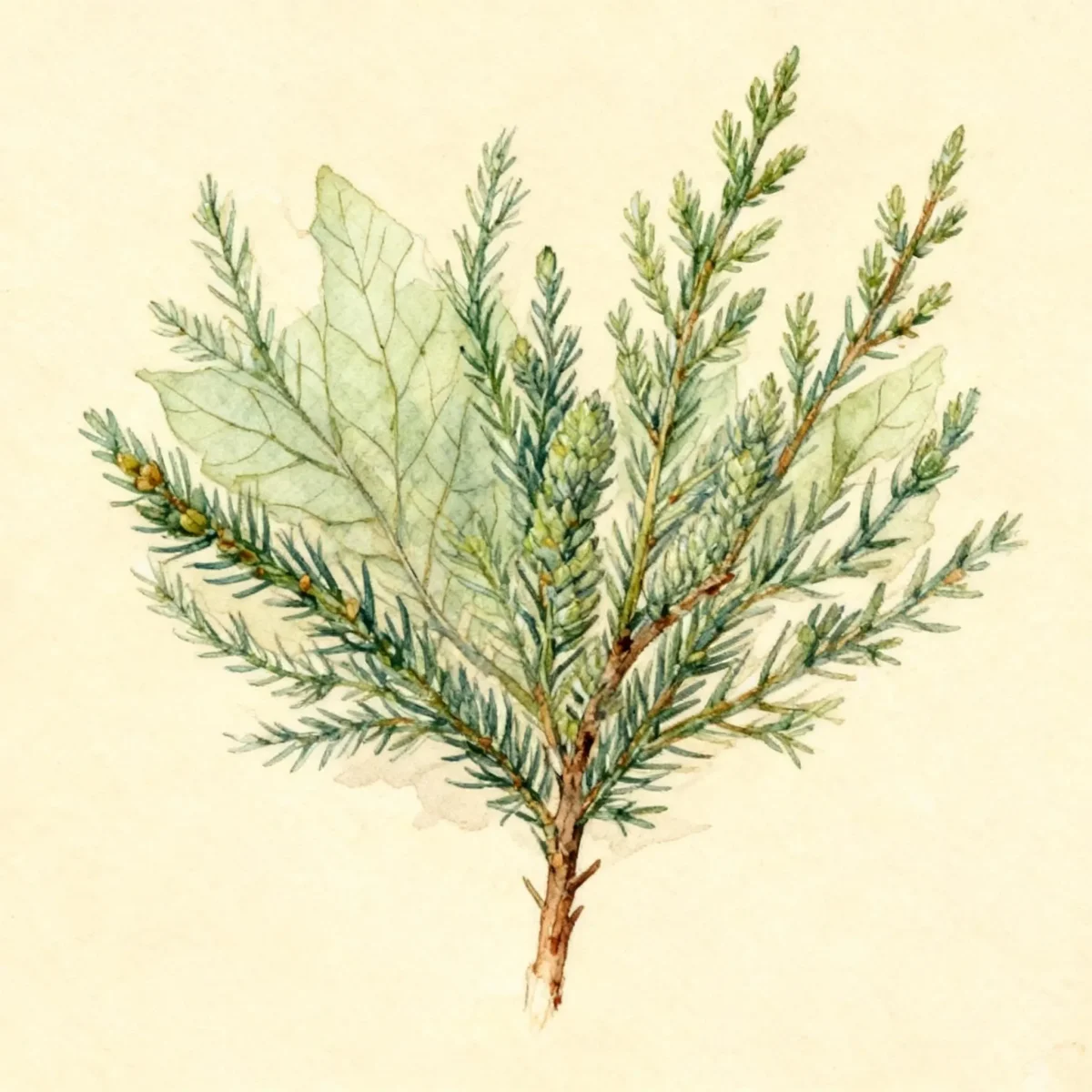
The Juniperus squamata ‘Holger’, commonly known as Singleseed juniper, offers superb year-round structure with striking seasonal color variation. This cultivar is prized for its dense, spreading habit and the attractive bicolor effect created when its new foliage emerges bright yellow, maturing to a rich blue-green by mid-summer. As a tough, low-maintenance needled evergreen, the Singleseed juniper provides excellent texture against hardscape or as a foundation planting.
This compact shrub adapts well to various conditions, thriving best when provided full sun and well-drained soil. While generally rugged, its structure and color display make Juniperus squamata ‘Holger’ a standout choice for gardeners seeking dependable evergreen interest without excessive upkeep. It is an excellent replacement for more sprawling or floppy groundcovers in drier landscape settings.
Fast Facts
- Plant Family: Cupressaceae
- Plant Type: Needled evergreen
- Hardiness Zones: USDA Zones 4-7
- Size at Maturity:
- Height: 3-5 ft
- Spread: 3-5 ft
- Bloom Time: Non-flowering
- Bloom Description: Non-flowering
- Sun Exposure: Full sun
- Water Needs: Medium
- Maintenance Level: Low
How to Grow
Plant Juniperus squamata ‘Holger’ during the cooler spring or fall seasons to allow establishment before extreme weather hits. This Singleseed juniper prefers average, medium moisture, well-drained soils but shows adaptability, performing particularly well in dryish, sandy conditions provided drainage is excellent. Avoid locations where water pools, as this plant is intolerant of wet soils and excessive summer humidity, common in the deep South.
Once established, watering requirements are medium; ensure consistent moisture during the first year, reducing frequency thereafter except during severe drought. Generally, Junipers require minimal fertilization. Pruning is usually unnecessary for Juniperus squamata ‘Holger’, as its form is naturally dense and spreading. If height control is absolutely necessary, light pruning can be performed, but avoid heavy shearing which can damage the interior growth.
Take care to site this shrub where it receives full sun exposure; insufficient light can diminish the desirable yellow coloration on new spring growth. While highly adaptable, monitor for signs of stress related to poor drainage, which invites root rot problems over time.
Landscape Uses
The versatility of this compact shrub allows the Singleseed juniper to fulfill numerous roles in landscape design. Its spreading habit makes Juniperus squamata ‘Holger’ an excellent mass planting option, effectively serving as a dense, evergreen ground cover or low hedge along property lines. Grouping several plants can effectively soften foundation lines or fill irregular spaces between hardscape elements.
Due to its tolerance for dry soil and drought once mature, this cultivar is ideal for xeriscaping designs or slopes where erosion control is a secondary concern. The distinctive yellow new growth in spring provides excellent contrast when planted near deep green or burgundy foliage plants, adding vibrant foreground interest to rock gardens or mixed evergreen borders.
Standout Features
Fruit Qualities
- Showy
Noteworthy Characteristics
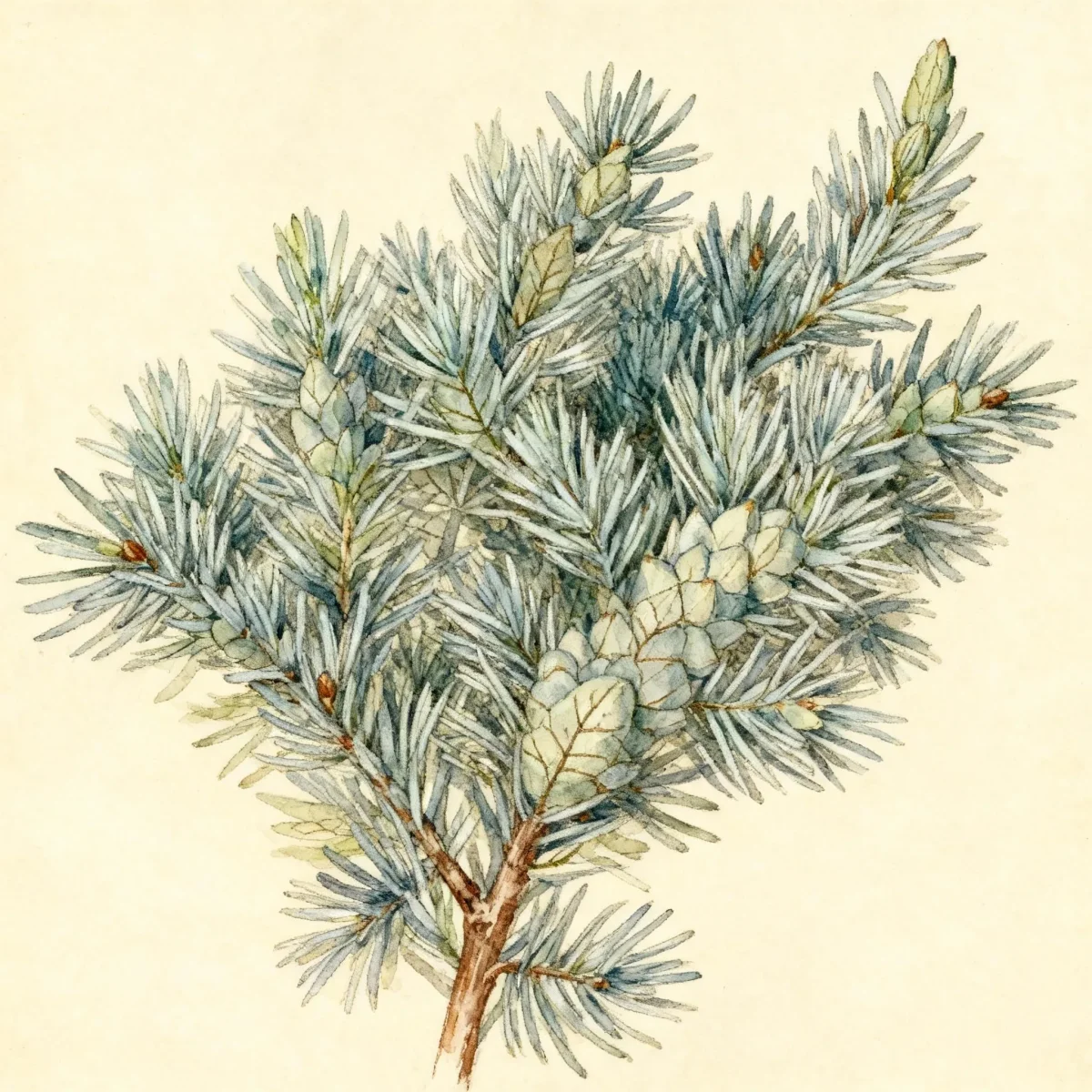
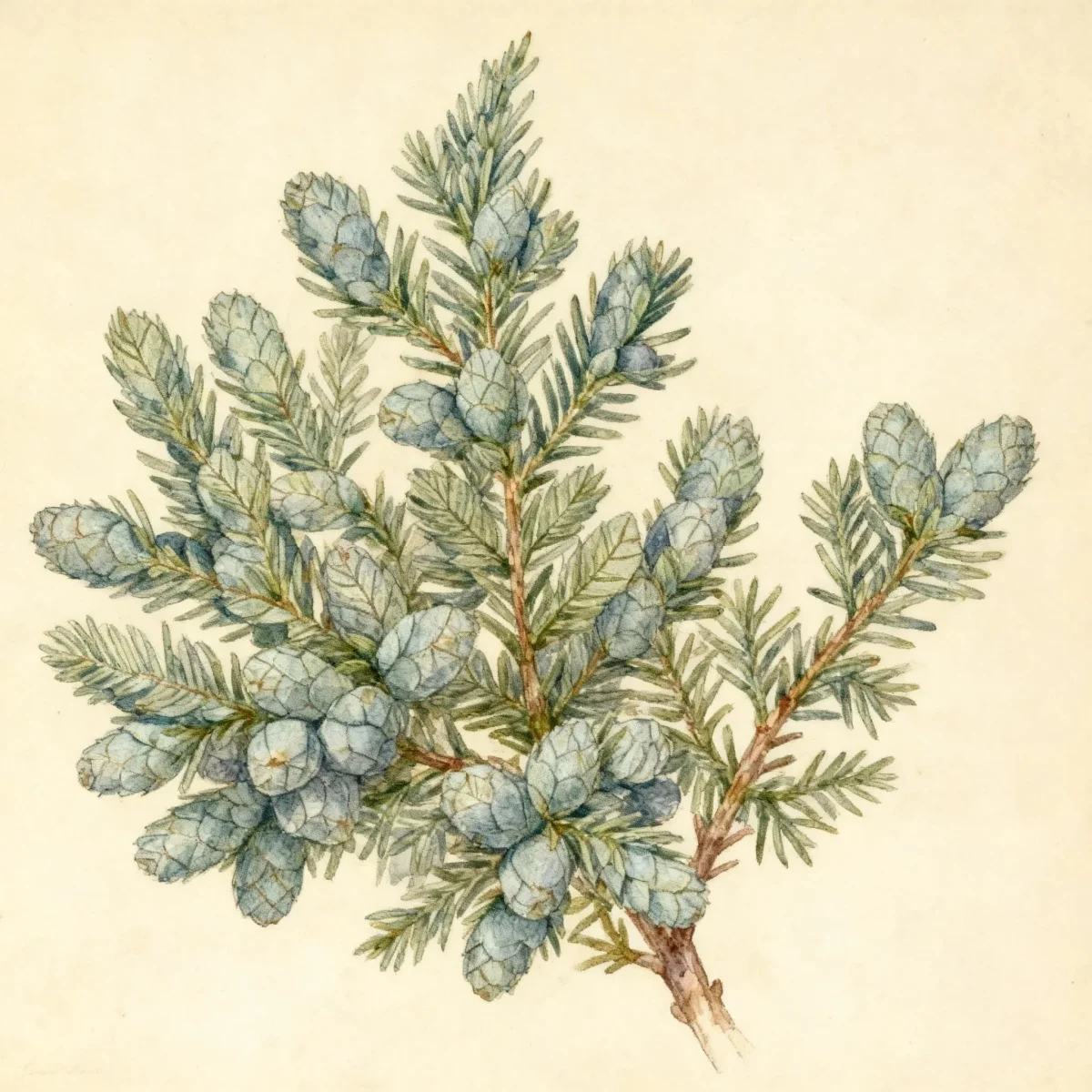
Juniperus squamata is commonly called singleseed juniper because each fleshy, elliptic, blackish, berry-like seed cone it produces contains only one seed. It is native to mountainous areas from Afghanistan to China and Taiwan. It grows somewhat variably in the wild, from prostrate ground cover to spreading shrub to upright shrub/small tree. Awl-shaped, sharply-pointed, gray-green to blue-green needles (to 5/16” long) appear in whorls of three, each needle possessing a gray-white band. ‘Holger’ is a compact, densely-branched, spreading shrub that typically grows to 1-3’ tall and 3-4’ wide, but in some conditions may eventually reach 5’ by 5’ after 10 years. It is noted for its yellow new growth that creates an attractive bicolor foliage effect in spring, eventually maturing to blue-green by summer.
Tolerances
- Deer
- Drought
- Erosion
- Dry Soil
- Shallow-Rocky Soil
- Air Pollution
Potential Problems
Juniperus squamata ‘Holger’ is generally resilient, exhibiting no serious insect or disease problems when sited correctly. The primary concern is fungal issues related to excessive moisture. In unusually wet or rainy springs, junipers become susceptible to blights, most notably Phomopsis twig blight, which causes dieback on stem tips.
Root rot is a significant risk if the soil drainage is poor or the area becomes waterlogged, as this plant tolerates wet soils poorly. To mitigate fungal risks, ensure proper spacing for air circulation and avoid overhead watering late in the day. Scale insects, aphids, and spider mites occasionally appear; small infestations can often be managed by removing affected twigs or applying horticultural oil.
Look out for environmental discoloration, as foliage on Juniperus squamata ‘Holger’ may take on a brownish tint during harsh winter conditions. Selecting a site protected from strong winter winds can minimize this aesthetic browning.
Frequently Asked Questions
What hardiness zones is Singleseed juniper suitable for?
The Singleseed juniper, Juniperus squamata ‘Holger’, is suitable for USDA Hardiness Zones 4 through 7.
How large does Juniperus squamata ‘Holger’ grow?
This dense, spreading shrub typically reaches a mature height between 3 and 5 feet, with a corresponding spread of 3 to 5 feet.
What sun exposure does Juniperus squamata ‘Holger’ need?
Juniperus squamata ‘Holger’ requires full sun exposure to maintain its best color and compact form.
When does Singleseed juniper bloom?
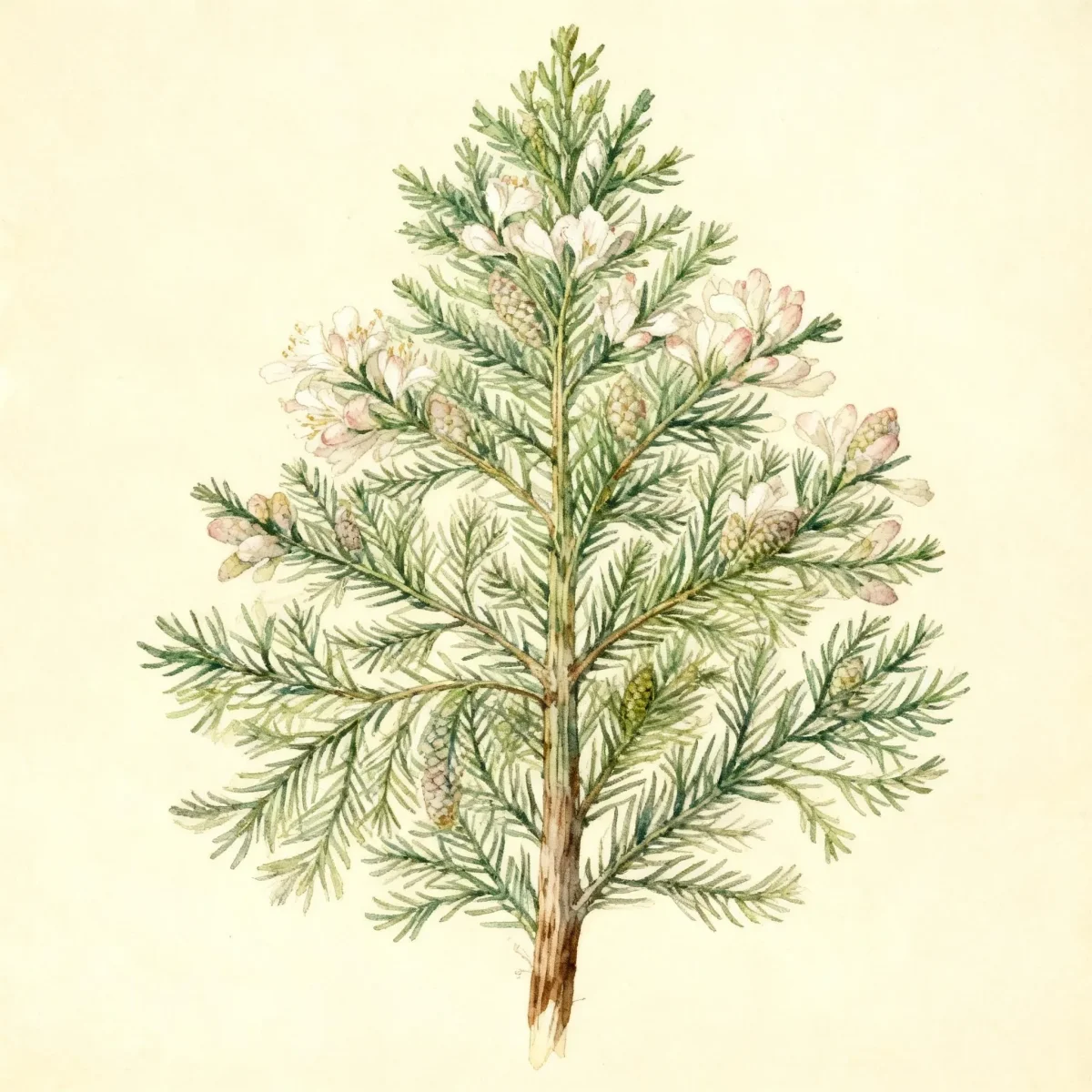
Singleseed juniper is non-flowering; it does not produce noticeable flowers but offers interesting berry-like cones described as showy.
Conclusion
The Juniperus squamata ‘Holger’ remains a stellar choice for reliable, four-season interest due to its compact structure and unique yellow-tipped new growth. This low-maintenance Singleseed juniper adapts well to challenging soil textures, provided drainage is maximized. Before planting, confirm your garden location offers full sun and well-draining soil so your new Juniperus squamata ‘Holger’ can thrive for years to come.
Companion Planting
When selecting partners for this resilient evergreen, focus on plants that share a preference for full sun and excellent drainage. Consider pairing Juniperus squamata ‘Holger’ with deciduous shrubs that offer contrasting foliage color in the fall, such as dwarf varieties of Japanese Maples (Acer palmatum) or smokebush (Cotinus coggygria). Ground-level companions can include low-growing sedums or creeping thyme, which enjoy dry, sunny conditions similar to the Singleseed juniper.
Avoid planting near moisture-loving perennials or shrubs that require consistent deep watering, as the resulting humidity and wet feet will stress the juniper and increase susceptibility to blight. For year-round contrast, dark green, fine-textured evergreens like Taxus selections offer a classic backdrop that makes the yellow spring tips on this cultivar truly pop.
Design Ideas for Evergreen Structure
The spreading habit of Juniperus squamata ‘Holger’ makes it an essential component in contemporary and traditional landscape designs needing low horizontal coverage. Use it heavily in mass plantings along wide retaining walls or banks to provide immediate visual mass and erosion control. In modern minimalist gardens, a simple grouping of three to five Singleseed junipers can create a strong, textural focus against monochromatic hardscaping elements like gravel or slate.
Because of its relatively contained mature size (up to 5x5 ft over time), it fits well in foundation plantings where taller shrubs might obscure windows. Ensure you leave adequate space for air circulation, remembering that poor airflow exacerbates potential fungal issues associated with humidity. This shrub performs exceptionally well as a specimen highlight in highly visible areas where its spring color transition can be easily appreciated.