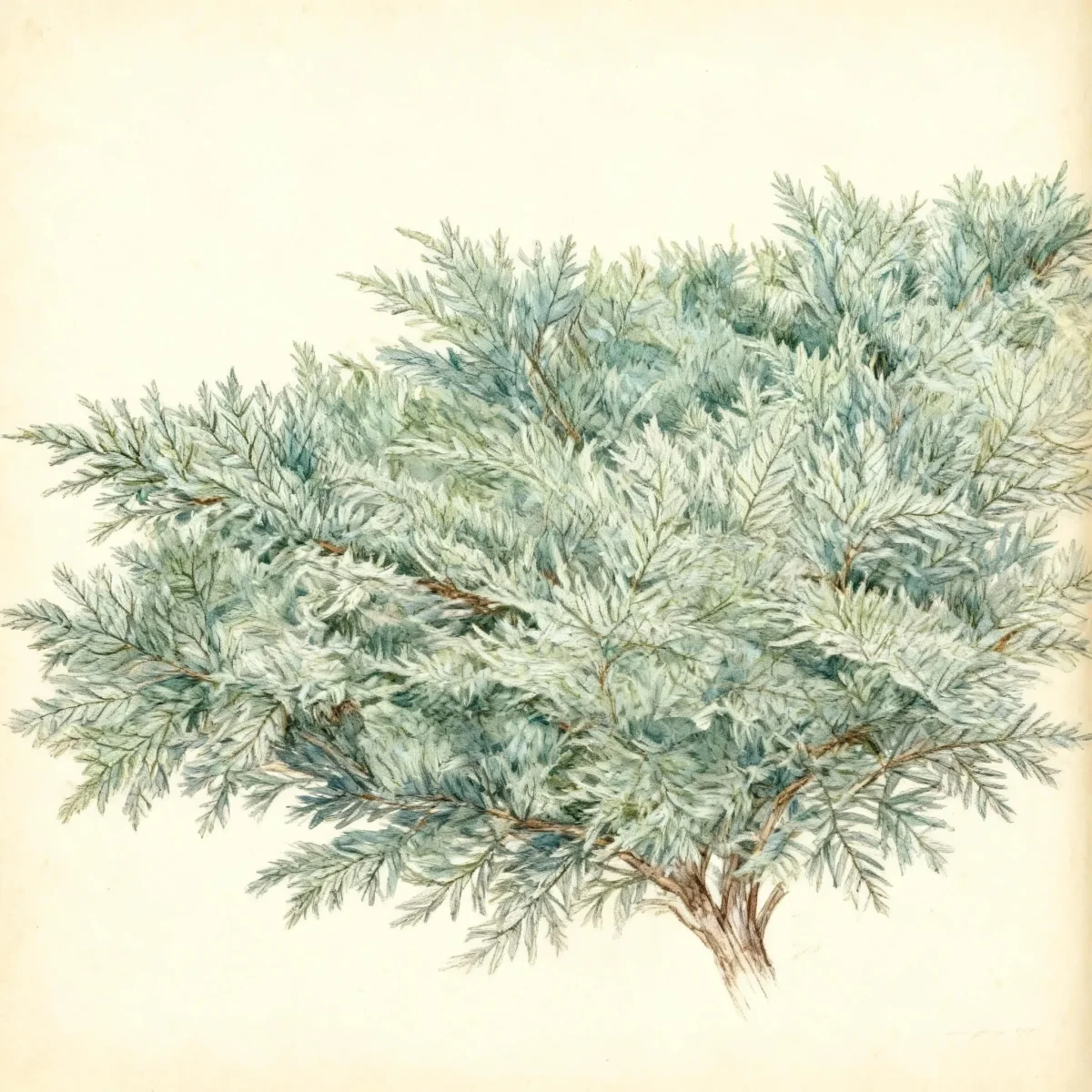
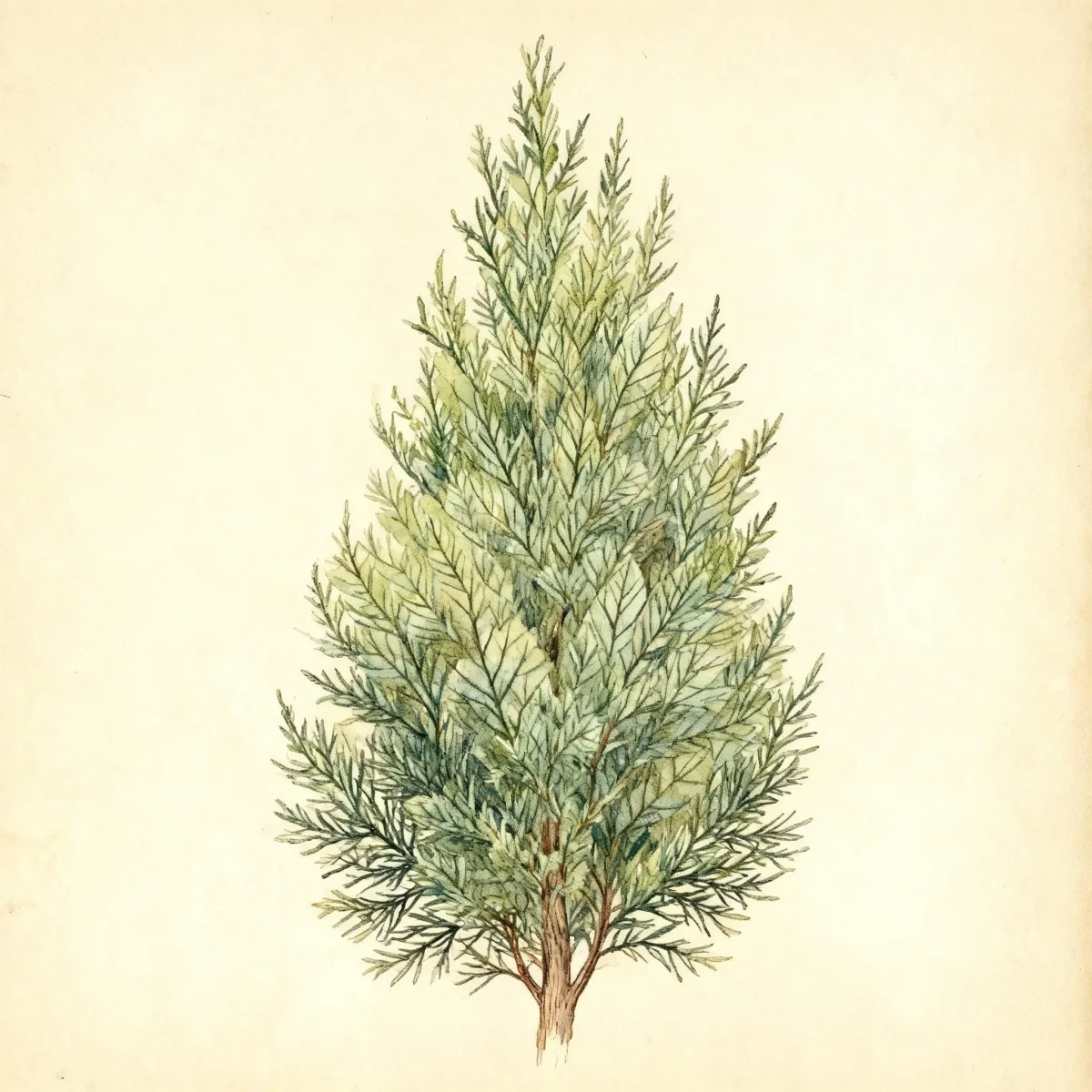
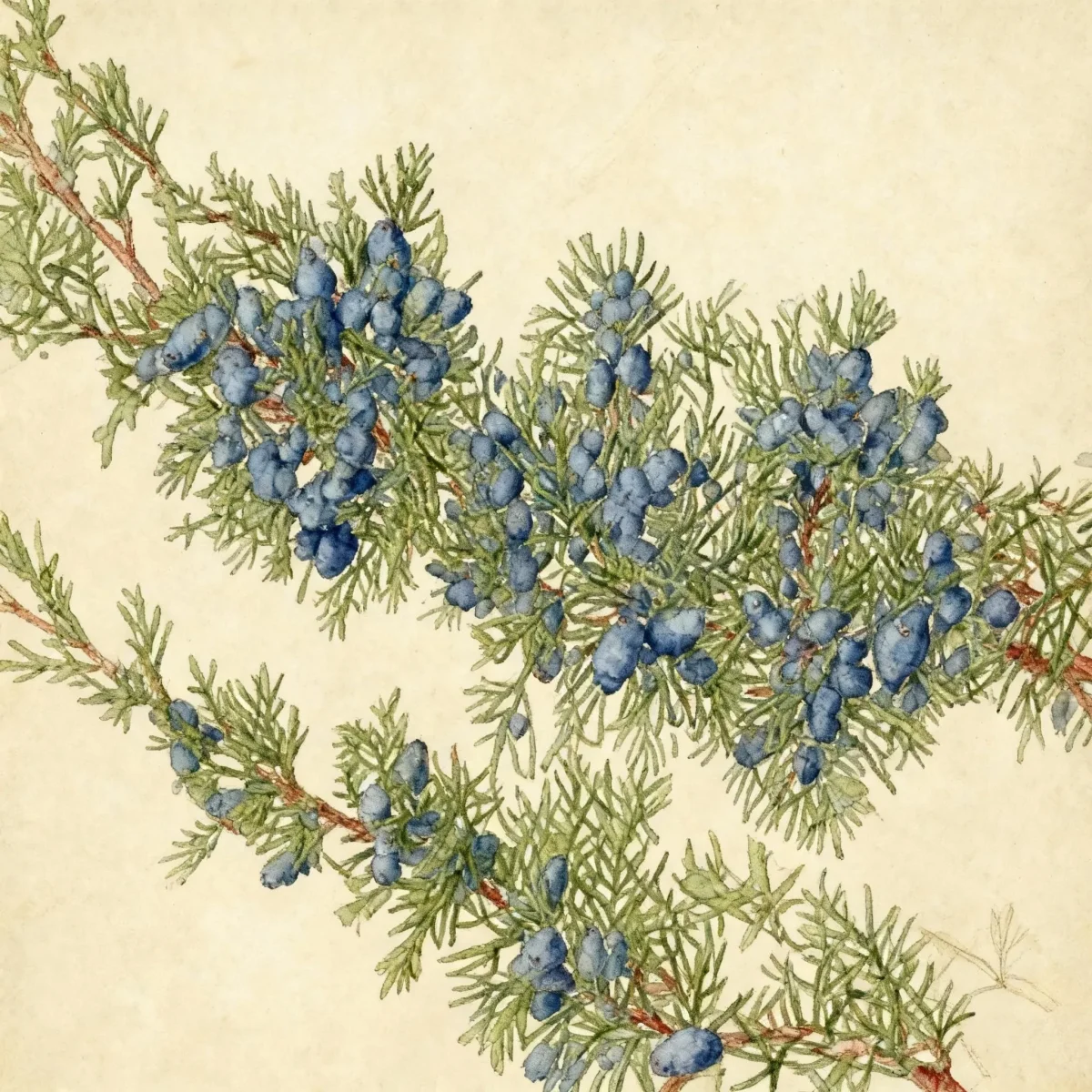
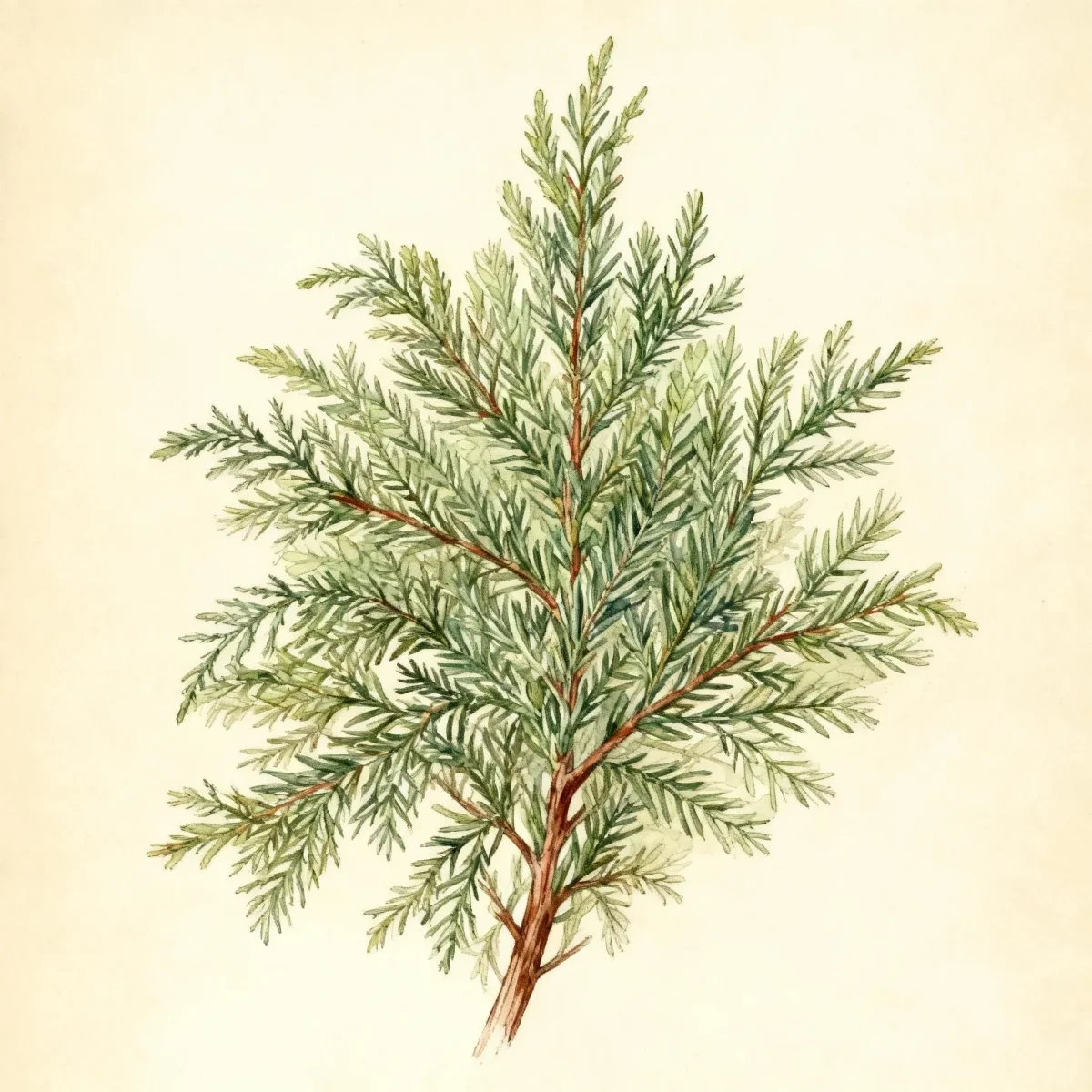
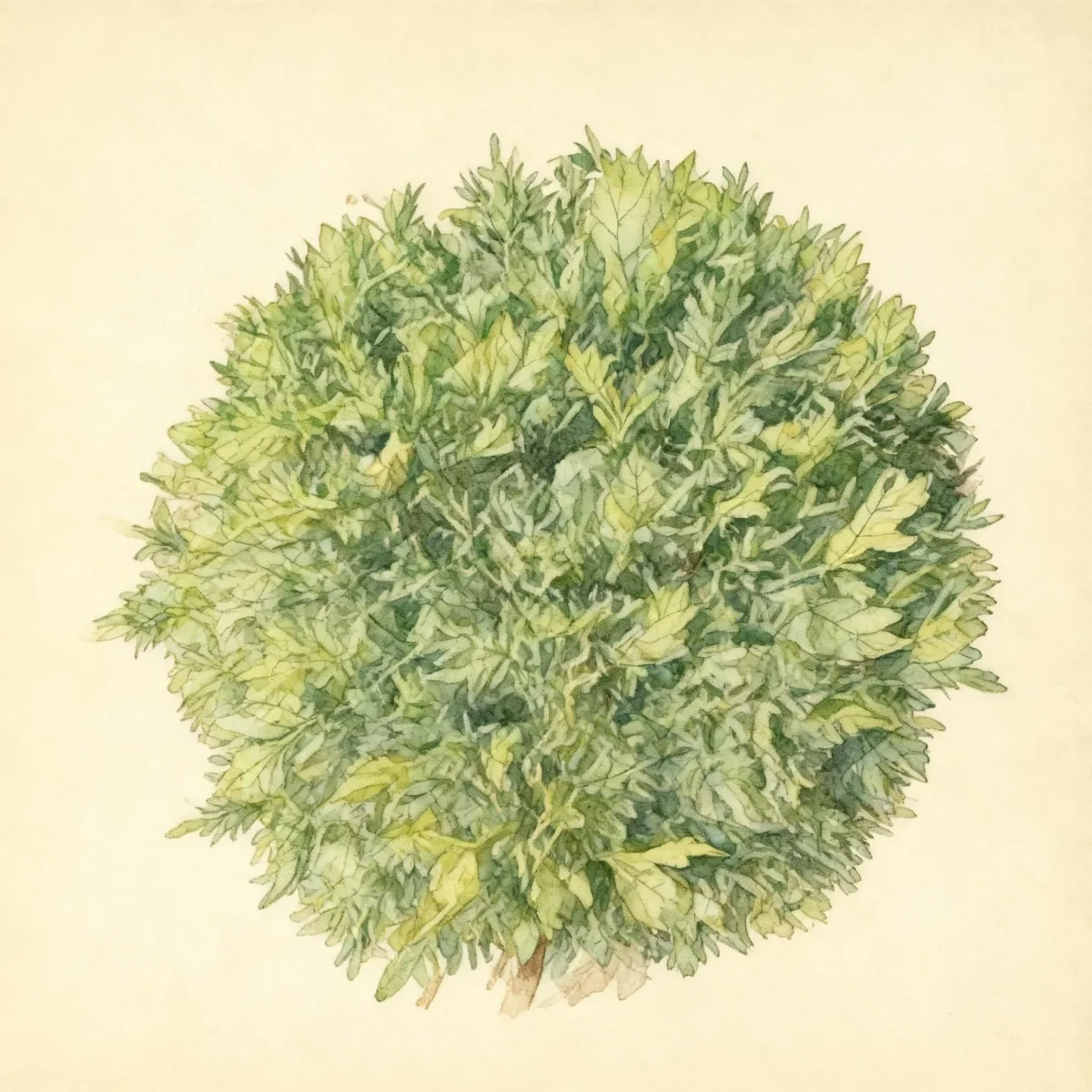
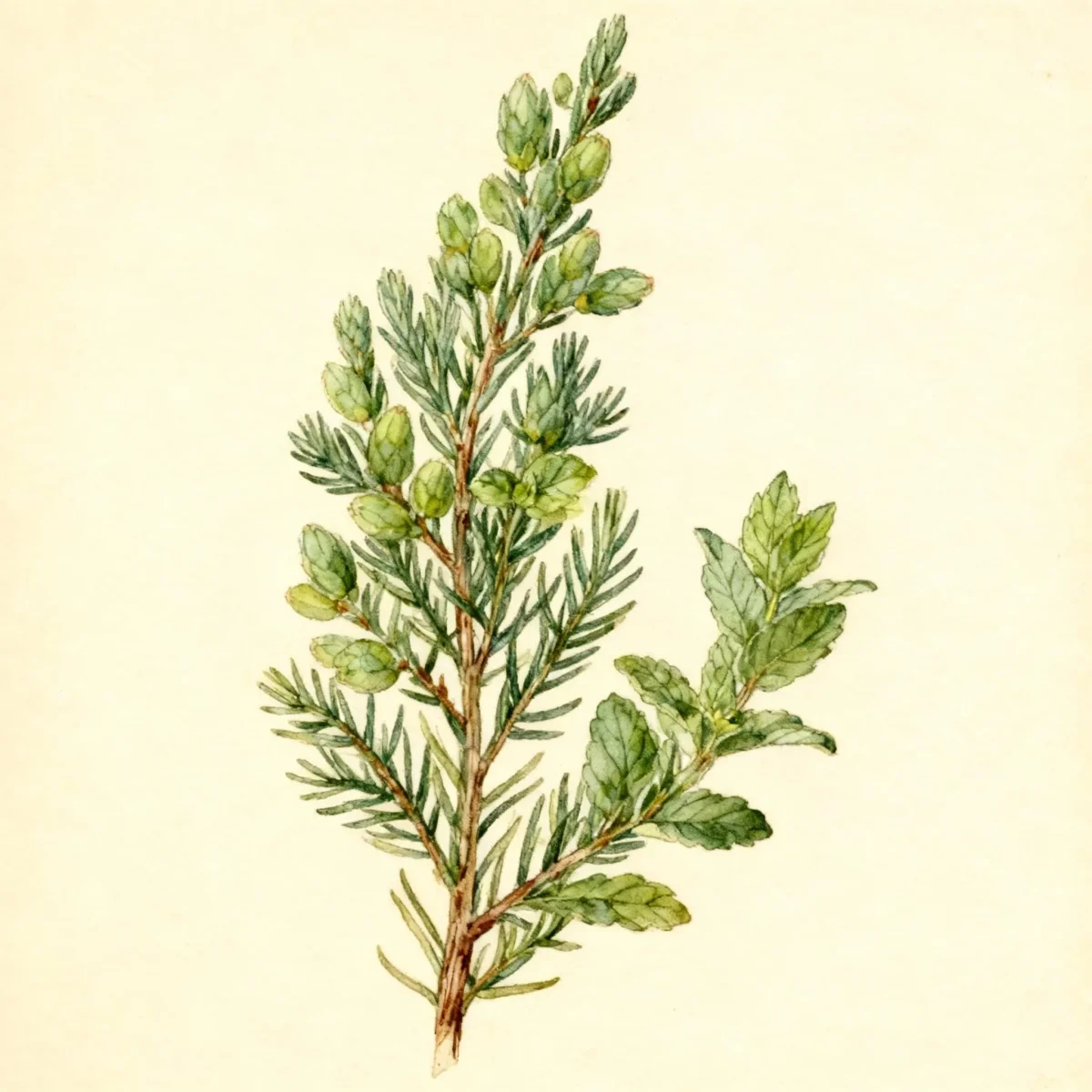
Red cedar (Juniperus virginiana 'Burkii')
Juniperus virginiana 'Burkii' is a robust, columnar Red cedar offering year-round columnar texture and silver-blue foliage, ideal for screens.
Scroll down to discover growing tips, care requirements, companion plants, and more
Complete Plant Information
Overview
Juniperus virginiana ‘Burkii’, known commonly as Red cedar, is a highly adaptable, low-maintenance conifer valued for its striking, narrow form. This cultivar provides excellent vertical interest, contrasting beautifully with broadleaf shrubs in the landscape. As a selection of Eastern red cedar, it inherits exceptional toughness under adverse conditions.
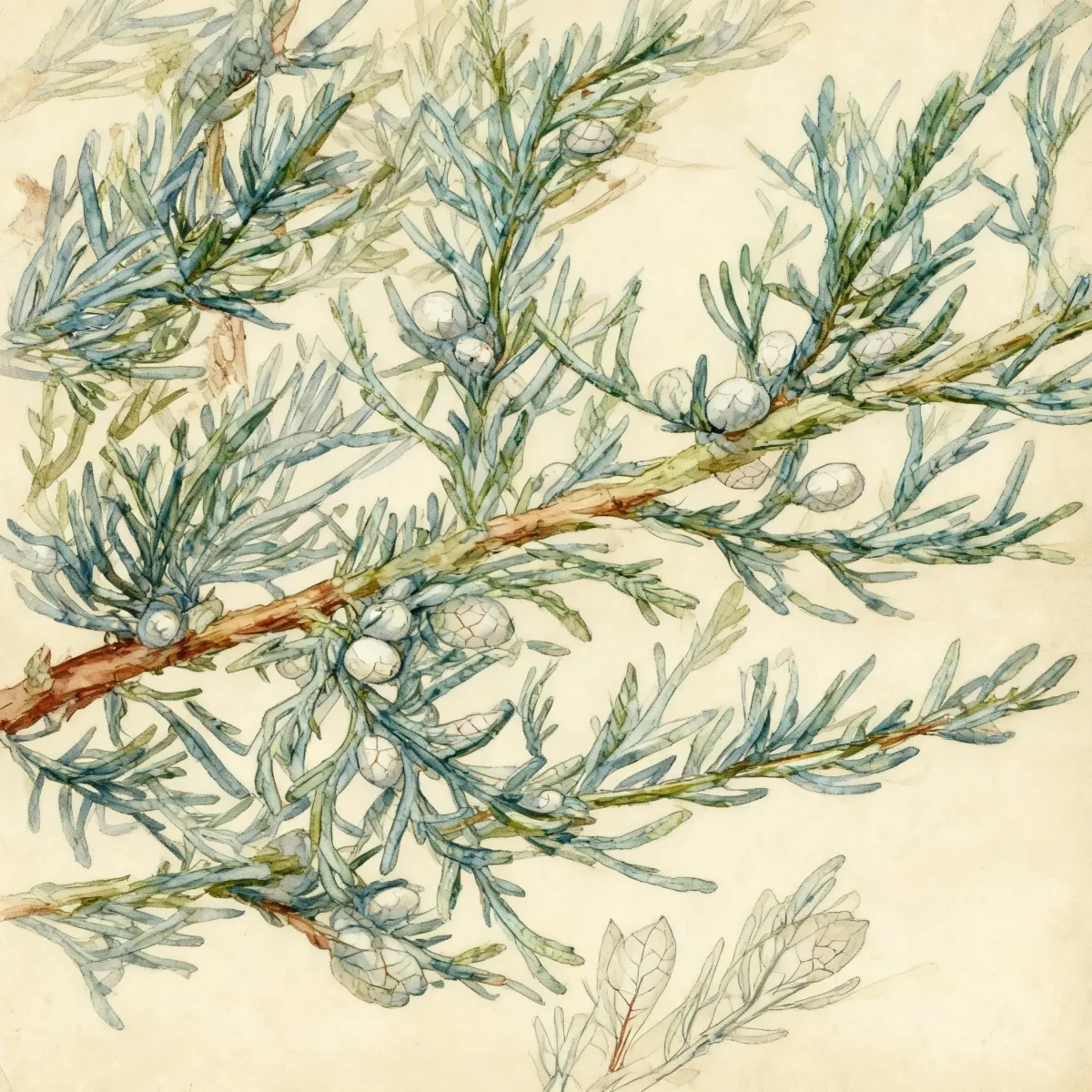
The ‘Burkii’ cultivar maintains a strongly columnar to narrow pyramidal habit, typically growing much more compactly than the species, making it perfect for tighter spaces or formal plantings. Its scale-like, glaucous, bluish-silver foliage is particularly attractive, often developing attractive purple tinges during the colder months.
Gardeners prize this Red cedar for its resilience and minimal cultural demands. It thrives in full sun and exhibits superior drought tolerance once established, making Juniperus virginiana ‘Burkii’ a reliable choice for creating evergreen structure throughout the year, especially in challenging, dry sites.
Fast Facts
- Plant Family: Cupressaceae
- Plant Type: Needled evergreen
- Hardiness Zones: USDA Zones 2-9
- Size at Maturity:
- Height: 10-25 ft
- Spread: 4-10 ft
- Bloom Time: Non-flowering
- Bloom Description: Non-flowering
- Sun Exposure: Full sun
- Water Needs: Medium
- Maintenance Level: Low
How to Grow
Plant your Juniperus virginiana ‘Burkii’ in spring or fall when conditions are favorable for root establishment. Ensure the planting site receives full sun exposure throughout the day, as inadequate light can result in sparse growth and reduced winter color. This cultivar is exceptionally adaptable regarding soil type; however, it demands well-drained conditions.
Watering should be consistent, particularly during the first growing season, mimicking medium water needs. While the species possesses the best drought resistance of eastern U.S. conifers, supplemental water helps new plants establish deeply. Avoid planting where water pools or remains constantly saturated, as this is detrimental to root health.
Maintenance for this Red cedar is generally low. Fertilization is rarely required unless the soil is extremely poor. Pruning is usually unnecessary due to its inherent columnar shape, though you may selectively remove dead or diseased twigs as needed. Be vigilant early in the season for signs of potential issues like cedar apple rust.
Landscape Uses
The columnar profile of Juniperus virginiana ‘Burkii’ makes it an excellent choice for formal landscape designs where vertical emphasis is required. It performs admirably when used as a solitary specimen plant, drawing the eye upward, or lined up to create imposing, narrow screens or property borders. Its dense structure provides excellent winter screening.
When selecting companions, pair the Red cedar with plants that appreciate similar sun and soil preferences but offer contrasting texture or color. Due to the known issue with cedar apple rust transmission, it is crucial to Avoid planting near apple trees. Utilizing this cultivar away from susceptible Rosaceae family members ensures plant health.
For architectural impact, place Juniperus virginiana ‘Burkii’ near the entrance of pathways or flanking structural elements. Its year-round foliage provides a solid backbone in any mixed border planting scheme, offering permanence when deciduous plants lose their leaves.
Standout Features
Noteworthy Characteristics
Juniperus virginiana, commonly called Eastern red cedar, is native to Missouri where it typically occurs on limestone bluffs and glades, wood margins, fields, pastures and fence rows throughout the state except for the southeastern lowlands (Steyermark). It is a broadly conical, sometimes columnar, dense, evergreen conifer with horizontal branching that typically grows to 30-65’ tall. The cultivar ‘Burkii’ presents a more manageable, columnar to narrow pyramidal form, typically reaching 10-15’ tall, featuring dense, ascending branches with scale-like, glaucous, bluish-silver foliage that acquires a tinge of purple in autumn and winter. This male cultivar enhances the landscape without producing the berry-like cones found on female trees.
Tolerances
- Deer
- Drought
- Erosion
- Dry Soil
- Shallow-Rocky Soil
- Black Walnut
- Air Pollution
Potential Problems
Cedar apple rust is a common concern for many junipers, including this Red cedar. This fungal disease requires moisture and moderate temperatures to spread, often manifesting on the juniper foliage with orange, gelatinous, horn-like growths in spring; these growths spread spores to susceptible apple trees nearby. Susceptibility also exists for twig blight and scale insects, which can cause dieback in branches, and bagworms may appear periodically. Proactive monitoring is key; treat early signs of scale or mites with horticultural oil sprays and ensure good air circulation when planting to minimize rust risk, strongly advising against planting near apple orchards.
Frequently Asked Questions
What hardiness zones is Red cedar suitable for?
Juniperus virginiana ‘Burkii’ is highly resilient, thriving across USDA Zones 2 through 9.
How large does Juniperus virginiana ‘Burkii’ grow?
This columnar cultivar typically reaches a height between 10 and 25 feet, with a moderate spread of 4 to 10 feet.
What sun exposure does Red cedar need?
This needled evergreen requires full sun exposure to maintain its dense form and vibrant foliage color.
When does Juniperus virginiana ‘Burkii’ bloom?
This plant is non-flowering, as it is a conifer; it does not produce true flowers, instead generating cone structures if it were a female plant.
Conclusion
The Juniperus virginiana ‘Burkii’ offers outstanding structure and low-maintenance beauty, making it a cornerstone for evergreen screening and vertical accents in the garden. Appreciated for its drought tolerance and dense, silver-blue foliage, this Red cedar variety proves invaluable in difficult sites. Always confirm your local hardiness zone, maximize sun exposure, and plan planting spacing carefully to allow this columnar beauty to mature successfully.
Wildlife Benefits
The native Juniperus virginiana lineage offers significant ecological value, primarily through providing cover. Although the ‘Burkii’ cultivar is male and does not produce the attractive berry-like cones consumed by numerous bird species, its dense, columnar evergreen structure provides critical winter shelter for backyard wildlife. Planting screens of these trees offers vital refuge from predators and harsh weather during colder months.
Companion Planting
Because this Red cedar variety prefers drier, well-drained conditions and full sun, excellent companion plants include other highly resilient evergreens and drought-tolerant perennials. Consider pairing it with ornamental grasses like Switchgrass (Panicum virgatum) or species of Sedum that thrive in lean, sunny soils. Such combinations create textural contrast while sharing similar, easy-care cultural requirements, avoiding competition for moisture.