Red cedar (Juniperus virginiana 'Grey Owl')
Juniperus virginiana 'Grey Owl' is a compact, low-maintenance Red cedar known for its striking silver-gray foliage and weather tolerance.
Scroll down to discover growing tips, care requirements, companion plants, and more
Complete Plant Information
Overview
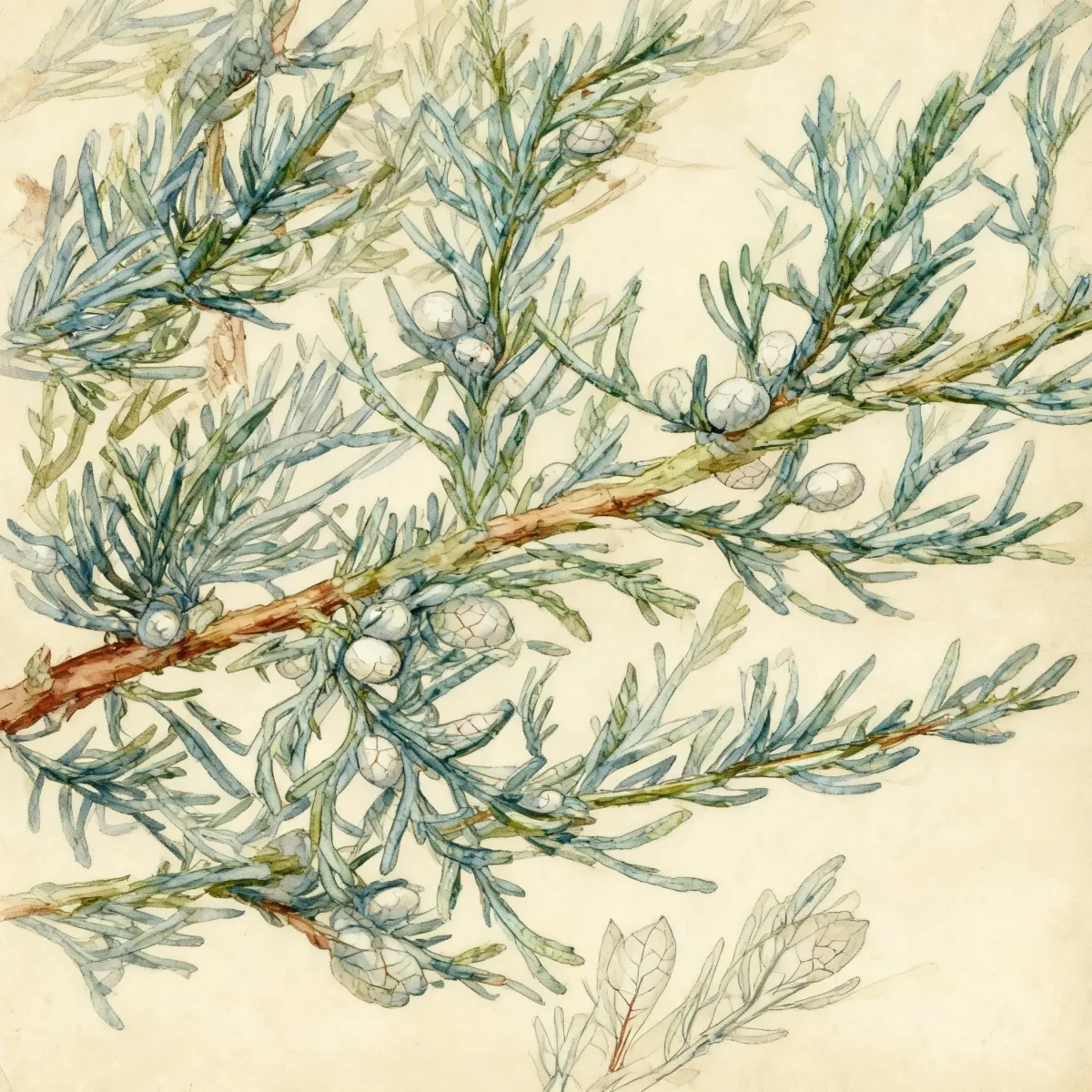
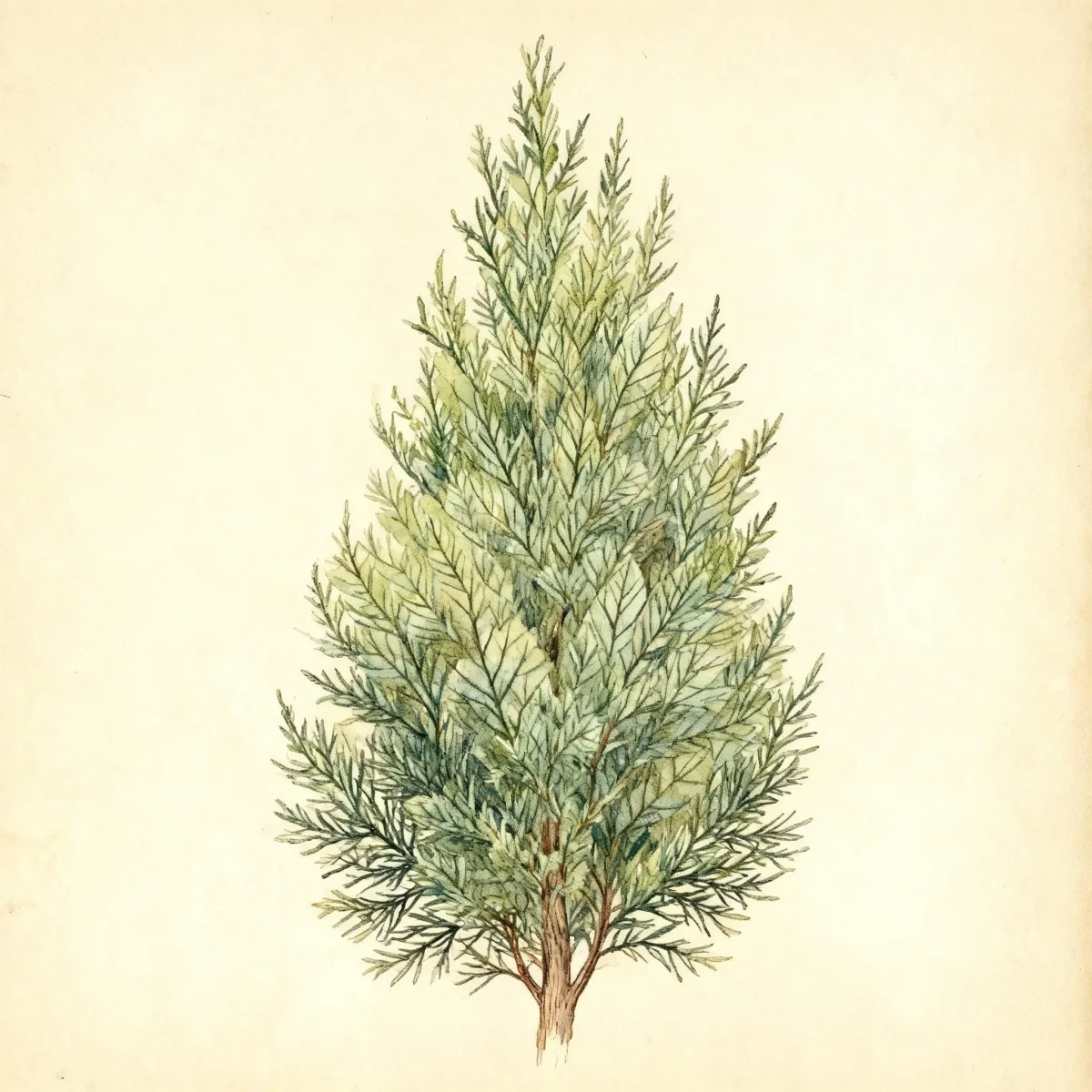
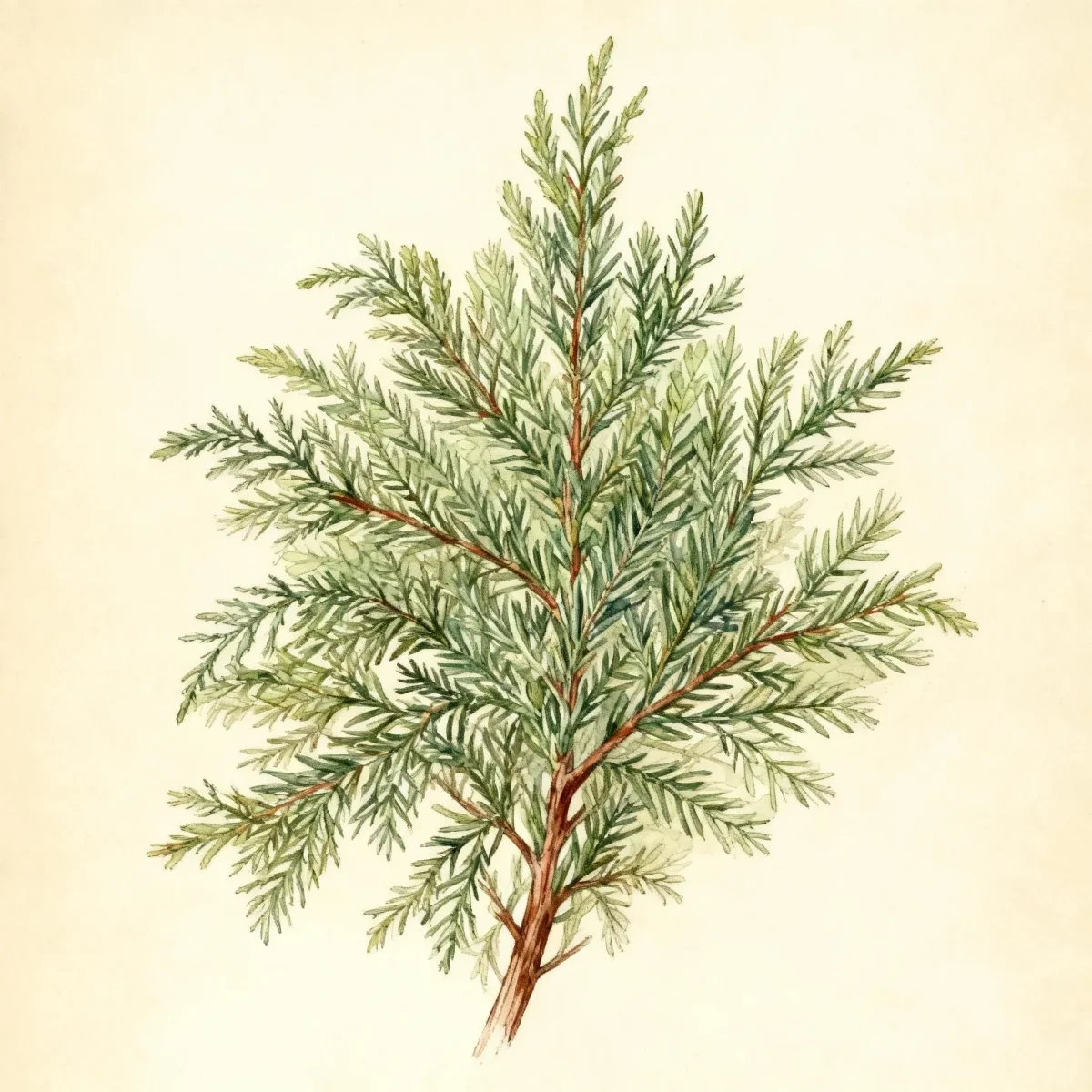
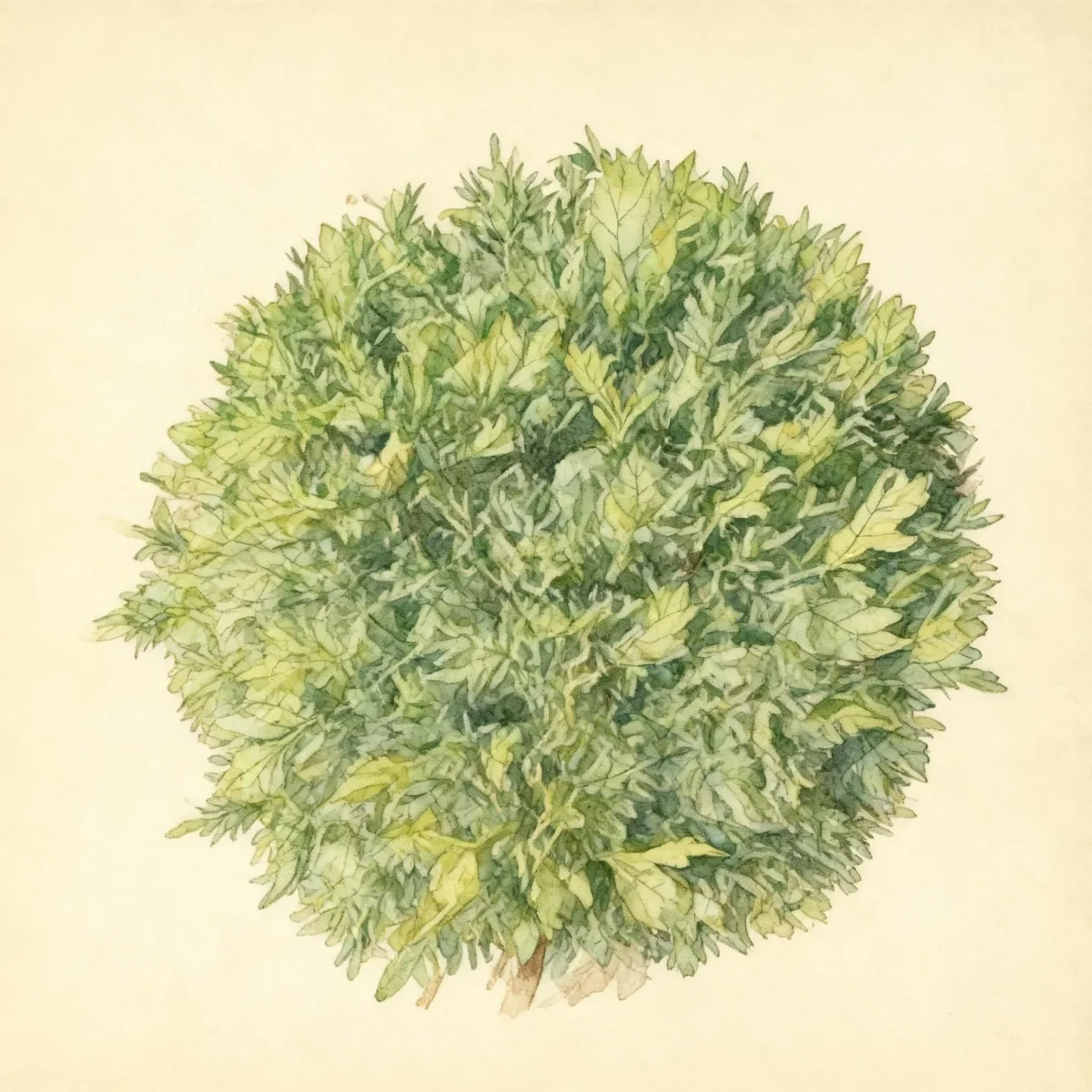
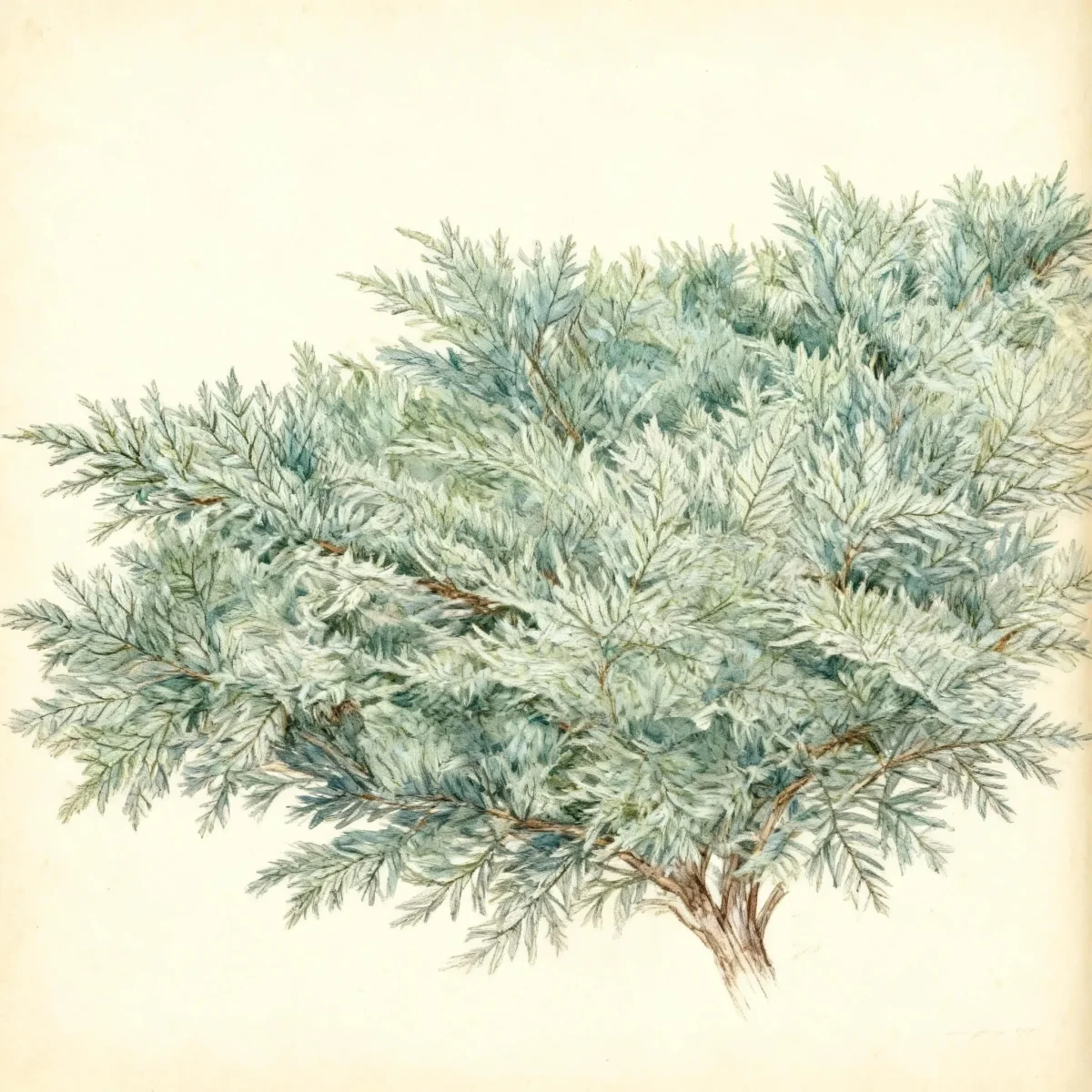
Juniperus virginiana ‘Grey Owl’, commonly known as Red cedar, offers gardeners a dense, low-growing evergreen solution perfect for foundational planting or borders. This cultivar is highly valued for its beautiful, compact, and wide-spreading habit, which contrasts nicely with the taller stature of the species. Its signature feature is the appealing scale-like foliage that maintains a distinct silver-gray hue year-round.
As a cultivar of Eastern red cedar, Juniperus virginiana ‘Grey Owl’ shares the species’ impressive resilience. It thrives in challenging conditions where many other conifers struggle, making it a reliable performer in sunny, exposed locations. Gardeners appreciate the low maintenance required for this shrub, allowing it to function effectively as a groundcover or a low screen.
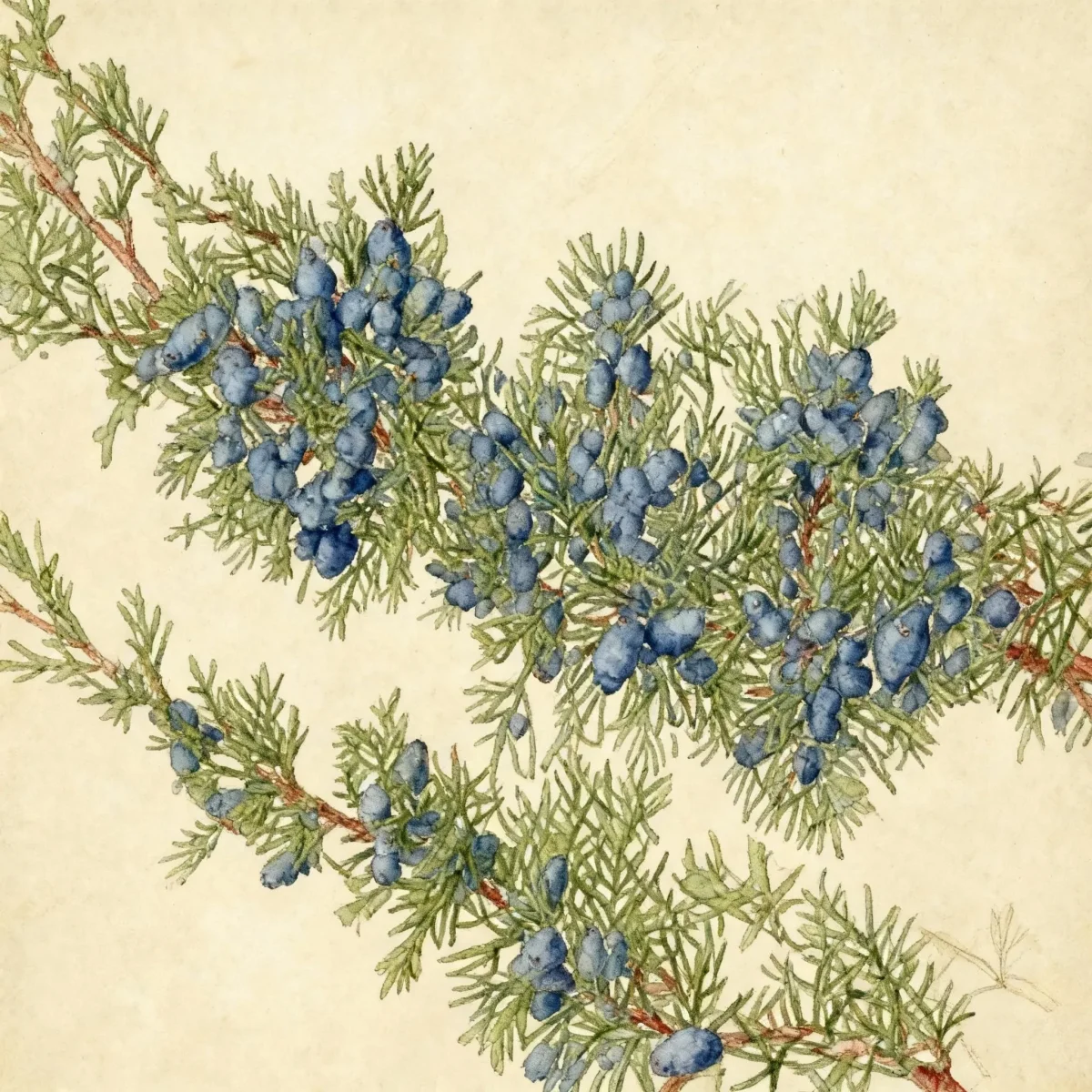
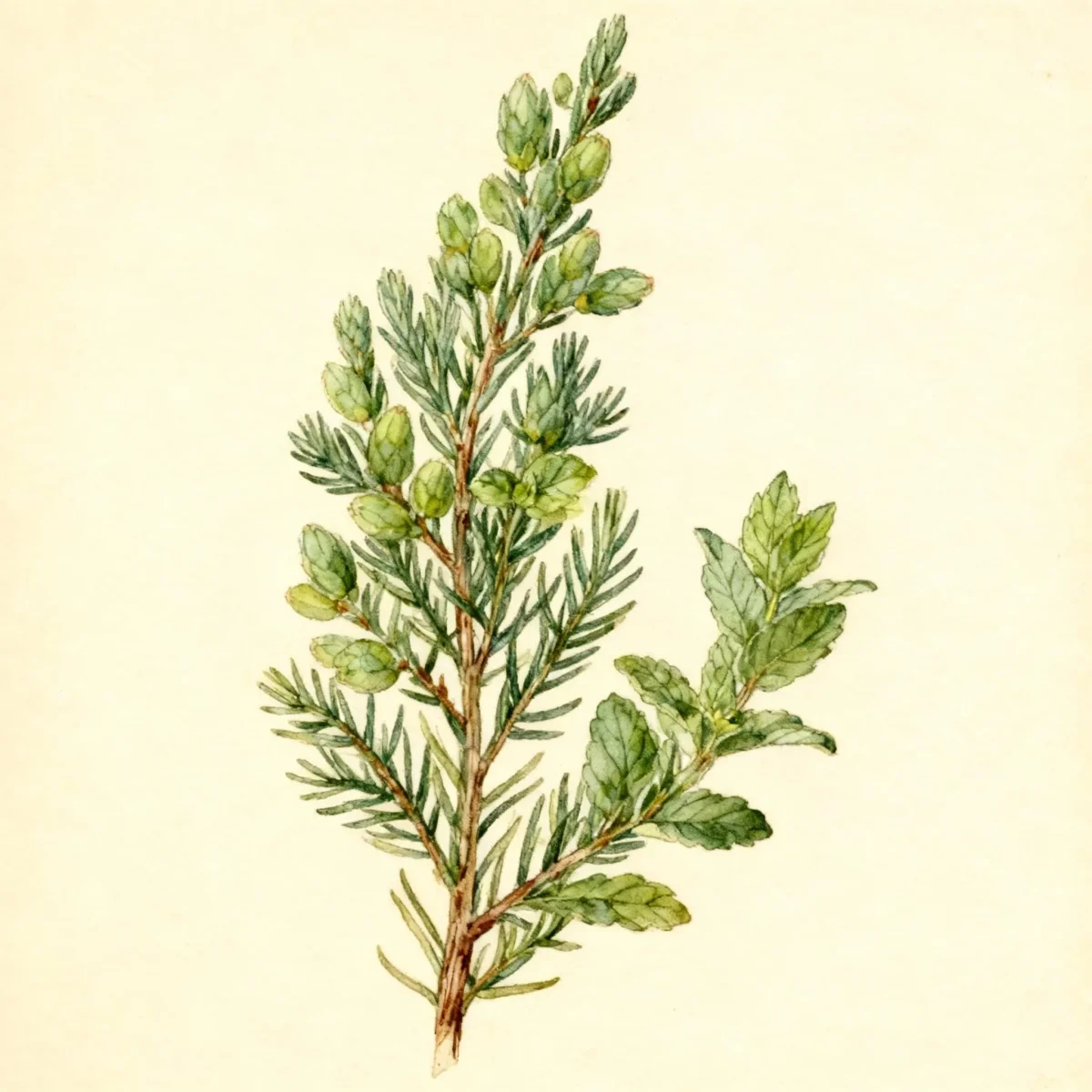
The female plants produce small, gray-to-blackish berry-like cones that are showy and attractive to local bird populations. Incorporating Juniperus virginiana ‘Grey Owl’ into your landscape provides dependable structure, excellent drought tolerance, and year-round green interest with minimal coddling.
Fast Facts
- Plant Family: Cupressaceae
- Plant Type: Needled evergreen
- Hardiness Zones: USDA Zones 2-9
- Size at Maturity:
- Height: 2-3 ft
- Spread: 4-6 ft
- Bloom Time: Non-flowering
- Bloom Description: Non-flowering
- Sun Exposure: Full sun
- Water Needs: Medium
- Maintenance Level: Low
How to Grow
For optimal establishment, plant Juniperus virginiana ‘Grey Owl’ in the spring or fall when temperatures are moderate. This cultivar requires full sun exposure to maintain its best color and dense habit; insufficient light will lead to legginess. While it prefers average, well-drained soil, this Red cedar cultivar is remarkably adaptable, tolerating everything from dry, rocky glades to heavier soils.
Water regularly during the first growing season to help establish a strong root system. Once established, this juniper exhibits excellent drought resistance, requiring supplemental watering mainly during prolonged dry spells. Fertilization is rarely necessary; amending the soil at planting with compost is usually sufficient due to its adaptability.
Though maintenance is low, you can lightly shear the tips in early spring if you wish to maintain a tighter shape; however, the natural wide-spreading habit of Juniperus virginiana ‘Grey Owl’ is its greatest asset. Avoid planting this juniper near apple trees due to the potential for cedar apple rust transmission.
Landscape Uses
The low, spreading profile of Juniperus virginiana ‘Grey Owl’ makes it ideal for foundational plantings where height restriction is necessary. It performs wonderfully as a specimen accent, showcasing its silver foliage against darker green neighbors. Its dense growth also makes it an excellent choice for creating a low, uniform hedge or border lining pathways or driveways.
Because of its significant drought tolerance once established, this Red cedar is perfect for low-water or xeriscape gardens in full sun locations. When mass planting for screening or erosion control on slopes, space plants according to the recommended spread to allow them to interlock and form an impenetrable screen over time.
Standout Features
Fruit Qualities
- Showy
Noteworthy Characteristics
Juniperus virginiana, commonly called Eastern red cedar, is known for its tolerance across diverse Eastern U.S. growing conditions. The ‘Grey Owl’ cultivar is specifically noted for its broad, slow-growing, and compact structure, typically reaching only 3 feet tall but spreading up to 6 feet wide, featuring distinctive scale-like silver-gray foliage. It is a female form that develops profuse, glaucous (waxy, gray-blue) berry-like cones that are highly favored by songbirds.
Tolerances
- Deer
- Drought
- Erosion
- Dry Soil
- Shallow-Rocky Soil
- Black Walnut
- Air Pollution
Potential Problems
Cedar apple rust is a significant recurring issue common to many junipers, including Juniperus virginiana ‘Grey Owl’. This fungal disease produces yellowish-orange, gelatinous galls on the branches in the spring, often near the time apple trees are flowering. To manage rust, remove infected branches promptly and avoid planting susceptible apple or crabapple trees nearby, as they act as alternate hosts for the fungus.
Susceptibility also extends to twig blight and certain pests. Inspect foliage regularly for signs of scale insects, which can weaken the plant over time, or bagworms, which skeletonize needles. Prompt treatment with appropriate dormant oil sprays or specified insecticides can control these minor infestations before they become severe.
Frequently Asked Questions
What hardiness zones is Red cedar suitable for?
This Juniperus virginiana ‘Grey Owl’ cultivar is highly adaptable, thriving across USDA Zones 2 through 9, offering excellent cold hardiness.
How large does Juniperus virginiana ‘Grey Owl’ grow?
This specific cultivar maintains a compact stature, typically reaching only 2 to 3 feet in height, though it spreads significantly wider, up to 4 to 6 feet in spread.
What sun exposure does Red cedar need?
Juniperus virginiana ‘Grey Owl’ requires a full sun location to achieve its best compact shape and maintain optimal silver-gray foliage color.
When does Juniperus virginiana ‘Grey Owl’ bloom?
This needled evergreen is classified as non-flowering; it produces reproductive cone structures rather than traditional flowers or blooms.
Conclusion
The Juniperus virginiana ‘Grey Owl’ offers exceptional value due to its compact footprint, year-round silvery color, and robust tolerance to adverse growing conditions, especially drought. This Red cedar cultivar simplifies low-maintenance landscaping tasks while adding crucial evergreen texture. Before installing, confirm that your site provides full sun exposure and check your local hardiness ratings to ensure success with this versatile conifer.
Wildlife Benefits
The berry-like cones produced by the female Juniperus virginiana ‘Grey Owl’ are a consistent food source during the fall and winter months. These gray to blackish-green cones are highly attractive to numerous bird species, making this shrub an excellent addition to any wildlife habitat garden plan. Planting this variety helps diversify food sources for avian visitors throughout the colder parts of the year.
Companion Planting
Due to its requirement for full sun and well-drained soil, pair this Red cedar with other sun-loving, drought-tolerant xeriscape plants. Consider coordinating its silver-gray foliage with plants offering contrasting textures, such as ornamental grasses like Blue Fescue (Festuca glauca) or rugged perennials like Sedum ‘Autumn Joy’. Avoid moisture-loving plants that might prefer richer, consistently damp soil, as this compromises the juniper’s desire for dryness.