Red cedar (Juniperus virginiana 'Hillspire')
Juniperus virginiana 'Hillspire' is a dense, low-maintenance Red cedar cultivar, perfect for screens in USDA Zones 2-9.
Scroll down to discover growing tips, care requirements, companion plants, and more
Complete Plant Information
Overview
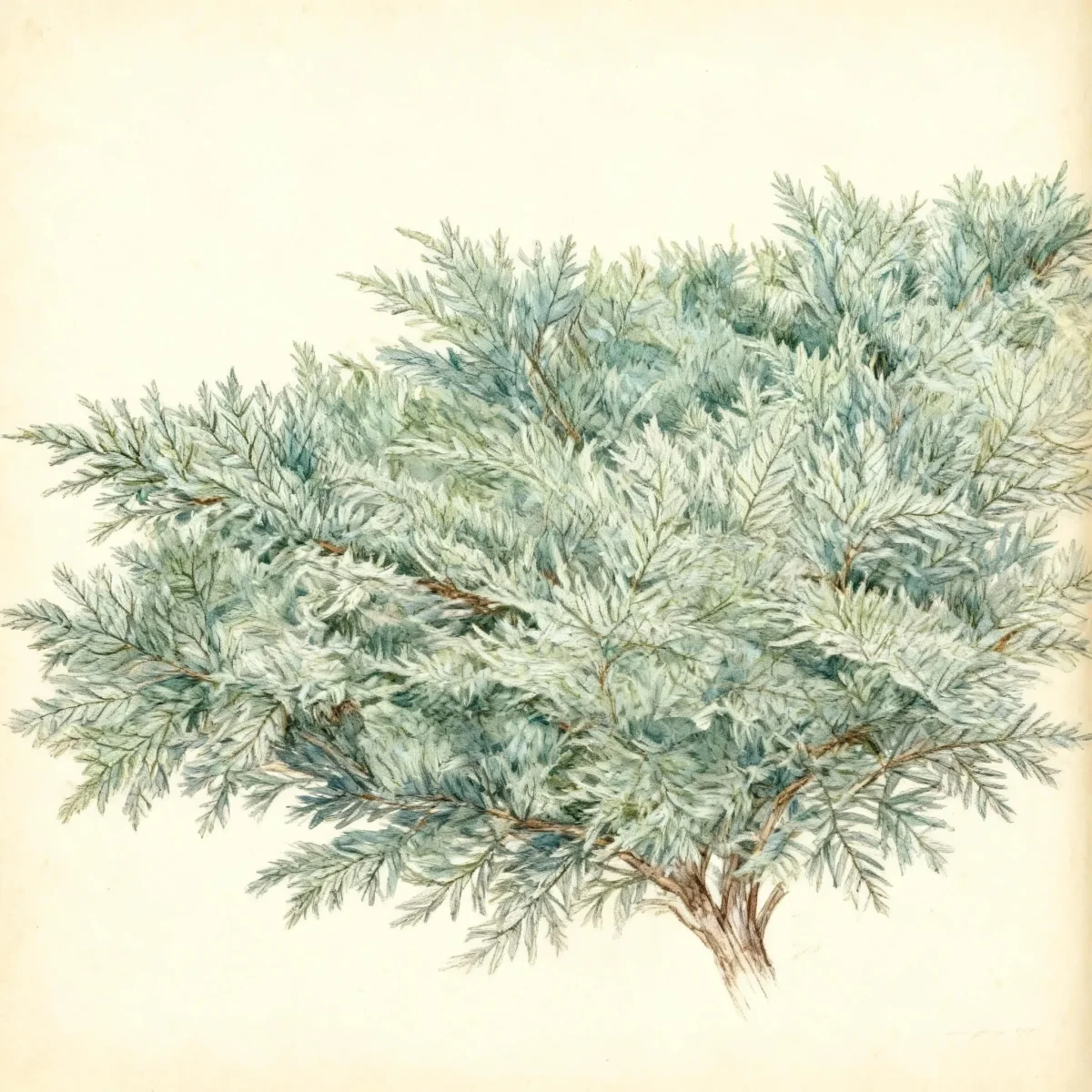
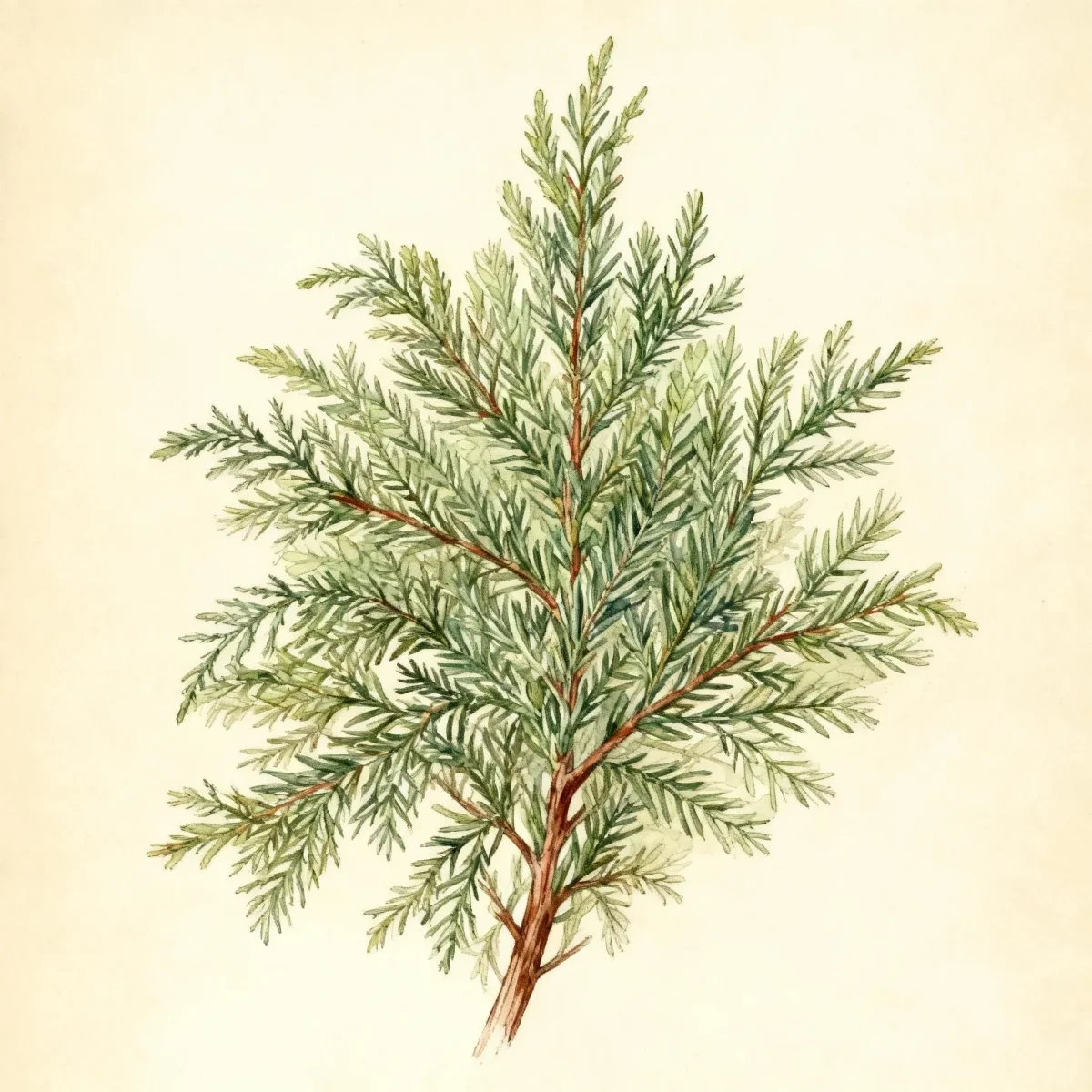
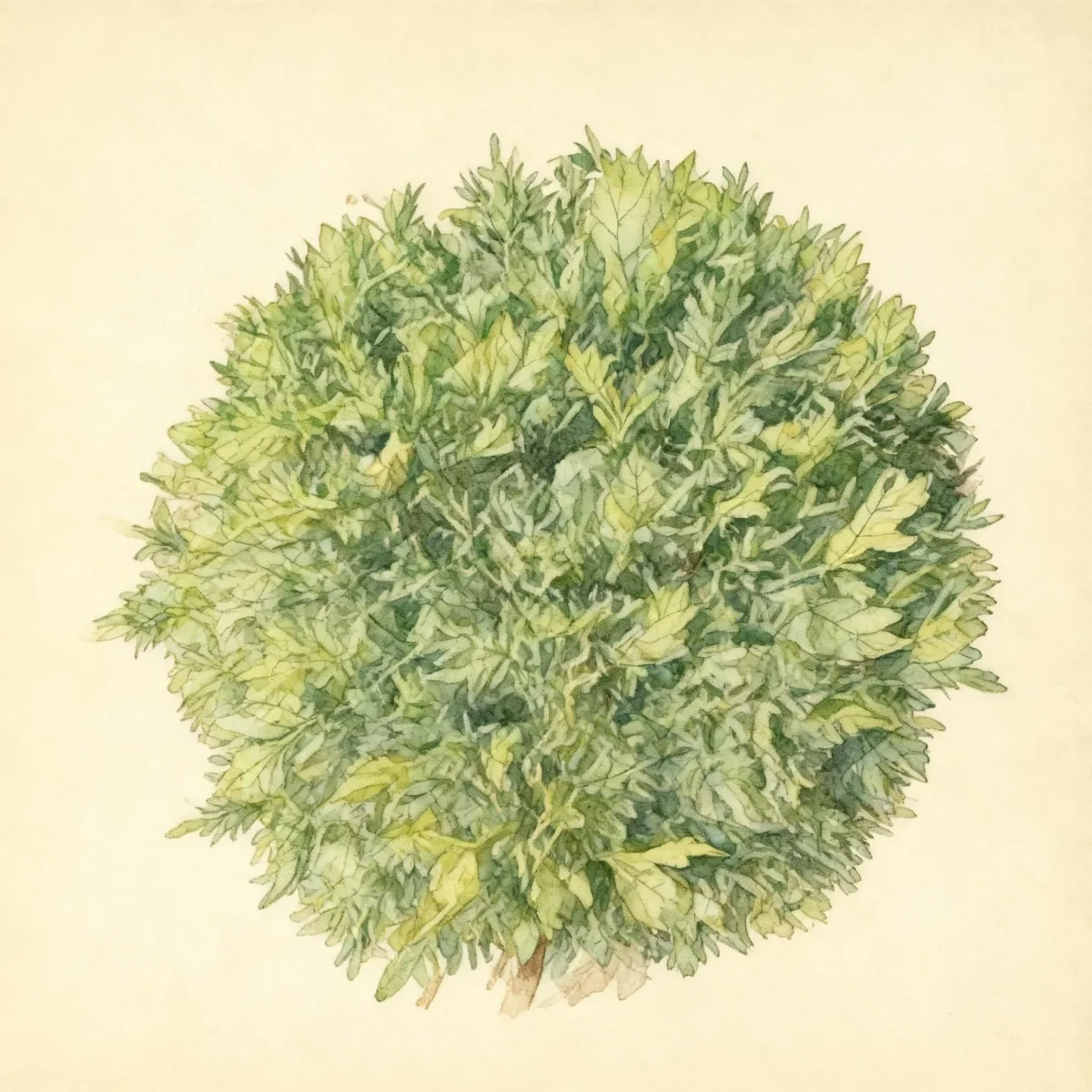
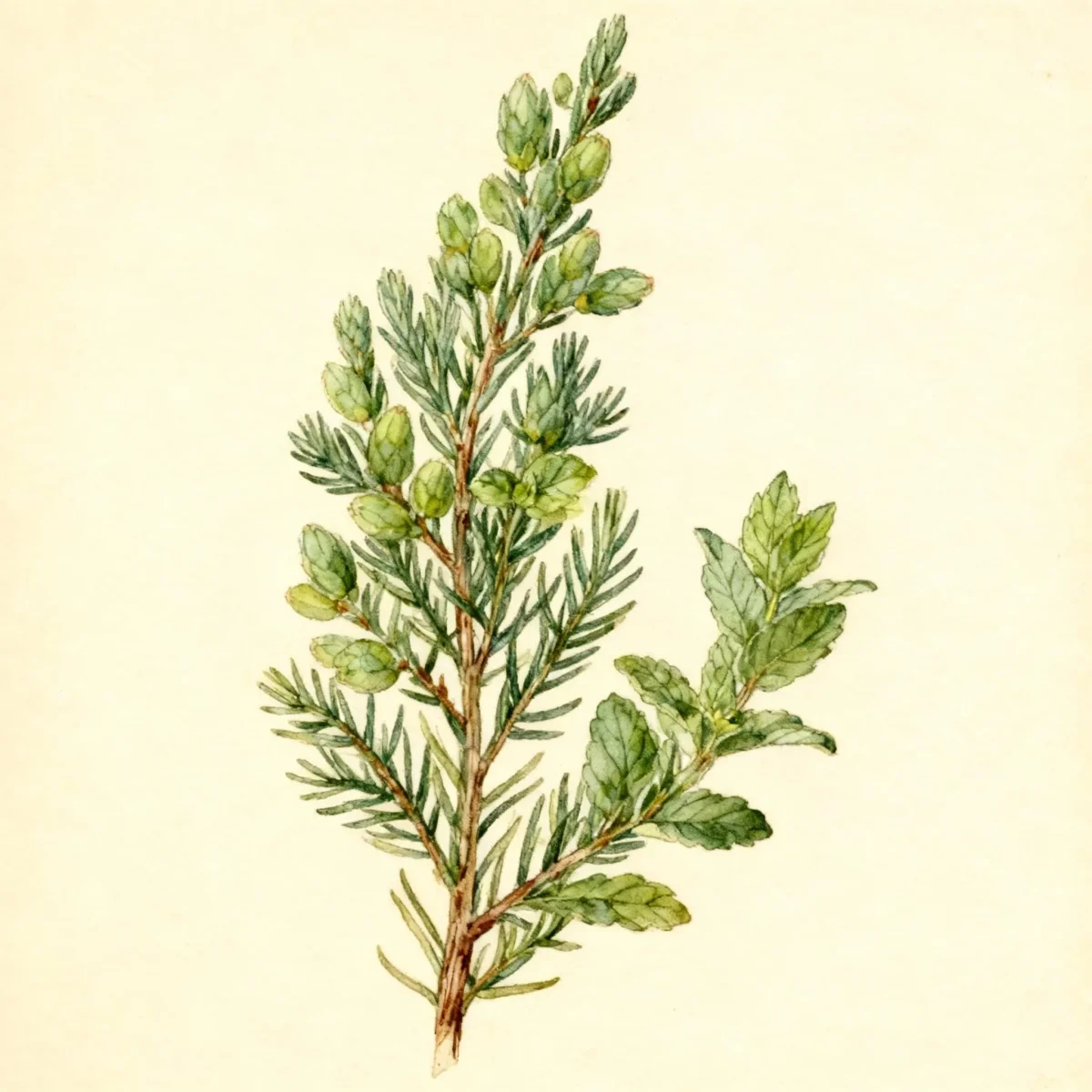
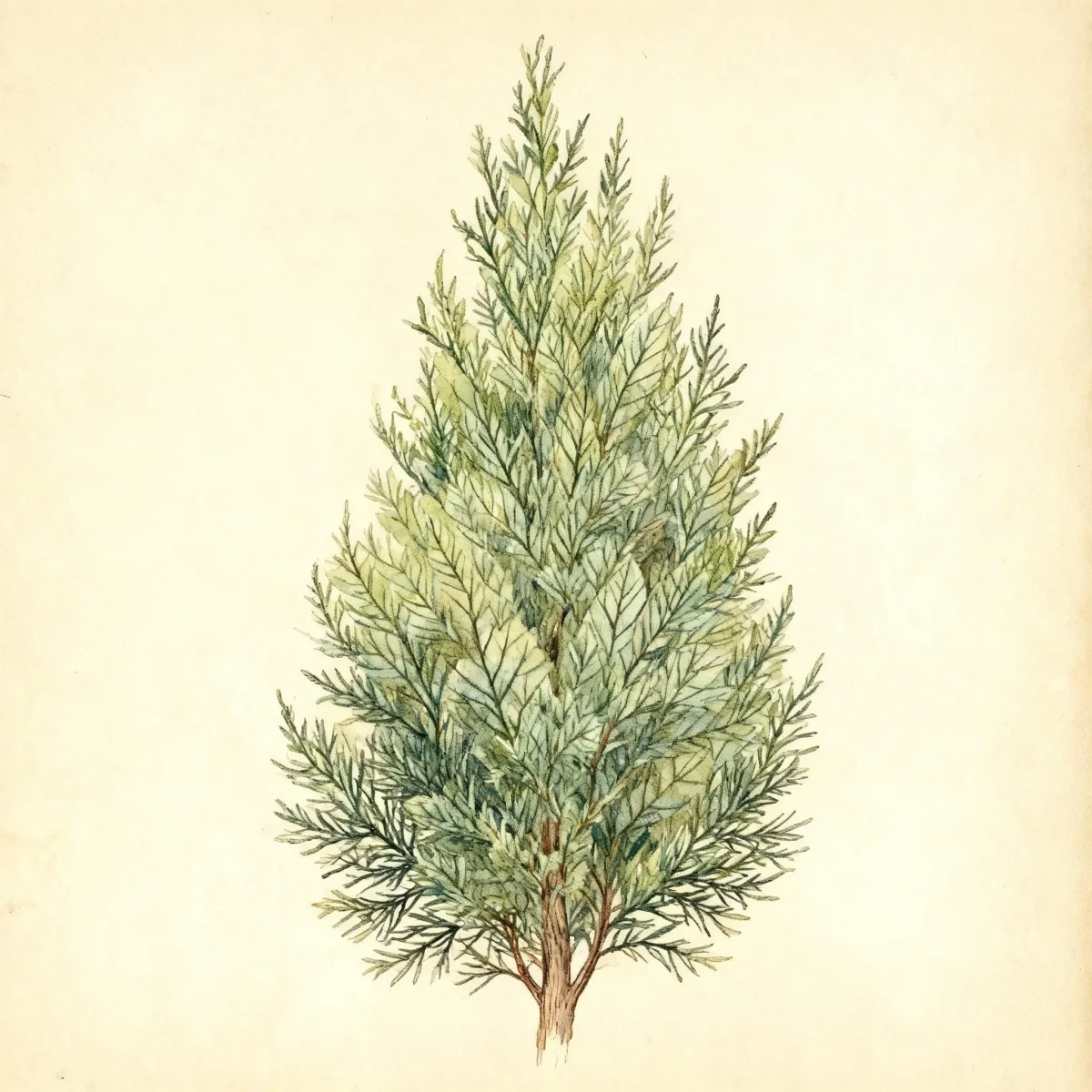
Juniperus virginiana ‘Hillspire’ is a strikingly symmetrical, dense, needled evergreen bringing year-round color and structure to landscapes. This select cultivar of Red cedar retains bright green foliage which contrasts nicely against the reddish-brown exfoliating bark characteristic of mature trees. Gardeners prize this variety for its compact, pyramidal habit and low inputs required for success.
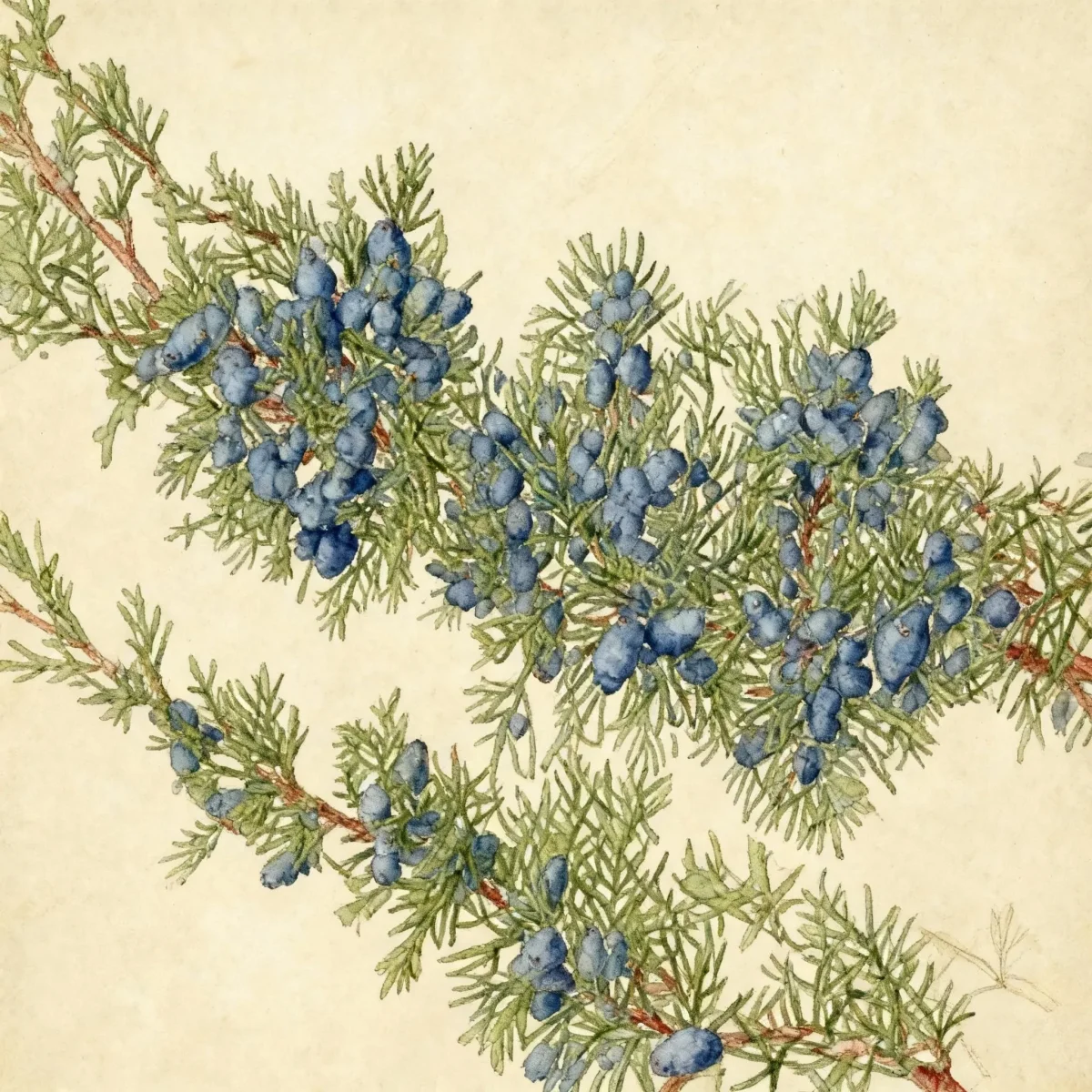
As a male cultivar, this specific Juniperus virginiana ‘Hillspire’ will not produce the small, berry-like cones, keeping the aesthetics reliably consistent throughout the season. While the species is robust, the ‘Hillspire’ excels at maintaining a tidy, ascending branching pattern, making it an outstanding vertical accent or screening element where space might be limited compared to standard Eastern red cedar growth habits.
This evergreen offers unparalleled resilience, thriving in full sun and tolerating challenging site conditions, including drought once established. Its low maintenance profile ensures that this Red cedar quickly becomes a reliable backbone component in perennial borders or foundation plantings across its wide hardiness range.
Fast Facts
- Plant Family: Cupressaceae
- Plant Type: Needled evergreen
- Hardiness Zones: USDA Zones 2-9
- Size at Maturity:
- Height: 15-30 ft
- Spread: 5-15 ft
- Bloom Time: Non-flowering
- Bloom Description: Non-flowering
- Sun Exposure: Full sun
- Water Needs: Medium
- Maintenance Level: Low
How to Grow
The best time for planting Juniperus virginiana ‘Hillspire’ is typically in the spring or fall when temperatures are moderate, allowing the root system to establish without the stress of extreme heat. Plant in full sun, which is essential for maintaining dense foliage and the upright, symmetrical shape of this Red cedar. This conifer is highly adaptable but performs best in average, well-drained soils.
While it prefers moist conditions, the defining cultural feature of Juniperus virginiana ‘Hillspire’ is its superior drought resistance, often cited as the best among eastern U.S. native conifers. Water regularly during the first growing season, but mature plants need deep, infrequent watering, especially during dry spells. Avoid locations where soil remains constantly soggy, as this stresses the roots despite its tolerance for a wide soil pH range.
Little supplemental care is usually required. Fertilizing is generally unnecessary unless the soil is extremely poor. Pruning is rarely needed for the ‘Hillspire’ cultivar due to its inherently compact and attractive form; selective removal of damaged or crossing branches is the most you will likely need to perform. Monitor for common pest issues listed below, treating only if infestations become severe.
Landscape Uses
The dense, compact-pyramidal shape of Juniperus virginiana ‘Hillspire’ makes it an ideal candidate for use as a formal landscape specimen where predictable height and spread are crucial. It excels when used to form large, permanent screens or visual buffers, providing excellent year-round texture and color contrast against lighter foliage plants. Due to its size potential (up to 30 ft tall), avoid placing standard specimens directly against the foundation of smaller structures.
Consider incorporating this Red cedar into mixed evergreen borders or alongside deciduous shrubs that offer late-season interest, creating a dynamic year-round display. While it serves well as a bold vertical anchor, remember to avoid planting near apple trees, as junipers are related to the alternate host required by cedar apple rust (a major potential problem).
Standout Features
Noteworthy Characteristics
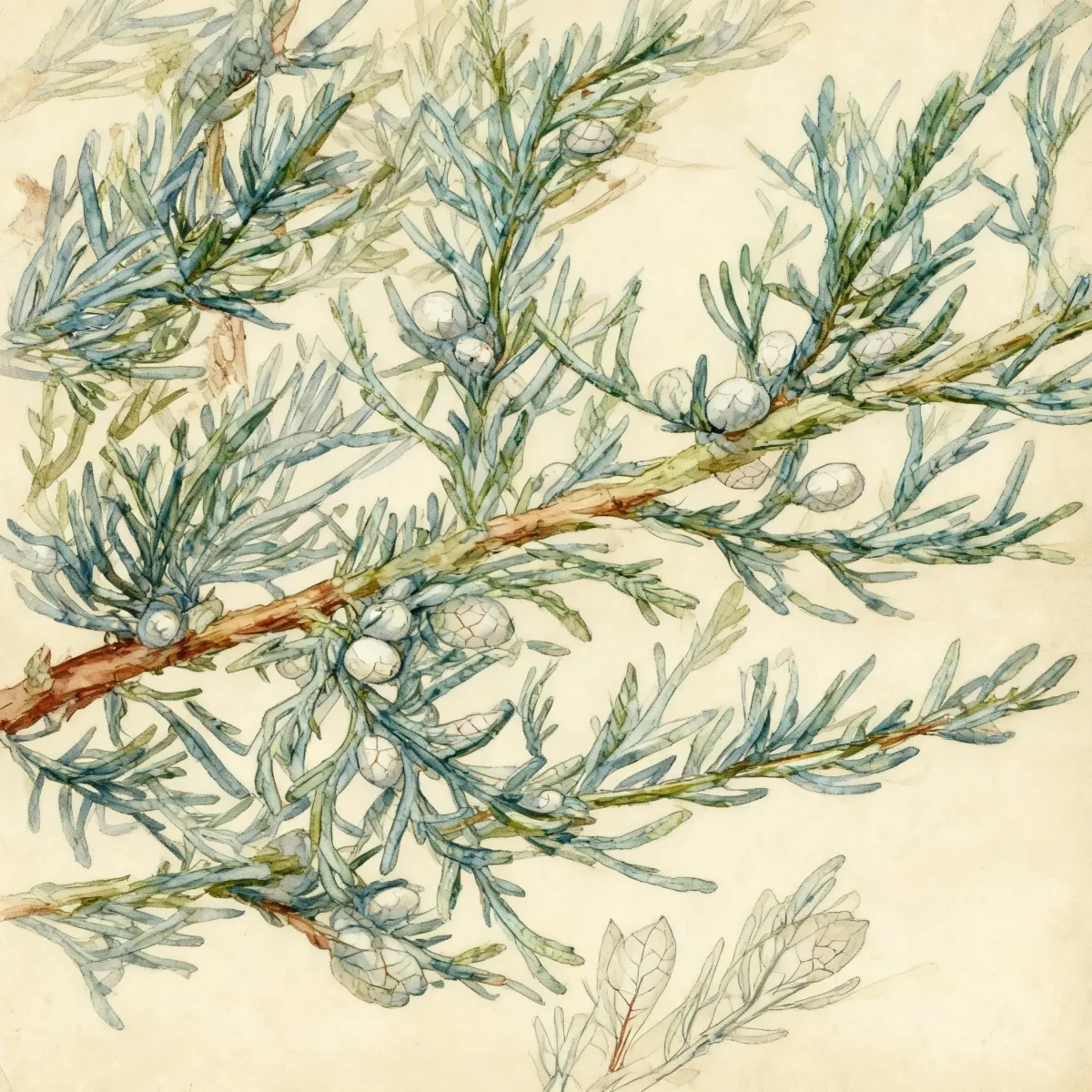
Juniperus virginiana, commonly called Eastern red cedar, is native to Missouri where it typically occurs on limestone bluffs and glades, wood margins, fields, pastures and fence rows throughout the state except for the southeastern lowlands (Steyermark). It is a broadly conical, sometimes columnar, dense, evergreen conifer with horizontal branching that typically grows to 30-65’ tall. Gray to reddish-brown bark exfoliates in thin shreddy strips on mature trees. Trunks are often fluted at the base. Heartwood is reddish-brown and aromatic, and is commonly used for cedar chests. ‘Hillspire’ is a dense, compact-pyramidal, symmetrical tree with ascending branching which grows 15-30’ tall, featuring attractive, bright green foliage year-round.
Tolerances
- Deer
- Drought
- Erosion
- Dry Soil
- Shallow-Rocky Soil
- Black Walnut
- Air Pollution
Potential Problems
Cedar apple rust is a significant disease for many junipers, causing orange, gelatinous fruiting bodies to appear on the branches in spring; it requires an apple tree (Malus species) to complete its life cycle, making avoidance crucial for management. Susceptibility also exists for twig blight, a fungal issue, and various scale insects that can weaken the foliage density. Gardeners should watch closely for bagworms, which skeletonize needles, and occasionally, mites can become an issue in hot, dry conditions.
Frequently Asked Questions
What hardiness zones is Red cedar suitable for?
Juniperus virginiana ‘Hillspire’ is highly adaptable, thriving in USDA Hardiness Zones 2 through 9.
How large does Juniperus virginiana ‘Hillspire’ grow?
This cultivar typically reaches a mature height between 15 and 30 feet tall, with a spread ranging from 5 to 15 feet wide.
What sun exposure does Red cedar need?
For optimal health and density, Juniperus virginiana ‘Hillspire’ requires full sun exposure throughout the day.
When does Juniperus virginiana ‘Hillspire’ bloom?
This plant is classified as non-flowering, meaning it does not produce noticeable or traditional blooms; as a male cultivar, it produces no juniper “berries.”
Conclusion
The dense, symmetrical growth habit combined with exceptional hardiness makes Juniperus virginiana ‘Hillspire’ a premier choice for resilient screening and specimen planting in full sun locales. This low-maintenance Red cedar cultivar offers reliable year-round color and structure where many other evergreens struggle. Before purchasing, confirm your local hardiness zone compatibility and select a planting site away from apple trees to mitigate disease risk.
Companion Planting
Selecting appropriate neighbors enhances the overall design and health of your planting area. Since Juniperus virginiana ‘Hillspire’ thrives in full sun and tolerates dry, rocky soils, pair it with other drought-tolerant, sun-loving perennials and shrubs. Consider planting Dracaena (Yuccas) or ornamental grasses like Blue Fescue for contrasting textures near the base of the Red cedar.
For seasonal color, plants that benefit from well-drained conditions, such as Sedums or hardy Lavender varieties, make excellent groundcovers or mid-layer companions. Ensure adequate space between companions and the young ‘Hillspire’ to encourage good air circulation, which is vital for preventing fungal issues like cedar apple rust, even if the alternate host is kept clear.
Wildlife Benefits
While Juniperus virginiana ‘Hillspire’ is a male cultivar and does not produce the fruit attractive to birds, the overall structure of the Red cedar provides crucial winter shelter. Its dense, scale-like foliage offers excellent protective cover for small birds seeking refuge from harsh winter winds and snow across its wide hardiness range.
The structure of this evergreen acts as a sound and visual barrier, which can be leveraged in landscape design to create private areas or block unattractive views. Furthermore, the aromatic heartwood, though not useful unless the tree is felled, contributes to the native ecosystem identity of the planting area.