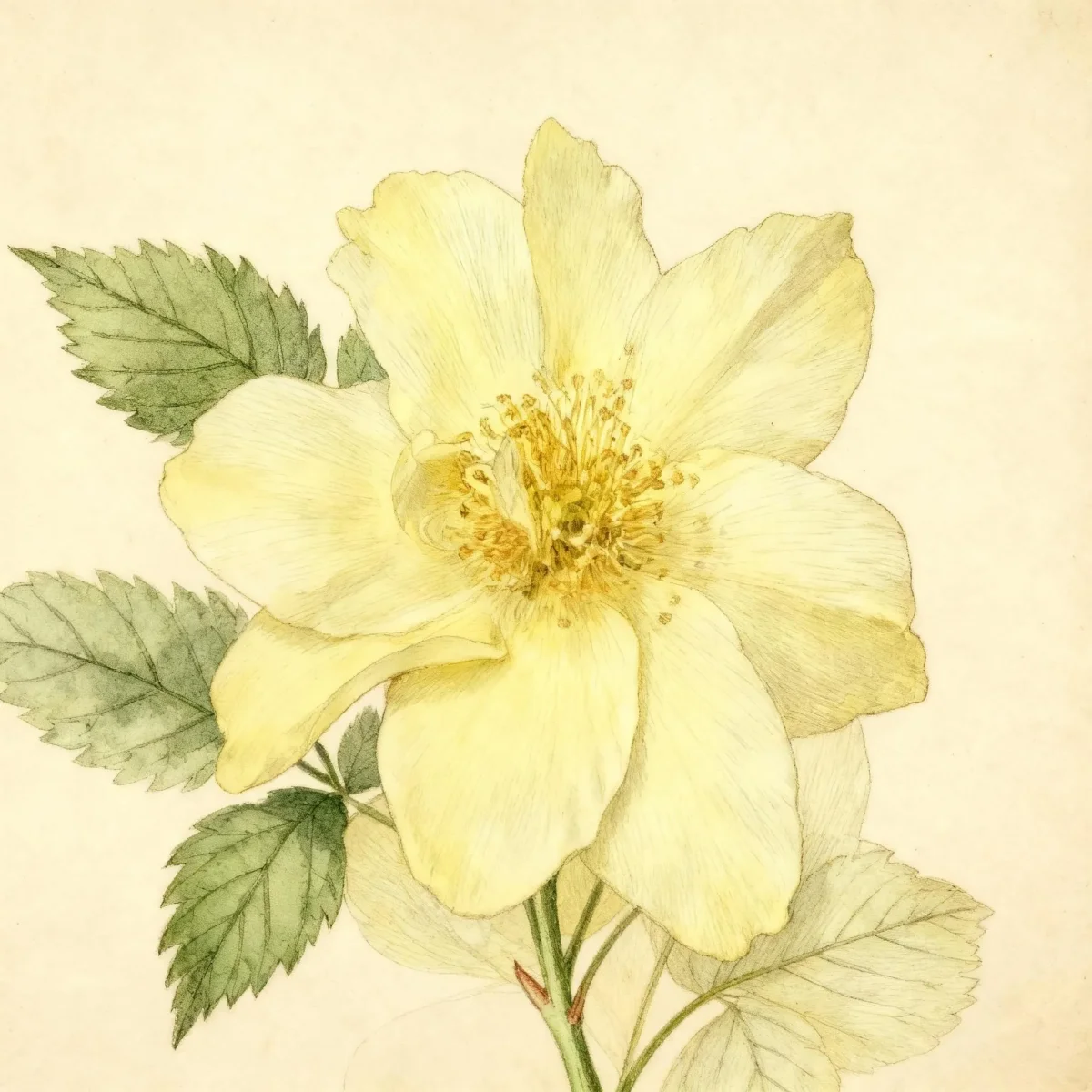
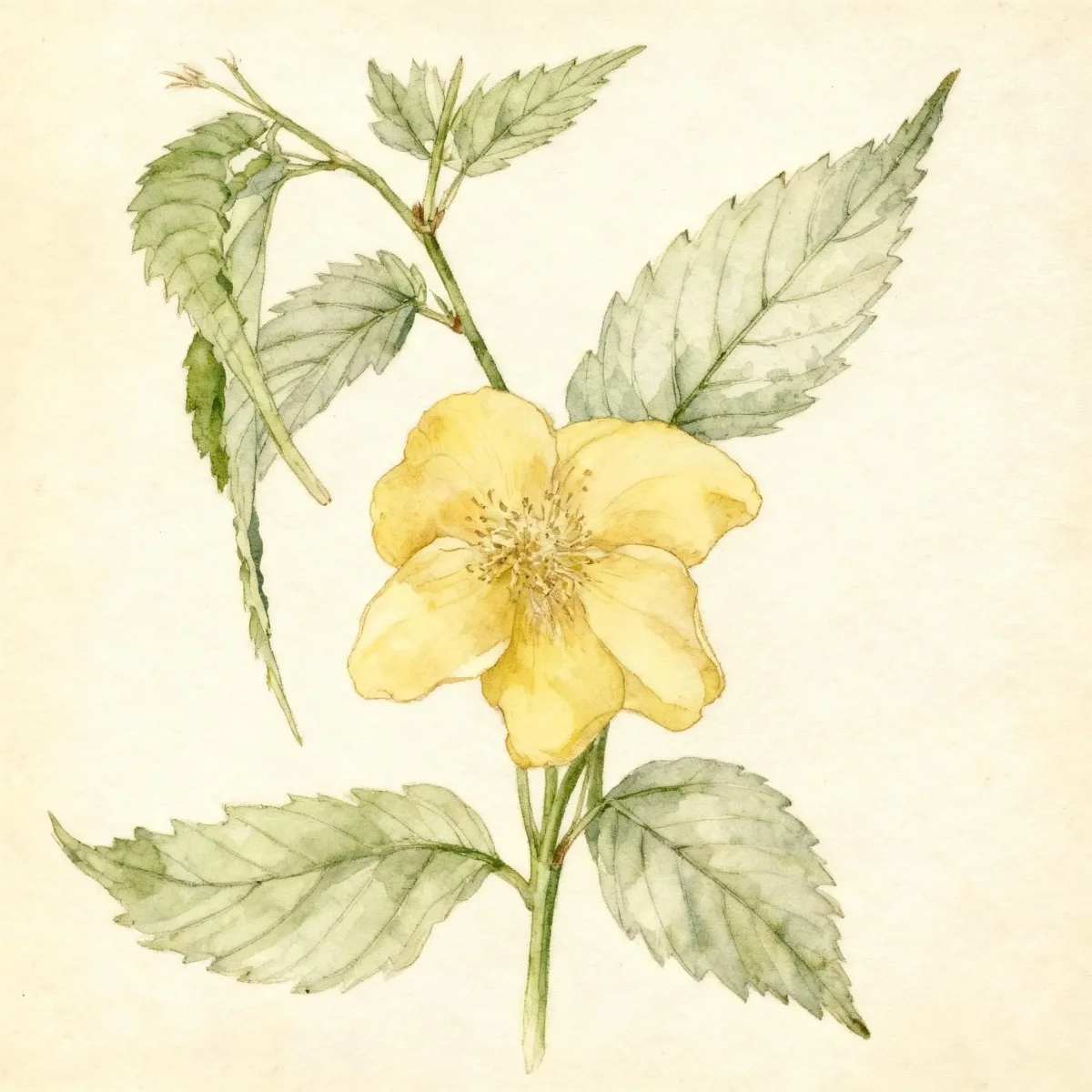
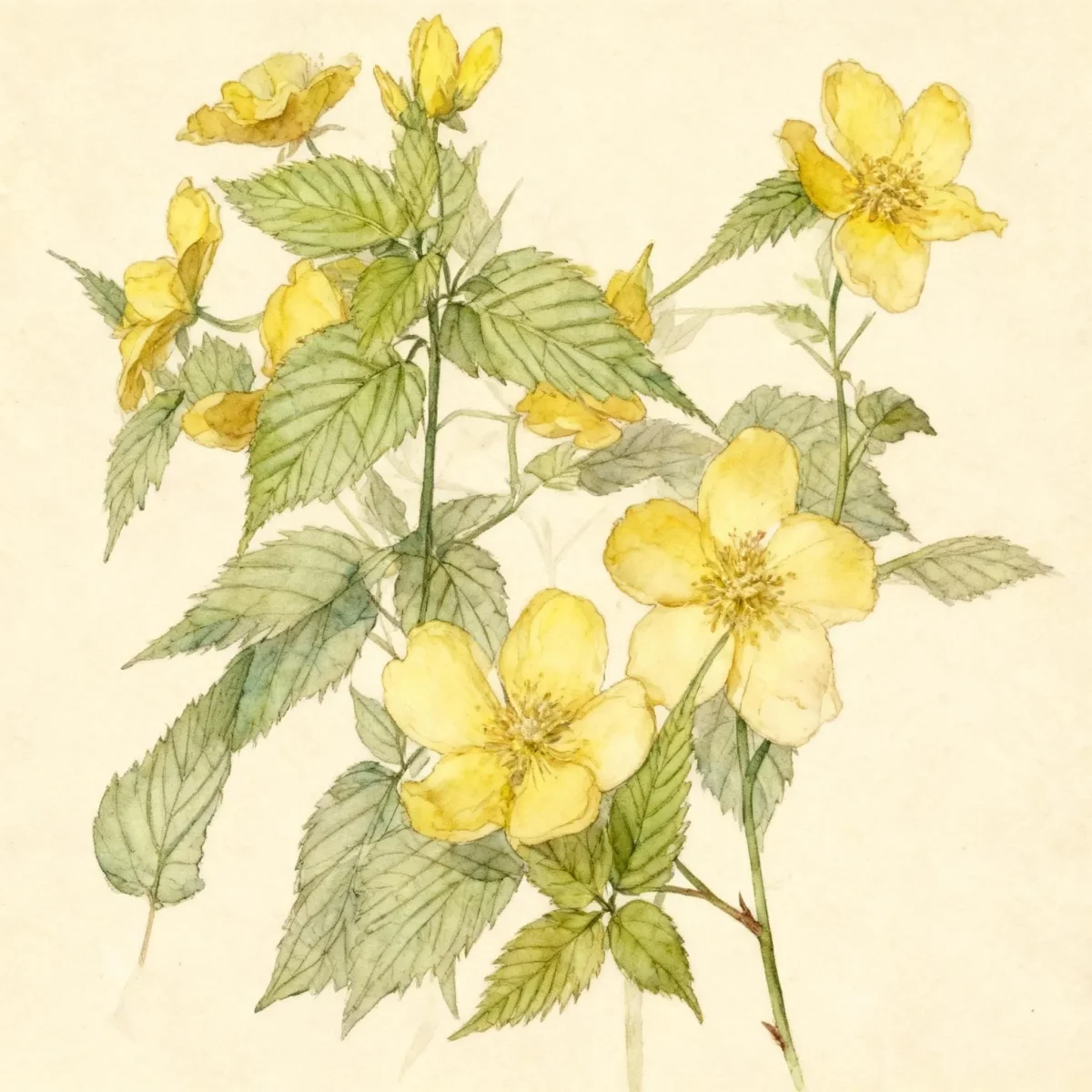
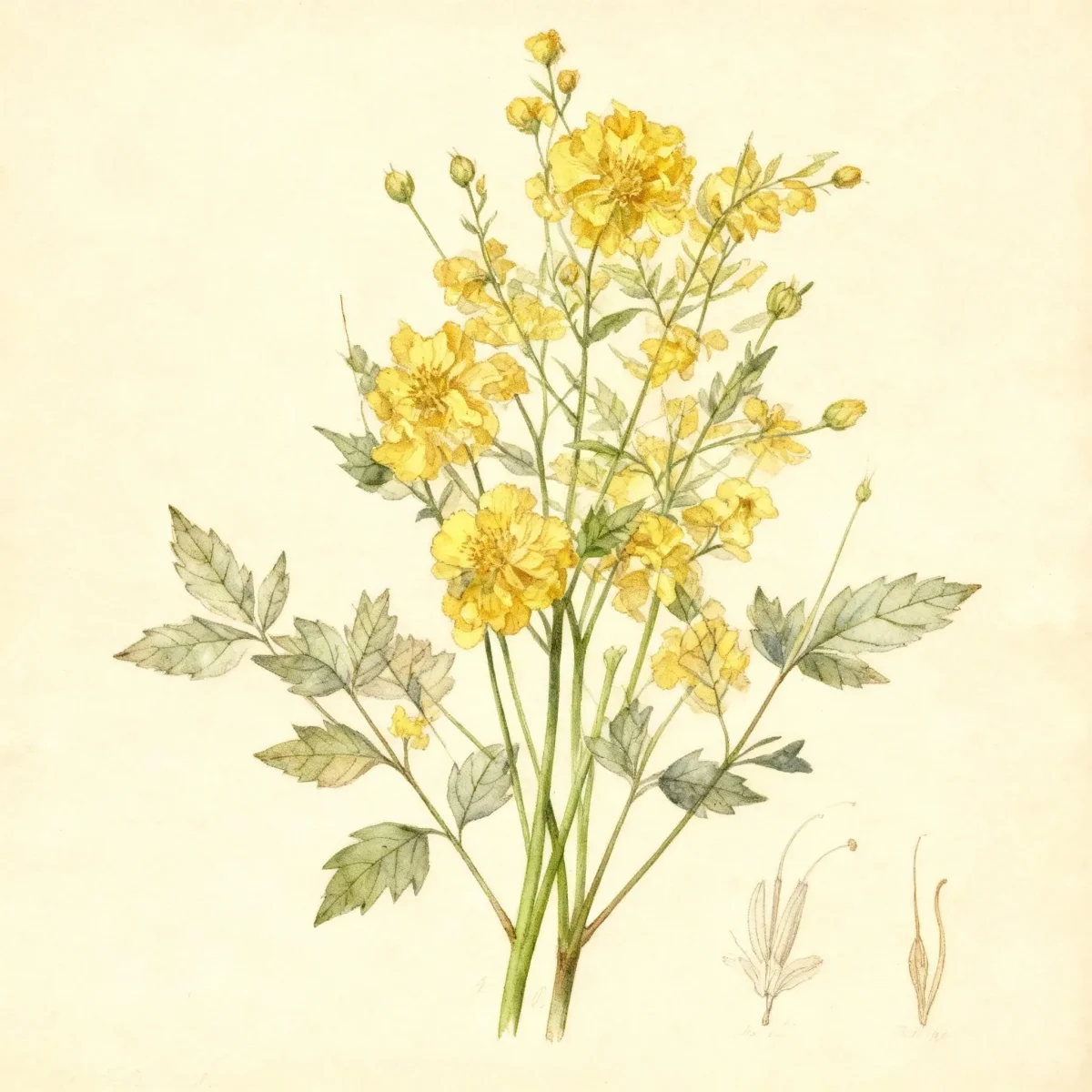
Japanese kerria (Kerria japonica 'Pleniflora')
Kerria japonica 'Pleniflora' offers non-stop, double yellow blooms in spring. This hardy Japanese kerria needs part shade.
Scroll down to discover growing tips, care requirements, companion plants, and more
Complete Plant Information
Overview
The Japanese kerria, specifically the cultivar Kerria japonica ‘Pleniflora’, is a standout deciduous shrub prized for its brilliant spring floral display and attractive winter structure. This tough-but-graceful plant provides masses of vibrant yellow flowers before most other shrubs awaken, bringing reliable color to shaded landscapes. Its slender, arching stems emerge a striking greenish-yellow, offering significant visual interest long after the blooms fade.
Native to mountainous areas of China and Japan, Japanese kerria establishes well in many climates, provided it receives protection from intense afternoon sun. Gardeners value Kerria japonica ‘Pleniflora’ not just for its aesthetic appeal as a flowering screen or border specimen, but also for its seasonal adaptability. The bright green foliage turns yellow in autumn, rounding out its year-round performance.
This cultivar is known for its denser, more upright habit compared to the species form, often reaching heights of 8 to 10 feet. Due to its vigorous, suckering nature, the Japanese kerria works excellently where naturalizing or screening is desired, though its manageable maintenance level ensures it stays tidy with minimal fuss.
Fast Facts
- Plant Family: Rosaceae
- Plant Type: Deciduous shrub
- Hardiness Zones: USDA Zones 4-9
- Size at Maturity:
- Height: 5-10 ft
- Spread: 6-10 ft
- Bloom Time: April to May
- Bloom Description: Yellow
- Sun Exposure: Part shade
- Water Needs: Medium
- Maintenance Level: Medium
How to Grow
For optimal performance, plant Kerria japonica ‘Pleniflora’ during the cooler seasons—spring or fall—to allow for root establishment before stressful summer heat. It thrives in average, medium moisture, well-drained soils. While it prefers loamy and moderately fertile ground, this versatile shrub tolerates a wide range of conditions, including heavy shade and somewhat dry or wet soil pockets.
Water needs are medium; ensure consistent moisture, especially in the first year. Fertilizing is generally unnecessary unless the soil is extremely poor. The primary cultural consideration for Japanese kerria involves pruning. Because Kerria japonica ‘Pleniflora’ blooms profusely on wood grown the previous year, always prune immediately after the spring flowering period concludes to avoid cutting off next year’s flower buds.
Be mindful of its suckering habit; promptly remove unwanted shoots at the soil line to maintain defined borders. If the plant becomes overgrown or leggy, renovation pruning—cutting all stems back to the ground—can be performed as a last resort, though this will sacrifice flowering for one season.
Landscape Uses
The beauty of the Japanese kerria lies in its versatility across different landscape tiers. Its bright yellow spring flowers make it an excellent focal point shrub or specimen, contrasting beautifully against dark evergreens. It functions perfectly as an informal hedge or screen, providing year-round structure due to the bright green bark visible in winter.
Consider incorporating Kerria japonica ‘Pleniflora’ into woodland gardens where dappled light mimics its native habitat. It pairs well with spring-flowering bulbs and later-blooming hydrangeas, ensuring continuous seasonal interest. For foundation plantings, use it where its arching habit can be appreciated, ensuring adequate space is left for its 6-10 foot spread, as it readily naturalizes in wilder garden areas.
Standout Features
Flower Qualities
- Showy
Noteworthy Characteristics
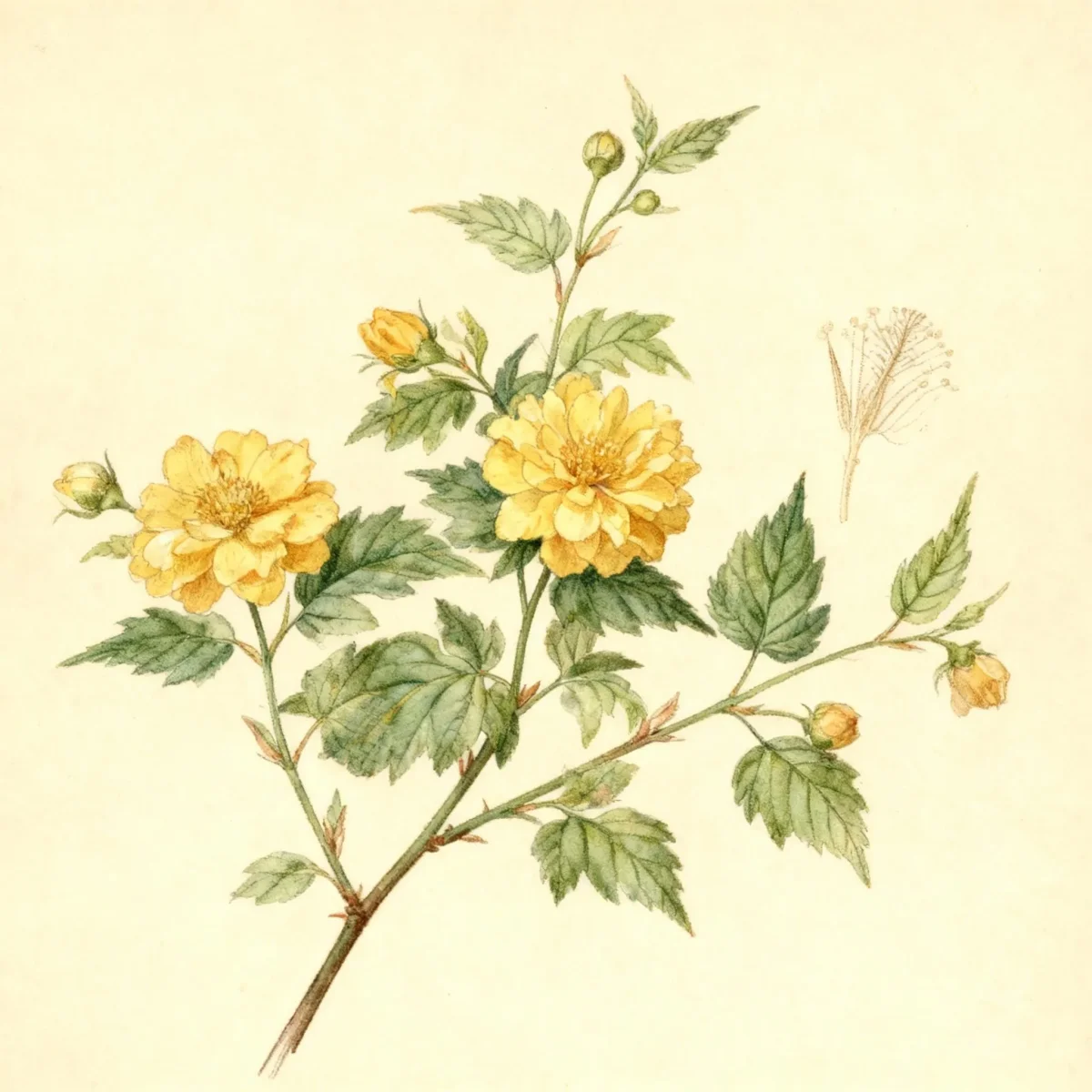
Kerria japonica, commonly called Japanese kerria or Japanese rose, is a tough-but-graceful, spring-flowering, deciduous shrub that is native to certain mountainous areas of China and Japan. It typically grows to 3-6’ tall and to 6-8’ wide on slender, arching, yellowish-green stems that remain an attractive green in winter. ‘Pleniflora’ is a very popular double-flowered cultivar that features rounded, pom-pom-like, yellow flowers (to 2” diameter) and typically grows taller (to 8-10’) and more upright than the species.
Tolerances
- Deer
- Heavy Shade
- Dry Soil
- Wet Soil
Potential Problems
Generally, Kerria japonica ‘Pleniflora’ is noted for having no serious insect or disease problems, contributing to its low maintenance appeal. However, stressed plants, particularly those in overly wet or poorly drained conditions, can be more susceptible to fungal issues.
Watch for leaf spots, cankers, and blights, which may appear during wet periods. Root rot is a risk if the soil is consistently waterlogged. Ensuring excellent drainage when planting is the primary preventative measure against these issues.
Frequently Asked Questions
What hardiness zones is Japanese kerria suitable for?
This resilient deciduous shrub is suitable for USDA Hardiness Zones 4 through 9, making it adaptable across a wide range of climates.
How large does Kerria japonica ‘Pleniflora’ grow?
Kerria japonica ‘Pleniflora’ typically reaches a mature height between 5 to 10 feet tall, with a comparable spread of 6 to 10 feet wide.
When does Japanese kerria bloom?
The abundant flowering period for this shrub is typically from April to May, putting on a show of bright yellow blooms.
What sun exposure does Kerria japonica ‘Pleniflora’ need?
This plant thrives best in part shade. While it tolerates full shade, excessive direct sun can cause the vibrant flowers to pale.
Conclusion
The Kerria japonica ‘Pleniflora’ offers exceptional multi-season interest, highlighted by its unforgettable burst of double yellow flowers in spring and its bright green winter stems. As a tough, adaptable shrub able to handle significant shade and various soil moisture levels, the Japanese kerria is a garden workhorse. Before planting, confirm your site falls within USDA Zones 4-9 and plan your pruning schedule for immediately post-bloom.
Companion Planting
Because Japanese kerria prefers part shade and tolerates moist conditions, ideal companion plants include shade-loving perennials that emerge later. Hostas and Astilbes provide contrasting foliage textures that look excellent as the Kerria japonica ‘Pleniflora’ finishes blooming. Ferns are another natural pairing, reinforcing the woodland garden aesthetic that suits species tolerant of heavy shade.
Design Ideas for Winter Interest
While the spring bloom is spectacular, the arching, bright yellowish-green stems of Kerria japonica ‘Pleniflora’ provide crucial winter structure. To maximize this trait, pair the shrub with dark evergreens like Yew (Taxus) or dark-leafed Holly (Ilex). Planting near a structure or path allows observers to appreciate the stem color against a neutral backdrop during the dormant season.