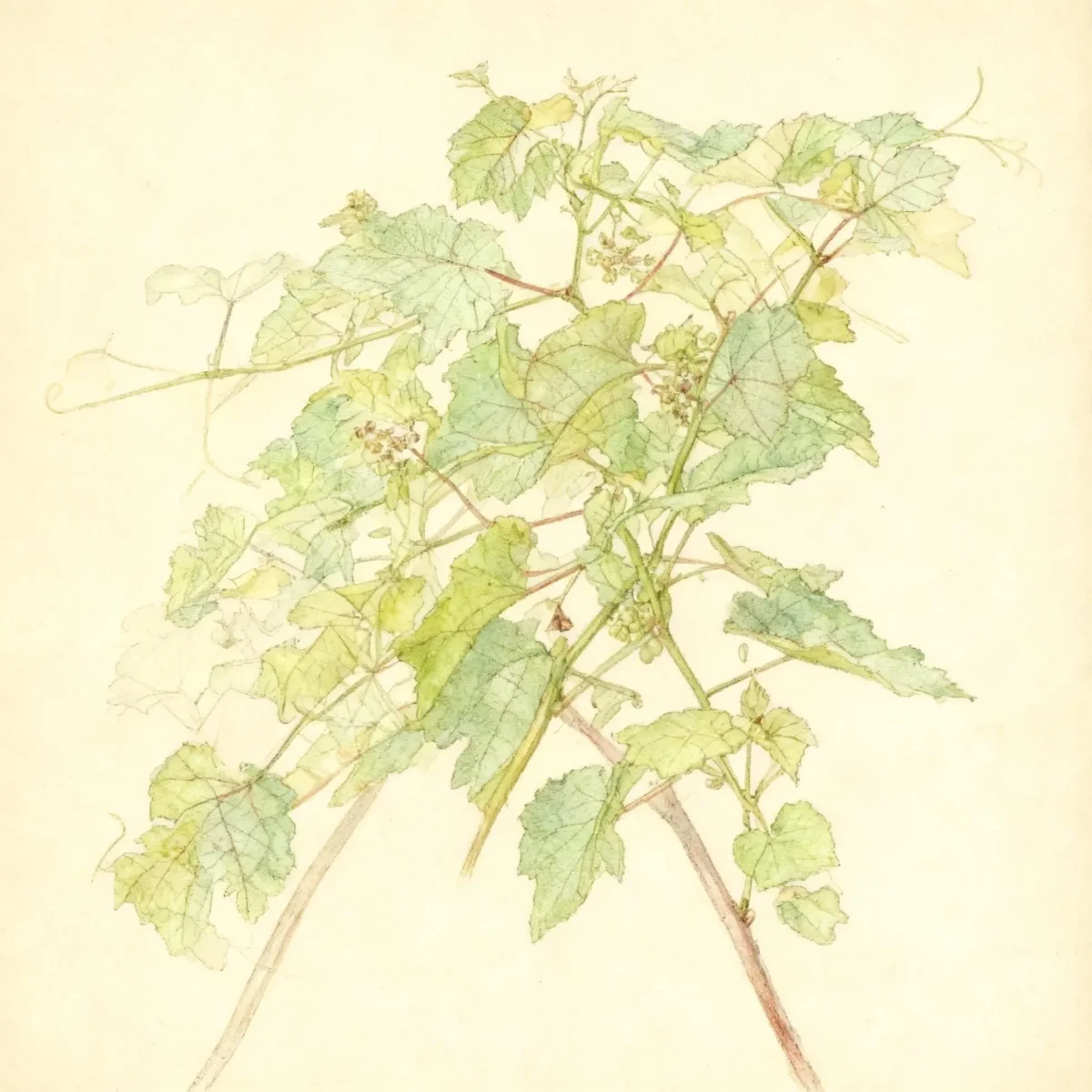
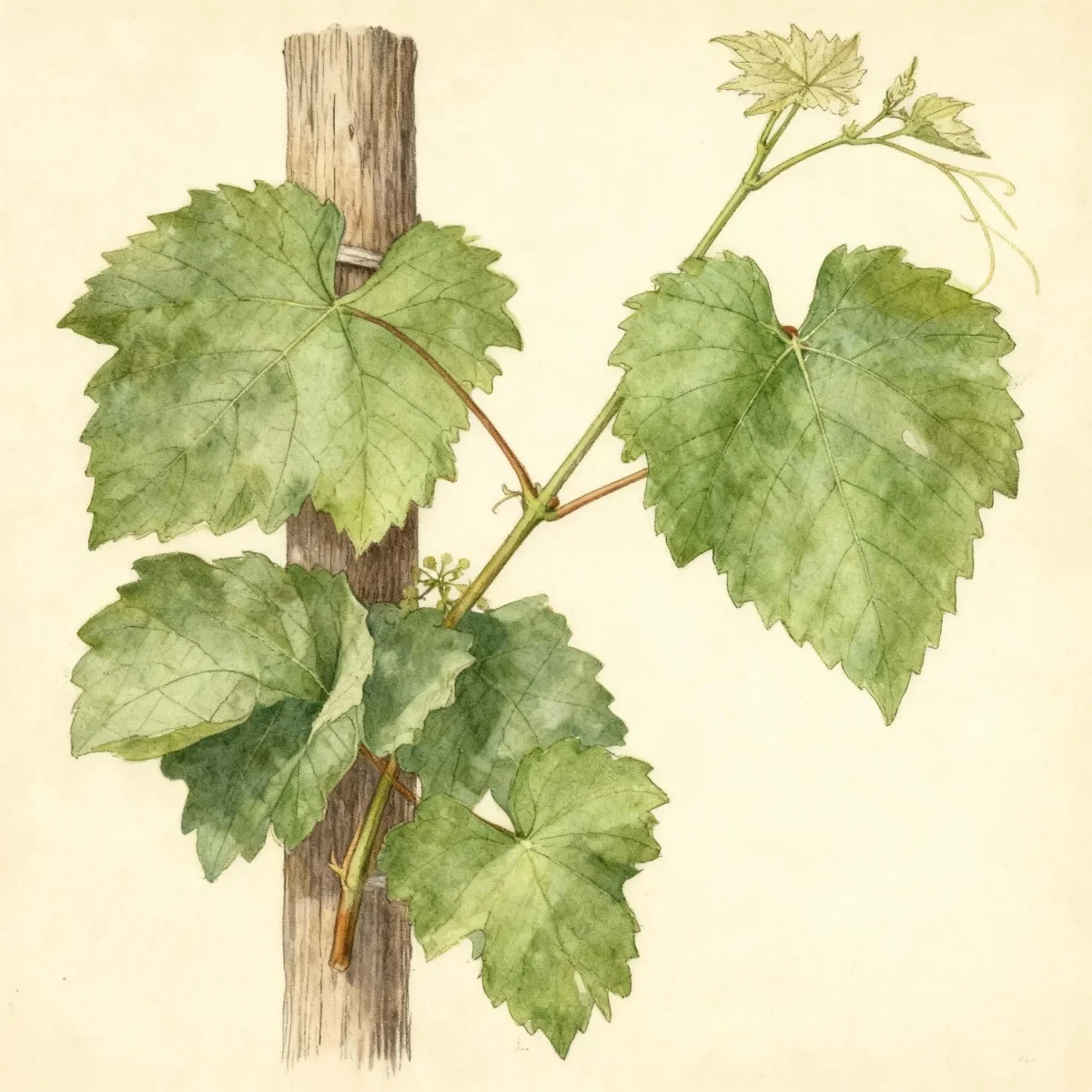
Grape (Vitis 'Chardonel')
Vitis 'Chardonel' Grape is a high-yielding deciduous vine producing edible fruit, requiring high maintenance in USDA Zones 5-7.
Scroll down to discover growing tips, care requirements, companion plants, and more
Complete Plant Information
Overview
Vitis ‘Chardonel’ is a highly valued hybrid Grape known for its reliable vineyard performance, commonly cultivated for producing dry white wine with pleasant, light fruitiness. As a woody, deciduous, tendril-climbing vine, it offers significant garden presence alongside its primary purpose of fruit production. Gardeners should note that the management demands for maximizing yield are considered high, necessitating dedicated support systems and specific cultural practices.
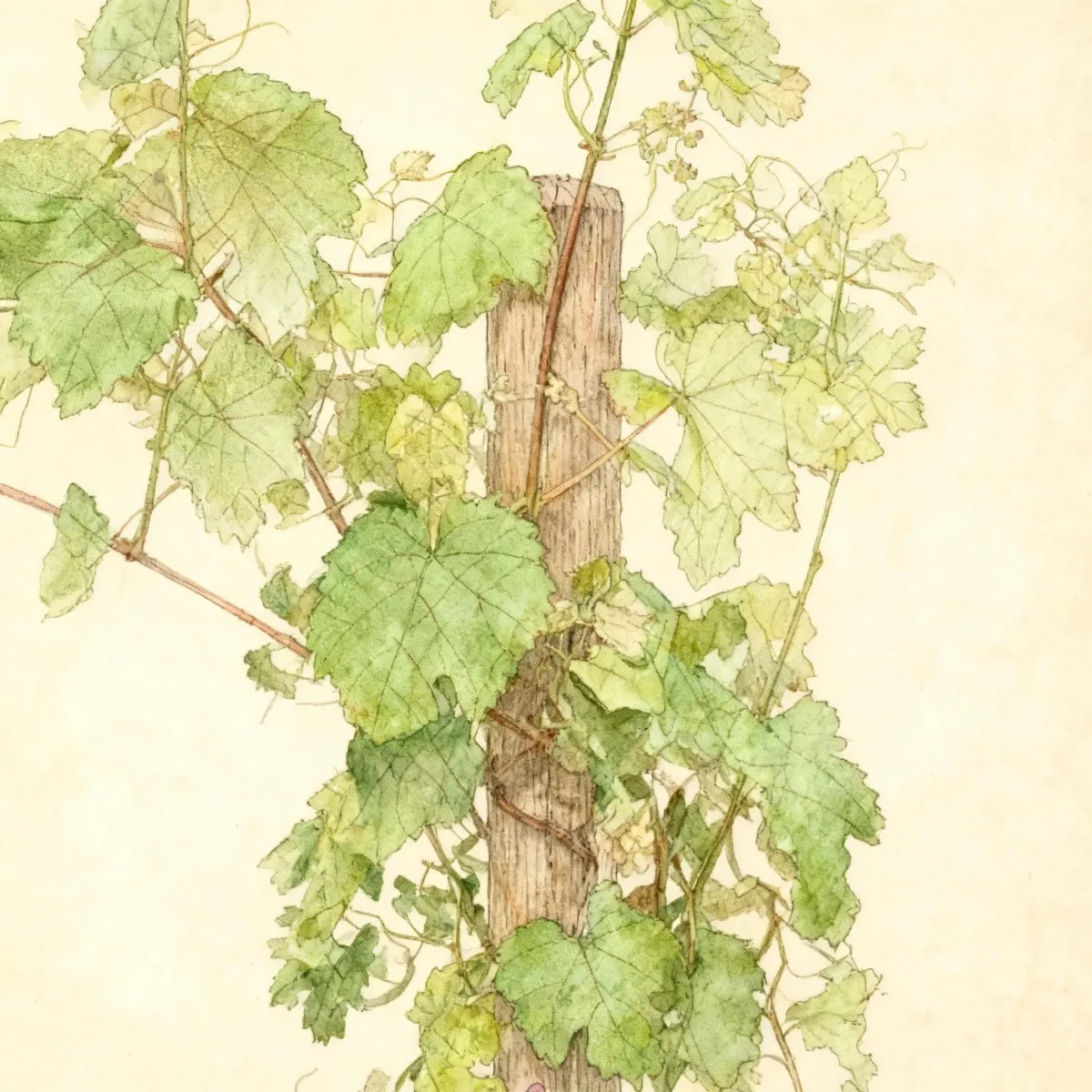
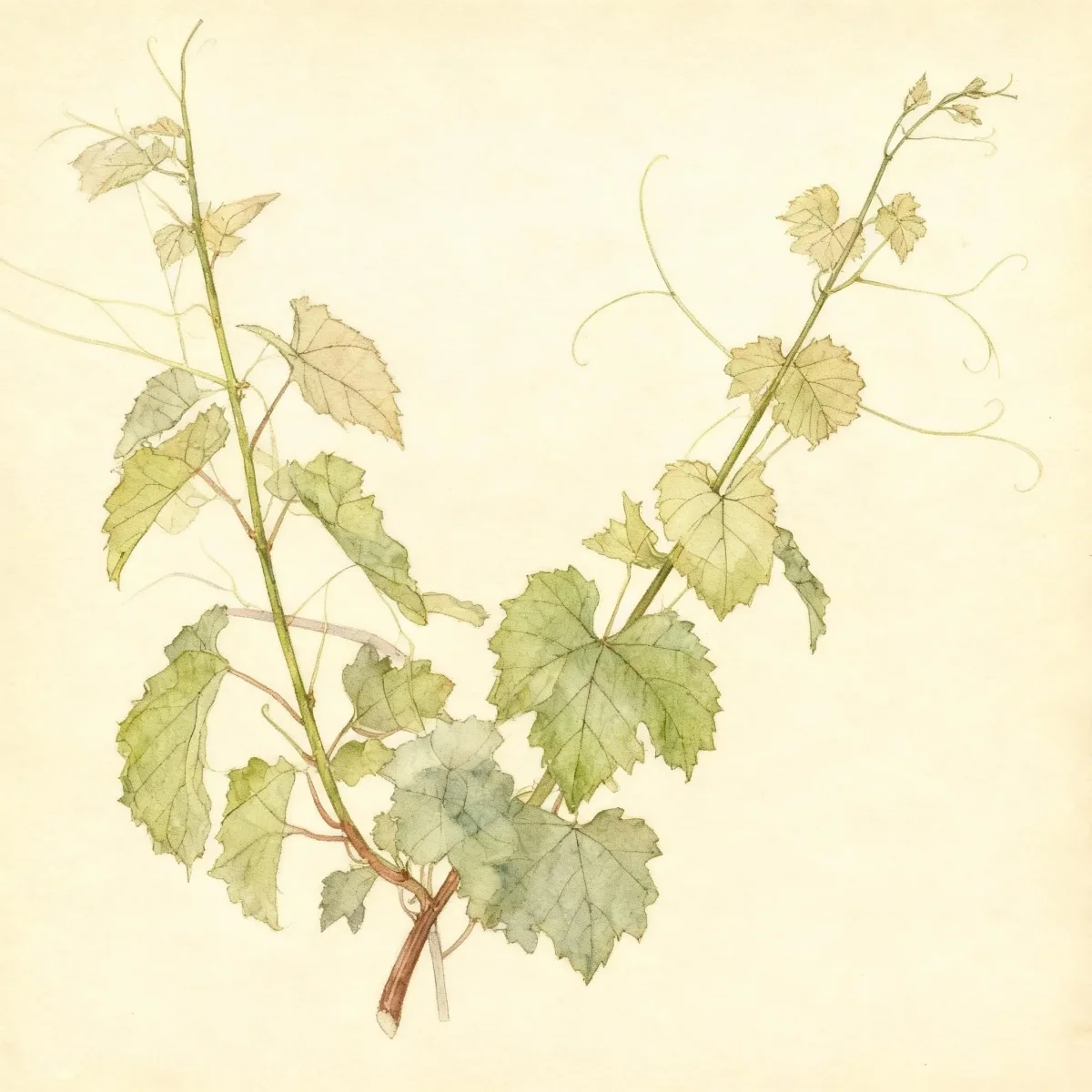
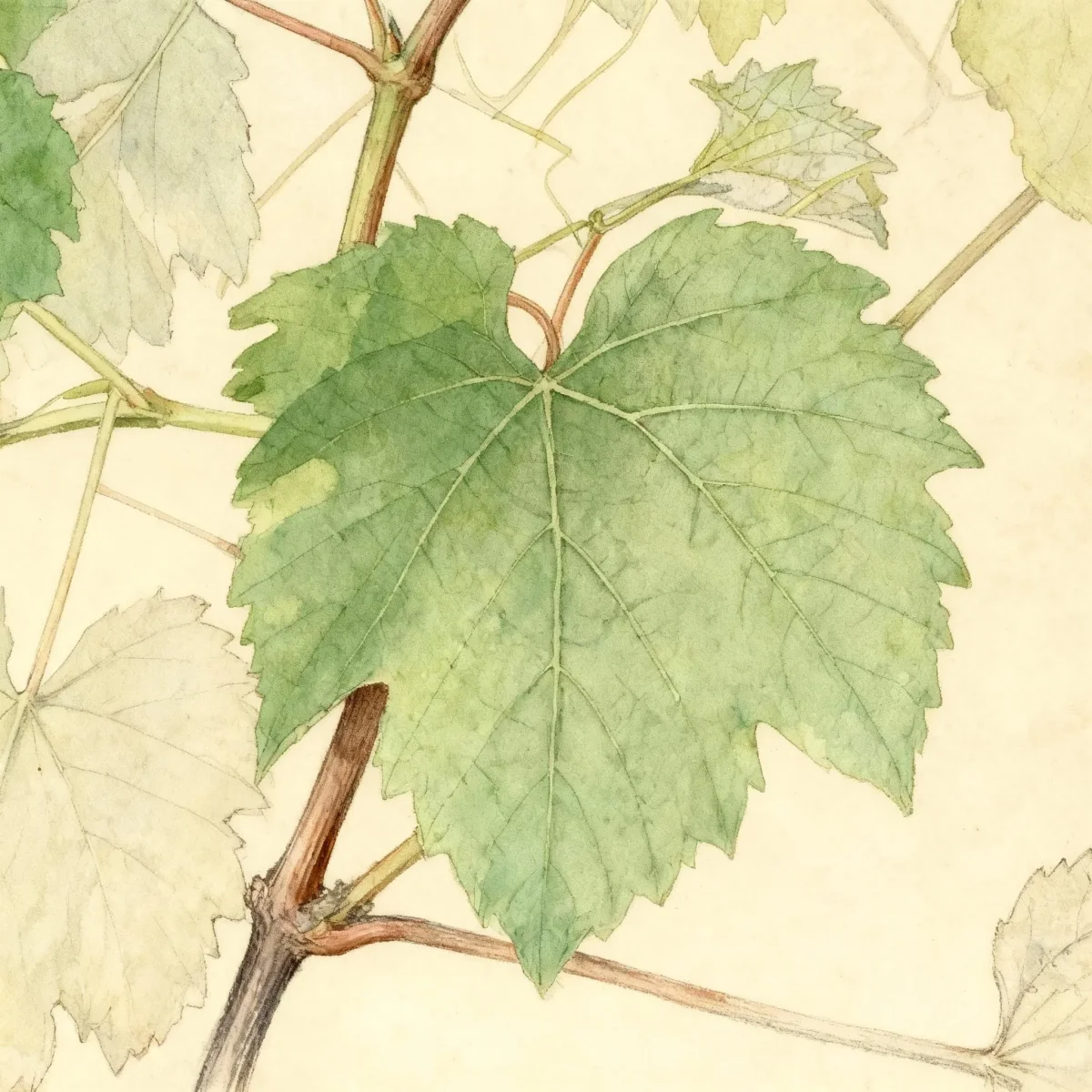
This cultivar provides aesthetic dividends beyond its harvest, featuring large, lobed green foliage during the summer and an attractive structure of shaggy, twisted trunks visible in winter. Its self-pollinating nature simplifies initial fruit set, making the Vitis ‘Chardonel’ an excellent choice for dedicated home fruit growers willing to commit to its required care regime.
Fast Facts
- Plant Family: Vitaceae
- Plant Type: Fruit
- Hardiness Zones: USDA Zones 5-7
- Size at Maturity:
- Height: 15-20 ft
- Spread: 8-15 ft
- Bloom Time: May to June
- Bloom Description: Greenish
- Sun Exposure: Full sun
- Water Needs: Medium
- Maintenance Level: High
How to Grow
For optimal establishment, plant Vitis ‘Chardonel’ in the early spring after the danger of hard frost has passed. This Grape thrives best when situated in deep, loamy, well-drained soils that retain medium moisture levels. Crucially, select a site that receives full sun exposure and is protected from harsh winter winds, with southern-facing slopes often being ideal to mitigate frost pockets.
Ongoing care for this Grape is intensive, primarily focusing on structure and disease management. A robust support system—such as a trellis, arbor, or strong wires—is mandatory for training this vigorous vine. Training, regular spraying to manage common fungal issues prevalent in humid climates, and annual pruning are non-negotiable practices to ensure healthy growth and maximize fruit production from Vitis ‘Chardonel’.
Watering should remain consistent to maintain medium soil moisture, especially during dry spells and fruit development. While the plant tolerates average garden soils, excellent drainage is paramount to preventing root issues. Since the plant is self-pollinating, attention should remain focused on preventative maintenance to protect the developing clusters from pests and pathogens throughout the growing season.
Landscape Uses
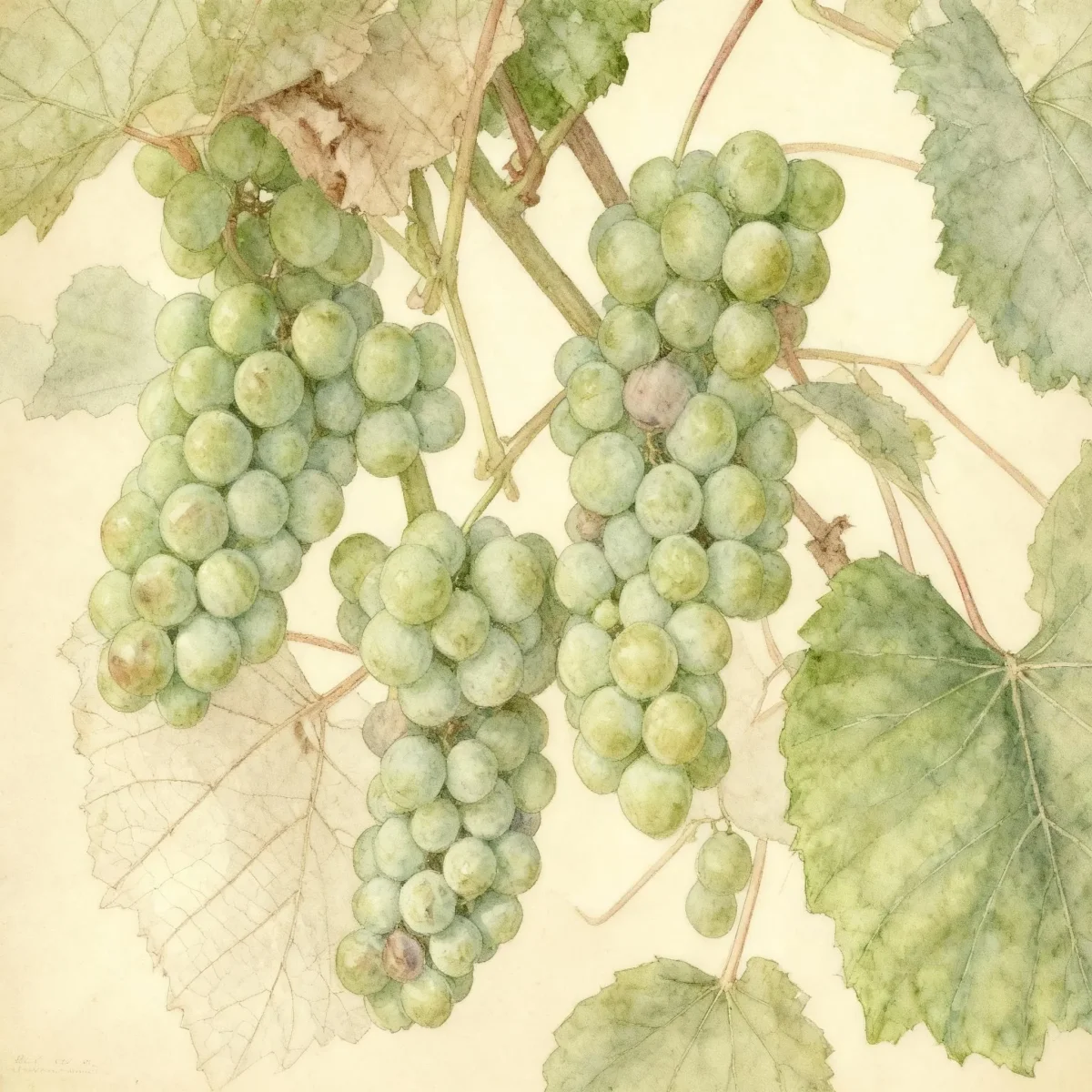
While often selected strictly for its fruit, the Grape vine, including Vitis ‘Chardonel’, possesses notable ornamental value throughout the year. Its large summer foliage provides dense cover, making it excellent for screening walls, fences, or providing shade over an arbor or pergola. The developing fruit clusters offer a beautiful, showy display later in the season.
Trained vines create attractive, structured elements in the landscape, contrasting their bold summer appearance with the interesting, shaggy texture of their trunks and branches in winter dormancy. Consider utilizing this vine near patios or outdoor living spaces where its screening capabilities and seasonal interest can be fully appreciated, remembering its requirement for a sturdy support structure.
Standout Features
Flower Qualities
- Insignificant
Fruit Qualities
- Showy
- Edible
Noteworthy Characteristics
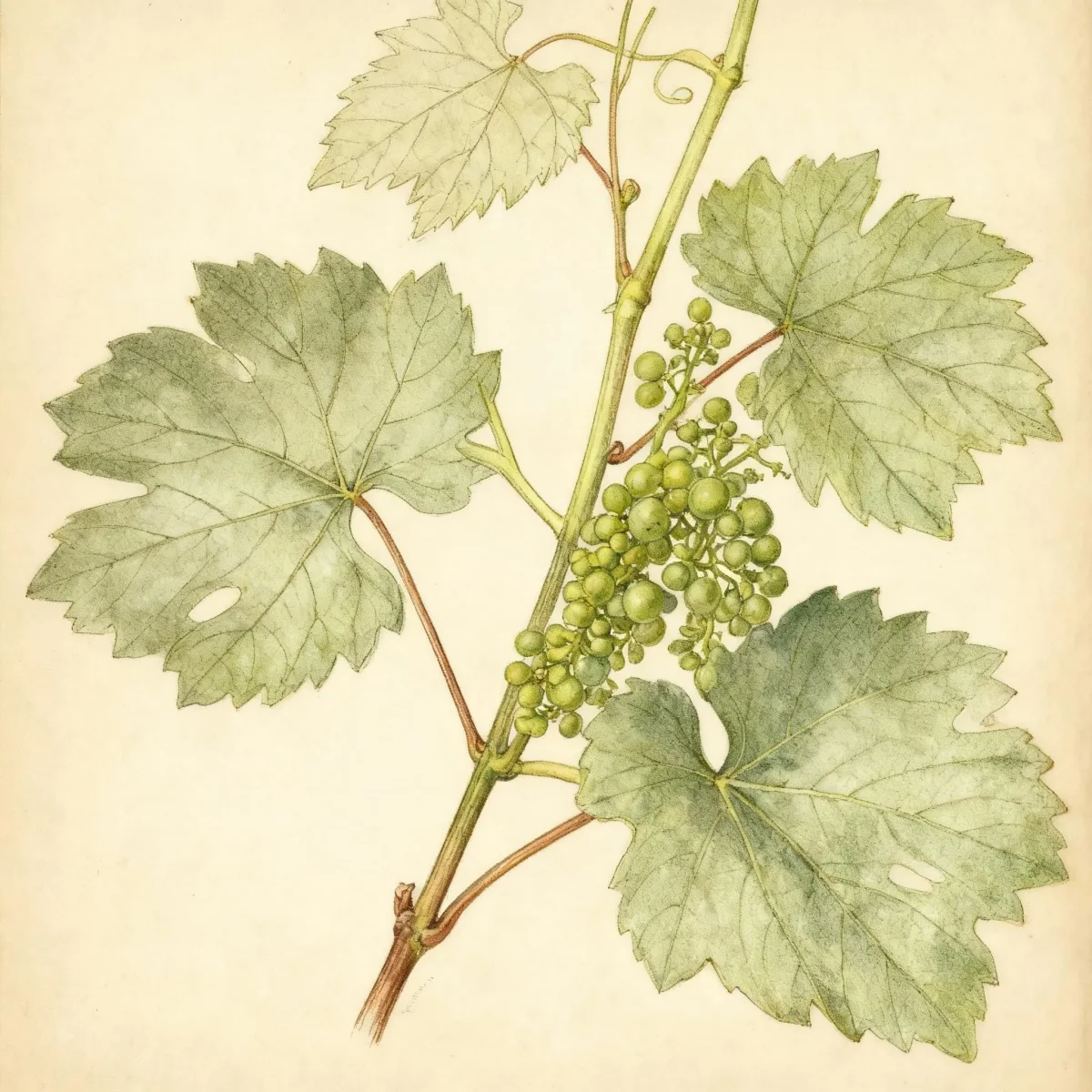
Vitis is a genus of about 65 species of woody vines. Hybrid grapes like ‘Chardonel’ (a cross between V. ‘Chardonnay’ × V. ‘Seyval’) are cultivated primarily for wine production or as fresh table fruit. This deciduous vine displays fragrant, greenish flowers in spring, leading to medium yellow-green grapes with a noticeable waxy bloom that mature in the late season. The resulting fruit clusters are attractive to a variety of wildlife, demanding vigilance from the gardener.
Tolerances
- Rabbit
- Deer
Potential Problems
Grapes are inherently high-maintenance and require a proactive approach to pest and disease control to ensure a successful harvest. Susceptibility to numerous diseases is high, particularly anthracnose, black rot, and powdery mildew, especially when grown in humid summer conditions. Proactive structural support and meticulous pruning are necessary, alongside a regular, targeted spraying schedule, to address these fungal threats.
Insect pests present another challenge, including phylloxera, the grape berry moth, and leaf hoppers. Monitoring foliage and fruit clusters closely will help identify infestations early. Furthermore, vertebrate pests can significantly reduce yields; birds are often the most damaging, though browsing deer can damage young shoots and leaves.
Frequently Asked Questions
What hardiness zones is Grape suitable for?
Vitis ‘Chardonel’ is hardy and performs best in USDA Zones 5 through 7.
How large does Grape grow?
This woody vine typically reaches heights between 15 and 20 feet and spreads 8 to 15 feet wide at maturity, requiring substantial vertical support.
What sun exposure does Grape need?
The Vitis ‘Chardonel’ variety requires full sun exposure to develop the energy needed for quality fruit production.
When does Grape bloom?
The greenish flowers of this Grape typically appear between May and June.
Conclusion
The Vitis ‘Chardonel’ Grape offers dedicated gardeners the reward of high-quality fruit combined with substantial year-round structural interest in the landscape. While its high maintenance level due to pruning and disease management demands commitment, the resulting edible clusters and attractive vine structure are worth the effort. Before planting, confirm your location falls within USDA Zones 5-7 and ensure you have a robust support system ready for your new, vigorous Grape vine.
Companion Planting
Selecting appropriate neighbors limits competition and can enhance the health of your Vitis ‘Chardonel’. Companion plants that thrive in full sun and well-drained soil are ideal. Consider planting low-growing, non-competitive herbs like thyme or oregano around the base of the support structure, as their aromatic qualities may help deter some common vineyard pests.
Avoid planting other sensitive fruit crops too closely, as this can increase the humidity trapped near the canopy, thereby exacerbating fungal disease pressure on the Grape vine. Focus on ground covers that do not aggressively compete with the vine’s shallow root system for water during dry periods.
Wildlife Benefits
Beyond supporting garden aesthetics, the Grape vine plays a role in local ecology, particularly regarding pollinators. The panicles of fragrant, greenish flowers that appear in the spring are known to be attractive to bees actively foraging. This makes planting Vitis ‘Chardonel’ a beneficial choice for supporting local pollinator populations alongside fruit production.
While ripe fruit attracts birds and mammals—a factor that requires netting or diligence—the vine structure itself offers shelter and cover. Mature vines provide excellent nesting sites and protective cover for smaller birds throughout the year, balancing the cost of lost fruit with ecological benefit.