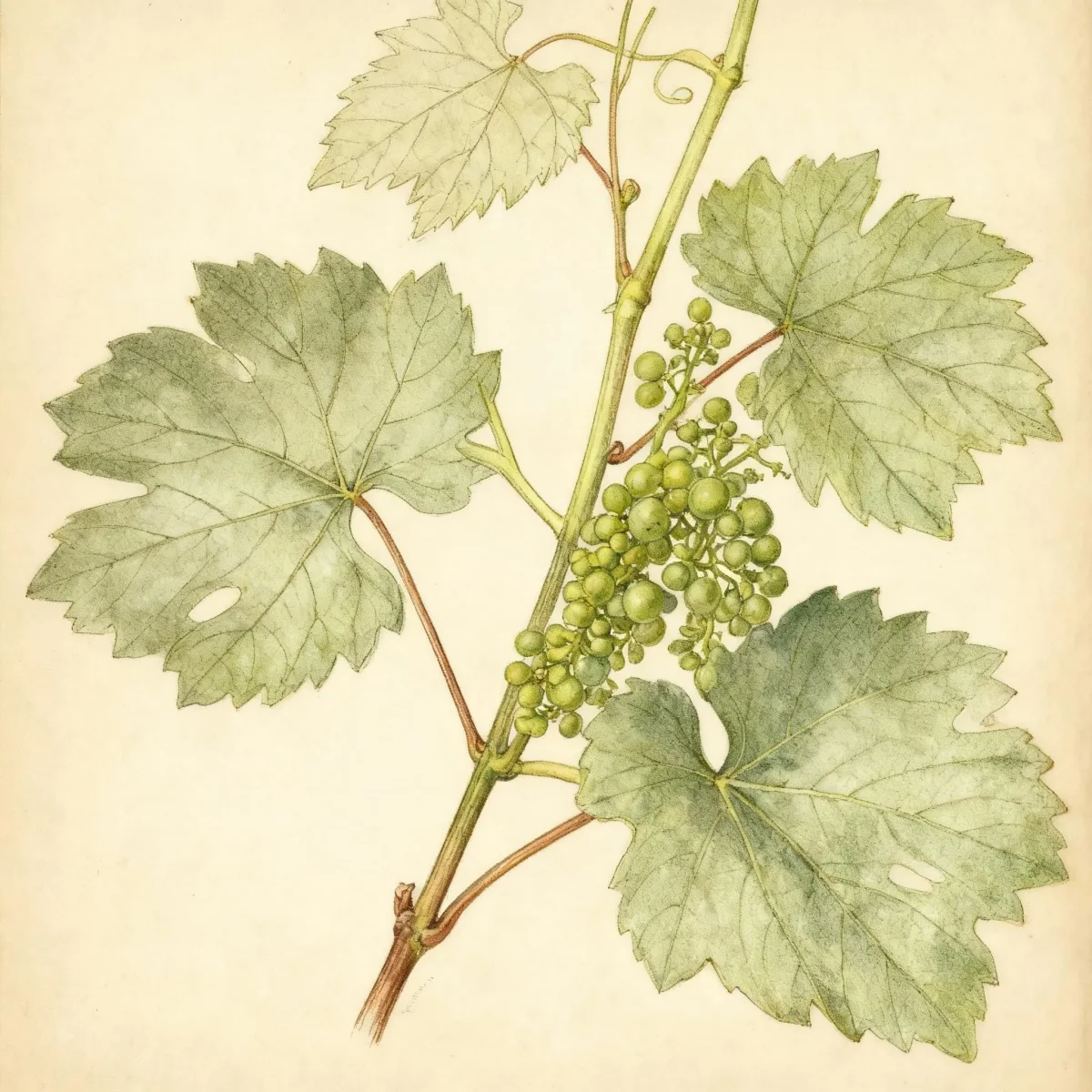
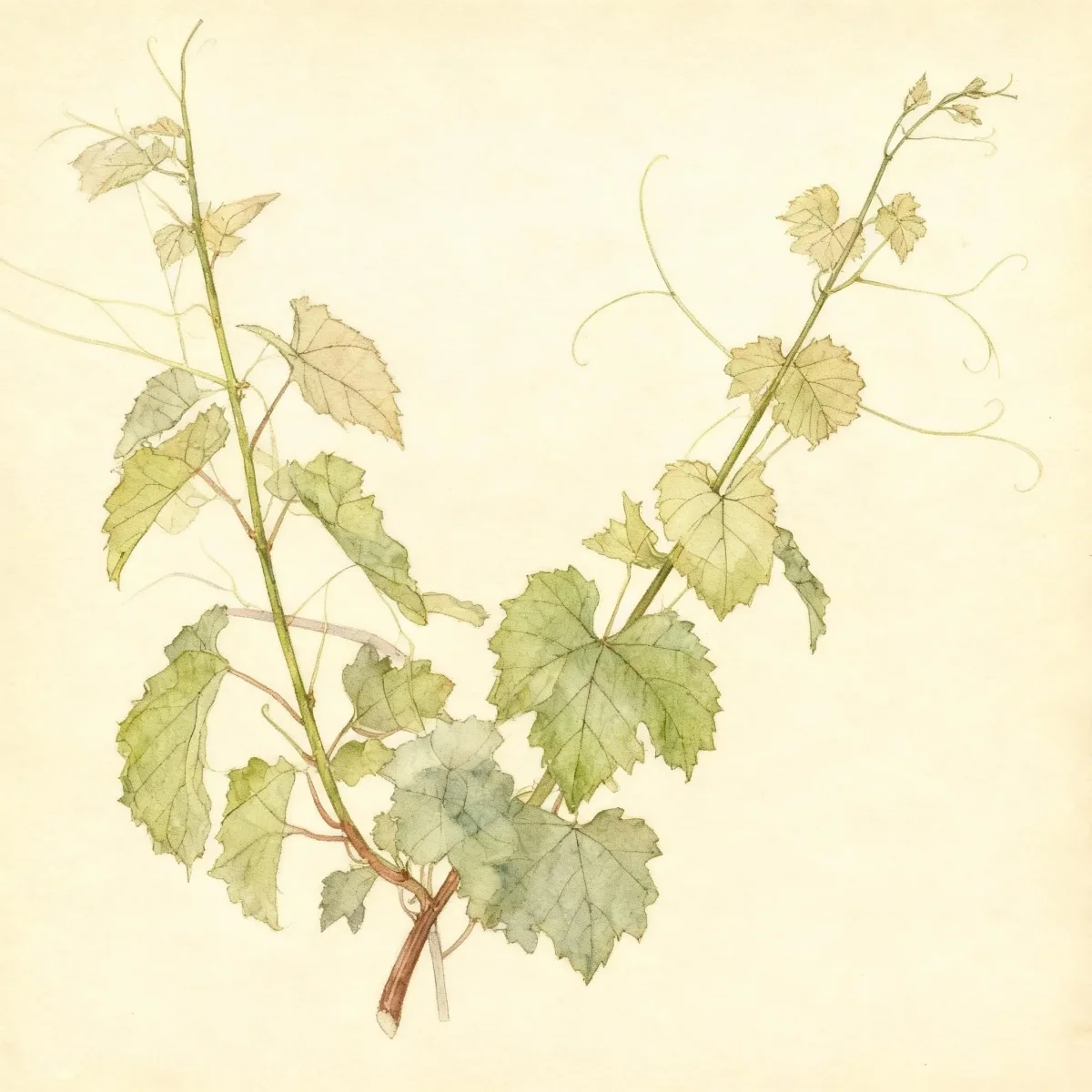
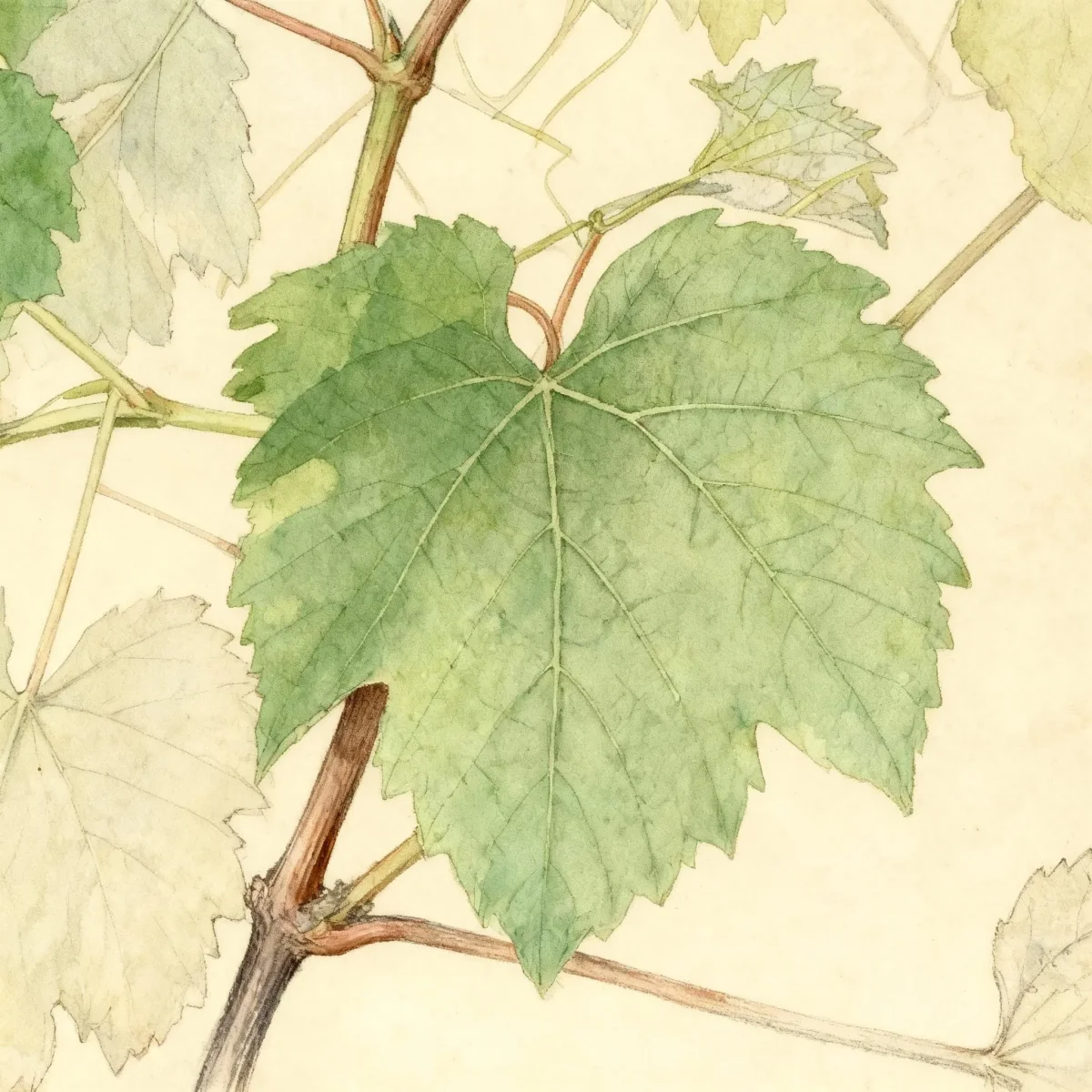
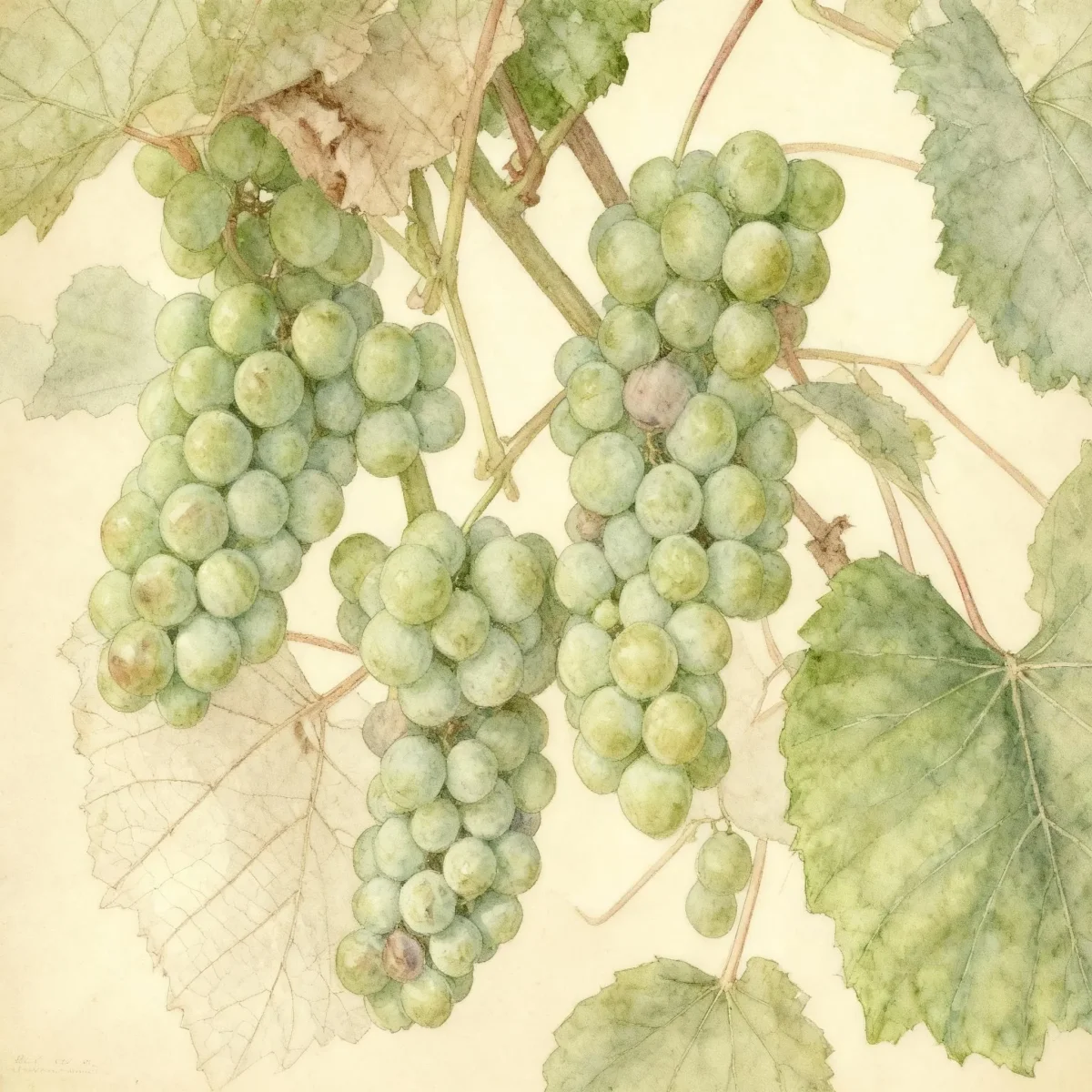
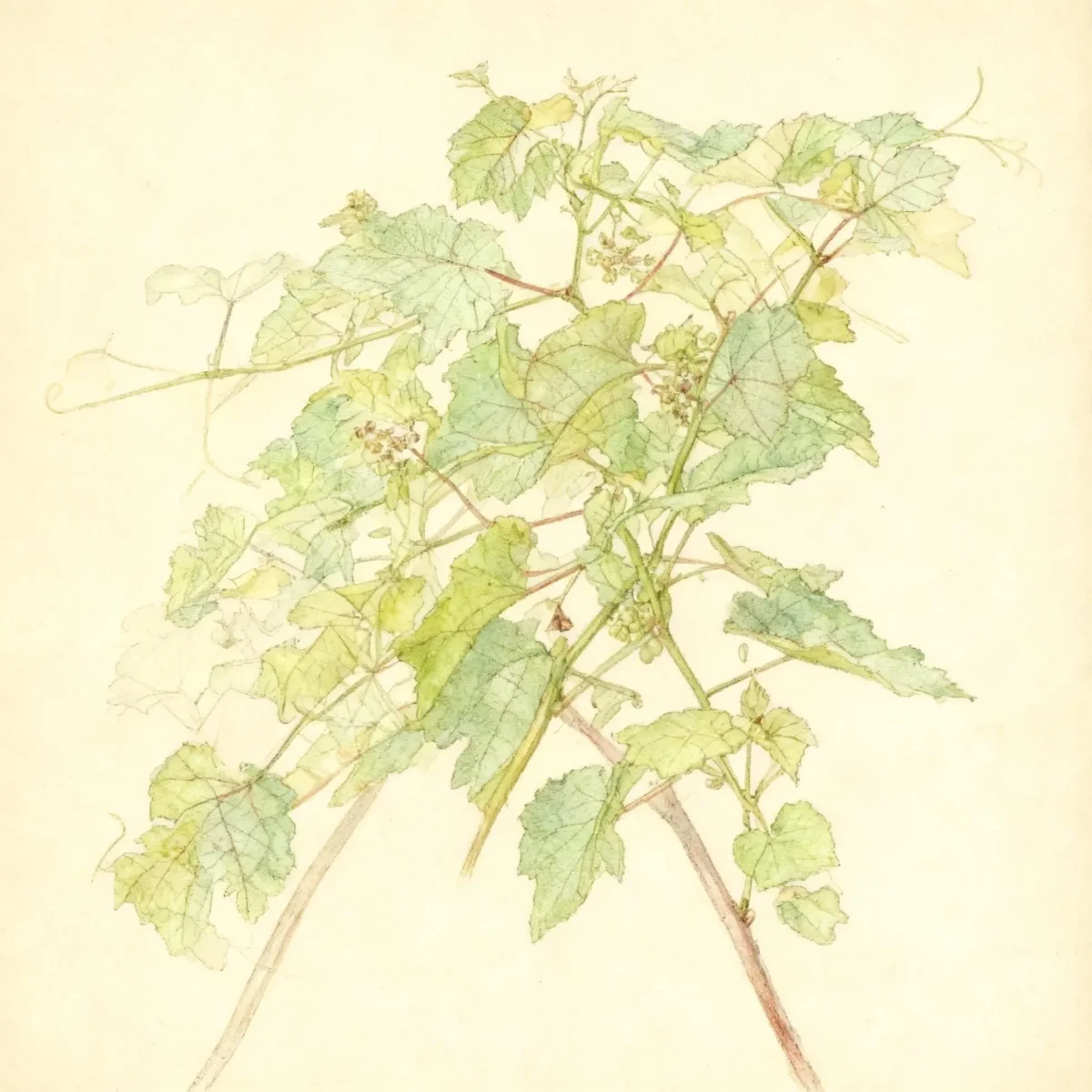
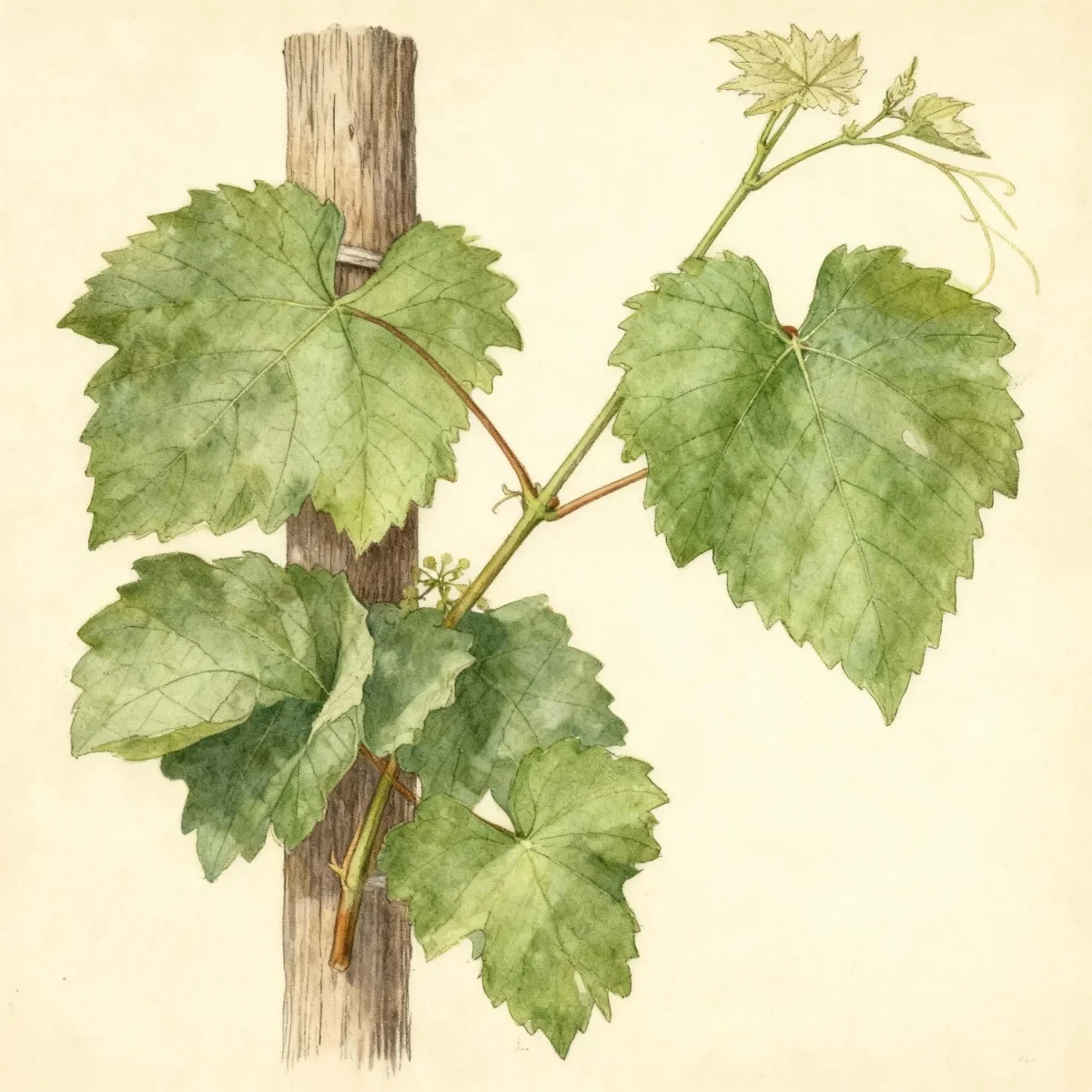
Grape (Vitis 'Catawba')
Vitis 'Catawba' is a high-maintenance Grape known for copper-red, edible berries. Excellent for juice and wine production in USDA Zones 5-7.
Scroll down to discover growing tips, care requirements, companion plants, and more
Complete Plant Information
Overview
Vitis ‘Catawba’ is a highly valued American hybrid grape, specifically a V. Labrusca cross, prized for its adaptability and reliable fruit production. This woody, deciduous vine produces copper-red berries in the late season, suitable for making quality wines, jams, jellies, and juice. Gardeners choosing this variety must commit to intensive care, as Vitis ‘Catawba’ requires significant management to maximize yields.
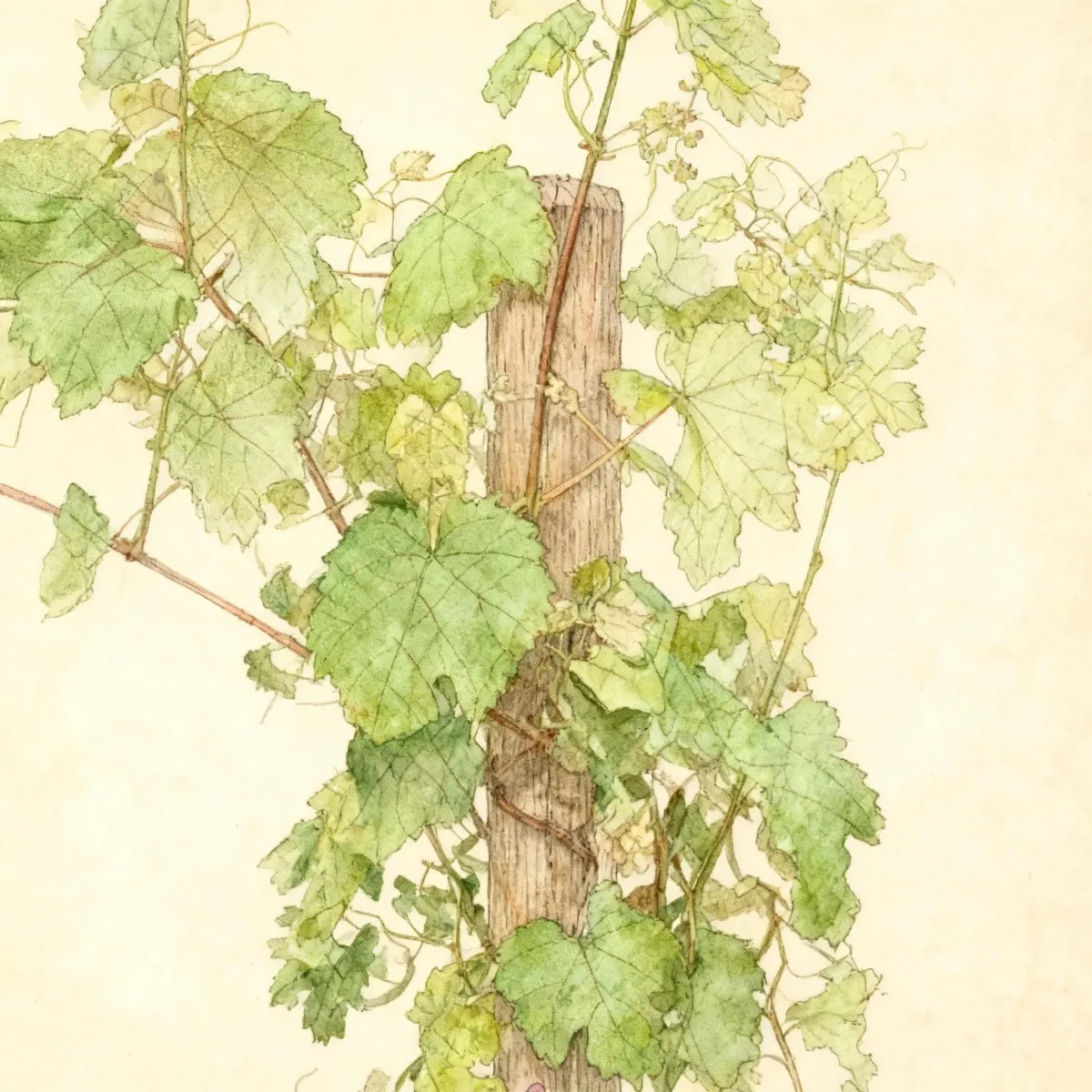
As a vigorous climber, this Grape variety naturally seeks support, reaching heights of 15 to 20 feet. It thrives where it receives maximum sunlight, which is critical for achieving the sweetest fruit flavor. While it is hardier than some European varieties, successfully cultivating this Grape requires careful siting away from frost pockets and commitment to a rigorous maintenance schedule.
Beyond its culinary uses, Vitis ‘Catawba’ offers positive ornamental attributes, featuring bold foliage throughout summer, unique shaggy bark on mature trunks, and showy clusters of edible fruit. Its dense growth provides excellent screening or shade when grown over arbors or structures, making the demanding care worthwhile for both practical harvest and aesthetic screening.
Fast Facts
- Plant Family: Vitaceae
- Plant Type: Fruit
- Hardiness Zones: USDA Zones 5-7
- Size at Maturity:
- Height: 15-20 ft
- Spread: 8-15 ft
- Bloom Time: May to June
- Bloom Description: Greenish
- Sun Exposure: Full sun
- Water Needs: Medium
- Maintenance Level: High
How to Grow
For optimal growth, plant Vitis ‘Catawba’ in deep, loamy, humus-rich soils that are well-drained. Excellent drainage is paramount, even though this Grape tolerates a wide range of average garden soils. Ensure the location receives full sun throughout the day, as this directly influences fruit sweetness. Ideally, site your vine on a sheltered southern-facing slope to receive warmth and protection from harsh winter winds, recognizing that young spring growth is vulnerable to late frosts.
Successful cultivation of this productive Grape demands high maintenance. The vines require a robust support system, such as a sturdy trellis or arbor, for proper training and air circulation. Pruning must be performed regularly to encourage fruit development, and regular spraying is essential to protect against numerous potential diseases and pests.
Water needs are medium; aim for consistent moisture, especially during fruit set and ripening periods. Because Vitis ‘Catawba’ is self-pollinating, no companion planting is required for fertilization, but careful management of its demanding cultural needs separates a modest yield from a banner harvest of this resilient American variety.
Landscape Uses
Grapes offer excellent functional and ornamental value when integrated into the landscape design. While primarily grown for the delicious, edible fruit, the bold texture of the foliage provides substantial visual interest through the summer months. When trained carefully along fences, walls, or sturdy arbors, the mature, twisting trunks and branching patterns become attractive structural elements, especially visible in winter.
Consider using this vigorous vine to create natural shade or screening elements. A well-placed Grape trellis can define outdoor rooms or hide functional areas near the home. The plant’s ability to climb high means it can soften harsh architectural lines or provide vertical interest in a cottage garden setting.
The showy clusters of blue-black fruit add seasonal color that attracts wildlife while providing harvest opportunities for the gardener. When designing, remember that Vitis ‘Catawba’ needs ample room to spread its root system and spread its canopy, requiring space of 8 to 15 feet wide.
Flower Qualities
- Fragrant
- Insignificant
Fruit Qualities
- Showy
- Edible
Noteworthy Characteristics
Vitis labrusca, or fox grape, is an aggressive, woody vine native to eastern North America, often climbing up to 40 feet and noted for its shredding bark. The ‘Catawba’ cultivar offers late-season copper-red berries characterized by their “slipskin” and distinct “foxy” sweet, earthy flavor, making them ideal for processing. Flowers in spring are fragrant and greenish, giving way to fruit attractive to local wildlife.
Tolerances
- Rabbit
- Deer
Potential Problems
The management demands for Vitis ‘Catawba’ are high; significant yields rely heavily on rigorous pruning, specialized structural support, and consistent pesticide application. This Grape variety faces susceptibility to a broad spectrum of fungal diseases, especially under humid summer conditions, including black rot, anthracnose, and various mildews (downy and powdery). Proper site selection and cultural practices can help mitigate these risks initially.
Insect pests are numerous and include phylloxera, leaf rollers, berry moths, and damaging flea beetles. Furthermore, vertebrate pests can severely reduce harvests, with birds being the most damaging consumers of ripe fruit. Scouting regularly for signs of disease and managing pests proactively is essential for successful cultivation of this specific Grape.
Frequently Asked Questions
What hardiness zones is Grape suitable for?
This Grape variety, Vitis ‘Catawba’, is reliably hardy in USDA Zones 5 through 7.
How large does Grape grow?
Vitis ‘Catawba’ typically reaches a mature height between 15 and 20 feet, with a spread often spanning 8 to 15 feet wide.
What sun exposure does Vitis ‘Catawba’ need?
For the best development and sweetest fruit quality, Vitis ‘Catawba’ requires a location with full sun exposure daily.
When does Grape bloom?
This Grape variety blooms relatively early, with inconspicuous, greenish flowers appearing between May and June.
Conclusion
Vitis ‘Catawba’ remains a staple for home fruit production due to its resilience in Eastern and Midwestern climates and its production of versatile, edible berries. While the maintenance level is high—demanding structured support, diligent pruning, and pest control—the reward is a reliable crop of flavorful Grape. Before planting, ensure your growing location aligns with USDA Zones 5-7 and you are prepared to provide full sun and structured support for this vigorous vine.
Wildlife Benefits
The fruit of Vitis ‘Catawba’ is a significant food source, attracting numerous wild animals and various bird species, which aids in the natural dispersal of seeds throughout the landscape. While this berry production is beneficial for wildlife, careful planning is needed to protect your harvest, as birds are often the most damaging vertebrate pests.
Seasonal Care Calendar
Caring for your Vitis ‘Catawba’ changes significantly throughout the year. During the dormant season, typically late winter or very early spring before buds swell, perform the most intensive pruning to manage vine structure and maximize fruit wood, remembering that late frosts can damage new growth. In the growing season, regular monitoring for pests and diseases is crucial, necessitating timely spraying applications, particularly during humid summer months.