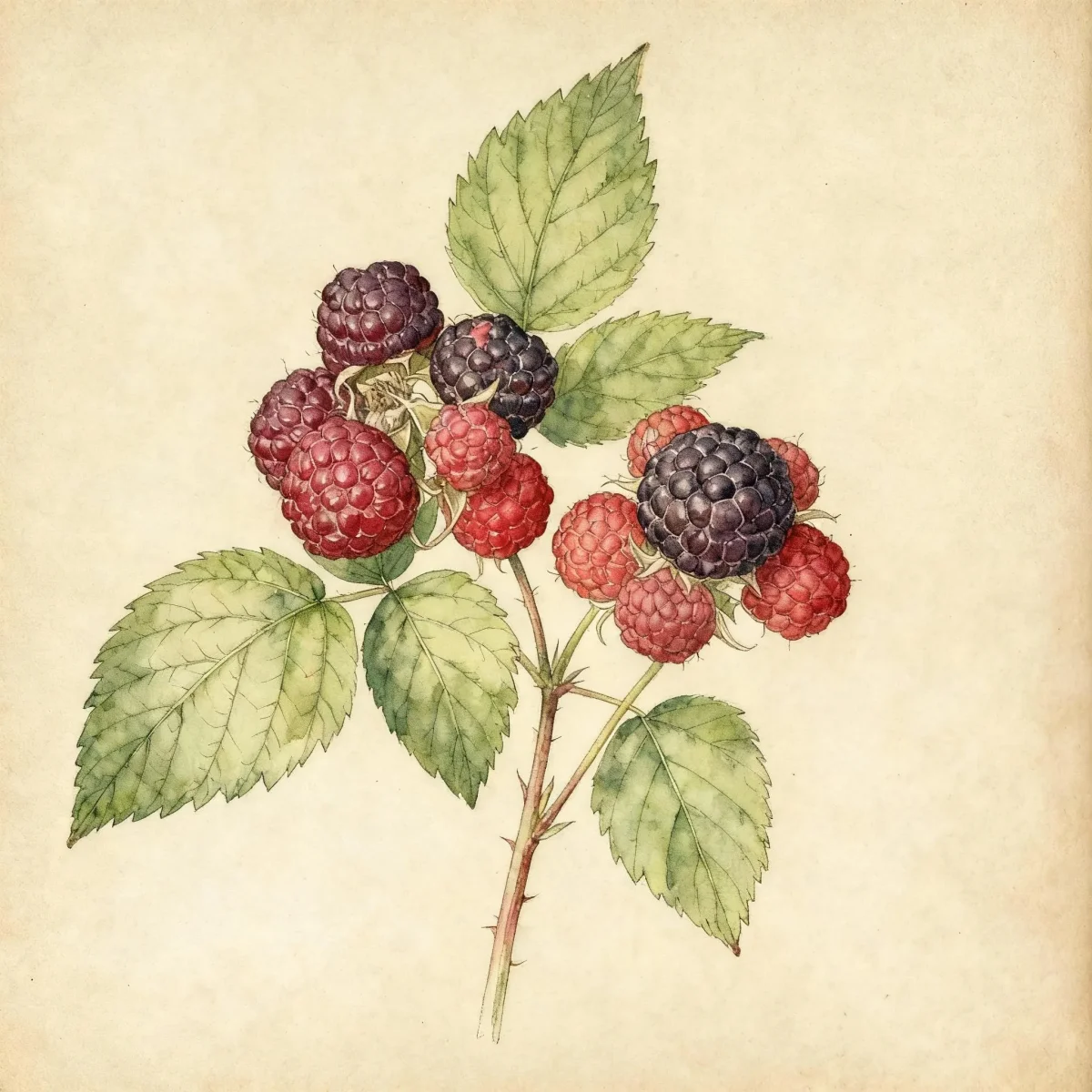
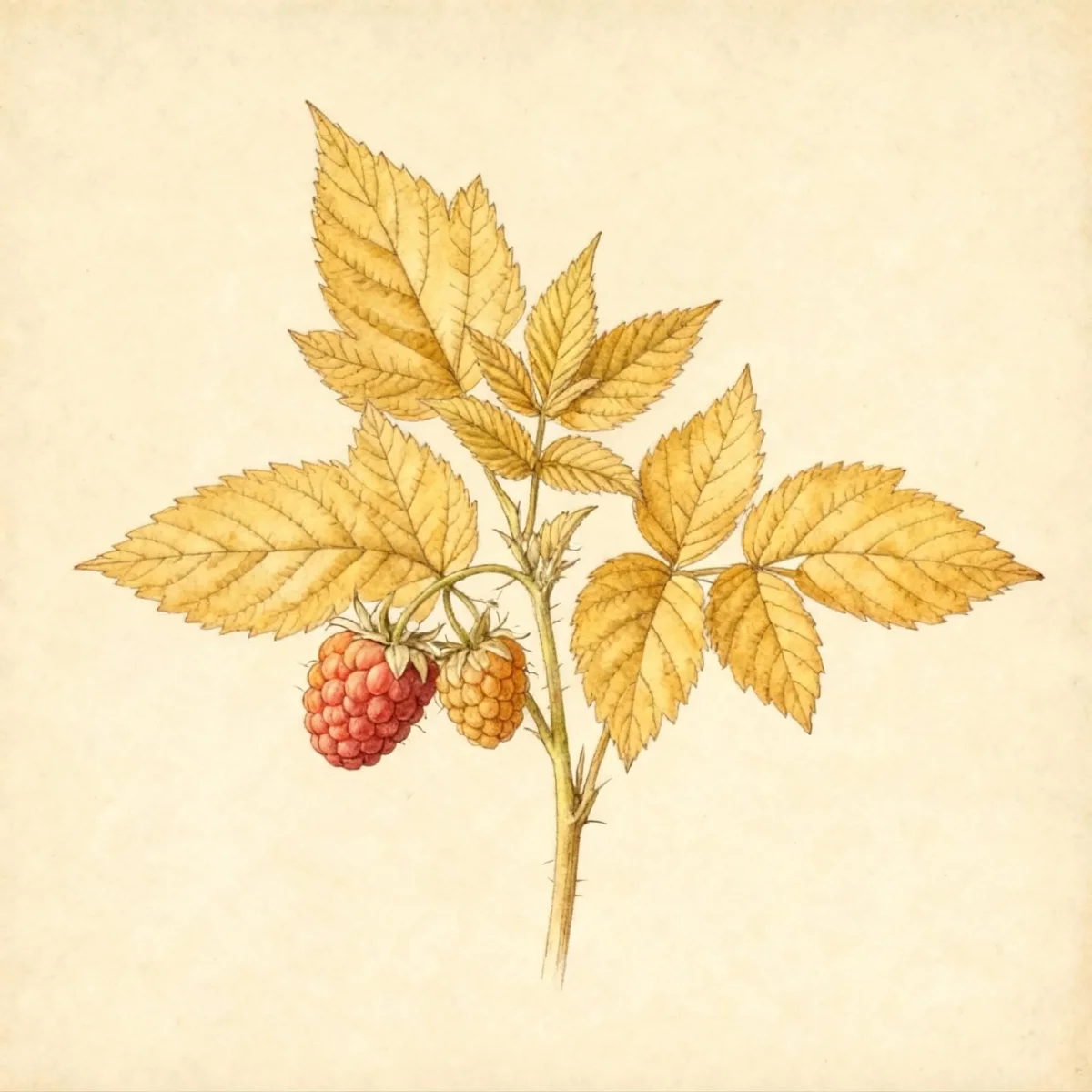
Raspberry (Rubus idaeus 'Taylor')
Rubus idaeus 'Taylor' Raspberry delivers superb-tasting summer fruit. Adaptable to zones 4-8, this medium shrub requires medium maintenance.
Scroll down to discover growing tips, care requirements, companion plants, and more
Complete Plant Information
Overview
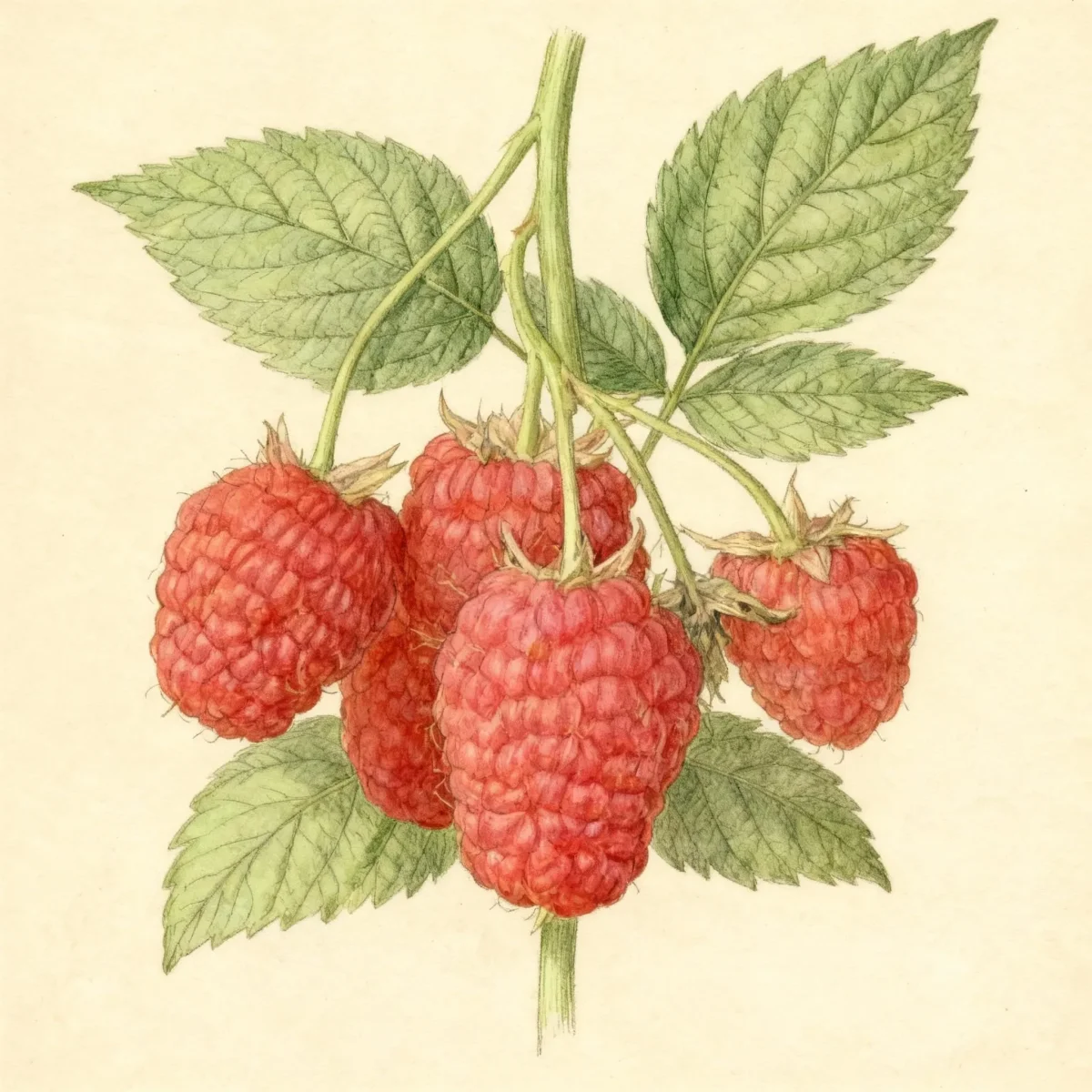
Rubus idaeus ‘Taylor’ is a highly regarded summer-bearing red Raspberry cultivar, often considered the benchmark for judging other summer varieties. Gardeners prize this shrub for its exceptionally flavored red fruits that ripen reliably in early summer. This deciduous shrub forms thickets with biennial canes, offering both aesthetic structure and a significant edible harvest.
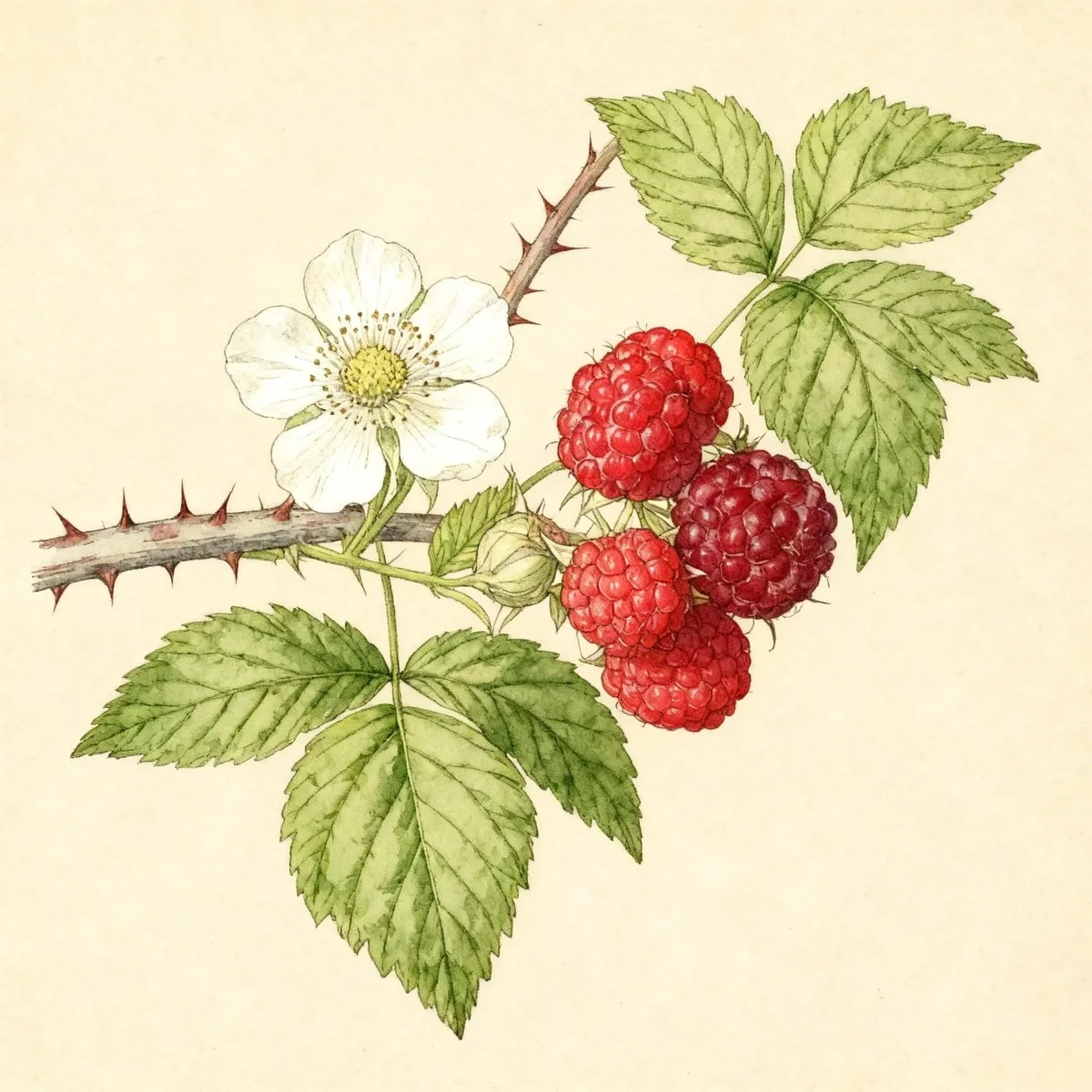
The ‘Taylor’ Raspberry typically reaches 3 to 5 feet in height and spread, making it manageable in many home gardens. Its cultural needs lean towards organically rich, slightly acidic, consistently moist, yet well-drained soils. While it produces beautiful white flowers in spring, the main reward is the abundant crop of hollow, cone-like summer fruits highly sought after for fresh eating or preserves.
Successfully growing Rubus idaeus ‘Taylor’ involves regular pruning to manage the biennial cane life cycle and ensure vigorous new growth for the following season. By providing the right balance of sun exposure, manageable moisture, and diligent upkeep, gardeners can ensure a bountiful and delicious yield of this superior Raspberry.
Fast Facts
- Plant Family: Rosaceae
- Plant Type: Fruit
- Hardiness Zones: USDA Zones 4-8
- Size at Maturity:
- Height: 3-5 ft
- Spread: 3-5 ft
- Bloom Time: April to May
- Bloom Description: White
- Sun Exposure: Full sun to part shade
- Water Needs: Medium
- Maintenance Level: Medium
How to Grow
For optimal establishment of your Raspberry canes, plant during the dormant season (late fall or early spring) in a location receiving full sun to light afternoon shade. The soil is crucial; it must be organically rich, moderately acidic, and exhibit excellent drainage. Gardeners in areas with heavy clay soils should seriously consider using raised beds to mitigate the high risk of root rot caused by overly wet conditions.
Water needs for Rubus idaeus ‘Taylor’ are best met by providing medium, consistent moisture, especially during fruit development. Fertilization should support vigorous cane growth without promoting excessive, weak suckering. Pruning is non-negotiable; after summer canes finish fruiting, prune them out immediately. In late winter, remove any canes damaged by winter cold and thin remaining canes as needed; for everbearers that fruited last fall, cut back only the tips.
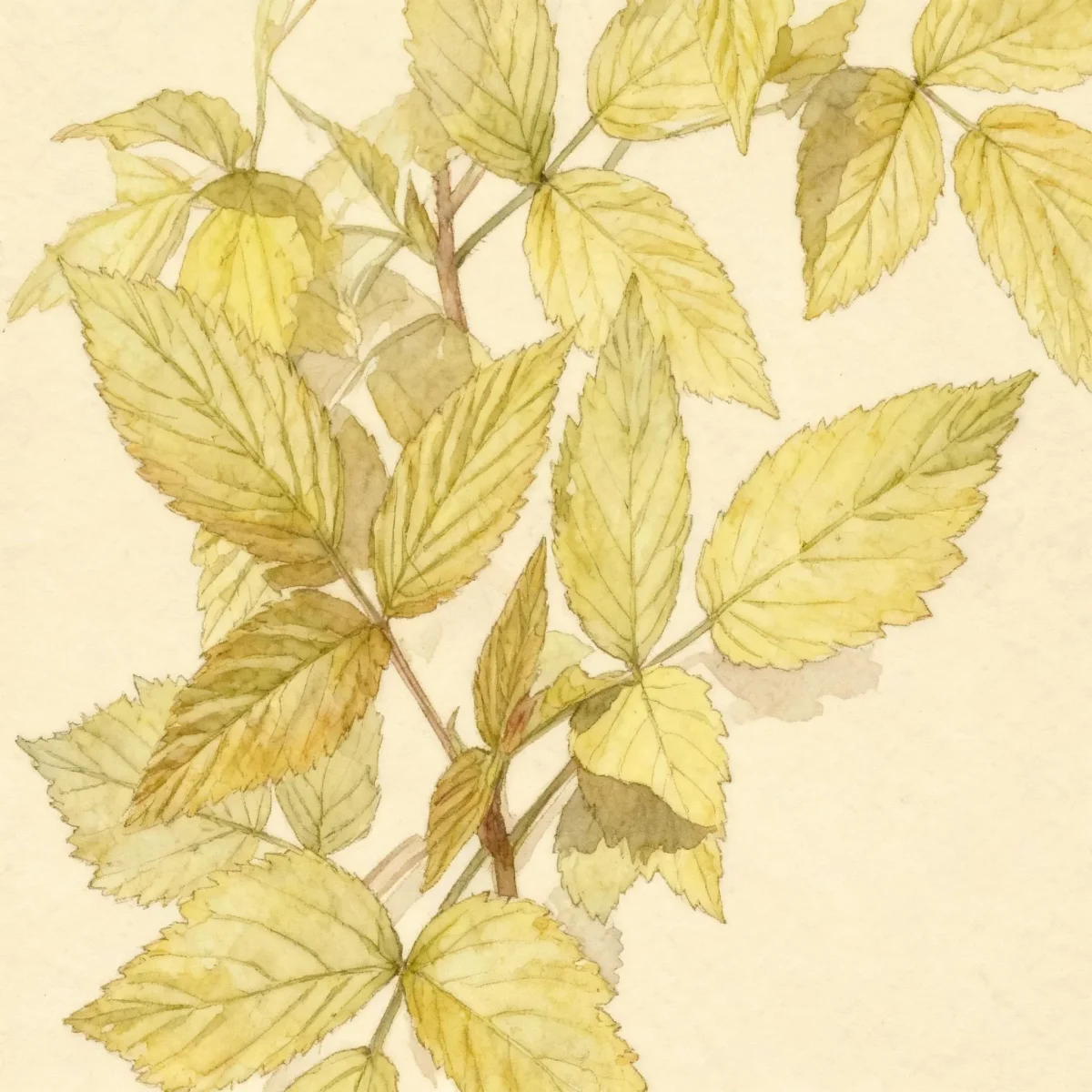
Be diligent about controlling the plant’s spread, as raspberries naturally colonize areas via suckers, stolons, and root crowns. Promptly remove any unwanted new plants threatening to outcompete the main canes. Remember that the Raspberry cane structure is biennial: first-year primocanes grow leaves, and second-year floricanes produce fruit before dying back.
Landscape Uses
The primary draw of Rubus idaeus ‘Taylor’ is, without question, its culinary fruit. However, these thicket-forming shrubs can anchor informal borders or provide soft screening when planted in loose colonies. Although the straight species is rarely used ornamentally, cultivars like ‘Taylor’ are best placed where their growth habit is appreciated and where they do not need to be rigidly manicured.
When planning the garden, place your Raspberry patch where they have room to spread naturally or where you can easily manage the suckers. While they are fruit producers, the dense foliage can serve as a textural backdrop for lower-growing perennials. If space is constrained, growing Rubus idaeus ‘Taylor’ in large containers is possible, provided the moisture requirements are strictly met.
For a productive edible landscape, consider incorporating nitrogen-fixing companion plants nearby to naturally enrich the soil the Raspberry requires. Their arching canes provide visual interest throughout the growing season, culminating in the highly anticipated early summer harvest.
Standout Features
Flower Qualities
- Showy
Fruit Qualities
- Showy
- Edible
Noteworthy Characteristics
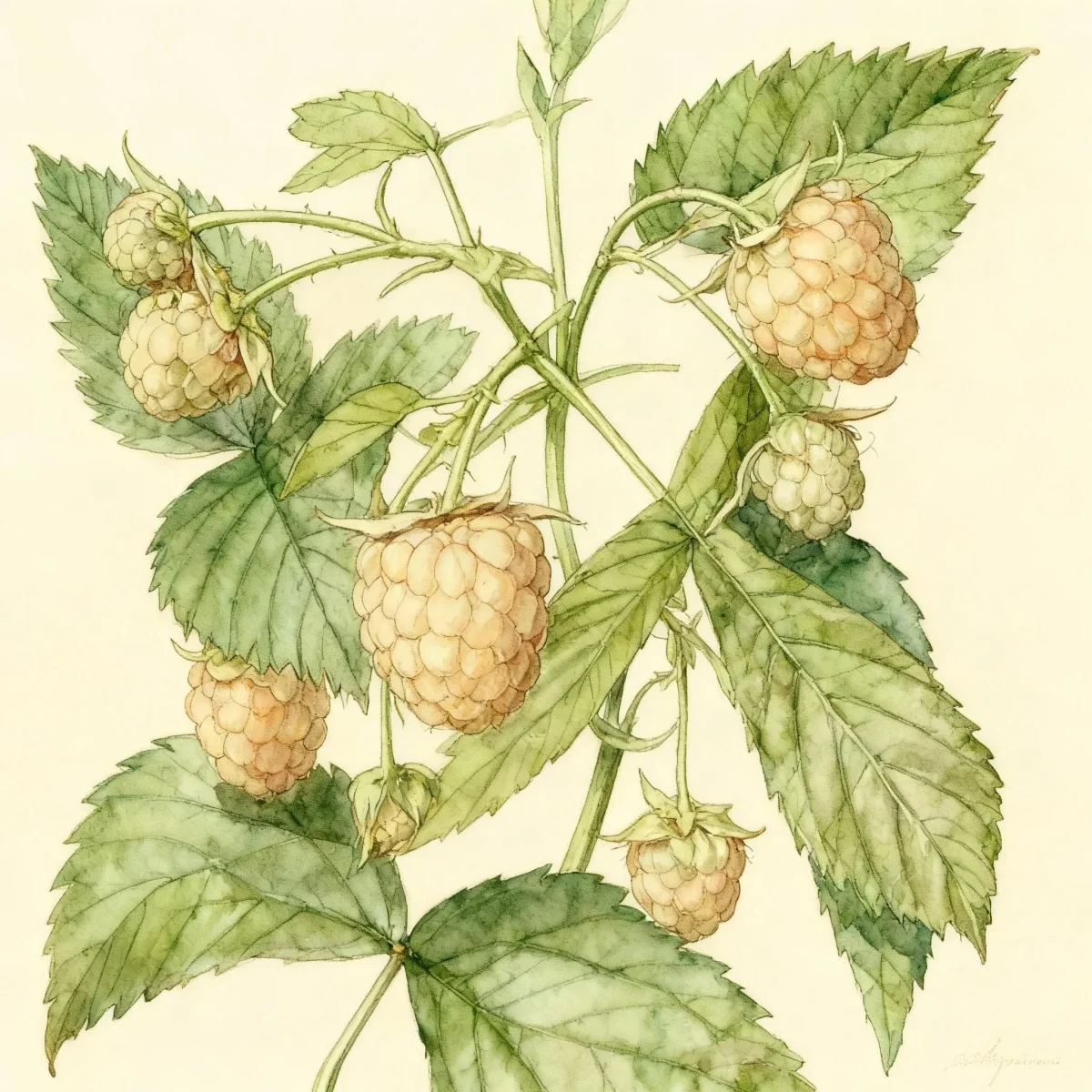
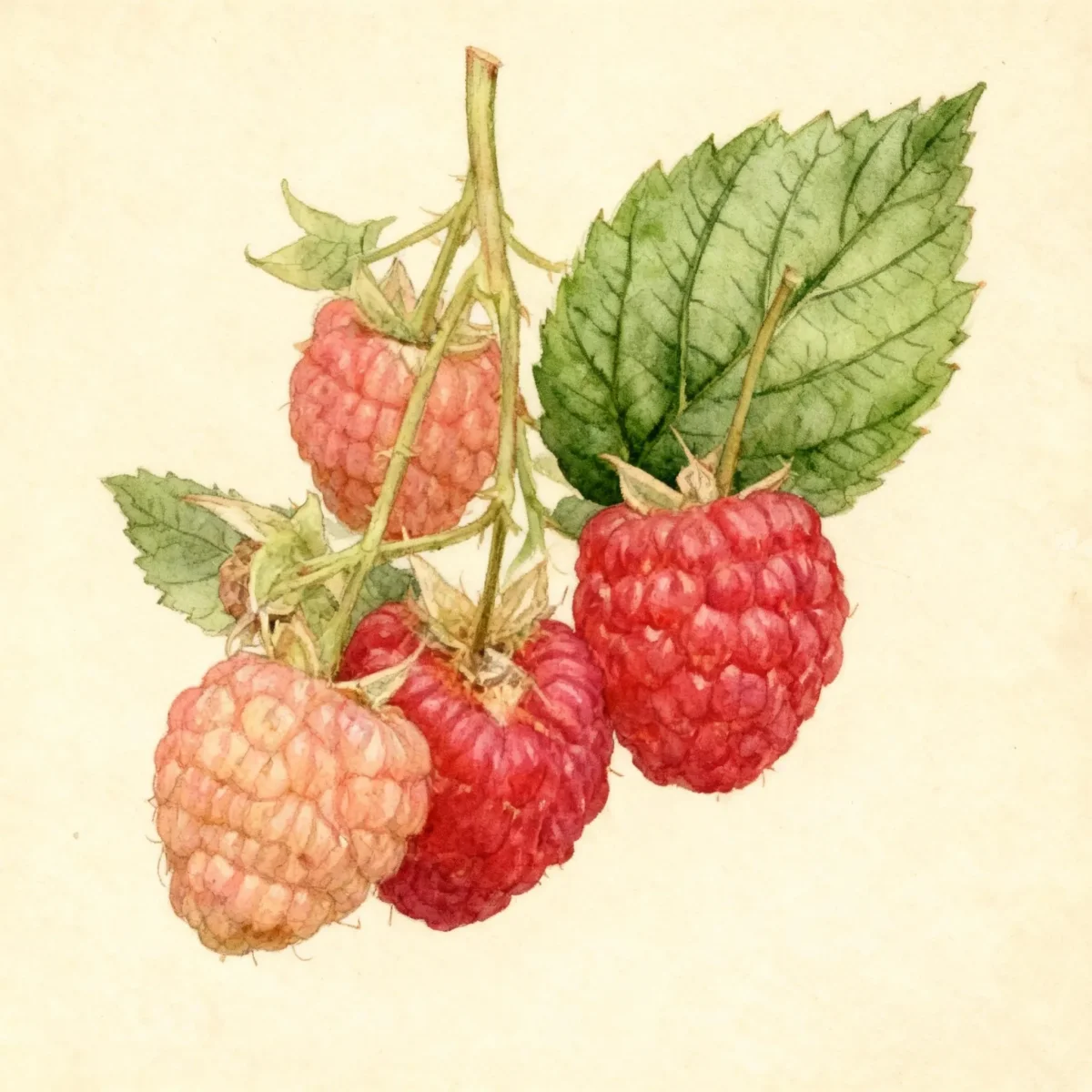
Rubus idaeus, commonly called red raspberry, is an erect to sprawling, thicket-forming, deciduous shrub known for its biennial, often prickly, cane-like stems. The cultivar ‘Taylor’ is specifically noted for its excellent flavor, setting a high standard for summer-bearing red raspberries that produce a single crop annually in early summer. Botanically, the fruits are aggregations of tiny drupelets that separate cleanly from the receptacle when picked, leaving the familiar hollow cone shape.
Tolerances
- Intolerant of wet soils which can cause root rot.
Potential Problems
Raspberries, including the Rubus idaeus ‘Taylor’ cultivar, are susceptible to several serious fungal diseases such as Anthracnose and Botrytis, as well as root rot. Consistent preventative pruning and ensuring excellent air circulation by not overcrowding the canes are vital management practices to reduce fungal pressure. Monitoring canes regularly for signs of borers (cane borers and crown borers) is also necessary, as these insects can cause significant structural damage to the plant.
Frequently Asked Questions
What hardiness zones is Raspberry suitable for?
The Rubus idaeus ‘Taylor’ Raspberry is best grown in USDA Hardiness Zones 4 through 8.
How large does Raspberry grow?
This cultivar typically matures to a height and spread between 3 and 5 feet.
What sun exposure does Raspberry need?
Rubus idaeus ‘Taylor’ performs best when situated in full sun, although it can tolerate light partial shade.
When does Raspberry bloom?
The white flowers of the Raspberry generally appear between April and May.
Conclusion
The Rubus idaeus ‘Taylor’ Raspberry is an outstanding choice for gardeners desiring summer fruit with superior flavor, universally recognized as a standard bearer among red raspberries. Its manageable size allows it to fit well into structured fruit gardens, provided its medium maintenance needs—especially regarding vigilant pruning—are met. Before planting, confirm your site falls within USDA Zones 4-8 and that drainage is impeccable to ensure a successful and delicious harvest from your Raspberry patch.
Companion Planting
Selecting compatible neighbors helps maintain soil health and manage pests around your Raspberry patch. Plants that thrive in similar slightly acidic, consistently moist soil conditions but that do not compete aggressively for nutrients are ideal. Consider planting low-growing herbs like chives or mint (in containers to restrict its spread) around the base to help deter certain pests through companion planting techniques.
When planning your edible landscape, avoid planting nightshades (tomatoes, potatoes) nearby, as they can share susceptibility to certain soil-borne diseases that could affect the Raspberry roots. Focusing on good airflow and using beneficial ground covers that do not invade the root zone will maximize the health and productivity of your Rubus idaeus ‘Taylor’ shrubs.
Seasonal Care Calendar
Spring preparation should begin in late winter or early spring by removing canes damaged over winter and thinning the remaining growth, especially on everbearing types. As the season progresses, focus on consistent watering as new shoots emerge and lateral branches begin to develop. Summer requires vigilant monitoring for ripeness, followed immediately by pruning out spent summer-bearing canes once harvesting concludes to encourage next year’s growth.
Fall is an important time for cleanup; ensure all spent canes and fallen debris are removed from the garden bed to reduce overwintering fungal disease spores. If you are growing everbearing types, you may need to adjust late-season pruning based on whether you intend to harvest a fall crop from the tips of the primocanes. Minimal intervention is necessary once dormancy sets in, except for inspecting for winter damage before the next spring season begins.