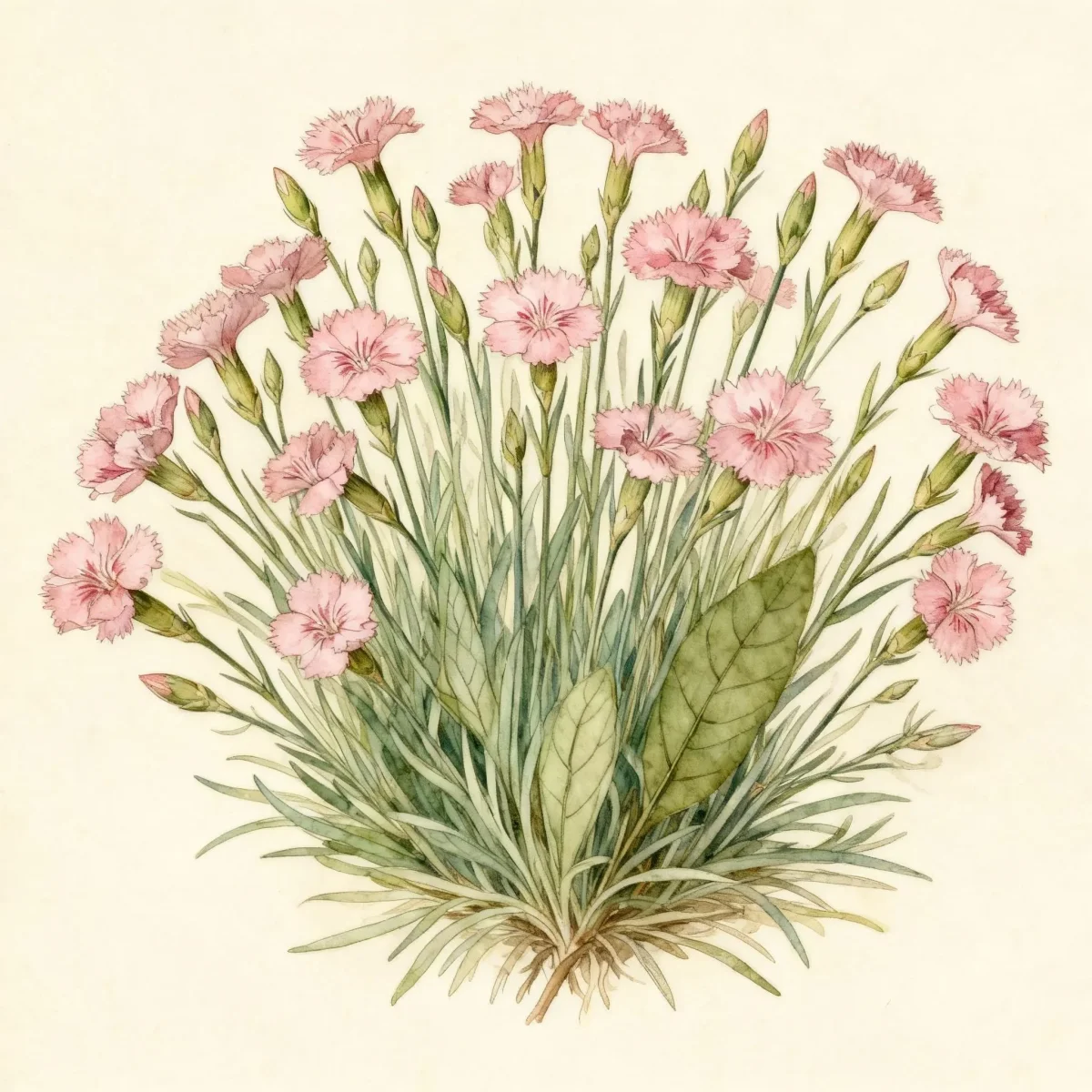
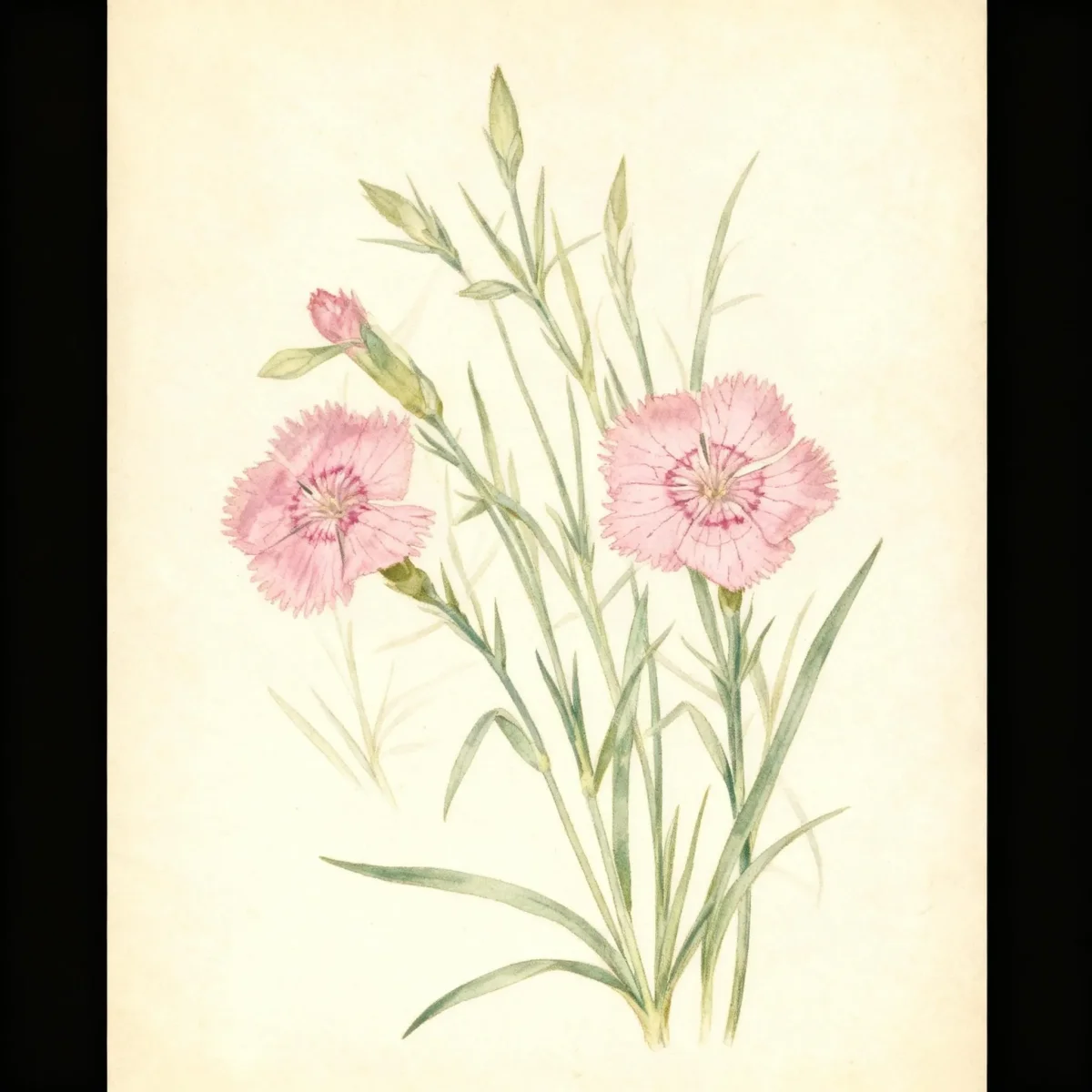
Carnation (Dianthus 'Bewitched')
Dianthus 'Bewitched' is a low-maintenance perennial Carnation offering light pink, fragrant blooms perfect for borders and rock gardens in USDA Zones 3-8.
Scroll down to discover growing tips, care requirements, companion plants, and more
Complete Plant Information
Overview
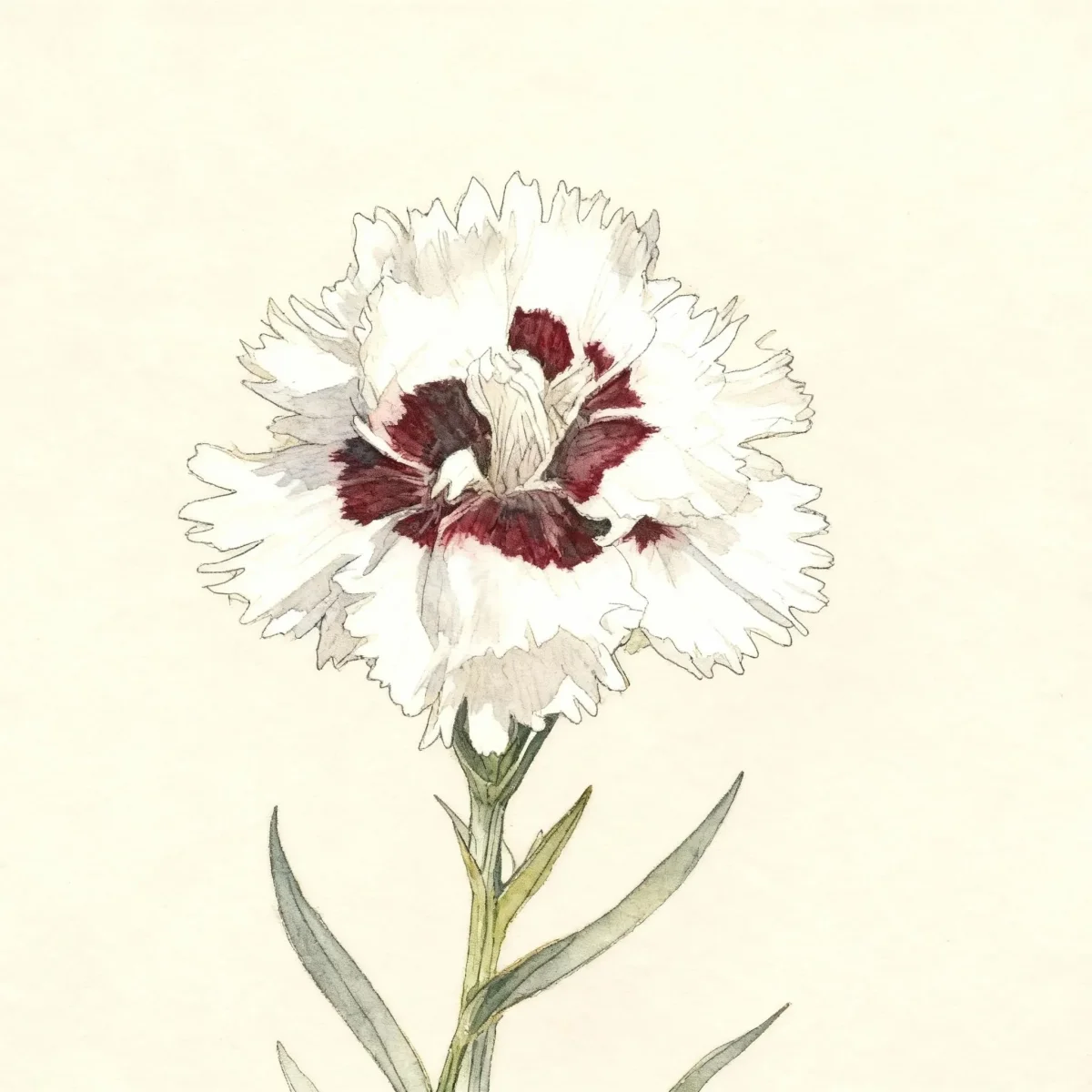
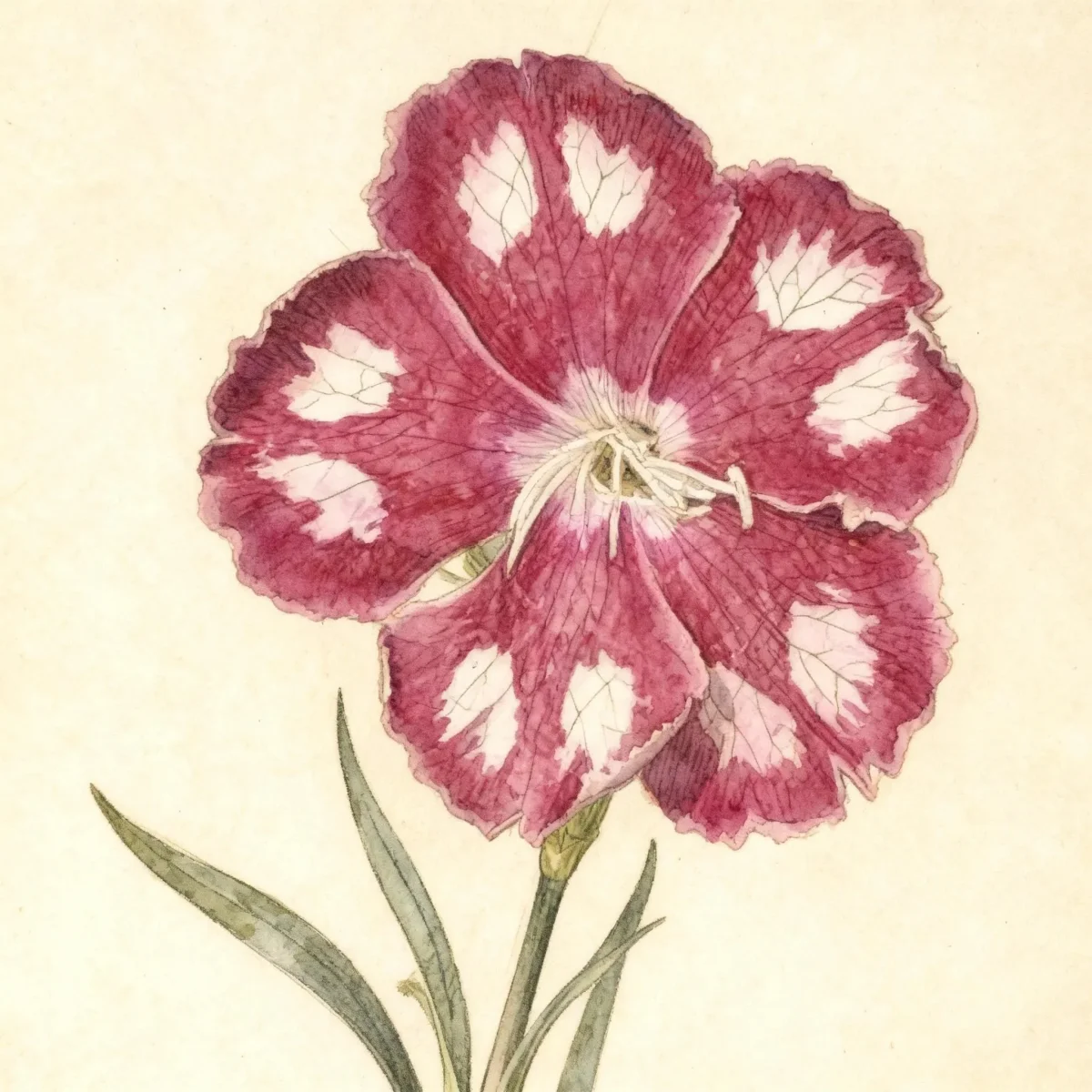
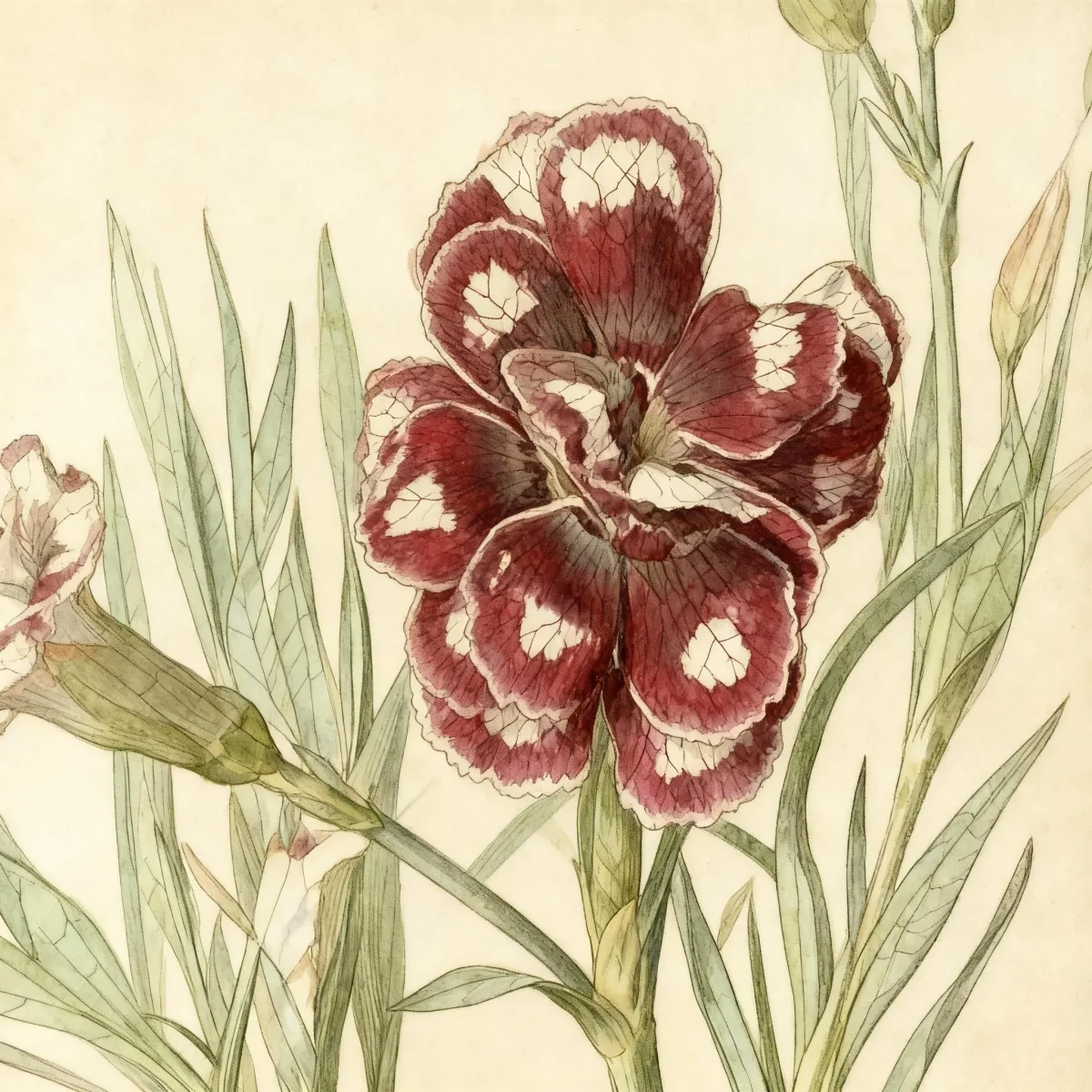
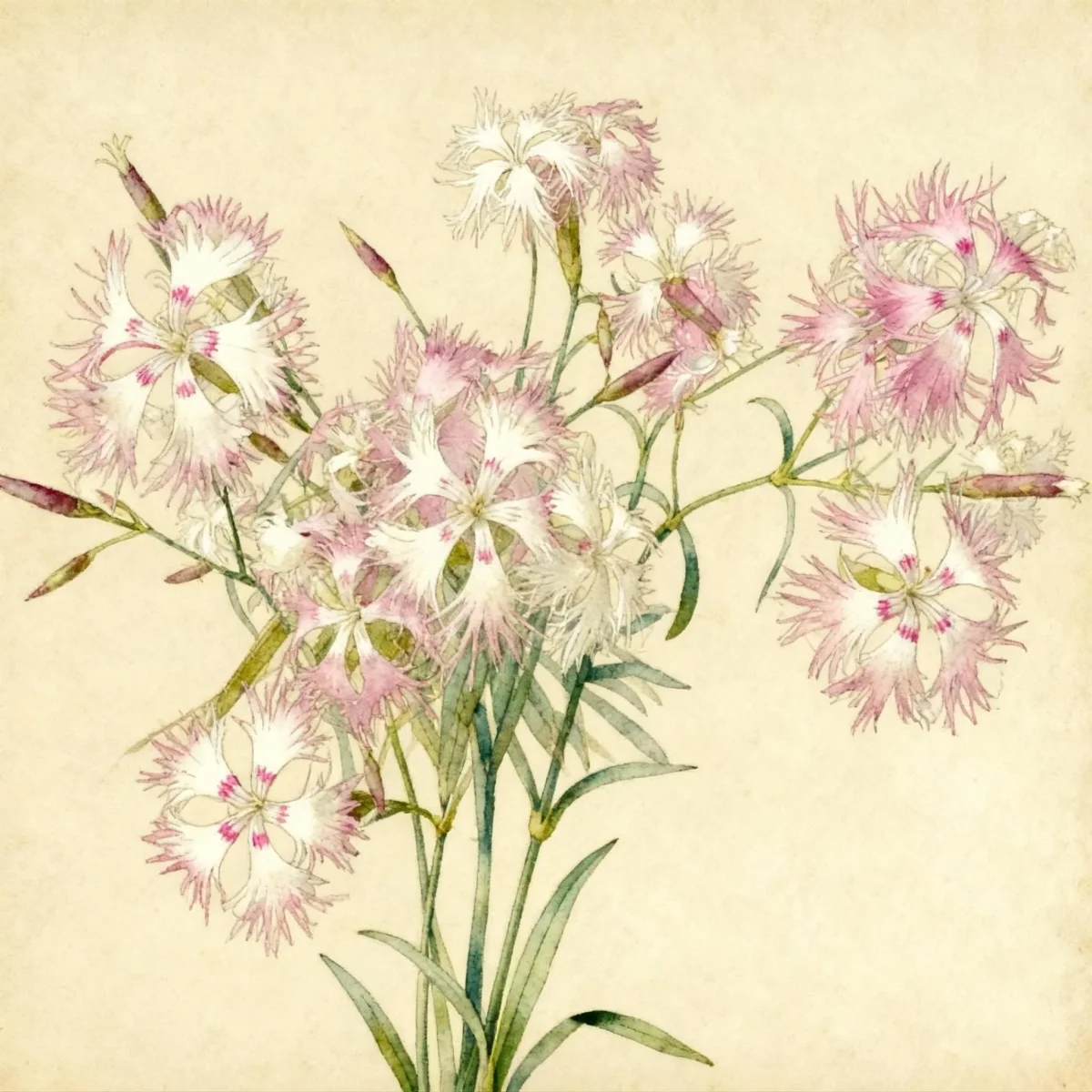
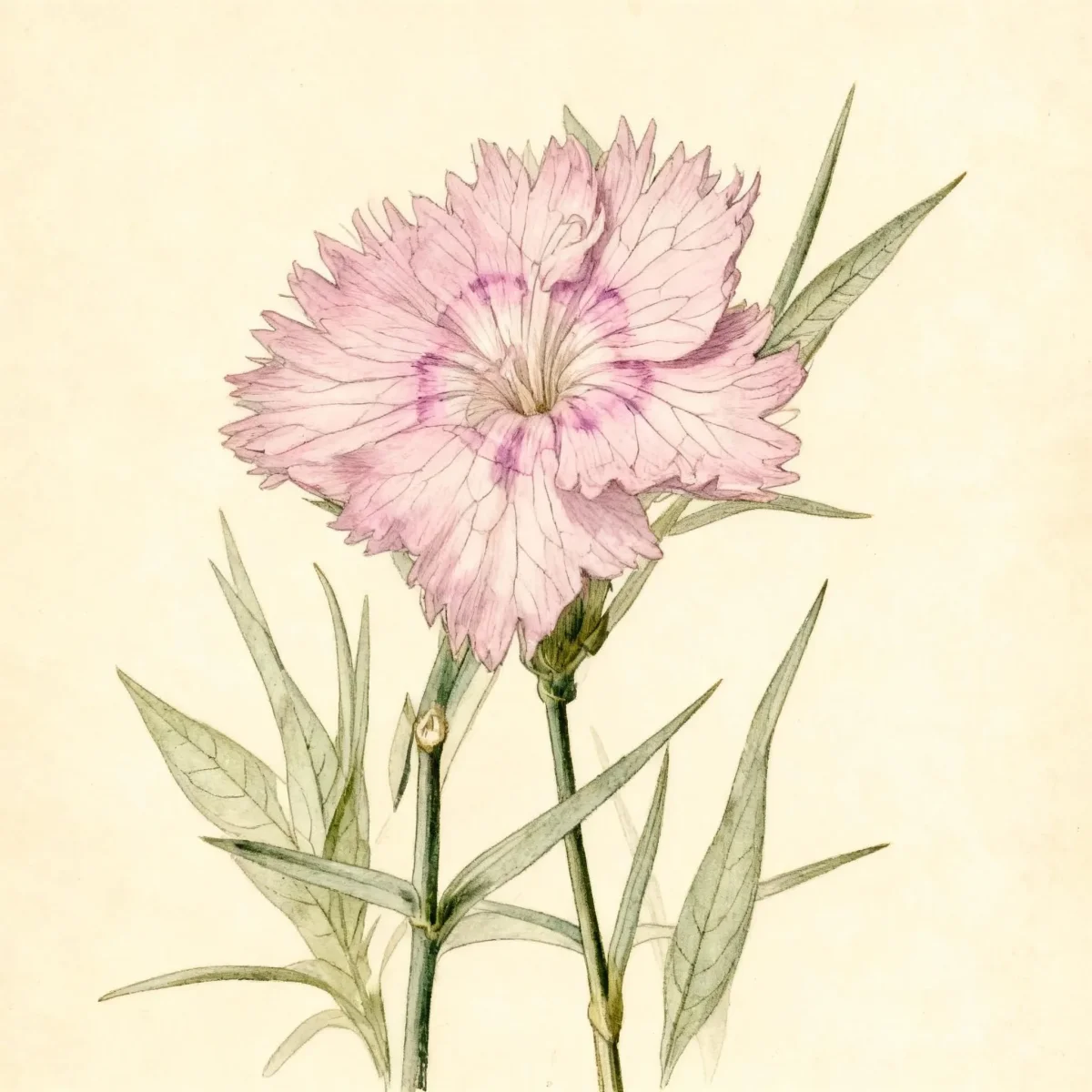
Dianthus ‘Bewitched’ is a highly valued herbaceous perennial, often recognized as a type of Carnation or Pink, prized for its compact habit and attractive foliage. This cultivar forms a low mat of grassy, silver-gray leaves, providing excellent texture even when not in bloom, setting the stage for its next floral display. The showy flowers, featuring light pink petals tipped with a distinct magenta center ring, appear primarily in late spring through early summer.
As a low-maintenance perennial dianthus, Dianthus ‘Bewitched’ offers reliable summer color and is quite adaptable across varied garden environments. It thrives best when provided with plenty of sun, though it appreciates cooler summer conditions, making location crucial in warmer climates. Gardeners turn to this cultivar for its tidy size, making it an excellent choice for defining edges or softening hardscape features.
This specific hybrid benefits from breeding derived partly from cheddar pinks, contributing to its resilience and low profile. Its generally low maintenance requirements, combined with its attractive appearance, cement its role as a dependable foundational plant in perennial borders and rock gardens, enhancing any landscape where low-growing color is desired.
Fast Facts
- Plant Family: Caryophyllaceae
- Plant Type: Herbaceous perennial
- Hardiness Zones: USDA Zones 3-8
- Size at Maturity:
- Height: 0.5-0.75 ft
- Spread: 1-1.5 ft
- Bloom Time: May to June
- Bloom Description: Light pink with magenta center ring
- Sun Exposure: Full sun
- Water Needs: Medium
- Maintenance Level: Low
How to Grow
The best time to establish Dianthus ‘Bewitched’ is typically in spring or early fall, ensuring the plant has time to settle its roots before extreme temperatures arrive. This perennial thrives in full sun, which is essential for abundant flowering, but it must be planted in average, evenly moist, well-drained soils. Cultivars in the Dianthus genus generally perform optimally in organically rich, gritty loams that lean slightly neutral to alkaline. Excellent drainage remains critical to prevent root issues, though incorporating leaf mold helps retain necessary moisture during drier summer spells.
Watering should be consistent enough to meet the medium needs, particularly during establishment and hot periods, while ensuring the soil never becomes soggy, especially in heavy clay. Maintenance for this Carnation is generally low; however, deadheading spent flowers regularly is highly recommended to strongly encourage a second, lighter flush of bloom later in the season or into early fall.
For aesthetic tidiness and to promote late-season flowering, consider shearing the plants back lightly after the main flush of bloom concludes. This pruning step helps maintain a compact, appealing shape throughout the season. Good aeration and avoiding overly wet winter conditions are key cultural practices to ensure the long-term survival of your Dianthus ‘Bewitched’.
Landscape Uses
Dianthus ‘Bewitched’ excels in areas where low-growing, spreading mats are desired. Its dense habit makes it an exceptional choice for defining the front of perennial borders or creating neat edgings along pathways where its low profile won’t obscure taller neighbors. The silvery-gray foliage offers a desirable contrast when planted near plants with dark green or deep purple leaves.
Because of its excellent drainage requirements, this perennial is perfectly suited for rock gardens and established stone walls, where soil conditions are naturally gritty and well-drained. Furthermore, the dense mats formed by multiple Dianthus ‘Bewitched’ plants can be effective when grown together as a unique, low-maintenance ground cover, softening the lines between hardscaping elements. It also performs admirably in containers, where its trailing potential can spill slightly over the rim.
Standout Features
Flower Qualities
- Showy
Noteworthy Characteristics
Perennial dianthus, commonly called carnations or pinks, are loosely-tufted, herbaceous perennials that features fragrant, often double flowers on stiff stems clad with narrow, linear, gray-green leaves. The cultivar ‘Bewitched’ is a low-growing hybrid derived largely from cheddar pinks, presenting fringed, light pink flowers with magenta center rings on stems reaching 6-8” tall. This variety forms a substantial mat of silver-gray foliage that spreads well, creating an attractive texture along garden edges between its spring and summer blooming cycles.
Tolerances
- Deer
Potential Problems
The primary concern when cultivating Dianthus ‘Bewitched’ is susceptibility to crown rot. This disease frequently attacks plants situated in soil that remains consistently moist or wet, particularly if drainage is poor. Prevention is centered entirely on proper site selection and soil amendment. Ensure planting locations are characterized by gritty, well-drained soil, and avoid low spots where water tends to accumulate after rainfall. Improving heavy soils with organic matter like grit or coarse sand before planting will significantly mitigate this common fungal risk.
Frequently Asked Questions
What hardiness zones is Carnation suitable for?
Dianthus ‘Bewitched’ is quite hardy, suitable for cultivation across USDA Zones 3 through 8, making it a resilient choice for many regions.
How large does Carnation grow?
At maturity, this perennial typically reaches a height between 0.5 and 0.75 feet, spreading out to occupy an area 1 to 1.5 feet wide.
What sun exposure does Carnation need?
This Carnation variety requires full sun exposure to achieve the best flowering display, although it prefers cooler temperatures during the summer heat.
When does Carnation bloom?
The main flush of bloom for Dianthus ‘Bewitched’ is scheduled from May through June, featuring distinctive light pink flowers with a magenta center ring.
Conclusion
Dianthus ‘Bewitched’ stands out as a versatile, low-maintenance perennial, offering textural silver foliage paired with charming light pink flowers that brighten the late spring garden. This dependable Carnation cultivar is ideal for rock gardens or border fronts due to its low-growing habit and adaptability. Before planting, confirm that your site provides the required full sun and excellent drainage necessary to keep your Dianthus ‘Bewitched’ thriving for years to come.
Companion Planting
When selecting neighbors for Dianthus ‘Bewitched’, focus on plants that share similar sun and drainage preferences, steering clear of aggressive spreaders that might overwhelm the low-growing Dianthus. Since Dianthus thrives in gritty, slightly alkaline conditions, pairing it with ornamental grasses that tolerate these dryer, sunnier spots works well. Good companions include varieties of Sedum, which offer contrasting textures and bloom times, or creeping Thymes, which appreciate the same sharp drainage. Grouping Dianthus ‘Bewitched’ with other low-growing plants like Aubrieta or creeping Phlox creates a vibrant, textured tapestry perfect for retaining walls or dry slopes.
Design Ideas
The fine texture and silvery hue of the foliage on Dianthus ‘Bewitched’ make it a superb element for providing contrast in mixed perennial plantings. Use it along the edge of a mixed border to visually anchor taller plants like Salvia or Echinacea, ensuring the silvery leaves break up blocks of solid green. For cottage garden designs, intersperse small clumps of this low-growing Carnation between paving stones or along the crumbling edge of a dry-stacked stone wall, allowing the slight spread to soften the hard lines beautifully. Its moderate scent adds a subtle sensory layer when placed near seating areas or along frequently used garden walkways.