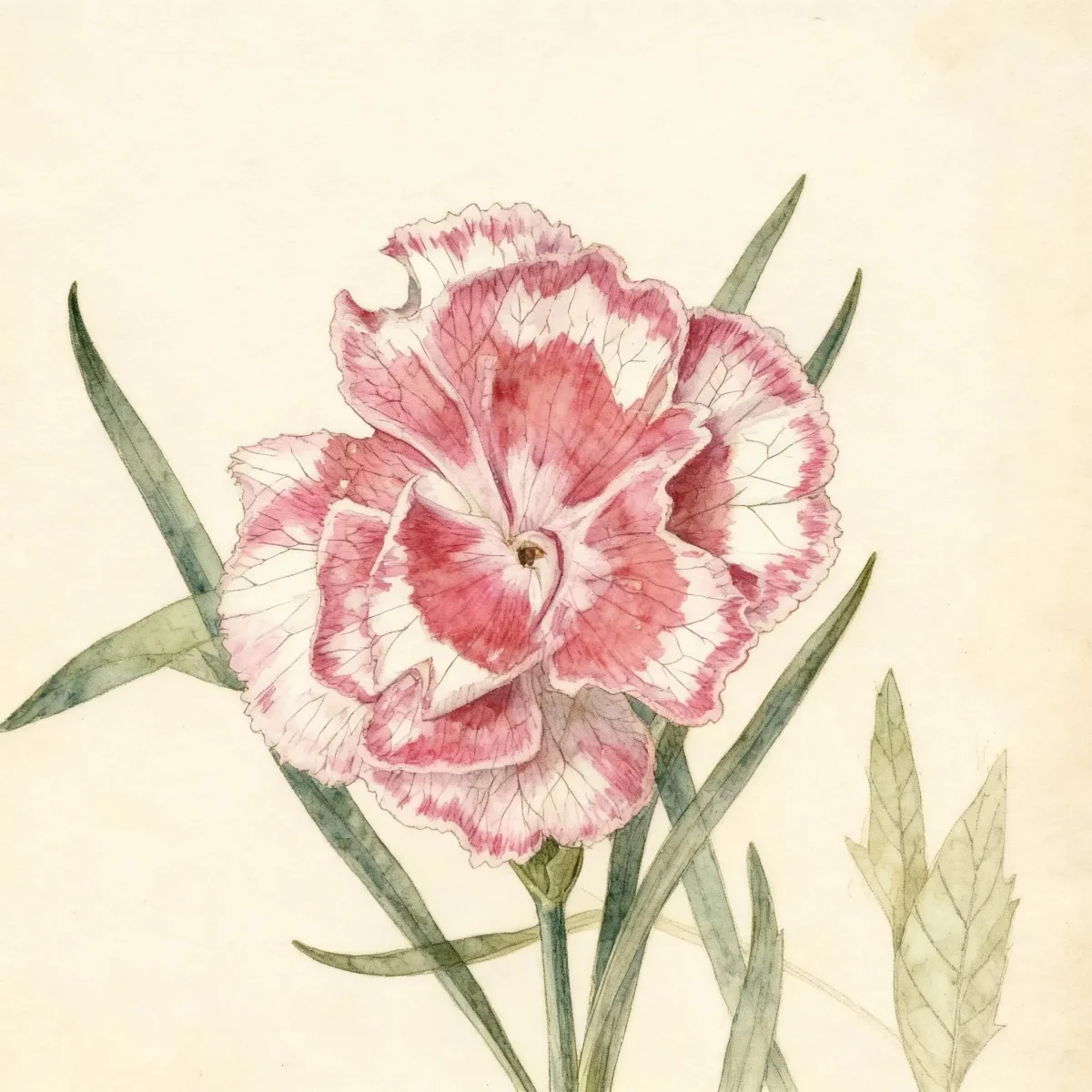
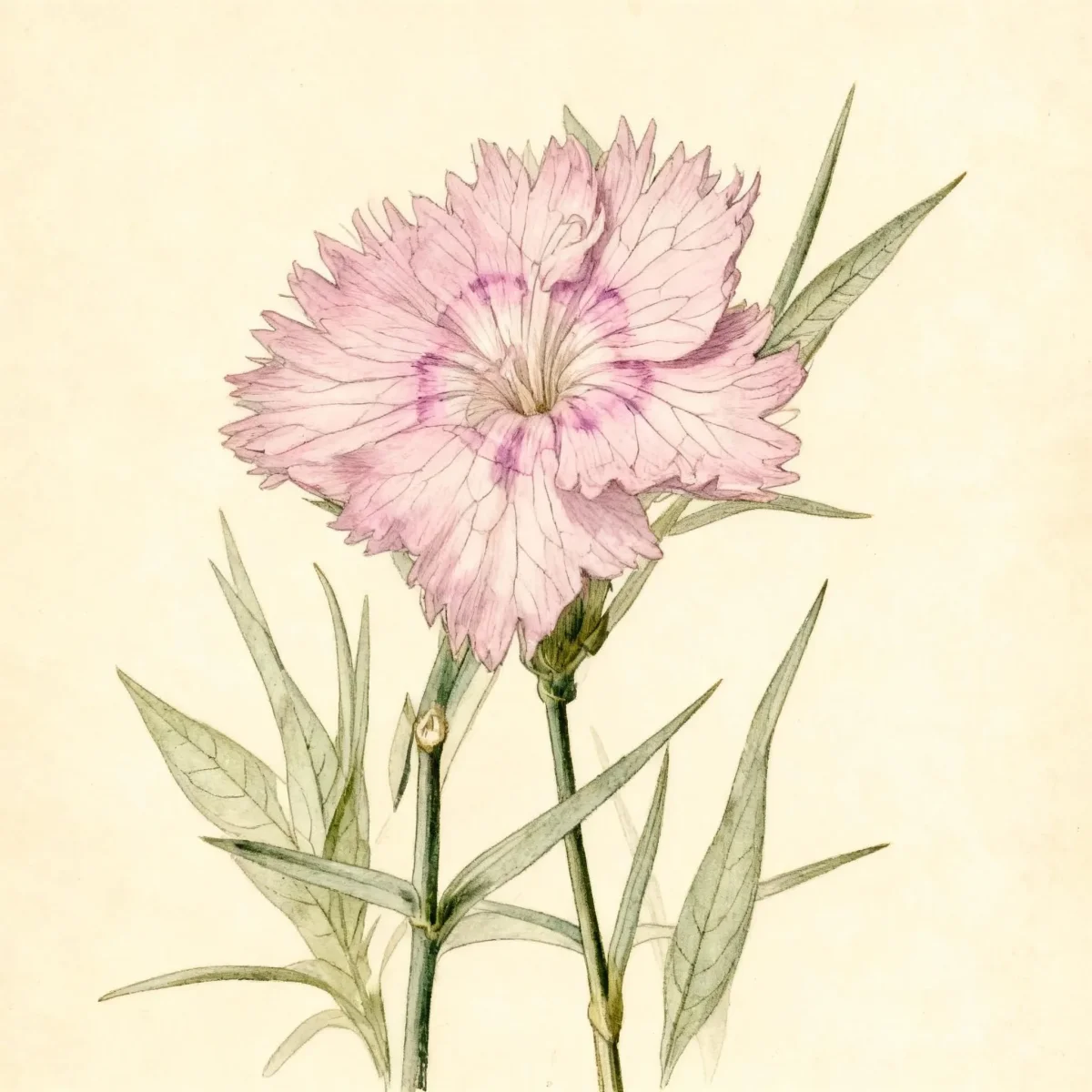
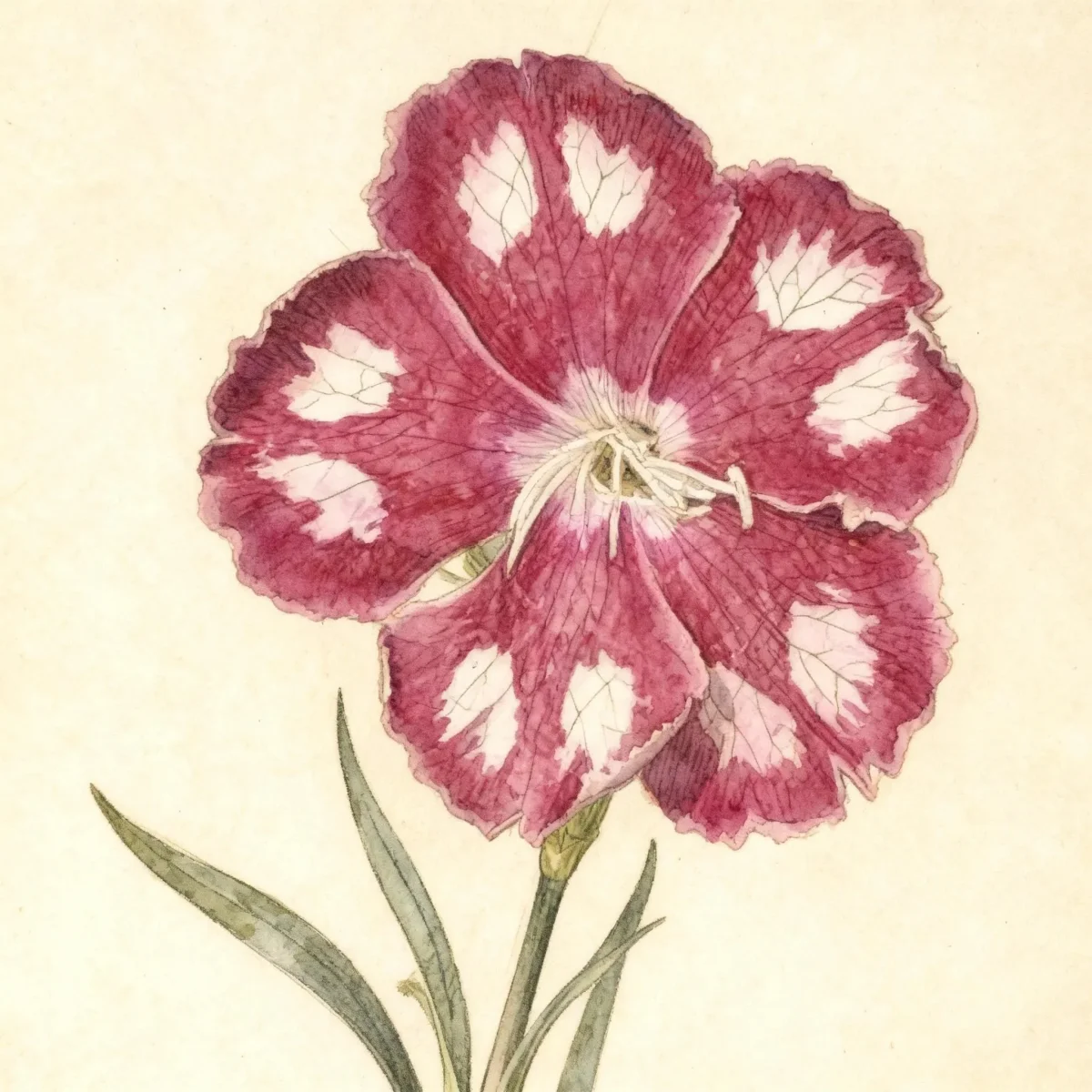
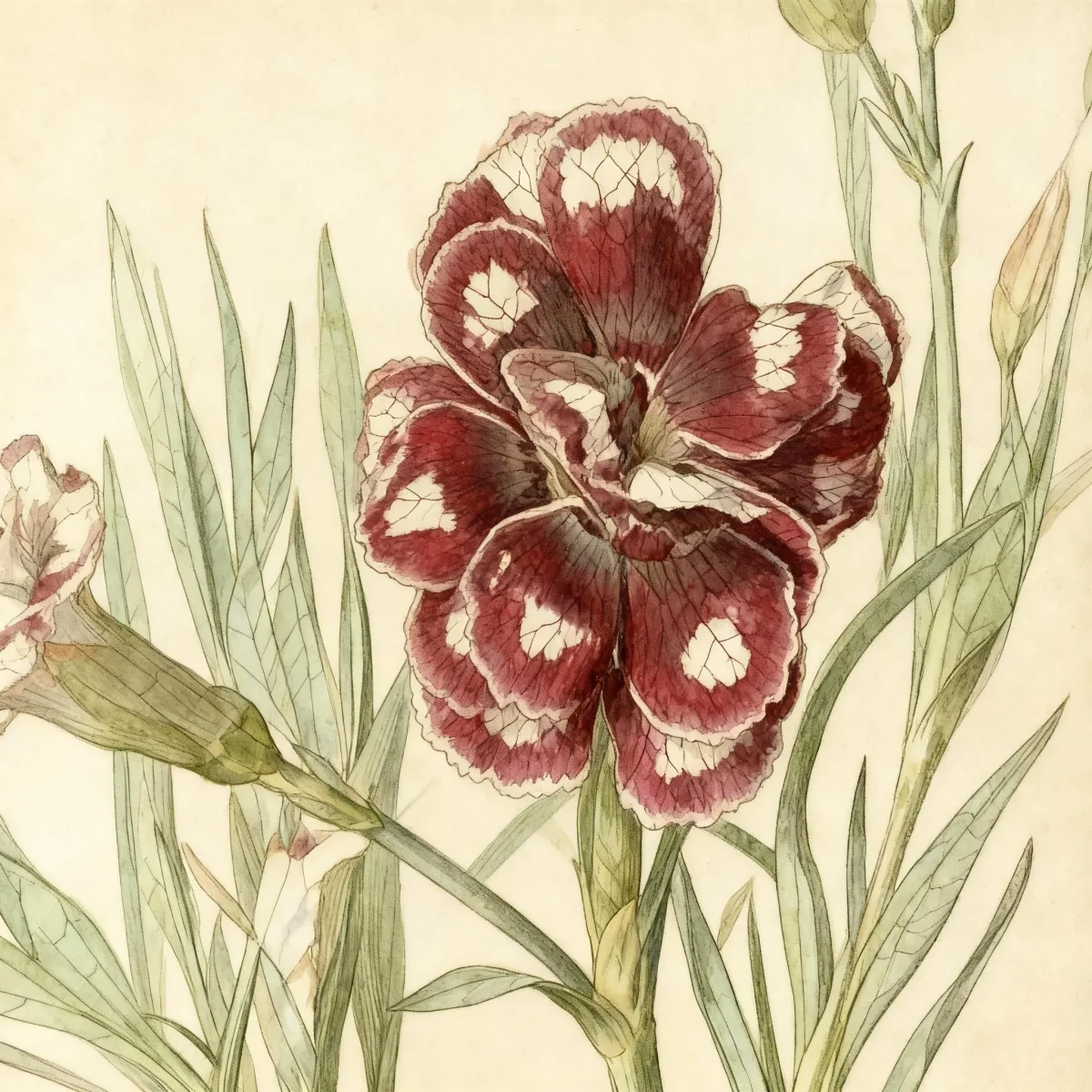
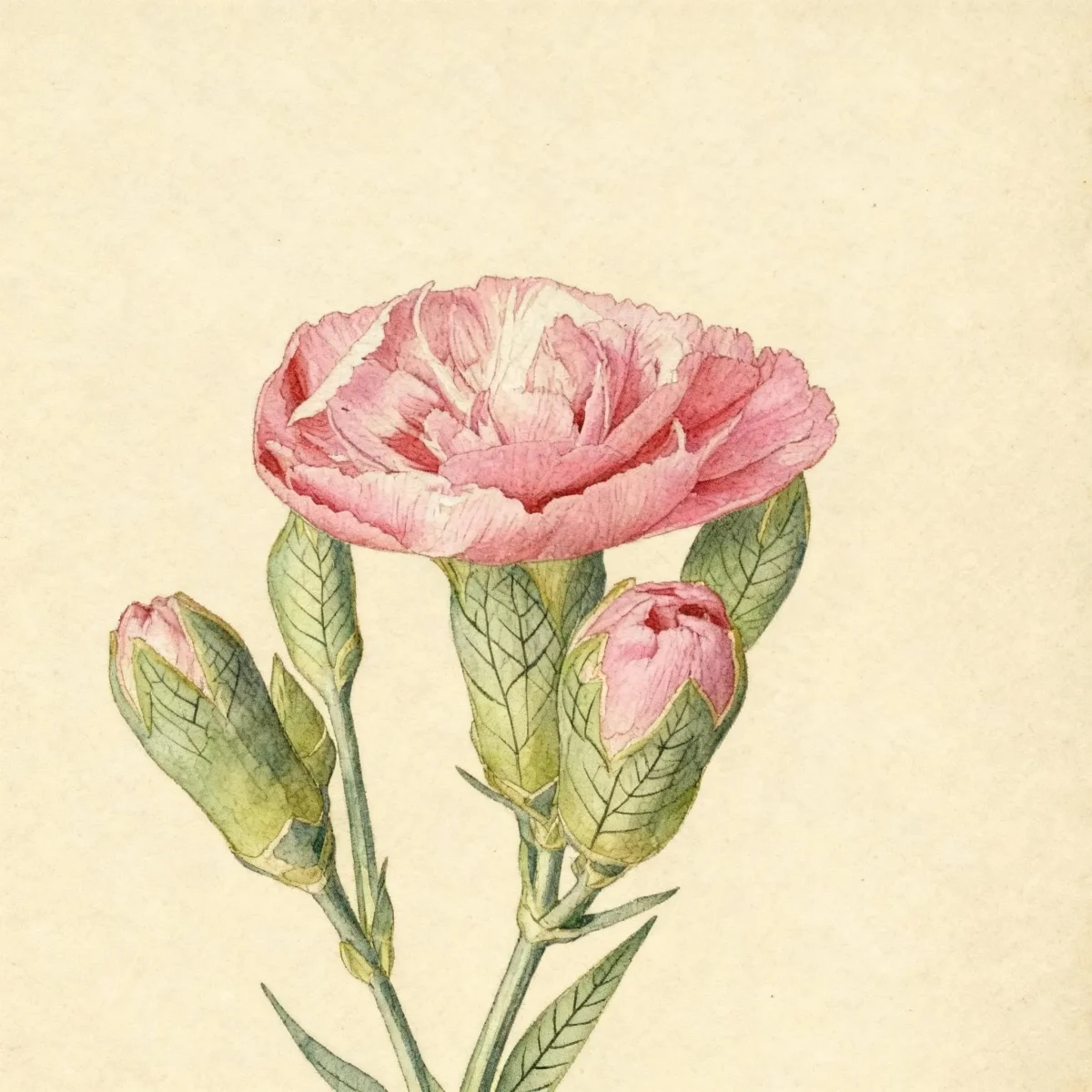
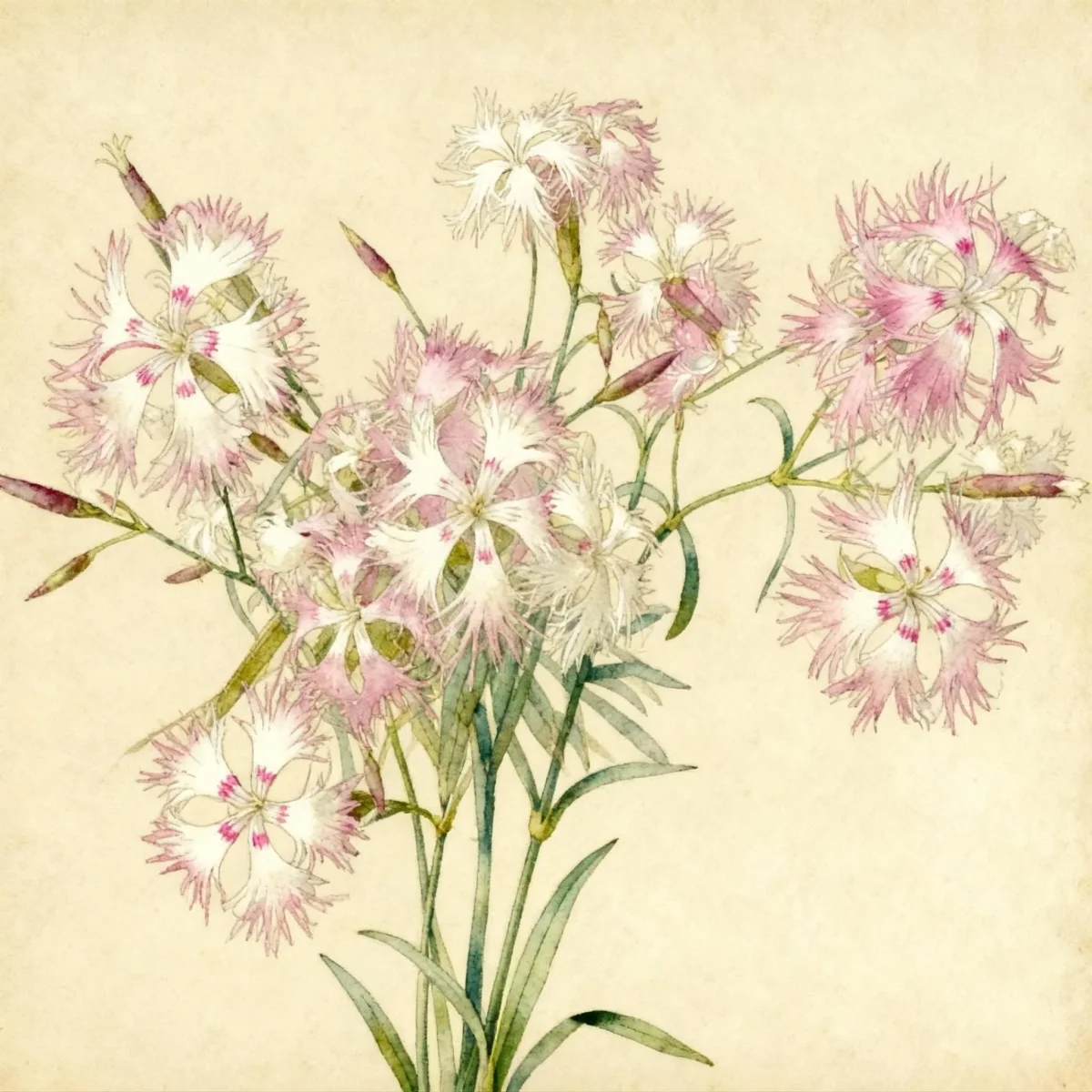
Carnation (Dianthus 'Brilliant Star')
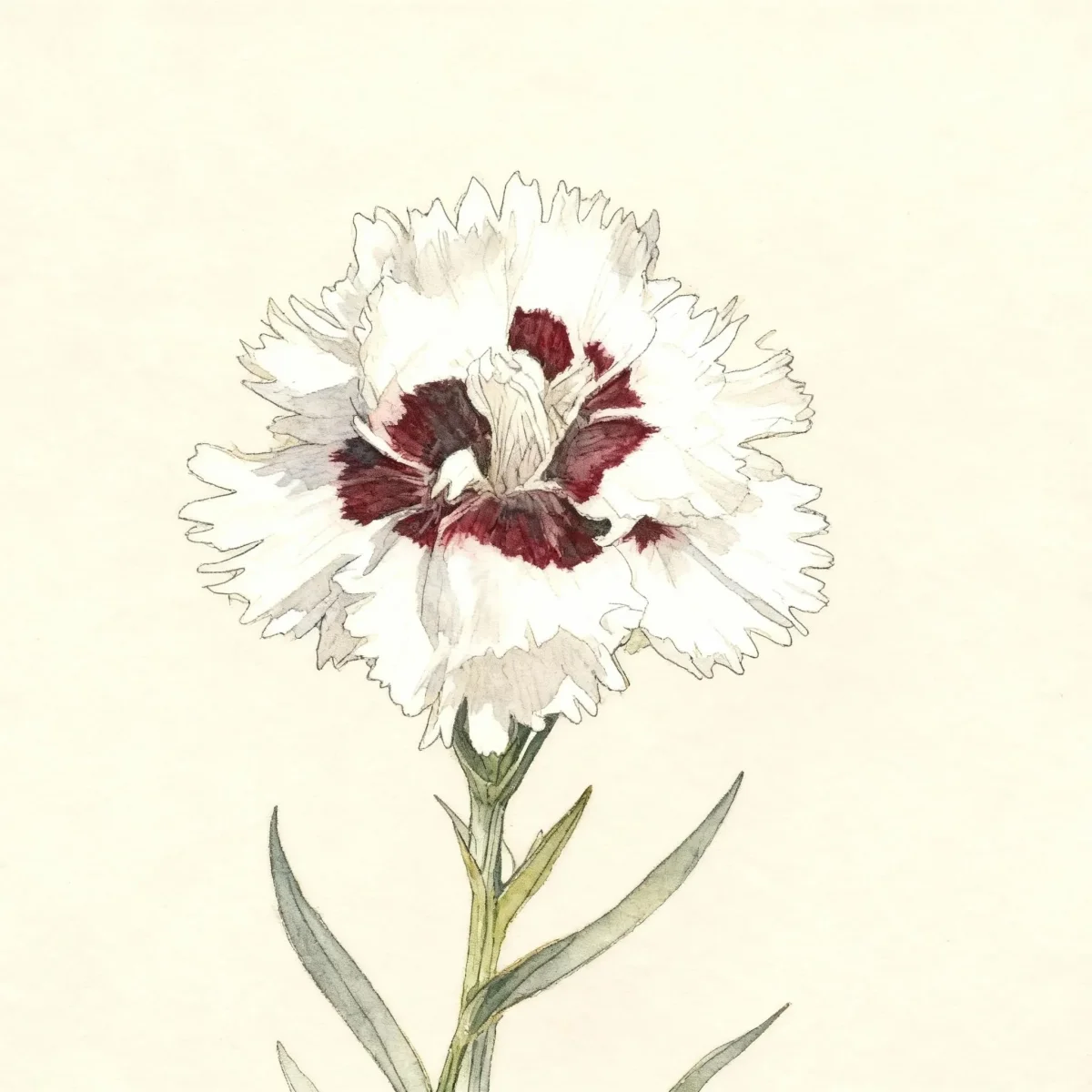
Dianthus 'Brilliant Star' Carnation is a low-maintenance perennial offering fragrant, showy white blooms with maroon eyes from May to August.
Scroll down to discover growing tips, care requirements, companion plants, and more
Complete Plant Information
Overview
Dianthus ‘Brilliant Star’ is a choice cultivar prized for its compact habit and exceptionally long blooming period, making it a consistent performer in the garden from late spring through summer. As a type of Carnation, or Pink, it offers fragrant, showy flowers that add delightful scent and color contrast to mixed plantings. This herbaceous perennial is valued not only for its aesthetic appeal but also for its easygoing nature, requiring low maintenance once established.
The foliage forms dense, attractive mounds of glaucous dark green leaves, providing excellent texture even when not in bloom. Dianthus ‘Brilliant Star’ thrives in conditions where many other border plants struggle, needing abundant sunlight but preferring cooler summer temperatures—a characteristic reflective of its alpine heritage. Its practical size makes this Carnation highly versatile for edging borders or brightening rock gardens. Gardeners will appreciate the extended season of interest provided by the frequent blooms of Dianthus ‘Brilliant Star’.
Fast Facts
- Plant Family: Caryophyllaceae
- Plant Type: Herbaceous perennial
- Hardiness Zones: USDA Zones 4-8
- Size at Maturity:
- Height: 0.5-0.75 ft
- Spread: 0.5-1 ft
- Bloom Time: May to August
- Bloom Description: White with maroon eye
- Sun Exposure: Full sun
- Water Needs: Medium
- Maintenance Level: Low
How to Grow
Planting Dianthus ‘Brilliant Star’ is best achieved in spring or fall, aiming for a location that provides full, uninterrupted sunshine for the best flowering performance. These plants insist on evenly moist, well-drained soil; excellent drainage is crucial, as wet feet coupled with low temperatures can rapidly lead to crown rot. Soil quality matters; they perform optimally in organically rich, gritty loams that lean toward neutral or slightly alkaline pH.
Medium water requirements mean consistent moisture is needed, especially during hot spells, so incorporate leaf mold or organic material to help the gritty soil retain necessary humidity without becoming waterlogged. Maintenance for this Carnation is thankfully low. The best practice to encourage continuous blooming through summer is diligent deadheading of spent flowers.
If the main flush is over, consider shearing the plants back moderately. This action helps tidy the planting area and strongly encourages a second substantial bloom period later in the late summer or early fall, keeping your display vibrant for longer.
Landscape Uses
The compact stature and mat-forming habit of Dianthus ‘Brilliant Star’ make it an exceptional choice for defining borders or softening the hard edges of pathways. Its reliable flowering and low profile suit it perfectly for the front of flower beds, acting as a living edging element. Due to its noted fragrant flowers, this plant excels when placed near seating areas or walkways where its clove-like scent can be readily enjoyed throughout its long bloom season.
Furthermore, the need for sharp drainage means these plants integrate beautifully into rock gardens, nestled between stones where soil conditions naturally mimic their preferred gritty environment. When massed thickly, the dense cushions of foliage create an attractive, low-maintenance ground cover. Consider pairing this Carnation with other sun-loving, low-growing perennials like creeping thyme or low sedums that share similar soil and sun preferences.
Standout Features
Flower Qualities
- Showy
- Fragrant
Noteworthy Characteristics
Dianthus ‘Brilliant Star’ is a modern hybrid derived from vigorous alpine dianthus, categorized within the Star Series known for compact growth and extensive flowering. This perennial dianthus, commonly called a Carnation or Pink, features narrow, glaucous dark green leaves that form mounded cushions. The signature blooms are pure white, double flowers possessing a lovely clove scent, sharply contrasted by dark magenta eye zones. This cultivar provides a lengthy bloom period spanning from spring well into late summer, often lasting until the first hard frost.
Tolerances
- Deer
Potential Problems
Dianthus is generally hardy but susceptible to crown rot if grown in heavy, poorly drained soils, especially during winter dormancy. Prevention centers on rigorous drainage management during site selection and planting. In humid summers, especially when plants are overcrowded, leaf spot diseases may appear. Ensure adequate air circulation around the plants by adhering to proper spacing guidelines to minimize fungal issues affecting this beautiful Carnation.
Frequently Asked Questions
What hardiness zones is Carnation (Dianthus ‘Brilliant Star’) suitable for?
Dianthus ‘Brilliant Star’ thrives reliably in USDA Hardiness Zones 4 through 8. Always ensure your microclimate aligns with these ranges for perennial survival.
How large does Carnation (Dianthus ‘Brilliant Star’) grow?
This cultivar maintains a modest size, reaching a height between 0.5 and 0.75 feet and spreading from 0.5 to 1 foot wide at maturity.
What sun exposure does Dianthus ‘Brilliant Star’ need?
For abundant flowering, Dianthus ‘Brilliant Star’ requires full sun exposure throughout the growing season. It prefers copious sunlight but benefits from cooler summer temperatures when possible.
When does Carnation (Dianthus ‘Brilliant Star’) bloom?
This hardy perennial blooms profusely between May and August, presenting distinctive white flowers highlighted with a maroon eye zone.
Conclusion
The Dianthus ‘Brilliant Star’ Carnation offers exceptional value due to its low maintenance needs, compact size, and prolonged display of fragrant, showy flowers. Incorporating this cultivar ensures dependable texture and scent in your garden beds from spring until frost. Before planting, confirm your site offers full sun and superb drainage to ensure the best performance from your new Dianthus ‘Brilliant Star’.
Companion Planting
When selecting companions for Dianthus ‘Brilliant Star’ in the border front, focus on plants that share its preference for well-drained, slightly gritty soil and full sun exposure. Mediterranean herbs like Thyme (especially creeping varieties) are excellent partners, as they enjoy similar lean soil conditions and tolerate dry spells once established. Consider pairing with low-growing Sedums, which offer contrasting foliage textures and bloom times, helping to carry visual interest across the entire season while respecting the Carnation’s need for air circulation.
Avoid using water-loving companions that require constant moisture, as this dramatically increases the risk of fungal issues and crown rot common to Dianthus in overly saturated conditions. Proper spacing is key; ensure companions do not overly shade or crowd the base of your Dianthus ‘Brilliant Star’ plants.
Seasonal Care Calendar
Spring preparation involves cleaning up any winter debris and performing a light, balanced fertilizer application if the soil is poor, though established plants often need little feeding. This is also the time to assess soil drainage and amend if necessary before active growth begins. Summer care is centered on deadheading; removing spent blooms regularly directly stimulates the production of new flowers for Dianthus ‘Brilliant Star’. Remember to water consistently but allow the soil surface to nearly dry between waterings.
As summer shifts to fall, shearing the plants back moderately after the primary bloom flush will tidy the mound and promote a final flourish of color before dormancy sets in. In colder regions (Zones 4-6), ensure the plants enter winter dry rather than wet, as prolonged moisture exposure combined with freezing temperatures is often fatal to this herbaceous perennial. Mulch lightly with grit or sharp gravel rather than heavy organic layers near the crown for winter protection.