Carnation (Dianthus 'Spangled Star')
Dianthus 'Spangled Star' is a low-maintenance, fragrant Carnation perfect for borders, rock gardens, and containers in zones 4-8.
Scroll down to discover growing tips, care requirements, companion plants, and more
Complete Plant Information
Overview
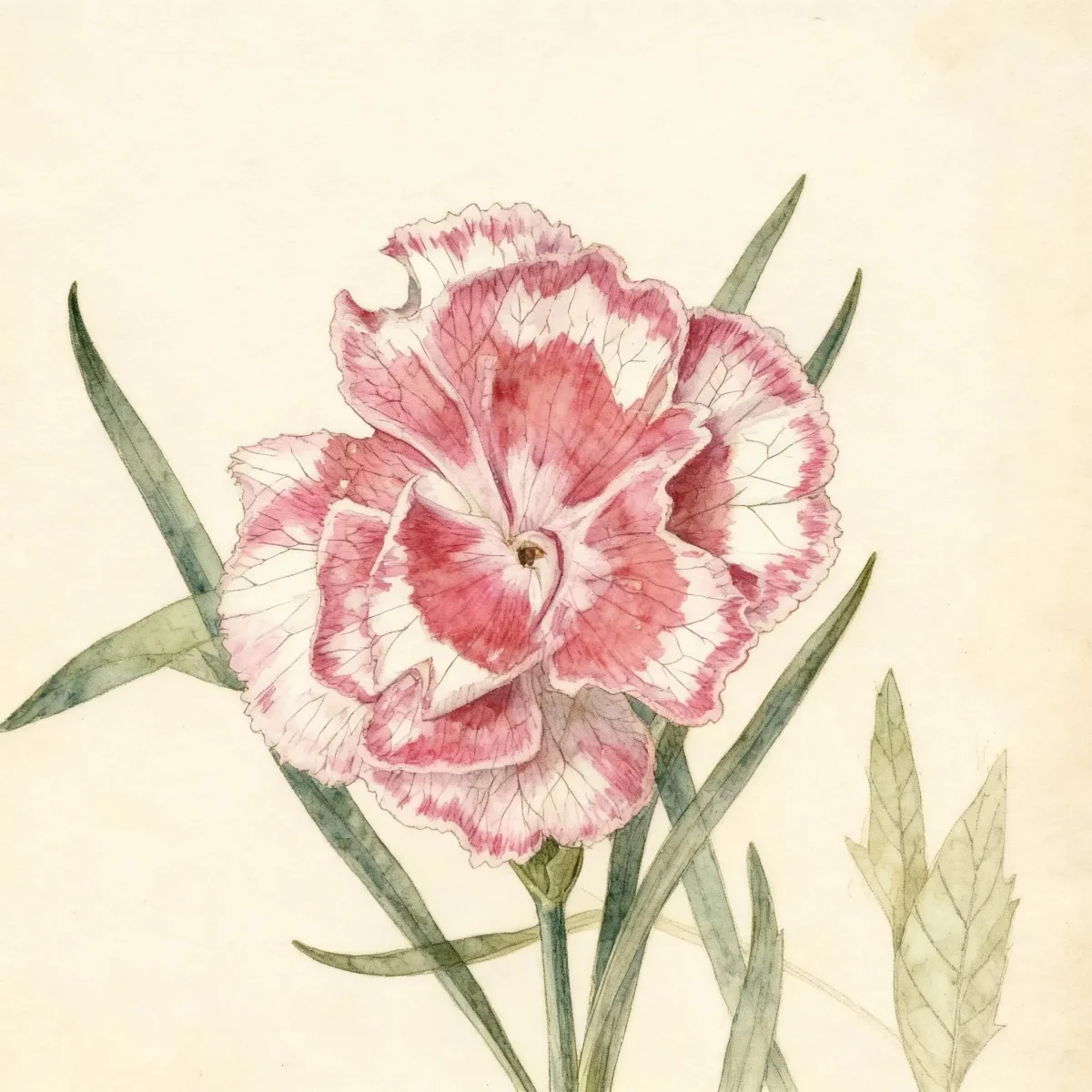
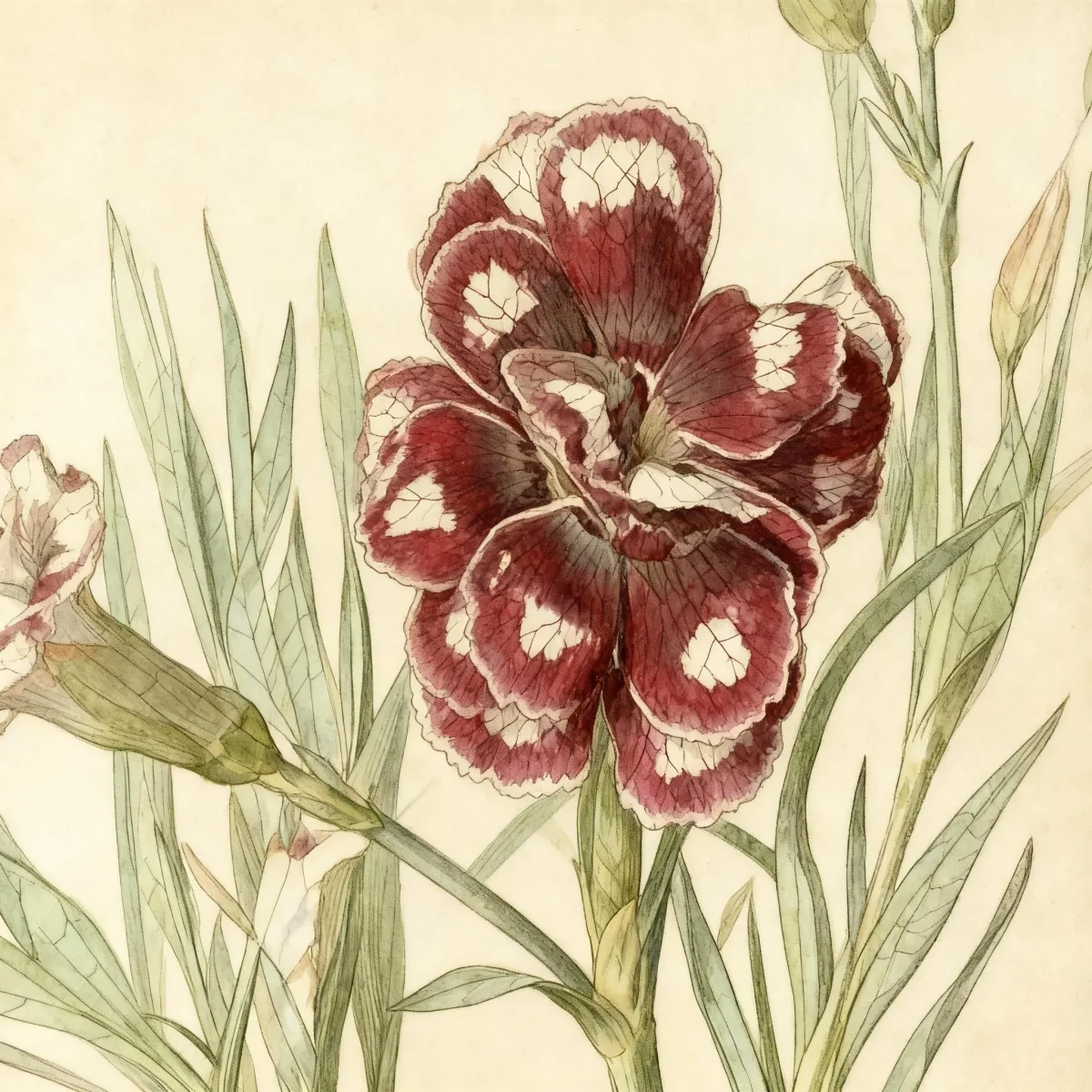
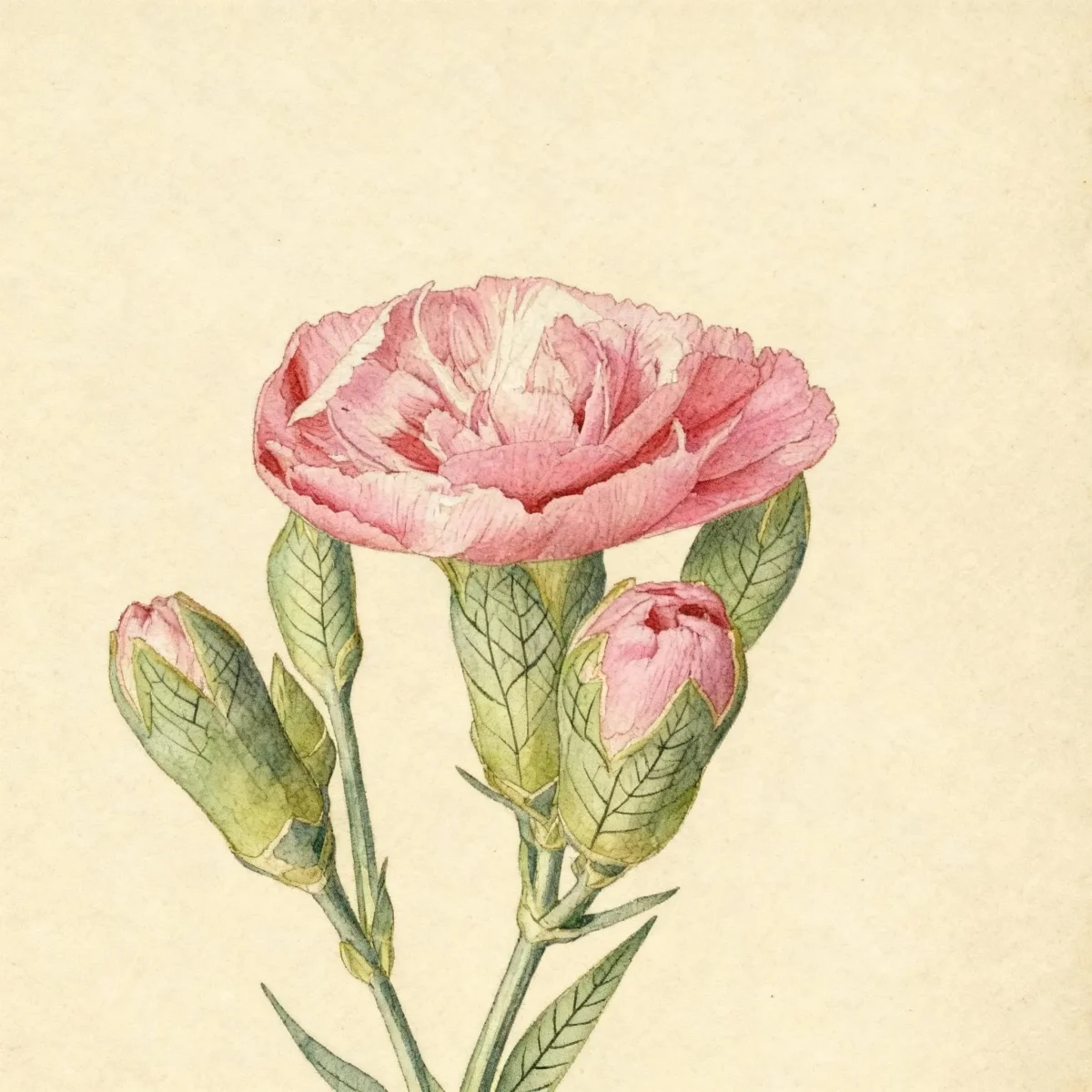
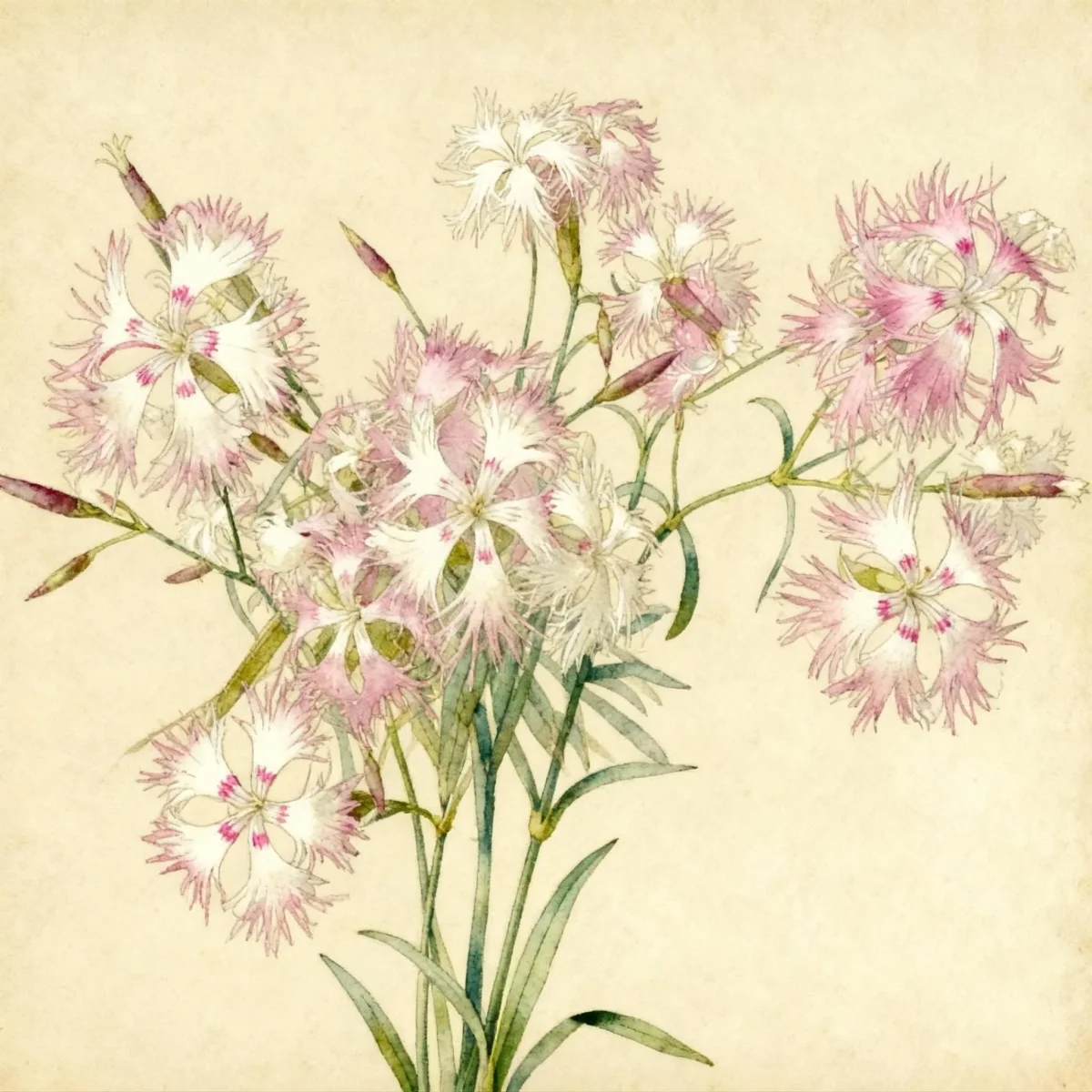
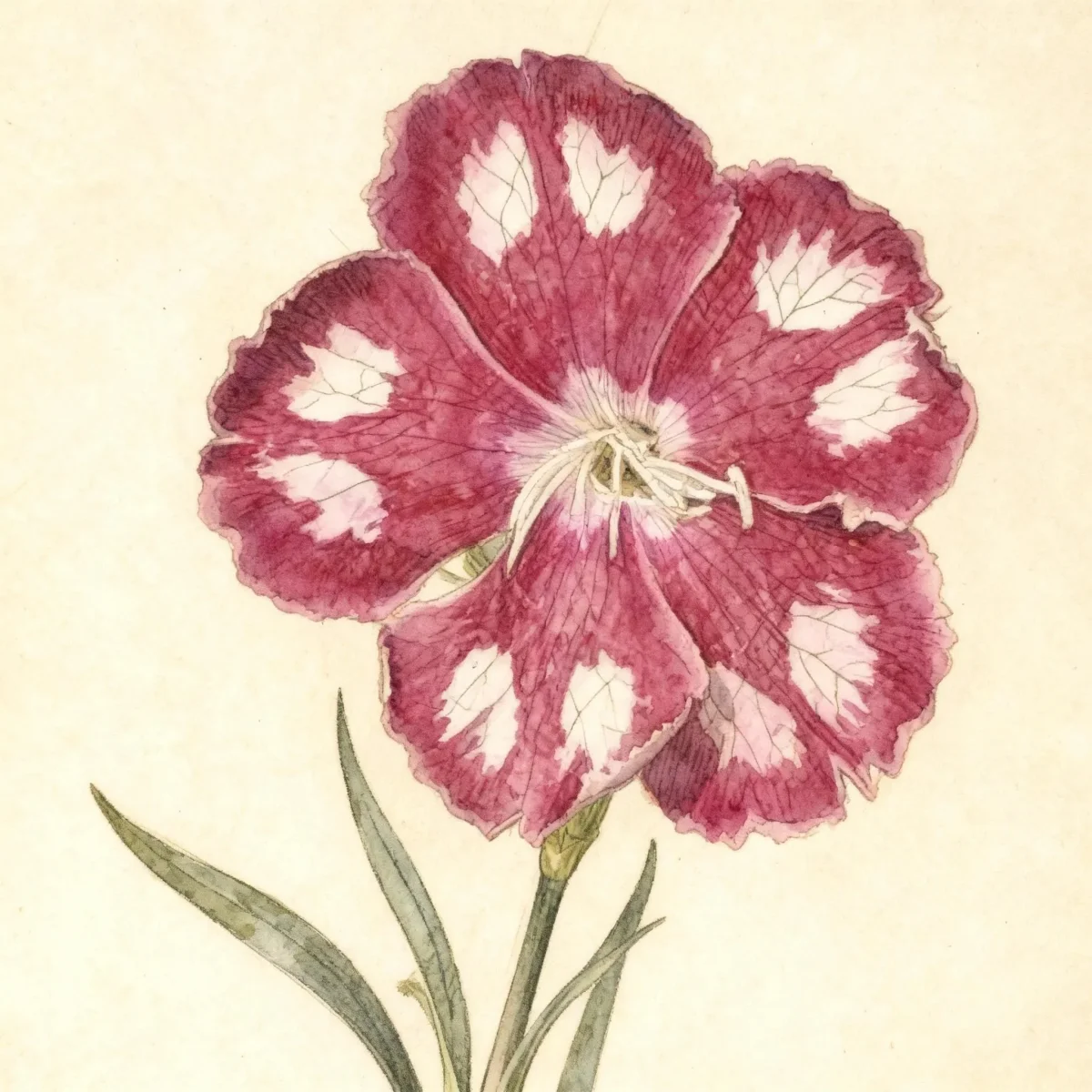
Dianthus ‘Spangled Star’ offers gardeners a low-maintenance way to introduce rich color and delightful fragrance to the landscape. As a hybrid dianthus cultivar, this Carnation is prized for its dense, mounding foliage and extended blooming period, which typically runs from late spring through mid-summer. The standout feature of Dianthus ‘Spangled Star’ is its clove-scented flowers, displaying striking red coloration accented by pink margins and blotches.
This herbaceous perennial establishes quickly, forming a tidy cushion of narrow, gray-green leaves perfect for edging pathways or softening rock garden transitions. Requiring full sun for optimal flowering, this plant generally prefers cool summer conditions, making it a reliable bloomer in temperate climates. Its compact size and deer resistance make Dianthus ‘Spangled Star’ an excellent choice for adding texture and dependable color near seating areas.
Fast Facts
- Plant Family: Caryophyllaceae
- Plant Type: Herbaceous perennial
- Hardiness Zones: USDA Zones 4-8
- Size at Maturity:
- Height: 0.5-0.75 ft
- Spread: 0.5-1 ft
- Bloom Time: May to July
- Bloom Description: Red with pink petal margins and blotches
- Sun Exposure: Full sun
- Water Needs: Medium
- Maintenance Level: Low
How to Grow
Planting Dianthus ‘Spangled Star’ is best accomplished in average, evenly moist, well-drained soils. While it thrives in full sun, ensure the location receives protection from excessive summer heat if possible, as these plants prefer cooler temperatures during peak bloom. Incorporate leaf mold or other organic material into gritty loam soils to help retain essential moisture without sacrificing crucial drainage.
Water requirements are medium; aim for consistent moisture, particularly during dry spells. Good drainage is non-negotiable for the health of your Carnation. To maximize flowering, deadhead spent blooms diligently. This practice encourages the plant to produce repeat flowers later in the season.
After the main flush of bloom subsides, consider shearing the plants back lightly. This promotes tidiness and can stimulate a renewed burst of flowering activity in the late summer or early fall, extending the garden’s display of Dianthus ‘Spangled Star’.
Landscape Uses
Dianthus ‘Spangled Star’ excels in positions where its low-growing, mounding habit can be appreciated up close. It is perfectly suited for rock gardens, where its gritty soil preference aligns well with alpine plantings. Use this fragrant Carnation toward the front of borders or as reliable edging material along walkways.
When massed together, the mat-forming nature of Dianthus ‘Spangled Star’ creates an extremely attractive, low-maintenance ground cover. Furthermore, its strong fragrance makes it a star player in dedicated fragrance gardens, ensuring a lovely sensory experience near patios or entryways. It also performs admirably when tucked into containers, often mingling well with taller annuals or perennials that appreciate similar soil drainage.
Standout Features
Flower Qualities
- Showy
- Fragrant
Noteworthy Characteristics
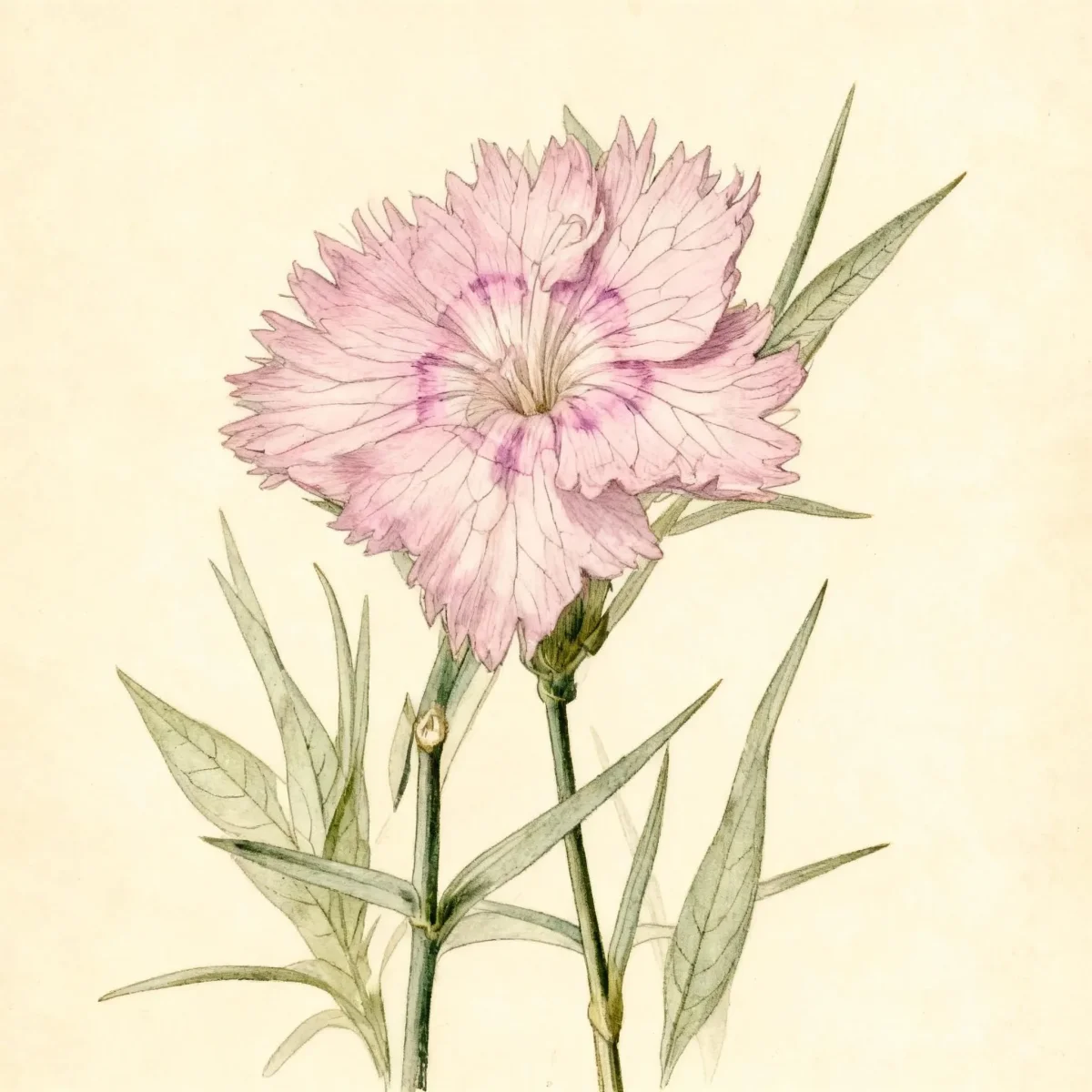
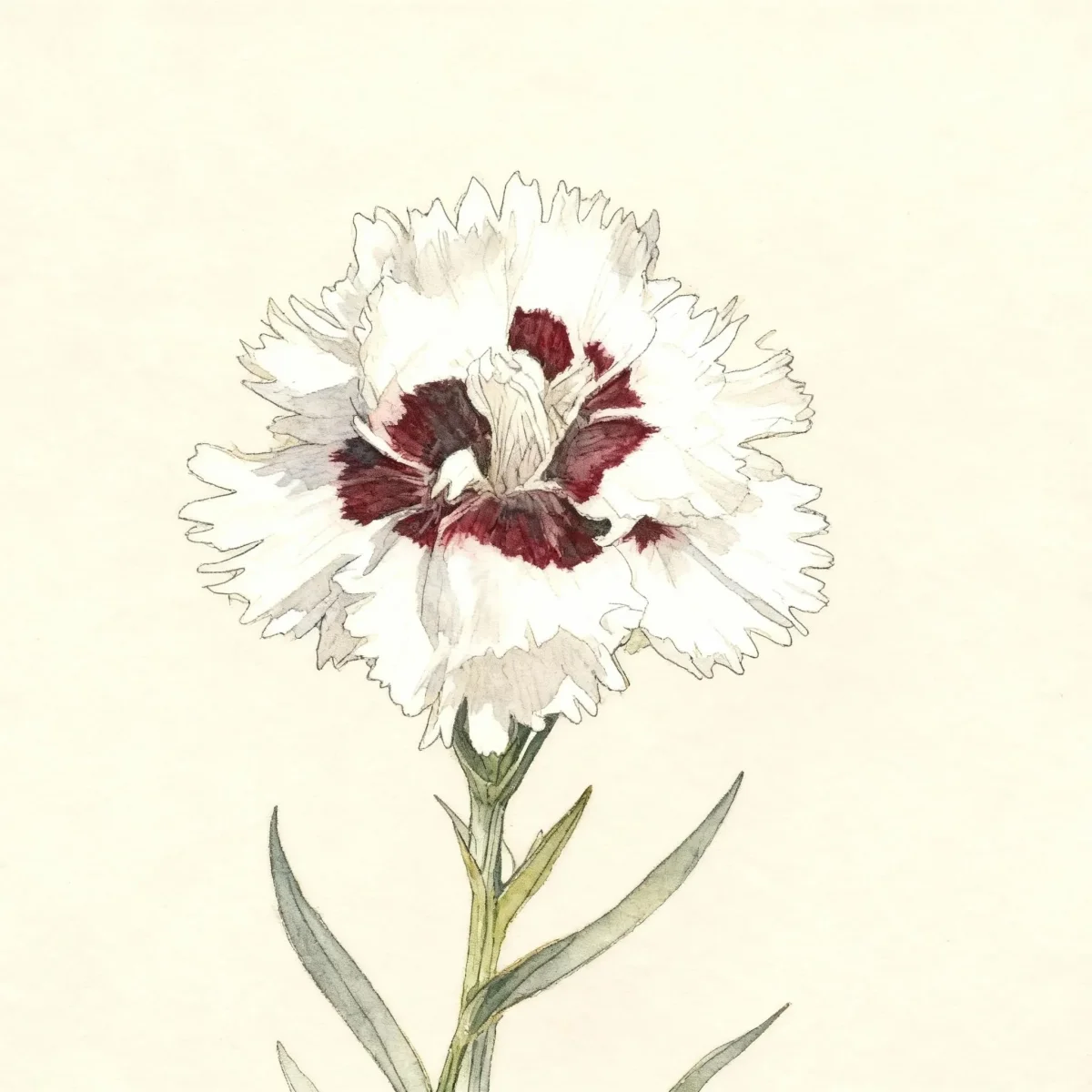
Perennial dianthus, commonly called carnations or pinks, are loosely-tufted, herbaceous perennials that features fragrant, often double flowers on stiff stems clad with narrow, linear, gray-green leaves. ‘Spangled Star’ is noted for its compact growth and abundant, fragrant blooms which are clove-scented, featuring red petals with distinctive pale pink blotches and margins. These flowers appear on short stems rising above the dense, glaucous dark green foliage mound during a lengthy late spring to early summer performance.
Tolerances
- Deer
Potential Problems
While the maintenance level for Dianthus ‘Spangled Star’ is low in the garden, Carnations remain susceptible to various fungal and bacterial issues, including rust, botrytis, and leaf spots. These problems are usually minor outdoors but are exacerbated when grown under stressful conditions or in overly humid, poor-draining soils. Control starts with ensuring excellent air circulation and proper drainage mentioned in the culture section.
Pest pressure typically involves common garden nuisances such as aphids, scale, and spider mites. Regularly inspect the narrow foliage for early signs of infestation. Since deer tend to avoid this plant, growers can focus more on cultural maintenance rather than defensive tactics against browsing animals.
Frequently Asked Questions
What hardiness zones is Carnation (Dianthus ‘Spangled Star’) suitable for?
Dianthus ‘Spangled Star’ is reliably hardy across USDA Zones 4 through 8.
How large does Carnation (Dianthus ‘Spangled Star’) grow?
This cultivar generally reaches a mature height between 0.5 and 0.75 feet tall, with a spread covering 0.5 to 1 foot wide.
What sun exposure does Carnation (Dianthus ‘Spangled Star’) need?
For the best flowering performance, Dianthus ‘Spangled Star’ requires full sun exposure throughout the growing season.
When does Carnation (Dianthus ‘Spangled Star’) bloom?
This beautiful Carnation variety blooms from May through July, producing distinctive red flowers edged in pink.
Conclusion
Dianthus ‘Spangled Star’ is an exceptionally valuable plant for garden edges and rockeries, delivering attractive foliage paired with highly fragrant, showy blooms in summer. Enjoying low maintenance and deer resistance, this Carnation variant proves highly rewarding. Before planting, confirm your site offers full sun and excellent drainage to ensure Dianthus ‘Spangled Star’ thrives in your garden this year.
Companion Planting
When designing beds around Dianthus ‘Spangled Star’, consider planting companions that share its preference for full sun and well-drained, slightly gritty soil. Plants that enjoy neutral to slightly alkaline conditions pair well. Consider low-growing ornamental grasses or silvery-leaved herbs like creeping thyme, which echo the texture of the dianthus while thriving in similar drier conditions.
For height variation in a border, pair this low-mounding flower with slightly taller, drought-tolerant perennials that bloom at different times. Lavender or Catmint (Nepeta) make excellent neighbors; they provide mid-season color contrast and appreciate the sharp drainage required by the Carnation. This strategic pairing ensures continuous visual interest across the growing season.
Seasonal Care Calendar
Spring cleanup should involve lightly shearing any old, ragged foliage from the previous season, preparing the plant mound for new growth. This is also the ideal time to incorporate a light application of compost around the base if your soil quality needs improvement, feeding the plant for its main bloom season. Remember that good drainage is key, so avoid heavy mulching directly against the crown.
During the active summer growth and bloom period, regular deadheading is the most important cultural task for Dianthus ‘Spangled Star’. Keep removing spent flowers to stimulate repeat blossoms extending into July and beyond. Water deeply but infrequently, allowing the topsoil to dry slightly between waterings, reinforcing its medium water needs.
Design Ideas for Compact Perennials
Dianthus ‘Spangled Star’ shines when utilized in detail-oriented garden designs due to its compact stature (under 1 foot). It creates impeccable front-of-border accents, providing a neat, low barrier that doesn’t obscure taller plants behind it. Its mounded habit also lends itself perfectly to softening the hard edges of stone pathways or steps in a rock garden setting.
For container displays, the uniform cushion shape of this Carnation provides necessary structure. Plant it centrally or use it as a consistent “thriller” or “filler” among taller annuals like Salvia or trailing petunias. Because it is deer-resistant, containers placed near outdoor seating areas will remain untouched by local wildlife.
Fragrance Gardening with Alpine Hybrids
The notable clove scent emanating from the flowers of Dianthus ‘Spangled Star’ makes it essential for any fragrance-focused garden plan. Plant groupings near windows, doors, or frequently used patios where the scent can be easily appreciated on warm afternoons. This trait is characteristic of many alpine dianthus hybrids from which ‘Spangled Star’ is derived.
When designing a dedicated scent garden, ensure you pair this plant with other low-growers whose fragrances complement the spicy, sweet notes of the Carnation. Thyme varieties, sweet alyssum, and low-growing varieties of herbs like rosemary work beautifully, creating a layered aromatic experience along ground level.