Cinquefoil (Potentilla nepalensis 'Ron McBeath')
Potentilla nepalensis 'Ron McBeath' is a low-maintenance Cinquefoil blooming carmine rose. Perfect for zones 5-8.
Scroll down to discover growing tips, care requirements, companion plants, and more
Complete Plant Information
Overview
The robust and charming Potentilla nepalensis ‘Ron McBeath’ is a superb herbaceous perennial valued for its extended summer bloom period and easy-care nature. This specific cultivar, often called Cinquefoil, brings splashes of vibrant color to the garden, thriving where many other perennials might struggle slightly. Its compact stature makes it a reliable choice for dense plantings or container arrangements.
Native to the Himalayas, this spreading perennial forms a notable foliage mound from which wiry stems emerge, bearing cheerful, cup-shaped purplish-red flowers throughout the season. Gardeners appreciate this variety for its resilience, as it handles drought conditions once established and resists common garden pests like deer.
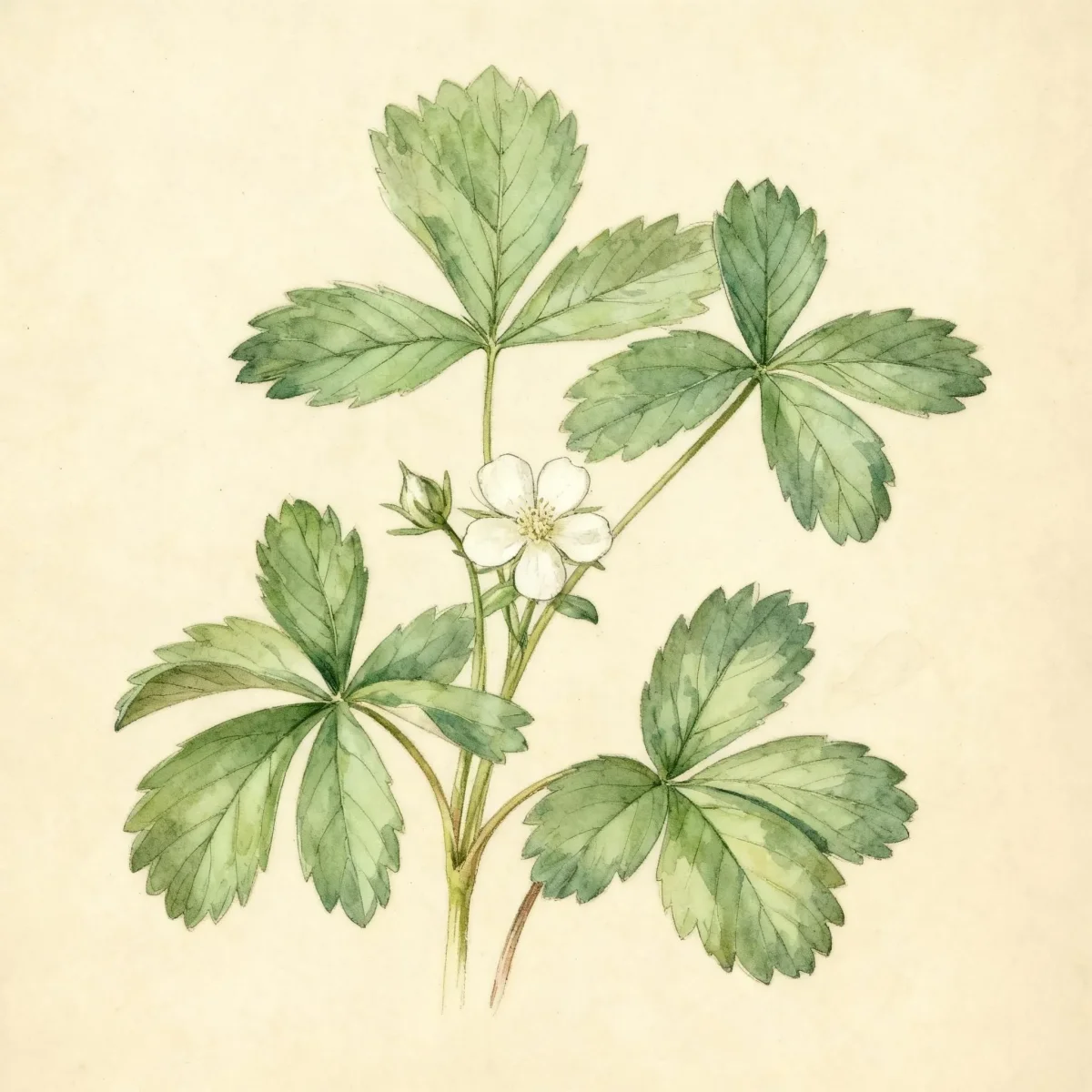
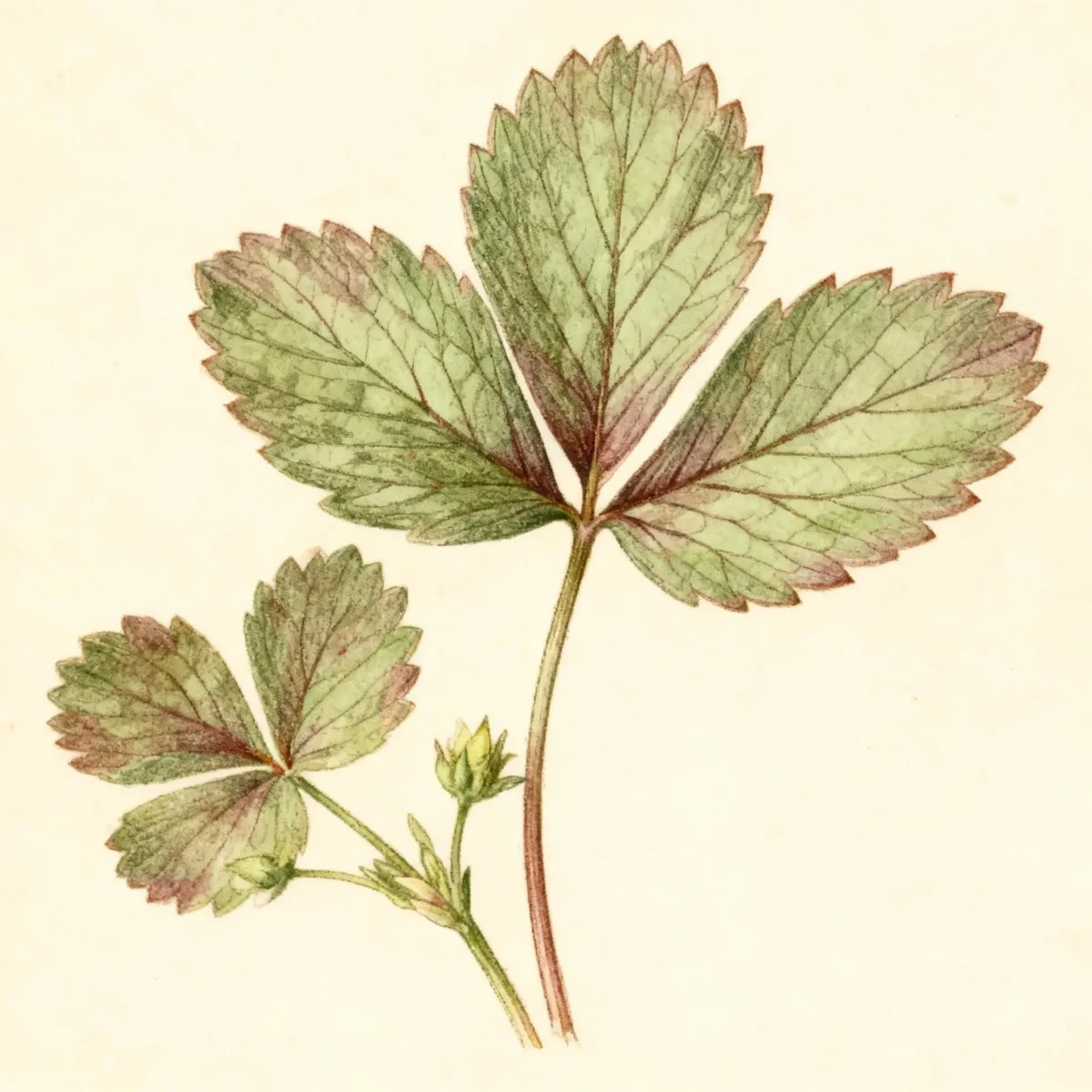
If you are looking for consistent color from late spring through mid-summer with minimal fuss, Potentilla nepalensis ‘Ron McBeath’ is an excellent selection. Its strawberry-like leaves provide year-round texture, underpinning the reliable performance of this attractive Cinquefoil.
Fast Facts
- Plant Family: Rosaceae
- Plant Type: Herbaceous perennial
- Hardiness Zones: USDA Zones 5-8
- Size at Maturity:
- Height: 0.75-1 ft
- Spread: 1-1.5 ft
- Bloom Time: May to August
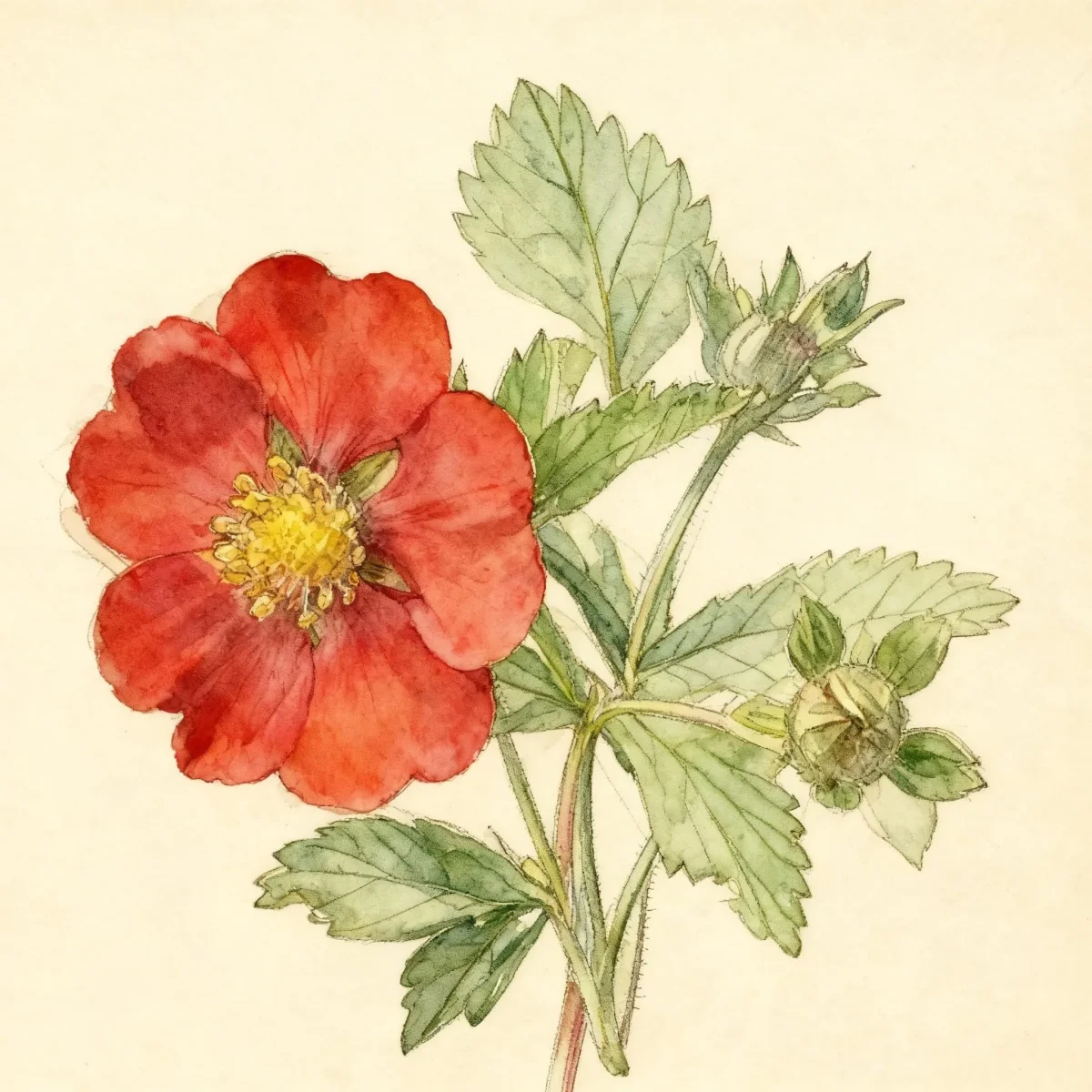
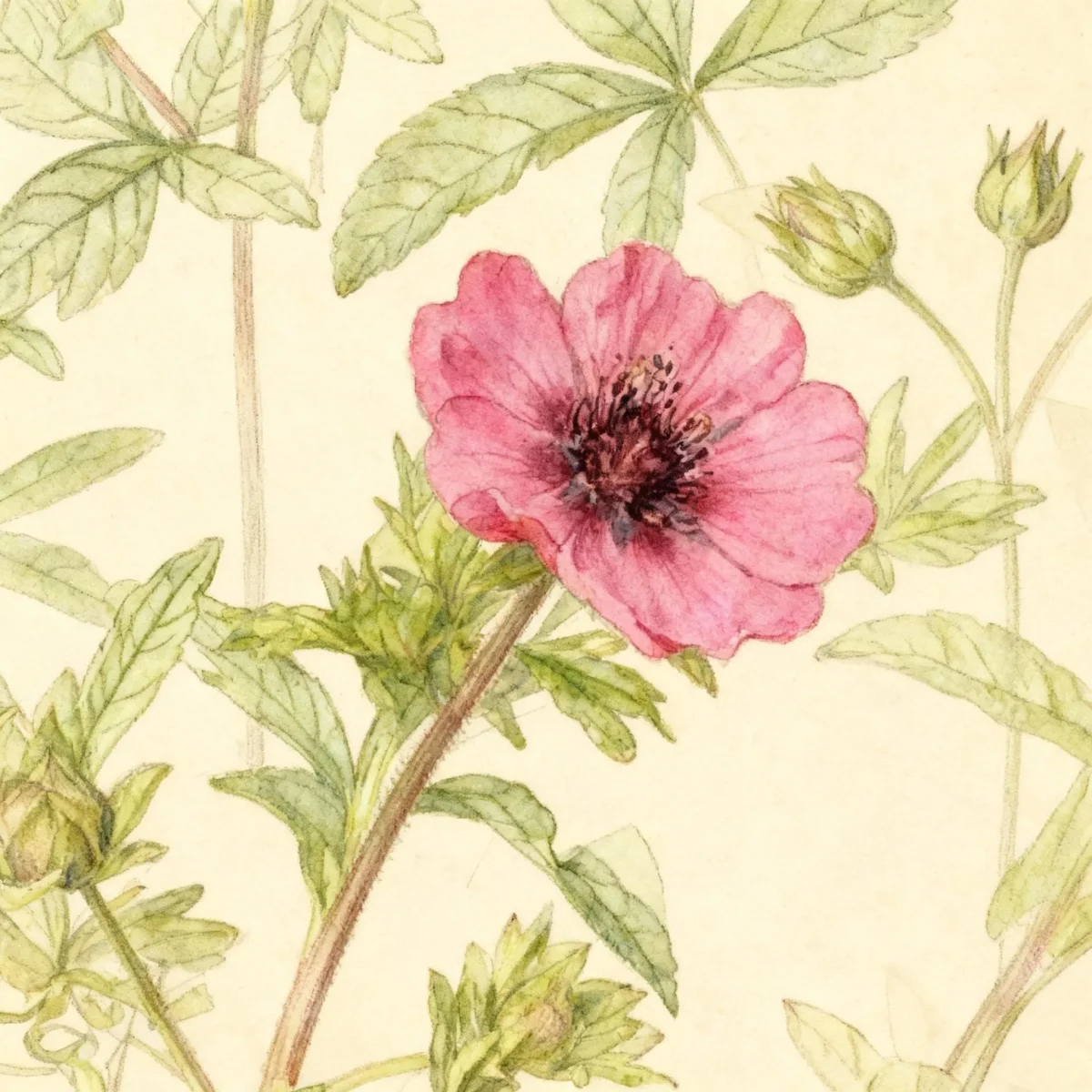
- Bloom Description: Carmine rose with dark red center
- Sun Exposure: Full sun to part shade
- Water Needs: Medium
- Maintenance Level: Low
How to Grow
For optimal performance of Potentilla nepalensis ‘Ron McBeath’, aim to plant in the spring or fall when conditions are cooler. This tough perennial thrives in average, medium soils, provided they are well-drained. It prefers a location receiving full sun, though it tolerates light afternoon shade, especially in the heat of summer. Sandy loam soils that drain quickly are ideal for encouraging strong root development.
Watering should be consistent, maintaining medium soil moisture, especially during the first growing season to establish a strong root system. Once established, this Cinquefoil displays notable drought tolerance, reducing the need for frequent supplementary watering. Fertilization is rarely necessary; excessive feeding can promote lush foliage at the expense of flower production.
Maintenance for Potentilla nepalensis ‘Ron McBeath’ is generally low. Deadheading spent blooms is not strictly required but can encourage a sightly longer bloom period. At the end of the season or in early spring, trim back the old stems to refresh the plant’s appearance. Furthermore, plants grown from seed tend to breed true, ensuring consistency across your garden patch.
Landscape Uses
This specific cultivar, growing compactly to about 12 inches tall, lends itself beautifully to the front of borders where its low-growing habit won’t obscure taller neighbors. It is highly recommended for cottage gardens, offering cheerful, informal color that perfectly complements traditional plantings of roses or salvias.
Due to its excellent drainage requirements and tough nature, Potentilla nepalensis ‘Ron McBeath’ is a staple in rock gardens, tucked between stones where its roots are protected and moisture levels remain balanced. It also works perfectly in mass plantings for low-maintenance groundcover effect across slopes or dry, sunny areas.
Consider pairing this Cinquefoil with silvery foliage plants or plants that prefer similar dry, sunny conditions. Its bright carmine rose flowers provide excellent contrast against blues and whites, making it a flexible design element for mixed perennial beds.
Standout Features
Flower Qualities
- Showy
Noteworthy Characteristics
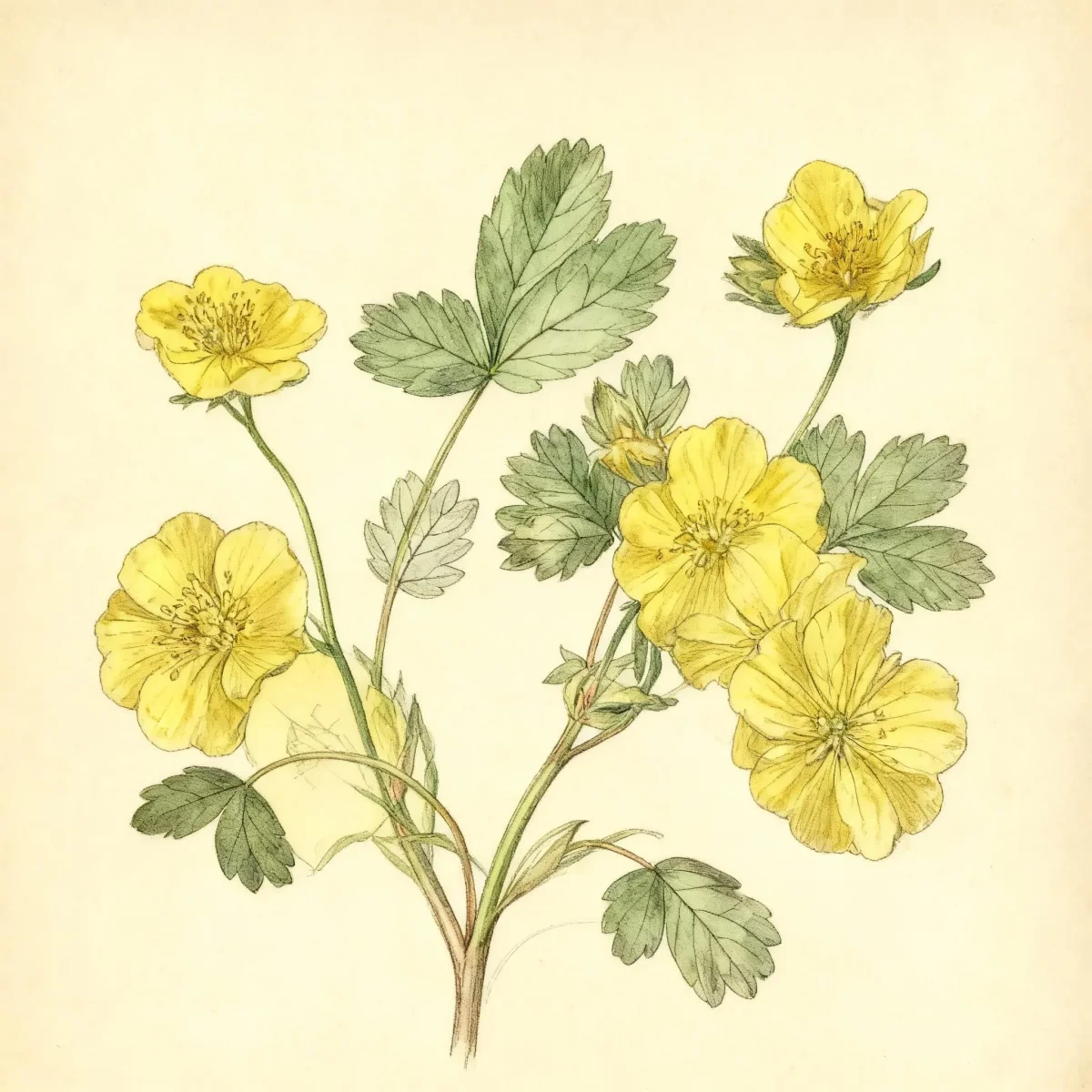
Potentilla nepalensis is native to the Himalayas in Nepal. It is a clump-forming perennial that typically grows to 15-18” tall and to 24” wide. Branching, wiry stems clad with palmate, compound, strawberry-like leaves form a sprawling foliage mound that is covered with open cup-shaped purplish-red flowers in summer. The species features single flowers (1” diameter) of carmine rose with dark red centers, each flower having five separated and evenly-spaced, heart-shaped petals. The specific cultivar, ‘Ron McBeath’, is known for being more compact, reaching only about 12” tall.
Tolerances
- Deer
- Drought
Potential Problems
This Cinquefoil is generally robust, exhibiting no serious insect or disease problems under normal garden conditions. Regular monitoring is always beneficial, but chemical intervention is rarely needed. Good air circulation and avoiding overly wet, heavy soils are the best preventative measures against any potential fungal issues.
Frequently Asked Questions
What hardiness zones is Cinquefoil suitable for?
Potentilla nepalensis ‘Ron McBeath’ is reliably hardy in USDA Zones 5 through 8, making it versatile across a wide range of temperate climates.
How large does Cinquefoil grow?
This compact cultivar typically reaches a mature height between 0.75 and 1 foot tall, spreading out to occupy an area of 1 to 1.5 feet wide.
When does Potentilla nepalensis ‘Ron McBeath’ bloom?
This variety flowers prolifically from May all the way through August, displaying attractive blossoms described as carmine rose with a dark red center.
What sun exposure does this plant need?
Potentilla nepalensis ‘Ron McBeath’ performs best in full sun but adapts well to partial shade conditions, retaining good vigor in either setting.
Conclusion
The low maintenance requirements coupled with the long season of vibrant, carmine-colored flowers make Potentilla nepalensis ‘Ron McBeath’ an outstanding asset for sunny borders and rock gardens. This dependable Cinquefoil offers resilience against common pests and drought, ensuring reliable summer color. Before planting, confirm your location falls within USDA Zones 5-8 and ensure your soil provides good drainage.
Companion Planting
Selecting appropriate companions is key to maximizing the visual impact of Potentilla nepalensis ‘Ron McBeath’. Since this Cinquefoil enjoys sun and well-drained soil, look for perennials with similar cultural needs. Hardy Geraniums, especially those with blue or deep purple flowers, offer a wonderful contrast to the carmine rose blooms and often share the same resilience for low-maintenance areas.
Similarly, plants that enjoy drier conditions, such as many varieties of Sedum or ornamental grasses, pair excellently beside this perennial. The airy structure of the grass helps highlight the dense, mounding foliage of the Cinquefoil, creating textural interest throughout the mid-to-late summer garden season.
Propagation Tips
A significant benefit of growing Potentilla nepalensis is that reliable cultivars like ‘Ron McBeath’ come respectably true from seed, offering an economical way to increase your stock. For faster results, division of established clumps can be performed in early spring before new growth flushes out significantly. Ensure each division retains a healthy root system for successful re-establishment in its new location.