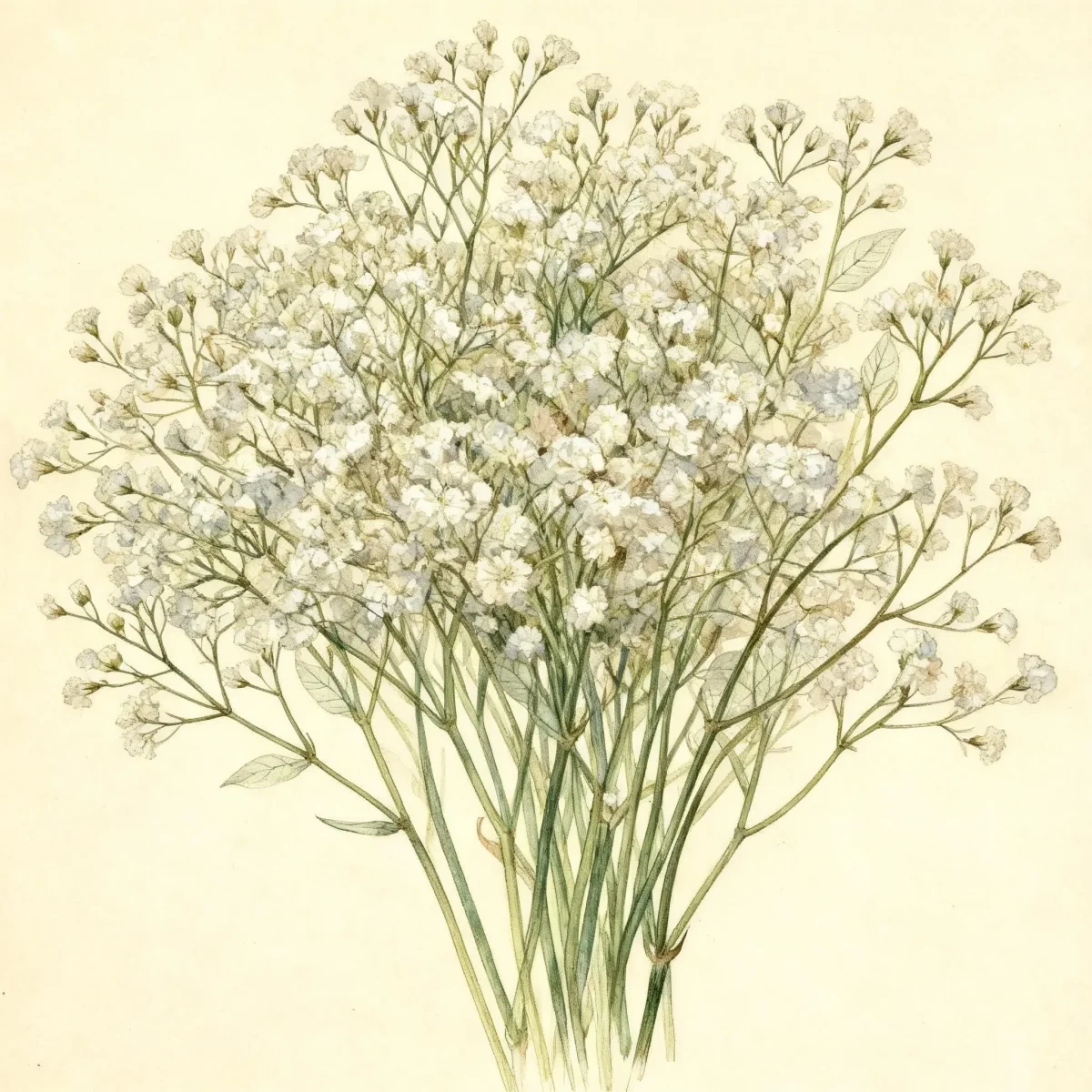
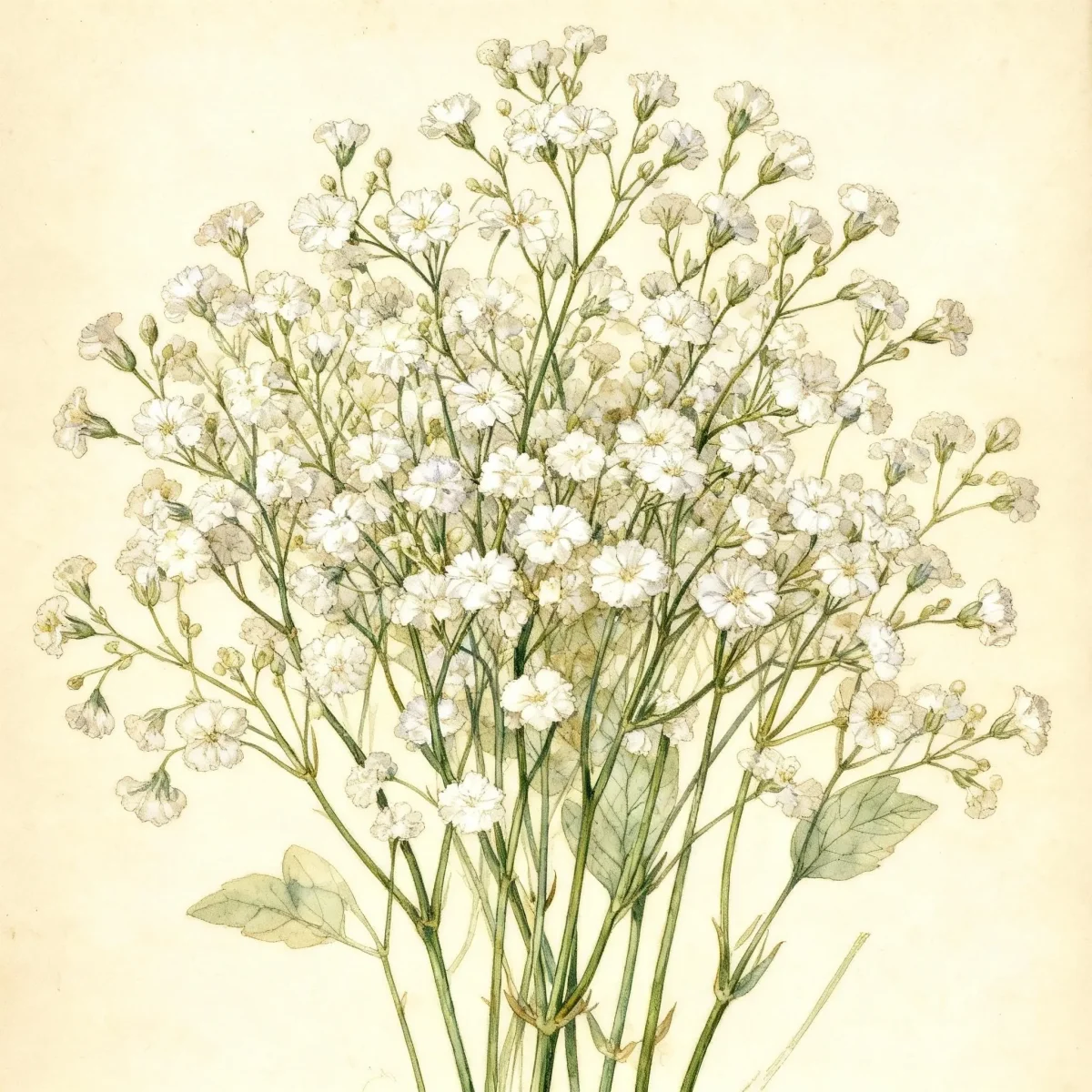
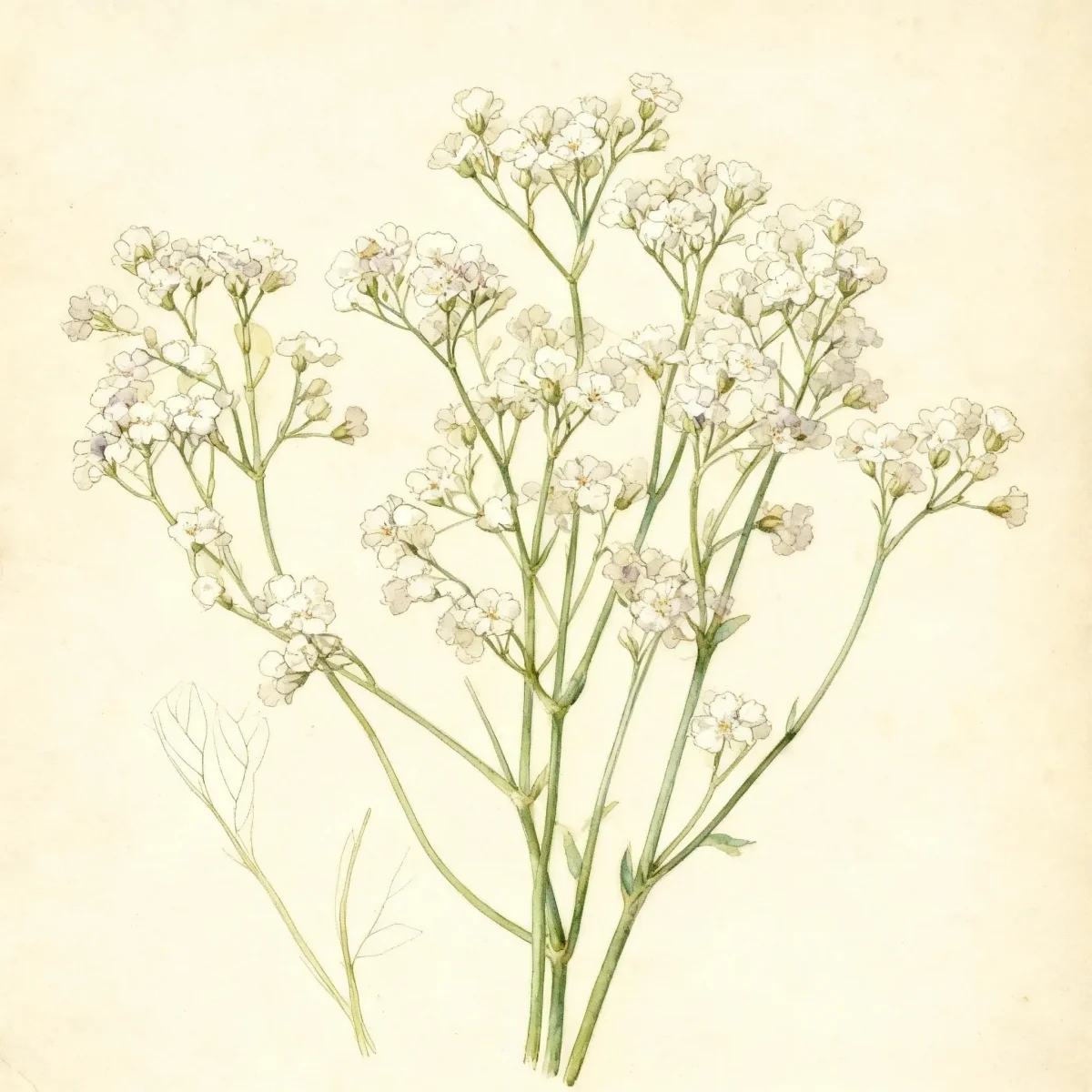
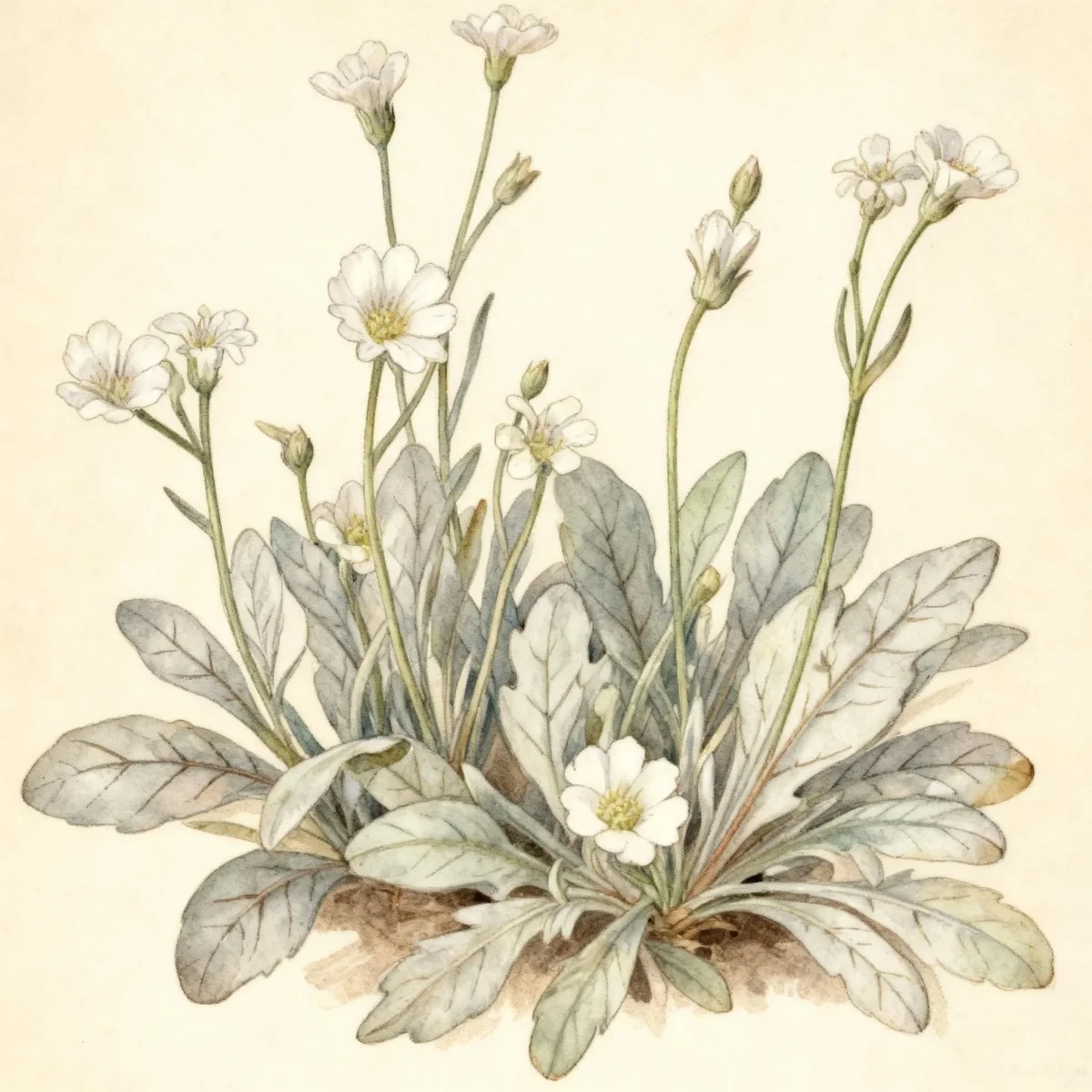
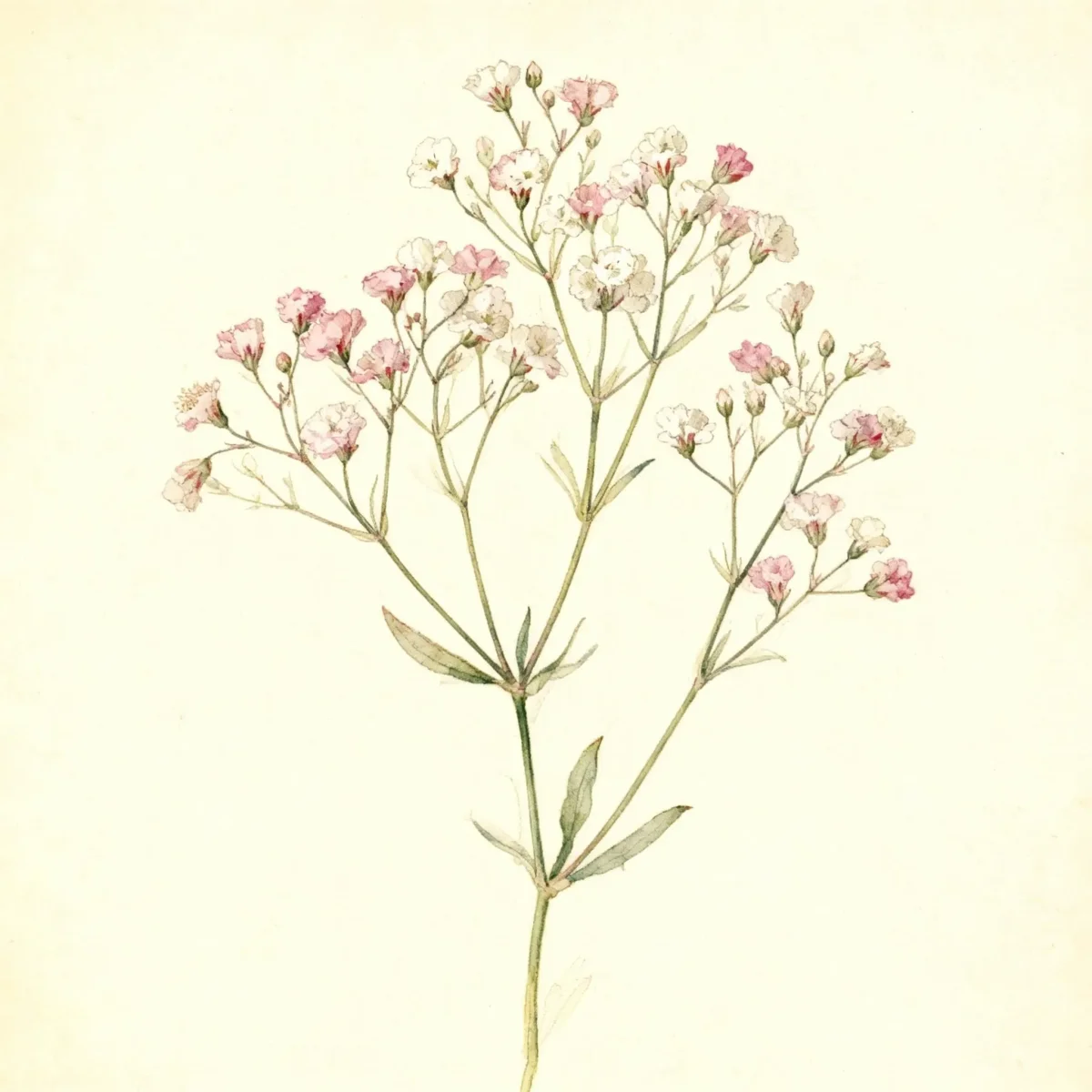
Baby's breath (Gypsophila paniculata 'Viette's Dwarf')
Gypsophila paniculata 'Viette's Dwarf' offers compact beauty with masses of double pink Baby's breath blooms from May to August in full sun.
Scroll down to discover growing tips, care requirements, companion plants, and more
Complete Plant Information
Overview
Gypsophila paniculata ‘Viette’s Dwarf’ is a highly valued cultivar, offering the classic airy texture of Baby’s breath in a more manageable, self-supporting size. This herbaceous perennial brings clouds of long-lasting, delicate pink blooms, making it indispensable for adding softness and contrast to mixed borders throughout the summer months. Growing to about 1 to 1.5 feet tall, this selection rarely requires staking, simplifying garden maintenance.
This specific form of Baby’s breath thrives where many others might struggle, preferring full sun and lean, dry soil conditions. Its robust structure and tolerance for alkaline soil pH make Gypsophila paniculata ‘Viette’s Dwarf’ a reliable workhorse in sunny perennial plantings across a wide range of climates. Gardeners appreciate this compact variety for its density and reliability in floral arrangements.
The appeal of Gypsophila paniculata ‘Viette’s Dwarf’ lies in its airiness, providing textural contrast against bold-leaved plants. While the common name Baby’s breath often brings white flowers to mind, the double pink flush of this cultivar offers a subtle, romantic color that ages gracefully to white. Ensure it receives excellent drainage to guarantee successful overwintering in its established zones.
Fast Facts
- Plant Family: Caryophyllaceae
- Plant Type: Herbaceous perennial
- Hardiness Zones: USDA Zones 3-9
- Size at Maturity:
- Height: 1-1.5 ft
- Spread: 1-1.5 ft
- Bloom Time: May to August
- Bloom Description: Pink
- Sun Exposure: Full sun
- Water Needs: Dry
- Maintenance Level: Medium
How to Grow
Plant Gypsophila paniculata ‘Viette’s Dwarf’ during the spring or fall in a location receiving full sun exposure daily. Proper soil preparation is critical; this plant demands well-drained soil and prefers slightly alkaline conditions (pH 7.3-7.5). If your soil is acidic, amend it generously with lime to achieve the preferred pH range of 7.0 to 8.0, as poor drainage is fatal, often leading to winter loss.
Water sparingly once established, as this Baby’s breath variety thrives in dry conditions and is notable for its drought tolerance. Avoid routine fertilization, which can lead to weaker stems and less concentrated blooms. The primary care requirement involves pruning—cut the stems back or shear the plant after the main blooming period concludes to encourage a fresh flush of smaller flowers later in the season.
Remember that Gypsophila paniculata ‘Viette’s Dwarf’ develops a deep taproot, making it extremely intolerant of root disturbance. Select its final location carefully, as transplanting established specimens is rarely successful. In colder zones, ensure the soil remains drier as winter approaches to minimize fungal issues and protect the root system through wet, cold periods.
Landscape Uses
The fine texture created by the sprays of flowers from Gypsophila paniculata ‘Viette’s Dwarf’ makes it an excellent textural element in the perennial border. It serves wonderfully as a summer filler, effortlessly masking the fading foliage of early spring bulbs or summer-dormant plants, creating continuous visual interest. This compact Baby’s breath cultivar excels when used to soften the harsh lines between larger, heavier plants.
Beyond the border, the airy sprays are highly prized by florists and home gardeners alike. Harvest stems liberally during peak bloom to use as filler in fresh bouquets, where the light structure integrates seamlessly with nearly any flower type. For design inspiration, pair this pink-flowering Gypsophila paniculata ‘Viette’s Dwarf’ with plants that contrast in foliage size, such as Hostas or Peonies, or complement its dry tolerance with other sun-loving, drought-tolerant companions like Sedum or Russian Sage.
Standout Features
Flower Qualities
- Showy
Noteworthy Characteristics
The genus name Gypsophila honors the plant’s affinity for calcareous soils, translating roughly to “gypsum loving.” While the species itself grows taller, ‘Viette’s Dwarf’ is a specialized cultivar topping out around 12–15 inches, offering a mound-forming habit that avoids the need for support stakes. It produces a stunning display of numerous, long-lasting double pink flowers that mature to white, contrasting beautifully with its somewhat sparse, blue-green, lance-shaped leaves.
Tolerances
- Drought
- Dry Soil
Potential Problems
Gardeners should monitor Gypsophila paniculata ‘Viette’s Dwarf’ for susceptibility to fungal diseases like botrytis, especially if air circulation is poor or humidity is high. Providing the required full sun and excellent soil drainage is the best preventative measure against these issues. Some plants in the genus may sometimes exhibit signs of aster yellows, though this is less common in established dwarf cultivars.
A significant consideration for this Baby’s breath is its cultural heritage; it often escapes cultivation, being noted as invasive in various global regions. Always consult local horticultural recommendations before planting to ensure compliance with regional guidelines. On the positive side, deer tend to find this plant unpalatable and generally leave it alone.
Frequently Asked Questions
What hardiness zones is Baby’s breath suitable for?
Gypsophila paniculata ‘Viette’s Dwarf’ is reliably hardy across USDA Zones 3 through 9.
How large does Gypsophila paniculata ‘Viette’s Dwarf’ grow?
This compact cultivar typically reaches a mature height and spread between 1 to 1.5 feet.
What sun exposure does Baby’s breath need?
This plant requires full sun exposure to achieve its best flowering potential.
When does Gypsophila paniculata ‘Viette’s Dwarf’ bloom?
This variety produces its main display of pink flowers beginning in May and continuing through August.
Conclusion
The compact habit and abundant, long-lasting double pink blooms make Gypsophila paniculata ‘Viette’s Dwarf’ an essential, low-fuss addition to sunny gardens. Its exceptional drought tolerance and preference for lean, well-drained soil simplify its care requirements significantly. Before planting, confirm that your local climate falls within USDA Zones 3-9 and prepare alkaline, freely draining soil to ensure years of airy beauty from this favorite Baby’s breath.
Companion Planting
When planning beds for Gypsophila paniculata ‘Viette’s Dwarf’, select companions that share its requirements for full sun and dry to average soil moisture. Excellent partners include plants with sturdy, vertical forms that contrast nicely with the mounding, airy habit of the pink Baby’s breath. Consider pairing it with Russian Sage (Perovskia atriplicifolia), Yarrow (Achillea species), or many varieties of Sedum known for their similar drought tolerance.
Avoid placing this perennial near moisture-loving plants like Astilbe or Ferns, as these differing needs will complicate watering and soil management across the planting area. By grouping plants with similar cultural needs, you ensure that tending to your Gypsophila paniculata ‘Viette’s Dwarf’ becomes less about constant adjustments and more about occasional pruning.
Seasonal Care Calendar
Spring is the optimal time to assess overwintered plants; if necessary, apply lime to the soil surface if pH testing indicates acidity, as this plant prefers alkaline soil. Avoid heavy fertilization; a light, balanced feed is only needed if plants appear particularly weak, but dry soil management is more important. Established plants require little fertilizer.
During the summer blooming period (May through August), deadheading or shearing back the main flush of flowers after they fade will encourage secondary blooms. This practice keeps the texture fresh and maximizes the time you can enjoy the pink flowers of this Baby’s breath cultivar. Ensure watering is minimal, allowing soils to dry out thoroughly between infrequent soakings.
Clean up dead foliage in late fall or early spring before new growth begins. Since this Gypsophila paniculata cultivar relies on excellent drainage, watch for excessive winter wetness, which is the most common cause of plant failure in Zones 3 and 4. Avoid letting the base of the plant sit in perpetually cold, saturated ground.