Daylily (Hemerocallis 'Mini Pearl')
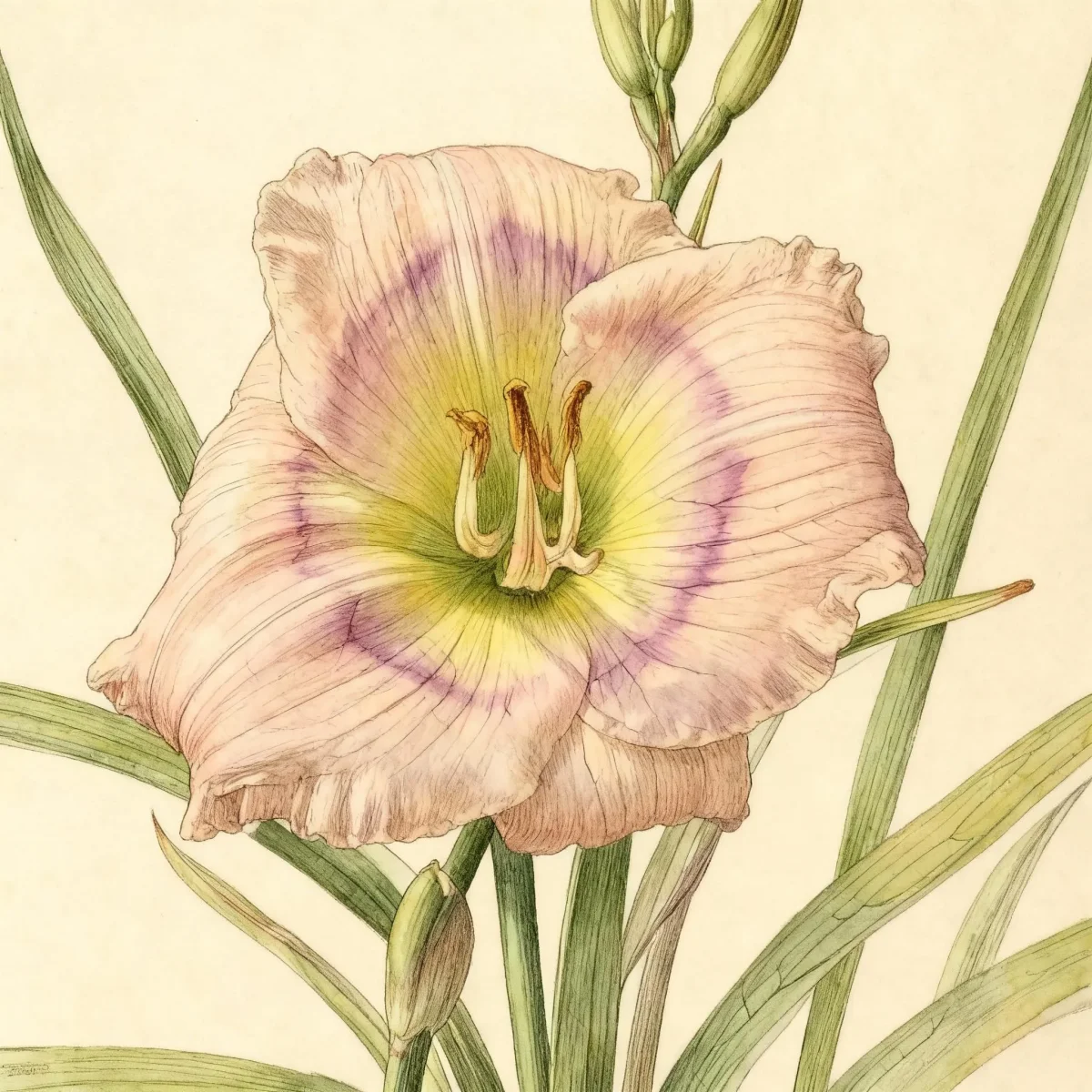
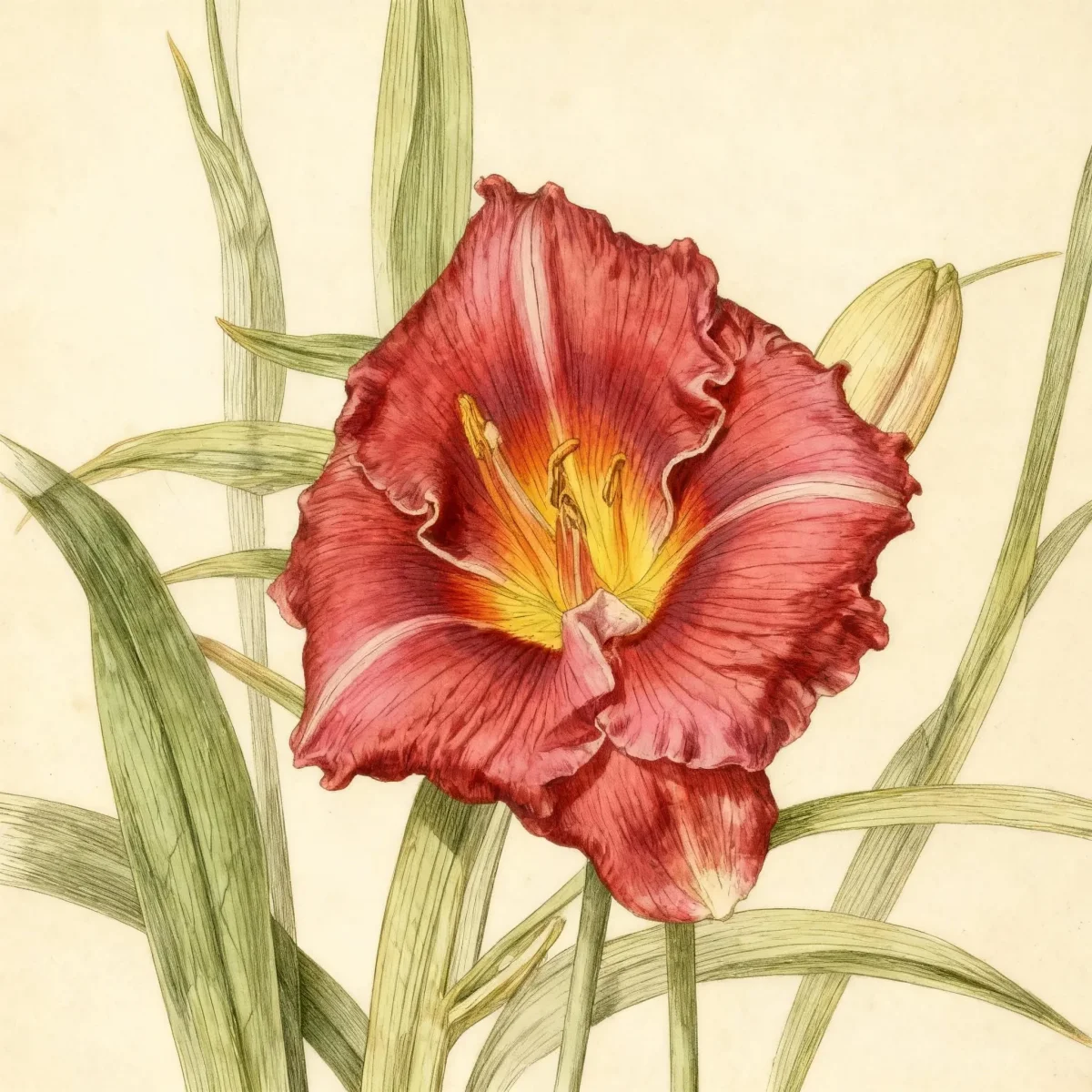
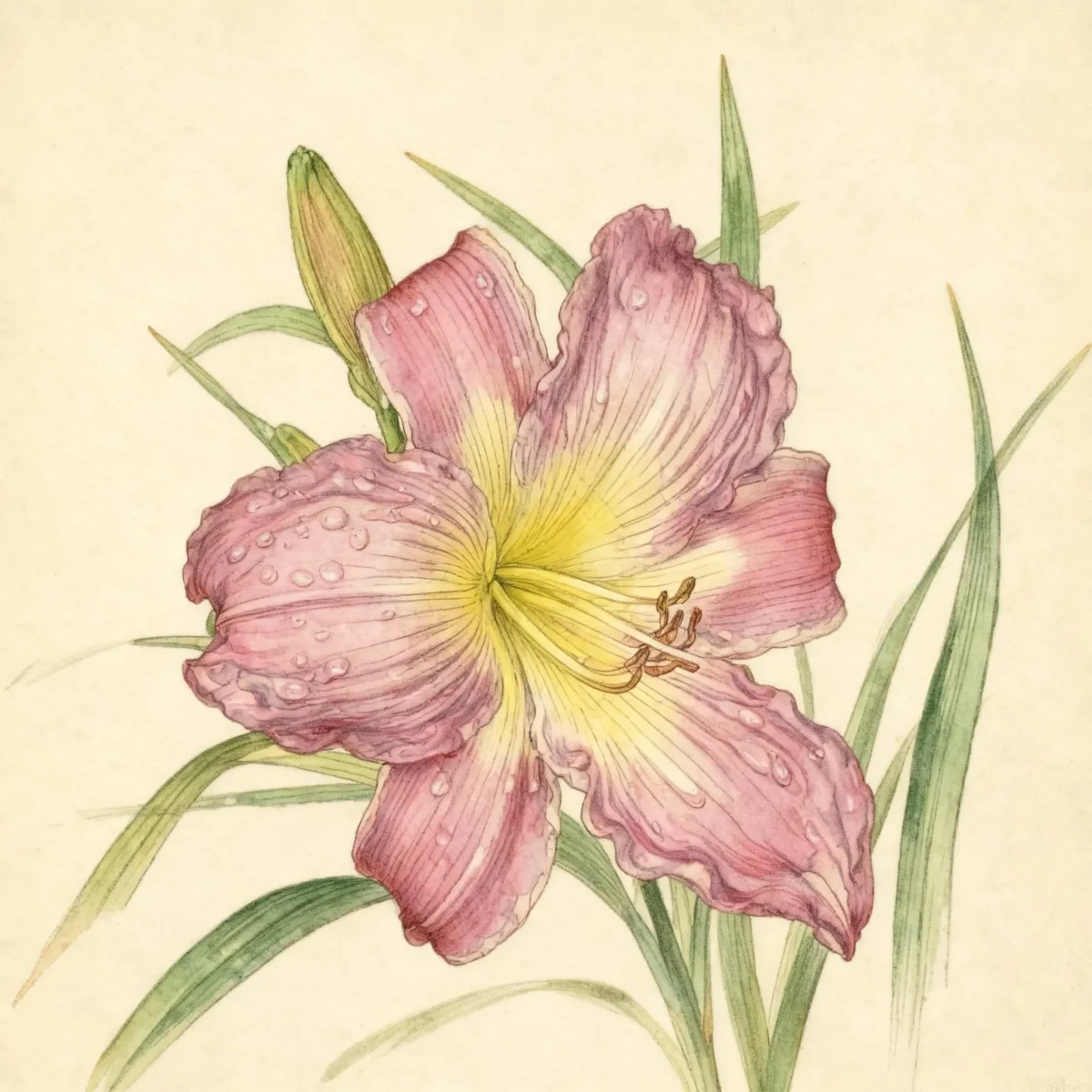
Hemerocallis 'Mini Pearl' is a low-maintenance Daylily offering fragrant, showy, melon pink blooms from May to July.
Scroll down to discover growing tips, care requirements, companion plants, and more
Complete Plant Information
Overview
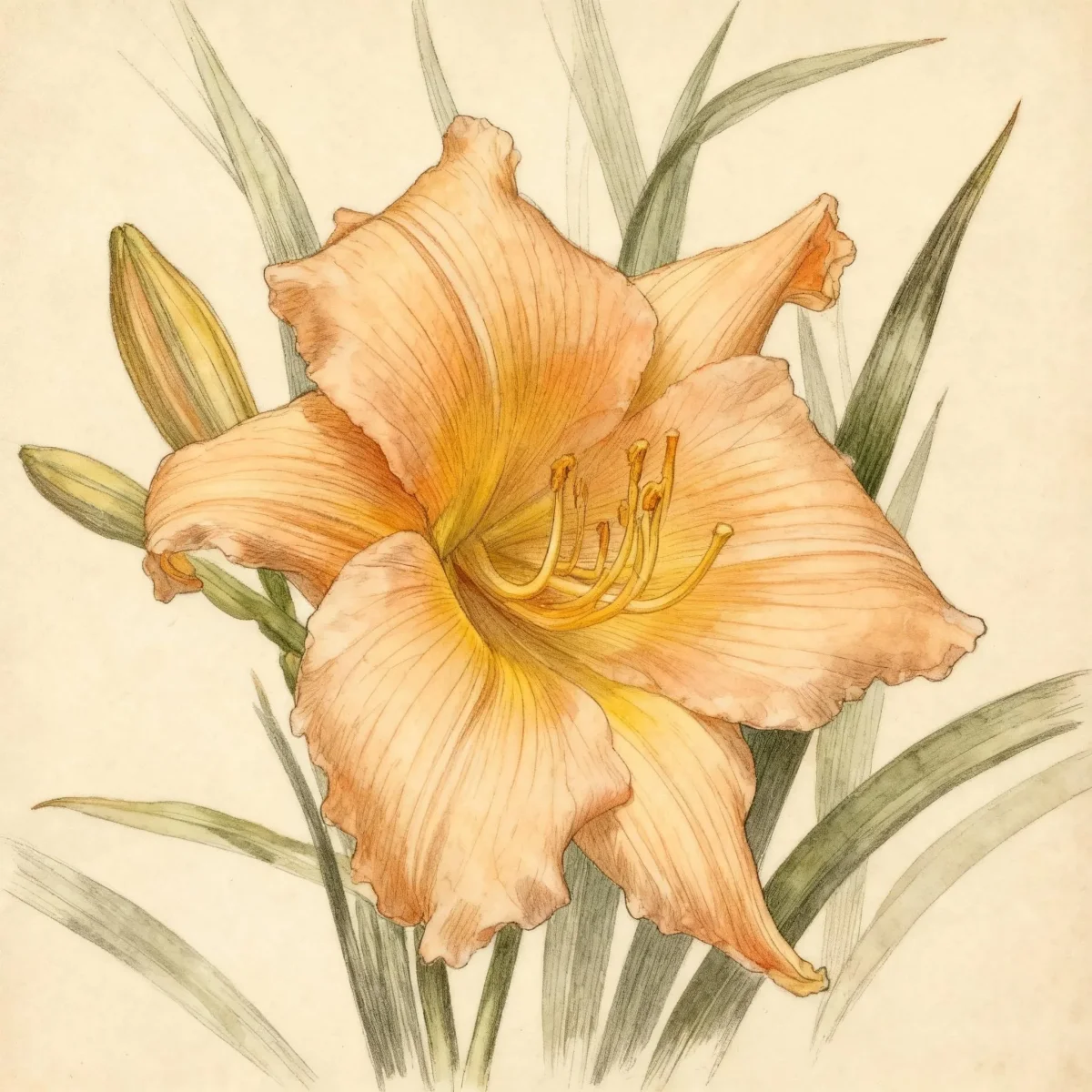
Hemerocallis ‘Mini Pearl’ is a charming diploid Daylily cultivar highly valued for its manageable size and delightful fragrance. This Daylily produces stunning, melon pink flowers, providing consistent color from late spring deep into midsummer. Its compact nature makes it an excellent choice for smaller garden spaces where many other hybrid daylilies might overwhelm the area.
As an herbaceous perennial, this variety thrives with generally low maintenance, making it accessible to both novice and experienced gardeners. It offers the aesthetic appeal of the larger Daylilies but in a convenient, smaller package, blooming reliably across a wide range of climates thanks to its adaptability.
The foliage of the Hemerocallis ‘Mini Pearl’ is attractive, featuring arching, blade-like, shiny dark green leaves that remain semi-evergreen or evergreen in warmer zones. Gardeners benefit from its long bloom time and its resistance to several common landscape pressures, ensuring reliable beauty season after season.
Fast Facts
- Plant Family: Asphodelaceae
- Plant Type: Herbaceous perennial
- Hardiness Zones: USDA Zones 3-9
- Size at Maturity:
- Height: 1-1.5 ft
- Spread: 1-1.5 ft
- Bloom Time: May to July
- Bloom Description: Melon pink
- Sun Exposure: Full sun to part shade
- Water Needs: Medium
- Maintenance Level: Low
How to Grow
Planting Hemerocallis ‘Mini Pearl’ is best accomplished in the spring or fall in average, well-drained soils. While Daylilies are famously adaptable, they perform best when sited where they receive plenty of sun, though they tolerate part shade well. Deep, fertile loams are preferred, but ensure drainage is adequate, as standing water is detrimental to Daylily health.
Routine care involves deadheading spent flowers daily to maintain a neat appearance and improve subsequent blooming. Once the flowering period concludes, remove the entire flower scapes. Although tolerant of heat and humidity, provide deep watering during extended dry spells to keep the dark green foliage looking its best.
For optimal long-term performance, plan to divide clumps of this Daylily approximately every three to four years. Spring division is generally recommended, especially in colder climates like Zone 3. Be aware that this cultivar is a winter-dormant type, requiring a cold period to initiate the best flowering display; avoid planting in regions consistently warmer than Zone 9 if you desire yearly robust blooms.
Landscape Uses
The compact stature of Hemerocallis ‘Mini Pearl’ makes it an incredibly versatile plant for structured landscapes. As a dwarf cultivar, it excels when used for defined borders where height control is paramount, or as neat edging along walkways. They can also be massed for dramatic sweeps of enduring color throughout the early summer months.
Because Daylilies are so easy to grow and adapt well to different soil conditions (provided drainage is good), they serve as excellent gap fillers or groundcovers in large planting beds. Consider pairing the melon pink tones of this Daylily with contrasting greens or blues from low-growing ornamental grasses or hardy Salvia varieties that share similar sun and water requirements for a cohesive planting scheme.
Standout Features
Flower Qualities
- Showy
- Fragrant
Noteworthy Characteristics
Hemerocallis is a genus of herbaceous perennials commonly known as daylilies, native to Asia and Central Europe. Hybridizers have developed over 60,000 registered cultivars, significantly increasing color variety, though each individual flower lasts only one day—hence the common name. The cultivar ‘Mini Pearl’ specifically features fragrant, melon pink flowers that bloom early to midseason on scapes rising about 16 inches above glossy, arching foliage.
Tolerances
- Rabbit
- Erosion
- Air Pollution
Potential Problems
Daylilies are exceptionally resilient, making them low-maintenance performers that are generally free from pests and diseases. Occasionally, minor issues like spider mites, thrips, or aphids may appear, typically managed with routine horticultural oil or insecticidal soap applications if populations become high. The most significant potential issue in certain humid regions is Daylily rust, which manifests as yellow or orange powdery spots on the leaves, managed through proper air circulation and appropriate fungicides if necessary. Rabbits rarely bother established Hemerocallis plants.
Frequently Asked Questions
What hardiness zones is Daylily (Hemerocallis ‘Mini Pearl’) suitable for?
Hemerocallis ‘Mini Pearl’ is suitable for USDA Hardiness Zones 3 through 9, offering wide adaptability across North America.
How large does Daylily (Hemerocallis ‘Mini Pearl’) grow?
This dwarf cultivar typically reaches a mature height between 1 and 1.5 feet and spreads about 1 to 1.5 feet wide.
When does Daylily (Hemerocallis ‘Mini Pearl’) bloom?
This Daylily variety blooms from May to July, featuring lovely melon pink flowers.
What sun exposure does Daylily (Hemerocallis ‘Mini Pearl’) need?
Hemerocallis ‘Mini Pearl’ prefers full sun but performs adequately in areas receiving part shade.
Conclusion
The Hemerocallis ‘Mini Pearl’ Daylily offers exceptional value as a fragrant, showy, and compact perennial ideal for adding dependable summer color without demanding constant attention. Its low maintenance and wide hardiness range ensure success for many gardeners looking to incorporate this attractive plant. Before planting, confirm that your local garden zone falls within USDA 3-9 to ensure the best performance from your new Daylily collection.
Companion Planting
Selecting suitable companions is key to maximizing the visual appeal of Hemerocallis ‘Mini Pearl’. Because Daylilies prefer well-drained soil and full sun, they pair excellently with neighboring plants that share these needs and which bloom either before or after the main Daylily flush. Consider planting early-flowering bulbs like Daffodils or Tulips nearby, which offer spring color while the Daylily foliage is just emerging.
For summer structure that complements the arching foliage, look toward plants with upright habits such as ornamental Russian Sage or taller Lavender varieties. These companions often bring contrasting silvery or purple tones, making the melon pink blooms of the Hemerocallis ‘Mini Pearl’ truly pop in the border design.
Propagation Tips
The primary and recommended method for propagating hybrid Daylilies like Hemerocallis ‘Mini Pearl’ is vegetative division. Hybrid daylilies will not grow true to type if grown from seed, making division essential for maintaining cultivar purity and vigor. Division should occur every 3–4 years as clumps become overcrowded, disrupting the plant’s ability to bloom optimally.
To divide, carefully dig up the entire clump, usually in early spring or early fall. Use a sharp spade or knife to cut the root mass into sections, ensuring each new section has a healthy crown and a good mass of fibrous roots. Replant these divisions immediately at the same depth they were previously growing.