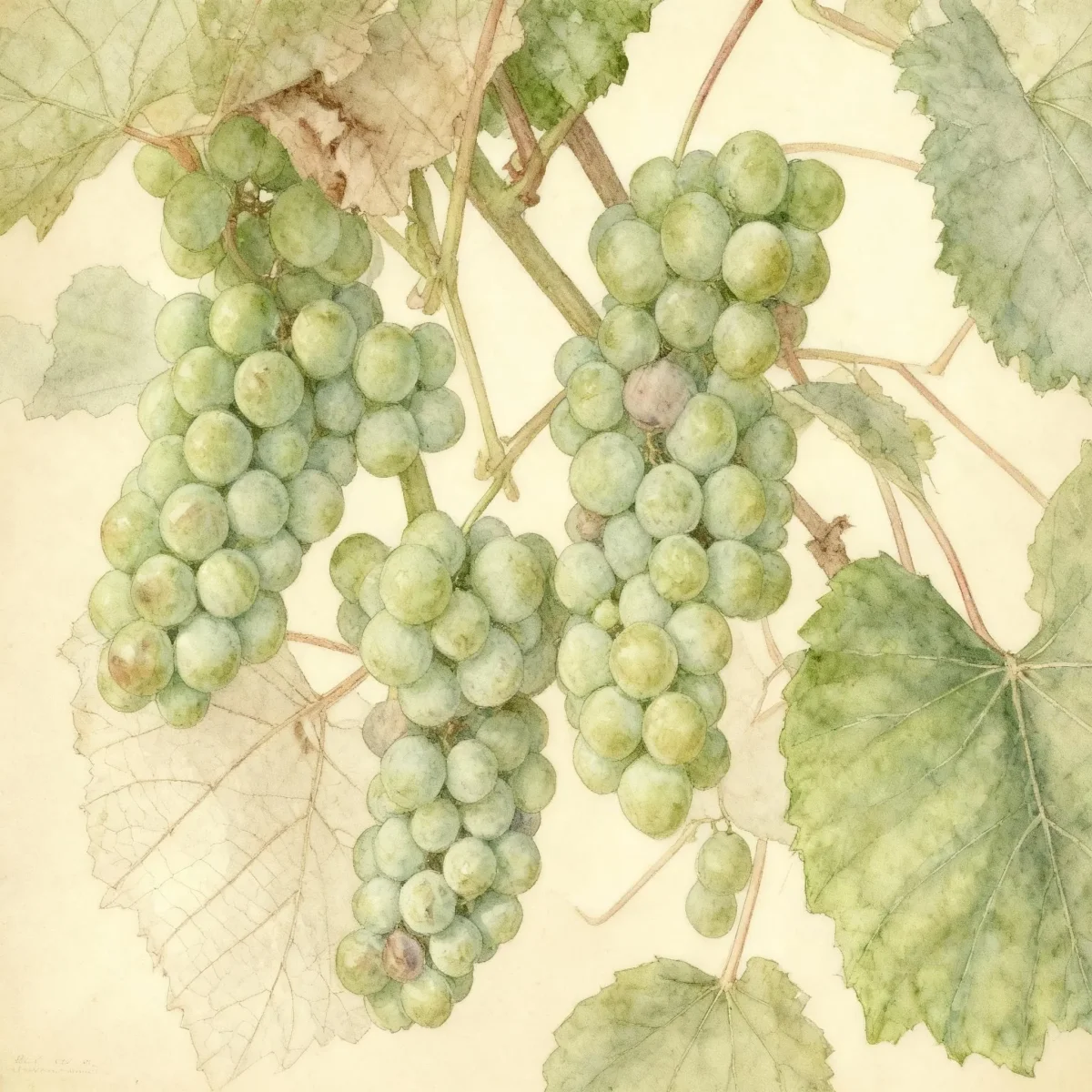
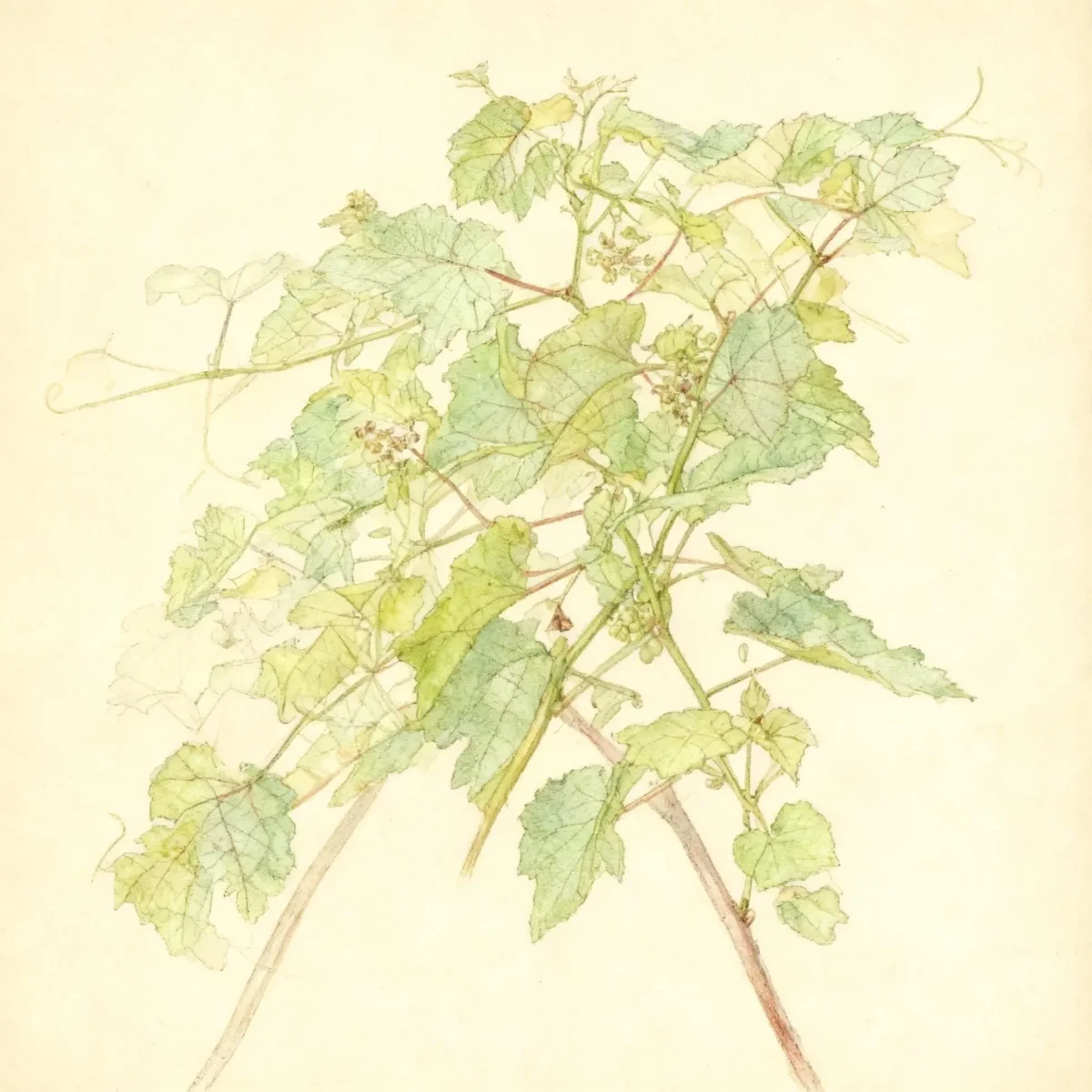
Summer grape (Vitis aestivalis 'Norton')
Vitis aestivalis 'Norton', or Summer grape, is a robust, woody vine known for its tart, blue-black wine grapes, thriving in full sun.
Scroll down to discover growing tips, care requirements, companion plants, and more
Complete Plant Information
Overview
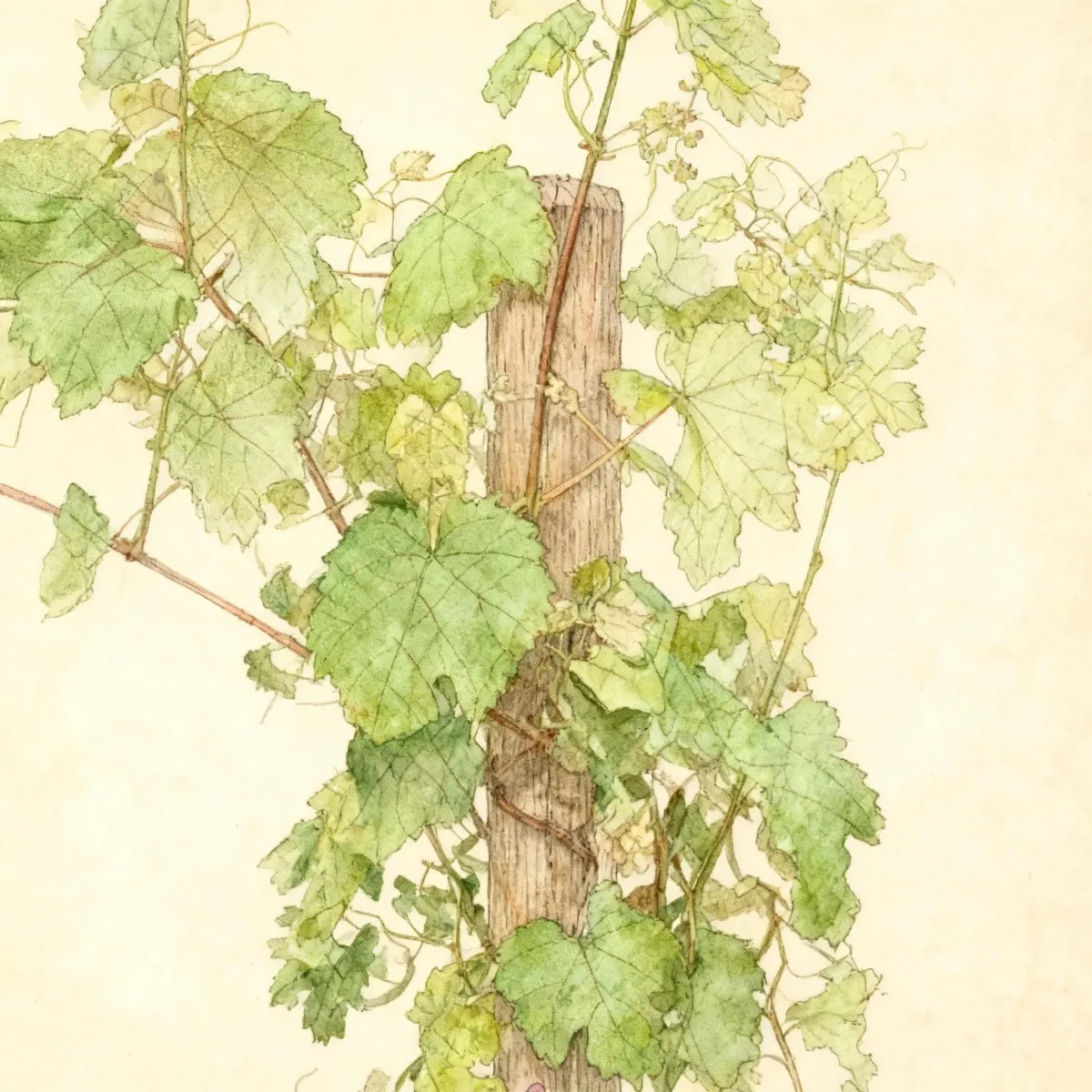
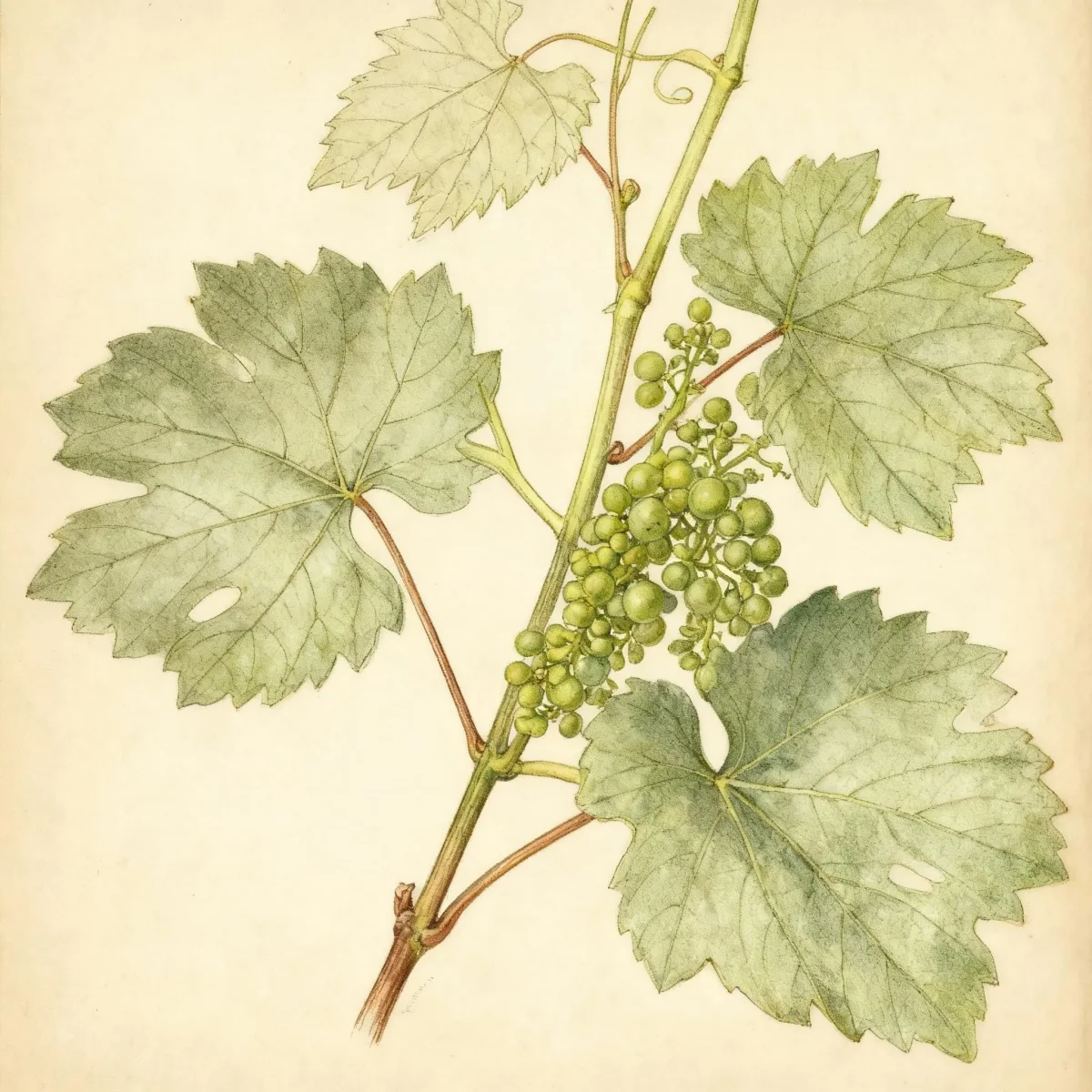
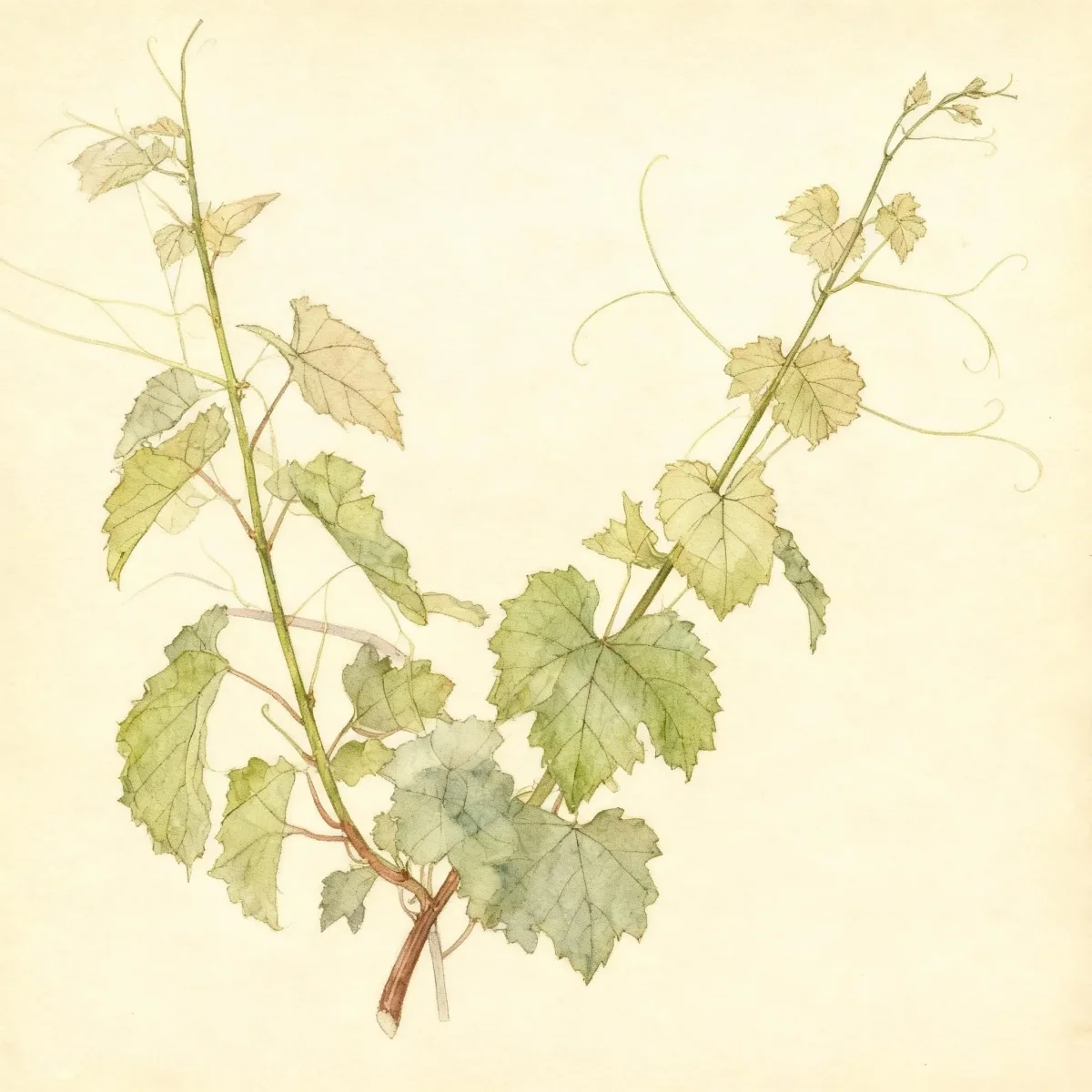
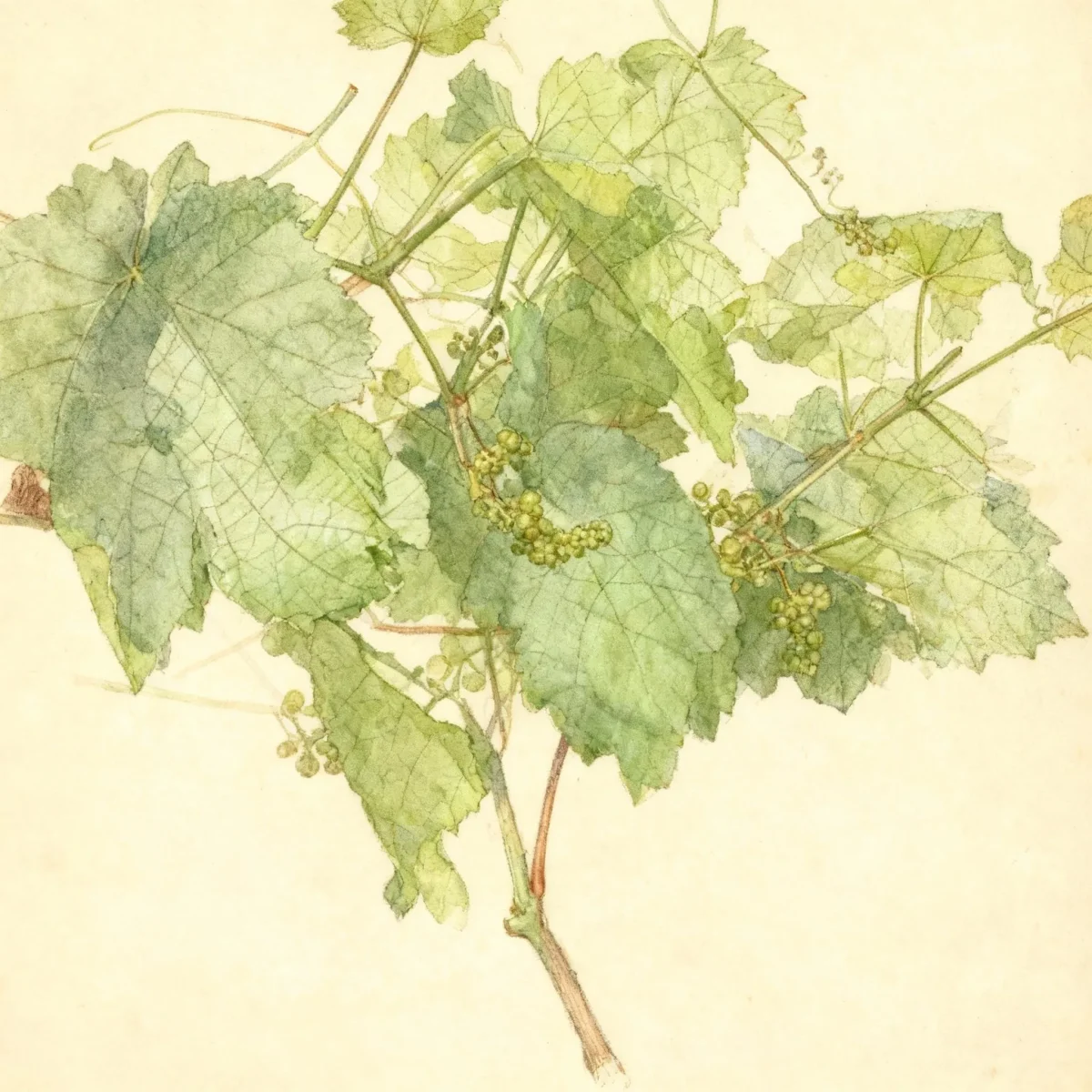
Vitis aestivalis ‘Norton’, commonly known as Summer grape, is a highly valued, vigorous American grape variety utilized primarily for winemaking, particularly robust dry reds prized in Missouri vineyards. This woody, deciduous vine climbs aggressively using tendrils and offers significant ornamental appeal through its bold foliage and attractive, shaggy trunks visible in winter. Gardeners should anticipate high maintenance requirements, including dedication to support, training, pruning, and pest management, to ensure a successful, bountiful harvest. The Summer grape requires full sun exposure to transition its fragrant spring blossoms into its characteristic late mid-season clusters of blue-black fruit.
Fast Facts
- Plant Family: Vitaceae
- Plant Type: Fruit
- Hardiness Zones: USDA Zones 5-7
- Size at Maturity:
- Height: 15-20 ft
- Spread: 8-15 ft
- Bloom Time: May to June
- Bloom Description: Greenish
- Sun Exposure: Full sun
- Water Needs: Medium
- Maintenance Level: High
How to Grow
For optimal establishment, plant Vitis aestivalis ‘Norton’ during the dormant season, ensuring it receives full sun exposure throughout the day. This cultivar thrives best when provided deep, loamy, consistently moist, yet well-drained soils. While it tolerates average garden conditions, plants intolerant of shade must be sited to maximize light, preferably on a sheltered southern-facing slope away from frost pockets.
Water consistently to maintain adequate soil moisture, especially during establishment and fruit development periods. Because Summer grape bears fruit, it demands high maintenance involving intensive annual pruning to control vigor and maximize fruit set, along with diligent regular spraying schedules to combat common fungal diseases prevalent in humid summers.
Given its climbing nature, installing a robust support system like a sturdy trellis, arbor, or strong fence is non-negotiable before planting. Training the young vines onto this structure early on is crucial for long-term health and efficient fruit production.
Landscape Uses
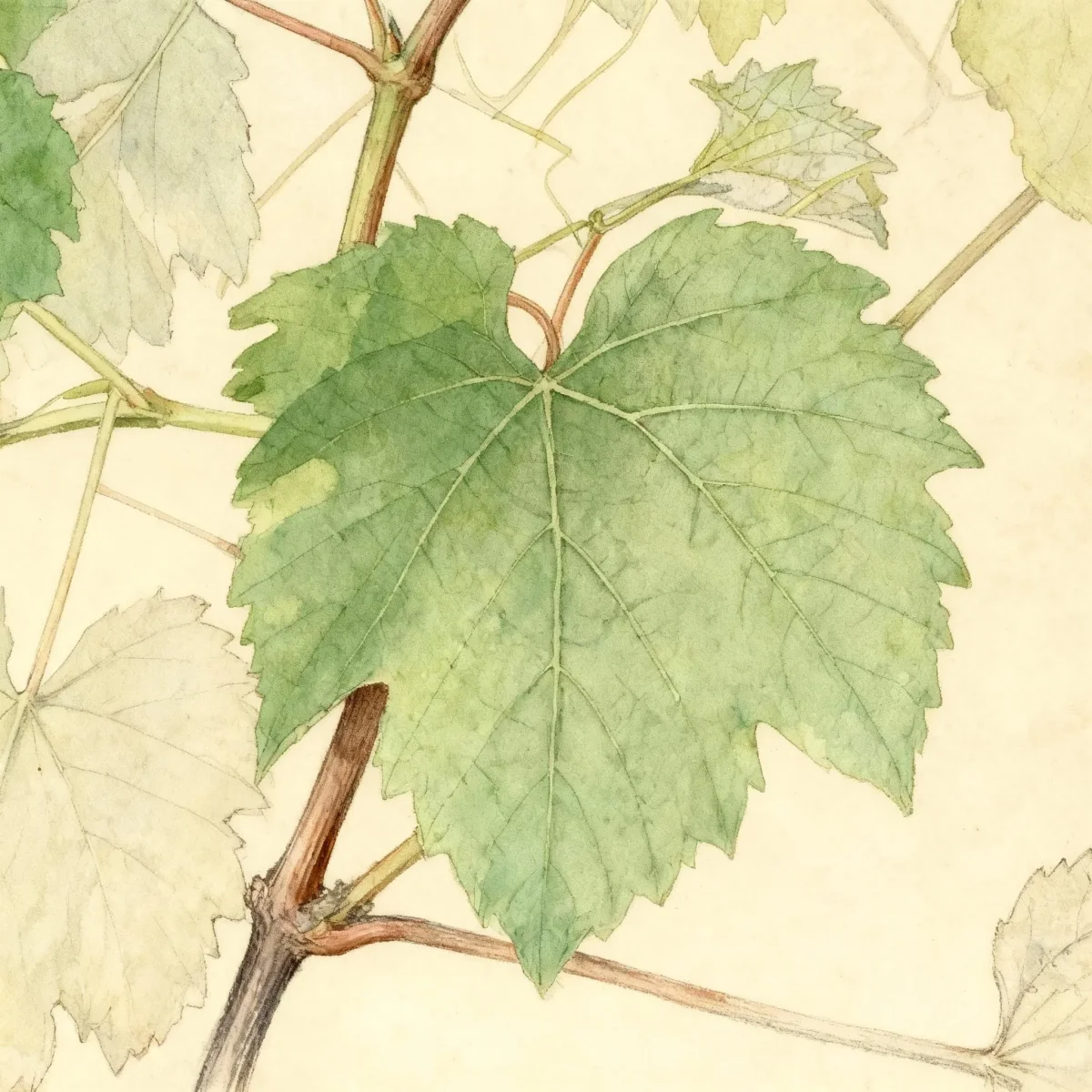
While sometimes grown primarily for its fruit potential in home gardens, the Vitis aestivalis ‘Norton’ offers substantial year-round aesthetic value. Its wide, deeply lobed green leaves create excellent visual density during the growing season, offering superb screening or shade when grown over structures like arbors or pergolas. The fruit itself, which ripens to a showy blue-black hue, adds seasonal interest before the vine eventually sheds its leaves.
These vigorous vines are adaptable for covering large fences or walls where their twisted, shaggy trunks provide excellent textural contrast, especially during winter dormancy. Furthermore, the woody material from pruned vines can often be repurposed by crafters for weaving into rustic decorative elements.
Standout Features
Flower Qualities
- Fragrant
- Insignificant
Fruit Qualities
- Showy
- Edible
Noteworthy Characteristics
Vitis aestivalis, commonly called summer grape, is native to much of the Eastern and Midwestern United States where it grows in a variety of habitats including lowland and upland woods, tickets, hedges and fencerows, as well as stream and riverbanks. The cultivar ‘Norton’ is famed as the oldest American grape variety still commercially grown, yielding a robust dry red wine. It produces fragrant, greenish flowers followed by medium-sized, blue-black grapes that ripen reliably in mid-season states.
Tolerances
- Rabbit
- Deer
Potential Problems
Grapes, including Vitis aestivalis ‘Norton’, are considered high-maintenance due to their susceptibility to numerous diseases, especially crown gall, anthracnose, and various mildew types when grown in humid summers. Insect pests such as phylloxera, grape berry moth, and leafhoppers require regular monitoring and targeted pesticide treatments to protect yields. Furthermore, birds represent the most significant vertebrate threat to ripening clusters, necessitating protective netting as the fruit matures.
Frequently Asked Questions
What hardiness zones is Summer grape suitable for?
The Summer grape, Vitis aestivalis ‘Norton’, thrives best when grown within USDA Hardiness Zones 5 through 7.
How large does Vitis aestivalis ‘Norton’ grow?
This vigorous woody vine typically reaches a mature height between 15 to 20 feet, with a spread ranging from 8 to 15 feet wide.
What sun exposure does Vitis aestivalis ‘Norton’ need?
To ensure proper flowering and fruit production of the Summer grape, it must be planted in locations receiving full sun exposure throughout the day.
When does Summer grape bloom?
Vitis aestivalis ‘Norton’ produces its inconspicuous, greenish flowers between May and June.
Conclusion
The Vitis aestivalis ‘Norton’ remains a horticultural staple, valued both for its ornamental structure and its historic role as a premier American wine grape producer. Success with the Summer grape hinges on understanding its high maintenance needs concerning support and disease management. Before planting, carefully check your local USDA zone compatibility and ensure you have a robust support system ready for this vigorous climber.
Design Ideas
When utilizing Vitis aestivalis ‘Norton’ in landscape design, focus on vertical elements capable of handling its substantial mature weight. Arbors or pergolas situated over patios or walkways provide functional shade while showcasing the beautiful foliage and later, the showy fruit clusters. Ensure the structure is built from durable materials, as annual growth stress can quickly degrade lighter wooden supports.
For screening walls or fences, allow 10 to 15 feet of space laterally, encouraging the vine to establish a dense screen through consistent pruning aimed at lateral spread, rather than excessive height. In mixed borders, plant shorter, sun-loving perennials at the base, provided their roots do not compete too aggressively with the grape’s moisture needs.
Wildlife Benefits
The fragrant flowers of the Summer grape, though deemed insignificant ornamentally, are known to be attractive to vital pollinators, specifically bees, during their late spring bloom. Once the fruit matures in late mid-season, the clusters become an important late-season food source for various avian species and mammals.
Because the fruit ripens later, it can provide resources when other berry crops are depleted. Gardeners focused on supporting local fauna can balance the desire for a harvest by netting smaller sections of the vine while allowing other clusters to remain accessible to wildlife.