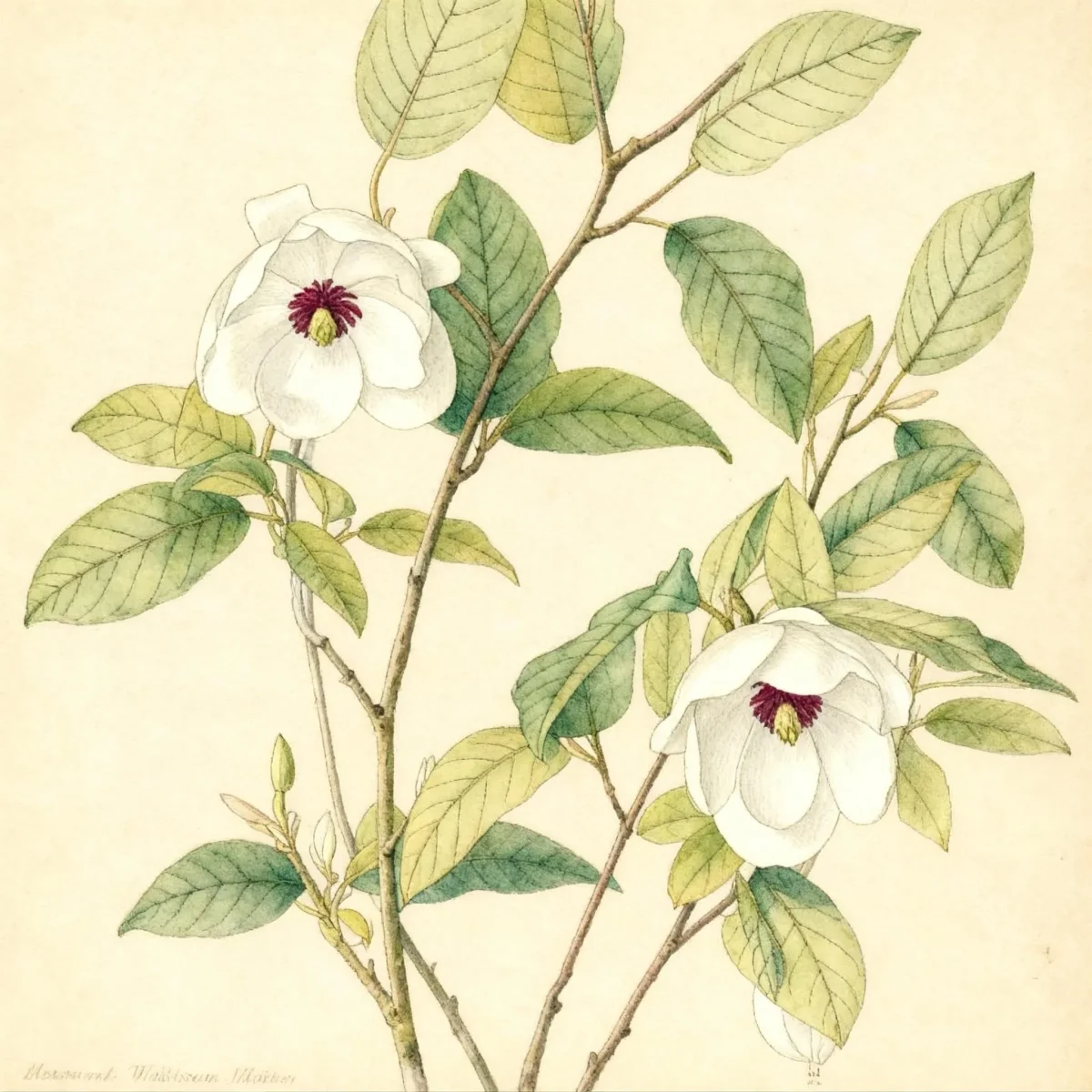
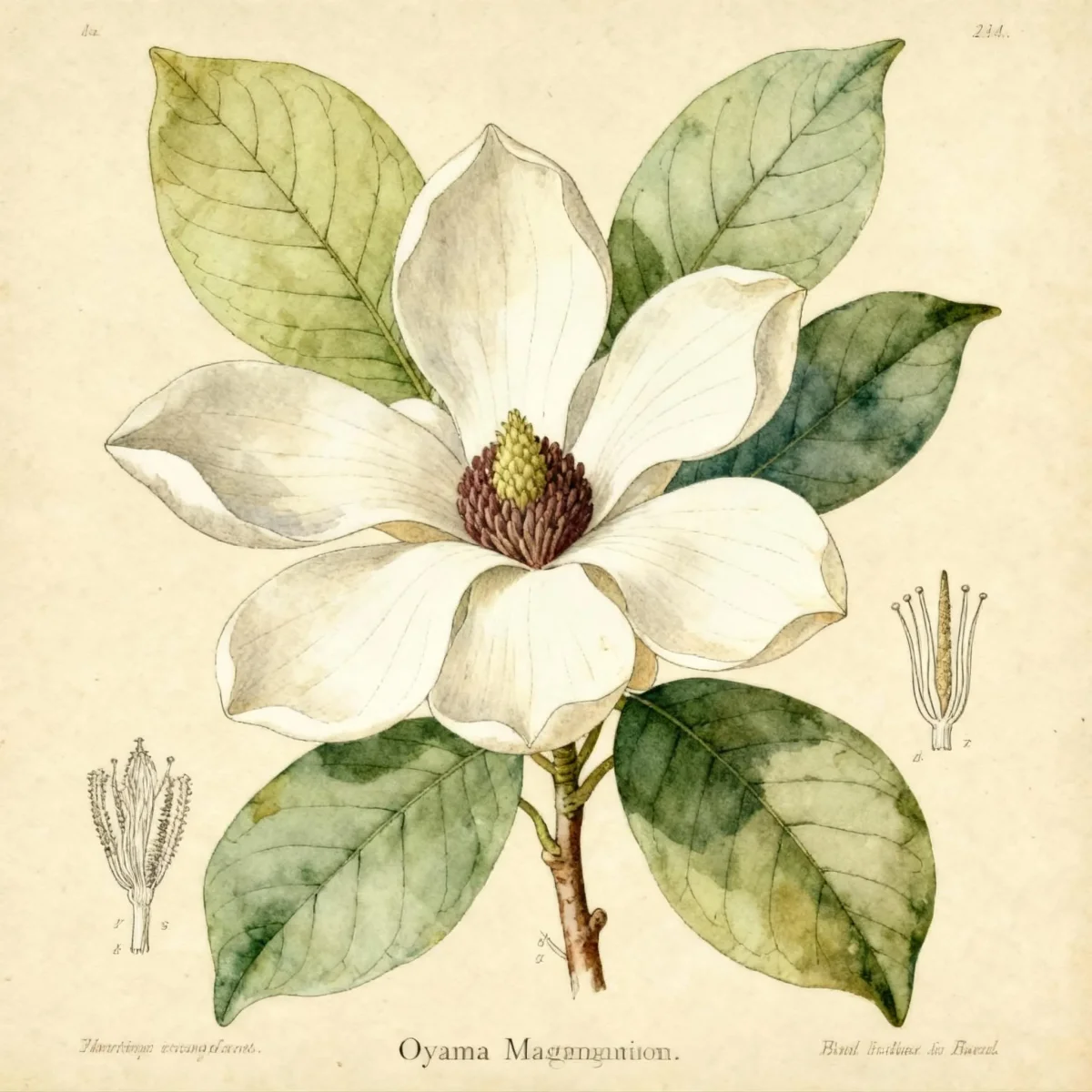
Large-flowered magnolia (Magnolia grandiflora 'Little Gem')
Magnolia grandiflora 'Little Gem' is a compact, evergreen Large-flowered magnolia offering huge, fragrant white summer blooms. Ideal for smaller gardens.
Scroll down to discover growing tips, care requirements, companion plants, and more
Complete Plant Information
Overview
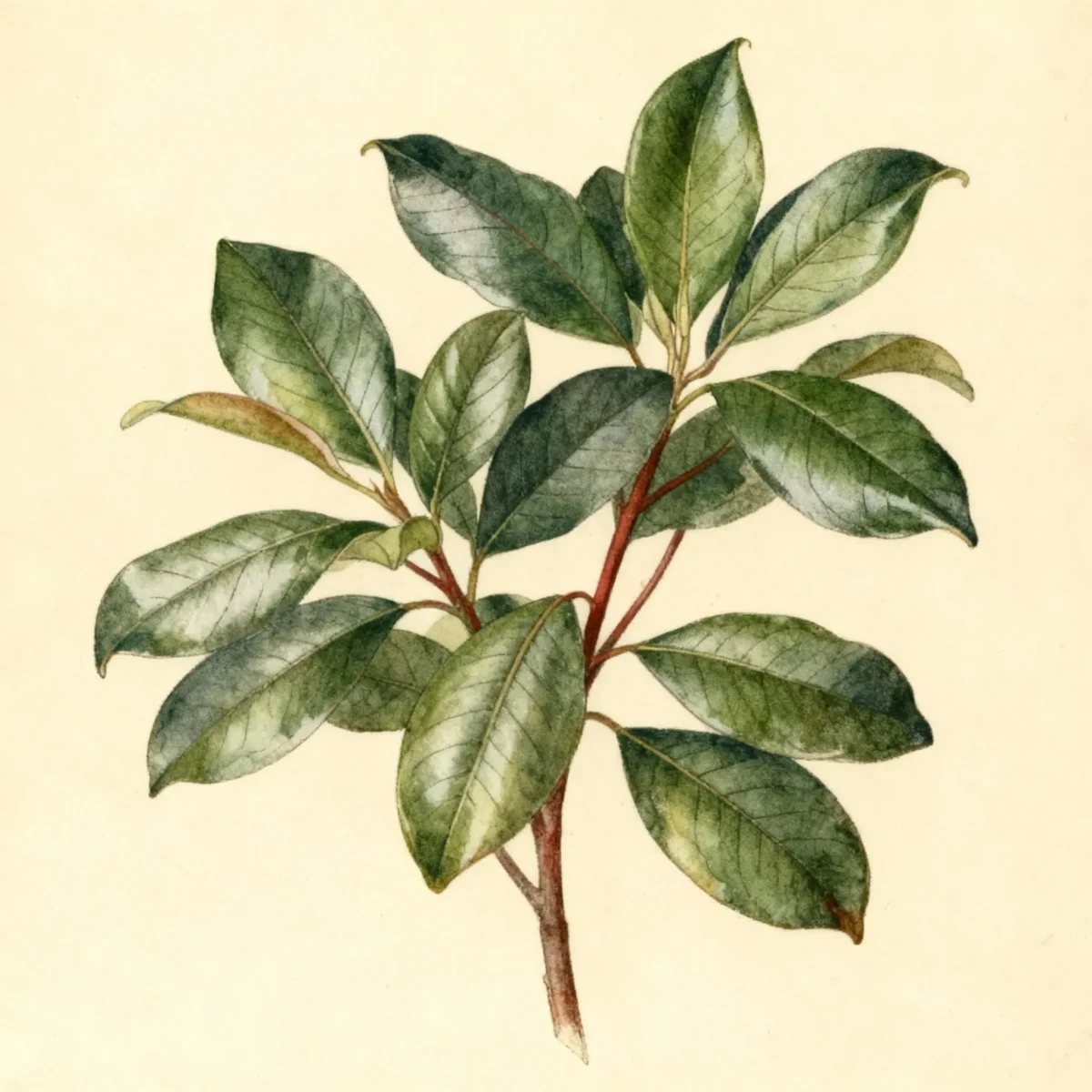
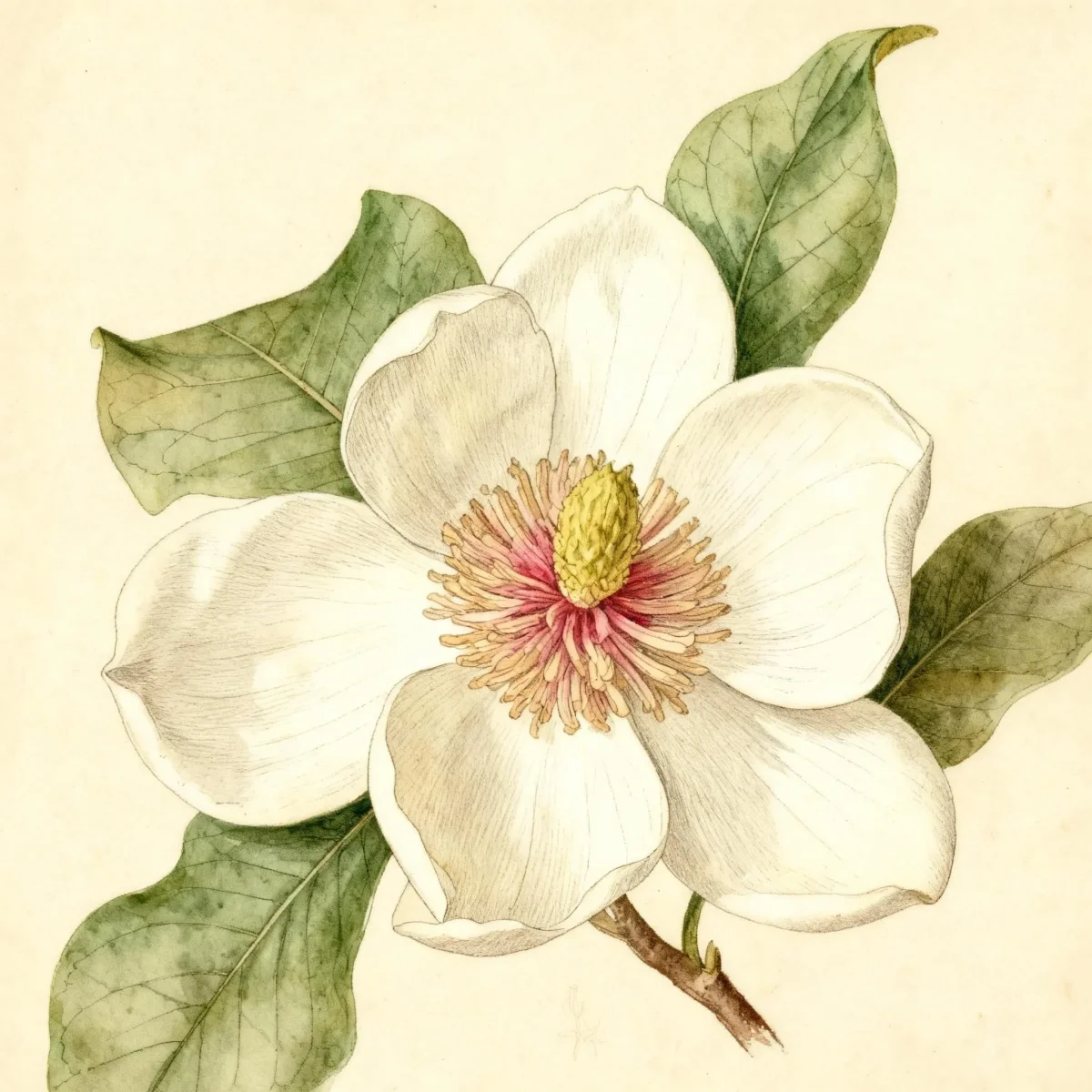
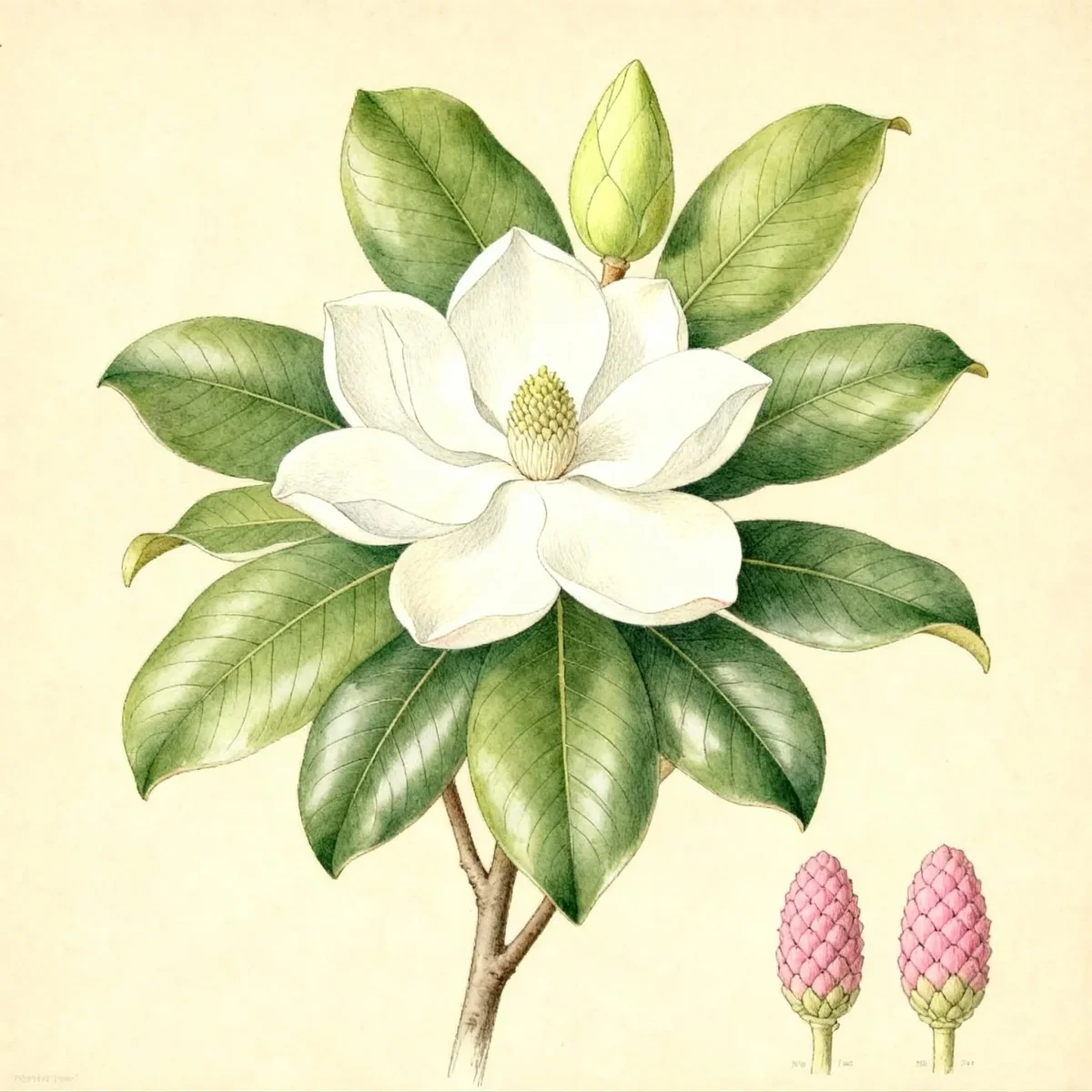
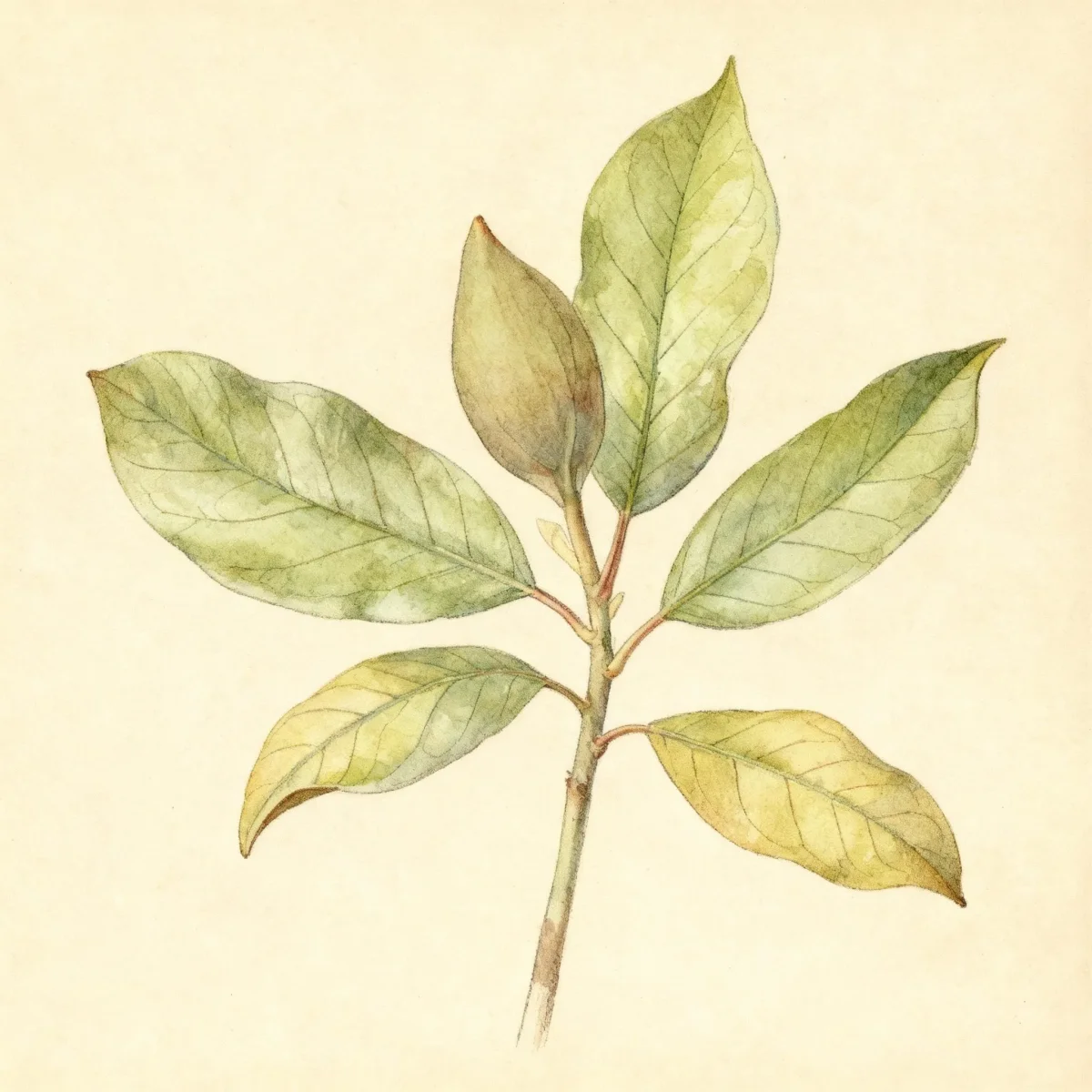
The Magnolia grandiflora ‘Little Gem’, often referred to as the Large-flowered magnolia cultivar, provides the grand impact of the classic Southern Magnolia but in a much more manageable size for modern landscapes. This broadleaf evergreen is treasured for its highly glossy, dark green leaves, which are distinctively backed underneath with a fuzzy, reddish-brown felt. Gardeners prize this cultivar for its extended summer blooming period, featuring large and delightfully fragrant white flowers.
Unlike its towering parent species, Magnolia grandiflora ‘Little Gem’ grows slowly into a compact, upright small tree, reaching only 15 to 20 feet tall over time. This manageable stature allows it to function effectively near structures or in tighter settings where the full Southern Magnolia would overwhelm the space. Its evergreen nature ensures year-round structure and color, making it a reliable focal point through all seasons.
For southern homeowners seeking a magnificent specimen tree that requires less space, the Large-flowered magnolia ‘Little Gem’ is an outstanding choice. It delivers the intense aesthetic appeal and summer performance expected of the genus while offering practical benefits such as screening and impressive floral displays. Ensure proper siting, as this beauty thrives best in consistently moist, well-prepared soils.
Fast Facts
- Plant Family: Magnoliaceae
- Plant Type: Tree
- Hardiness Zones: USDA Zones 7-9
- Size at Maturity:
- Height: 15-20 ft
- Spread: 7-10 ft
- Bloom Time: May to July
- Sun Exposure: Full sun to part shade
- Water Needs: Medium
- Maintenance Level: Medium
How to Grow
Planting Magnolia grandiflora ‘Little Gem’ is best achieved in the spring or fall when temperatures are moderate, allowing the root system to establish before facing summer heat or winter cold. It requires moist, organically rich, well-drained loams. Full sun promotes the best flowering, although part shade is acceptable, especially in hotter climates where afternoon shade can prevent leaf scorch. Avoid areas prone to soil extremes, as this plant is intolerant of constantly dry or waterlogged conditions.
Once established, maintain a medium watering schedule, ensuring deep, consistent moisture, particularly during dry spells. Fertilization is rarely necessary if the soil is rich in organic matter. Pruning should be minimal; focus only on removing crossing or damaged limbs. Remember that trees planted today will expand, so plan space for their mature 10-foot spread.
For gardeners in Zone 7, winter protection is key. In colder microclimates, site the Large-flowered magnolia on the south side of a building to shelter it from harsh winter winds. Plants subject to hard freezes may experience some leaf drop, becoming somewhat deciduous until new spring foliage emerges. Consistent care ensures this compact cultivar remains a stunning evergreen feature.
Landscape Uses
The compact habit of Magnolia grandiflora ‘Little Gem’ makes it incredibly versatile for residential landscaping, moving beyond the traditional open lawn setting. It excels as a smaller flowering tree positioned near decks or patios, where visitors can easily appreciate its fragrant bloom and glossy foliage. Its density also qualifies it as an excellent screen or tall hedge, providing privacy without the massive footprint of a standard Magnolia.
Consider using ‘Little Gem’ as a striking specimen plant in beds where its upright form can contrast against lower-growing shrubs or perennials. Its tolerance for air pollution also makes it a surprisingly effective choice for a small street tree where environmental stress is a factor. For those with limited ground space, this cultivar performs beautifully when grown long-term in large, high-quality containers.
Standout Features
Flower Qualities
- Showy
- Fragrant
Fruit Qualities
- Showy
Noteworthy Characteristics
This cultivar is a much smaller, slower-growing variation, typically reaching only about 20 feet tall over two decades, featuring glossy leaves up to 5 inches long with bronze-brown undersides. The Magnolia grandiflora ‘Little Gem’ produces fragrant white flowers measuring up to 4 inches across that bloom throughout the summer months. This specimen maintains the classic Magnolia attributes in a highly adaptable, compact evergreen form.
Tolerances
- Air Pollution
Potential Problems
This plant typically boasts a strong defense against pests and pathogens, meaning there are generally no serious insect or disease problems to report for Magnolia grandiflora ‘Little Gem’. This reliability is a major advantage for gardeners seeking low-stress planting options. Monitor closely for signs of stress, often resulting from improper watering—either too much or too little—rather than active infestations.
Should root stress occur due to poor drainage, minor issues like scale or sooty mold might appear secondary to the plant’s struggle. Maintaining the ideal cultural conditions—moist, well-drained soil amended with plenty of organic matter—is the best preventative measure against most potential weak points for this robust Large-flowered magnolia.
Frequently Asked Questions
What hardiness zones is Large-flowered magnolia suitable for?
This cultivar is reliably hardy in USDA Zones 7 through 9, though protected siting may allow growth in certain Zone 6 areas.
How large does Magnolia grandiflora ‘Little Gem’ grow?
It matures to a height between 15 and 20 feet, with a spread typically ranging from 7 to 10 feet wide.
What sun exposure does Magnolia grandiflora ‘Little Gem’ need?
This tree prefers full sun but will also tolerate part shade, thriving best where it receives strong light for most of the day.
When does Large-flowered magnolia bloom?
The fragrant white flowers of the Magnolia grandiflora ‘Little Gem’ appear starting in May and continue sporadically through July.
Conclusion
The Magnolia grandiflora ‘Little Gem’ offers an exceptional combination of classic Southern grandeur and modern, manageable scale, highlighted by its gorgeous evergreen structure and abundant summer fragrance. If your garden is situated within USDA Zones 7-9, plan to incorporate this attractive specimen tree now while temperatures are cool to ensure a strong establishment.
Companion Planting
When selecting companions for your Magnolia grandiflora ‘Little Gem’, focus on plants that enjoy similar conditions: moist, acidic, well-drained soil and a mix of sun and partial shade. Evergreen shrubs like Camellias or Azaleas make excellent foundation plantings underneath, providing contrasting foliage textures during the winter when the Magnolia’s flowers are absent.
Consider using vibrant, summer-blooming perennials beneath the canopy to enhance the visual appeal during the Magnolia’s primary blooming time. Hosta varieties, particularly those that tolerate lower light levels moving in from the edge of the canopy, can provide excellent ground cover and soften the look of the mulched area around the base of the tree.
Design Ideas
For formal settings, planting several Large-flowered magnolia ‘Little Gem’ specimens in a straight line can create an elegant, defined border or allee, particularly effective near entryways. Their upright habit allows for clear sightlines underneath, making them less visually heavy than standard shade trees.
In contemporary or mixed borders, use the cultivar as a strong vertical anchor. Pair it with feathery textures like tall ornamental grasses or fine-needled evergreens to emphasize the broad, leathery texture of the Magnolia’s leaves. The evergreen structure ensures that this focal point remains attractive even during winter dormancy of surrounding deciduous plants.