Wild bergamot (Monarda 'Petite Wonder')
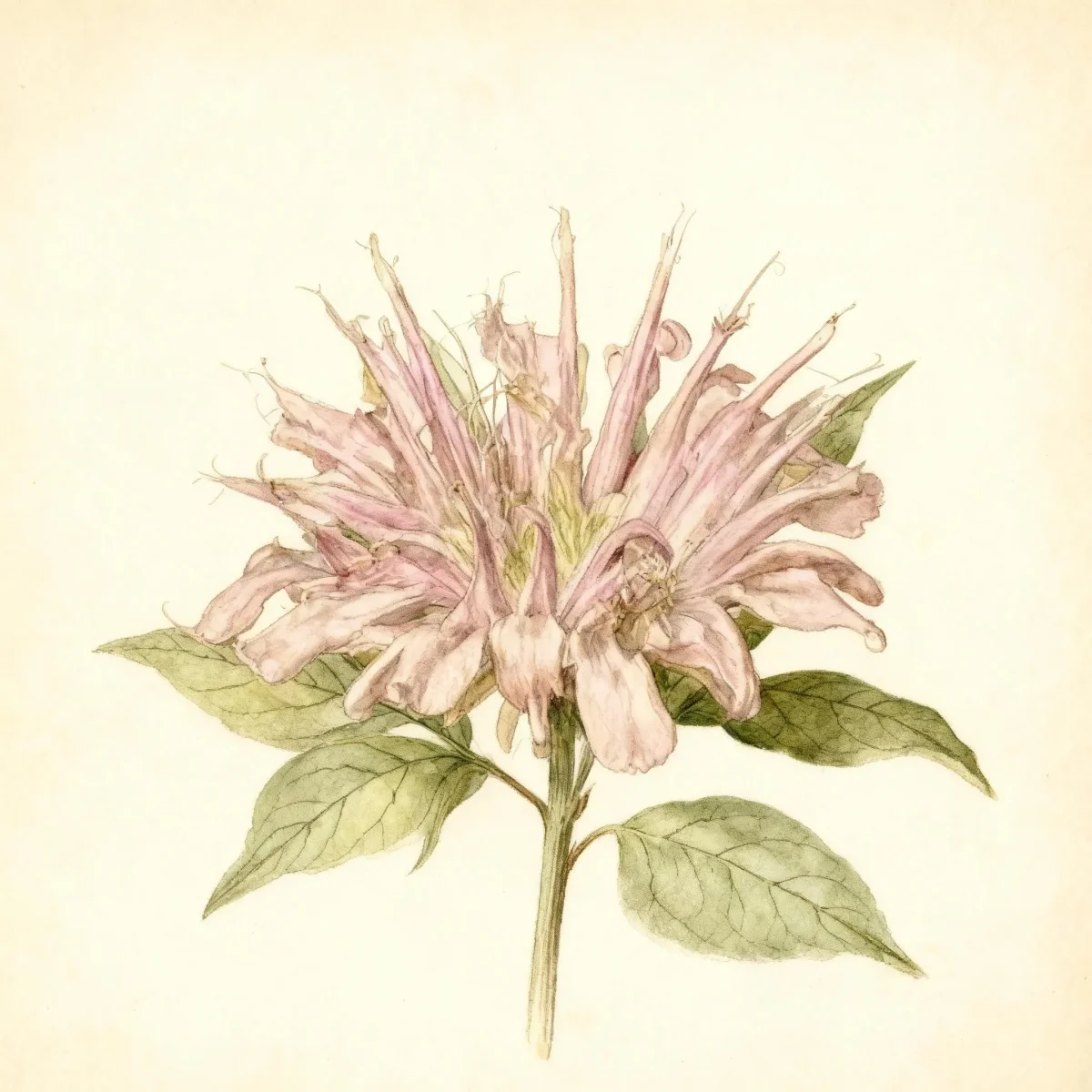
Charming dwarf Wild bergamot, Monarda 'Petite Wonder', offers light pink blooms July-August. Low maintenance bicolor perennial perfect for moist areas.
Scroll down to discover growing tips, care requirements, companion plants, and more
Complete Plant Information
Overview
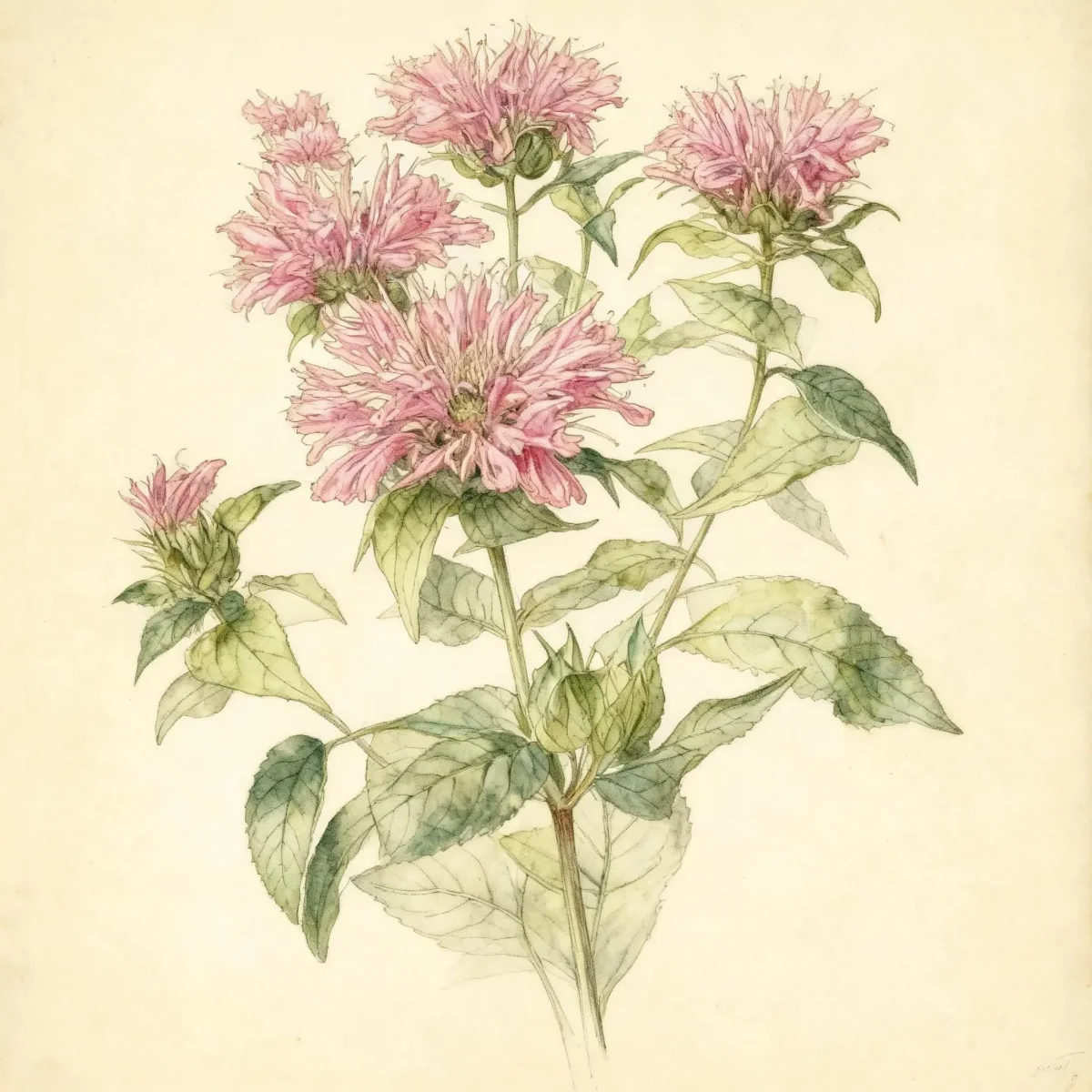
Monarda ‘Petite Wonder’, commonly known as Wild bergamot, is a valuable herbaceous perennial cherished for its tidy, compact habit and vibrant color display. This dwarf cultivar delivers the signature aromatic foliage and robust flowering typically associated with Monarda, but in a manageable size ideal for smaller gardens or containers. Its light pink, showy flowers create a strong visual and fragrant impact throughout the summer months.
This resilient plant thrives in typical garden conditions but prefers soils that remain moist, connecting it perfectly to rain garden designs. Growing to a modest height of about one foot, Monarda ‘Petite Wonder’ requires low maintenance once established, making it a reliable performer for attracting vital pollinators like bees and hummingbirds.
For gardeners seeking native interest combined with modern compactness, Monarda ‘Petite Wonder’ is an excellent choice. Ensure adequate air circulation is provided to maintain foliage health, and enjoy the aromatic pleasure this lovely Wild bergamot brings to the mid-summer garden.
Fast Facts
- Plant Family: Lamiaceae
- Plant Type: Herbaceous perennial
- Hardiness Zones: USDA Zones 4-8
- Size at Maturity:
- Height: 0.75-1 ft
- Spread: 0.75-1 ft
- Bloom Time: July to August
- Bloom Description: Light pink
- Sun Exposure: Full sun to part shade
- Water Needs: Medium to wet
- Maintenance Level: Low
How to Grow
Plant Monarda ‘Petite Wonder’ in the spring or fall, positioning it in rich, humusy soil that retains moisture. While these hybrids benefit from full sun, hotter climates warrant placement where they receive afternoon shade to prevent stress. Most Monarda varieties require consistently moist, even wet, conditions; do not allow the soil to dry out, especially for Monarda didyma parentage hybrids like this one.
Maintenance for this low-maintenance perennial is straightforward. Deadheading spent flowers will improve the overall appearance and may encourage sporadic rebloom later in the season. To manage its somewhat spreading nature via rhizomes and prevent overcrowding, plan to divide established clumps of Wild bergamot every three to four years.
Crucially, good air circulation is paramount for the health of all Monarda. Site plants appropriately, avoiding overly crowded conditions, as this greatly helps in combating common fungal issues like powdery mildew. If rust becomes an issue, ensure diligent watering at the base rather than overhead.
Landscape Uses
Monarda ‘Petite Wonder’ excels in several landscape applications due to its moderate size and preference for moisture. It is fantastic when utilized in perennial borders, providing a mid-season burst of color among taller or earlier-blooming specimens. Its compact stature also suits cottage gardens where a dense, fragrant display is desired without overwhelming smaller spaces.
Where water management is a concern, this Wild bergamot is perfectly suited for rain gardens or along the moist edges of streams and ponds. Its ability to tolerate truly wet soil makes it a functional choice for naturalizing in damp sunny areas where many other perennials might struggle. Its aromatic foliage and flowers also make it a welcome addition to dedicated herb gardens.
Consider integrating Monarda ‘Petite Wonder’ into container arrangements. Group it with plants sharing similar medium to wet water needs for a stunning, low-growing focal point that continuously attracts hummingbirds and butterflies throughout its long bloom period.
Flower Qualities
- Showy
- Fragrant
Noteworthy Characteristics
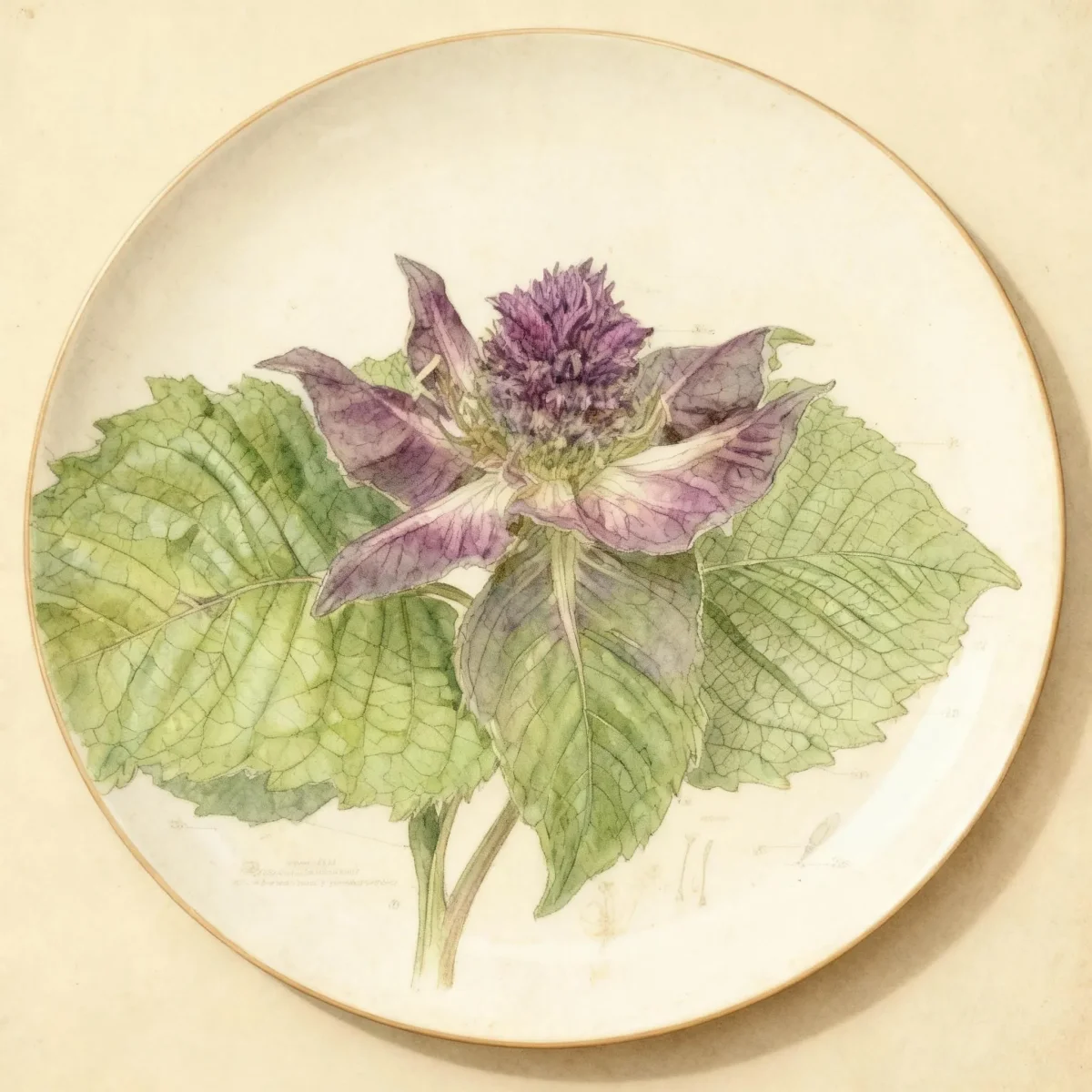
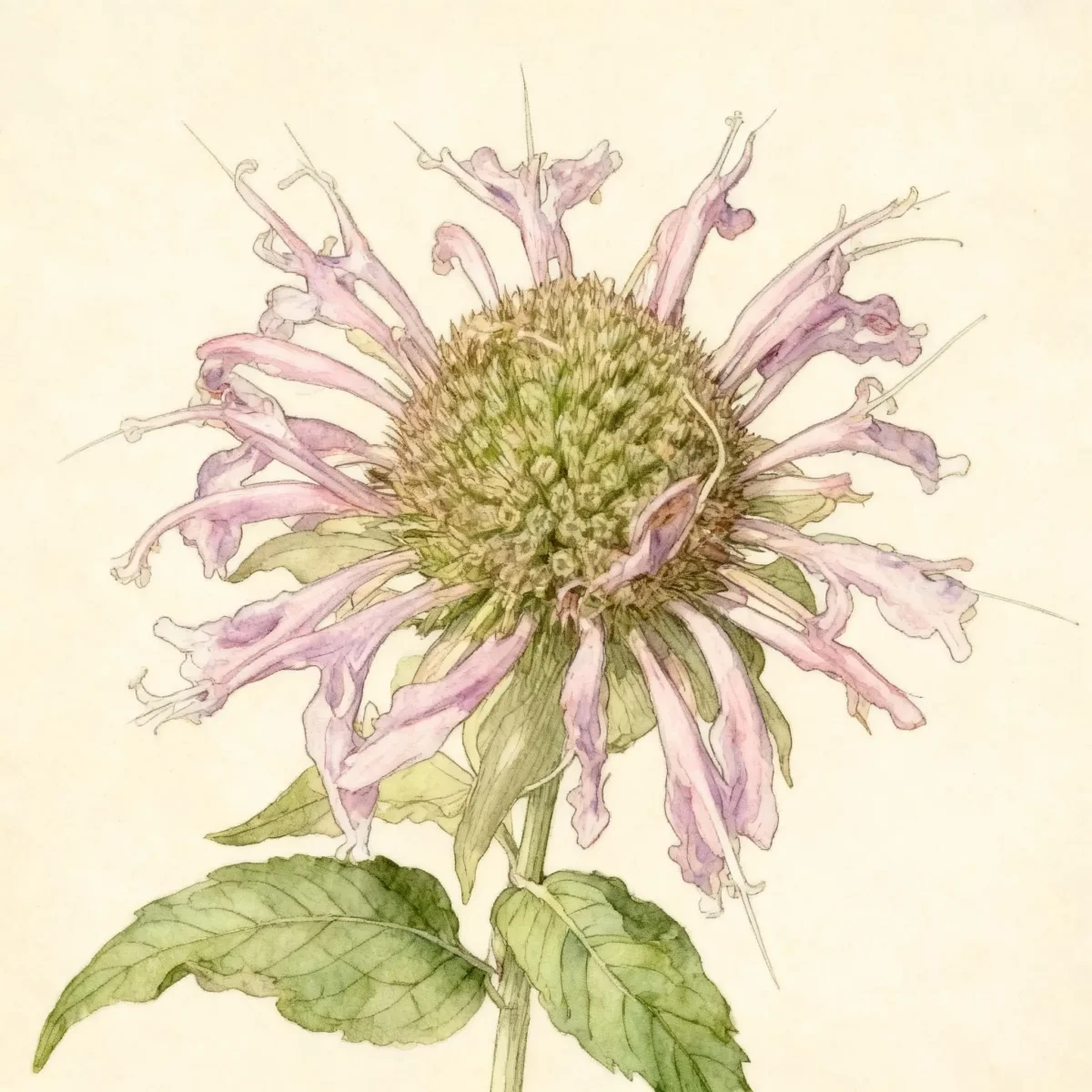
Monarda belongs to a genus of around 15 species of North American annuals and herbaceous perennials found in prairies and woodlands. These plants typically flower from mid-summer into early fall and are highly attractive to hummingbirds, bees, and other pollinators. The cultivar ‘Petite Wonder’ is specifically a dwarf selection, growing only 9-10 inches tall with an oval shape. It produces dense, globular heads of tubular, light pink flowers atop stiff, square stems clad in glossy, dark green leaves.
Tolerances
- Deer
- Wet Soil
Potential Problems
Powdery mildew is the most noted issue for many Monarda species, though this specific cultivar, Monarda ‘Petite Wonder’, reportedly exhibits good resistance. Rust can occasionally affect the foliage as well. Susceptibility to any foliar disease increases significantly if the plant is allowed to experience dry soils or drought stress during the growing season.
Prevention is the best management strategy. Ensure excellent air circulation around the plants by providing adequate spacing during planting and dividing large clumps regularly. Water deeply at the base of the plant instead of overhead, especially during hot, dry periods, to keep foliage dry and healthy.
Frequently Asked Questions
What hardiness zones is Wild bergamot suitable for?
Monarda ‘Petite Wonder’ is reliably hardy across USDA Zones 4 through 8.
How large does Monarda ‘Petite Wonder’ grow?
This dwarf cultivar typically reaches a height between 0.75 and 1 foot tall, with a spread of 0.75 to 1 foot wide.
What sun exposure does Wild bergamot need?
This plant performs well in conditions ranging from full sun to partial shade, though midday shade is appreciated in the hottest regions.
When does Monarda ‘Petite Wonder’ bloom?
You can expect this herbaceous perennial to produce its light pink, showy flowers primarily from July to August.
Conclusion
Monarda ‘Petite Wonder’ offers gardeners an aromatic, pollinator-friendly perennial with reliably low maintenance requirements and a manageable dwarf stature suitable for diverse garden settings. The light pink blooms of this Wild bergamot are a summer highlight, attracting beneficial wildlife to your landscape. Before planting, confirm that your site offers the medium to wet soil moisture that this cultivar prefers, and enjoy its compact beauty all season long.
Companion Planting
Selecting companions based on similar cultural needs, especially moisture and sun exposure, ensures the longevity of Monarda ‘Petite Wonder’. Pair it with moisture-loving perennials such as Astilbe, Ligularia, or various ornamental grasses like Hakonechloa. In a rain garden setting, consider native Iris species or Chelone (Turtlehead) which appreciate similar wet, sunny spots and bloom around the same time.
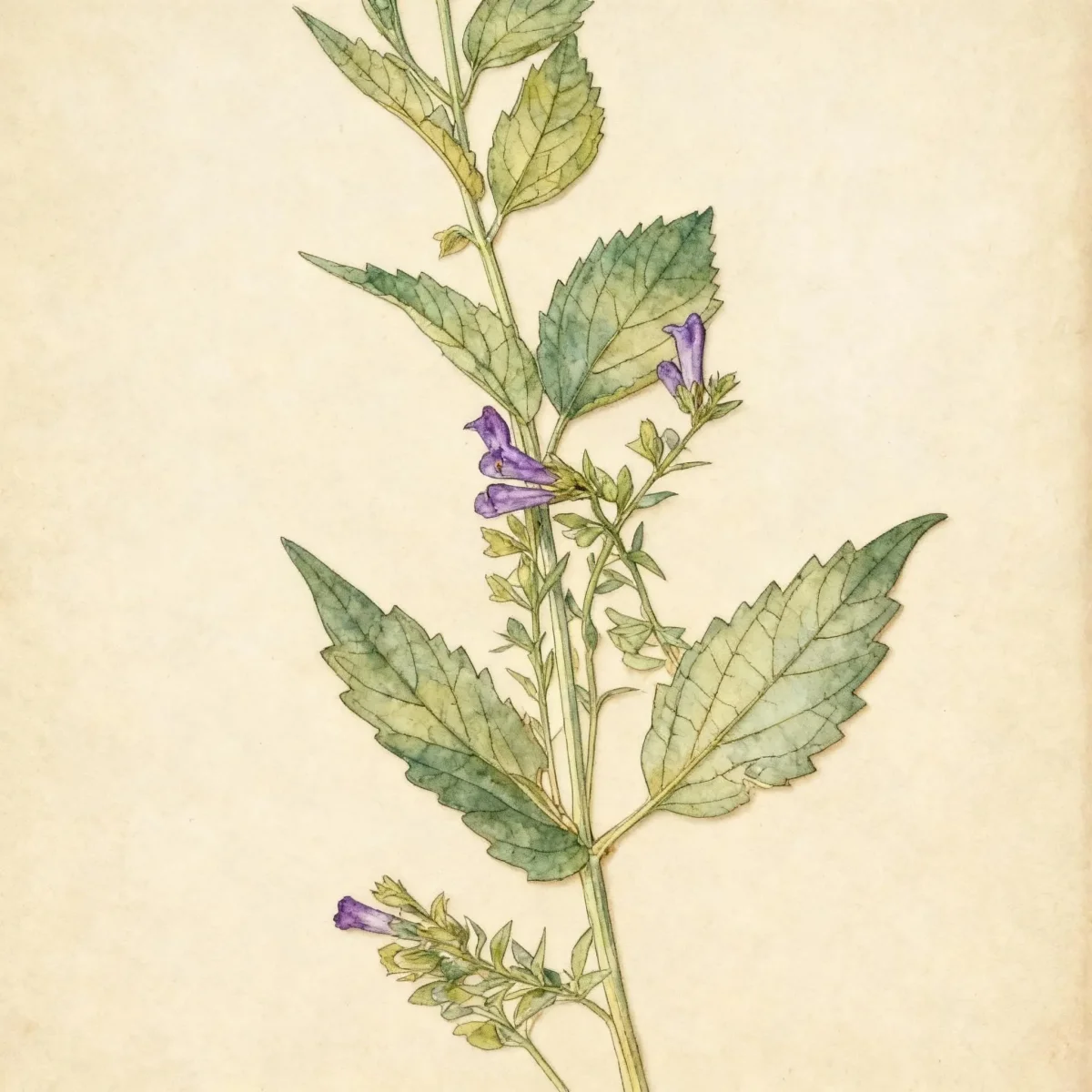
When using this Monarda in borders, use plants that won’t shade the lower foliage too heavily, as light penetration aids in preventing potential mildew issues. Furthermore, pairing plants with different textures can enhance the overall visual appeal, contrasting the sharp, serrated leaves of the Wild bergamot with fine-textured ferns or broader-leafed moisture lovers.
Wildlife Benefits
As a prime nectar source, Monarda ‘Petite Wonder’ actively supports local ecosystems throughout its mid-summer blooming season. Its tubular flowers are perfectly shaped to accommodate the long tongues of hummingbirds, which become frequent visitors when this plant is grouped in mass plantings. Bees, in particular, are highly attracted to the fragrance and structure of the clustered blooms.
The genus name connection to beebalm highlights its historical significance in attracting beneficial insects. Even after the main bloom period of July and August concludes, properly maintained patches of this Wild bergamot offer lingering interest if spent flowers are left to dry slightly, possibly offering residual seed for late-season birds.