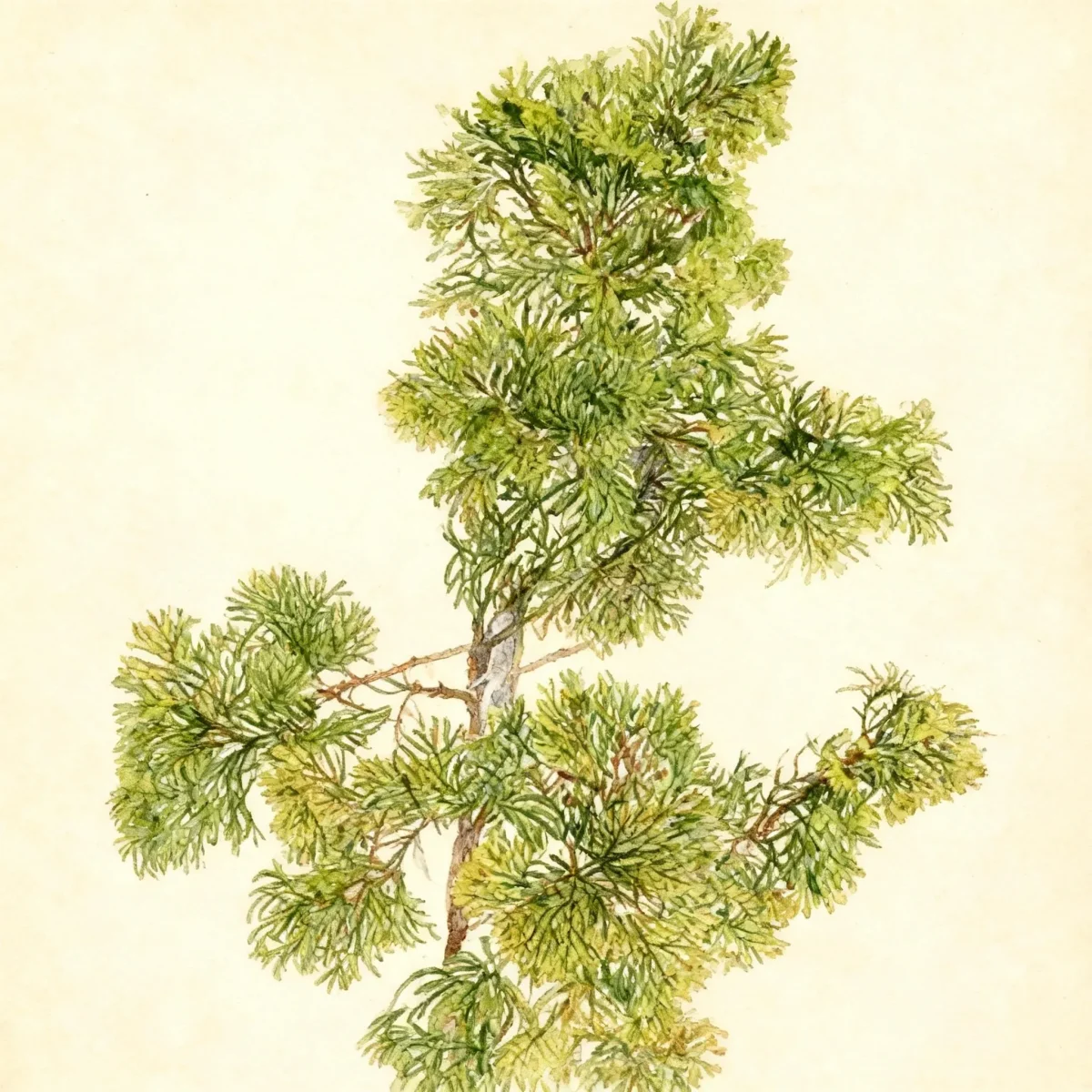
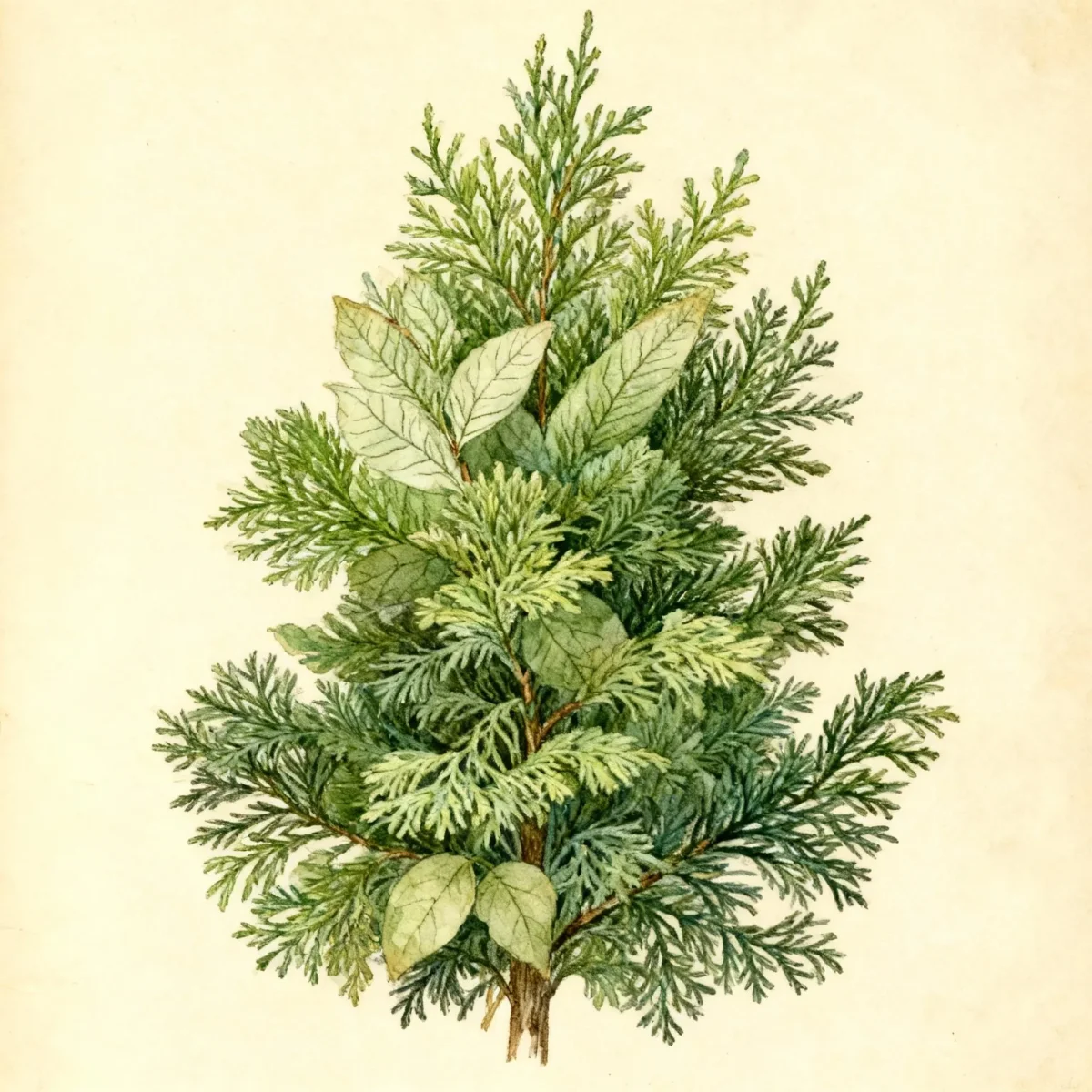
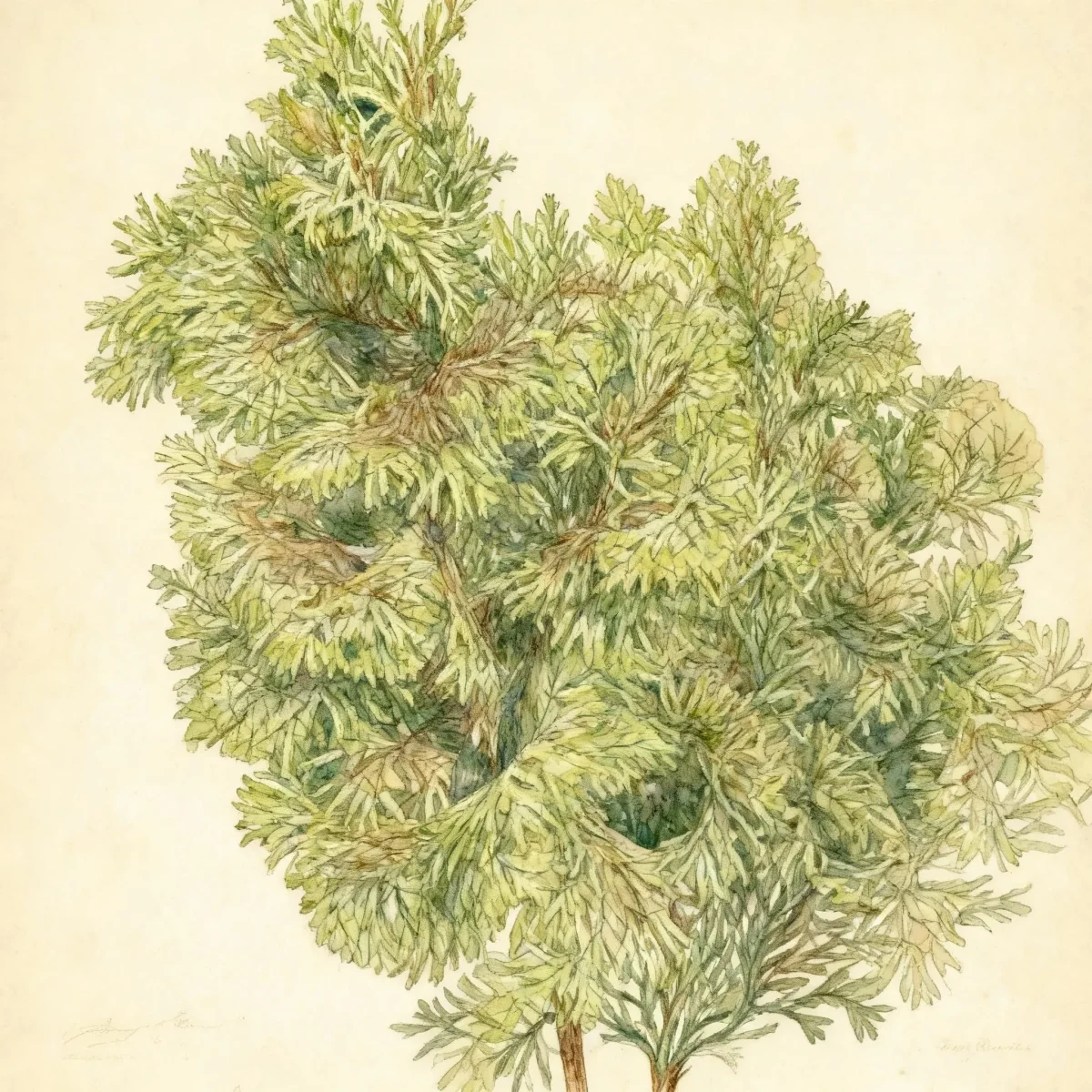
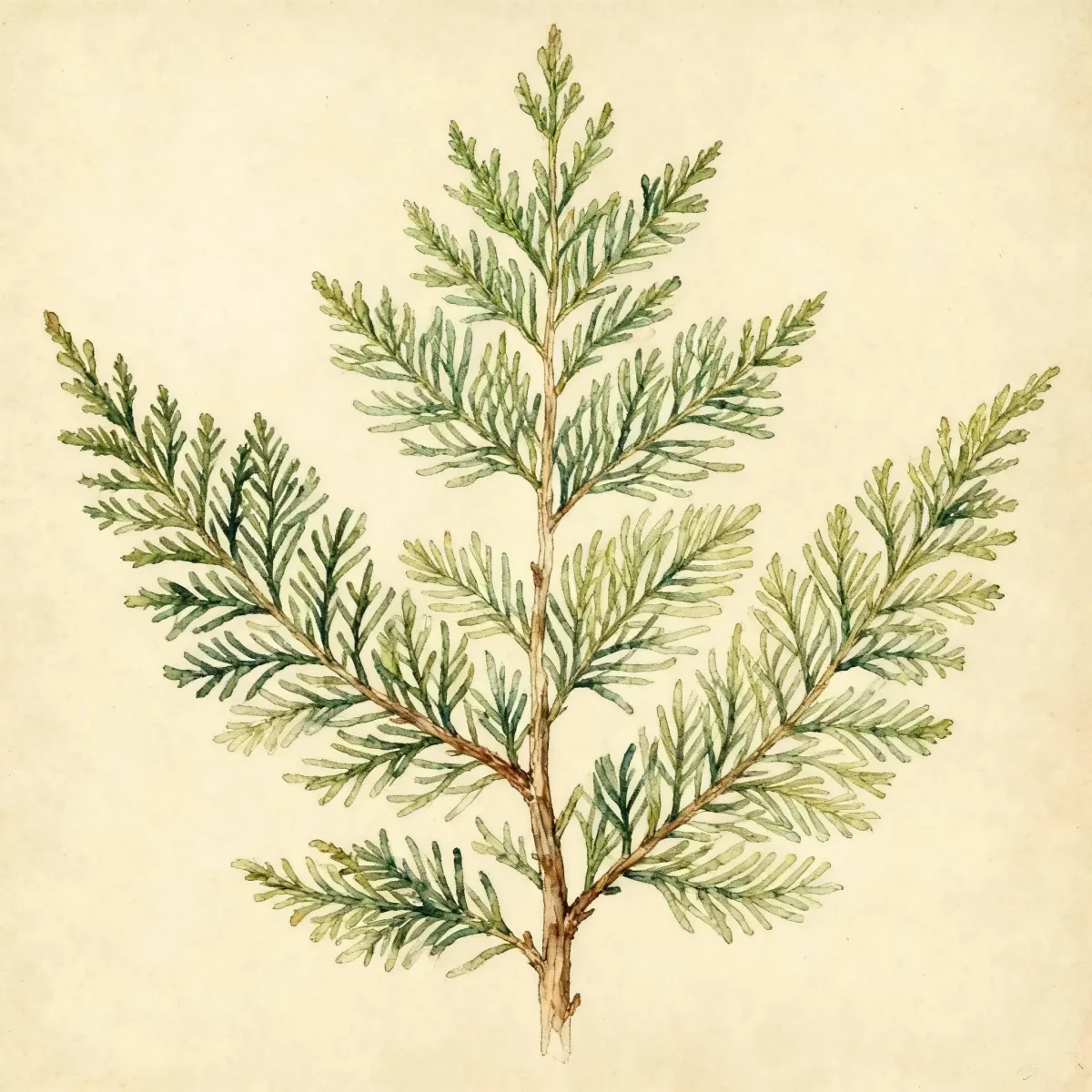
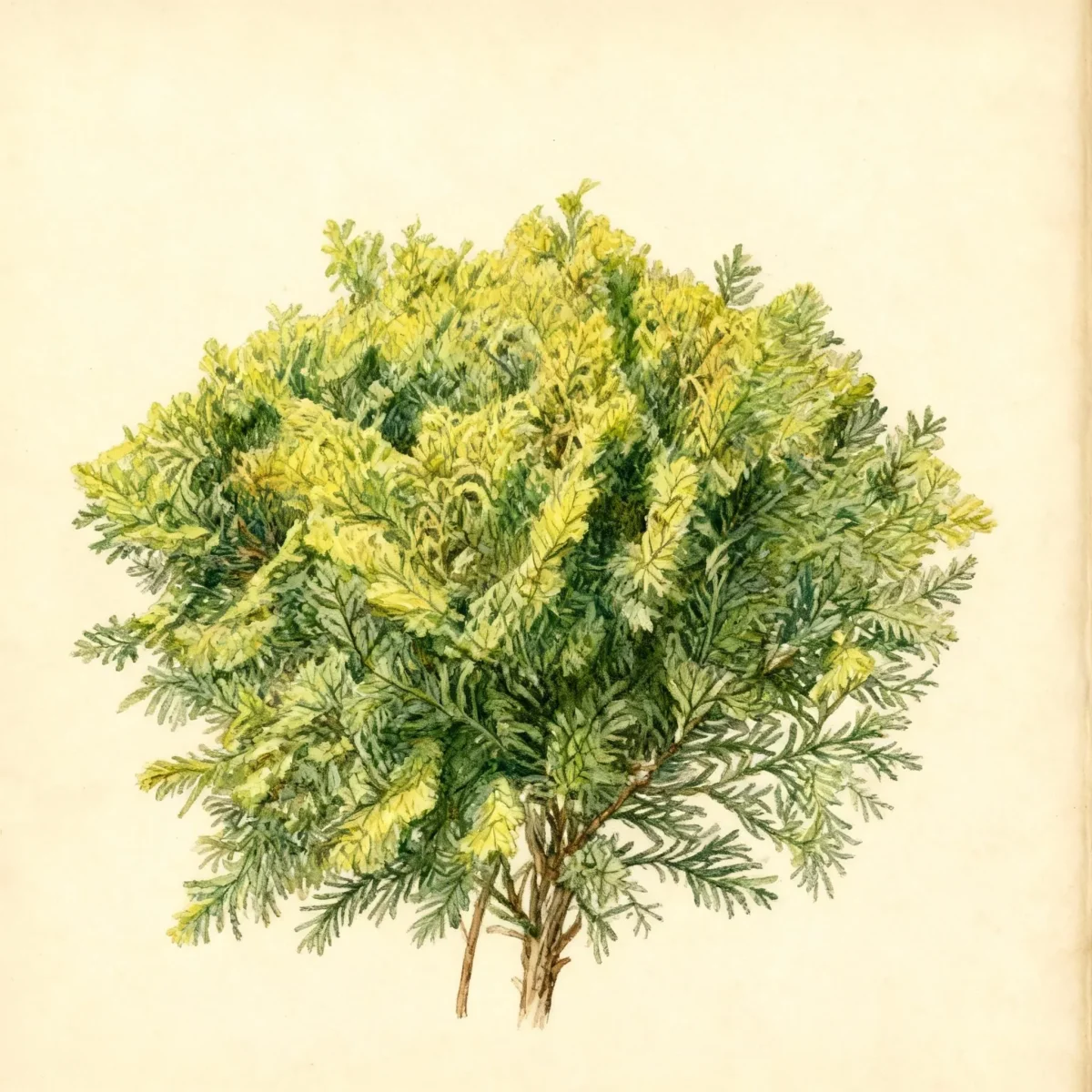
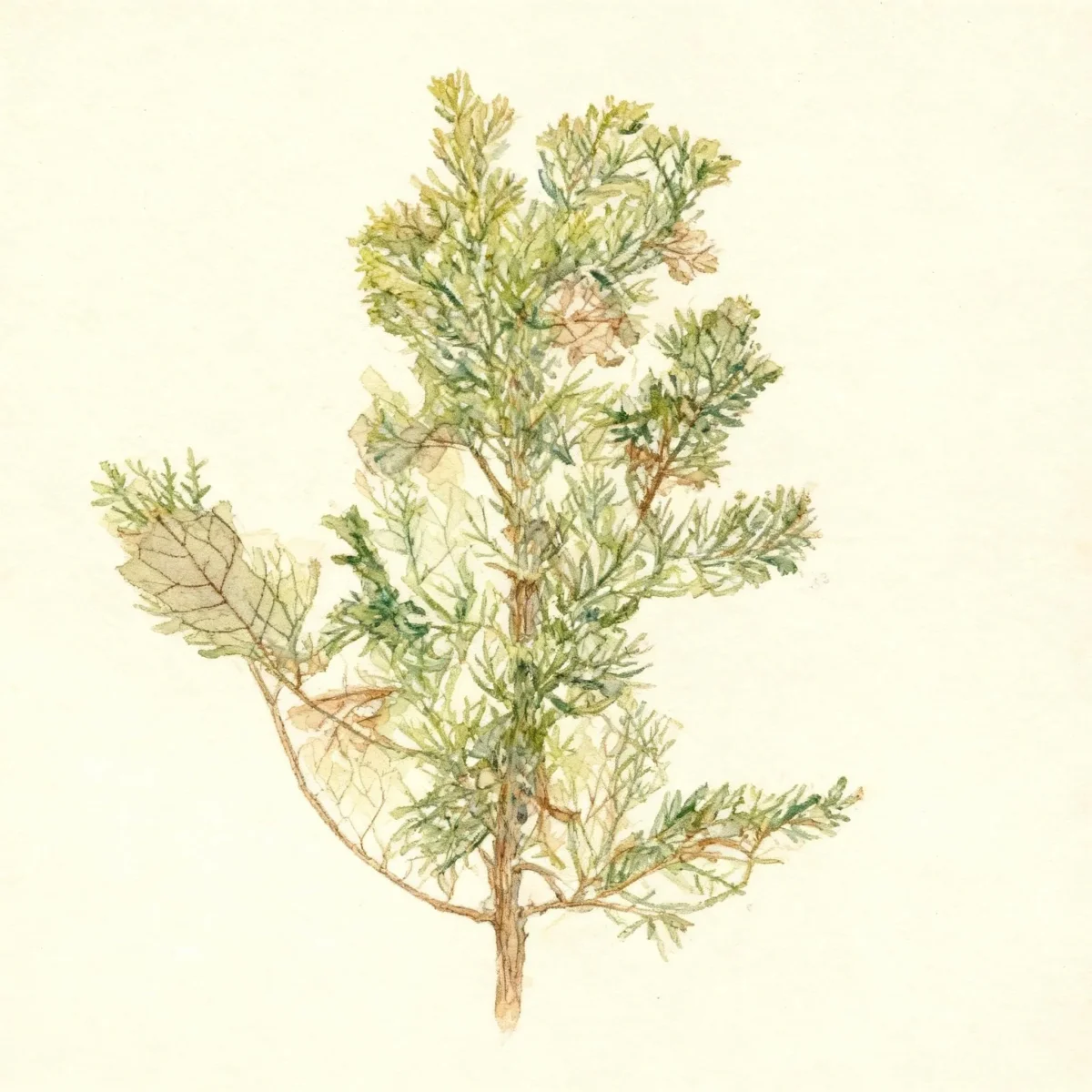
Hinoki cypress (Chamaecyparis obtusa 'Nana Gracilis')
The compact Chamaecyparis obtusa 'Nana Gracilis' (Hinoki cypress) is a low-maintenance, slow-growing dwarf evergreen, prized for its dense, dark green, shell-shaped foliage.
Scroll down to discover growing tips, care requirements, companion plants, and more
Complete Plant Information
Overview
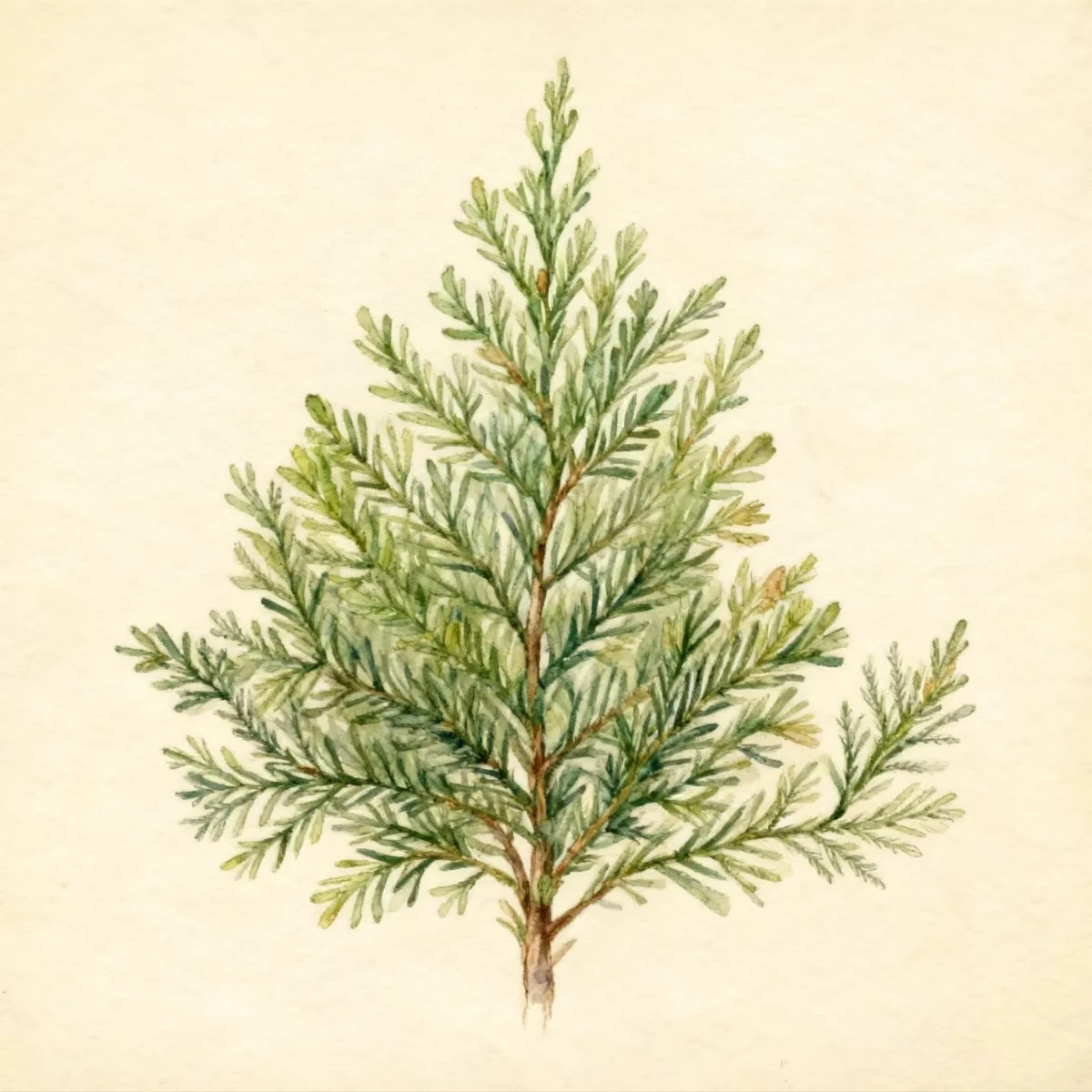
The Chamaecyparis obtusa ‘Nana Gracilis’, commonly known as Hinoki cypress, is a highly sought-after dwarf conifer valued for its exceptionally attractive foliage texture and slow growth habit. Unlike its towering species relatives, this cultivar offers superb architectural interest in smaller garden spaces. Gardeners rely on the Hinoki cypress for its dense, rich dark green, shell-shaped sprays of needles, providing year-round structure.
This compact, multi-stemmed evergreen shrub embodies low maintenance, making it an excellent choice for high-impact, low-effort landscaping. Growing slowly to mature heights between 3 and 6 feet, the Chamaecyparis obtusa ‘Nana Gracilis’ fits comfortably into foundation plantings, rock gardens, or as a singular specimen accent. Its graceful form ensures it remains an appealing focal point throughout all seasons.
The durability and manageable size of the Hinoki cypress allow it to be integrated easily into varied designs. It provides excellent year-round color and texture, rewarding gardeners with minimal effort while adding a sophisticated, classic element reminiscent of traditional Japanese gardens.
Fast Facts
- Plant Family: Cupressaceae
- Plant Type: Needled evergreen
- Hardiness Zones: USDA Zones 4-8
- Size at Maturity:
- Height: 3-6 ft
- Spread: 2-4 ft
- Bloom Time: Non-flowering
- Bloom Description: Non-flowering
- Sun Exposure: Full sun to part shade
- Water Needs: Medium
- Maintenance Level: Low
How to Grow
For optimal growth of your Hinoki cypress, planting should occur when conditions are mild, either in spring or early fall. This evergreen thrives best when sited in full sun, although it will tolerate part shade, especially in the hottest summer climates. Successful establishment requires average, medium moisture, well-drained soil richness. Avoid any location prone to standing water, as wet, poorly-drained soils can quickly lead to root issues for Chamaecyparis obtusa ‘Nana Gracilis’.
Once established, the tree requires medium watering, ensuring the soil remains consistently moist but never soggy. While supplemental fertilization is rarely necessary for this easily grown conifer, applying a balanced, slow-release fertilizer early in the spring can encourage vigorous new growth. Pruning is generally minimal; most gardeners only trim for shape correction or to remove any damaged foliage.
Protecting Chamaecyparis obtusa ‘Nana Gracilis’ from harsh, desiccating winds is crucial, especially during winter months in colder zones. If planting in a windy spot, ensure adequate shelter. Mulch helps maintain consistent soil moisture levels, which is vital for keeping those roots happy throughout the growing season.
Landscape Uses
As a specimen evergreen conifer, the compact structure of the Chamaecyparis obtusa ‘Nana Gracilis’ makes it instantly valuable for defining garden areas. Plant it singly near an entrance or patio where its unique texture can be appreciated up close. Its tidy, pyramidal to conical form also makes it suitable for pairing with deciduous shrubs or perennials that offer seasonal color contrast.
The low-spreading habit of this Hinoki cypress cultivar also lends itself well to use in foundation plantings, provided adequate space is allowed for its eventual 4-foot spread. In rock gardens, its dense, dark green foliage offers excellent year-round presence against stone elements. Consider using several in a staggered row to form a low, formal screen or border edging.
Standout Features
Noteworthy Characteristics
Chamaecyparis obtusa is native to Japan, where it is known as hinoki cypress or hinoki falsecypress. While the species trees grow quite large, the ‘Nana Gracilis’ cultivar is a compact, slow-growing, multi-stemmed evergreen shrub noted for its dense, rich dark green foliage arranged in shell-shaped sprays. The genus name references dwarf features (chamai meaning dwarf). This dwarf cultivar typically reaches 3 feet tall in its first decade before maturing slowly over time into a graceful, slender, conical form reaching 6 to 9 feet.
Tolerances
- Shelter from wind
Potential Problems
Some susceptibility to juniper blight, root rot and certain insect pests such as bagworms are possible issues for the Hinoki cypress. Proactive cultural care is the best defense against disease; ensuring excellent soil drainage minimizes root rot risk significantly. Inspect foliage regularly for early signs of blight or pest infestation, particularly bagworms, and treat promptly with appropriate fungicides or insecticides if problems arise.
Frequently Asked Questions
What hardiness zones is Hinoki cypress suitable for?
The Chamaecyparis obtusa ‘Nana Gracilis’ is suitable for USDA Zones 4 through 8.
How large does Chamaecyparis obtusa ‘Nana Gracilis’ grow?
It typically grows between 3 to 6 feet tall with a spread of 2 to 4 feet, although growth is initially quite slow.
What sun exposure does Hinoki cypress need?
This plant prefers full sun for the best performance but can tolerate partial shade conditions.
When does Chamaecyparis obtusa ‘Nana Gracilis’ bloom?
This is a non-flowering needled evergreen and does not produce noticeable blooms.
Conclusion
The Chamaecyparis obtusa ‘Nana Gracilis’ offers irreplaceable texture and low-maintenance evergreen structure, making the Hinoki cypress a cornerstone for detailed design work. Its manageable size and slow rate of growth ensure long-term satisfaction without overwhelming smaller landscapes. Check your local USDA Zone compatibility now and plan to plant this graceful dwarf conifer in well-drained soil this spring or fall.
Companion Planting
Selecting appropriate companions enhances the visual appeal of the Hinoki cypress. Because the Chamaecyparis obtusa ‘Nana Gracilis’ provides deep, dark green texture, pair it with plants that offer bright, contrasting foliage. Consider combining it with silver-leafed plants like Artemisia or Heuchera varieties that feature chartreuse or gold foliage, such as ‘Sum and Substance’ Hosta, to make the dark green needles pop.
Since this conifer prefers consistent moisture and well-drained conditions, choose perennials and shrubs that share similar cultural needs. Avoid desert natives or extremely drought-tolerant plants, as they may struggle when the Hinoki cypress requires its medium water supply. Spring-flowering bulbs planted around the base offer a cheerful but very temporary burst of color before the broadleaf companions fully leaf out.
Design Ideas for Dwarf Evergreens
Incorporating dwarf evergreens like Chamaecyparis obtusa ‘Nana Gracilis’ is key to creating year-round structure in Japanese-style gardens. Use multiples in odd numbers to create flowing, naturalistic groupings rather than strict, formal rows. Tightly clipped boxwood spheres or low mounds of creeping Juniper make excellent foreground contrasts to the unique, drooping sprays of the Hinoki cypress.
For contemporary or minimalist designs, place a single, beautifully shaped Chamaecyparis obtusa ‘Nana Gracilis’ near a clean architectural line, such as a concrete pathway or modern retaining wall. Its sculptural form serves as living art, requiring no maintenance other than occasional watering to keep its dark green color vibrant against modern materials.