Hosta (Hosta 'Gypsy Rose')
Hosta 'Gypsy Rose' offers striking, large, variegated foliage perfect for deep shade gardens. A low-maintenance perennial.
Scroll down to discover growing tips, care requirements, companion plants, and more
Complete Plant Information
Overview
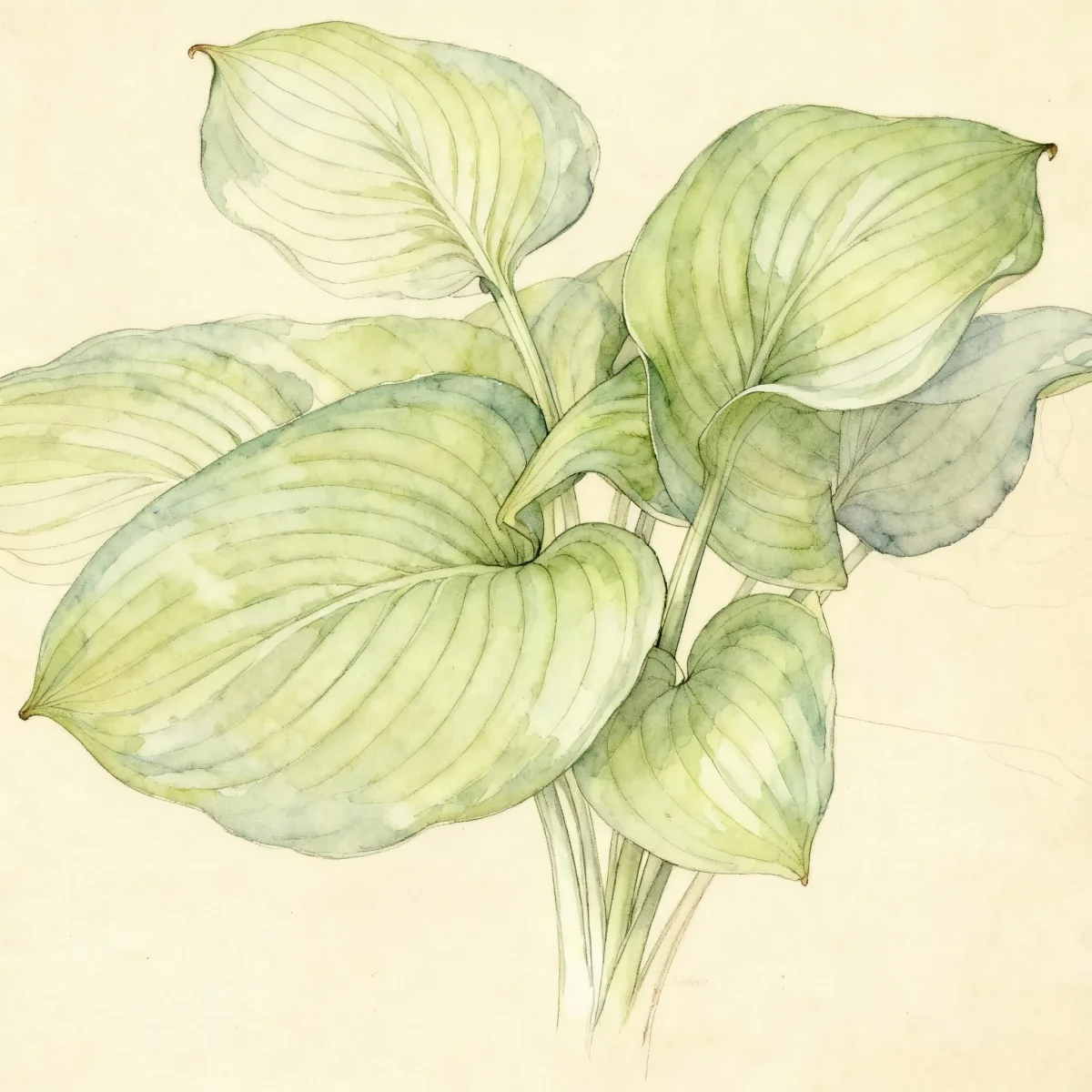
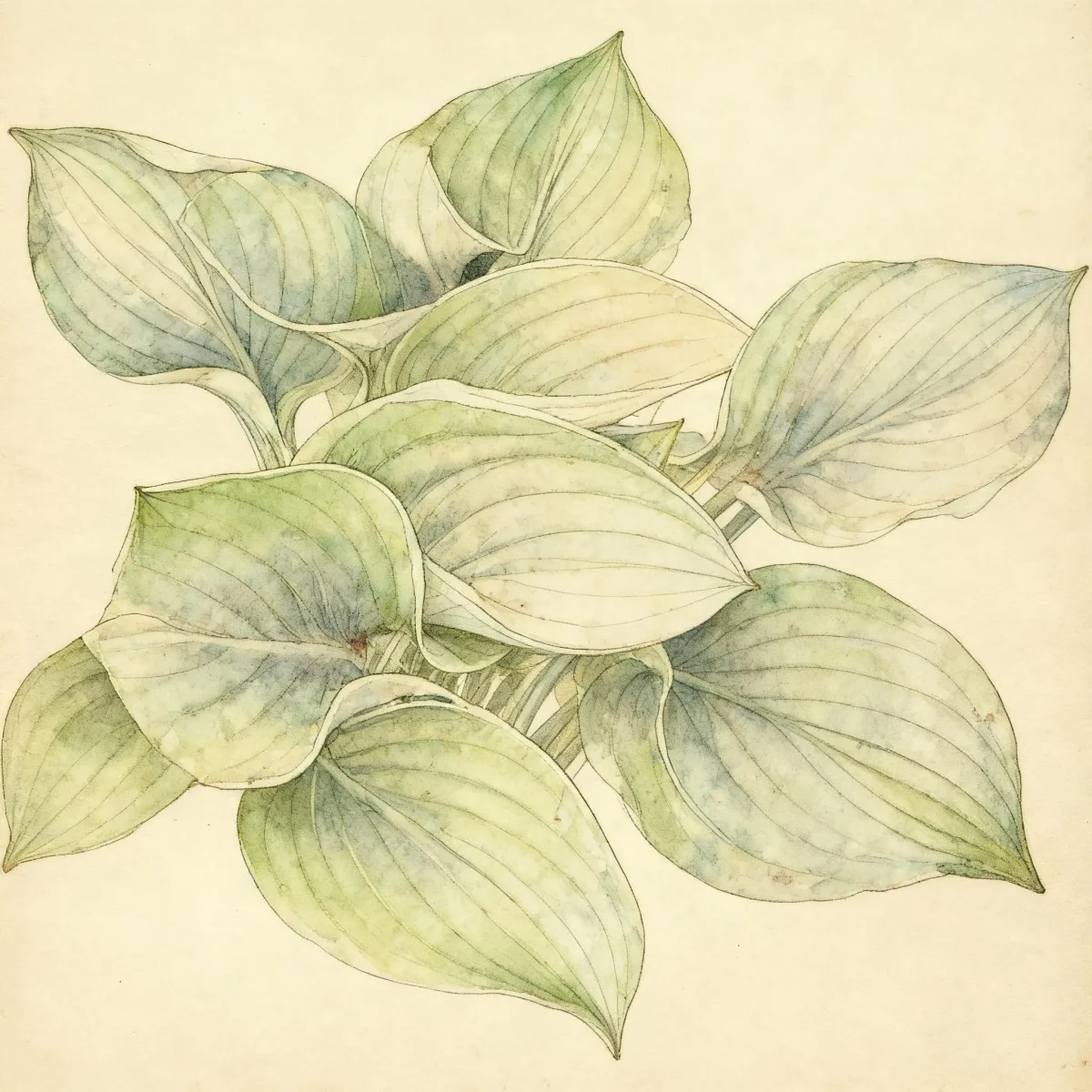
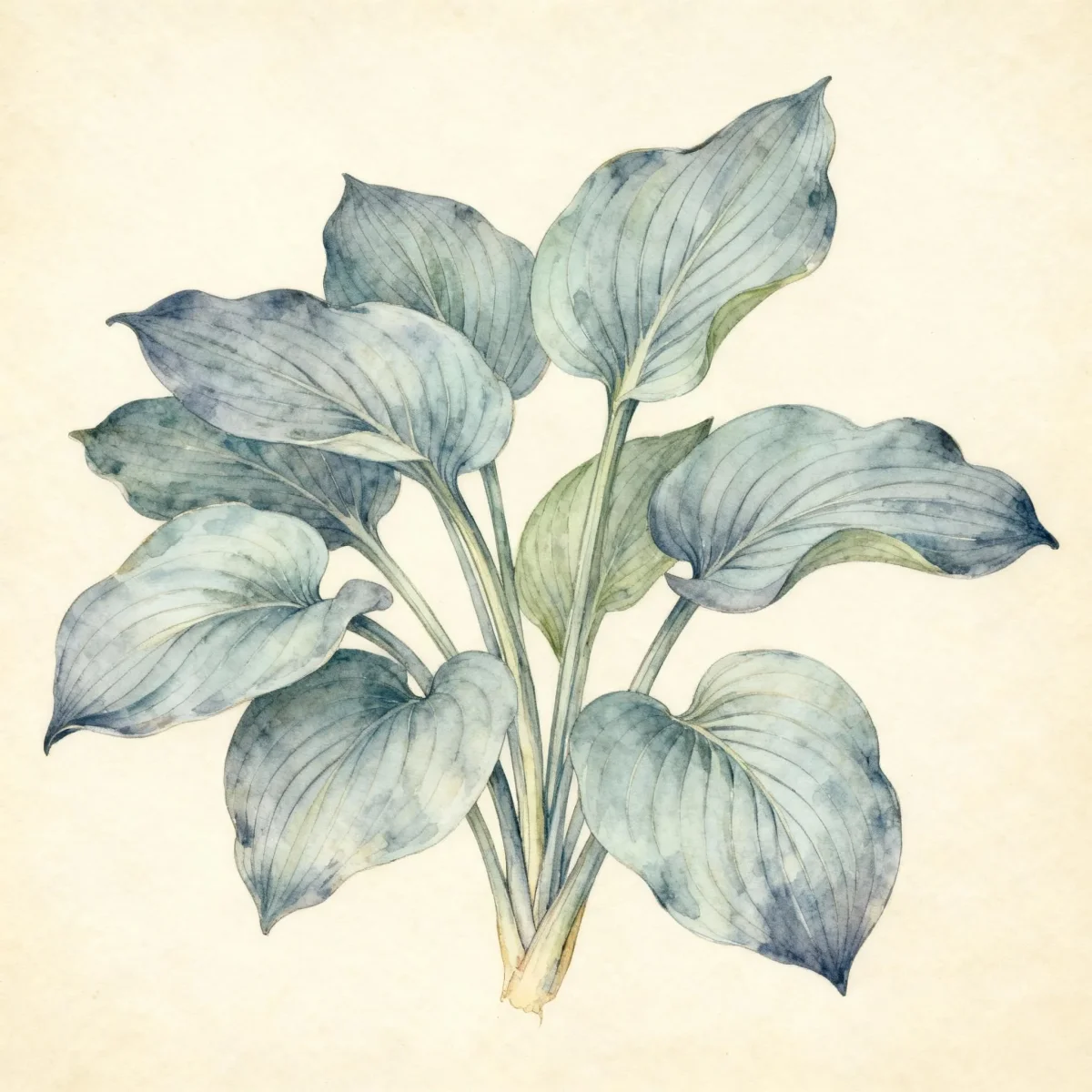
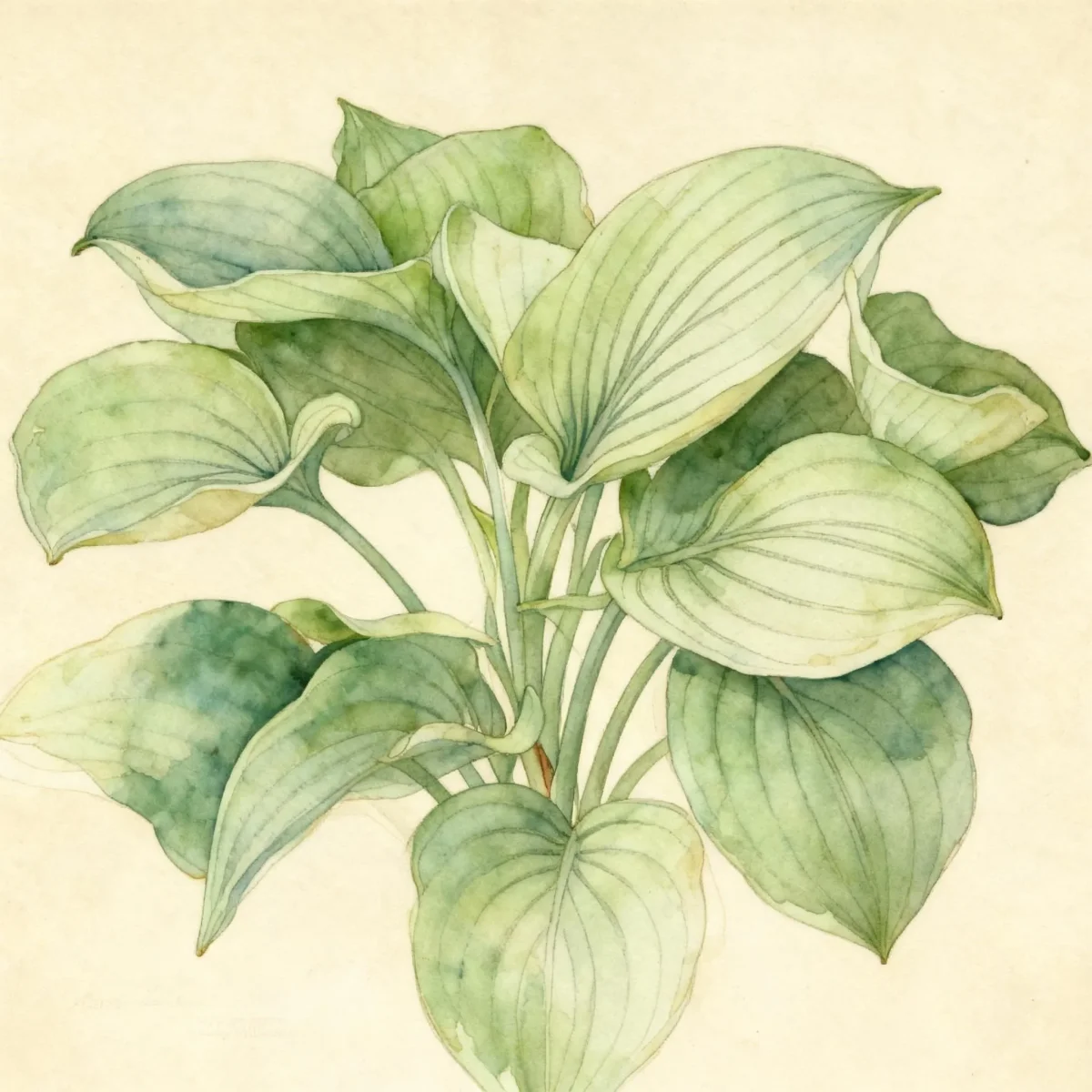
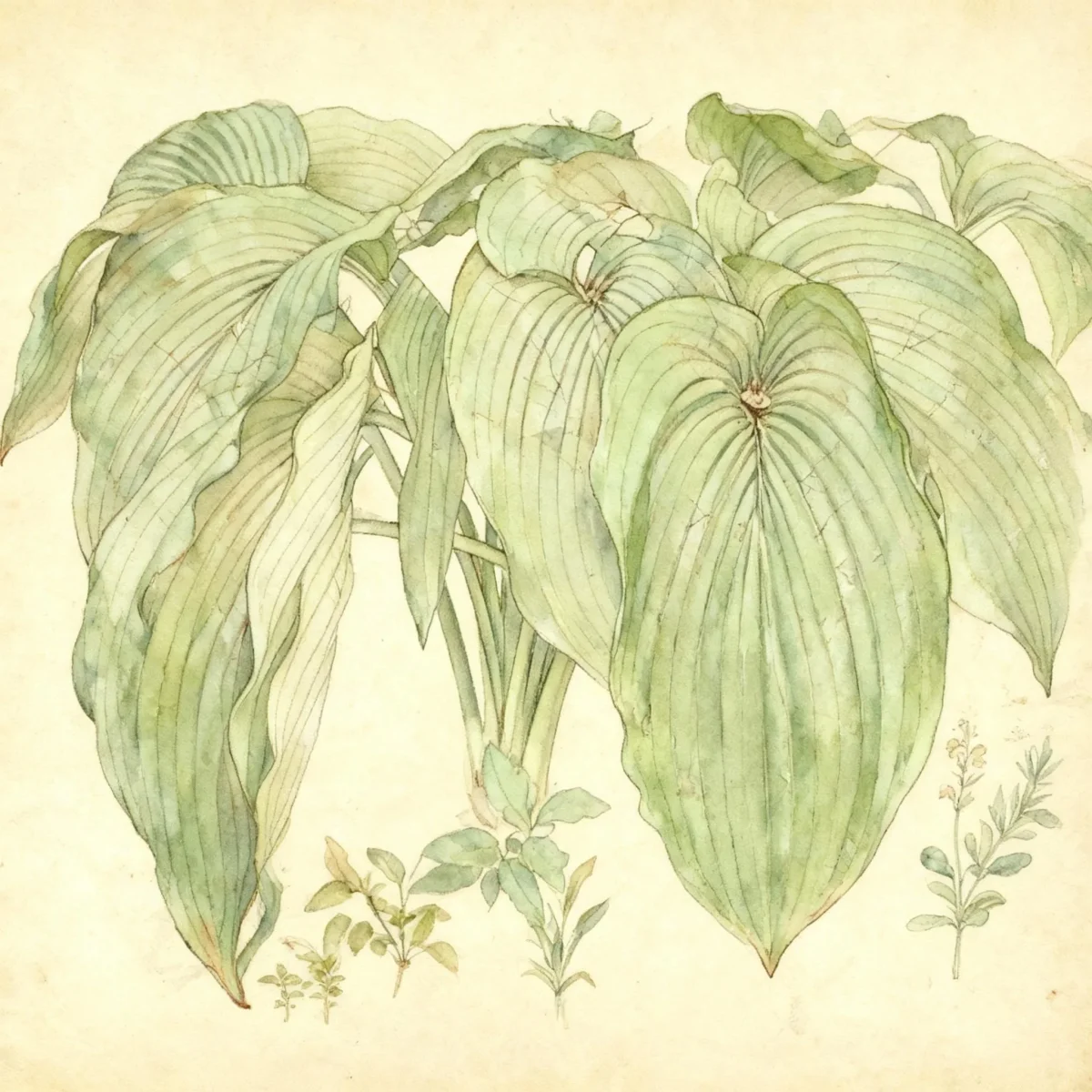
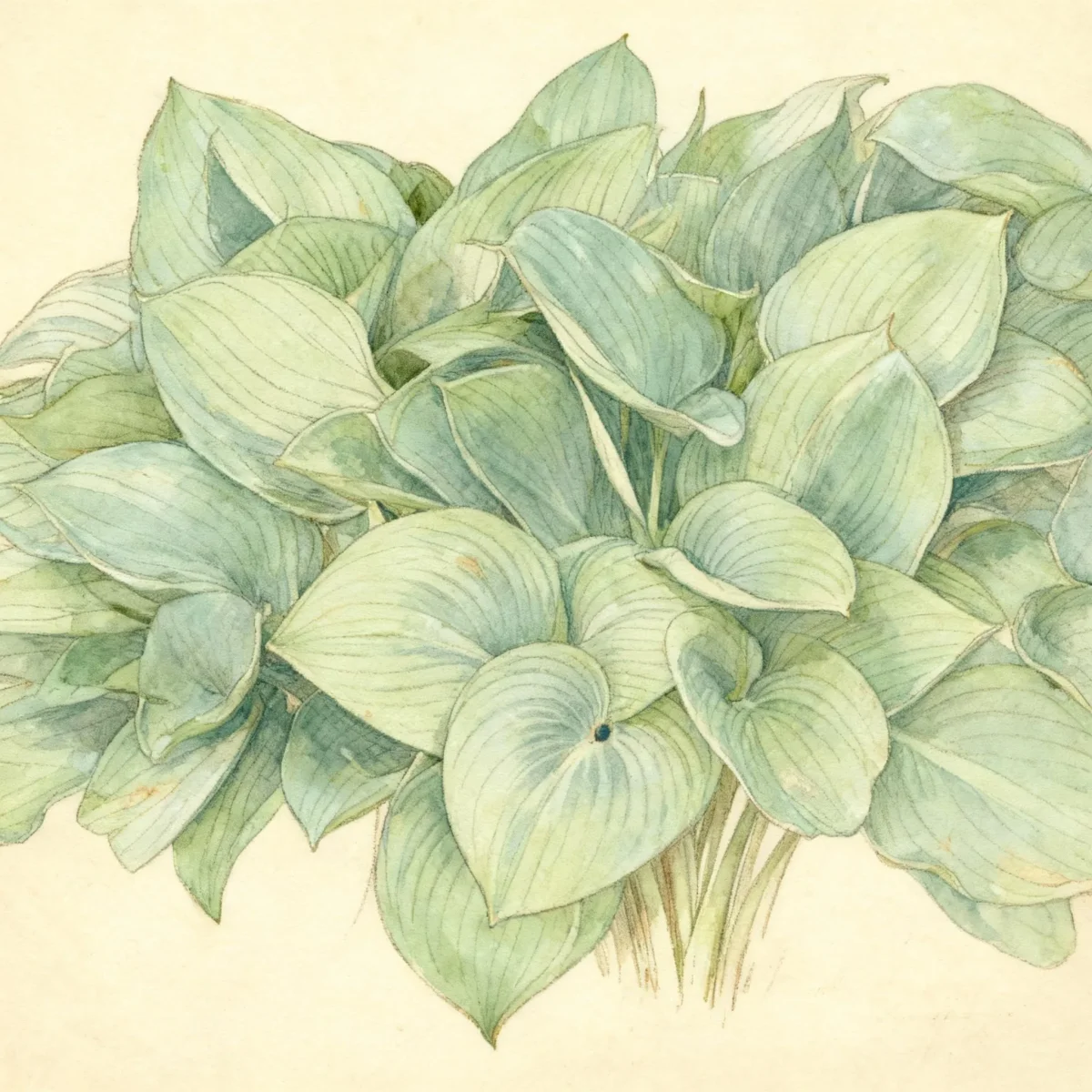
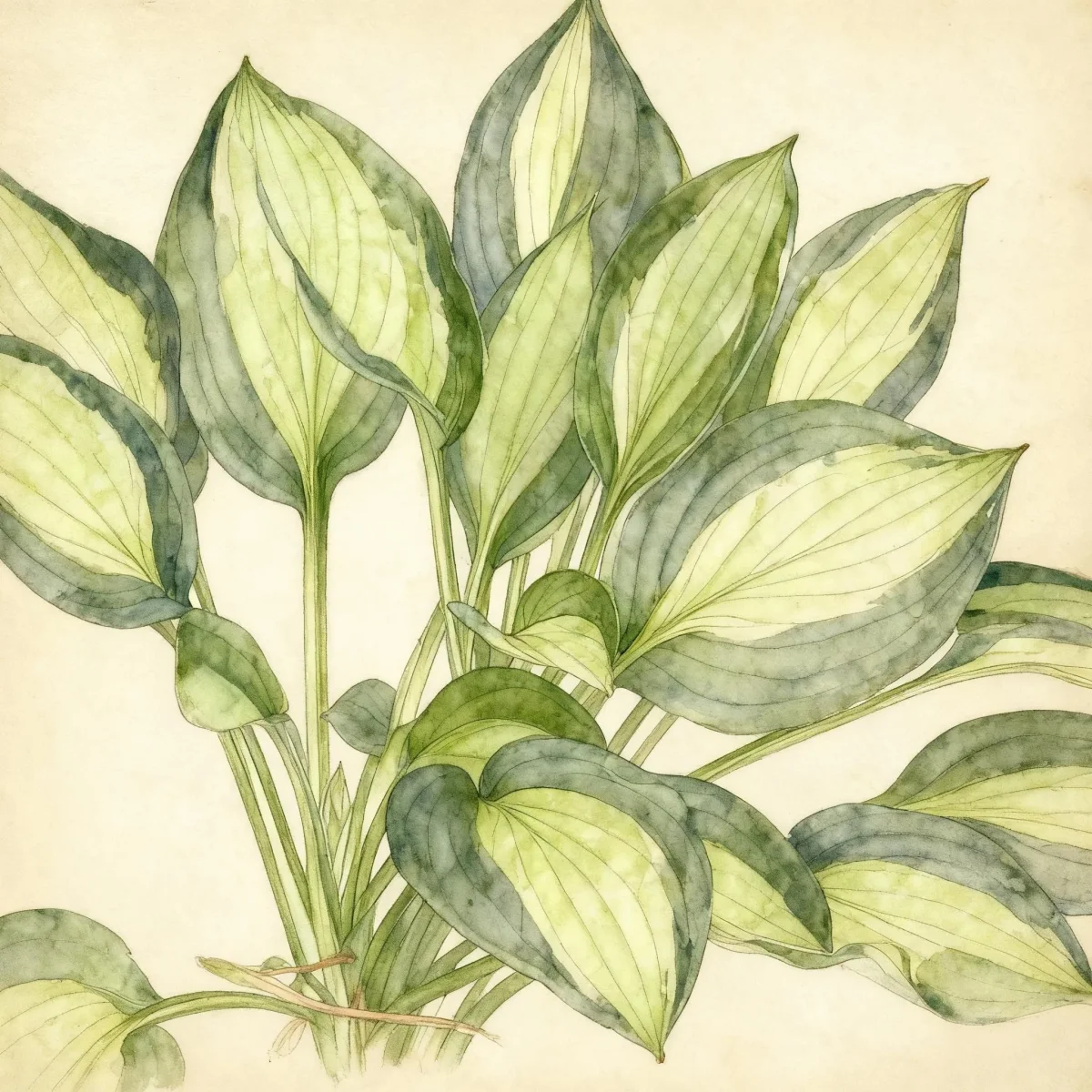
Hosta ‘Gypsy Rose’ is a celebrated cultivar prized by shade gardeners for its exceptional ornamental foliage. This variety forms a substantial mound of large, oval leaves featuring vibrant creamy gold centers sharply contrasted by wide, dark green margins, making it a focal point even in low-light areas. As a robust herbaceous perennial, this Hosta choice thrives with relatively low maintenance once established.
Culturally, Hosta ‘Gypsy Rose’ requires consistent moisture and performs best when positioned in dappled light or morning sun conditions, though it tolerates heavy shade well. It provides year-round structure to garden beds and offers seasonal interest with its lavender blooms rising above the dense foliage mound. Its hardiness across a wide range of zones ensures its popularity among home gardeners.
Fast Facts
- Plant Family: Asparagaceae
- Plant Type: Herbaceous perennial
- Hardiness Zones: USDA Zones 3-8
- Size at Maturity:
- Height: 1-3 ft
- Spread: 1-2 ft
- Bloom Time: June to July
- Bloom Description: Lavender
- Sun Exposure: Part shade to full shade
- Water Needs: Medium
- Maintenance Level: Low
How to Grow
Planting Hosta ‘Gypsy Rose’ is best done in spring or autumn when conditions are cooler. Select a location that offers evenly moist, organically rich, and well-drained soil, shielding it from harsh afternoon sun. While this Hosta exhibits some tolerance for dry shade, especially being a thicker-leaved variety, achieving peak size and leaf quality depends on consistent moisture application around the base of the plant, under the leaves.
Routine care involves monitoring soil moisture, as Hosta cultivation demands medium water needs. Avoid overhead watering if possible, directing water to the soil level to minimize the risk of fungal issues. Generally, established plants are considered low-maintenance perennials, negating the need for frequent fertilization.
Divide Hosta clumps as needed, with early spring before leaf unfurling being the easiest time for this process. Ensure the chosen location is protected from harsh winds, which can damage the ornamental foliage of Hosta ‘Gypsy Rose’. Minimal cleanup is often required until late fall when the leaves die back for the winter dormancy period.
Landscape Uses
Hostas are the indispensable cornerstone of successful shade gardening, and Hosta ‘Gypsy Rose’ provides outstanding textural and color contrast. These plants are not merely background fillers; their dramatic, variegated foliage makes them excellent specimens when massed or used in bold groupings beneath deciduous trees or tall shrubs. They effectively fill voids in woodland gardens where few other perennials thrive.
Consider planting Hosta ‘Gypsy Rose’ along shady borders or within rock gardens to break up monotonous green textures. Their clumping habit makes them superb edging plants that subtly define pathways. They pair beautifully with host-tolerant, fine-textured ferns or contrasting, deep blue or purple blooming shade lovers for layered effect.
Standout Features
Flower Qualities
- Showy
Noteworthy Characteristics
Hosta ‘Gypsy Rose’ is a spectacular cultivar, noted for its 12-20” mound of large, variegated, oval leaves that boast creamy gold centers and wide dark green rims. A sport of H. ‘Striptease,’ this plant typically spreads to 24-30” wide, topped by 30-36” scapes bearing lavender, bell-shaped flowers in summer. The genus Hosta is globally cherished for its architectural, ornamental foliage which emerges from a central rhizomatous crown.
Tolerances
- Heavy Shade
- Black Walnut
Potential Problems
The primary threat to Hosta foliage, including the handsome leaves of Hosta ‘Gypsy Rose’, comes from slugs and snails, which leave behind tell-tale jagged holes. Early inspection and the application of baits or barriers are crucial to keep damage minimal, especially when the plant is young. Watch also for foliar nematodes which cause interveinal browning; infected plants should be removed to prevent pathogen spread.
Deer and rabbits frequently find Hosta leaves highly palatable and may consume them voraciously, particularly in areas where other food sources are scarce. Protect new growth in spring using physical barriers like netting or repellents if wildlife pressure is high in your region.
Frequently Asked Questions
What hardiness zones is Hosta suitable for?
Hosta ‘Gypsy Rose’ is reliably hardy in USDA Zones 3 through 8.
How large does Hosta ‘Gypsy Rose’ grow?
This cultivar typically reaches a height between 1 to 3 feet and spreads to occupy an area about 1 to 2 feet wide, forming a substantial mound.
When does Hosta ‘Gypsy Rose’ bloom?
The blooming period for this Hosta variety generally occurs from June into July, producing lavender, bell-shaped flowers.
What sun exposure does Hosta need?
Hosta requires part shade to full shade conditions; morning sun or dappled light is ideal for maximizing the color quality of Hosta foliage.
Conclusion
Hosta ‘Gypsy Rose’ remains an outstanding selection for adding dynamic texture and clear variegation to any shady corner of the garden. Its robust nature and low maintenance requirements make it accessible to novice and expert gardeners alike. Before planting, confirm that your location falls within USDA Zones 3-8 and ensure adequate, consistent moisture for this beautiful Hosta cultivar.
Companion Planting in Shade
Selecting the right neighbors enhances the visual impact of Hosta ‘Gypsy Rose’. Plants that offer fine texture or contrast in height complement the broad, bold leaves of the Hosta. Consider pairing it with Japanese Painted Ferns (Athyrium niponicum) for airy texture, or Hakonechloa macra (Japanese Forest Grass) whose arching habit softens the edges of the Hosta mound.
Since both plants share similar cultural needs—moist, rich, well-drained soil and shade—these pairings create harmonious, low-water shade beds. Avoid planting too closely, however, as Hosta needs room to spread to its full 2-foot width.
Seasonal Care Calendar
Spring is the crucial time for Hosta maintenance; divide overgrown clumps before leaves fully emerge, and begin monitoring actively for slug and snail activity. Throughout the summer, maintain even soil moisture, applying water directly to the soil rather than over the foliage of Hosta ‘Gypsy Rose’. As autumn approaches, allow the foliage to naturally die back, which nourishes the crown for winter dormancy. In early spring, remove any remaining dead foliage before new growth begins, ensuring a clean start for the season.