Pincushion flower (Scabiosa caucasica (Perfecta Series))
The stunning Scabiosa caucasica (Perfecta Series), or Pincushion flower, offers pale lilac blue blooms from May to August in sunny spots.
Scroll down to discover growing tips, care requirements, companion plants, and more
Complete Plant Information
Overview
The Scabiosa caucasica (Perfecta Series), widely known as the Pincushion flower, is a highly valued herbaceous perennial celebrated for its unique, airy blooms that bring texture and continuous color to the summer garden. Native to the Caucasus Mountains, this clump-forming plant typically reaches two feet in height, offering strong, stiff stems perfect for supporting its distinctive 2-3 inch flowers. Gardeners prize the Pincushion flower for its extended bloom time, running from late spring straight through mid-summer.
This variety is easiest to grow when provided with its preferred conditions: bright, perpetual sunlight and exceptionally well-draining soil. The cultural requirement for sharp drainage is critical, as this plant absolutely cannot tolerate wet feet, especially during winter dormancy, which often leads to rot. Proper siting according to the hardiness zones (3 through 7) ensures this plant establishes successfully as a reliable perennial feature.
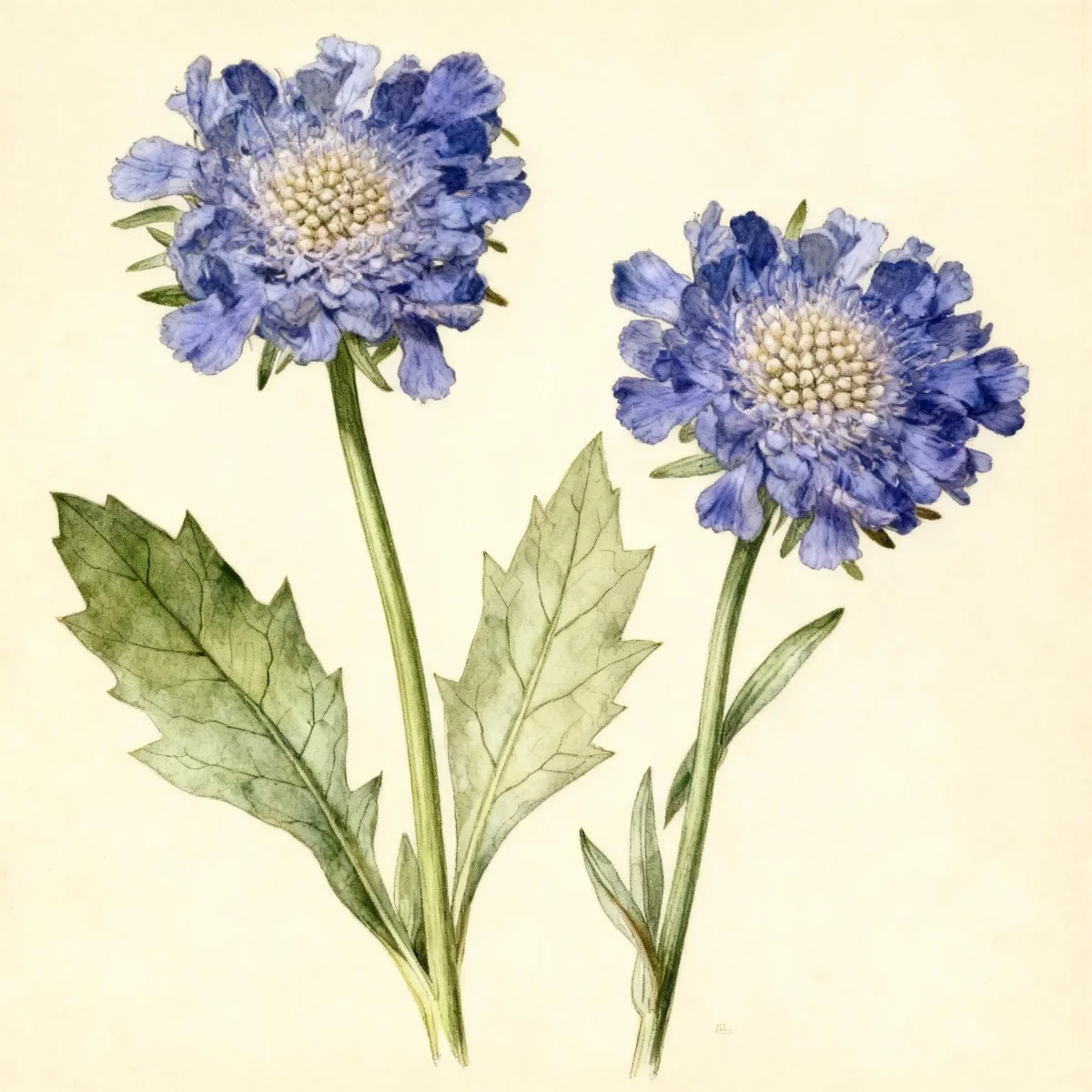
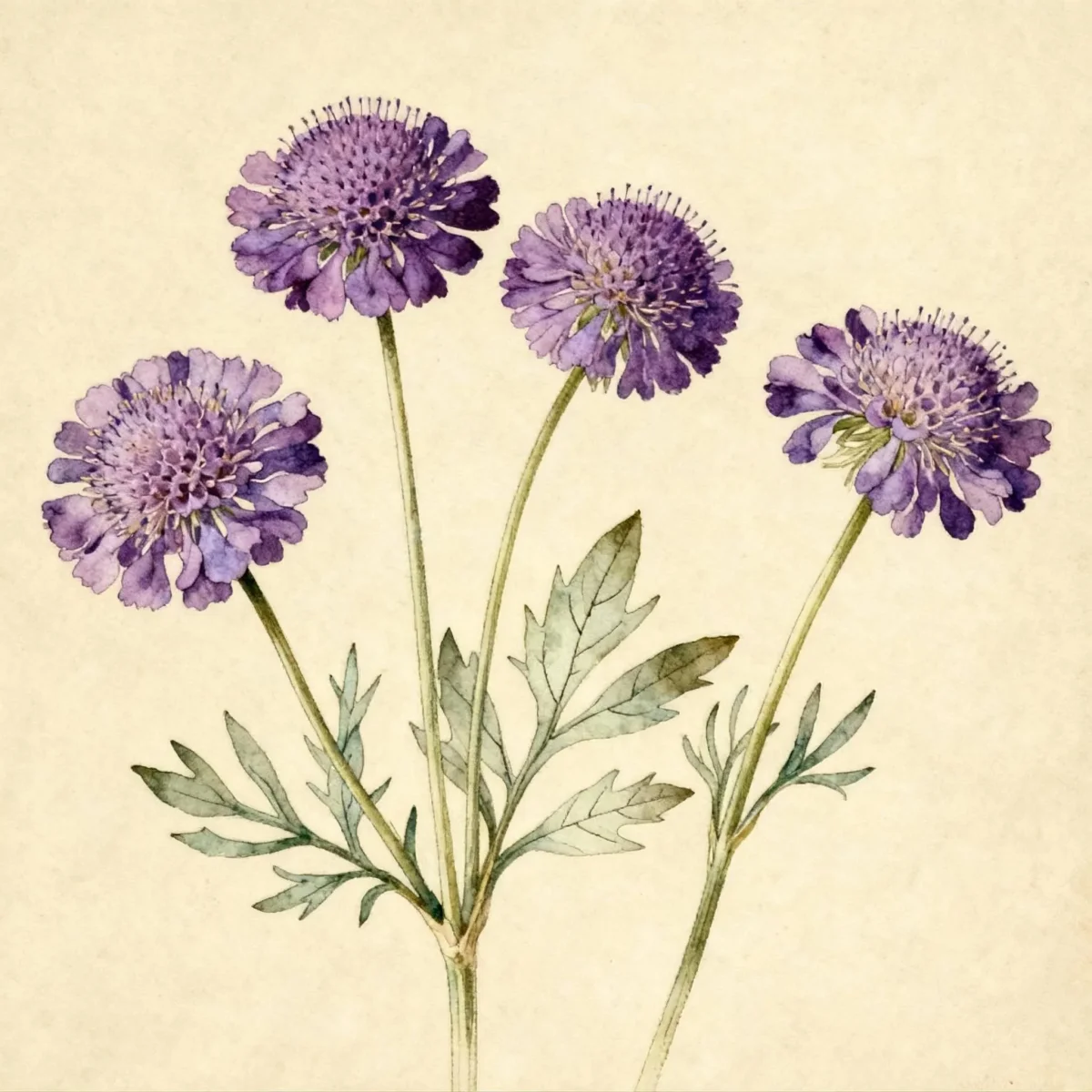
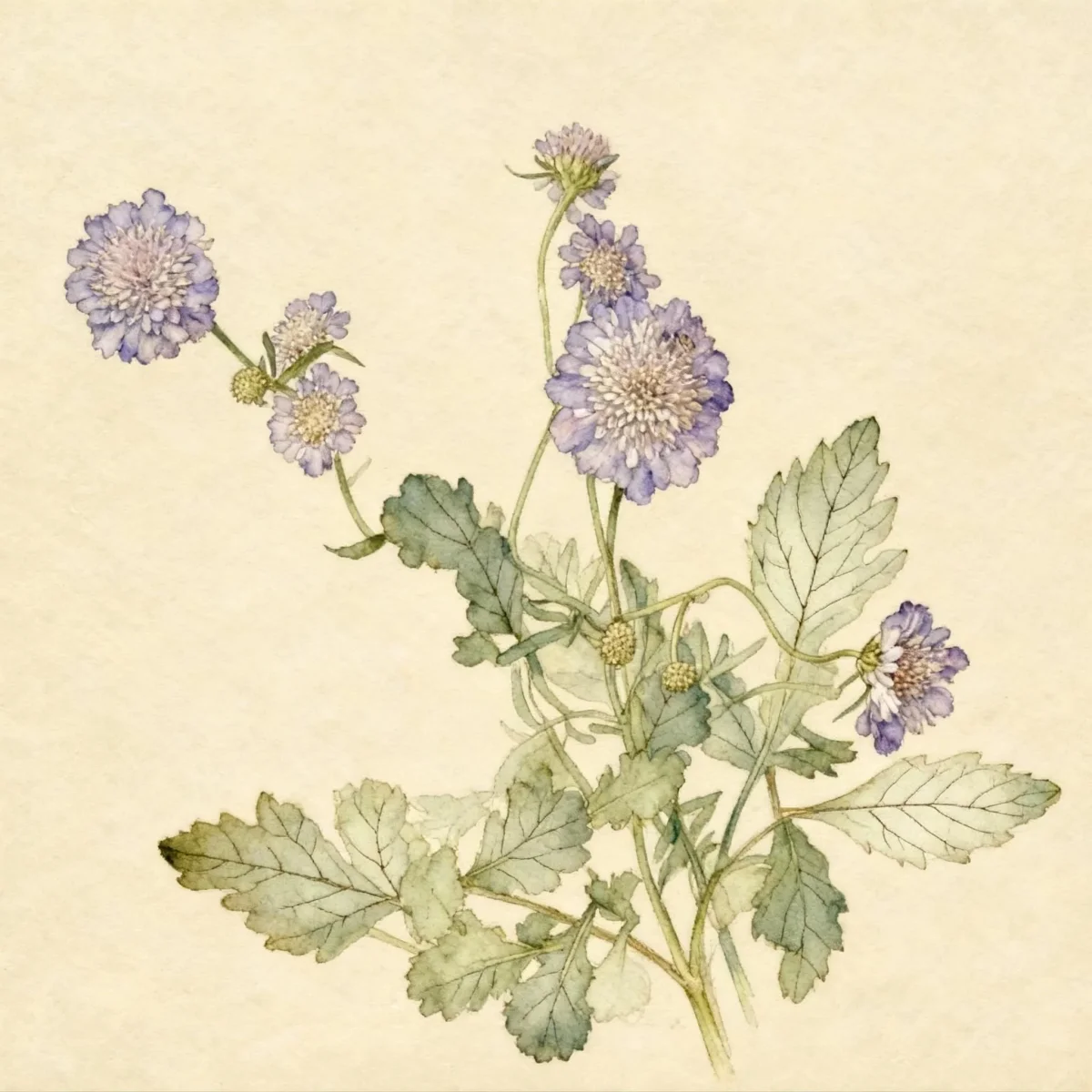
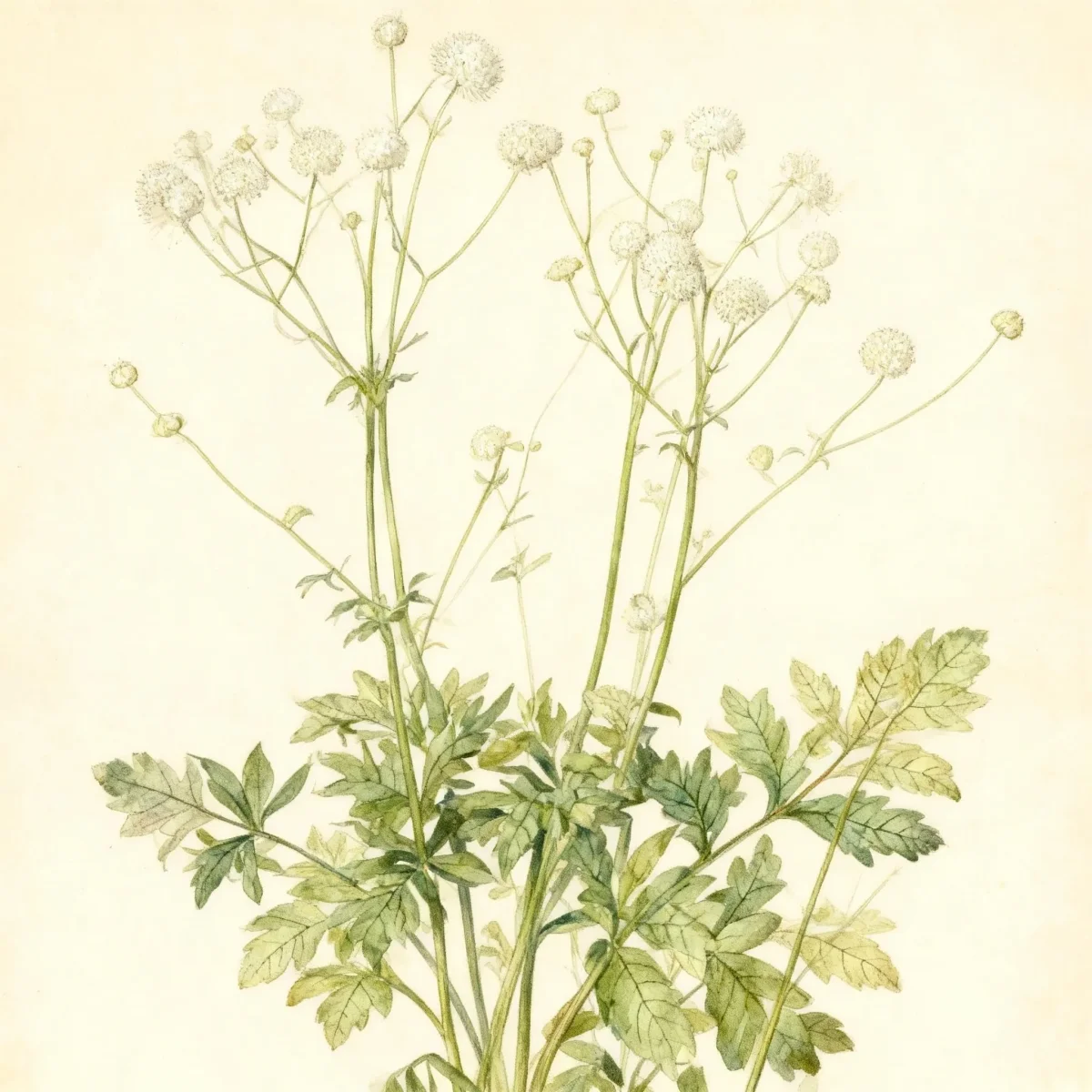
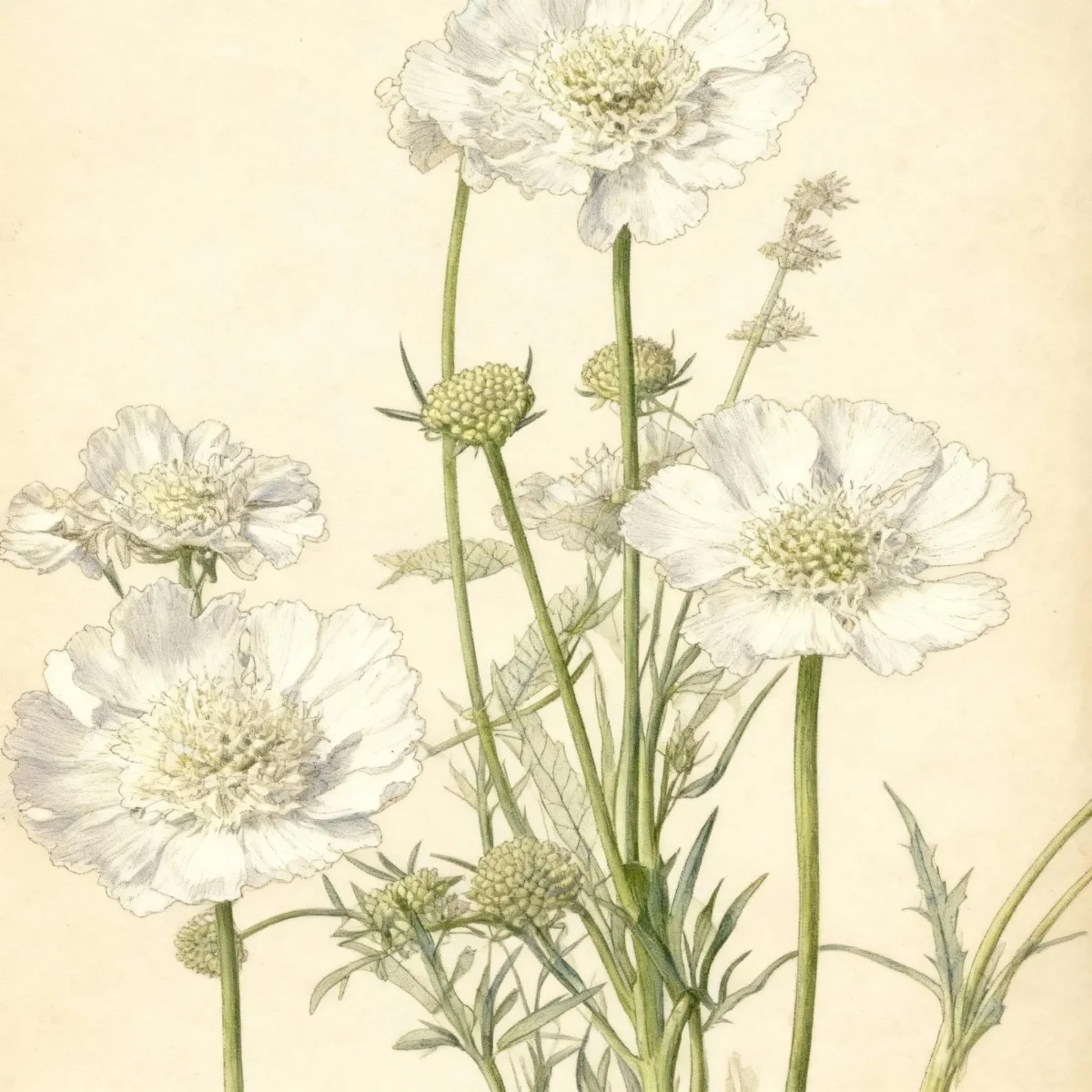
Aesthetically, the Scabiosa caucasica (Perfecta Series) brings a cottage garden charm with its grayish-green, finely divided foliage and the characteristic flower head structure—a flat center cushion ringed by frilly outer petals. Deadheading spent flowers is an easy maintenance task that significantly extends the blooming period, making it an excellent source for fresh cut flowers throughout the season.
Fast Facts
- Plant Family: Caprifoliaceae
- Plant Type: Herbaceous perennial
- Hardiness Zones: USDA Zones 3-7
- Size at Maturity:
- Height: 1.5-2 ft
- Spread: 1-1.5 ft
- Bloom Time: May to August
- Bloom Description: Pale lilac blue
- Sun Exposure: Full sun
- Water Needs: Medium
- Maintenance Level: Medium
How to Grow
For optimal establishment, plant Scabiosa caucasica (Perfecta Series) in the spring after the last frost, or in early fall, allowing it time to root before harsh weather. The single most important factor for success is soil quality; this plant demands light, well-drained soils with a neutral pH, thriving where other plants might struggle with drainage limitations. Ensure your chosen location is not prone to standing water, as these perennials tend to rot quickly in overly moist conditions.
Care throughout the growing season is relatively straightforward. While they prefer medium water, gardeners must ensure the soil dries slightly between waterings; drought tolerance improves once the plant is established. Fertilization is rarely necessary if the soil is decent; over-fertilizing can lead to lush foliage but fewer flowers. To maximize flowering, deadhead faded blooms regularly, cutting the stem down to a new set of strong leaves.
Winter preparation for the Pincushion flower focuses entirely on dryness protection. In colder or wetter climates within zones 3-7, applying a light, dry winter mulch—such as straw or evergreen boughs—after the ground freezes can prevent crown rot caused by persistent moisture. Growers should also be aware that intense summer heat coupled with high humidity can stress the plant, so choosing the coolest, best-ventilated spot in the garden helps manage these environmental challenges.
Landscape Uses
The delicate yet structural presence of the Scabiosa caucasica (Perfecta Series) makes it indispensable in several garden designs. It naturally fits perfectly within traditional cottage garden borders, where its height (1.5 to 2 feet) allows it to stand gracefully behind lower-growing perennials, blending its pale lilac blue blooms with roses, lavender, and ornamental grasses. Because the flowers are borne on stiff stems, they are highly prized in cutting gardens for use in fresh bouquets.
Consider placing this sun-loving perennial toward the middle or back of a mixed perennial border where its slightly rugged, grayish-green foliage contrasts beautifully with dark green neighbors. Since the Pincushion flower is highly drought-tolerant once established, it pairs well with other Mediterranean or water-wise plants that prefer similar lean soil conditions. Avoid planting it near water features or in clay pockets where moisture retention is high.
Standout Features
Flower Qualities
- Showy
Noteworthy Characteristics
Scabiosa caucasica, commonly called pincushion flower, is, as suggested by the specific epithet, native to the Caucusus Mountains. It is a clump-forming perennial that typically grows 18-24” tall and blooms from late May to mid-summer. Flowers (2-3” diameter) are lavender to blue (occasionally white), with an outer ring of frilly petals and a center cushion with protruding stamens resembling pins in a pincushion. Flowers bloom singly on strong, stiff stems. Grayish-green foliage features lance-shaped, entire or pinnately-lobed basal leaves and narrow pinnately-lobed stem leaves. The Perfection Series of cultivars features plants with frilly outer petals.
Tolerances
- Deer
- Drought
Potential Problems
The primary challenge when growing Scabiosa caucasica (Perfecta Series) is soil moisture management rather than pests or diseases. The plant faces no serious insect or disease problems when grown under proper conditions. The crucial requirement for thriving is well-drained soil; damp, heavy soils will inevitably cause the crowns to rot, particularly over winter. Avoid planting in areas where water pools or where dense soil compacts easily.
If your soil drainage is suspect, remediation is necessary before planting. Amending the soil heavily with grit, coarse sand, or aged compost can improve aeration. Good drainage is the key to ensuring consistent blooming and survival for this beautiful Pincushion flower.
Frequently Asked Questions
What hardiness zones is Pincushion flower suitable for?
The Scabiosa caucasica (Perfecta Series) is hardy across USDA Zones 3-7, offering reliable perennial performance in much of the temperate northern latitudes.
How large does Scabiosa caucasica (Perfecta Series) grow?
This plant typically reaches a height between 1.5 and 2 feet tall, with a spread of 1 to 1.5 feet wide.
When does Pincushion flower bloom?
This variety offers prolific color from May through August, typically displaying pale lilac blue blooms.
What sun exposure does Scabiosa caucasica (Perfecta Series) need?
For the best flower production and plant health, the Scabiosa caucasica (Perfecta Series) requires full sun exposure throughout the day.
Conclusion
The striking visual appeal and long bloom season make Scabiosa caucasica (Perfecta Series) an essential addition to sunny borders and cottage displays. Remember that maximizing your success with the Pincushion flower hinges entirely on providing sharp drainage, avoiding wet winter soils, and ensuring full sun exposure. Before planting, assess your garden’s drainage capabilities and amend accordingly to enjoy these stunning blooms for years to come.
Companion Planting
When selecting companions for Scabiosa caucasica (Perfecta Series), focus on plants that share its love for full sun and prefer drier conditions, mirroring its need for well-aerated soil. Excellent partners include ornamental sages (Salvia species), Catmint (Nepeta), and hardy varieties of Dianthus. These plants offer textural contrast and often bloom concurrently, creating harmonious cottage-style scenes without competing for moisture in the root zone.
Groundcovers should generally be avoided directly around the base of the Pincushion flower to ensure air circulation remains high and moisture does not become trapped against the crown. If you must use groundcovers, select sparse, gravel-loving types that naturally allow the soil surface to dry quickly after rain or watering.
Seasonal Care Calendar
Spring care involves cleaning up any winter mulch used to protect the plant crowns and looking for new basal growth emerging. This is the ideal time to amend the surrounding soil lightly with grit if drainage proved questionable the previous year. Summer maintenance focuses primarily on deadheading; consistent removal of spent flowers encourages the Scabiosa caucasica (Perfecta Series) to continue producing its pale lilac blue blooms well into the heat of August.
In autumn, resist the urge to extensively prune the foliage back immediately. Allow the plant to slowly die back naturally, as the leaves offer some insulation to the crown. Once the stems are completely brittle or hard frost has settled in, you can cut the dead stalks back to the ground. This process sets the stage for successful overwintering and healthy spring emergence.