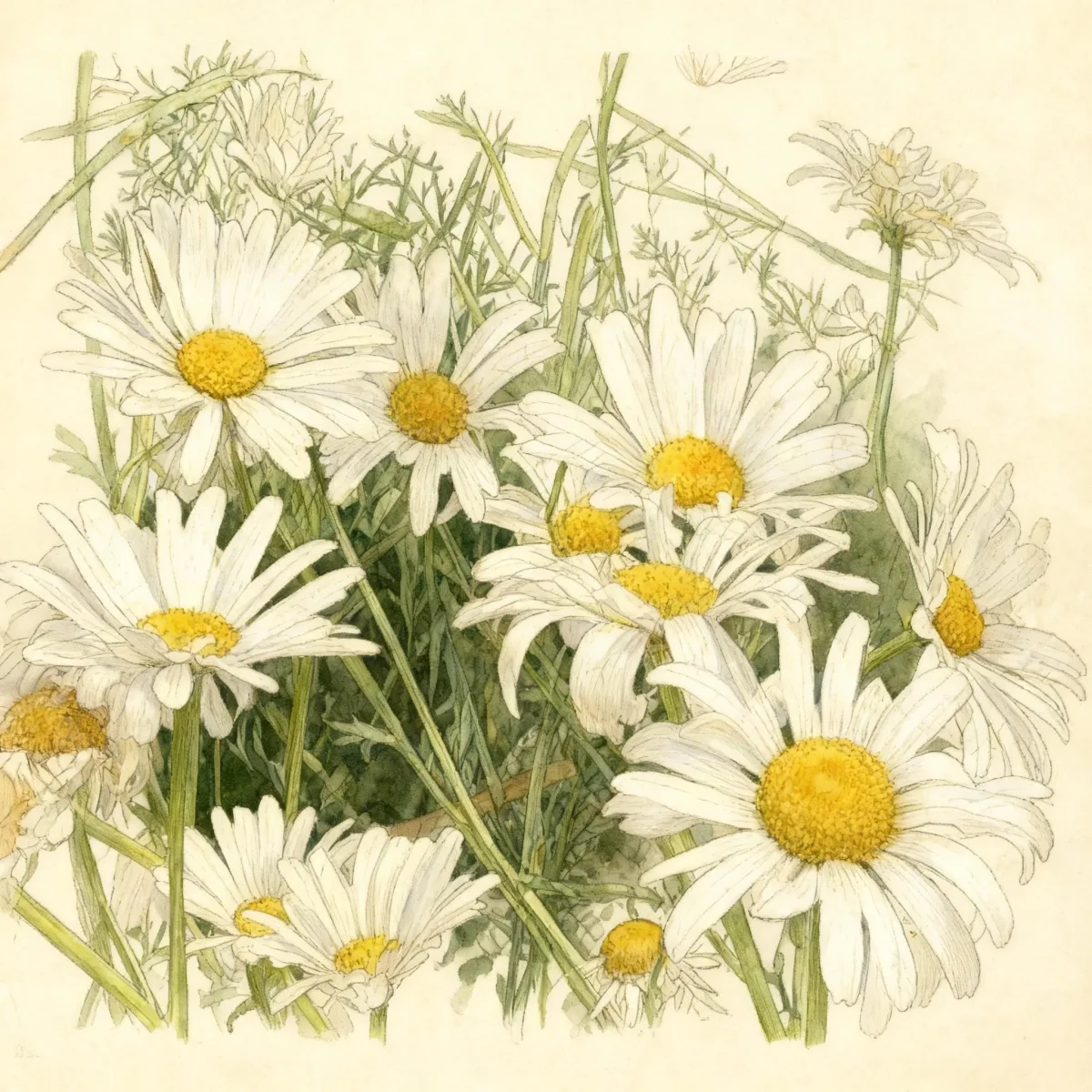
Ox-eye daisy (Leucanthemum vulgare 'Maikonigin' MAY QUEEN)
Grow the charming Leucanthemum vulgare 'Maikonigin' MAY QUEEN, a low-maintenance Ox-eye daisy perfect for full sun gardens.
Scroll down to discover growing tips, care requirements, companion plants, and more
Complete Plant Information
Overview
Leucanthemum vulgare ‘Maikonigin’ MAY QUEEN offers gardeners the classic look of the beloved Ox-eye daisy in a cultivar prized for its manageable size and prolific bloom period. This herbaceous perennial brings bright, cheerful texture to borders, blooming reliably from late spring through mid-summer. Its strong stems support large, simple daisies, making it an excellent addition to cottage and meadow plantings.
Growing vigorously yet remaining low-maintenance, the Ox-eye daisy thrives in conditions where many other perennials might struggle, specifically preferring drier soils and full sun exposure. While the species can naturalize aggressively, the ‘Maikonigin’ selection provides desirable aesthetics with a compact habit, appealing to gardeners seeking naturalized charm without excessive height or spread.
This plant is valued for its resilience and its capability to fill large areas with dazzling white and yellow flower faces. For robust performance and classic pastoral charm, incorporating Leucanthemum vulgare ‘Maikonigin’ MAY QUEEN into sunny landscapes provides enduring garden appeal and excellent value.
Fast Facts
- Plant Family: Asteraceae
- Plant Type: Herbaceous perennial
- Hardiness Zones: USDA Zones 3-8
- Size at Maturity:
- Height: 1-3 ft
- Spread: 1-2 ft
- Bloom Time: May to August
- Bloom Description: White rays with yellow center disk
- Sun Exposure: Full sun
- Water Needs: Dry to medium
- Maintenance Level: Low
How to Grow
Plant Leucanthemum vulgare ‘Maikonigin’ MAY QUEEN in the spring or fall into average, well-drained soils. This Ox-eye daisy installation requires full sun for the best flower production, although it can tolerate periods of light shade, especially where summers are notably hot. Ensure the location offers drainage, as soggy winter soil is detrimental to perennial health.
Maintenance for this variety is straightforward. Water sparingly once established, as the plants thrive in dry to medium soil conditions and exhibit good drought tolerance. To encourage a continuous flush of blooms throughout the season, deadhead spent flower heads regularly.
Vigorously spreading clumps may need maintenance every two to three years; divide the rhizomes in spring or fall to maintain plant health and control spread. Note that while seed from species plants is sometimes marketed as ‘May Queen’, the true cultivar prefers vegetative propagation as it is reportedly sterile. Cutting the stems back to the basal leaves after the main bloom phase can clean up the look of the patch.
Landscape Uses
The primary suggested use for Leucanthemum vulgare ‘Maikonigin’ MAY QUEEN is to naturalize areas or create expansive meadow displays. Its resilience in average soils makes it a perfect candidate for large borders or informal settings where a cottage garden feel is desired. For cut flower enthusiasts, the Ox-eye daisy offers excellent, long-lasting blooms suitable for bouquets.
Consider using this perennial within the wild garden or in naturalized areas alongside complementary plants that share similar dry-to-medium water needs. They pair beautifully with ornamental grasses or other mid-sized bloomers that offer contrasting colors and textures, such as deep purples or blues, allowing the bright white daisies to truly pop.
These daisies provide long-lasting color and structure, making them valued additions where an informal, cheerful aesthetic is preferred over highly manicured beds. The visual impact of mass plantings of the Ox-eye daisy is undeniable.
Standout Features
Flower Qualities
- Showy
Noteworthy Characteristics
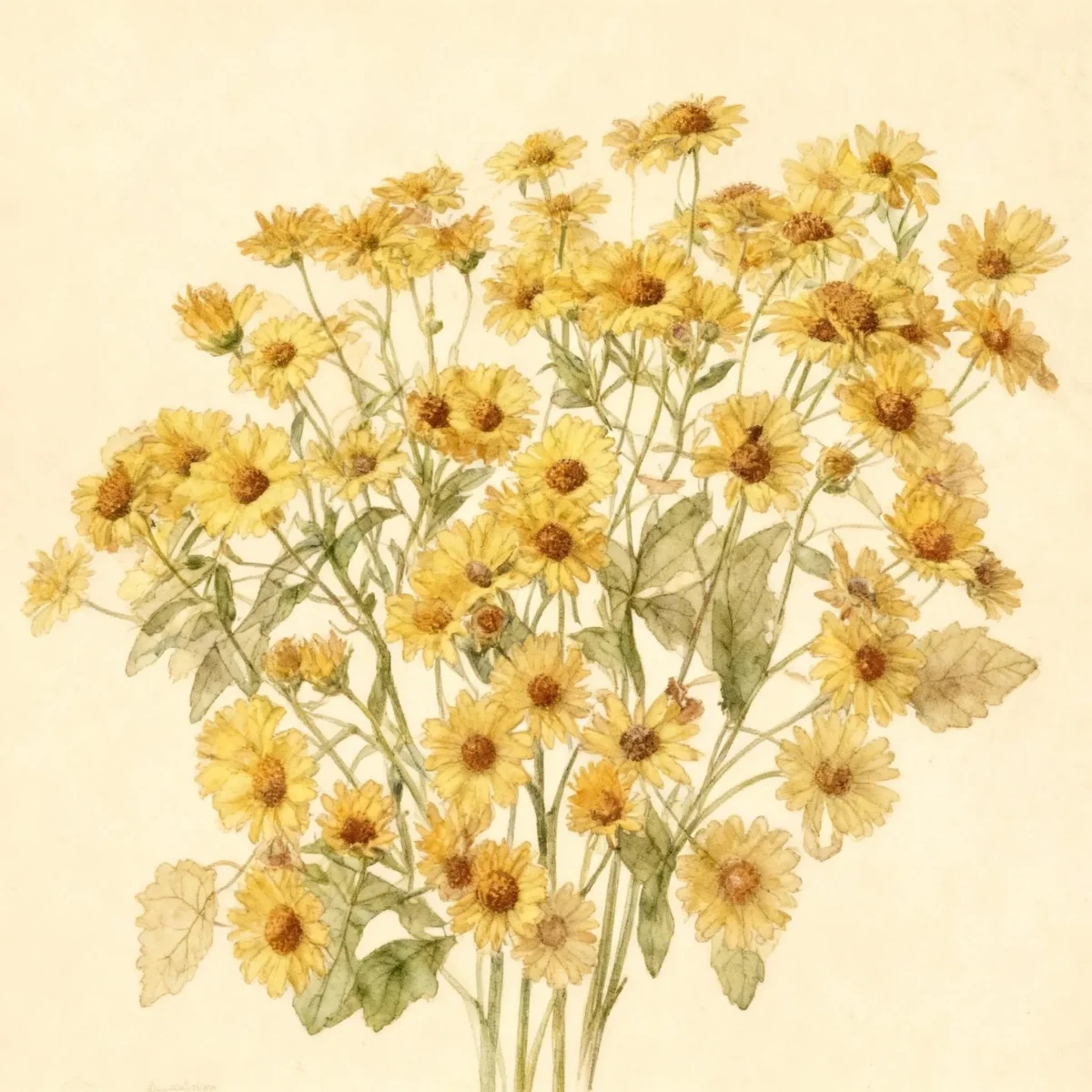
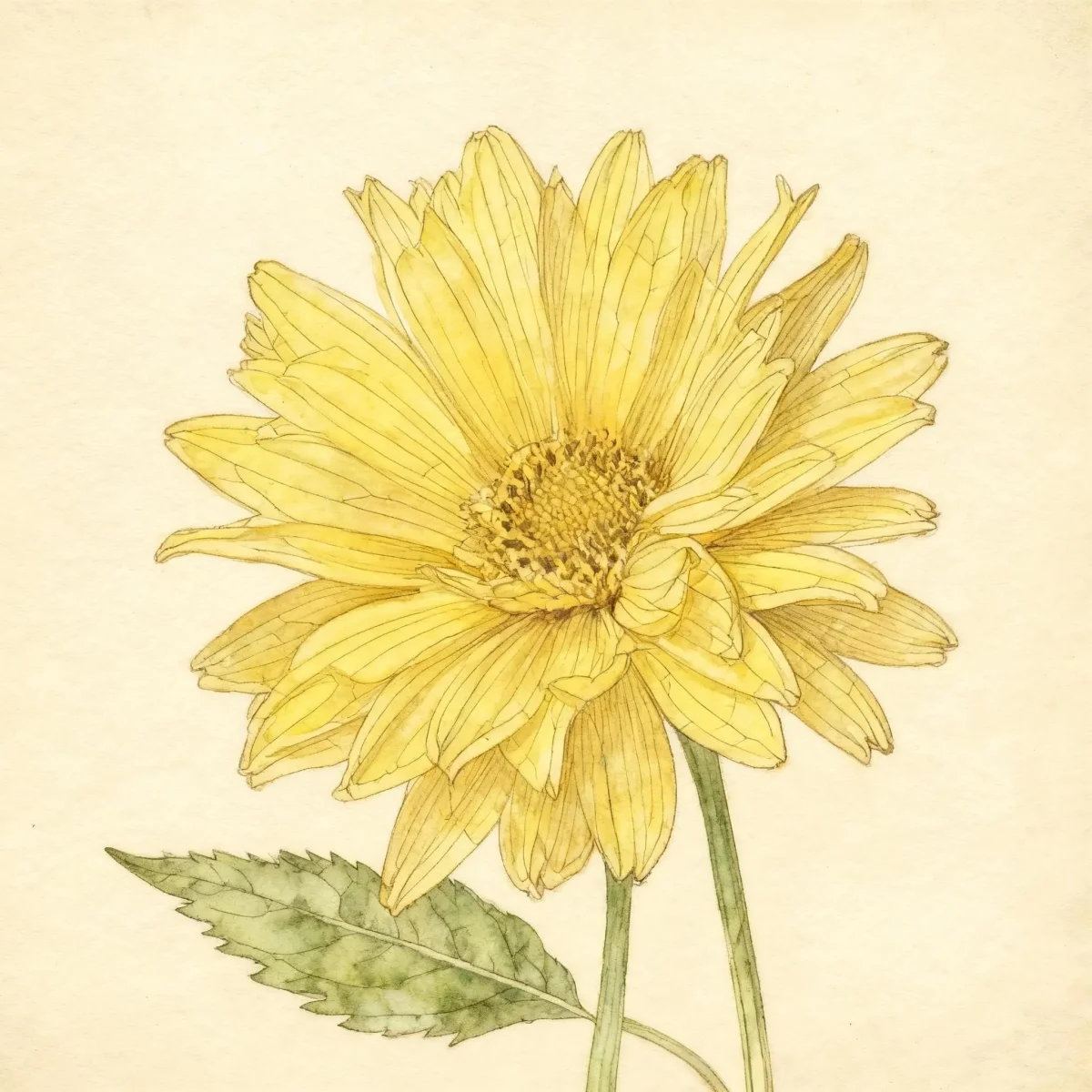
Leucanthemum vulgare, commonly known as oxeye daisy or marguerite, is an erect, somewhat weedy, rhizomatous perennial that typically grows to 3’ tall. The genus name references the white flowers, derived from Greek words meaning white and flower. The cultivar ‘Maikonigin’ is notably more compact, growing on stiff, upright stems to about 2’ tall, displaying large 2-inch single daisies with classic white rays and yellow center disks.
Tolerances
- Rabbit
- Deer
- Drought
- Dry Soil
Potential Problems
The Ox-eye daisy exhibits generally low susceptibility to serious pests or diseases. However, Leucanthemums as a group can sometimes be affected by verticillium wilt, various leaf spots, or stem rots, especially in overly wet or poorly draining conditions. Occasionally, minor infestations of aphids, spider mites, or leaf miners might appear. Ensure good air circulation and avoid overhead watering late in the day to mitigate fungal issues.
Frequently Asked Questions
What hardiness zones is Ox-eye daisy suitable for?
Leucanthemum vulgare ‘Maikonigin’ MAY QUEEN is highly adaptable, thriving across USDA Zones 3 through 8.
How large does Ox-eye daisy grow?
This perennial typically reaches a height between 1 and 3 feet, with a spread ranging from 1 to 2 feet at maturity.
When does Ox-eye daisy bloom?
The blooming period for this variety is expansive, generally running from May through August, showcasing distinctive white rays with a yellow center disk.
What sun exposure does Leucanthemum vulgare ‘Maikonigin’ MAY QUEEN need?
This plant performs best when situated in full sun, though it can tolerate a bit of light shade during the hottest parts of the summer.
Conclusion
The Leucanthemum vulgare ‘Maikonigin’ MAY QUEEN provides the quintessential cottage garden look with excellent adaptability and low-input care requirements. Its drought tolerance and preference for full sun make the Ox-eye daisy a reliable choice for sunny borders or naturalized meadow settings. Check your local USDA zone compatibility, plan for spring planting, and enjoy years of bright, cheerful blooms from this superb perennial.
Companion Planting
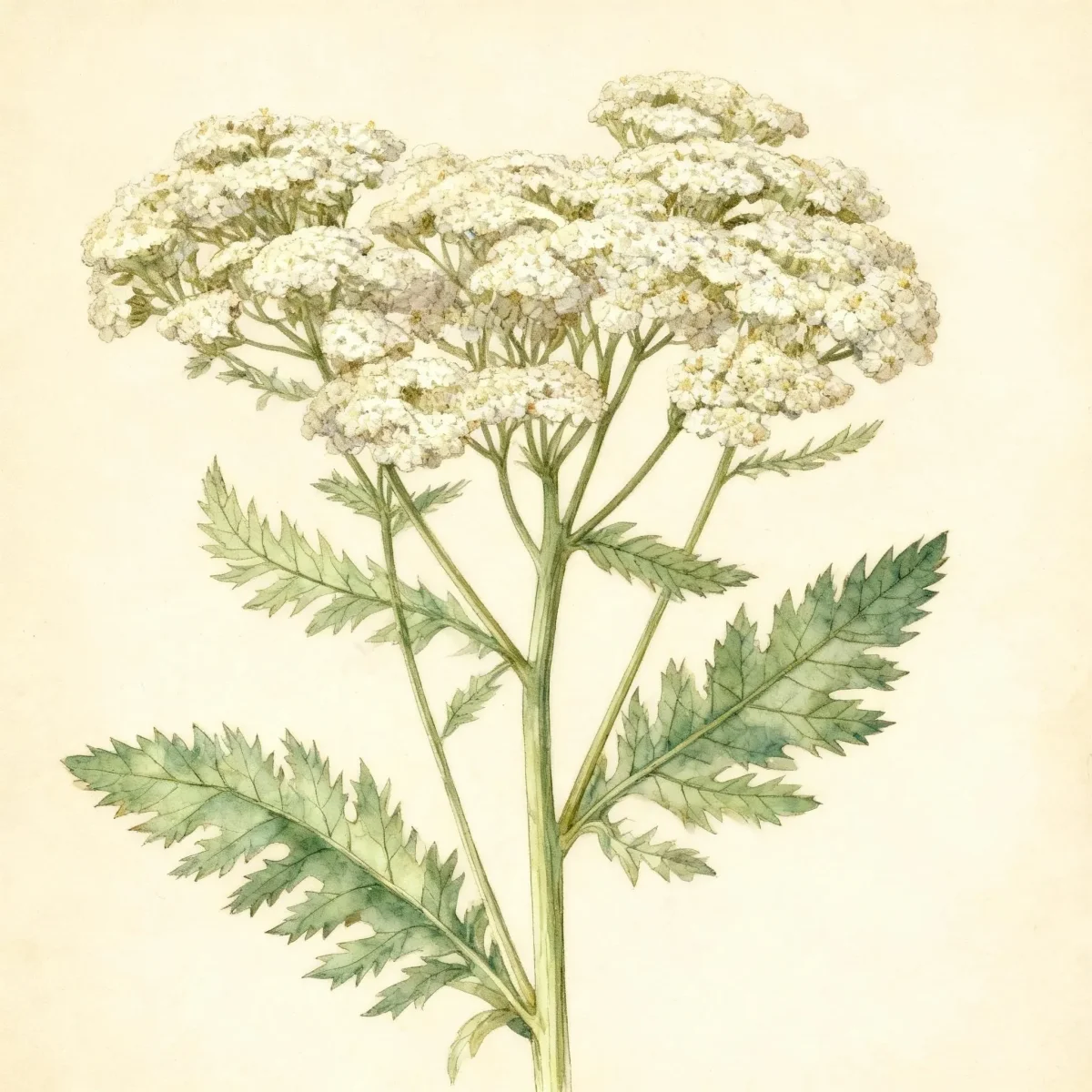
Given that Leucanthemum vulgare ‘Maikonigin’ MAY QUEEN prefers full sun and dry to medium soil, choose companions that share these modest cultural needs. Excellent partners include ornamental grasses like Prairie Dropseed (Sporobolus heterolepis), which offers fine texture contrast throughout the season. Other perennials thriving in similar conditions, such as various Sedums, Yarrow (Achillea species), or Coneflowers (Echinacea), integrate well into meadow-style plantings alongside the Ox-eye daisy. Avoid placing it near moisture-loving plants that require rich, heavy soils, as this will compromise the performance of the daisy.
Propagation Tips
While the true ‘Maikonigin’ cultivar is reportedly sterile and must be propagated vegetatively, established clumps of Ox-eye daisy can be easily rejuvenated and multiplied through division. Dig up the entire clump in early spring or early autumn, just as new growth is emerging or after the foliage begins to die back. Use a sharp spade or knife to divide the root mass into sections, ensuring each new division has several healthy buds or root sections attached. Replant these divisions immediately into well-prepared soil at the same depth they were previously growing and water them thoroughly to help them settle into their new locations.