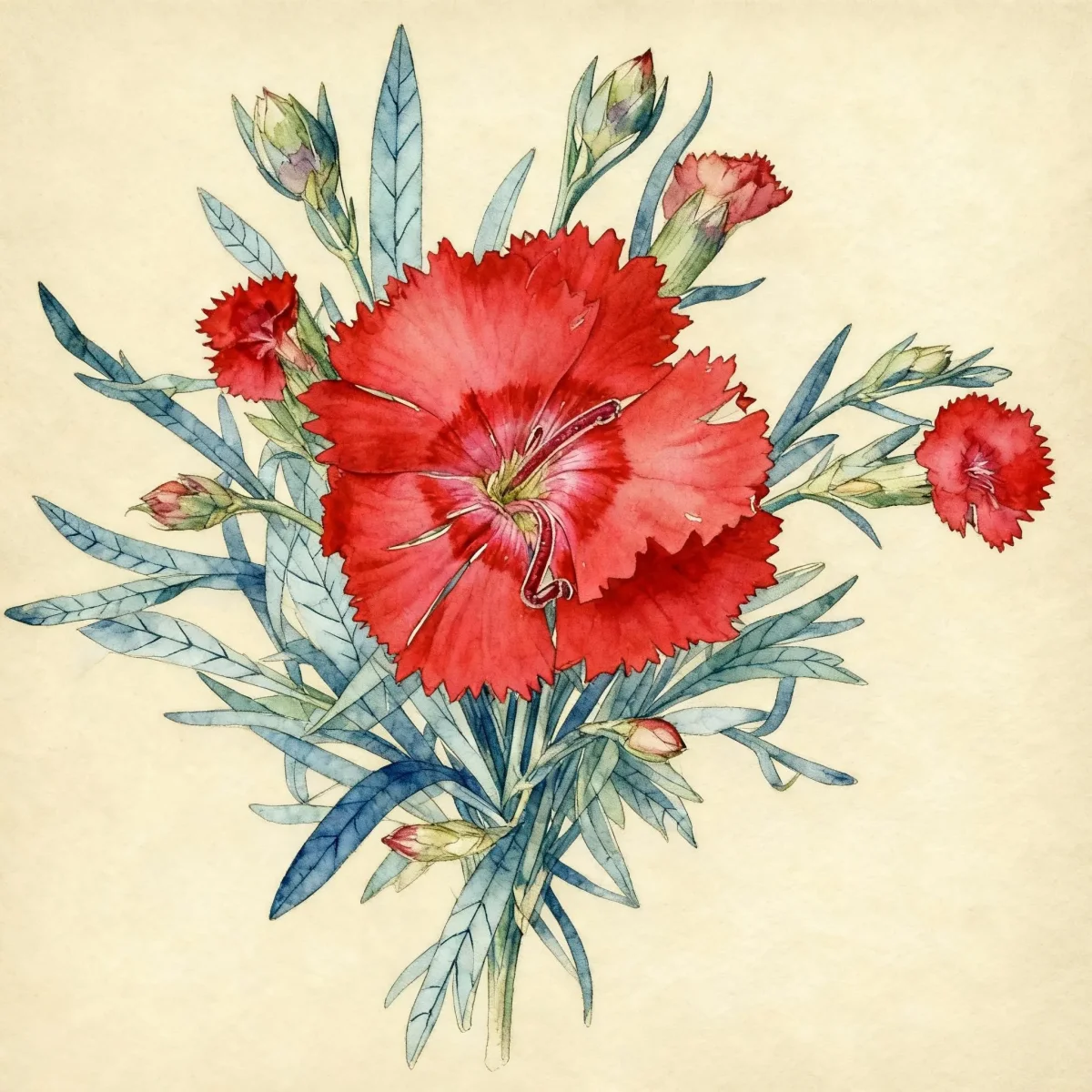
Pink (Dianthus 'Horatio')
Dianthus 'Horatio', a low-mounding Pink, features showy, fragrant rose-pink blooms in Zones 4-8, requiring full sun and low maintenance.
Scroll down to discover growing tips, care requirements, companion plants, and more
Complete Plant Information
Overview
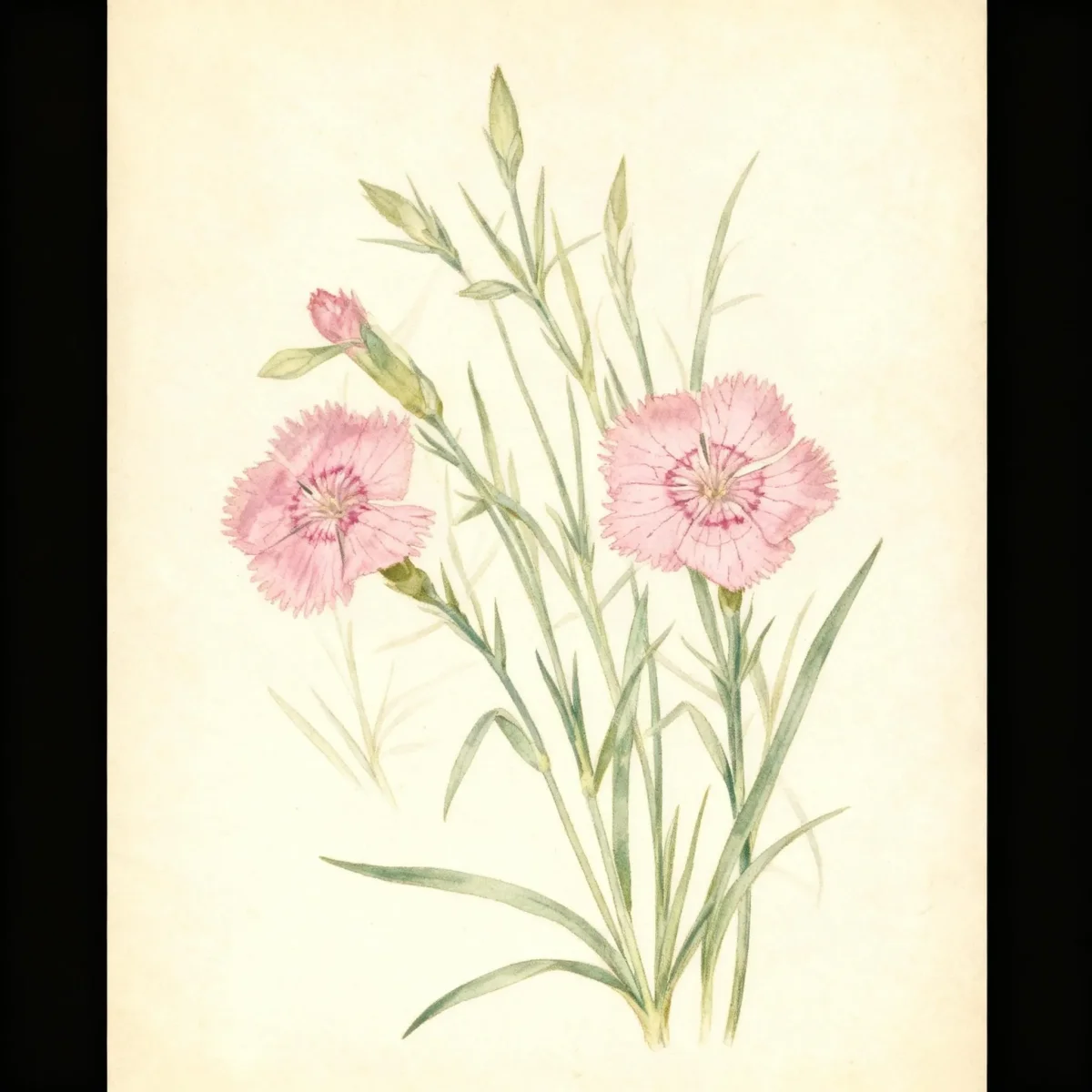
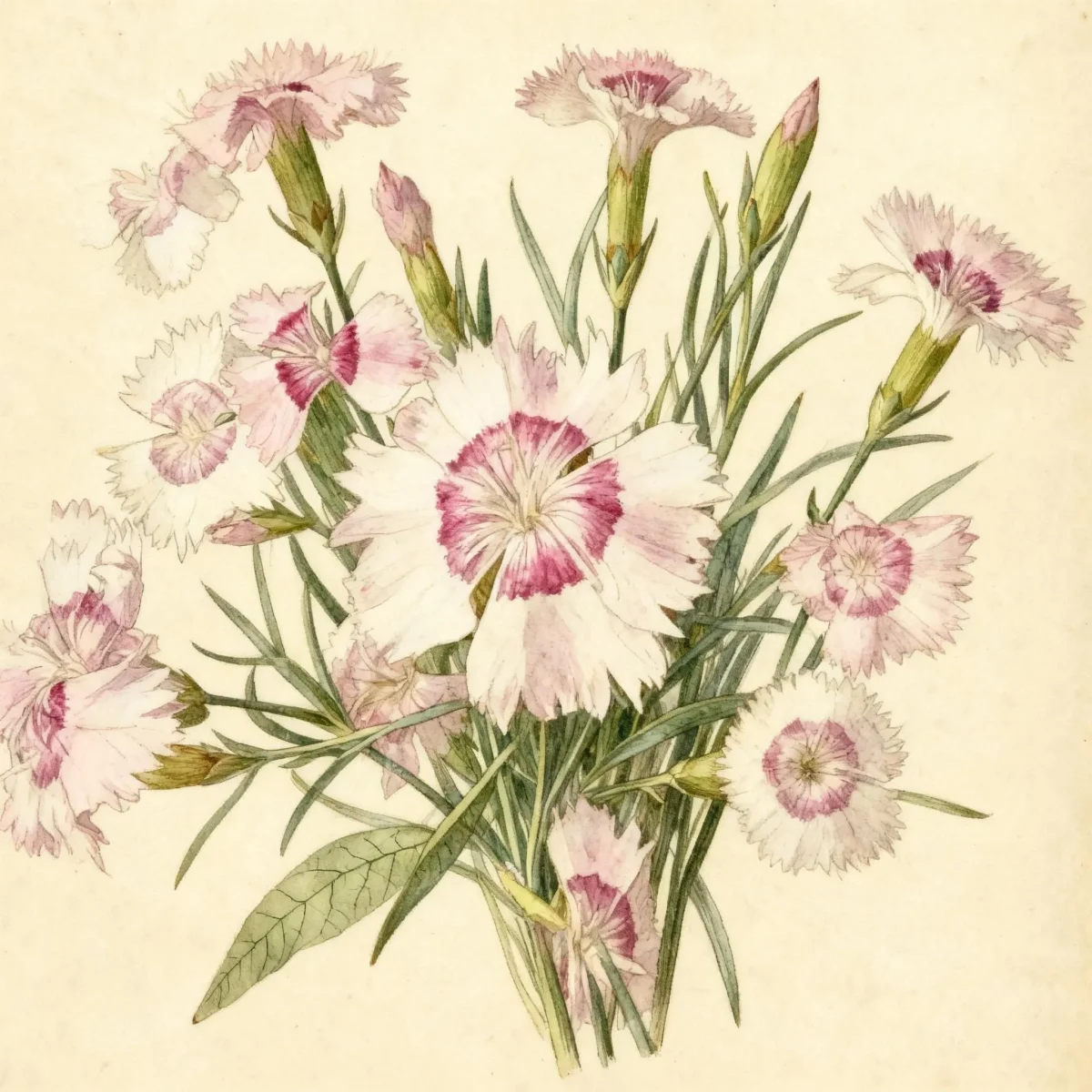
Dianthus ‘Horatio’ offers gardeners a reliably low-growing perennial known for its dense mounds of narrow, blue-green foliage. This cultivar of Pink provides exceptional garden interest through its charming, highly fringed flowers that appear in late spring and early summer. The rose-pink coloration, highlighted by a distinct maroon center ring, makes Dianthus ‘Horatio’ a vibrant addition to numerous garden settings.
As a hybrid, this Pink benefits from extensive breeding, resulting in tough, fragrant blooms perfect for close admiration. It thrives best with ample sunlight, though it appreciates cooler summer conditions, making it a good selection for temperate climates situated in USDA Zones 4 through 8. Its compact habit and low maintenance profile translate to dependable color without constant fuss.
The appeal of Dianthus ‘Horatio’ lies in its ability to provide texture and fragrance close to the ground. Whether used along a walkway or tucked into a rock wall, this herbaceous perennial delivers its attractive display with minimal cultural demands, provided drainage is managed properly.
Fast Facts
- Plant Family: Caryophyllaceae
- Plant Type: Herbaceous perennial
- Hardiness Zones: USDA Zones 4-8
- Size at Maturity:
- Height: 0.5-0.75 ft
- Spread: 1-2 ft
- Bloom Time: May to July
- Bloom Description: Rose-pink with maroon center ring
- Sun Exposure: Full sun
- Water Needs: Medium
- Maintenance Level: Low
How to Grow
Dianthus ‘Horatio’ is most easily established when planted in the spring or fall, allowing it to settle before facing summer heat or winter cold. Locate this Pink cultivar in a spot that grants full sun exposure; ample sunlight is crucial for robust flowering. The plant performs best in average, evenly moist, well-drained soils. While it prefers moisture, excellent drainage is non-negotiable, as soggy roots quickly lead to decline. Amending the soil with leaf mold or other organic matter helps retain necessary moisture, particularly in grittier loams that lean toward neutral to slightly alkaline pH.
Watering should be consistent; aim for medium moisture levels, avoiding extremes of dryness or saturation. Fertilizing is generally unnecessary if the soil is organically rich, as over-fertilization can weaken its structure and reduce flowering. The most important cultural task for Dianthus ‘Horatio’ is deadheading. Promptly removing spent flowers encourages the plant to produce additional blooms throughout the season, possibly leading to sparse rebloom into early fall. Gardeners should consider shearing the plant back lightly after the main flush of bloom concludes to maintain a tidy appearance and stimulate later flowering.
Landscape Uses
The compact, mat-forming habit of Dianthus ‘Horatio’ makes it exceptionally versatile for edging and front-of-border applications where its fine texture can contrast with bolder foliage plants. Its moderate size allows it to shine in rock gardens, where its preference for gritty, well-drained soil is naturally accommodated. These dedicated Pinks also create an attractive, dense ground cover when planted in mass across sloped areas or integrated into foundation plantings.
Due to its low stature, this cultivar is excellent for container arrangements, providing a colorful, fragrant spillover element around taller specimens. Furthermore, the Dianthus genus has a long history of use on challenging sites, including spilling artfully over the edges of dry-stacked stone walls. The low-growing mound covered in fragrant blooms ensures that Dianthus ‘Horatio’ adds year-round structure, softening hardscape features.
Standout Features
Flower Qualities
- Showy
- Fragrant
Noteworthy Characteristics
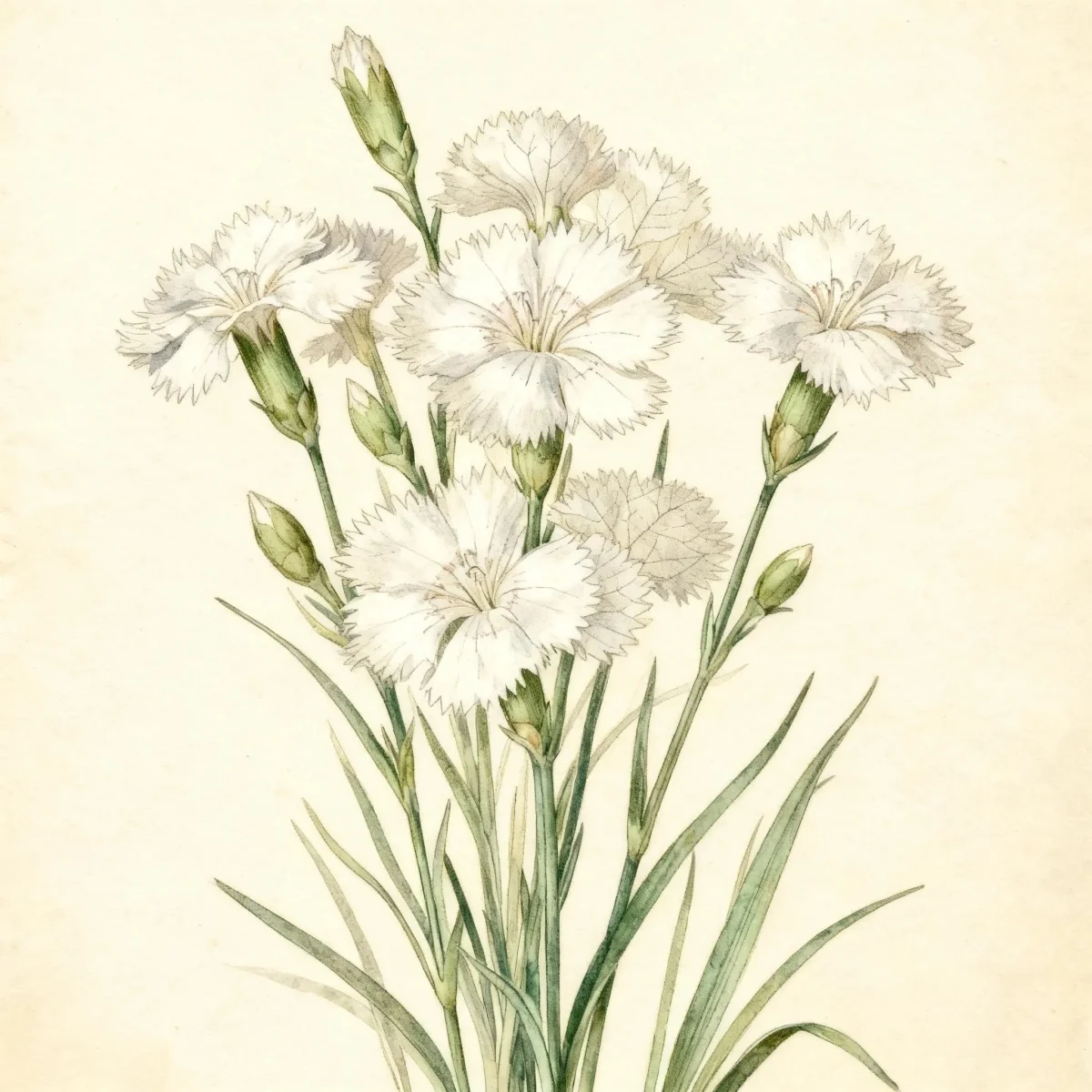
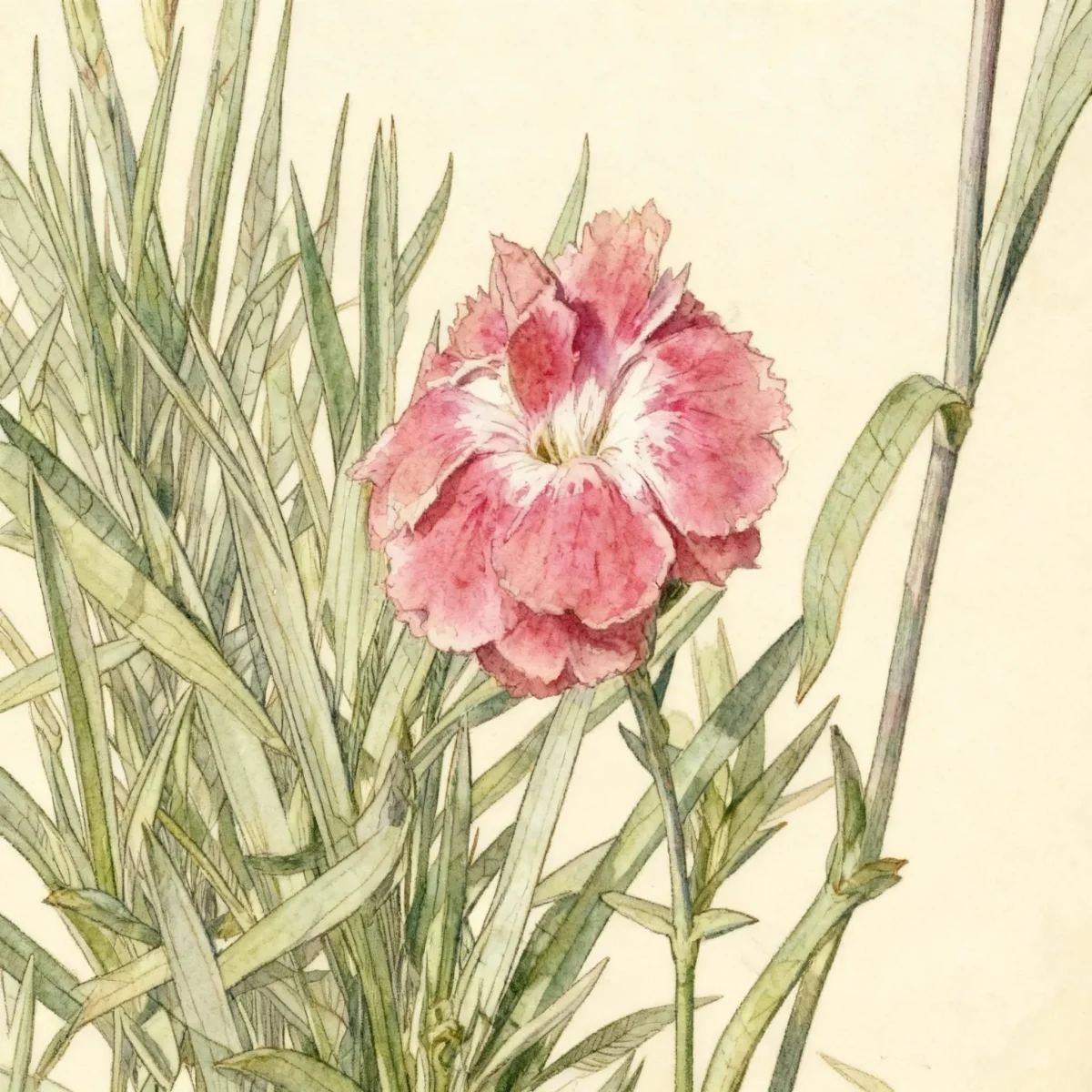
Perennial dianthus, commonly called carnations or pinks, are loosely-tufted, herbaceous perennials that features fragrant, often double flowers on stiff stems clad with narrow, linear, gray-green leaves. ‘Horatio’ is a specific low-growing hybrid Pink cultivar where linear, grass-like, blue-green foliage typically forms a mound 6-8” high. Double, fringed, rose pink flowers with maroon center rings appear reliably from mid-spring to early summer, referencing the “pink” common name due to petals that look cut with pinking shears.
Tolerances
- Deer
Potential Problems
While Dianthus ‘Horatio’ is relatively low maintenance when grown outdoors, it remains susceptible to certain fungal and pest issues common to the carnation group. Watch for indicators of botrytis, rust, powdery mildew, and leaf spots, especially in humid conditions or where air circulation is poor. Aphids, caterpillars, and scale insects can occasionally infest the foliage and stems. Proper cultural care addresses most threats: ensure full sun and excellent drainage to minimize fungal infections, and maintain good garden hygiene by removing dead foliage.
As problems are exacerbated under glass, outdoor garden settings usually see fewer severe outbreaks. If pests appear, targeted treatment of afflicted areas, often achievable through simple pruning or minor insecticidal soap application, keeps the planting of Pink healthy and vibrant throughout the season.
Frequently Asked Questions
What hardiness zones is Pink suitable for?
Dianthus ‘Horatio’ is well-suited for cultivation across USDA Hardiness Zones 4 through 8.
How large does Dianthus ‘Horatio’ grow?
This low-growing hybrid typically reaches a height between 0.5 and 0.75 feet, spreading anywhere from 1 to 2 feet wide, forming a short mound.
What sun exposure does Dianthus ‘Horatio’ need?
This Pink variety requires full sun to maximize its flowering potential, though it appreciates relief from the harshest afternoon heat in the hottest parts of summer.
When does Dianthus ‘Horatio’ bloom?
The primary bloom period for Dianthus ‘Horatio’ is from May through July, producing its signature rose-pink flowers with a maroon center ring.
Conclusion
Dianthus ‘Horatio’ is an exceptionally valuable garden component, known for its manageable size, fantastic fragrance, and reliable low-maintenance nature. Integrating this charming Pink into rockeries or borders guarantees summer color and texture without demanding extensive upkeep. Confirm your site provides full sun and excellent drainage before planting your Dianthus ‘Horatio’ to ensure years of beautiful performance.
Companion Planting
Selecting appropriate companions helps maximize the aesthetic appeal and cultural success of Dianthus ‘Horatio’. Because this Pink thrives in lean, gritty, neutral to slightly alkaline soils and needs excellent drainage, pair it with other sun-loving, drought-tolerant perennials. Good neighbors that share similar needs include Creeping Thyme (Thymus serpyllum), various Sedums (Stonecrops), and ornamental Dianthus relatives like Sweet William.
Avoid planting Dianthus ‘Horatio’ directly adjacent to moisture-loving plants that prefer acidic soil, as this creates conflicting watering demands and can promote moisture buildup around the base of the Pink. Grouping it with low-growing, silvery-leaved plants, such as Lamb’s Ears (Stachys byzantina), will enhance the perception of its cool, blue-green foliage mound.
Design Ideas for Low Plantings
The tight, low mound created by Dianthus ‘Horatio’ makes it ideal for softening hard lines in landscape design. Use masses of this Pink cultivar to create a living border along a sunny path, where the fragrant flowers can be easily appreciated when walking by. Its mounding habit means it rarely obstructs views of taller border plantings placed behind it.
For rustic or Mediterranean-style gardens, incorporate Dianthus ‘Horatio’ among gravel mulch or coarse stone chips. This application mimics its native preferences and highlights the fringed, unique flower structure. When used in containers, position the Dianthus ‘Horatio’ near the edge so that its spread covers the container rim slightly, a technique known as ‘spiller’ planting, which adds softness to container edges.