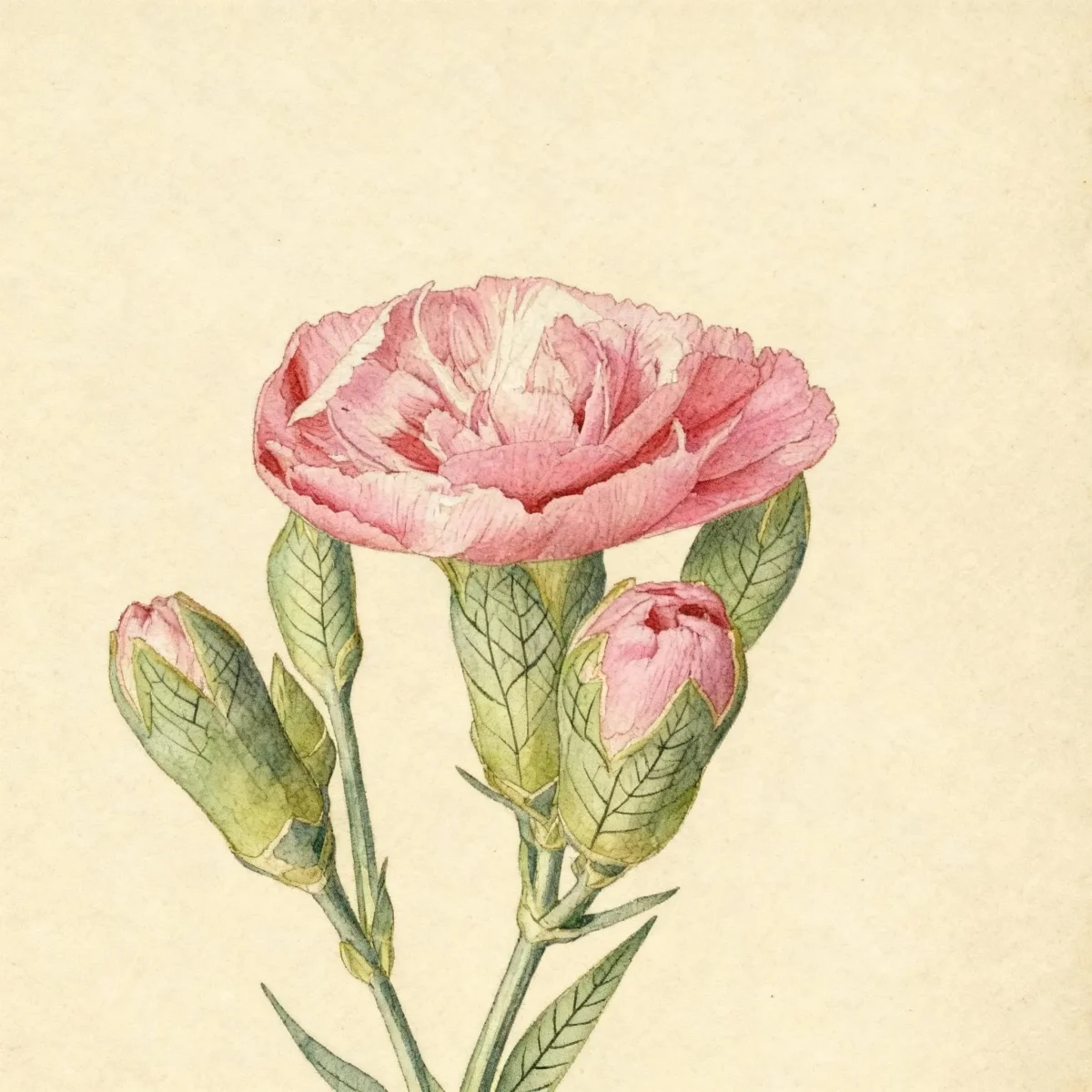
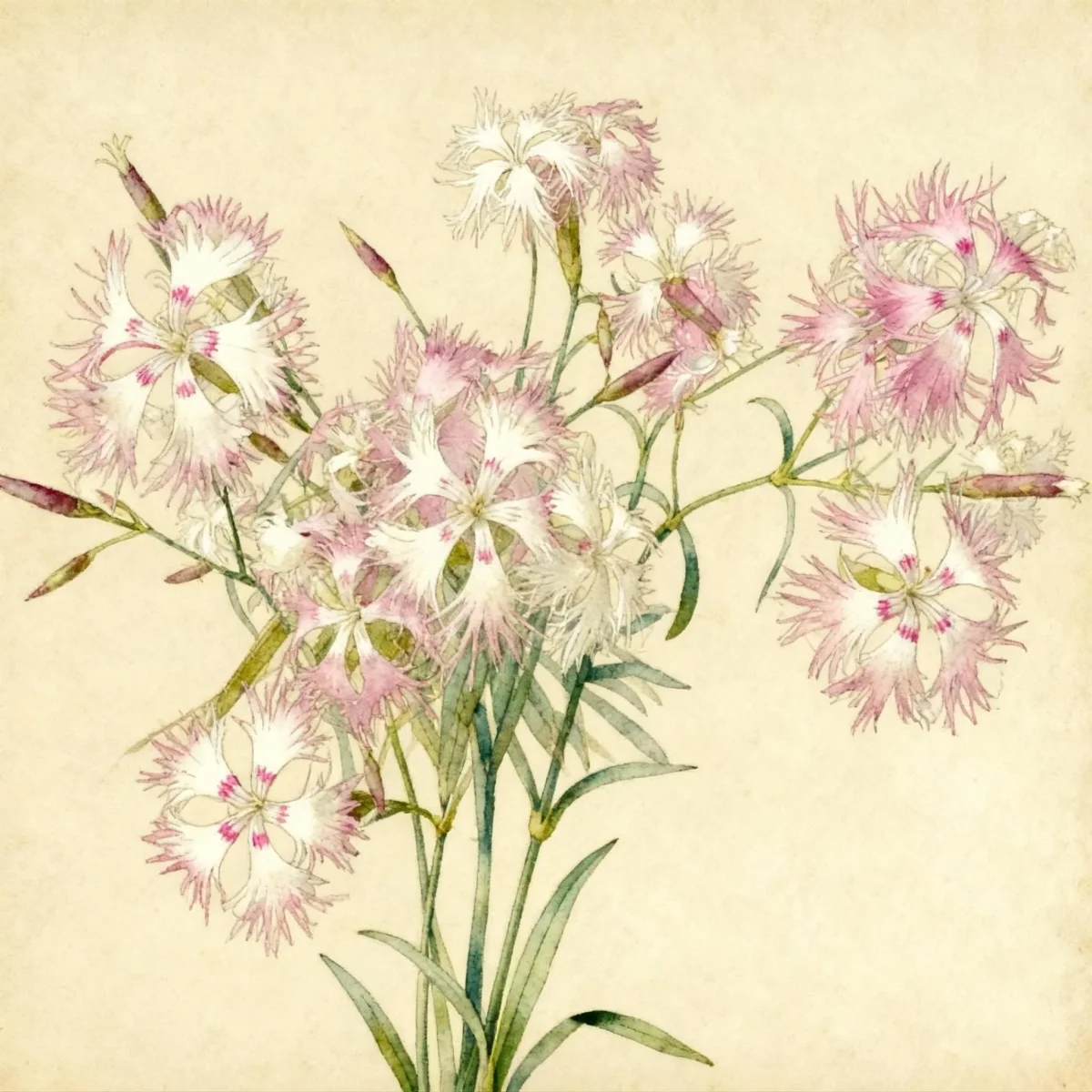
Carnation (Dianthus 'Dad's Favourite')
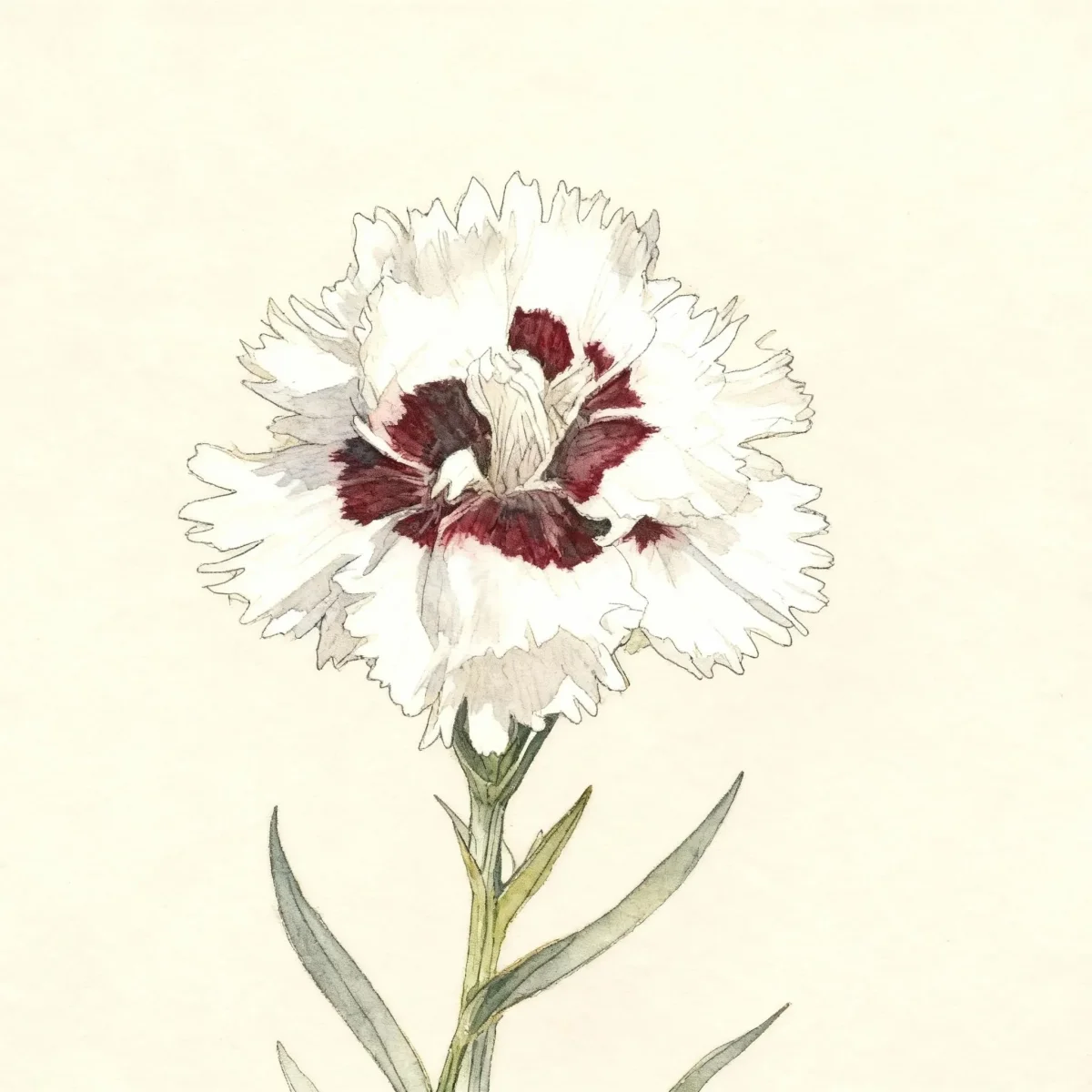
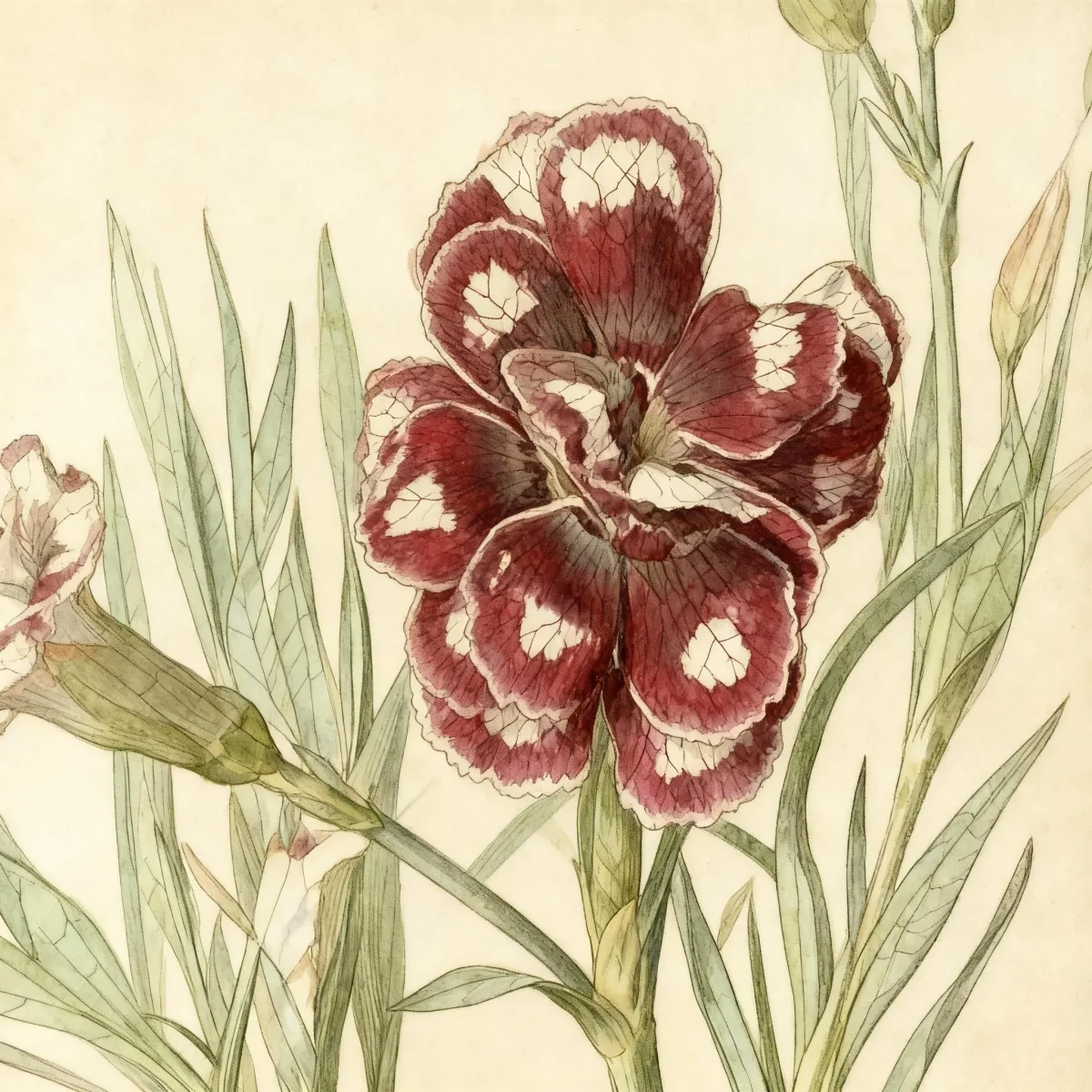
Dianthus 'Dad's Favourite' Carnation offers showy, fragrant, white and red bicolor flowers. A low-maintenance perennial for zones 4-8.
Scroll down to discover growing tips, care requirements, companion plants, and more
Complete Plant Information
Overview
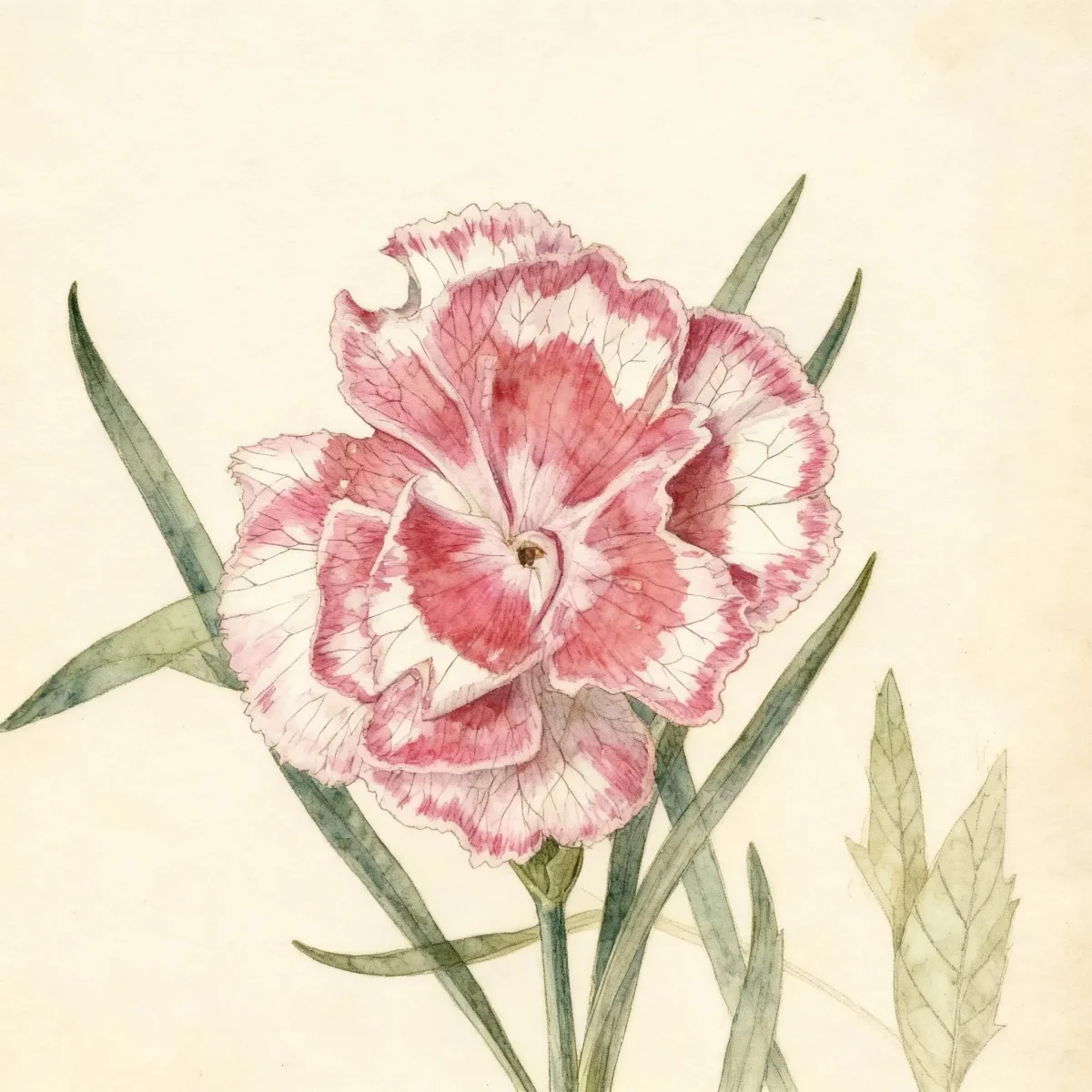
Dianthus ‘Dad’s Favourite’, commonly referred to as Carnation, is a cherished, old-fashioned pink cultivar dating back to the 1800s. Gardeners value this herbaceous perennial for its robust, compact growth habit and its beautifully fringed, double flowers featuring white petals edged in red. This variety puts on a delightful display from early summer, offering a subtle, spicy fragrance that enhances any garden setting.
As a member of the Dianthus genus, Dianthus ‘Dad’s Favourite’ provides reliable texture with its clump-forming, gray-green, grass-like foliage. It is highly adaptable when provided with its preferred conditions, contributing significantly to border fronts and rock gardens with minimal fuss. Its consistent performance and classic bicolor bloom make the Carnation a staple choice for cottage gardens.
This specific cultivar produces blooms on stiff stems rising to about 10 to 12 inches tall, ensuring the eye-catching flowers are presented cleanly above the neat foliage mound. For gardeners seeking long-lasting summer color and aromatic accents, Dianthus ‘Dad’s Favourite’ is an excellent, low-maintenance addition.
Fast Facts
- Plant Family: Caryophyllaceae
- Plant Type: Herbaceous perennial
- Hardiness Zones: USDA Zones 4-8
- Size at Maturity:
- Height: 0.75-1 ft
- Spread: 0.75-1 ft
- Bloom Time: June to July
- Bloom Description: White and red bicolor
- Sun Exposure: Full sun
- Water Needs: Medium
- Maintenance Level: Low
How to Grow
Planting Dianthus ‘Dad’s Favourite’ is best done in spring or fall after the last hard frost. Success hinges on providing full sun, as light is crucial for abundant flowering, though these plants appreciate cooler summers. They thrive in average, evenly moist, well-drained soils. Ensure your location offers excellent drainage, as poor drainage quickly leads to root issues, especially in winter. Incorporating gritty materials or leaf mold helps soil retain necessary moisture without becoming waterlogged.
Watering for this Carnation variety should be consistent—aiming for medium moisture levels—especially during hot, dry spells, as they require reliable hydration to maintain bloom quality. Though low maintenance, deadheading faded flowers is a worthwhile task. Removing spent blooms encourages the plant to produce a fresh flush of flowers later in the season.
For tidiness and extending the blooming period, consider giving the plants a light shear or haircut after the main flush subsides in mid-summer. This pruning action prompts new growth and potentially second blooms in late summer or early fall. In colder zones (4-5), ensure plants are not overly wet going dormant in late autumn to protect the crowns over winter.
Landscape Uses
Dianthus ‘Dad’s Favourite’ excels where neat mounds of foliage and cheerful, fringed blooms are desired near the edges of a planting bed. Its upright, compact habit makes it an ideal choice for border fronts, providing a structured transition between a lawn or path and taller perennials behind it. The classic white and red pattern integrates seamlessly into colorful cottage garden schemes alongside lavender or trailing roses.
Due to its moderate height (under 1 foot), this Carnation is also an excellent fixture in rock gardens, where its need for sharp drainage mimics its native environment. Furthermore, Dianthus ‘Dad’s Favourite’ performs admirably in containers, either as a specimen or mixed into arrangements where its texture and color contrast nicely with softer, mounding annuals.
Standout Features
Flower Qualities
- Showy
- Fragrant
Noteworthy Characteristics
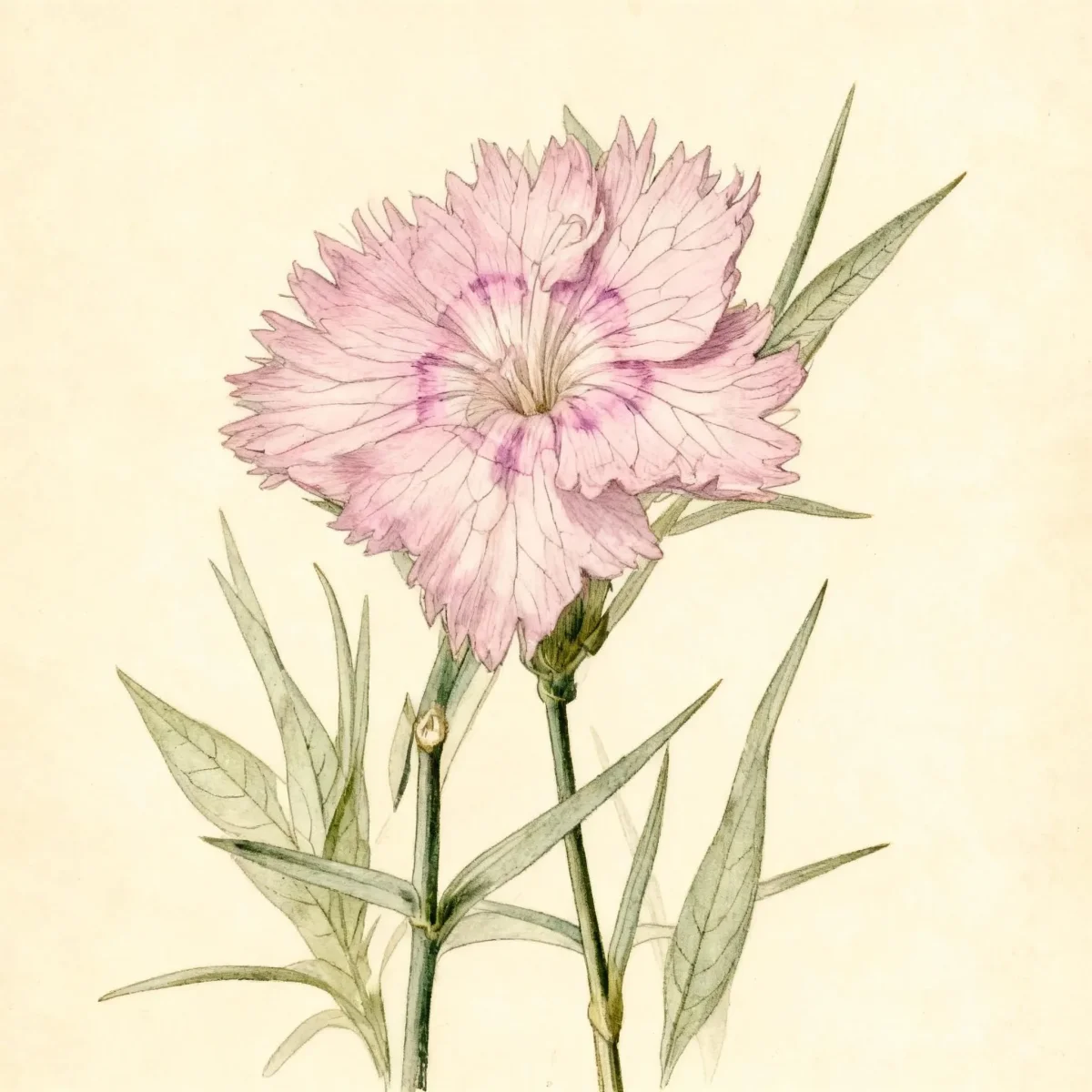
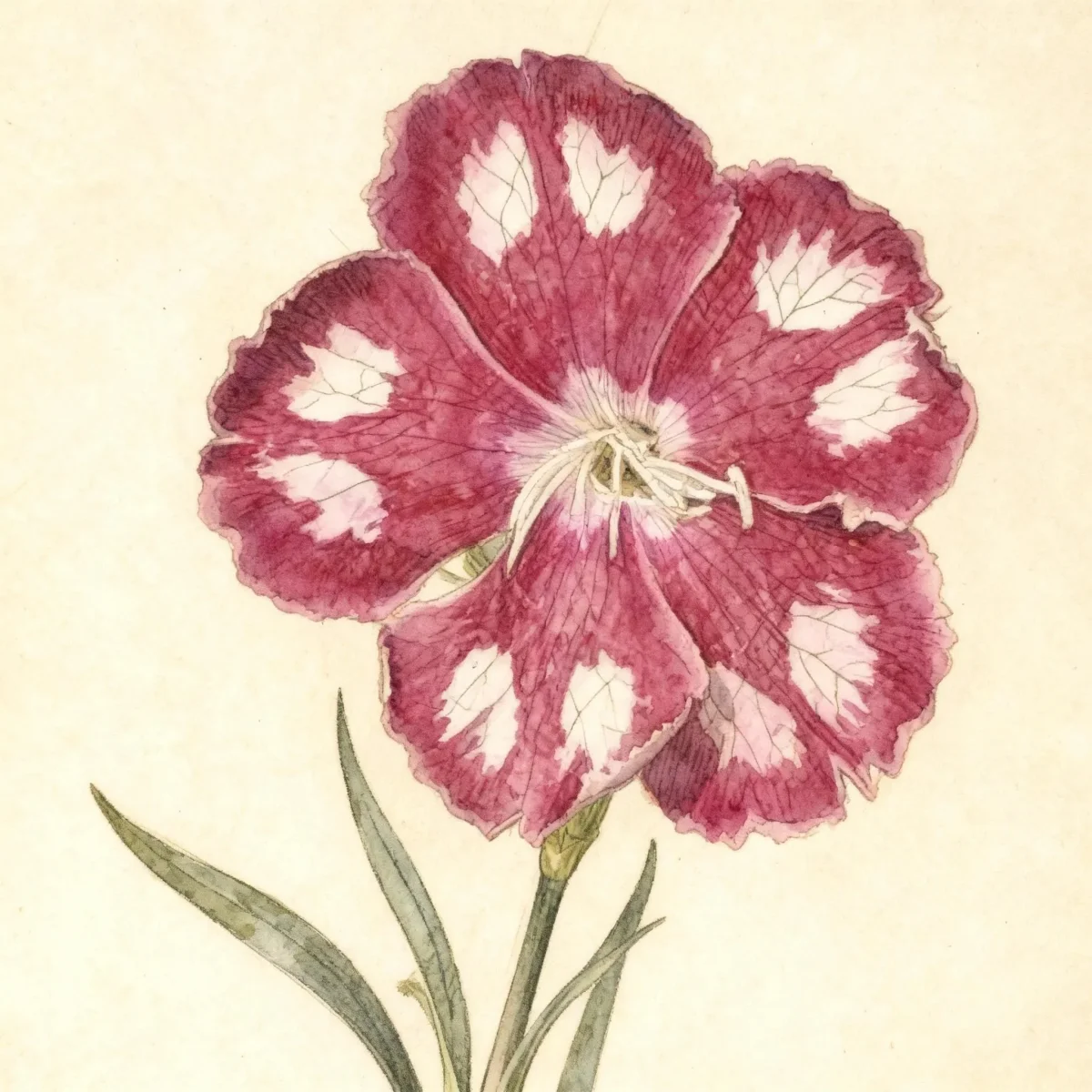
Perennial dianthus, commonly called carnations or pinks, are loosely-tufted, herbaceous perennials that features fragrant, often double flowers on stiff stems clad with narrow, linear, gray-green leaves. The cultivar ‘Dad’s Favourite’ is a robust variety producing a compact mat of gray-green foliage topped with sweetly aromatic, fringed double white flowers edged in red. The genus name Dianthus derives from the Greek words for divine flower, reflecting its long history of admiration.
Tolerances
- Deer
Potential Problems
The primary threat to this Carnation is crown rot, which occurs when the plant sits in overly saturated or poorly draining soil, especially during winter dormancy. To mitigate this risk, ensure the planting site is amended for sharp drainage; avoid heavy clay soils unless significantly improved with grit or sand. Proper spacing for good air circulation also reduces humidity around the crown, preventing fungal issues from taking hold.
Frequently Asked Questions
What hardiness zones is Carnation suitable for?
Dianthus ‘Dad’s Favourite’ is generally hardy in USDA Zones 4 through 8, offering reliable perennial performance across these ranges.
How large does Dianthus ‘Dad’s Favourite’ grow?
At maturity, this cultivar typically reaches heights and spreads between 0.75 to 1 foot tall and wide, forming a dense, low mound.
What sun exposure does Carnation need?
This plant requires full sun to achieve its best bloom potential, though it benefits from protection from the harshest afternoon sun in very hot climates.
When does Carnation bloom?
The white and red bicolor flowers of Dianthus ‘Dad’s Favourite’ generally appear throughout the summer months, specifically from June into July.
Conclusion
The dependable beauty and spicy fragrance of Dianthus ‘Dad’s Favourite’ solidify its role as a cottage garden favorite. Its low maintenance needs and classic, showy blooms make this Carnation an excellent choice for borders and containers alike. Before planting, confirm that your garden site offers the full sun and excellent drainage required for this robust dianthus to thrive.
Companion Planting
Selecting companions for Dianthus ‘Dad’s Favourite’ should focus on plants that share its preference for full sun and gritty, well-drained soil, while avoiding species that require heavy, constant moisture. Plants with silvery or fine foliage create wonderful textural partnerships with the grass-like leaves of the Carnation. Excellent partners include low-growing Sedums, Thyme, or creeping Phlox varieties, all of which appreciate similar lean soil conditions.
For a traditional cottage look, pair the white and red blooms of Dianthus ‘Dad’s Favourite’ with classic spring bloomers like English Lavender or blue-flowering Campanula. These companions complement the mid-summer bloom window of the Carnation, creating sequential interest without competing heavily for resources or moisture retention in the soil bed.
Seasonal Care Calendar
Spring: After the danger of hard frost, clean up any winter debris and perform a light shearing if the foliage looks messy from winter exposure. This is the best time to amend the soil lightly with grit or compost if drainage is suspected to be poor. Apply a balanced, slow-release fertilizer sparingly if the soil is very poor, though Dianthus generally prefers lean nutrition.
Summer: Focus on deadheading spent blooms regularly, which is essential for maximizing the longevity of the bloom time extending into July, potentially prompting rebloom. Monitor water needs closely; while drought tolerant once established, consistent medium moisture is key during peak flowering. Ensure good air circulation around established clumps.
Fall: Reduce watering as temperatures cool. If late-season bloom has occurred, consider giving the entire clump a moderate shear for a tidier look heading into winter. Ensure the area around the crown is not overly wet going into the first hard freezes to prevent winter crown rot.