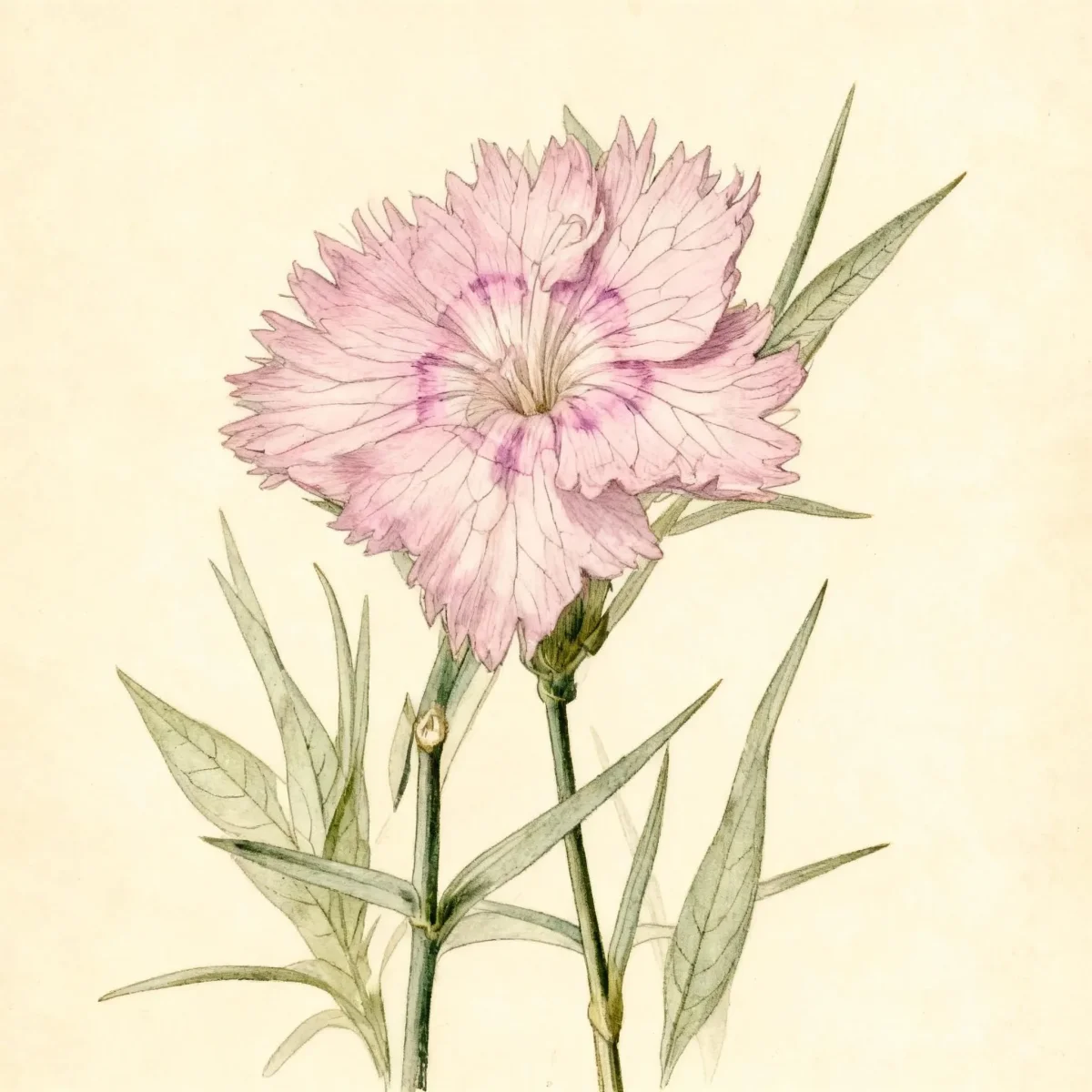
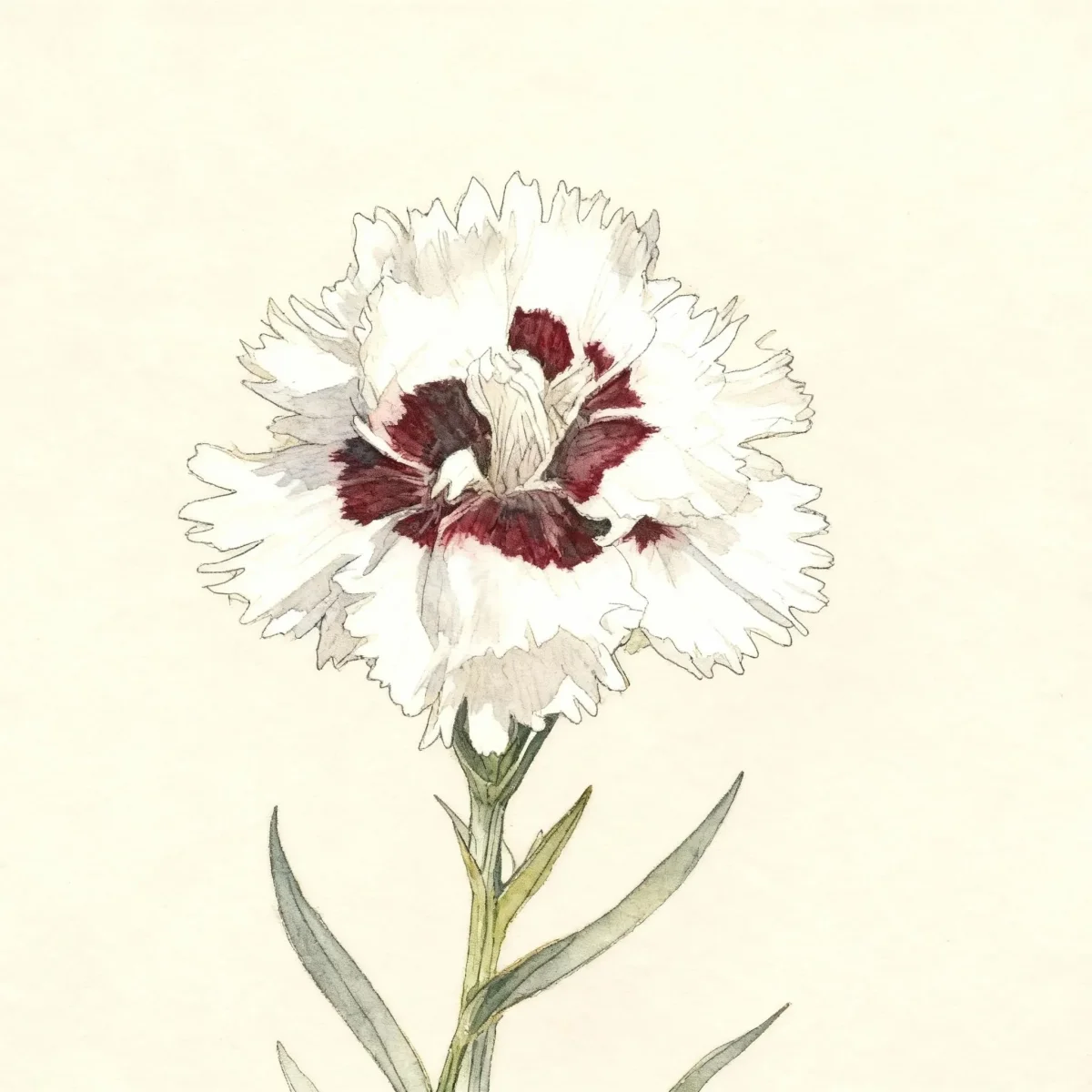
Dianthus (Dianthus 'Nana Pink Tones')
Dianthus 'Nana Pink Tones' is a low-maintenance herbaceous perennial offering fragrant, showy pink double flowers from May to July.
Scroll down to discover growing tips, care requirements, companion plants, and more
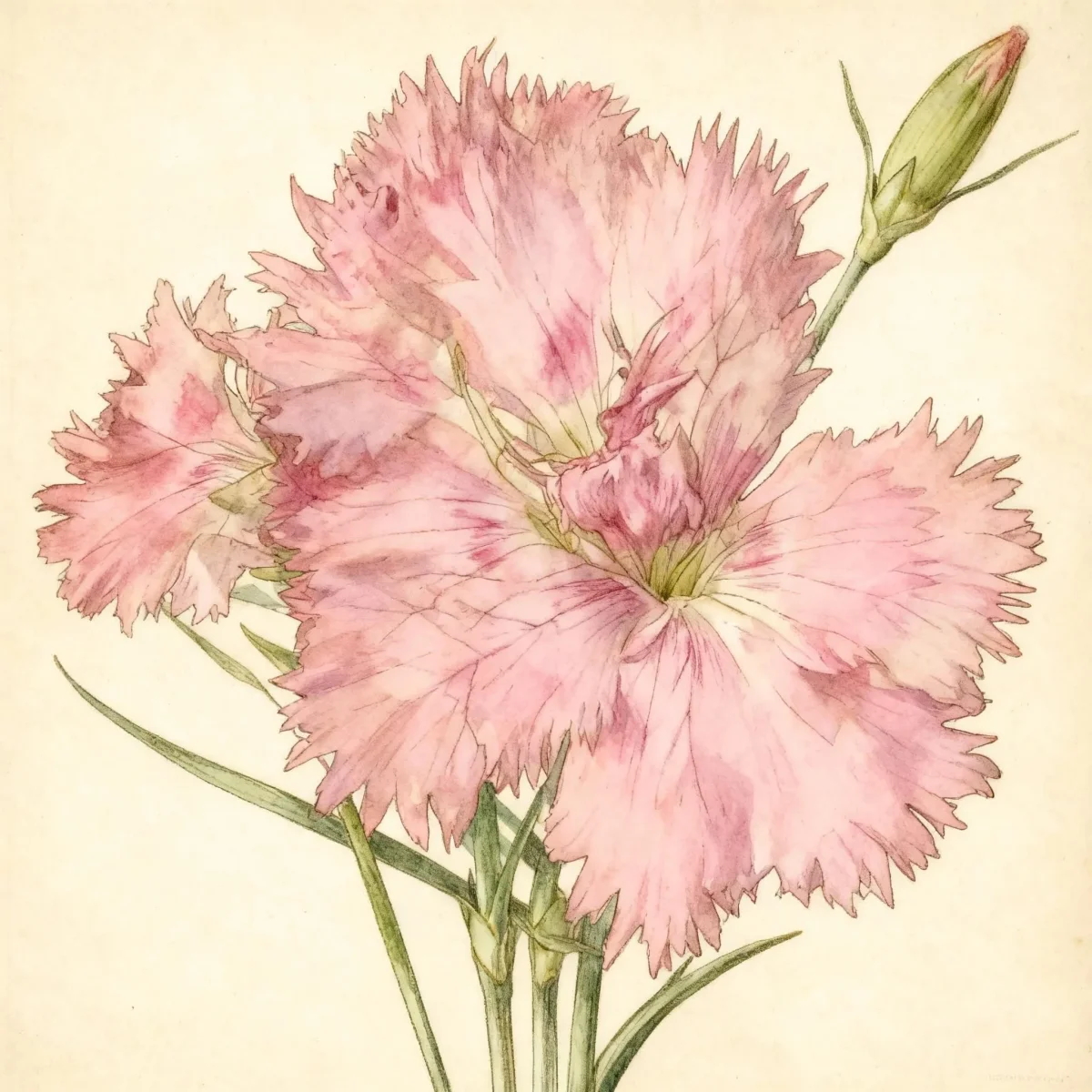
Complete Plant Information
Overview
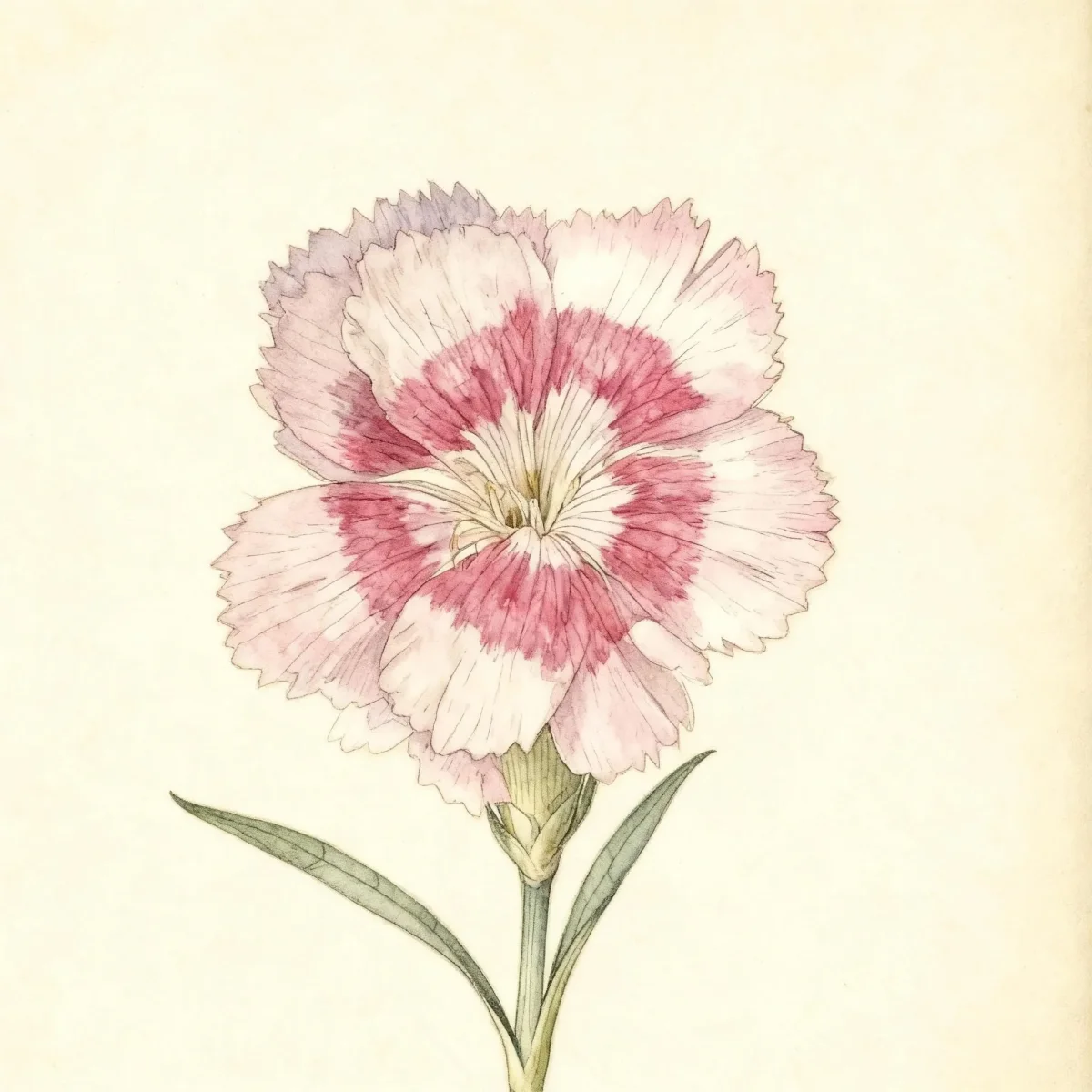
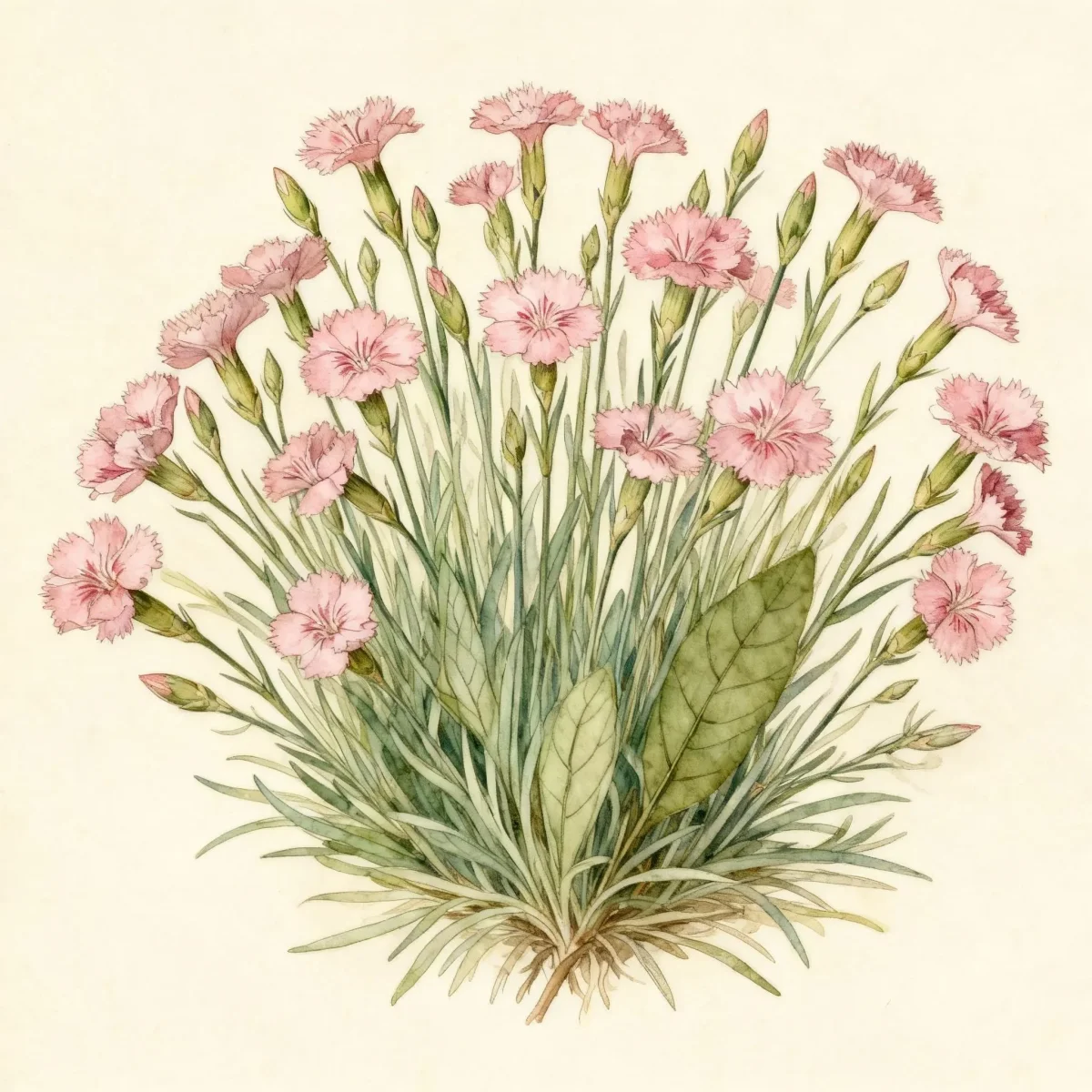
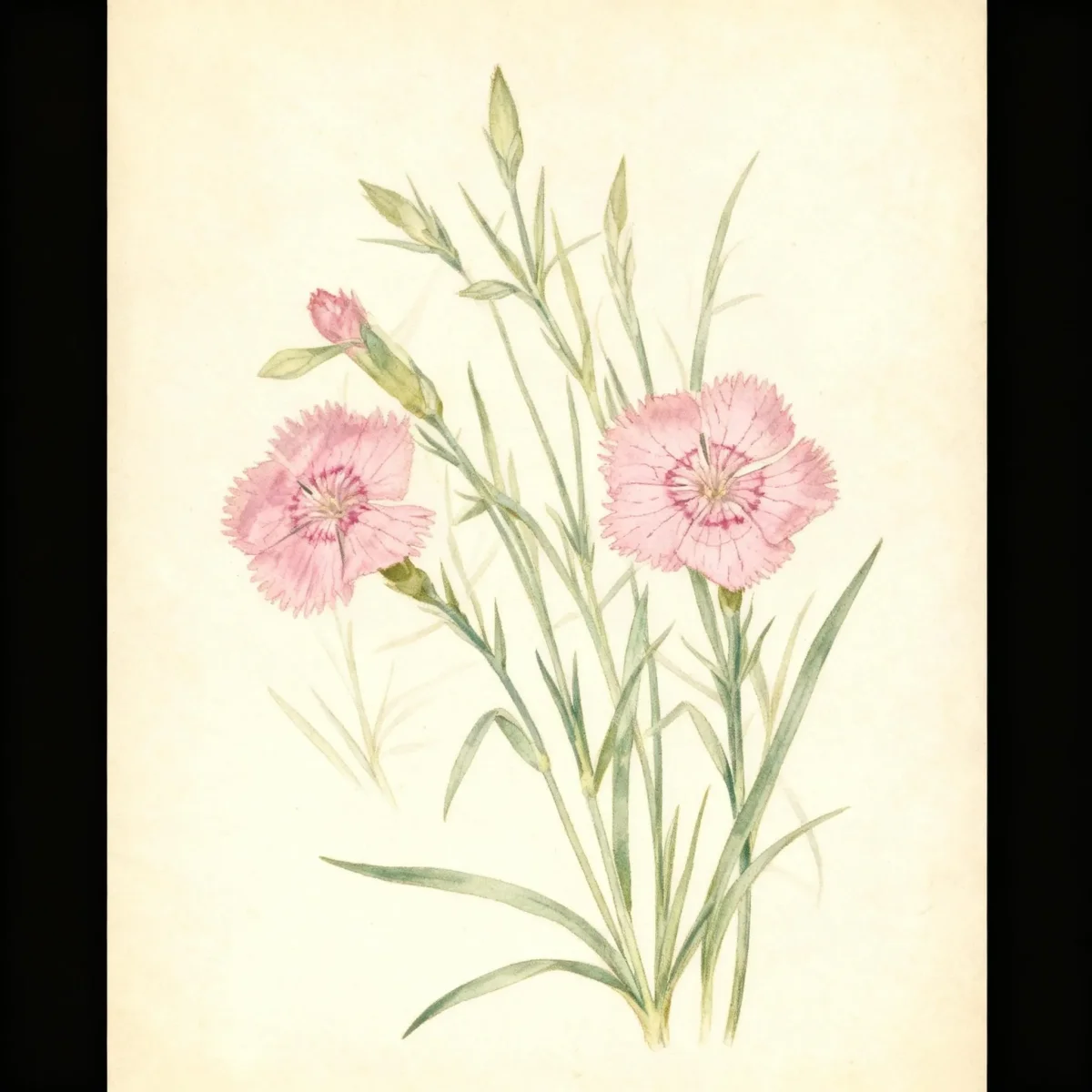
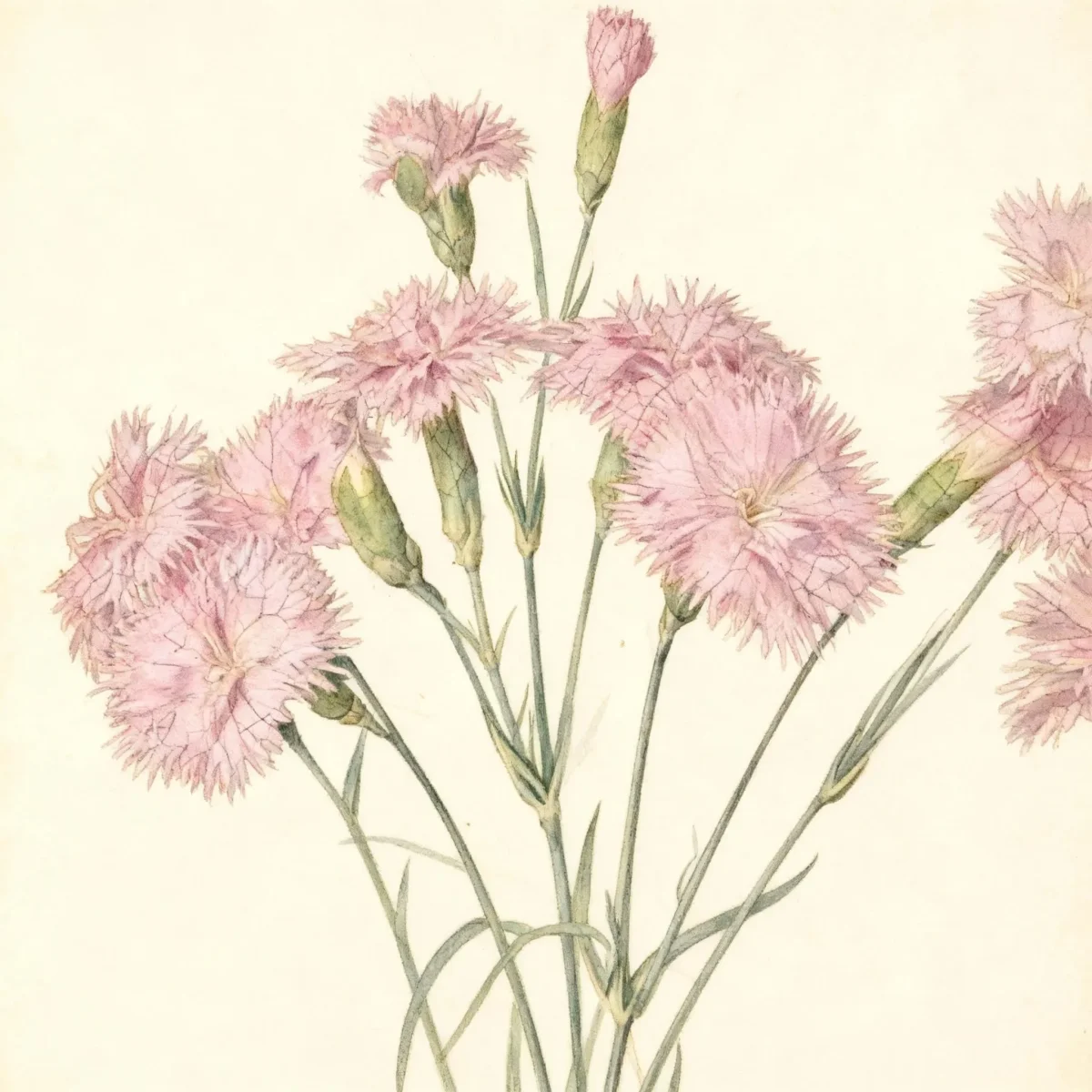
Dianthus ‘Nana Pink Tones’ is a highly valued herbaceous perennial cherished for its compact habit and delightful springtime fragrance. This specific Dianthus cultivar forms a dense, attractive mat of gray-green, grass-like foliage that serves as an excellent low groundcover or border accent. Gardeners appreciate Dianthus for its ability to deliver showy, double pink flowers reliably from May through July.
This robust plant thrives in full sun conditions, provided the summer temperatures remain relatively cool, fitting well into many mixed perennial borders. Maintaining Dianthus ‘Nana Pink Tones’ is simple, often requiring only basic deadheading, making it an ideal choice for gardeners seeking high impact with low effort. The wonderfully fragrant blooms create sensory appeal wherever the Dianthus is planted.
Often crossbred with Dianthus plumarius, this carnation relative offers sturdy performance across USDA zones 3 through 8. Whether used in rock gardens or containers, Dianthus ‘Nana Pink Tones’ provides necessary texture and color contrast against its neighbors.
Fast Facts
- Plant Family: Caryophyllaceae
- Plant Type: Herbaceous perennial
- Hardiness Zones: USDA Zones 3-8
- Size at Maturity:
- Height: 0.5-1 ft
- Spread: 0.5-1.5 ft
- Bloom Time: May to July
- Bloom Description: Pink (double)
- Sun Exposure: Full sun
- Water Needs: Medium
- Maintenance Level: Low
How to Grow
Dianthus ‘Nana Pink Tones’ establishes best when planted in the spring or early fall, allowing the roots time to settle before temperature extremes. These plants demand full sun exposure for the best flowering performance, though they prefer environments where summer heat is mitigated by cool evenings. Optimal soil conditions involve an average, evenly moist, well-drained medium. Plants perform best in organically rich, gritty loams that lean towards neutral or slightly alkaline pH levels.
Good drainage is non-negotiable; excess moisture, especially during winter dormancy, can quickly lead to rot issues. To improve water retention in hot climates without sacrificing drainage, incorporate leaf mold or other organic material into the planting area. Watering should be consistent, aiming for medium moisture levels, avoiding both parched soil and soggy conditions.
Maintenance for this low-effort perennial centers on encouraging rebloom. Deadhead spent flowers promptly to redirect the plant’s energy into producing more buds instead of seeds. For a tidier appearance and to promote a secondary flush of bloom in late summer or fall, consider shearing the plants back moderately after the main flush has finished.
Landscape Uses
The compact size of Dianthus ‘Nana Pink Tones’ (reaching only 10 inches tall) makes it supremely versatile in garden design. It excels when placed at the front of mixed perennial beds or used as reliable edging along walkways, where its low profile will not obscure shorter companions. These plants are perfect for filling in gaps in cottage garden designs, lending a traditional, fragrant touch.
For gardeners with limited space, this Dianthus variety grows beautifully in containers, either alone or mixed with upright foliage plants that benefit from its mounding habit. They are also highly recommended for rock gardens, where gritty, well-drained soil mimics their preferred natural environment. The narrow, gray-green foliage provides excellent contrast to surrounding plants with broad, dark green leaves.
By planting Dianthus ‘Nana Pink Tones’ where its spicy aroma can be easily noticed—near patios or entryways—gardeners maximize the sensory enjoyment this flower provides throughout its long bloom season.
Standout Features
Flower Qualities
- Showy
- Fragrant
Noteworthy Characteristics
Perennial dianthus, commonly called carnations or pinks, are loosely-tufted, herbaceous perennials that features fragrant, often double flowers on stiff stems clad with narrow, linear, gray-green leaves. The specific cultivar ‘Nana Pink Tones’ is robust, forming a compact mat of foliage topped with spicy, double pink flowers typically reaching 10 inches high in late spring. The common name ‘pink’ likely refers to the fringed petal margins, reminiscent of pinking shears, rather than the bloom color itself.
Tolerances
- Deer
Potential Problems
Carnations, which include Dianthus ‘Nana Pink Tones’, can be susceptible to various fungal, bacterial, and viral issues, such as botrytis, rust, powdery mildew, leaf spots, and fusarium wilt. Outdoor garden cultivation generally reduces the severity of these issues compared to greenhouse conditions. Watch for common pests like aphids, caterpillars, leafminers, spidermites, and scale insects.
Managing potential problems starts with excellent garden hygiene and ensuring optimal growing conditions, specifically perfect drainage to ward off many fungal diseases. If pests appear, treat promptly with appropriate horticultural oils or insecticidal soaps suitable for perennials. Deer generally avoid consuming this variety, offering a layer of natural protection.
Frequently Asked Questions
What hardiness zones is Dianthus suitable for?
Dianthus ‘Nana Pink Tones’ is hardy and performs reliably across USDA Zones 3 through 8.
How large does Dianthus ‘Nana Pink Tones’ grow?
This cultivar reaches a modest height between 0.5 and 1 foot tall, with a spread ranging from 0.5 to 1.5 feet wide.
What sun exposure does Dianthus need?
This Dianthus requires full sun exposure to produce its best flowering display.
When does Dianthus ‘Nana Pink Tones’ bloom?
You can expect vibrant pink double blooms to appear reliably from May through July.
Conclusion
Dianthus ‘Nana Pink Tones’ brings exceptional value to the garden through its low maintenance profile, attractive foliage, and wonderfully fragrant flowers blooming through early summer. Ensure you check your local USDA zone compatibility before planting this stunning herbaceous perennial. Planning your planting time for spring or early fall will give your Dianthus the best chance to thrive.
Companion Planting
When designing a bed around Dianthus ‘Nana Pink Tones’, focus on plants that enjoy similar cultural conditions: full sun and well-drained soil. Grouping it with other drought-tolerant perennials that prefer neutral to slightly alkaline conditions works well. Consider pairing the fine, gray-green texture of the Dianthus foliage with plants that have broader, darker leaves for visual separation.
Excellent companion choices include Lavender (Lavandula spp.), which shares a preference for sharp drainage and sun, as well as creeping Thyme (Thymus serpyllum), which complements the low, mat-forming habit of Dianthus. Plants that tolerate slightly drier summer soil, like Sedum or certain varieties of Achillea, will look superb alongside this fragrant pink.
Seasonal Care Calendar
Spring care begins by observing the plant after the last frost, focusing immediately on deadheading any old, spent flower stalks from the previous year to encourage fresh spring growth. Once the main flush of bloom begins in late spring, diligently remove tired flowers to maximize the summer show. Summer maintenance primarily involves monitoring moisture levels; water medium amounts when the top inch of soil dries out, especially during heatwaves.
Mid to late summer is the ideal time for a light shearing, particularly if the plant looks untidy or flowering has slowed dramatically. This shearing action stimulates new vegetative growth and often leads to a useful second bloom period well into early fall. Minimal fertilization is usually required unless the soil is exceptionally poor; rich, gritty loam is preferred over heavy feeding.
Winter preparation for this hardy perennial (Zones 3-8) typically involves simply allowing the foliage to remain unless it is visibly diseased. Avoid heavy mulching directly over the crown, as this traps excessive moisture, which is detrimental to Dianthus health in colder months.