Kalm's St. John's wort (Hypericum kalmianum 'Ames')
Durable broadleaf evergreen, Hypericum kalmianum 'Ames' delights with golden blooms. Low maintenance shrub perfect for zones 4-7.
Scroll down to discover growing tips, care requirements, companion plants, and more
Complete Plant Information
Overview
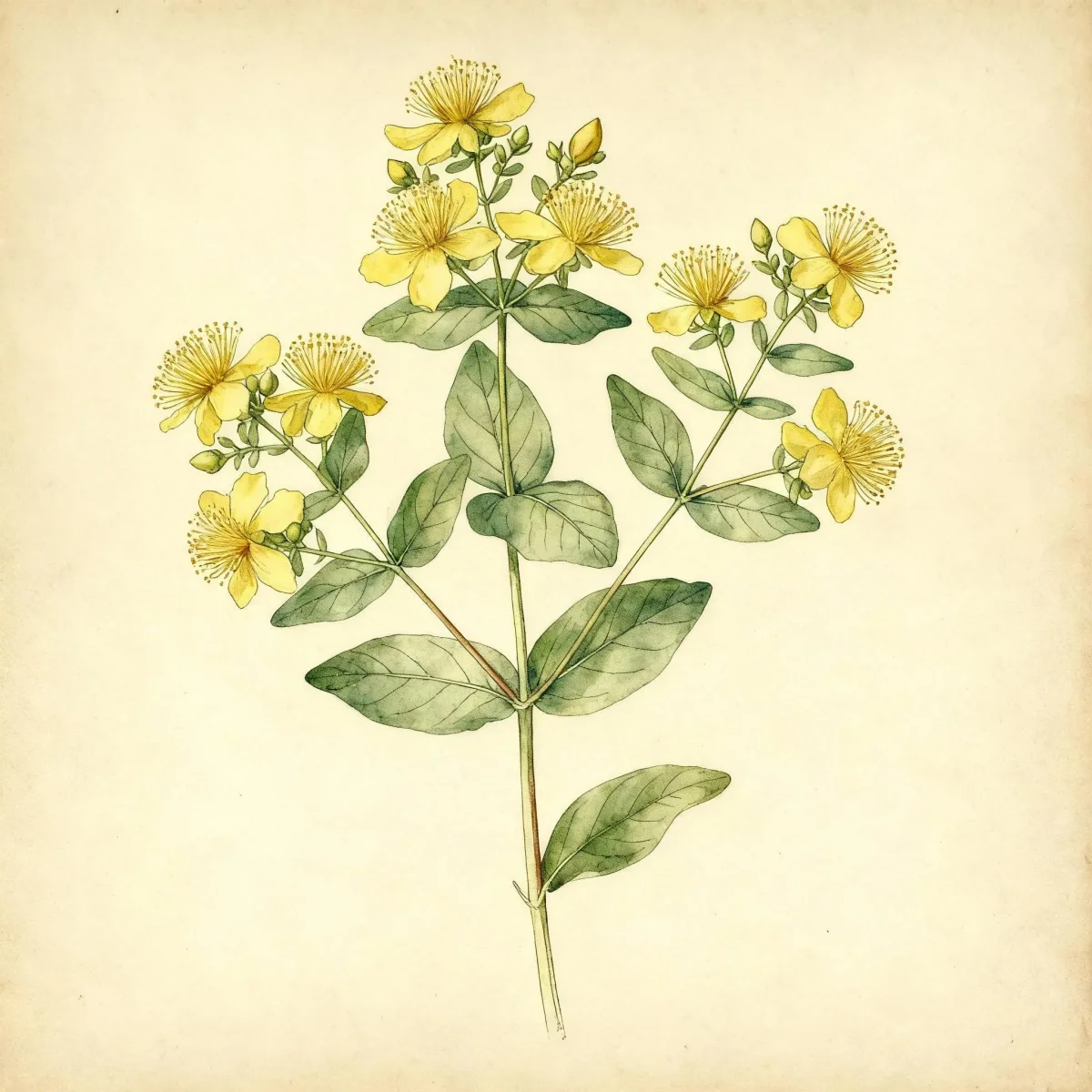
Hypericum kalmianum ‘Ames’, known commonly as Kalm’s St. John’s wort, is a highly valued, dense, broadleaf evergreen shrub offering reliable summer color. This cultivar is prized for its superior winter hardiness, making it a trustworthy selection for colder gardens throughout the Great Lakes region and beyond. It forms a neat, tidy mound, providing year-round structure even when not in bloom.
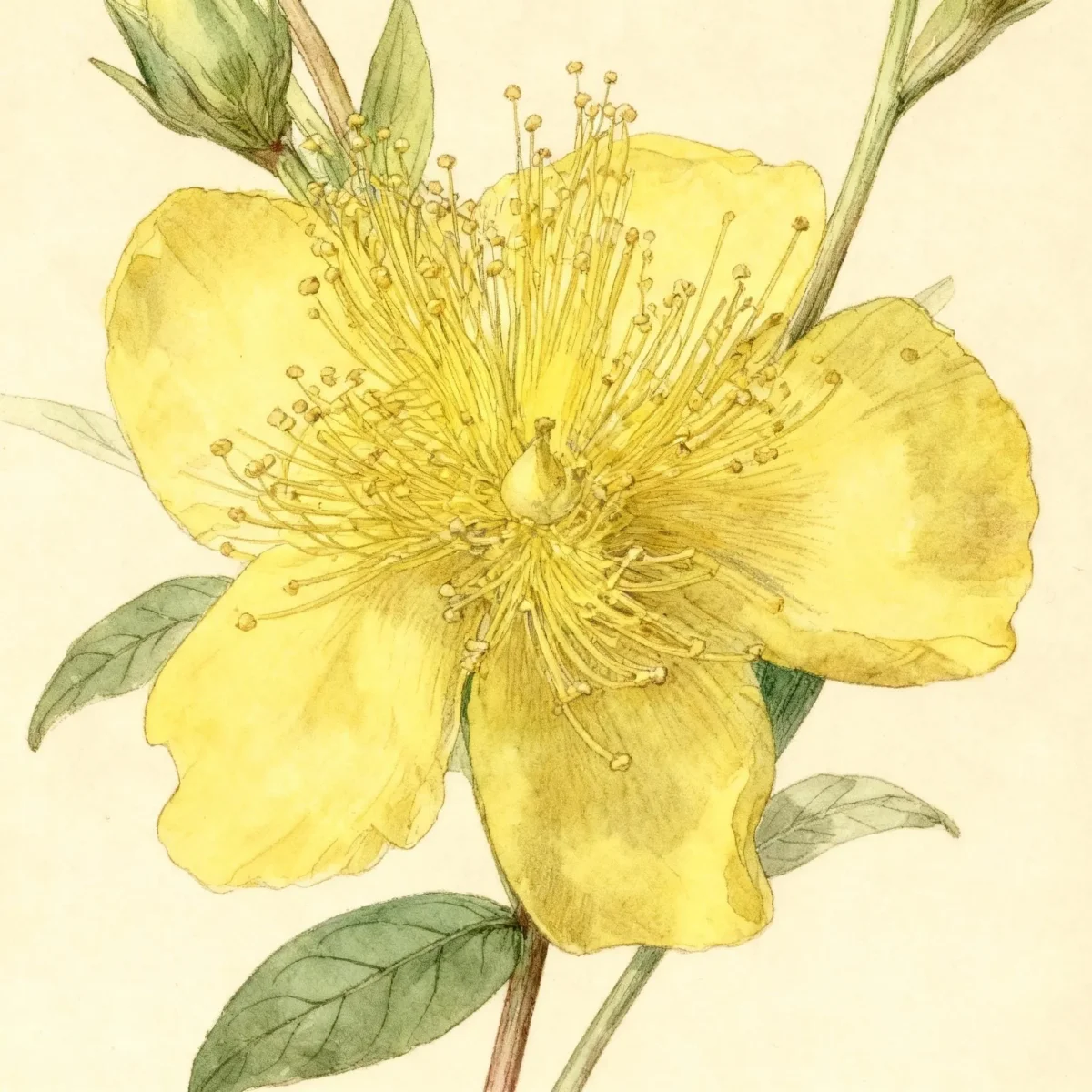
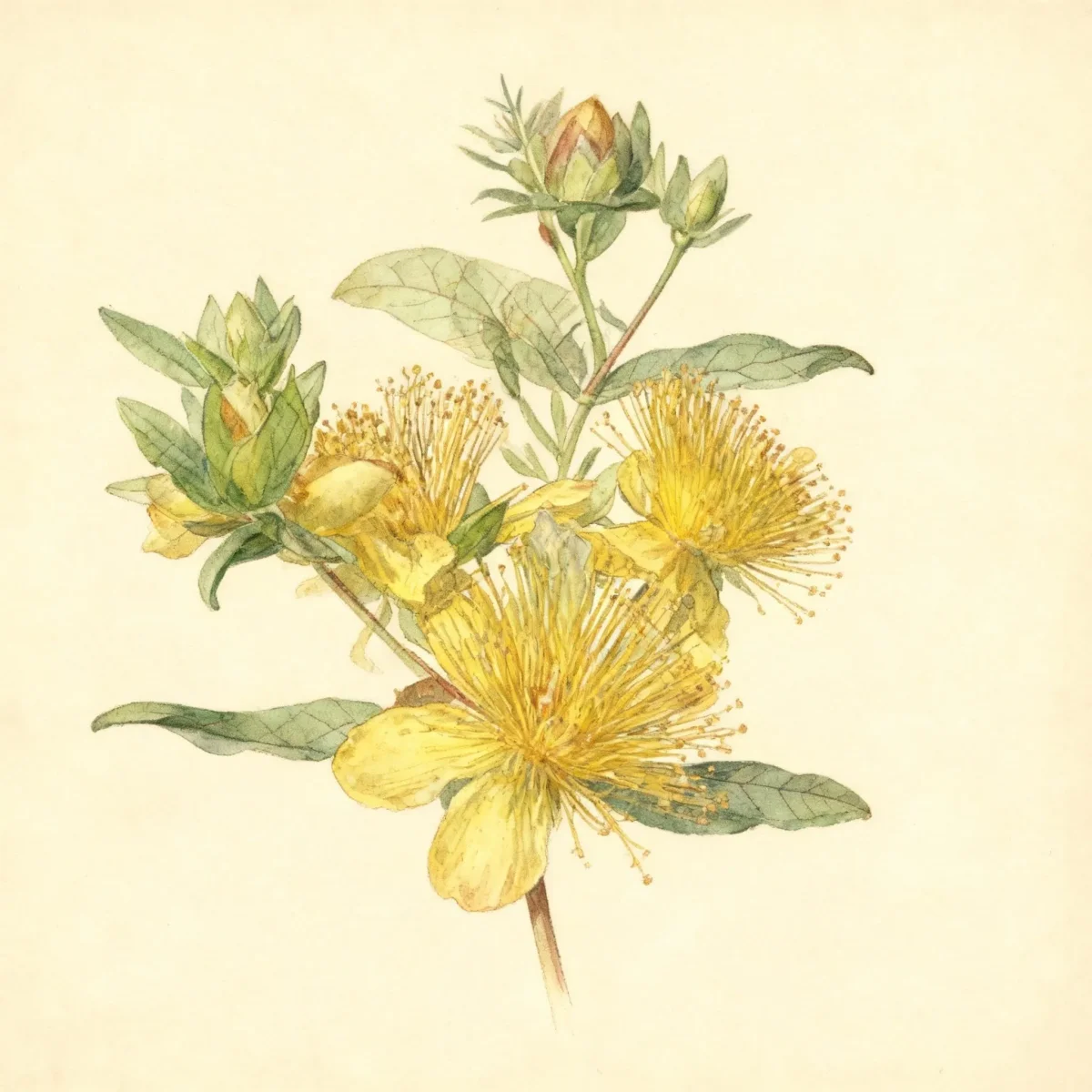
This tough native provides cheerful, golden-yellow flowers typically spanning July and August, drawing the eye to its compact framework. Once established, Kalm’s St. John’s wort requires minimal ongoing attention, fitting seamlessly into low-maintenance landscape designs. Its upright branching and persistent foliage offer texture and color depth throughout the seasons.
The durability and manageable size of Hypericum kalmianum ‘Ames’ make it an excellent structural plant. Gardeners appreciate its tolerance for various soil conditions, provided drainage is adequate. It offers reliable screening, border definition, or striking contrast planted against darker foliage.
Fast Facts
- Plant Family: Hypericaceae
- Plant Type: Broadleaf evergreen
- Hardiness Zones: USDA Zones 4-7
- Size at Maturity:
- Height: 2-3 ft
- Spread: 2-3 ft
- Bloom Time: July to August
- Bloom Description: Yellow
- Sun Exposure: Full sun to part shade
- Water Needs: Medium
- Maintenance Level: Low
How to Grow
Planting Hypericum kalmianum ‘Ames’ is best achieved in spring or fall when the soil is cooler, allowing the root system to establish before summer heat or winter freezes. Locate this shrub where it will receive at least a half-day of sun, though it tolerates light afternoon shade. It thrives in average, medium moisture, well-drained soils, preferring rich, sandy loam but successfully adapting to poorer sites.
Water moderately until the plant is fully established, ensuring the soil does not completely dry out, especially during its first year. While established plants tolerate some drought, consistent medium moisture supports the best seasonal growth and heaviest bloom set. Fertilization is rarely necessary; however, if soils are extremely poor, a balanced, slow-release fertilizer applied in early spring can be beneficial.
Pruning should be light and done only if necessary to shape the plant or remove stray branches. Perform any necessary shaping promptly after the bloom period ends in late summer. Avoid significant late-season pruning, as this can interfere with winter hardiness and next year’s bud set.
Landscape Uses
The upright, compact habit of Kalm’s St. John’s wort makes it highly versatile for defined landscape roles. Its primary suggested use is as a low hedge, providing a neat, evergreen barrier along walkways or property lines that seldom exceeds three feet tall. Hypericum kalmianum ‘Ames’ excels in borders where its bright yellow flowers provide a vibrant mid-season display against taller background plants.
For textural interest, consider using this shrub along rock garden edges or built-up slopes where excellent drainage is guaranteed. It integrates beautifully into naturalized areas, simulating its native habitat near lakeshores or open woods. Its tolerance for poor soils makes it an excellent choice for stabilizing tough locations where other ornamentals struggle.
When planning companions, choose plants that share similar sun and water needs, such as native grasses, coneflowers, or shorter conifer varieties. The consistent green-to-blue-green foliage of the shrub provides a fantastic foil for the purples, pinks, and whites of summer perennials.
Standout Features
Flower Qualities
- Showy
Fruit Qualities
- Showy
Noteworthy Characteristics
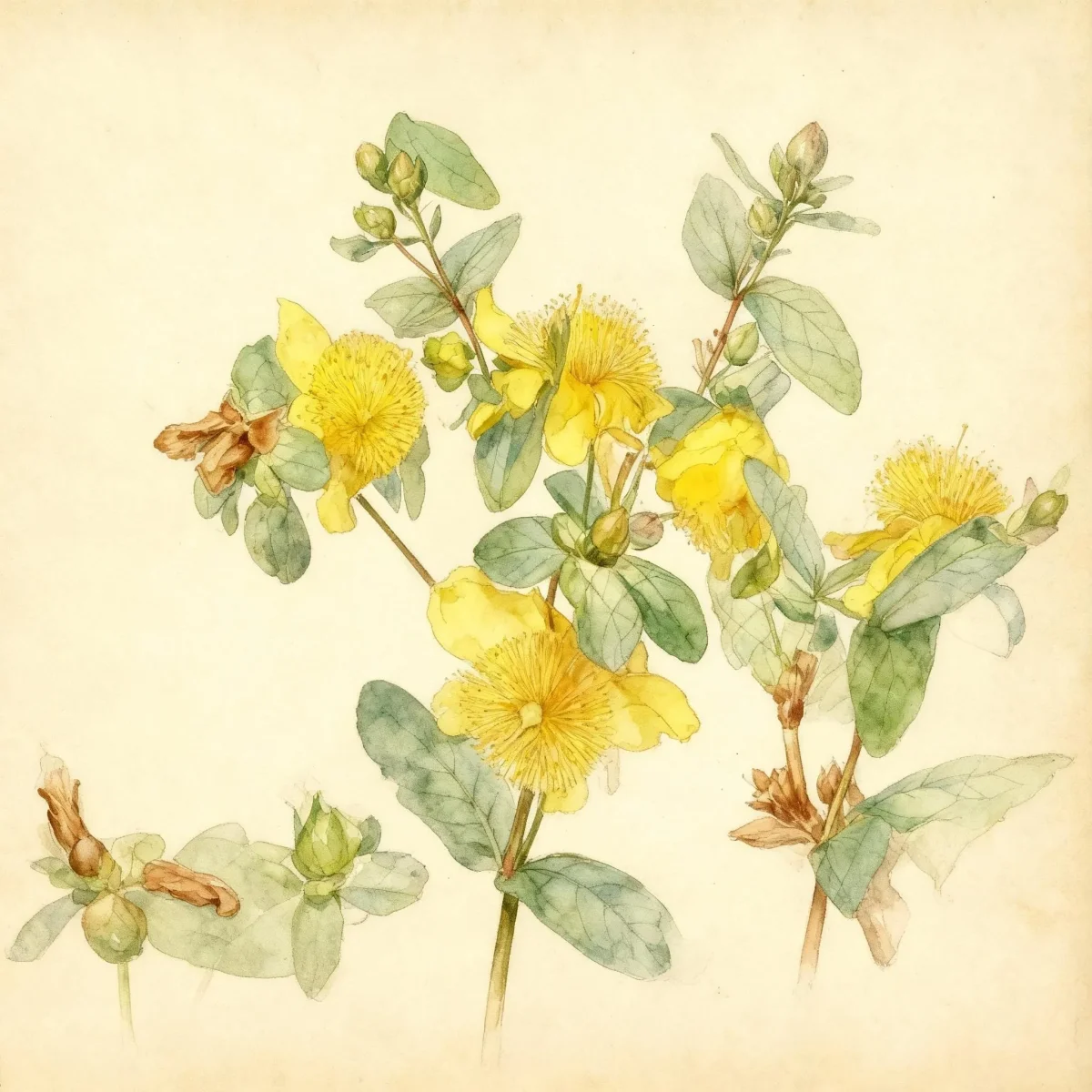
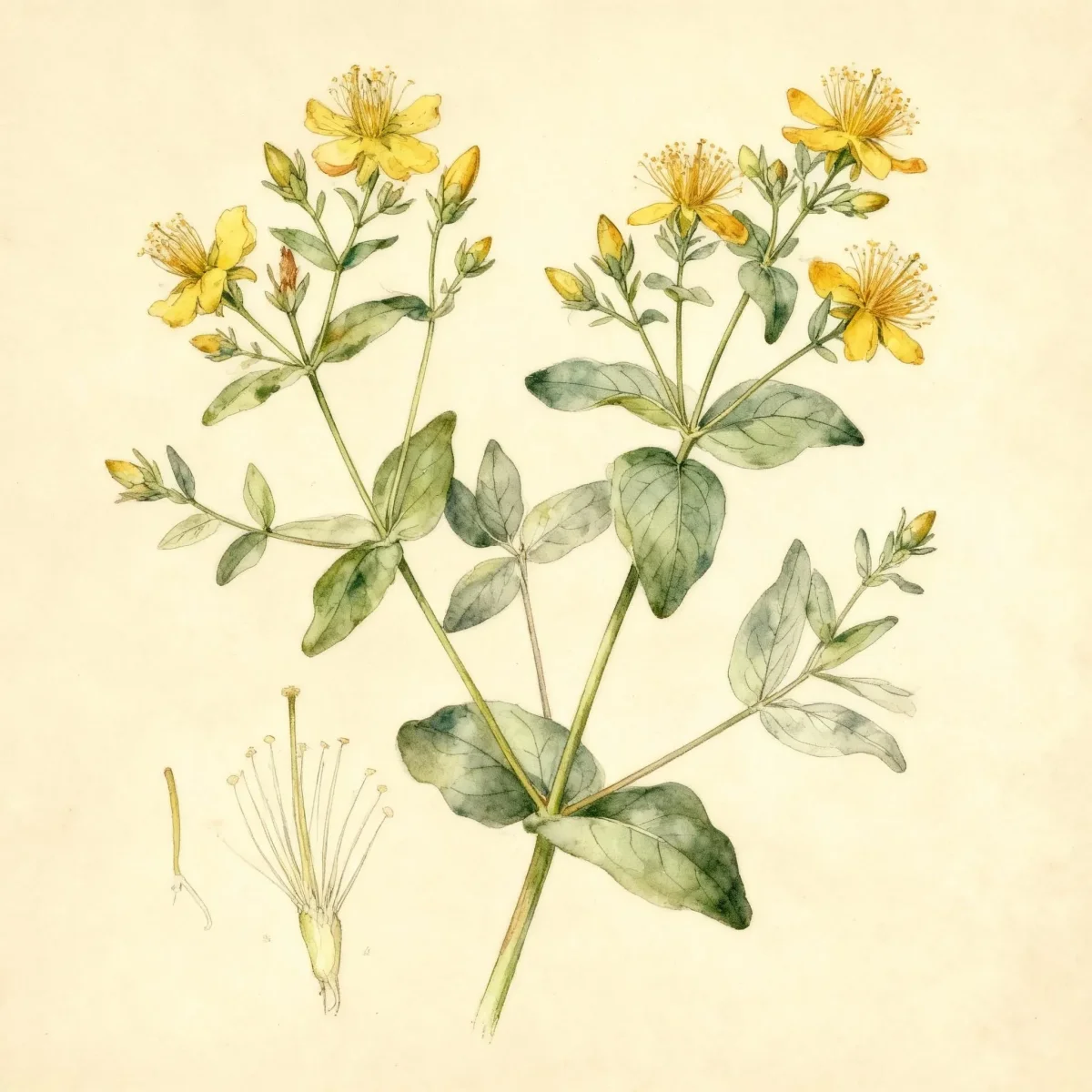
Hypericum kalmianum, commonly called Kalm St. Johns wort, is a small, dense, evergreen shrub or subshrub with upright branching that typically grows in a dense mound to 2-3’ tall. It is native to the Great Lakes region of the U.S. Where it typically occurs in rocky to sandy soils, ranging from relatively dry open woods to moist lakeshore areas. Narrow, linear-oblong, stalkless, bluish-green leaves (to 2” long) in pairs on distinctive 4-angled stems are evergreen but some may drop in winter. The cultivar ‘Ames’ was developed at Iowa State University, and reportedly has better winter hardiness than the species, making it a resilient garden performer.
Tolerances
- Tolerates poor soils
- Established plants tolerate some drought
Potential Problems
Fortunately, problems are rare for this dependable shrub. Hypericum kalmianum ‘Ames’ generally exhibits no serious insect or disease problems, which contributes significantly to its low maintenance rating. Its resilience to pests and common pathogens means gardeners can install it with confidence. Avoid overly dense planting where air circulation is poor, as this is the primary precursor to any potential fungal issues, though issues are infrequent.
Frequently Asked Questions
What hardiness zones is Kalm’s St. John’s wort suitable for?
Hypericum kalmianum ‘Ames’ performs reliably in USDA Hardiness Zones 4 through 7, offering good cold tolerance.
How large does Hypericum kalmianum ‘Ames’ grow?
This shrub reaches a mature height and spread of approximately two to three feet, forming a dense, compact mound suitable for low hedging.
What sun exposure does Kalm’s St. John’s wort need?
For the best flowering and densest habit, Kalm’s St. John’s wort prefers full sun, though it tolerates conditions ranging from full sun to part shade.
When does Hypericum kalmianum ‘Ames’ bloom?
This variety produces its signature golden-yellow flowers throughout the mid to late summer, typically blooming from July into August.
Conclusion
The dependable structure, low maintenance needs, and abundant summer bloom make Kalm’s St. John’s wort an indispensable choice for structure in perennial borders or low hedgework. This superior cultivar, Hypericum kalmianum ‘Ames’, offers native appeal combined with enhanced hardiness. Before planting, verify that your site falls within USDA Zones 4-7 and ensure the soil allows for good drainage for optimal long-term success.
Companion Planting
Selecting appropriate companion plants ensures that Hypericum kalmianum ‘Ames’ thrives aesthetically and culturally. Because this shrub prefers well-drained soil and tolerates marginal conditions, pair it with other drought-tolerant perennials that enjoy sun, such as Russian Sage (Perovskia atriplicifolia) or various Sedum varieties. These companions share the need for excellent drainage and won’t mind leaning against the low, stiff branches of the shrub.
For borders, consider contrasting foliage or late-season color. Planting contrasting textures, such as fine-bladed ornamental grasses like Little Bluestem, near the blocky habit of the Kalm’s St. John’s wort creates visual interest. Its bright yellow flowers look stunning when framed by deep purple flowers like ‘May Night’ Salvia, which blooms earlier but provides excellent structural mass.
Wildlife Benefits
Although not strictly advertised as a pollinator magnet, the open structure of the golden flowers on Hypericum kalmianum ‘Ames’ offers accessible nectar sources throughout the middle of summer when some other blooms are fading. The conspicuous center boss of yellow stamens attracts various small bees and beneficial insects looking for quick resources.
Furthermore, the oval, brown seed capsules that mature in the fall often persist into the winter months. These persistent fruits can offer a small food source or necessary cover for overwintering insects or small ground-feeding birds during the colder, leaner months. Planting natives like Kalm’s St. John’s wort contributes positively to local ecological function in the landscape.