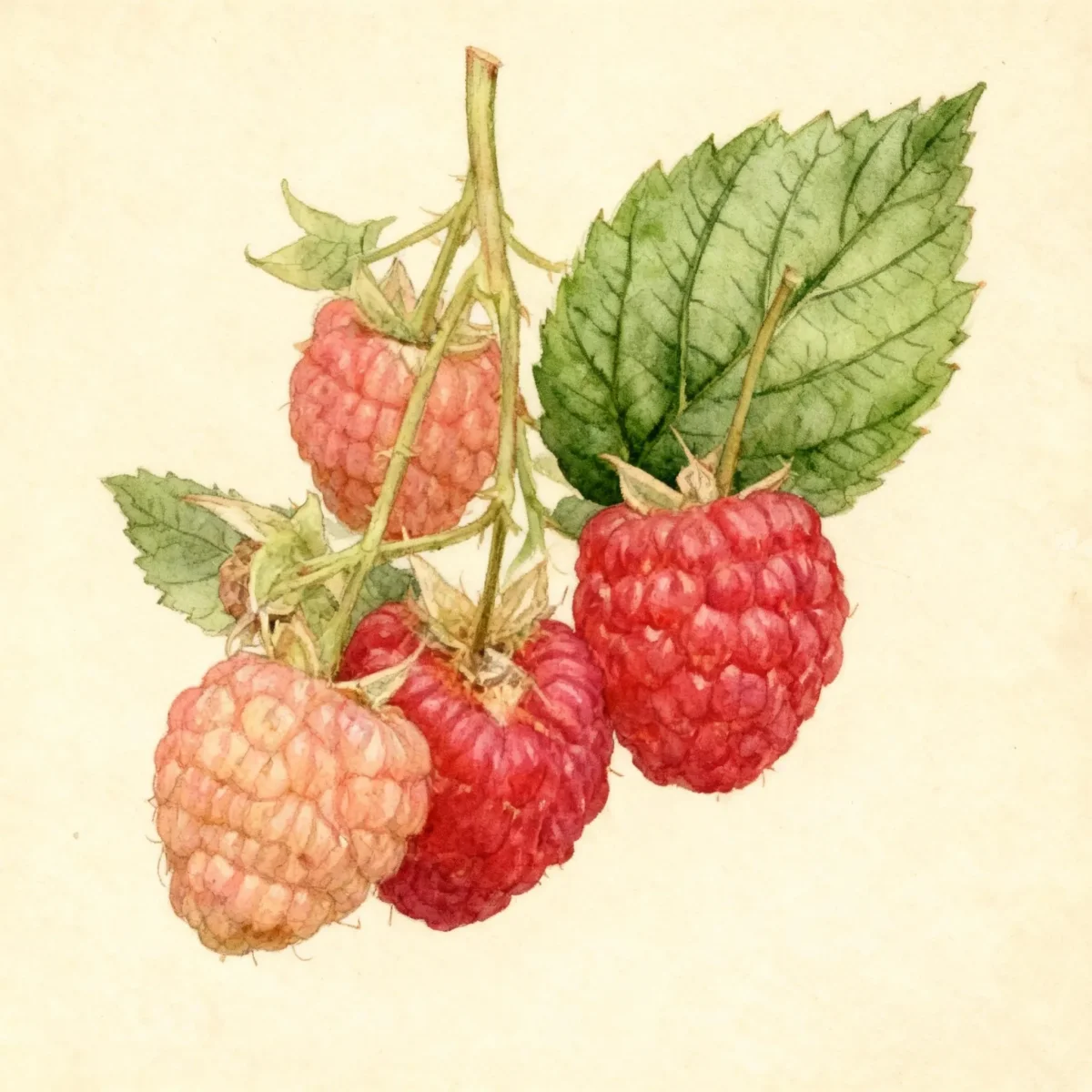
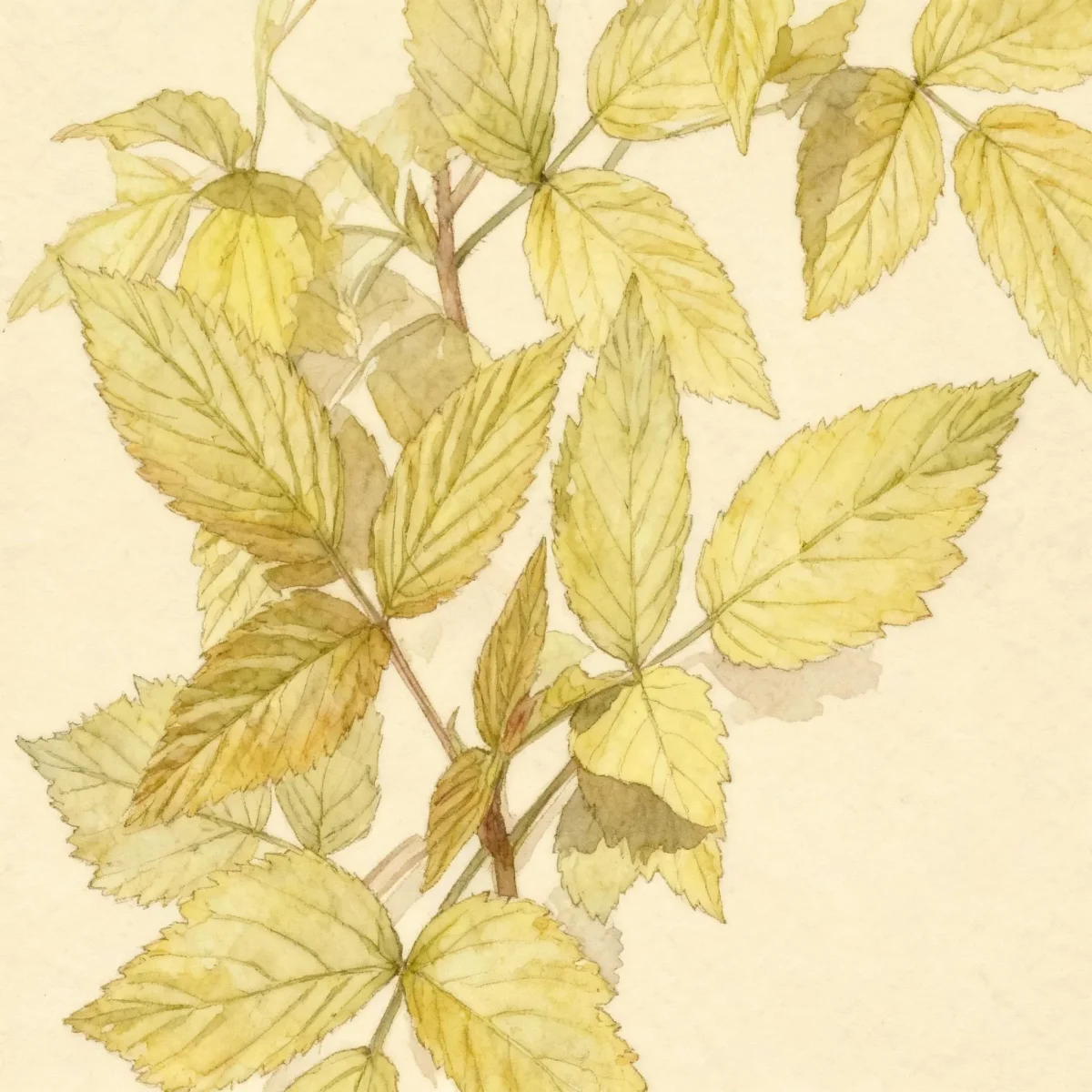
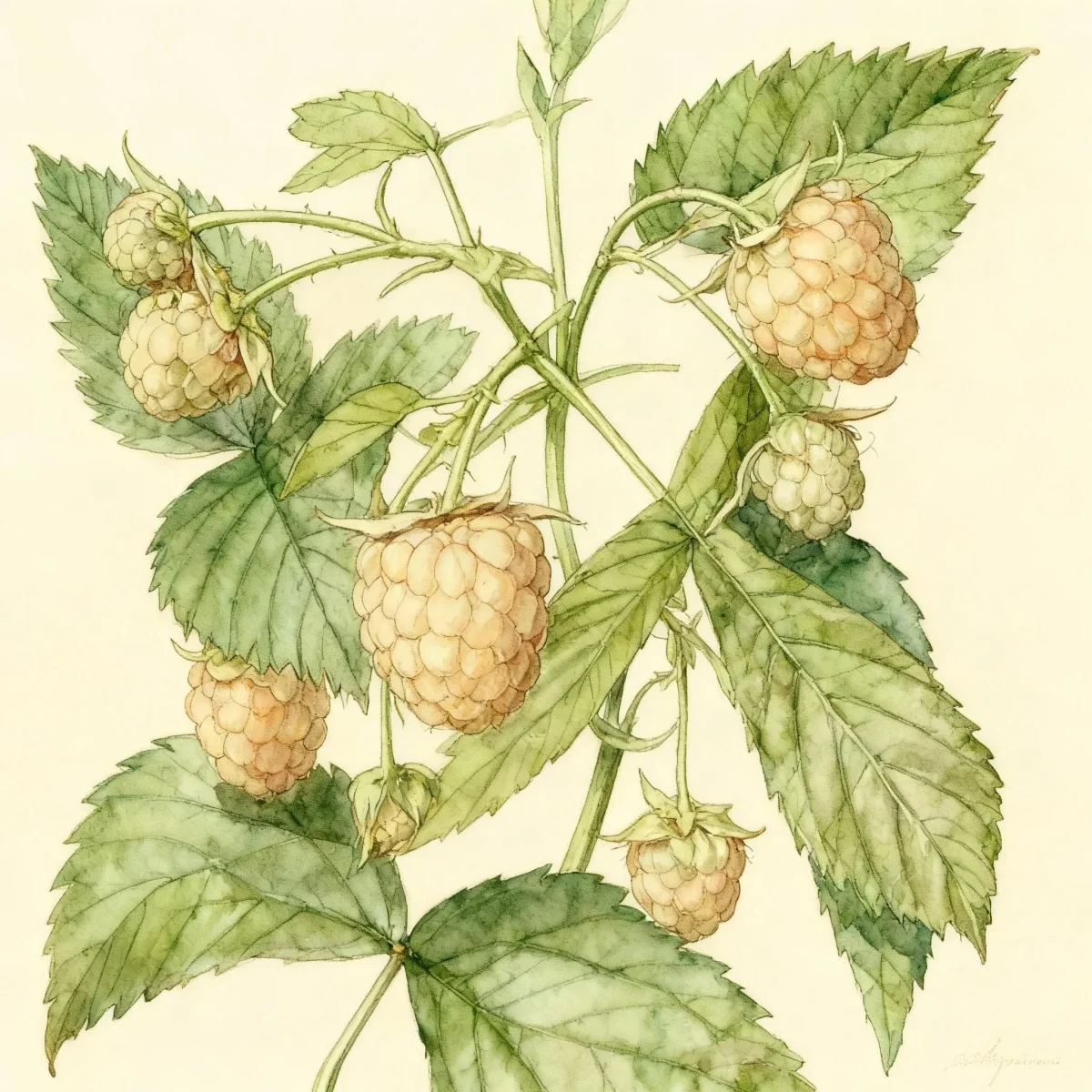
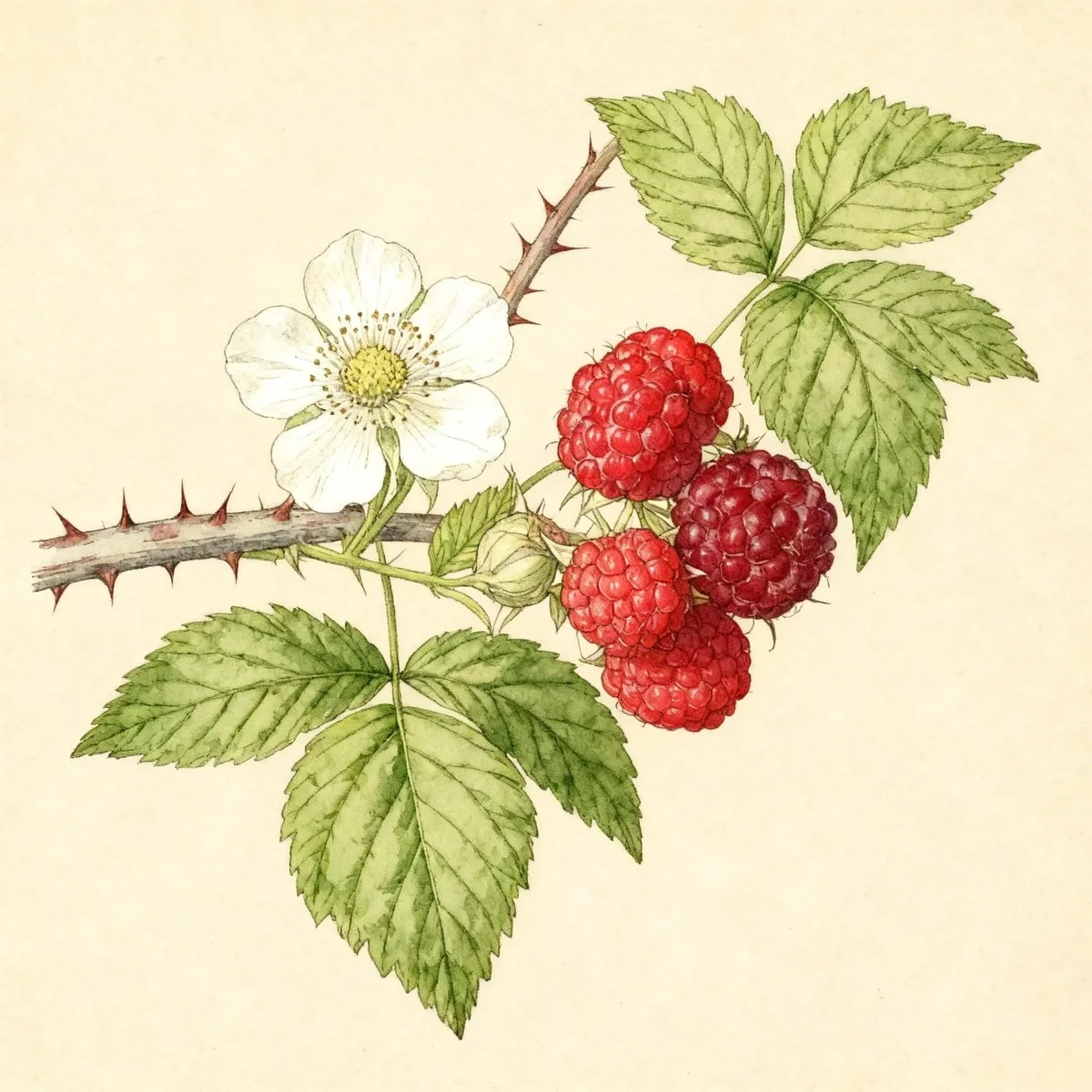
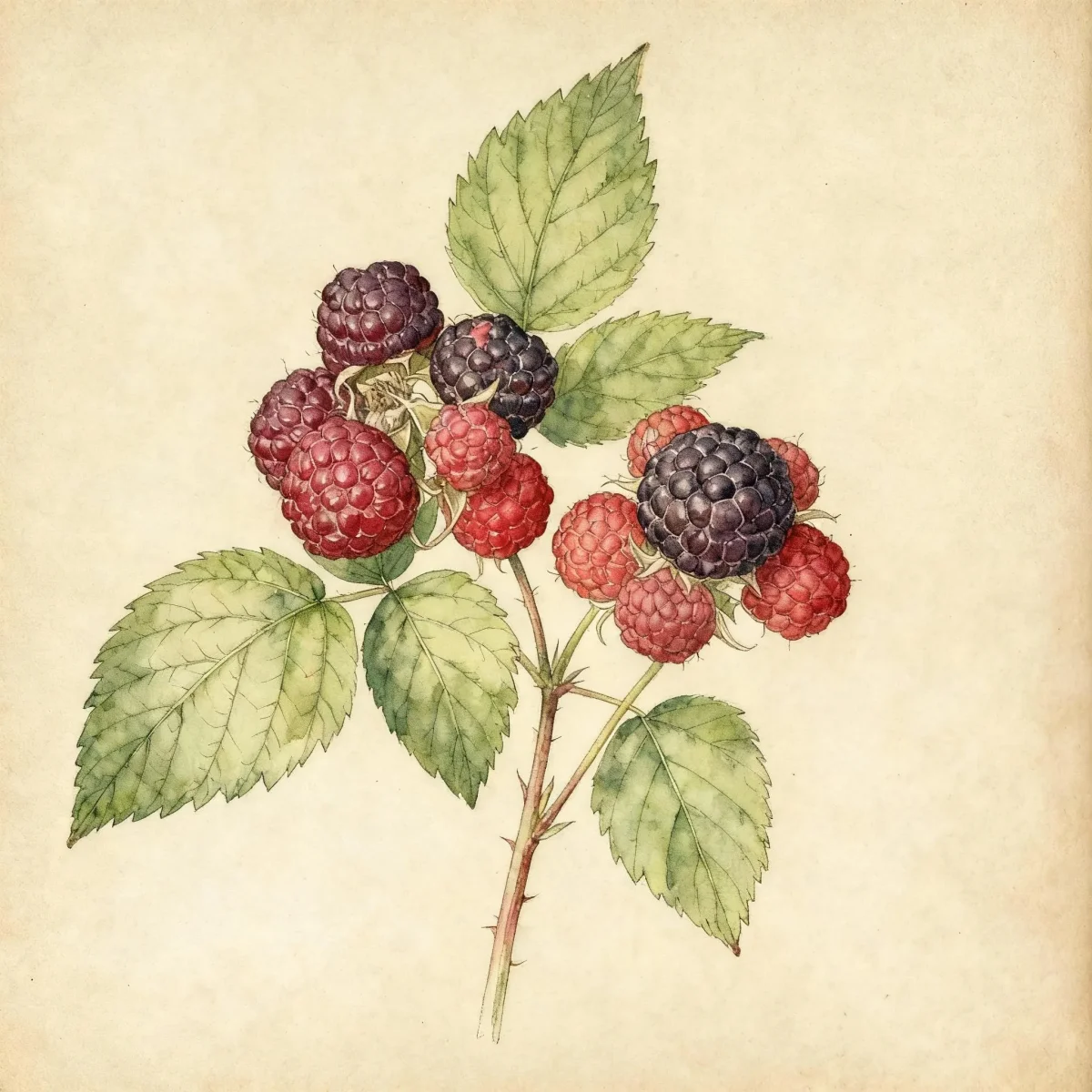
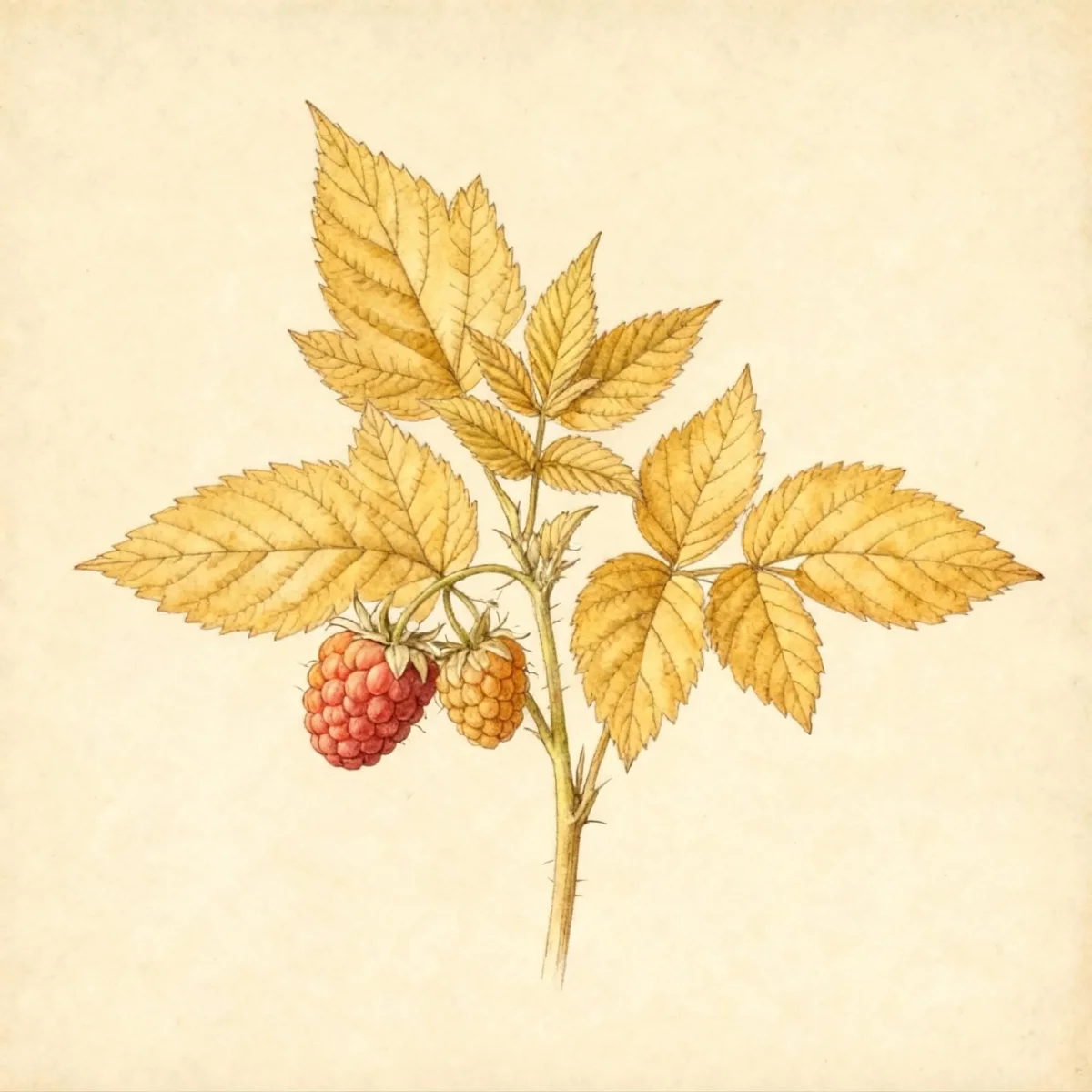
Raspberry (Rubus idaeus 'Improved Titan')
Grow large, high-yielding summer fruit with Rubus idaeus 'Improved Titan' Raspberry. Hardy in Zones 4-8, requires medium water and sun.
Scroll down to discover growing tips, care requirements, companion plants, and more
Complete Plant Information
Overview
Rubus idaeus ‘Improved Titan’ is a highly valued summer-bearing red Raspberry cultivar prized by home gardeners for its exceptionally large berries and substantial yield, often surpassing standard varieties. This deciduous shrub forms an erect to spreading thicket, producing biennial canes that offer an abundant crop of sweet, high-quality fruit beginning in early summer. As a reliable producer of edible Raspberry fruits, ‘Improved Titan’ provides a practical yet beautiful addition to any fruit garden where ample sunshine is available.
Understanding the cane structure is key to success; the roots are perennial, but first-year canes (primocanes) grow leaves, while second-year canes (floricanes) produce flowers and the desired fruit before dying back. This particular selection, Rubus idaeus ‘Improved Titan’, offers improved vigor and reported resistance to root rot, making it a slightly more forgiving choice than older types, though specific pruning and soil management remain crucial for peak performance.
The attractive white flowers bloom profusely in mid-spring before giving way to the signature aggregated drupelets that define the Raspberry. Gardeners cultivating Rubus idaeus ‘Improved Titan’ can look forward to harvesting berries perfect for fresh eating, jams, or preserves, justifying the moderate maintenance required.
Fast Facts
- Plant Family: Rosaceae
- Plant Type: Fruit
- Hardiness Zones: USDA Zones 4-8
- Size at Maturity:
- Height: 3-5 ft
- Spread: 3-5 ft
- Bloom Time: April to May
- Bloom Description: White
- Sun Exposure: Full sun to part shade
- Water Needs: Medium
- Maintenance Level: Medium
How to Grow
Planting Rubus idaeus ‘Improved Titan’ is best done in early spring or fall when conditions are cool, ensuring the Raspberry has time to establish before summer heat. Aim for a location receiving full sun to light afternoon shade, situated in organically rich, slightly acidic, moist but well-drained soil. Be aware that these plants are intolerant of perpetually wet soils, which significantly increases the risk of root rot; in heavy clay, consider utilizing raised beds specifically for growing your Raspberry patch.
Consistent medium moisture is vital throughout the growing season. Pruning is the most crucial maintenance task for maximizing fruit production. Prune out the fruiting canes immediately after they finish producing fruit in the summer to encourage new cane development for next year. In late winter, remove any canes showing signs of winter damage and thin the remaining structure as needed.
Excessive suckering and new sprout production should be promptly removed to control the spread of the Raspberry canes. As the canes are biennial—foliage canes live for two growing seasons—understanding which canes to remove (old summer-fruiting canes vs. new canes) is essential for keeping the planting manageable and productive for the Rubus idaeus ‘Improved Titan’.
Landscape Uses
While primarily cultivated for the exceptional quality of its edible fruits, the Raspberry shrub offers texture and seasonal interest when integrated into the landscape. Although commercial growers focus solely on harvest, home gardeners can strategically place them where their spreading nature is desired, such as along a back border or within an informal hedgerow. Because the species can spread via suckers, planting Rubus idaeus ‘Improved Titan’ in designated areas helps contain its natural tendency to colonize disturbed soil.
If you are aiming for a cottage garden aesthetic, group the Raspberry plants together, allowing them to form a natural backdrop. If ornamental appeal outweighs fruit yield, allow them to naturalize in a slightly wilder section of the garden, where the spring flowers and summer foliage provide soft screening. Ensure space is left nearby for easy access for pruning and harvesting the delicious summer crop produced by the canes.
Standout Features
Flower Qualities
- Showy
Fruit Qualities
- Showy
- Edible
Noteworthy Characteristics
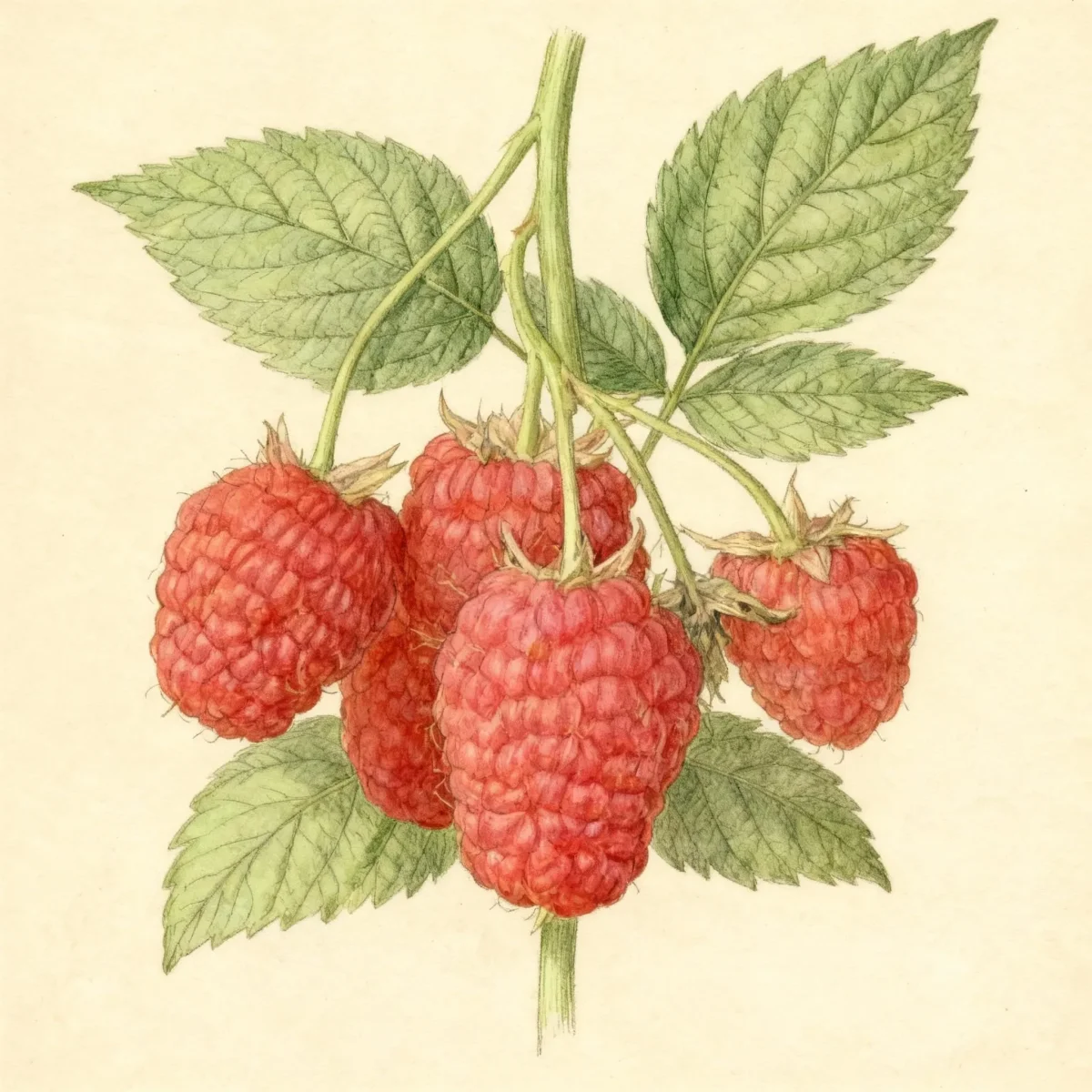
Rubus idaeus, commonly known as red raspberry, forms a thicket-forming deciduous shrub, characterized by biennial, often prickly, cane-like stems reaching 3-9 feet tall in the wild. The cultivar ‘Improved Titan’ specifically stands out due to its report of an abundant crop of unusually large red raspberries known for their excellent eating quality, maturing often in June. Botanically, the fruits are technically aggregations of tiny drupelets, which separate cleanly from the receptacle upon picking, creating the familiar hollow cone shape of a Raspberry.
Tolerances
- None listed
Potential Problems
Fungal diseases pose a significant threat to Raspberry health, including anthracnose and botrytis, which may necessitate targeted chemical treatments if populations become severe. Pests like cane borers and crown borers can also cause serious damage to the structure of the canes. Fortunately, Rubus idaeus ‘Improved Titan’ is specifically noted for having good resistance to root rot, a common issue that plagues many raspberry plantings in poorly draining soil conditions.
Effective prevention starts with good air circulation, achieved through proper pruning and thinning of crowded canes. Always prune out weak or diseased canes immediately after fruiting, and ensure you promptly remove excess suckers to maintain an open plant structure, which helps dry foliage quickly after rain, discouraging spore germination.
Frequently Asked Questions
What hardiness zones is Raspberry suitable for?
Rubus idaeus ‘Improved Titan’ is reliably hardy in USDA Zones 4 through 8.
How large does Raspberry grow?
This cultivar generally reaches a mature height between 3 and 5 feet, spreading to a similar width of 3 to 5 feet.
What sun exposure does Raspberry need?
For optimal fruit production, Rubus idaeus ‘Improved Titan’ requires full sun, although it can tolerate light afternoon shade.
When does Raspberry bloom?
The white flowers of the Raspberry typically appear from April to May.
Conclusion
The Rubus idaeus ‘Improved Titan’ presents an outstanding choice for gardeners seeking high yields of large, superior-tasting summer fruit with slightly enhanced robustness against root rot. By adhering to correct pruning methods and ensuring the soil drains well, you can maximize the productivity of this fantastic Raspberry variety. Before planting, confirm that your growing location falls within USDA Zones 4 to 8 to guarantee long-term success with your Rubus idaeus ‘Improved Titan’.
Companion Planting
Many berry plants thrive when given similar soil and sunlight profiles. Companion planting near your Raspberry patch with alliums like garlic or chives can help deter common pests through their strong odors. Furthermore, planting nitrogen-fixing legumes nearby, such as clover, can naturally enrich the soil, providing steady, gentle fertility that mimics the preference of Rubus idaeus ‘Improved Titan’ for consistently fertile ground.
Avoid planting Brassicas or nightshades immediately adjacent to your patch, as they can compete heavily for soil nutrients or potentially carry cross-contaminating diseases. Focus instead on herbs or low-growing flowers that won’t shade out the lower cane growth, preserving good airflow around the base of the Raspberry plants.
Seasonal Care Calendar
Spring preparation is critical; once winter damage is assessed in late winter, thin the remaining canes and cut back the tips of any everbearers that fruited the previous fall. As spring progresses into bloom time (April-May), monitor closely for pests attracted to the flowers. Summer is harvest time for this summer-bearing Raspberry; prune summer-fruiting canes immediately after their yield is complete.
Fall is the ideal time to amend the soil around your established Rubus idaeus ‘Improved Titan’ beds with compost to prepare for dormancy. During winter months, the primary task is protection, ensuring that any broken canes are removed entirely, keeping the structure clear for the next season’s growth cycle.