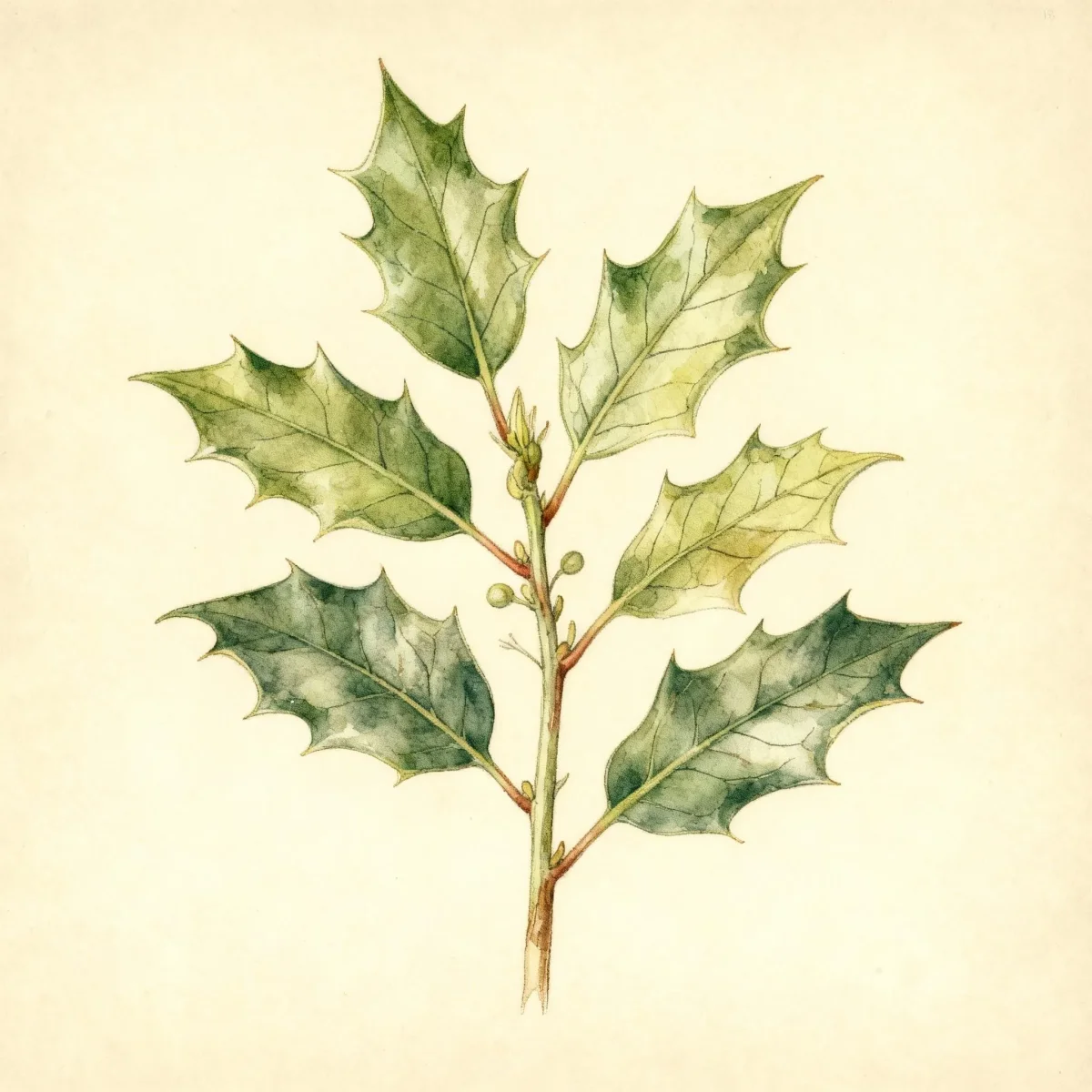
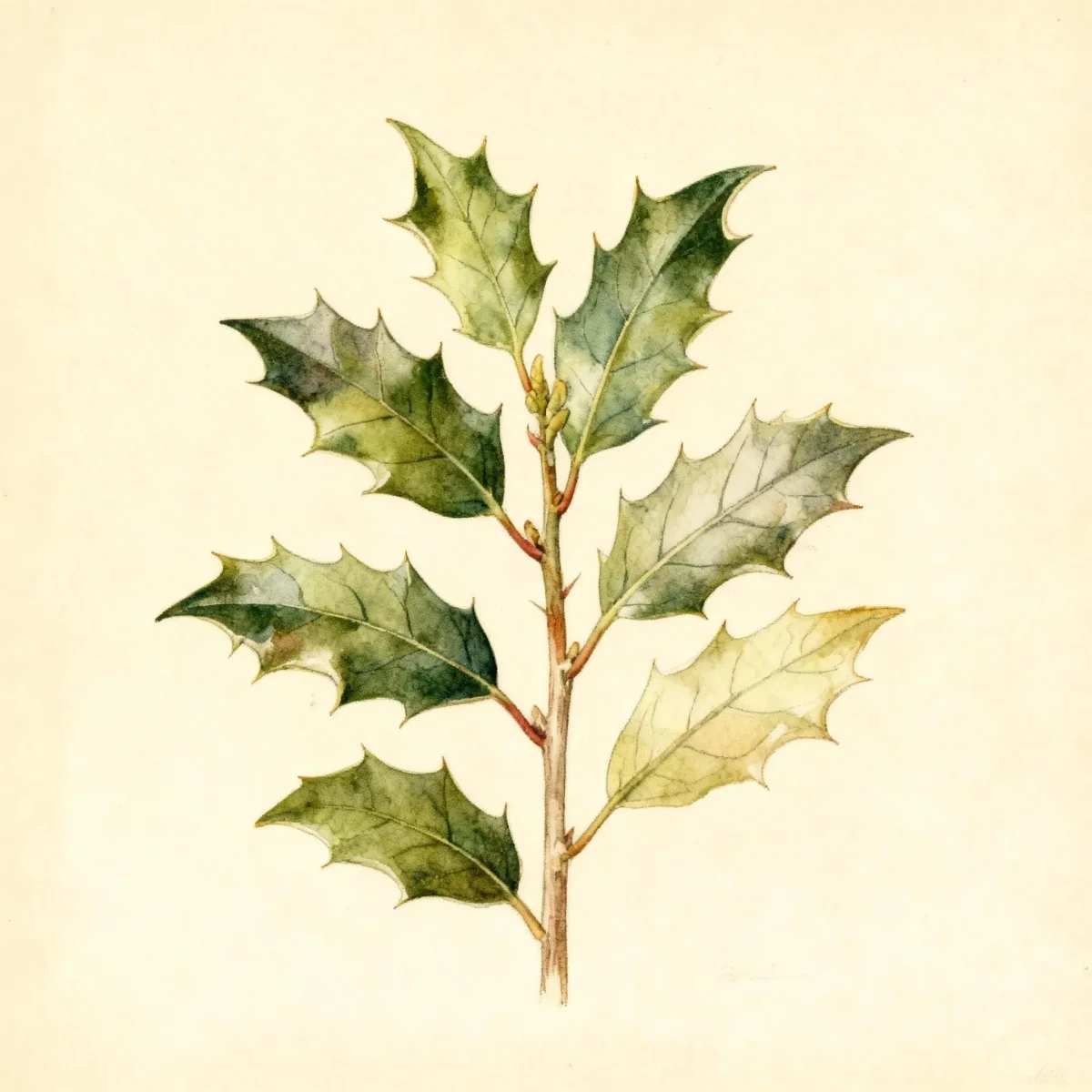
American holly (Ilex opaca 'Mac's Prince')
The Ilex opaca 'Mac's Prince' is a handsome male American holly cultivar offering dense, spiny evergreen foliage. Valued for low maintenance and winter appeal, it thrives in acidic, moist soils.
Scroll down to discover growing tips, care requirements, companion plants, and more
Complete Plant Information
Overview
The Ilex opaca ‘Mac’s Prince’ is a superb broadleaf evergreen cultivar of the native American holly, prized for its upright, pyramidal form and distinctive foliage that provides vital winter interest. This selection matures into a substantial feature tree, offering reliable structure and deep green color throughout the year. Gardeners appreciate this species for its low maintenance demands once established in suitable conditions.
As a male cultivar, Ilex opaca ‘Mac’s Prince’ is essential for pollination if you desire the brilliant red berries on nearby female American holly plants, though it stands beautifully on its own merit for its dense, spiny leaves. It is inherently tough, tolerating various conditions, including clay soil and urban air pollution, making it a versatile addition to many landscapes.
Its dense structure and evergreen nature make it an excellent year-round screen or specimen plant. The thick, leathery leaves of the American holly distinguish it as the only native U.S. holly featuring both sharp spines and vibrant red berries (on pollinated females).
Fast Facts
- Plant Family: Aquifoliaceae
- Plant Type: Broadleaf evergreen
- Hardiness Zones: USDA Zones 5-9
- Size at Maturity:
- Height: 15-30 ft
- Spread: 10-20 ft
- Bloom Time: May
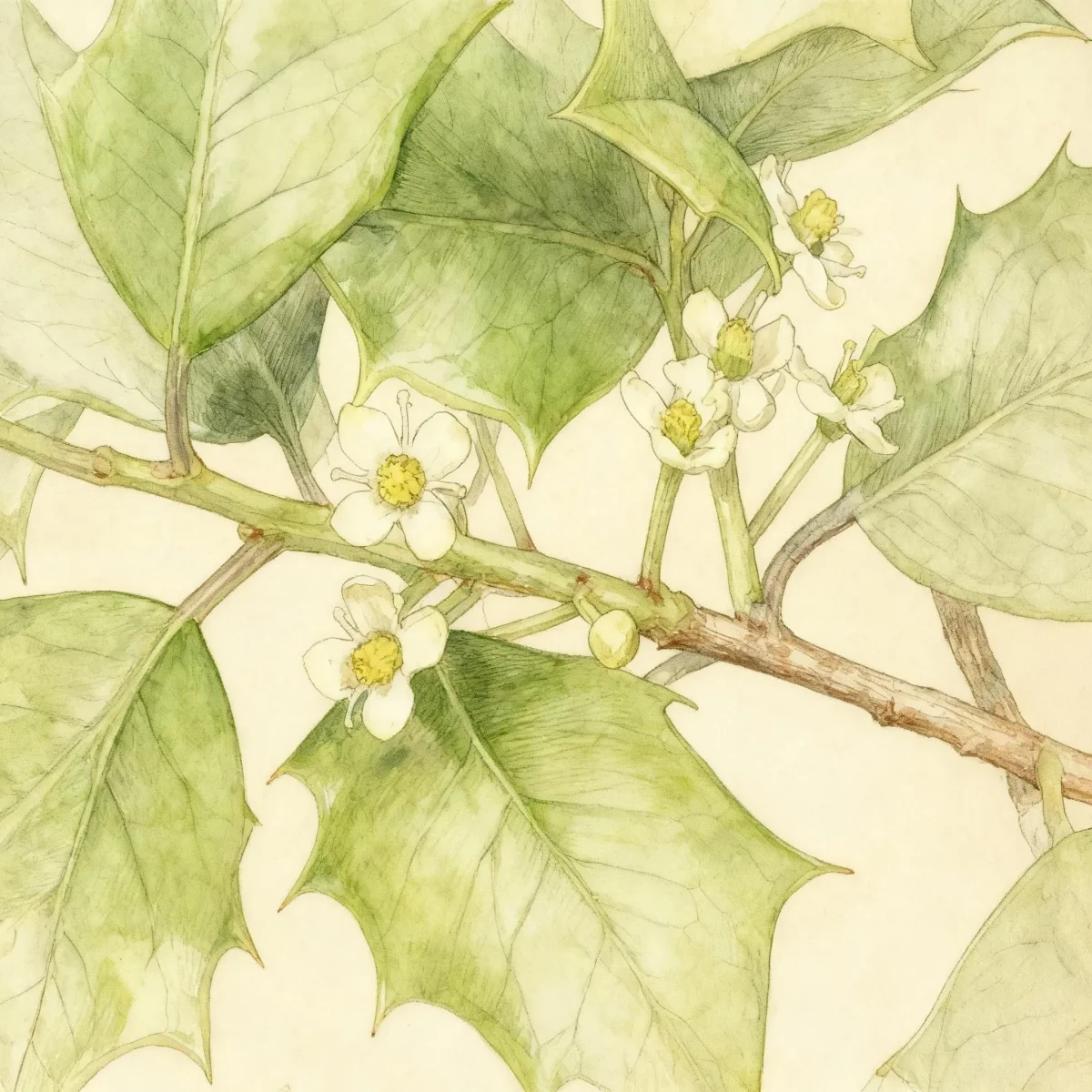
- Bloom Description: Creamy white
- Sun Exposure: Full sun to part shade
- Water Needs: Medium
- Maintenance Level: Low
How to Grow
Planting Ilex opaca ‘Mac’s Prince’ is best done in spring or early fall when soil temperatures are favorable, allowing the roots to establish before extreme summer heat or winter cold sets in. This American holly demands consistently moist, acidic, and well-drained soils for optimal health. Avoid locations subject to flooding or saturated ground, as poor drainage is detrimental.
Establish a planting site that receives full sun or light part shade; excessive shade will cause the foliage density to thin noticeably. In warmer summer climates, placing the tree where it receives afternoon shade can prevent leaf scorch. Critically, site plants in locations protected from harsh, cold winter winds, which can desiccate the evergreen leaves.
Watering should be consistent, aiming for medium moisture levels, especially as this plant dislikes drying out completely. Soil pH is crucial; if the ground is alkaline, the leaves of the American holly will yellow due to chlorosis. Amend the soil to ensure acidity for the best performance from your Ilex opaca ‘Mac’s Prince’.
Maintenance for this cultivar is generally low. Fertilizing is rarely necessary if the soil is adequately acidic and rich. Pruning, if required, should focus on removing dead or damaged wood, as heavy shaping is generally not required to maintain the natural pyramidal habit of the tree.
Landscape Uses
The stately presence of Ilex opaca ‘Mac’s Prince’ makes it highly effective as a specimen tree when its pyramidal form can be fully appreciated. It excels in foundation plantings, providing necessary structure when deciduous plants lose their leaves in winter. Furthermore, due to its dense screening capabilities, it functions excellently as a formal or informal hedge row along property lines or to buffer views.
For gardeners interested in seasonal décor, cuttings from the female counterparts of this American holly are famous additions to Christmas wreaths and arrangements. Even without the berries (as this is a male tree), the deep green, glossy foliage offers unmatched winter color. Use it near walkways or entryways to frame views beautifully throughout the year.
Consider planting Ilex opaca ‘Mac’s Prince’ within woodland garden settings where the conditions mimic its native habitat—moist, well-drained bottomlands. While it is robust, ensuring protection from drying winter winds is key to maintaining its perfect evergreen appearance.
Standout Features
Flower Qualities
- Insignificant
Fruit Qualities
- Showy
Noteworthy Characteristics
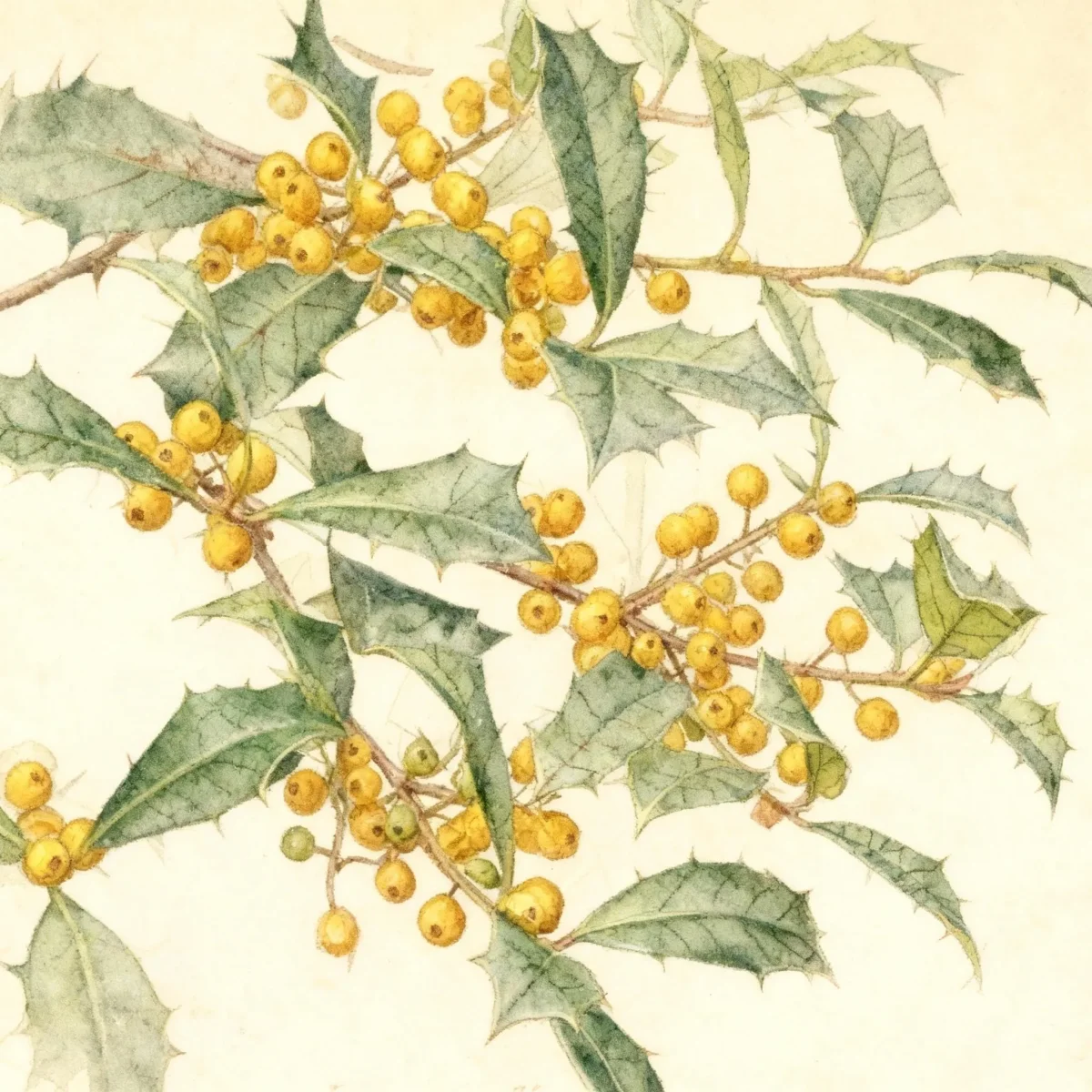
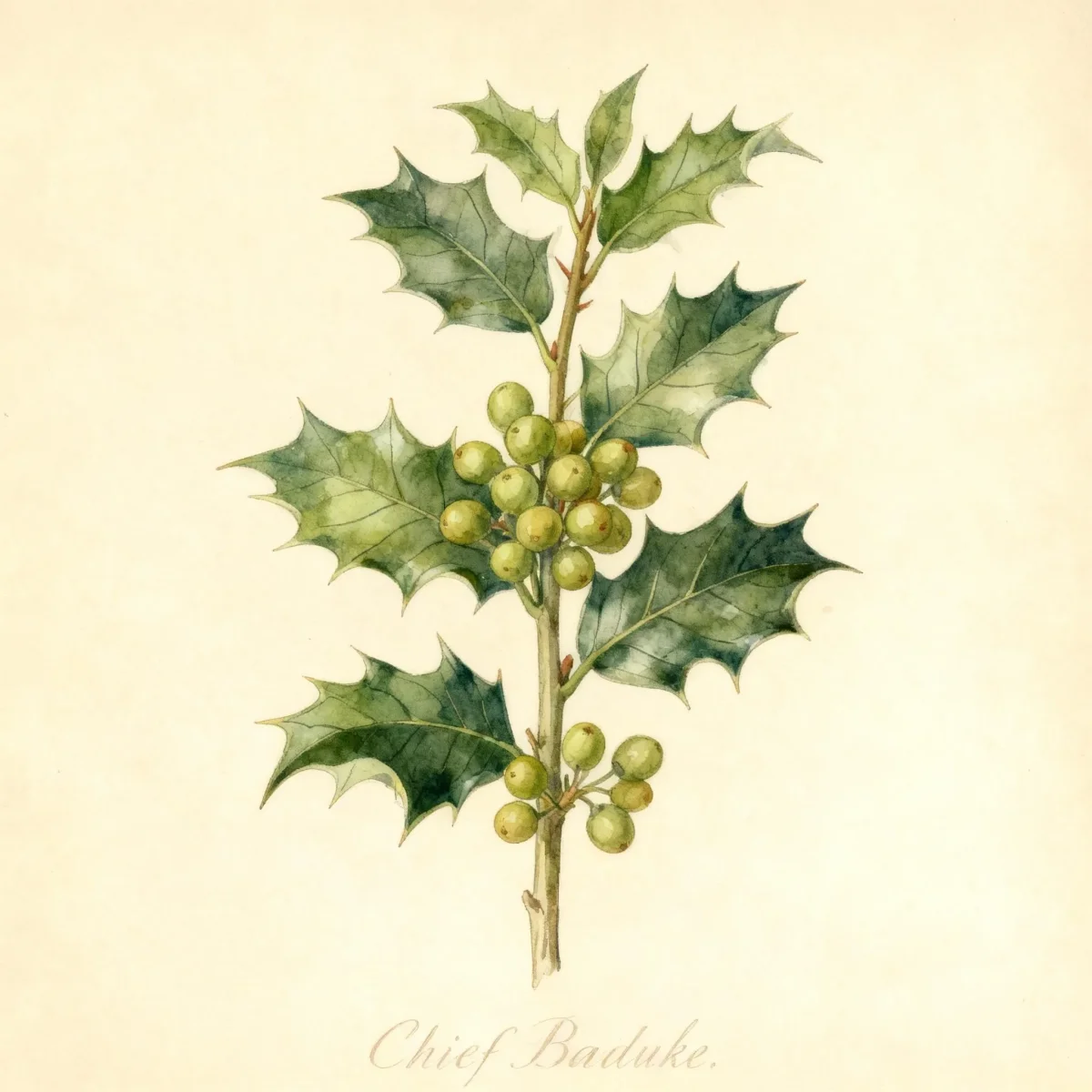
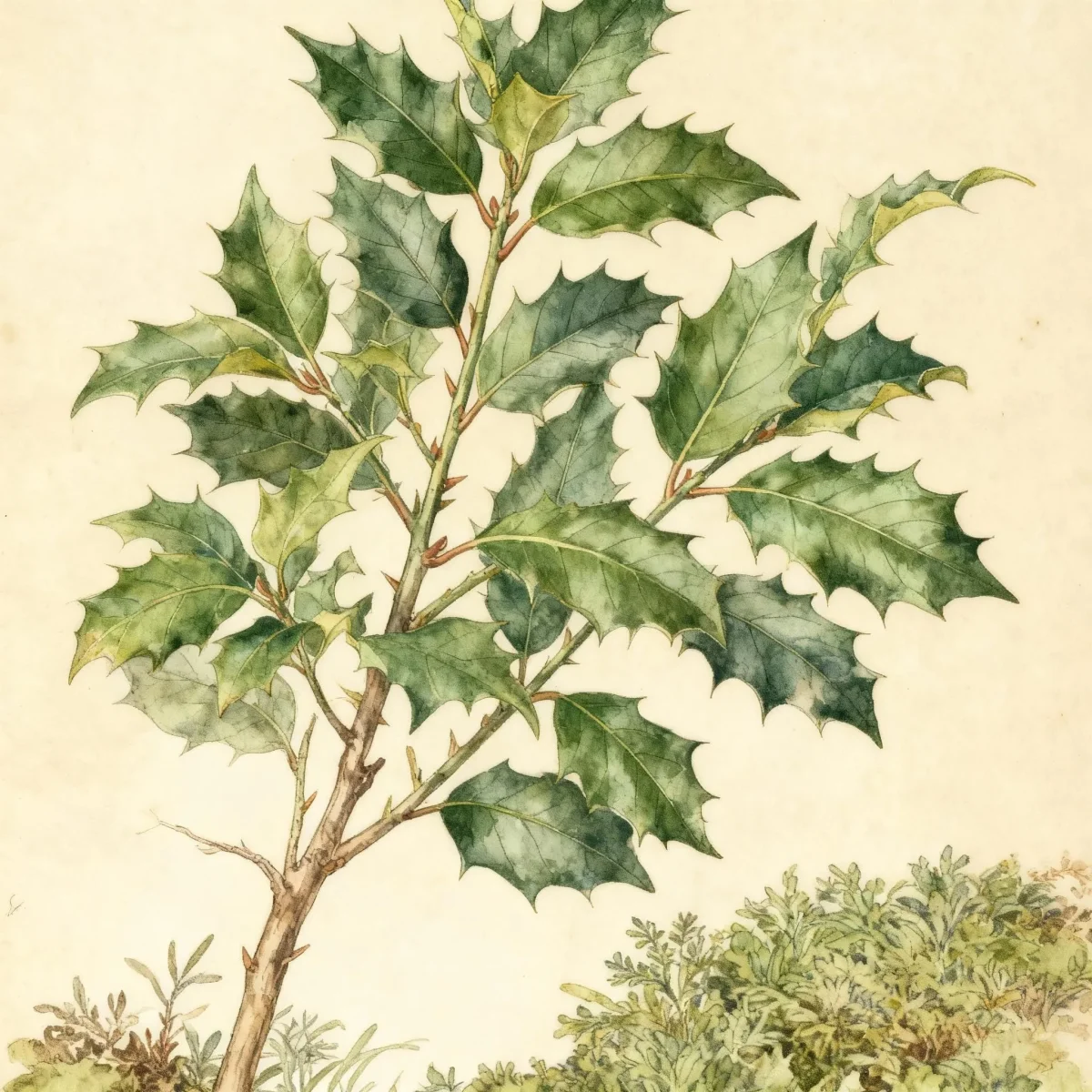
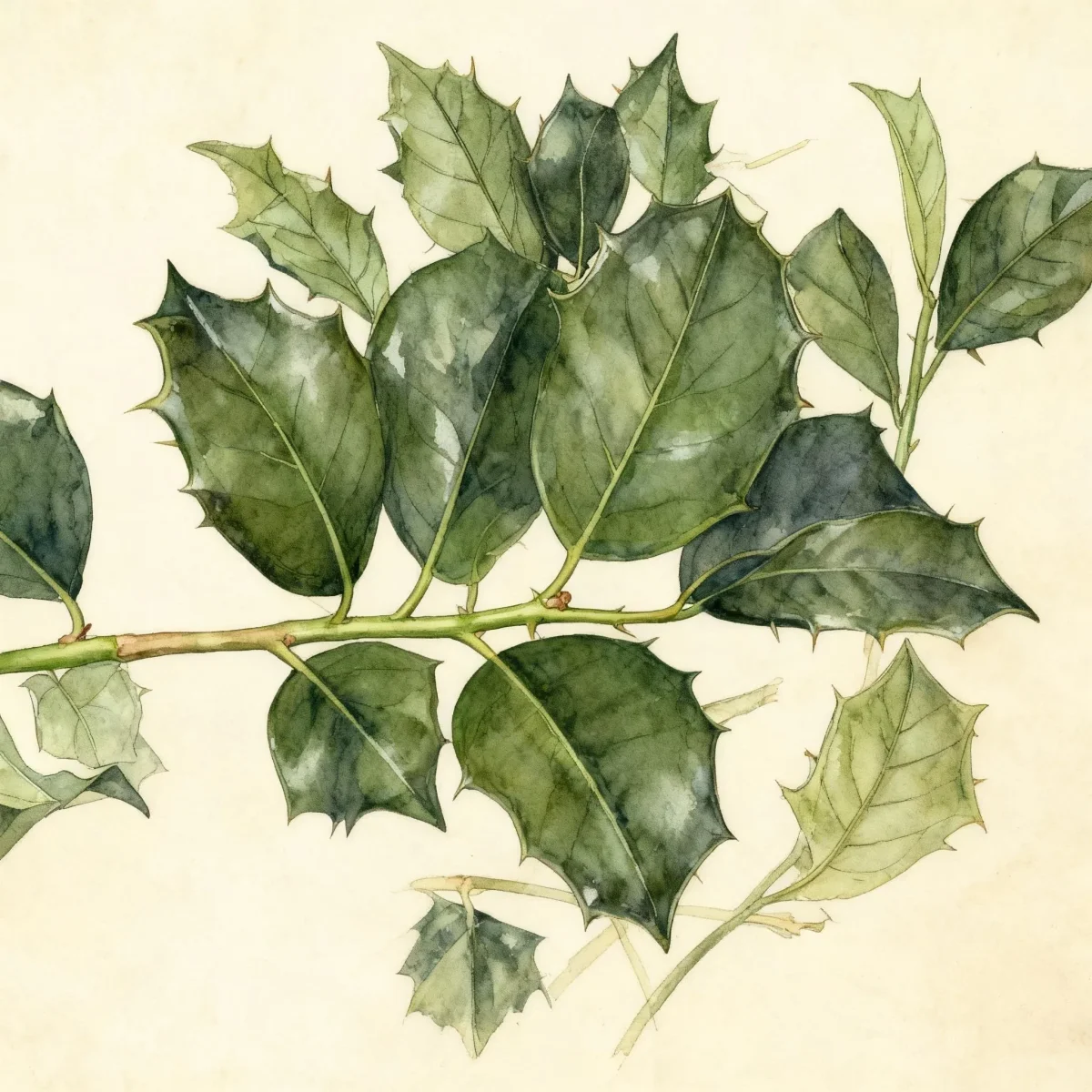
Ilex opaca, commonly called American holly, is an upright, pyramidal, evergreen tree that slowly matures to 15-30’ in cultivation, but may reach 50’ tall in the wild. This species is easily identified because it is the only native U.S. Holly with spiny green leaves and bright red berries. The thick, leathery, deep green leaves are 2-4” long with spiny marginal teeth, although this specific cultivar, ‘Mac’s Prince’, is a male pollinator tree.
Tolerances
- Deer
- Clay Soil
- Air Pollution
Potential Problems
Potential insect issues frequently involve sucking pests such as scale, whitefly, and spider mites, while the holly leaf miner can tunnel in the leaves. Regular inspection, particularly of the undersides of leaves, allows for early treatment with horticultural oils or targeted insecticides. Fungal issues like leaf spot, tar spot, and powdery mildew can appear, especially in humid or poorly ventilated areas.
Disease management often relies on preventative measures, such as ensuring good air circulation by avoiding overly dense planting and watering the base of the tree rather than overhead. Chlorosis, or yellowing of the leaves, signals a high pH soil condition, requiring soil amendments to increase soil acidity near the American holly.
Plants are also resilient, though they can suffer from leaf scorch if exposed to harsh winter sun combined with wind desiccation, reinforcing the need to select wind-protected sites for your Ilex opaca ‘Mac’s Prince’.
Frequently Asked Questions
What hardiness zones is American holly suitable for?
The Ilex opaca ‘Mac’s Prince’ is reliably hardy across USDA Zones 5 through 9.
How large does American holly grow?
This American holly cultivar typically reaches a height between 15 to 30 feet and spreads 10 to 20 feet wide at maturity in cultivated settings.
What sun exposure does Ilex opaca ‘Mac’s Prince’ need?
It performs best when situated in full sun, although it tolerates light to moderate part shade conditions.
When does American holly bloom?
Flowering occurs in May, producing small, creamy white flowers.
Conclusion
The Ilex opaca ‘Mac’s Prince’ stands out as an exemplary, low-maintenance evergreen that delivers critical winter structure and excellent foliage color. As a key pollinator for female American holly trees, it supports the full reproductive cycle of this celebrated native species. Before planting, confirm that your site offers the required acidic, well-drained soil and protection from harsh winter winds to ensure the long-term success of your investment.
Companion Planting
When designing a bed around your Ilex opaca ‘Mac’s Prince’, prioritize plants that share the need for acidic soil and consistent moisture. Consider broadleaf evergreens like Rhododendrons or Azaleas, whose spring blooms offer a lovely contrast to the holly’s dark foliage. Low-growing spring bulbs, such as Daffodils or Snowdrops, can peek through the leaf litter before the holly becomes fully active in warmer months, softening the base of the tree.
For groundcover beneath the canopy, woodland natives that prefer dappled light, like Hellebores (Lenten Rose), are ideal companions. Remember that while the holly tolerates clay, dense root competition should be avoided right at the base; maintain a generous mulch ring to keep the shallow roots of the American holly cool and moist.
Wildlife Benefits
While Ilex opaca ‘Mac’s Prince’ is a male cultivar and does not produce the brilliant red fruit, it still offers significant ecological value as a broadleaf evergreen. The dense branching structure provides critical shelter density for numerous small birds during harsh winter storms, offering a protected roosting spot when deciduous trees are bare.
The year-round cover provided by the American holly also creates security against aerial predators, allowing small wildlife to move safely through the yard during colder months. Incorporating this native evergreen into your landscape enhances habitat structure far beyond its ornamental appeal.