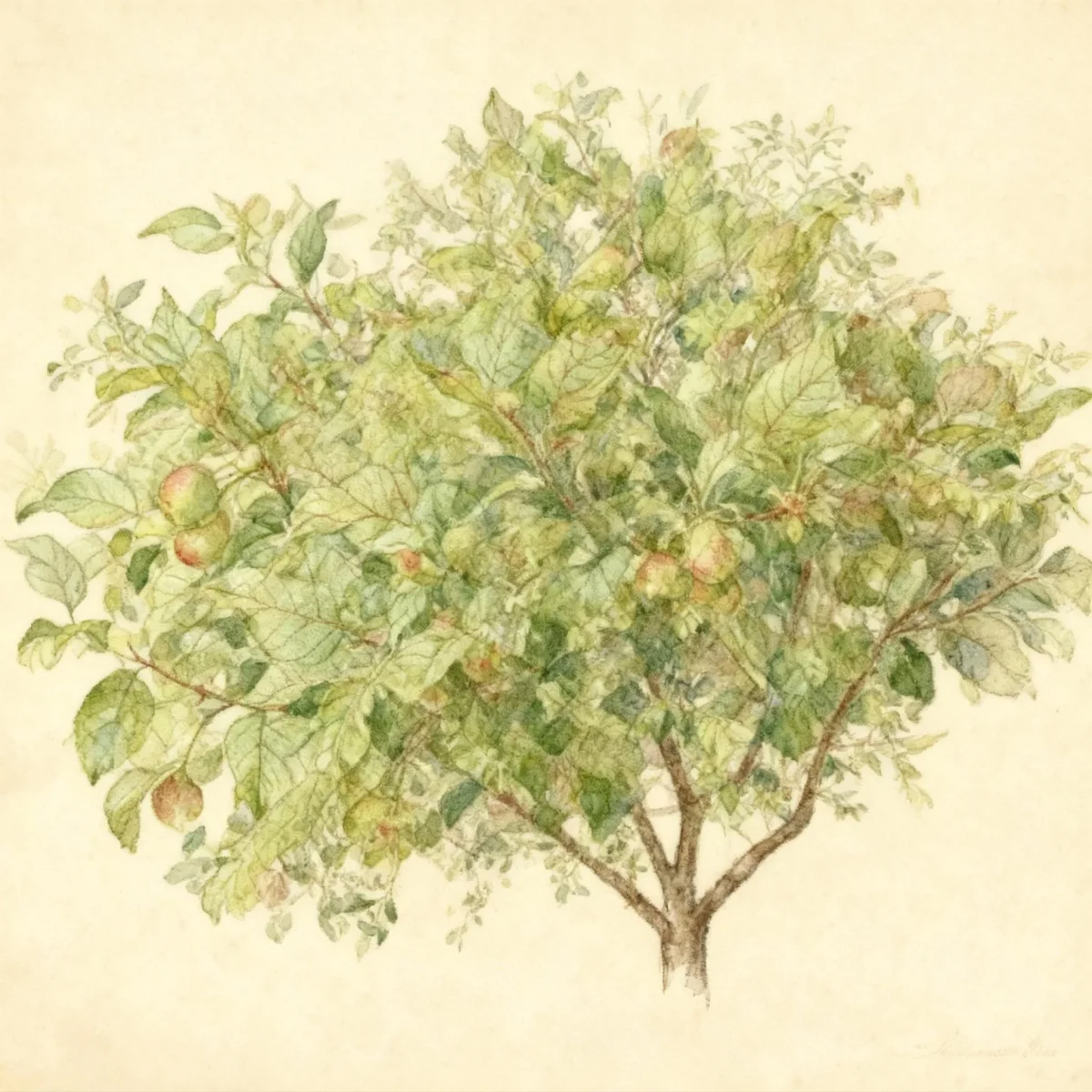
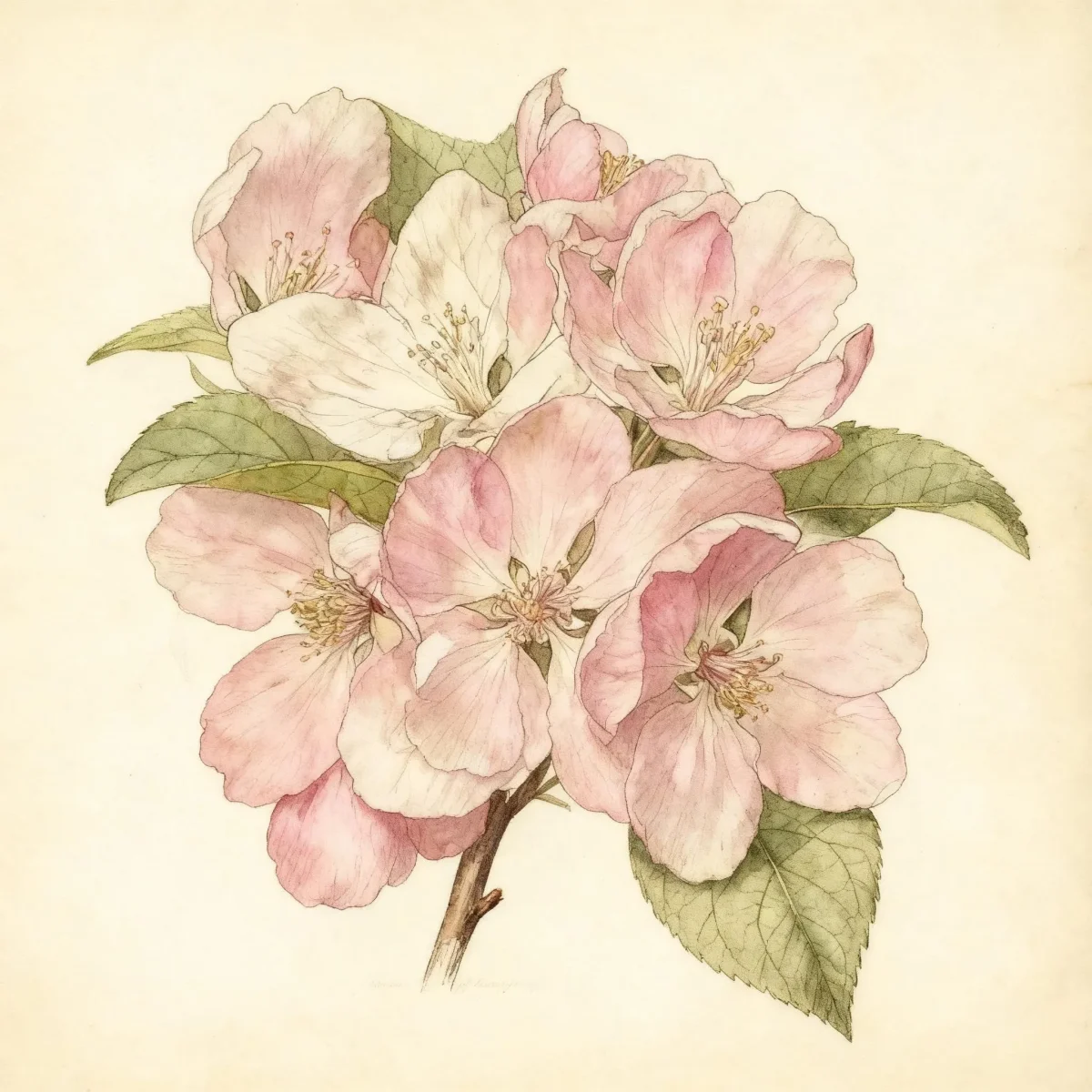
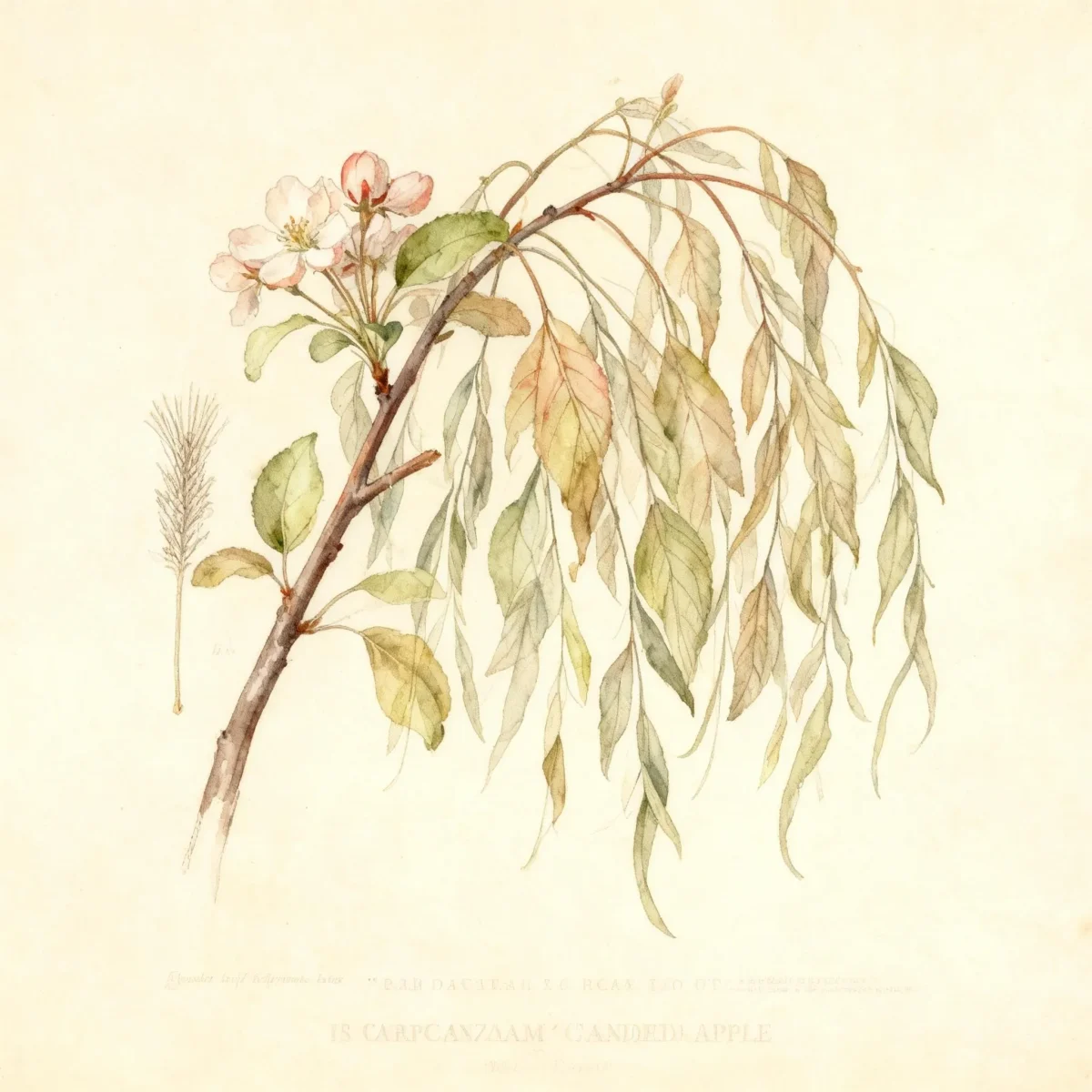
Flowering crabapple (Malus 'Pink Princess')
Malus 'Pink Princess' is a standout dwarf Flowering crabapple, offering showy, fragrant rose-pink blooms and small red fruit. Low maintenance.
Scroll down to discover growing tips, care requirements, companion plants, and more
Complete Plant Information
Overview
Malus ‘Pink Princess’ is a highly valued ornamental Flowering crabapple recognized for its compact size and brilliant spring display. This dwarf variety, often growing as a broad, spreading shrub or short tree, brings vibrant color without the massive space requirements of larger cultivars. Gardeners cherish this tree for its showy, fragrant flowers and persistent red fruit that offer multi-season interest.
As a dwarf form derived from Sargent crabapple, Malus ‘Pink Princess’ fits beautifully into smaller landscapes, borders, or as a striking specimen planting. It generally requires low maintenance once established, provided it receives the full sun needed to maximize its bloom potential and foliage color. Its adaptability and resilient nature make it a practical choice for many urban and suburban settings.
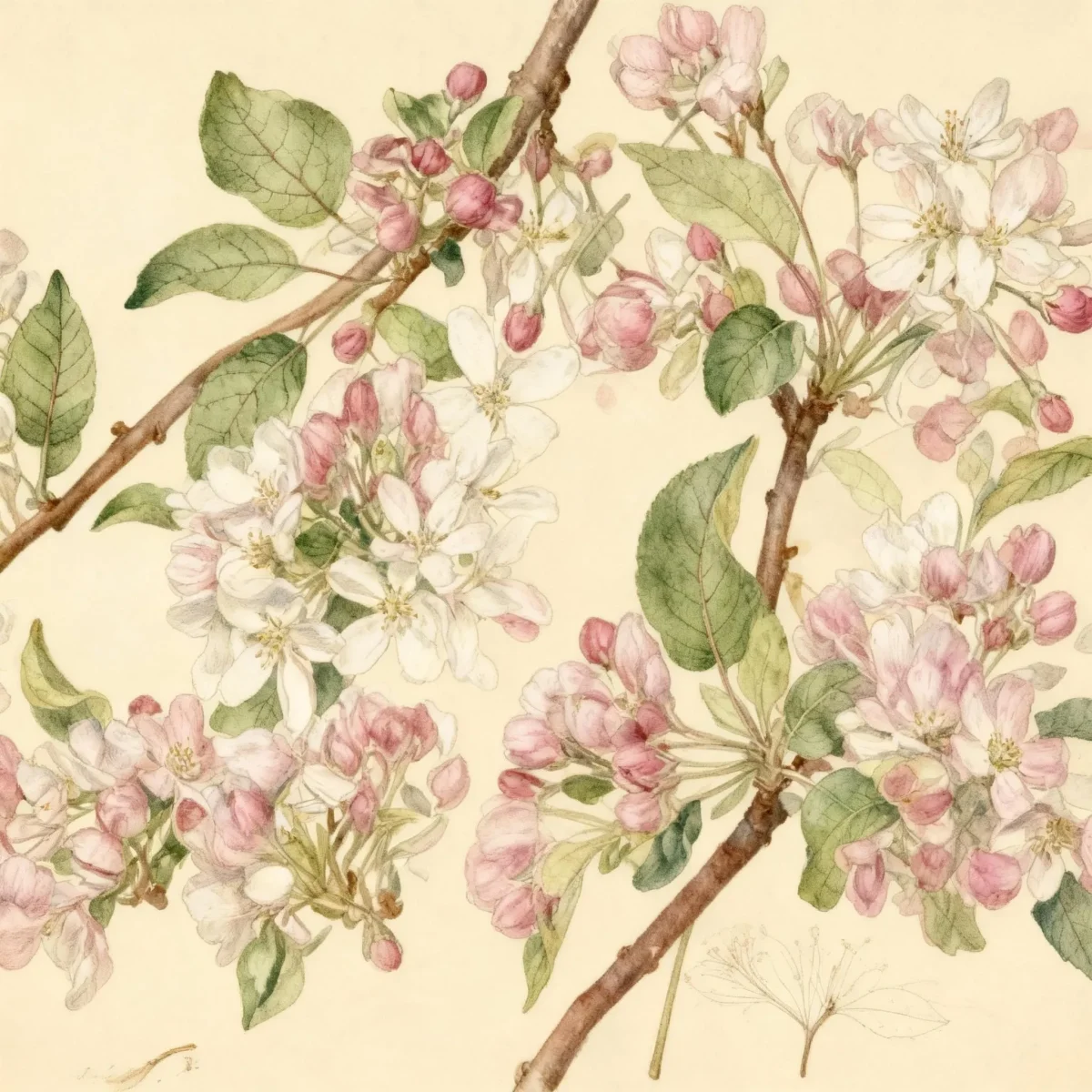
The spring canopy of Malus ‘Pink Princess’ features purplish buds opening to lovely rose-pink flowers. These are followed by small, sweet-flavored red crabapples that attract birds throughout the fall and into winter, ensuring the landscape remains engaging long after formal blooms fade.
Fast Facts
- Plant Family: Rosaceae
- Plant Type: Tree
- Hardiness Zones: USDA Zones 4-8
- Size at Maturity:
- Height: 6-8 ft
- Spread: 10-15 ft
- Bloom Time: April
- Bloom Description: Rose pink
- Sun Exposure: Full sun
- Water Needs: Medium
- Maintenance Level: Low
How to Grow
For optimal success, plant Malus ‘Pink Princess’ in well-drained, acidic loam rich in organic matter. While it adapts to a wide range of soils, excellent drainage is crucial to prevent root issues. Aim to plant during the dormant season (late fall or early spring) to minimize transplant shock. Locate your Flowering crabapple where it will receive consistent full sun exposure, as this encourages the best flowering and better disease resistance.
Watering should be consistent, favoring medium moisture levels, especially during the first few years while the root system establishes. Once established, this tree shows some drought tolerance, though supplemental water during prolonged dry spells benefits its appearance. Fertilizing is rarely necessary if the soil is reasonably fertile, but a balanced, slow-release fertilizer can be applied in early spring if growth seems stunted.
Pruning for this Flowering crabapple should be strategic. The best time to prune is in late winter when the tree is fully dormant to manage shape or remove dead wood. It is critical to avoid spring pruning, as fresh cuts provide entry points for the fireblight bacterium. Regular, light shaping is usually sufficient because this dwarf cultivar tends toward a desirable horizontal habit.
Landscape Uses
The compact stature of the tree makes Malus ‘Pink Princess’ an excellent choice where space is limited but impact is desired. Its broad, slightly pendulous habit lends it well to placement in groups within perennial borders, providing a structured, colorful backdrop. Consider planting several Malus ‘Pink Princess’ together near a fence line or along a property boundary to create an attractive informal hedge or natural wind screen.
As a small specimen, this Flowering crabapple stands out nicely on residential lawns or near entryways where its spring blossoms can be fully appreciated up close. Look for companion plants that thrive in full sun and slightly acidic soil, such as early spring bulbs or late-blooming summer perennials that offer contrasting texture once the crabapple’s flowers have passed.
Standout Features
Flower Qualities
- Showy
- Fragrant
Fruit Qualities
- Showy
- Edible
Noteworthy Characteristics
Malus is a genus of about 35 species of deciduous trees and shrubs from Europe, Asia and North America. ‘Pink Princess’ is specifically a dwarf form of Sargent crabapple, typically growing as a broad-spreading, horizontally-branched shrub reaching 6-8’ tall and 12-15’ wide. Its rose-pink flowers are followed by small, deep red crabapples prized by local bird populations.
Tolerances
- Air Pollution
Potential Problems
While crabapples are beautiful, gardeners must be vigilant against common orchard diseases. The primary concerns include scab, fire blight, rusts, leaf spot, and powdery mildew. Insect pests, such as aphids, borers, and Japanese beetles, can also pose a threat, though they are generally of lesser concern than the fungal issues.
Fortunately, Malus ‘Pink Princess’ tends to exhibit excellent resistance against the major diseases that plague many other crabapple varieties. To further minimize disease risk, ensure good air circulation by adhering to proper pruning techniques in late winter, and always site the tree in its preferred full sun location. If pests appear, carefully identify them before applying targeted treatments.
Frequently Asked Questions
What hardiness zones is Flowering crabapple suitable for?
Malus ‘Pink Princess’ is reliably hardy in USDA Zones 4 through 8, making it adaptable to a wide range of climates across North America.
How large does the Flowering crabapple grow?
This dwarf variety typically matures to a height range of 6 to 8 feet, but it spreads significantly wider, reaching a spread between 10 and 15 feet.
What sun exposure does Malus ‘Pink Princess’ need?
For the densest foliage and heaviest bloom set, Malus ‘Pink Princess’ requires full sun exposure throughout the day.
When does Malus ‘Pink Princess’ bloom?
This tree produces its beautiful rose pink flowers during the month of April, providing an early burst of color in the spring landscape.
Conclusion
The Malus ‘Pink Princess’ offers exceptional value as a low-maintenance specimen that delivers multi-season beauty, highlighted by its fragrant, showy flowers. This Flowering crabapple is ideal for gardeners seeking vertical interest in smaller footprints. Before planting, confirm your site meets the full sun requirement and ensure late winter pruning is scheduled to protect this charming cultivar.
Wildlife Benefits
The fruits produced by this Flowering crabapple are small, deep red, and persist into the winter months, making them a crucial late-season food source for many local bird species. Planting Malus ‘Pink Princess’ near feeding stations or cover can significantly increase local biodiversity in your garden ecosystem.
Companion Planting
Because Malus ‘Pink Princess’ requires full sun and slightly acidic, well-drained soil, pair it with acid-loving perennials that share similar cultural needs. Consider planting lower-growing, shade-tolerant groundcovers around the drip line that won’t compete heavily for resources, such as Japanese forest grass (Hakonechloa) or certain Hosta varieties, especially if the canopy remains open enough to allow dappled light underneath.