Foam flower (Tiarella 'Skeleton Key')
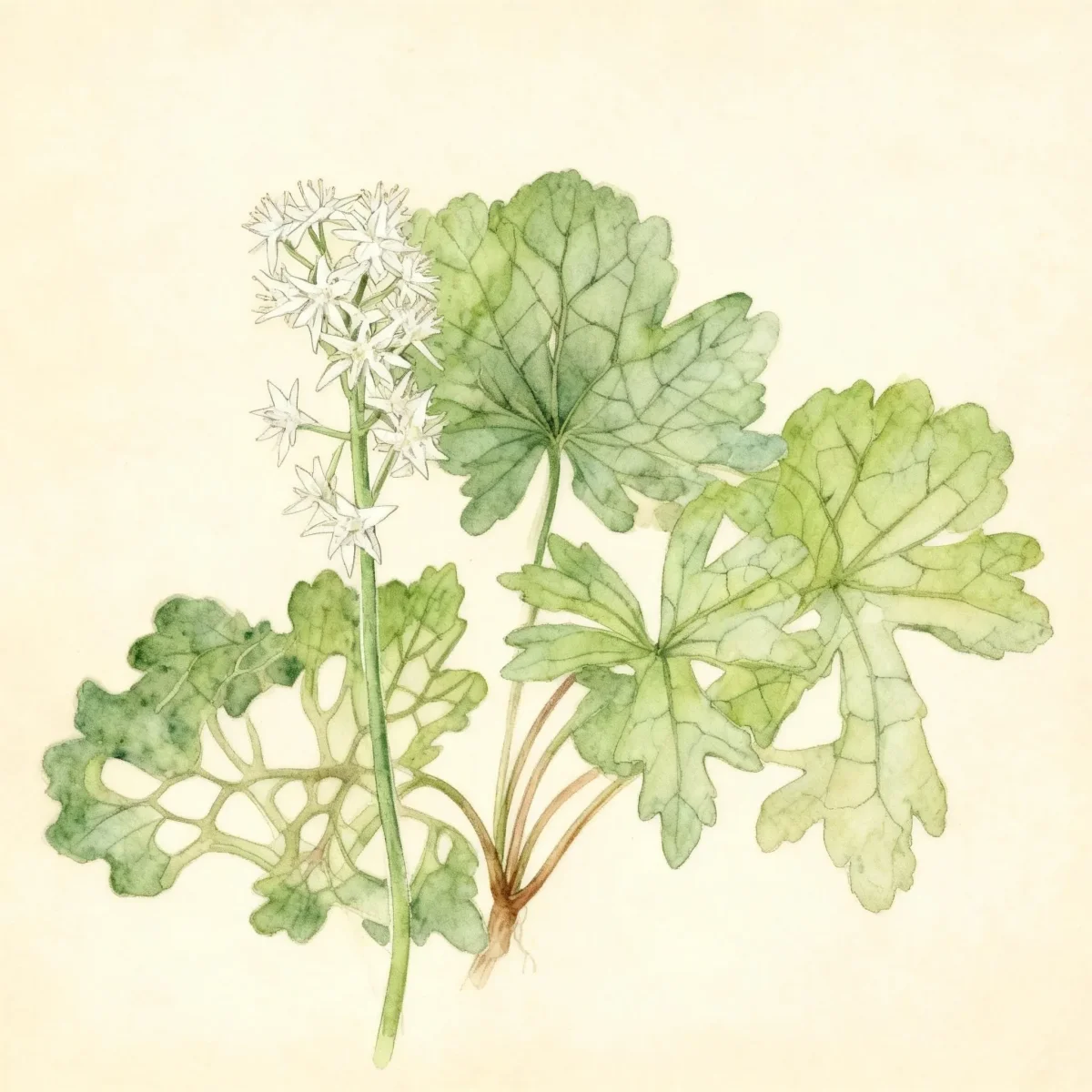
Tiarella 'Skeleton Key' foam flower offers deep green, uniquely cut foliage and airy white blooms. A low-maintenance ground cover for shade.
Scroll down to discover growing tips, care requirements, companion plants, and more
Complete Plant Information
Overview
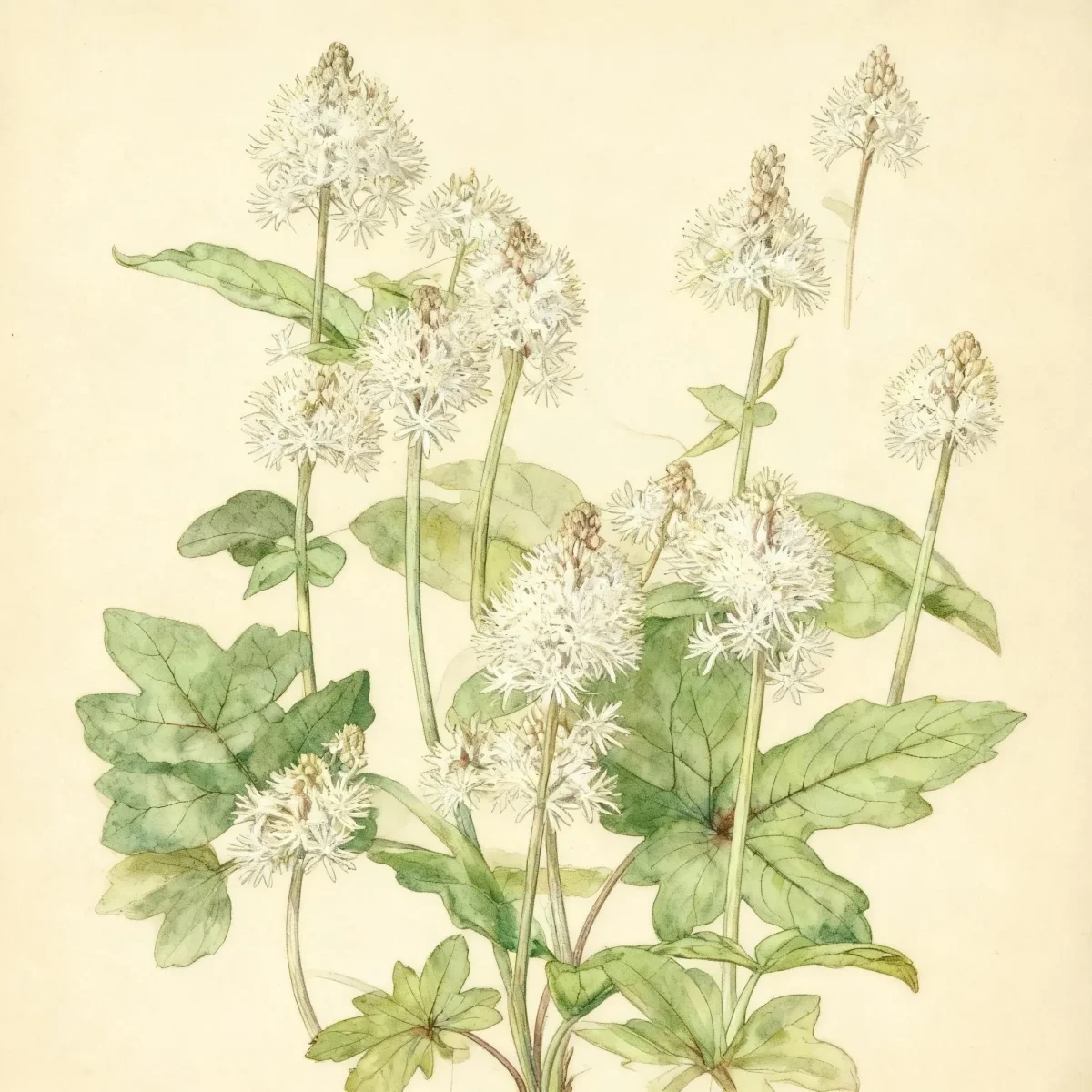
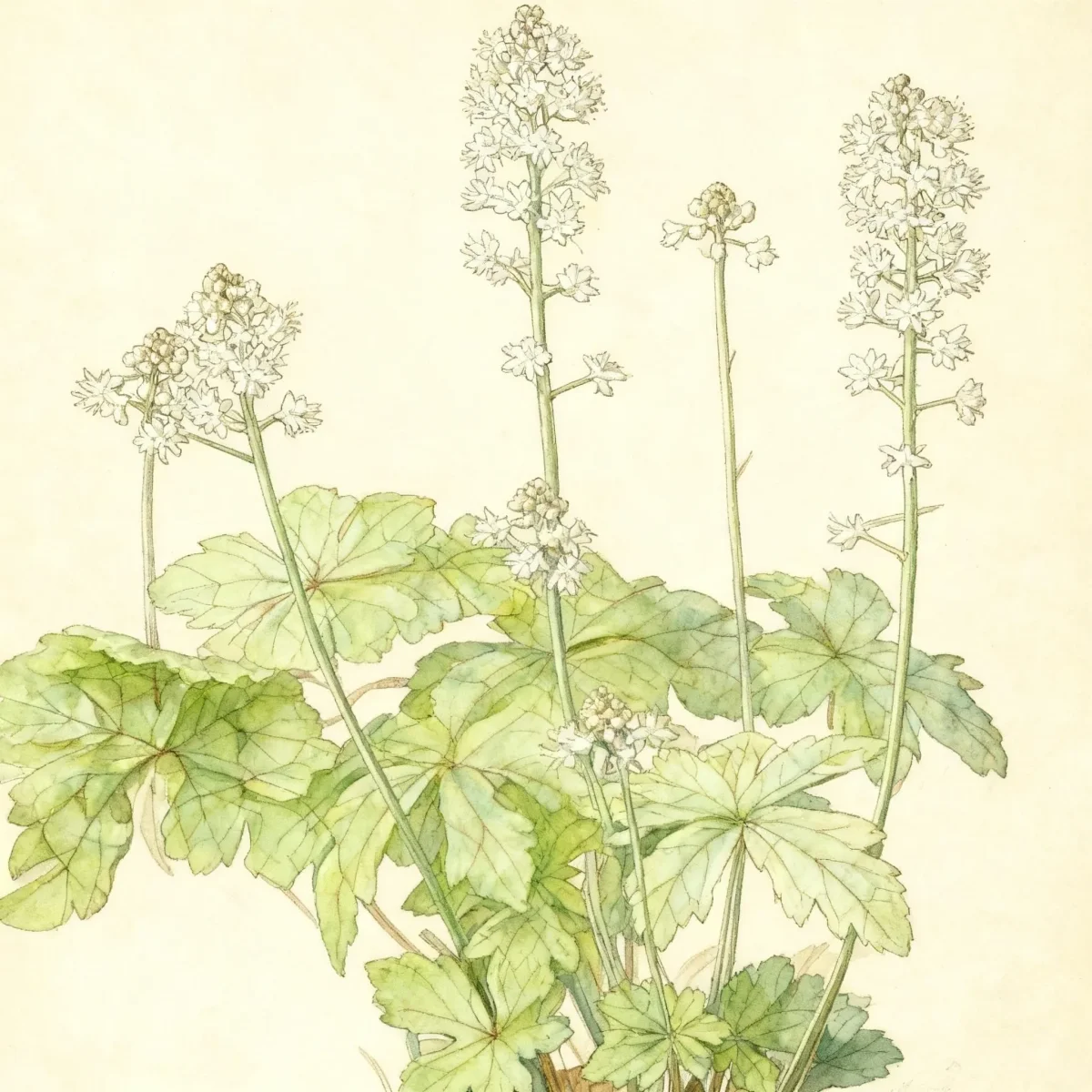
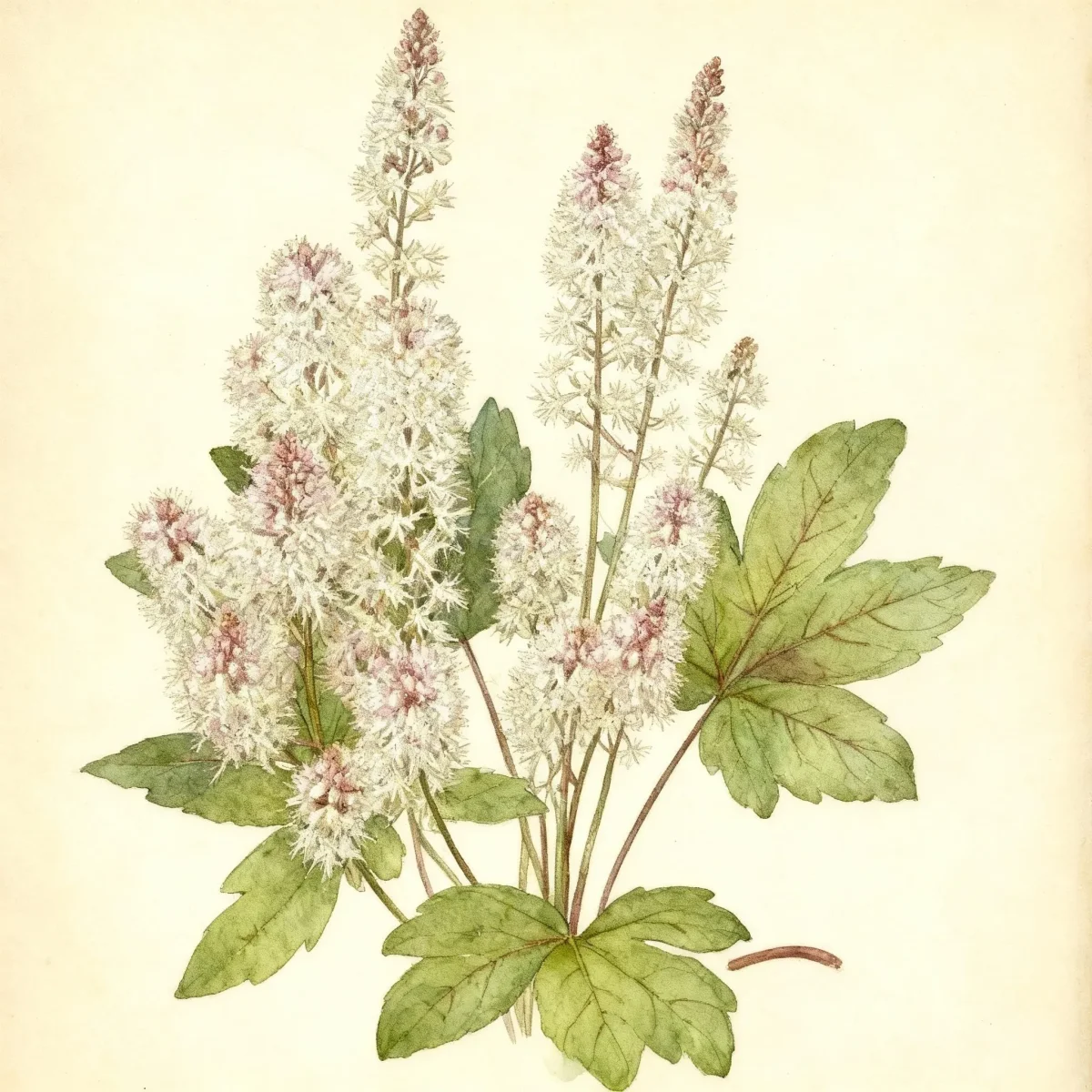
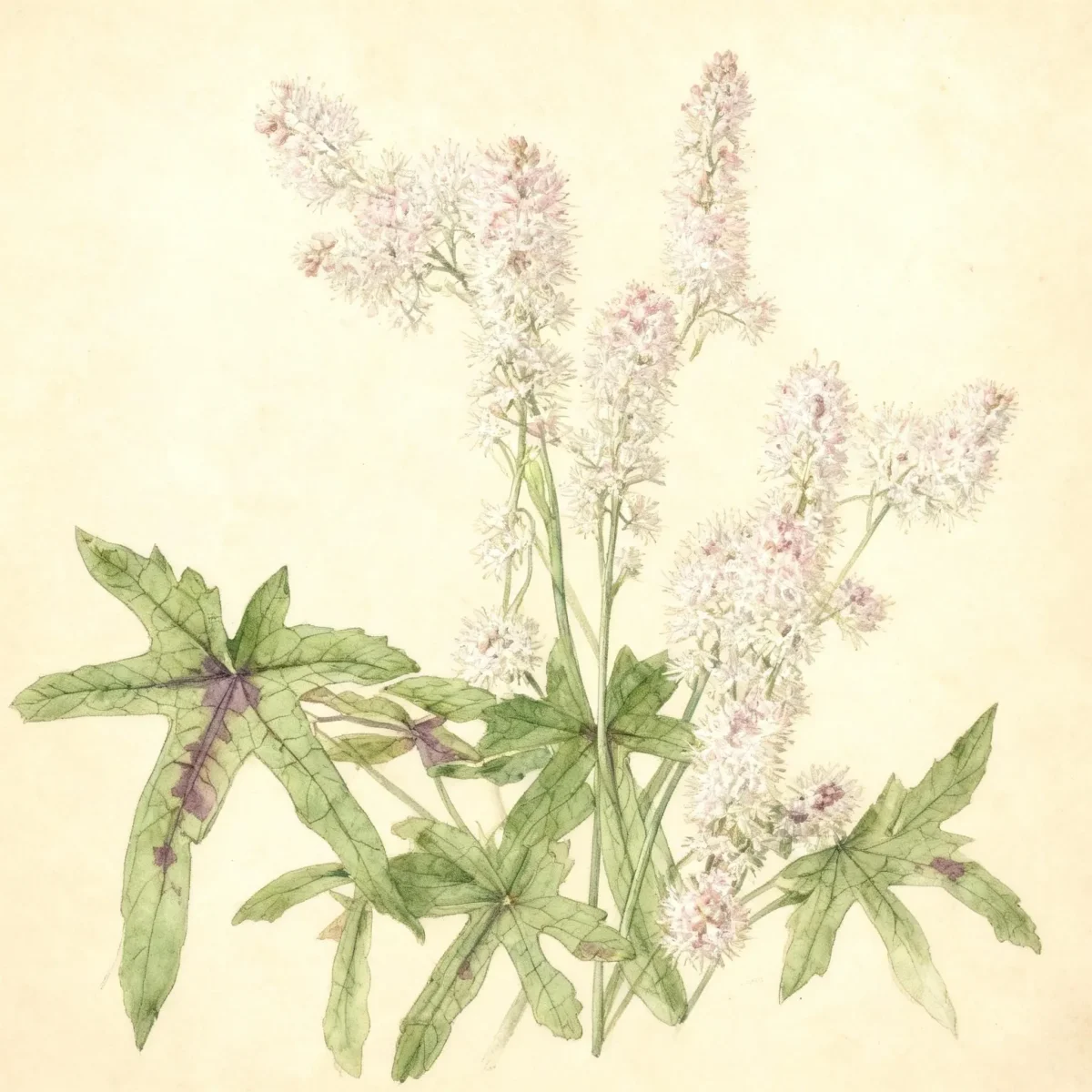
Tiarella ‘Skeleton Key’ is a prized herbaceous perennial renowned for its unique, semi-glossy, deeply cut dark green leaves, which often show touches of purple, setting it apart in the shade garden. This variety spreads readily via stolons, quickly forming dense clumps, making the ‘Skeleton Key’ foam flower an excellent structural ground cover for difficult, shady areas. Its appeal is further enhanced by airy racemes of small white flowers that appear reliably in late spring, creating a delicate contrast against the robust foliage.
Valued for its low maintenance needs and adaptability, this cultivar offers visual interest throughout the growing season long after the flowers fade. As a member of the Saxifragaceae family, Tiarella ‘Skeleton Key’ thrives where many other plants struggle, lending a woodland garden aesthetic with minimal intervention required by the gardener.
Fast Facts
- Plant Family: Saxifragaceae
- Plant Type: Herbaceous perennial
- Hardiness Zones: USDA Zones 3-8
- Size at Maturity:
- Height: 0.5-1 ft
- Spread: 1-2 ft
- Bloom Time: May
- Bloom Description: White
- Sun Exposure: Part shade to full shade
- Water Needs: Medium
- Maintenance Level: Low
How to Grow
The best time to establish Tiarella ‘Skeleton Key’ is in the spring or early fall, ensuring the plant has time to settle before harsh temperature extremes. It thrives in part shade to full shade conditions and prefers humusy, organically rich, moisture-retentive soils. Planting requires well-drained soil, as this foam flower will perish if subjected to consistently wet conditions, especially during winter dormancy.
Once established, this plant maintains medium water needs, requiring consistent moisture throughout the growing season; ensure the soil is not allowed to dry out completely, particularly in hotter weather. Minimal fertilization is usually necessary if the soil is enriched with compost annually. To maintain a tidy appearance, consider removing the spent flower spikes after the bloom period concludes, which encourages a neater foliage mound.
As a semi-evergreen perennial in some areas, the winter foliage color of Tiarella ‘Skeleton Key’ can be variable depending on the severity of the cold temperatures experienced that season. Avoid letting water pool around the crowns, as saturated winter soil is the fastest way to see this plant decline.
Landscape Uses
One of the most successful applications for Tiarella ‘Skeleton Key’ is as a superior ground cover, rapidly carpeting shaded slopes or woodland edges with its uniquely textured foliage. Its ability to spread moderately via runners makes it ideal for naturalized plantings along stream banks or beneath the canopy of mature trees where competition is high.
For border fronts, mass plantings of foam flower create a lush, low-maintenance edge that transitions seamlessly into deeper shade plantings. Tiarella ‘Skeleton Key’ also performs admirably in shaded rock gardens, providing year-round structure, and can be tucked into containers alongside ferns or hostas for textural contrast in shaded patios.
Standout Features
Flower Qualities
- Showy
Noteworthy Characteristics
Tiarella is a genus of about 7 species of herbaceous perennials from East Asia and North America, often resembling Heuchera or Mitella. The ‘Skeleton Key’ foamflower cultivar is a clump-forming perennial that spreads actively via stolons, ultimately forming dense clumps up to two feet wide. Its foliage is notable for being deeply cut—a unique trait among Tiarellas—and the airy racemes of tiny white flowers bloom for about six weeks in spring, held aloft on wiry stems above the leaves.
Tolerances
- Deer
Potential Problems
Tiarella ‘Skeleton Key’ generally exhibits high pest and disease resistance, making it a favorite for trouble-free gardening. However, gardeners should remain vigilant for the appearance of powdery mildew, often caused by low air circulation combined with high humidity in dense plantings. Furthermore, this plant can occasionally be susceptible to common garden soft-bodied pests such as slugs and root weevils; proactive monitoring and organic control methods are recommended for management.
Frequently Asked Questions
What hardiness zones is Foam flower suitable for?
Tiarella ‘Skeleton Key’ is quite cold-hardy and is suitable for USDA Zones 3 through 8.
How large does Tiarella ‘Skeleton Key’ grow?
This reliable perennial typically reaches a height between 0.5 and 1 foot tall, spreading to a width of 1 to 2 feet as it forms its dense clumps.
What sun exposure does Tiarella ‘Skeleton Key’ need?
For best performance and foliage health, Tiarella ‘Skeleton Key’ requires environments ranging from part shade to full shade.
When does Foam flower bloom?
The delicate bloom time for this foam flower cultivar is typically in May, producing airy racemes of white flowers.
Conclusion
Tiarella ‘Skeleton Key’ offers exceptional value to the shaded garden through its unique foliage texture and easy-going, low-maintenance nature. If you seek a fast-spreading, robust ground cover for woodland settings, the ‘Skeleton Key’ foam flower is an outstanding choice. Before planting, confirm that your site enjoys medium moisture levels and adequate protection from hot afternoon sun to ensure success.
Companion Planting
When placing Tiarella ‘Skeleton Key’, consider plants that share similar cultural needs for consistent moisture and shade. Hostas make excellent companions, providing broad, contrasting foliage textures near the fine cuts of the foam flower. Epimediums (Barrenwort) are another good choice, offering similar low, spreading habits and thriving in the same humus-rich soil. For a classic woodland look, pair this cultivar with native ferns or spring ephemeral bulbs like Trillium, ensuring the area remains consistently moist but well-drained.
Seasonal Care Calendar
Spring is the critical time for refreshing the appearance of Tiarella ‘Skeleton Key’. This is when you should lightly top-dress the soil around the clumps with a layer of organic compost to replenish nutrients and retain moisture. After the May bloom season concludes, promptly deadhead the spent flower stems to encourage cleaner foliage development throughout the summer. In the fall, if foliage is retained as semi-evergreen, gently tidy up any severely damaged or yellowed older leaves, preparing the plant for winter dormancy without heavy pruning.