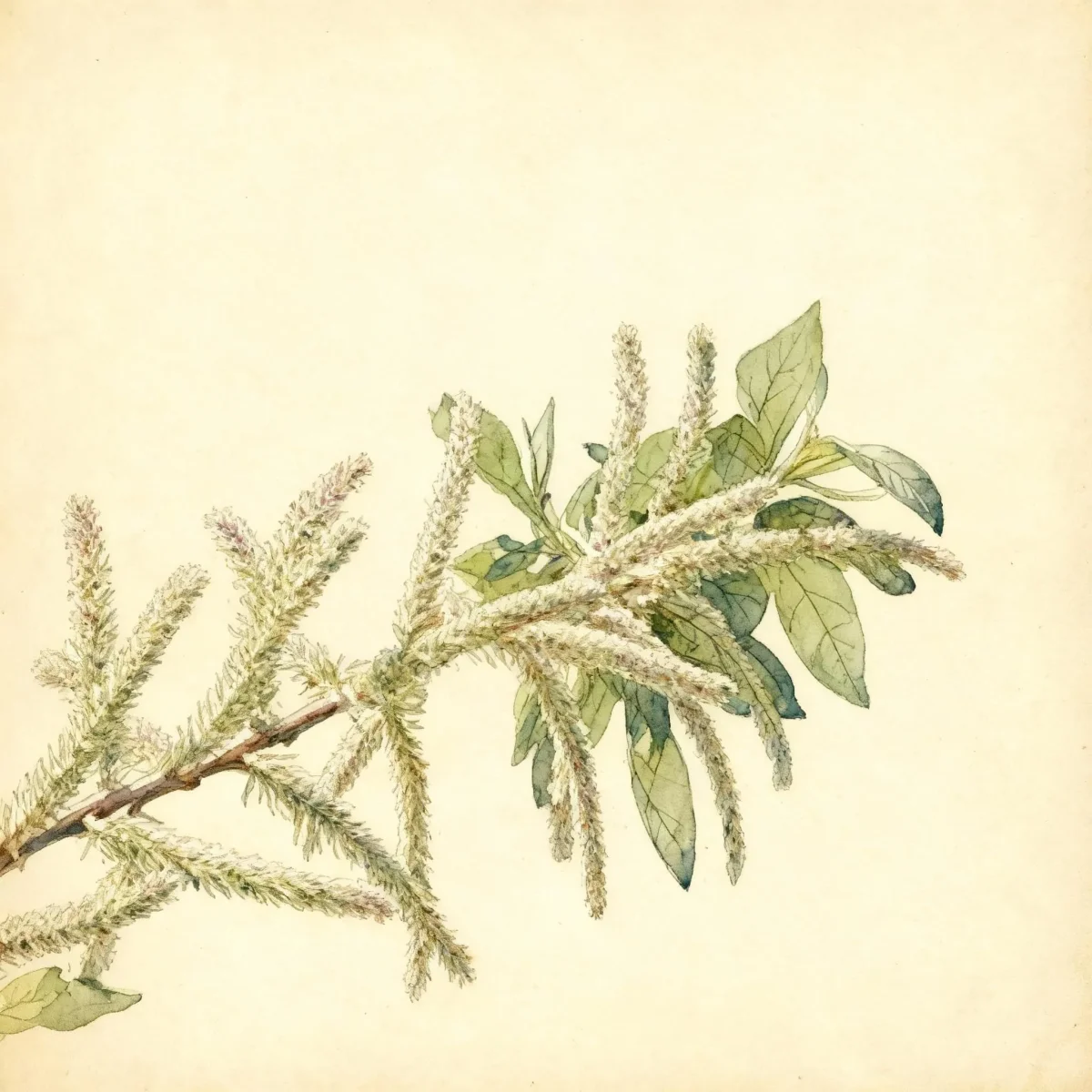
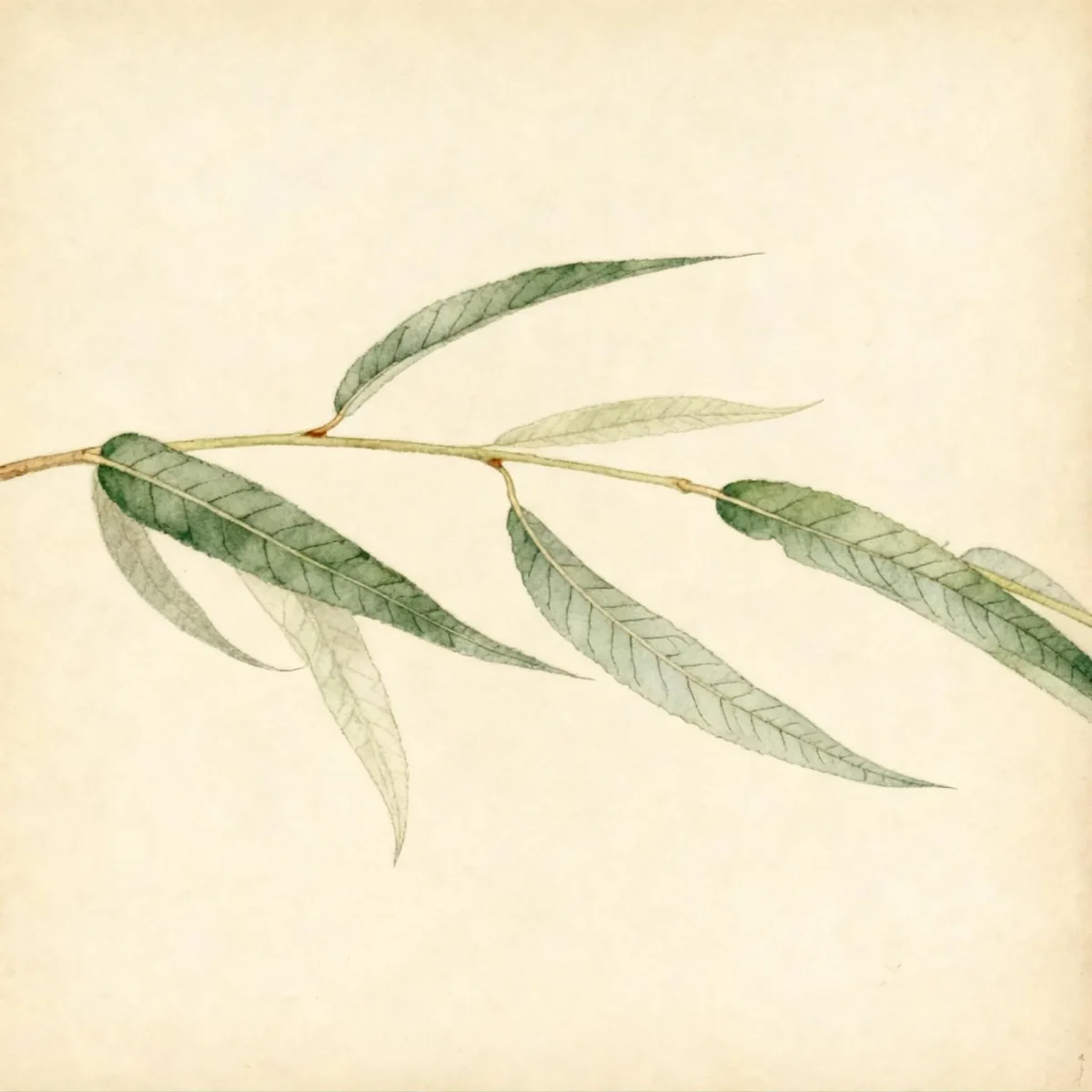
White willow (Salix alba 'Tristis')
Salix alba 'Tristis' is a stunning, fast-growing golden weeping willow valued for its drooping yellow twigs and large stature.
Scroll down to discover growing tips, care requirements, companion plants, and more
Complete Plant Information
Overview
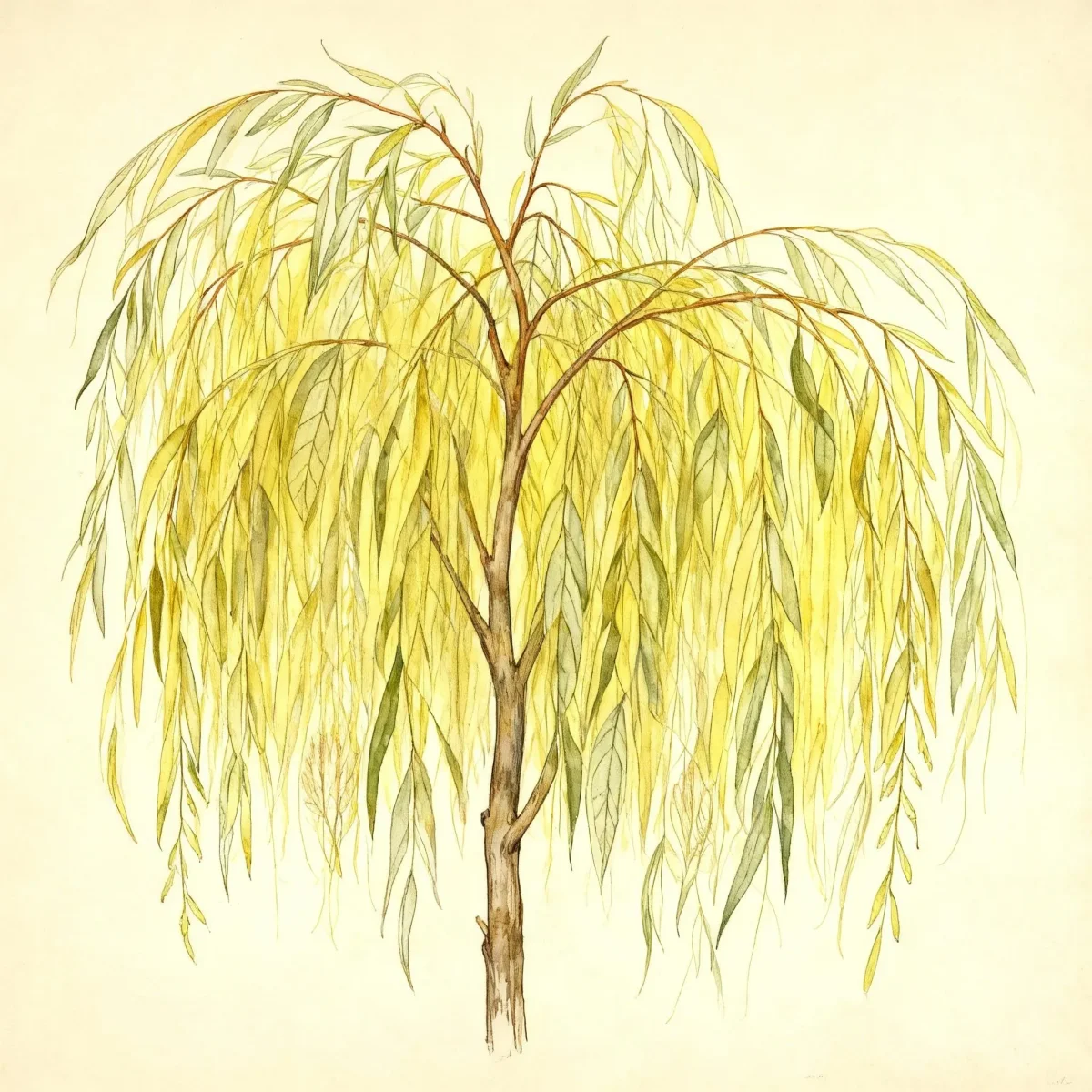
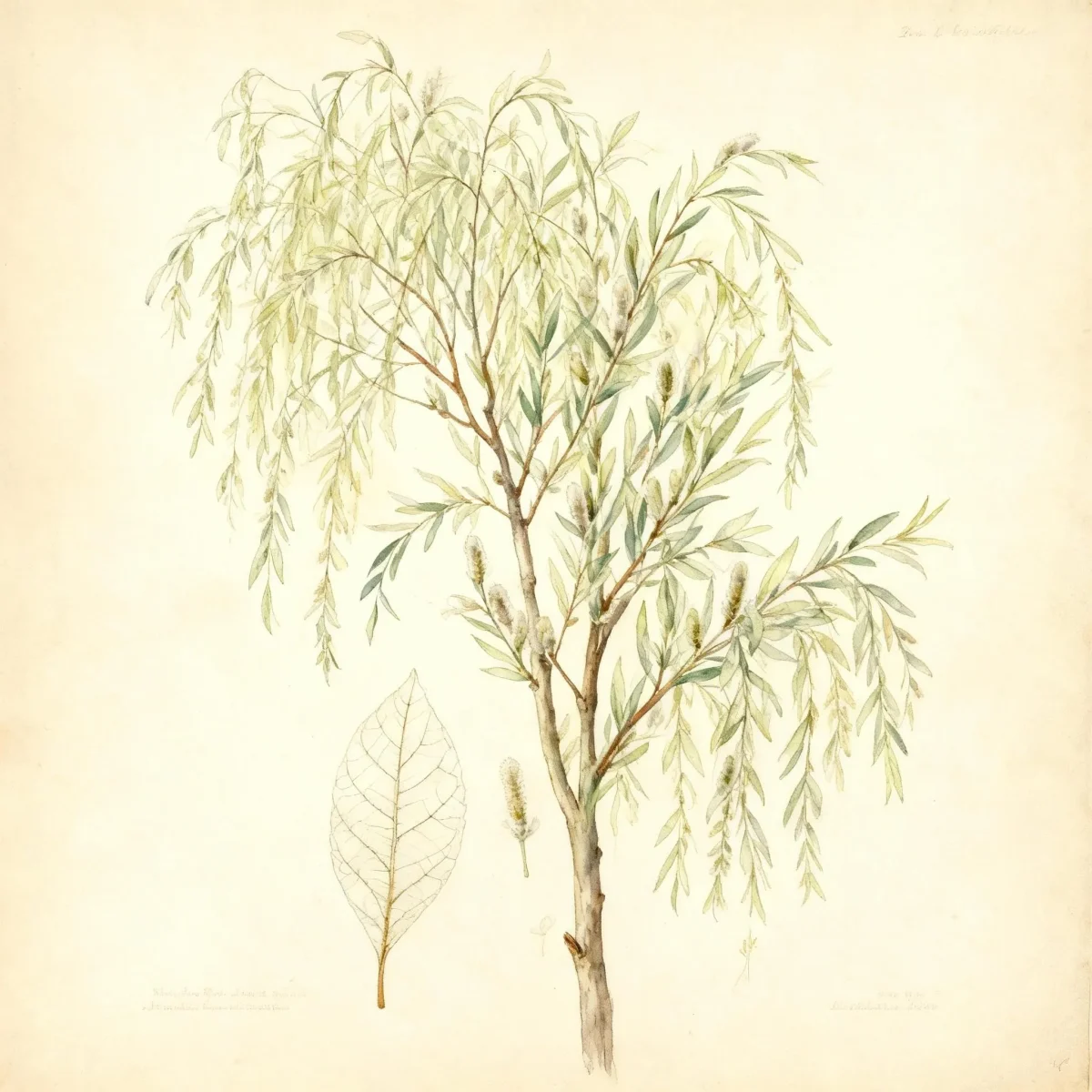
Salix alba ‘Tristis’, commonly known as White willow, is renowned in horticulture for its dramatic, weeping form and the brilliant golden-yellow color displayed by its year-old twigs. Although the species represents a large, upright tree, the cultivar Salix alba ‘Tristis’ provides exceptional specimen value with its gracefully arching branches that sweep toward the ground. Its overall structure makes it a significant architectural element in large landscapes, provided adequate space and appropriate moisture levels are available.
This fast-growing deciduous tree requires moisture and plenty of sunlight to thrive, making it most suitable near water features or in lower landscape depressions. While it possesses many aesthetic benefits, gardeners must be aware that the White willow carries significant maintenance requirements due to its inherent structural weaknesses and tendency to drop debris. Choosing Salix alba ‘Tristis’ means committing to regular assessment and pruning to manage its large size and potential mess.
Despite some drawbacks, the weeping habit and intense winter color of Salix alba ‘Tristis’ ensure its continued popularity among growers looking for vertical drama and seasonal interest in substantial plantings. The leaves offer soft, gray-green texture during the growing season, complementing the stunning golden display when the foliage drops.
Fast Facts
- Plant Family: Salicaceae
- Plant Type: Tree
- Hardiness Zones: USDA Zones 4-8
- Size at Maturity:
- Height: 50-75 ft
- Spread: 50-75 ft
- Bloom Time: April to May
- Bloom Description: Green
- Sun Exposure: Full sun to part shade
- Water Needs: Medium to wet
- Maintenance Level: High
How to Grow
The best time to establish a new Salix alba ‘Tristis’ is typically in early spring while the tree is dormant. This tree thrives best when planted in average, well-drained soils that are kept consistently medium to wet. It strongly prefers full sun exposure, though it can tolerate partial shade; however, avoid planting locations prone to dryness, as this tree actively draws significant moisture.
Ongoing care for the White willow centers heavily on water management and structural pruning. Ensure the area remains consistently moist; utilize its tolerance for wet soil to your advantage by placing it in rain gardens or near ponds. Fertilizing is rarely necessary for such a vigorous grower, but pruning should be performed as needed, ideally in late winter or early spring before new growth begins.
Pruning is crucial not just for shaping the iconic weeping form but also for removing weak or damaged wood, as the wood is inherently susceptible to ice and snow damage. Be mindful of underground systems, as the shallow, aggressive root system of the White willow can seek out and clog drains or sewer lines if planted too close to structures.
Landscape Uses
The primary recommended use for Salix alba ‘Tristis’ is in specialized contexts like rain gardens, capitalizing on its requirement for ample moisture. Generally, these large trees are often cautioned against for standard residential landscapes due to their messy nature and weak wood structure. However, the striking beauty of the golden weeping willow makes it a strong candidate as a specimen tree where its size can be accommodated.
It performs excellently near bodies of water, such as streams or ponds, where its moisture demands are easily met, and its dramatic form can overhang the water feature. For gardeners dealing with consistently low, moist spots that discourage many other trees, Salix alba ‘Tristis’ offers a spectacular solution. Its size prohibits use in small gardens, but in large estates or park settings, it provides unparalleled, majestic weeping interest.
Standout Features
Flower Qualities
- Insignificant
Noteworthy Characteristics
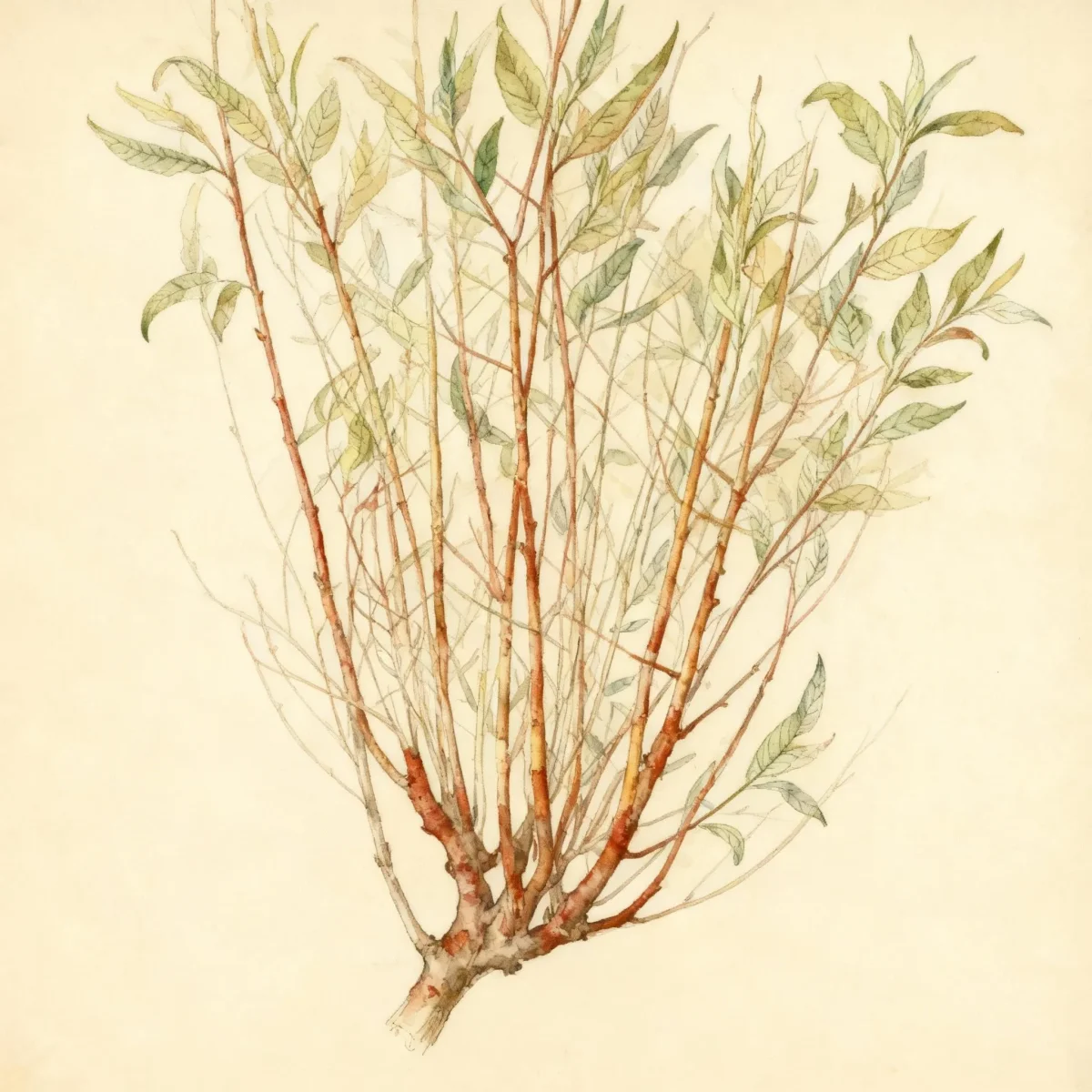
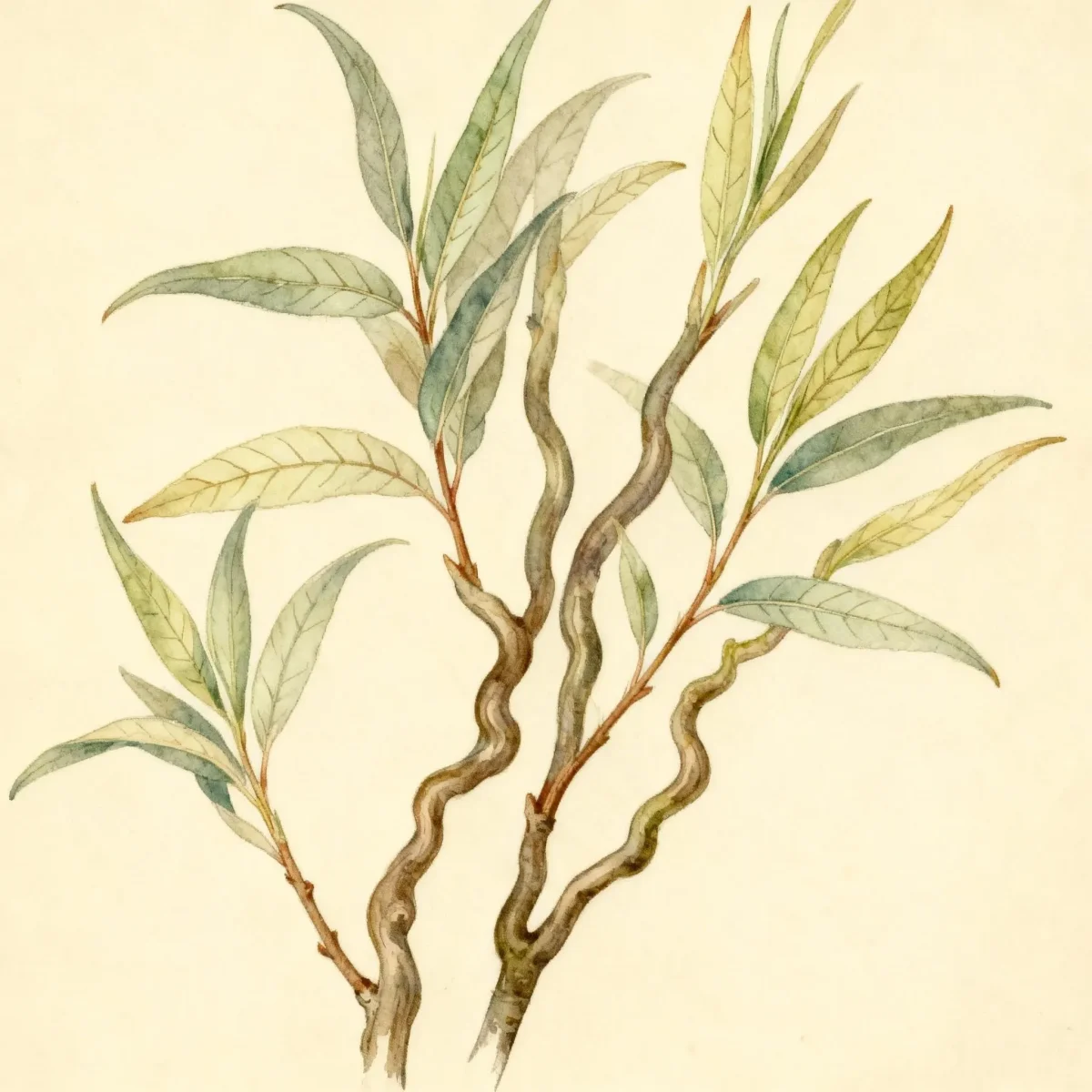
Salix alba, commonly called white willow, is native to Europe, central Asia and northern Africa, and it was introduced to the U.S. in the 1700s. This fast-growing, deciduous tree typically grows to 50-80’ tall with an open crown and is known for producing showy red or yellow winter twigs on some cultivars. The specific cultivar ‘Tristis’, often sold as golden weeping willow, is celebrated for its pendulous golden branchlets that create a weeping effect against its gray-green, finely-toothed leaves.
Tolerances
- Deer
- Erosion
- Clay Soil
- Wet Soil
- Black Walnut
Potential Problems
The Salix alba ‘Tristis’ is unfortunately susceptible to numerous disease issues, including various blights, cankers, and powdery mildew, alongside common insect pests like borers and lacebugs. Homeowners should anticipate higher maintenance needs resulting from pest and disease management. Furthermore, the wood of this tree is relatively weak, leading to a high potential for branch breakage during heavy ice or snow events, contributing significantly to litter. Controlling the sprawling, shallow root system is also necessary, as these roots readily clog underground pipes if planted improperly near infrastructure.
Frequently Asked Questions
What hardiness zones is White willow suitable for?
Salix alba ‘Tristis’ is reliably hardy within USDA Zones 4 through 8.
How large does Salix alba ‘Tristis’ grow?
This impressive tree typically reaches heights between 50 and 75 feet, with a corresponding spread of 50 to 75 feet at maturity.
What sun exposure does White willow need?
For optimal performance and color, plant Salix alba ‘Tristis’ in full sun, although it can tolerate partial shade conditions.
When does Salix alba ‘Tristis’ bloom?
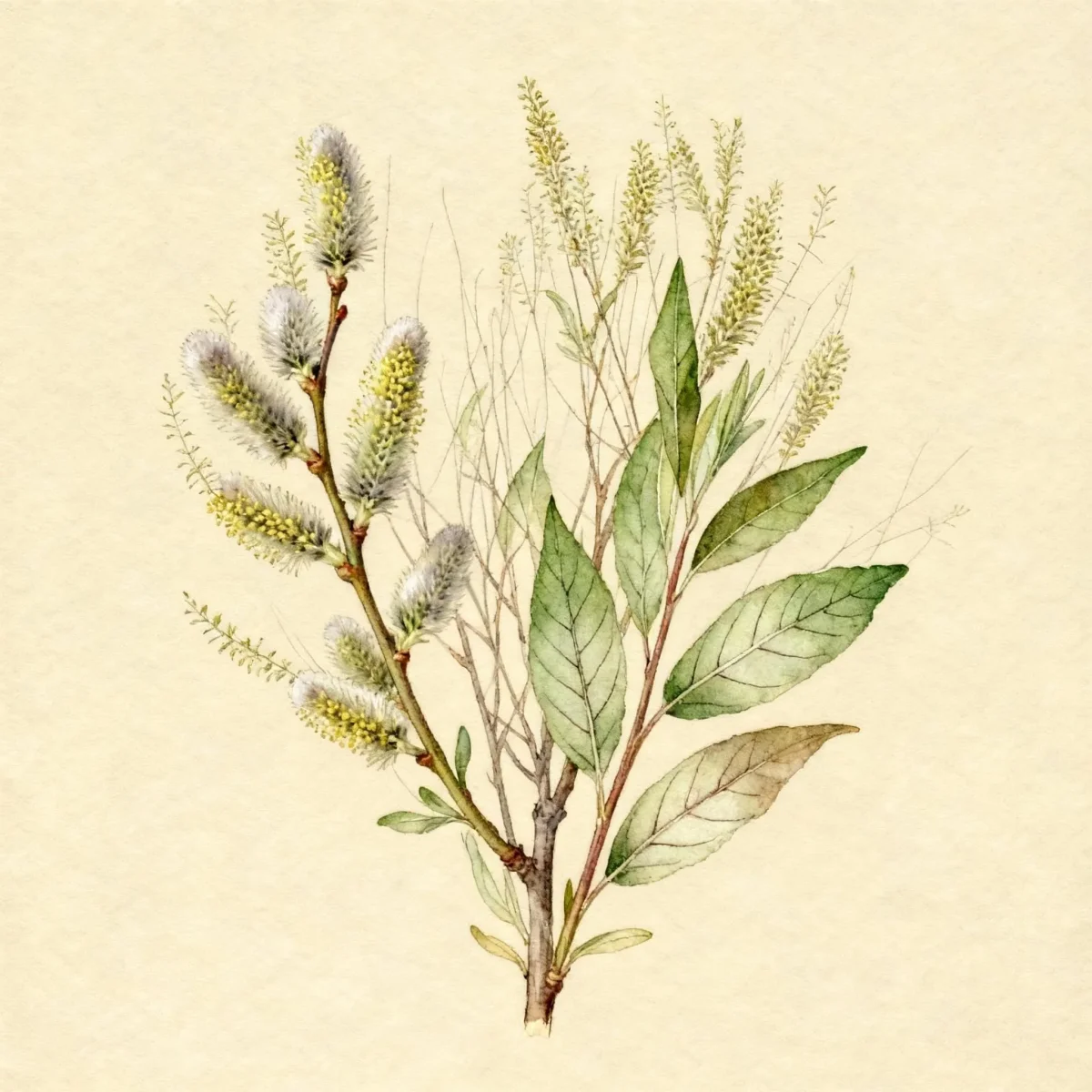
Flowering occurs between April and May, producing small, green, non-showy catkins.
Conclusion
Salix alba ‘Tristis’ provides unmatched visual impact, particularly noted for the golden, gracefully weeping twigs that define its cultivar name. As a fast-growing, large specimen tree, this White willow thrives where moisture is plentiful, though its high maintenance level requires diligent monitoring for structure and pest issues. Always consult your local hardiness zone map and plan placement carefully to manage its substantial mature size and powerful root system.
Companion Planting
Since Salix alba ‘Tristis’ demands consistent moisture, companion plants must share a similar affinity for wet or consistently damp soil conditions. Consider pairing it with other moisture-loving trees or shrubs that tolerate clay, such as River Birch (Betula nigra) or certain Dogwoods (Cornus species), especially those with contrasting bark textures for winter interest. For the understory, look towards moisture-tolerant perennials like Swamp Milkweed (Asclepias incarnata) or various dense ferns that won’t struggle beneath the large canopy where light may be filtered.
Seasonal Care Calendar
Spring is crucial for the White willow; this is the ideal time for pruning structural cuts necessary to minimize weak growth before the season starts. As summer progresses, closely monitor for signs of insect infestation, like aphids or scale, treating promptly to maintain foliage health. In autumn, while the leaf drop is inevitable, focus on keeping surrounding areas clear of excessive debris, especially near lawns or pathways before winter sets in. Winter is when the golden color of the ‘Tristis’ truly shines; inspect branches after severe storms for breakage that requires removal during the dormancy window.